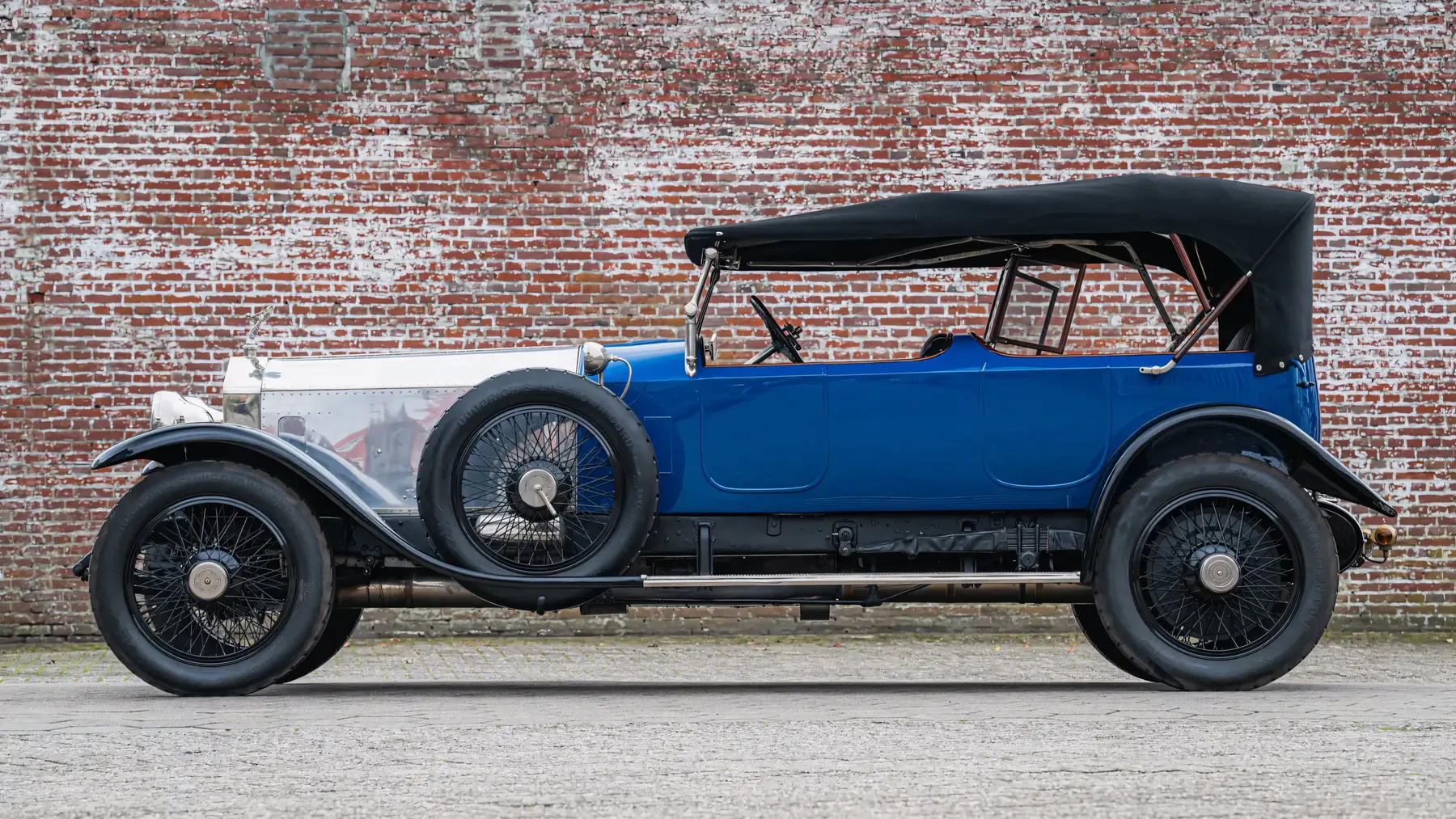
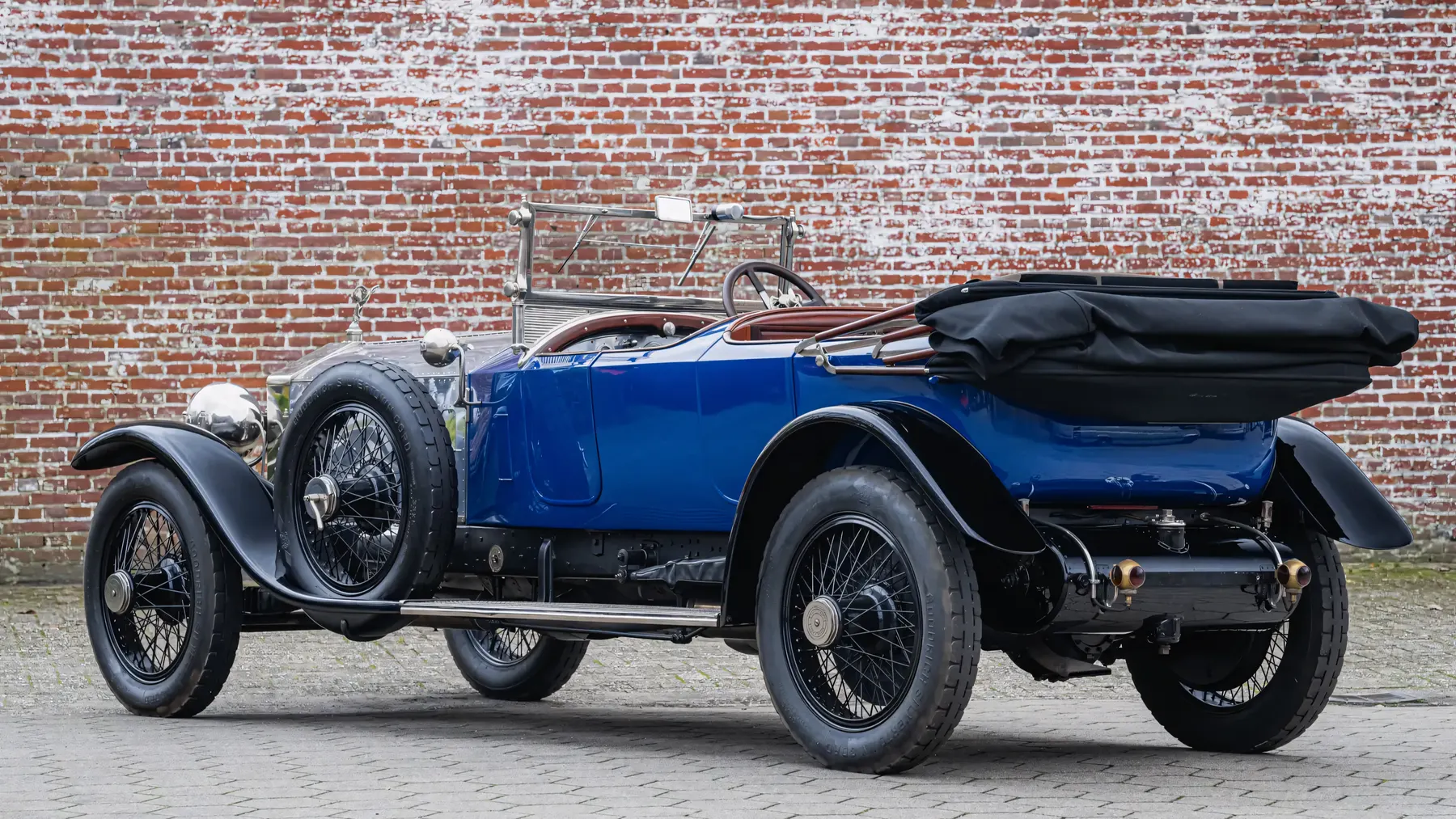
1920 Rolls-Royce 40-50 HP Silver Ghost Tourer by Rothschild et Fils
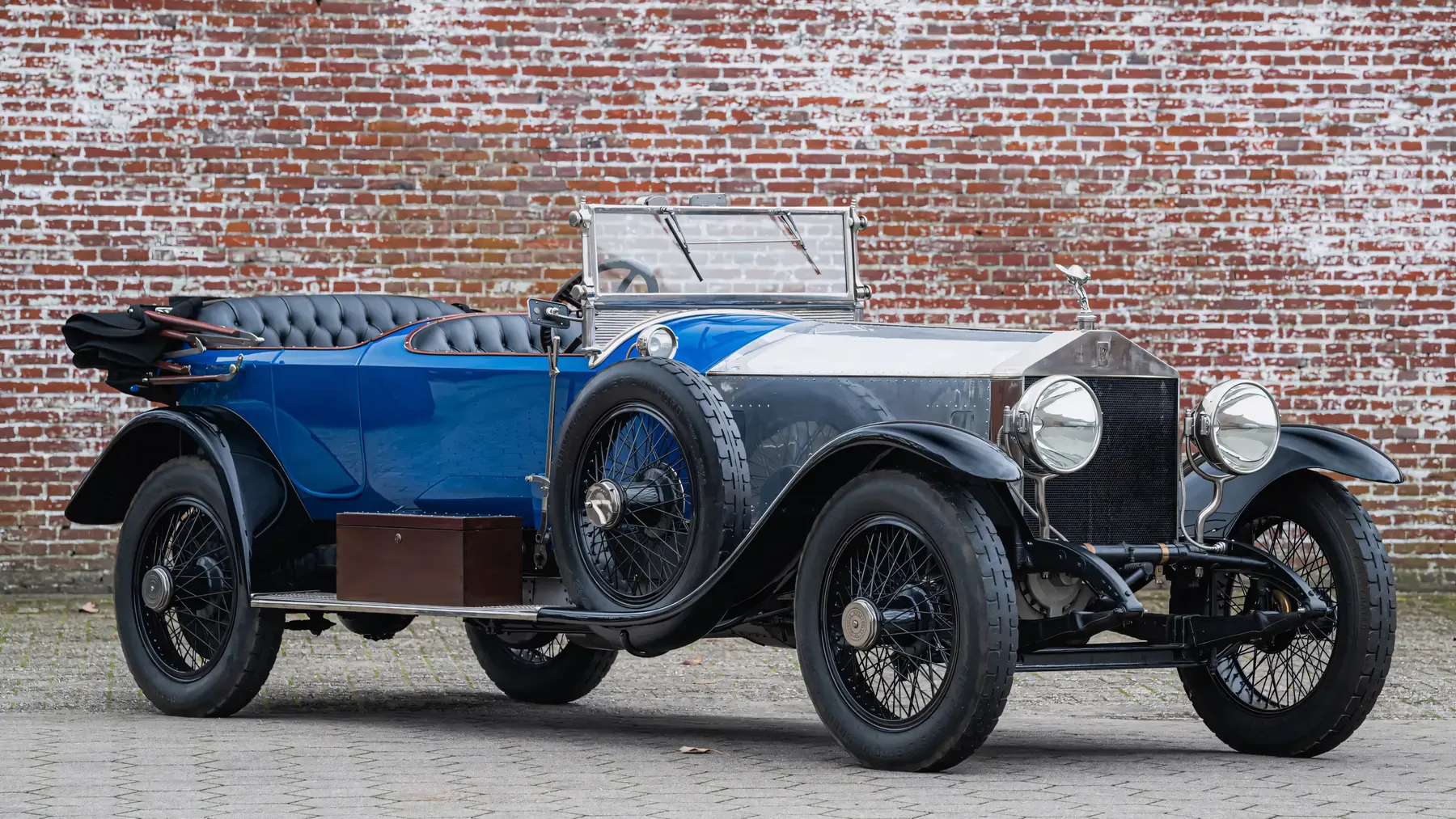
The Rolls-Royce 40/50 HP Silver Ghost Tourer, famously dubbed the “Silver Ghost,” stands as one of the most significant and storied vehicles in automotive history. Produced from 1907 to 1926, this luxury model gained its legendary name from chassis no. 60551, which carried the registration AX 201. This specific car, distinguished for its incredibly smooth and silent operation, was named “Silver Ghost” by Rolls-Royce’s managing director, Claude Johnson, to emphasise its ghostly quietness. While AX 201 was a unique car, the press quickly picked up on the name “Silver Ghost” for all 40/50 HP models, which later became the standard designation, even though Rolls-Royce did not officially adopt it until 1925.
The Silver Ghost’s development was a testament to Rolls-Royce’s commitment to quality and reliability. Under the hood, it housed a robust 7036 cc engine, later expanded to 7428 cc in 1910. This side-valve, six-cylinder engine was a marvel for its time, and it evolved with the introduction of a four-speed transmission in 1913, replacing the earlier three-speed unit. The car was known for its power and smooth ride, achieving 80 bhp at 2,250 rpm in later models. Rolls-Royce continually refined the engine, introducing advanced features like full-pressure lubrication and dual ignition, making it one of the most advanced of its era.
The Silver Ghost’s fame grew through public demonstrations of its reliability. In 1907, AX 201 embarked on an ambitious 15,000-mile endurance trial, including the Scottish reliability trials and repeated runs between London and Glasgow. The car reportedly needed only minimal servicing costs after 7,000 miles, reinforcing Rolls-Royce’s reputation for excellence. This success led to the company’s now-famous claim of building the “best car in the world,” a title originally granted by the esteemed automotive magazine Autocar.
One standout feature of the Silver Ghost Tourer is its coachwork. AX 201 originally sported an open-top “Roi-des-Belges” body style by Barker, a high-end coachbuilder, along with an aluminium finish and silver-plated fittings, a look that enhanced its luxury and appeal. The car was designed with both style and endurance in mind, appealing to wealthy patrons seeking refinement, power, and reliability.
Apart from its elegance, the Silver Ghost also served functional roles, including military use in WWI as an armoured vehicle. Rolls-Royce produced armoured versions using the same sturdy chassis, which further solidified the car’s reputation. Some Silver Ghosts took part in motorsport events, notably the 1912 and 1913 Austrian Alpine Trials, where Rolls-Royce gained significant accolades. Following these successes, the company introduced a high-performance “Continental” variant, known as the “Alpine Eagle,” featuring enhanced power and durability for alpine terrain.
After the Silver Ghost’s production ceased in 1926, Rolls-Royce replaced it with the New Phantom, later named the Phantom I. The Silver Ghost remains a celebrated icon, with AX 201 currently valued as one of the world’s most expensive cars, once insured for a reported $35 million. Today, numerous examples of the Silver Ghost are preserved, and many are still operational, highlighting the longevity and quality that Rolls-Royce established over a century ago.
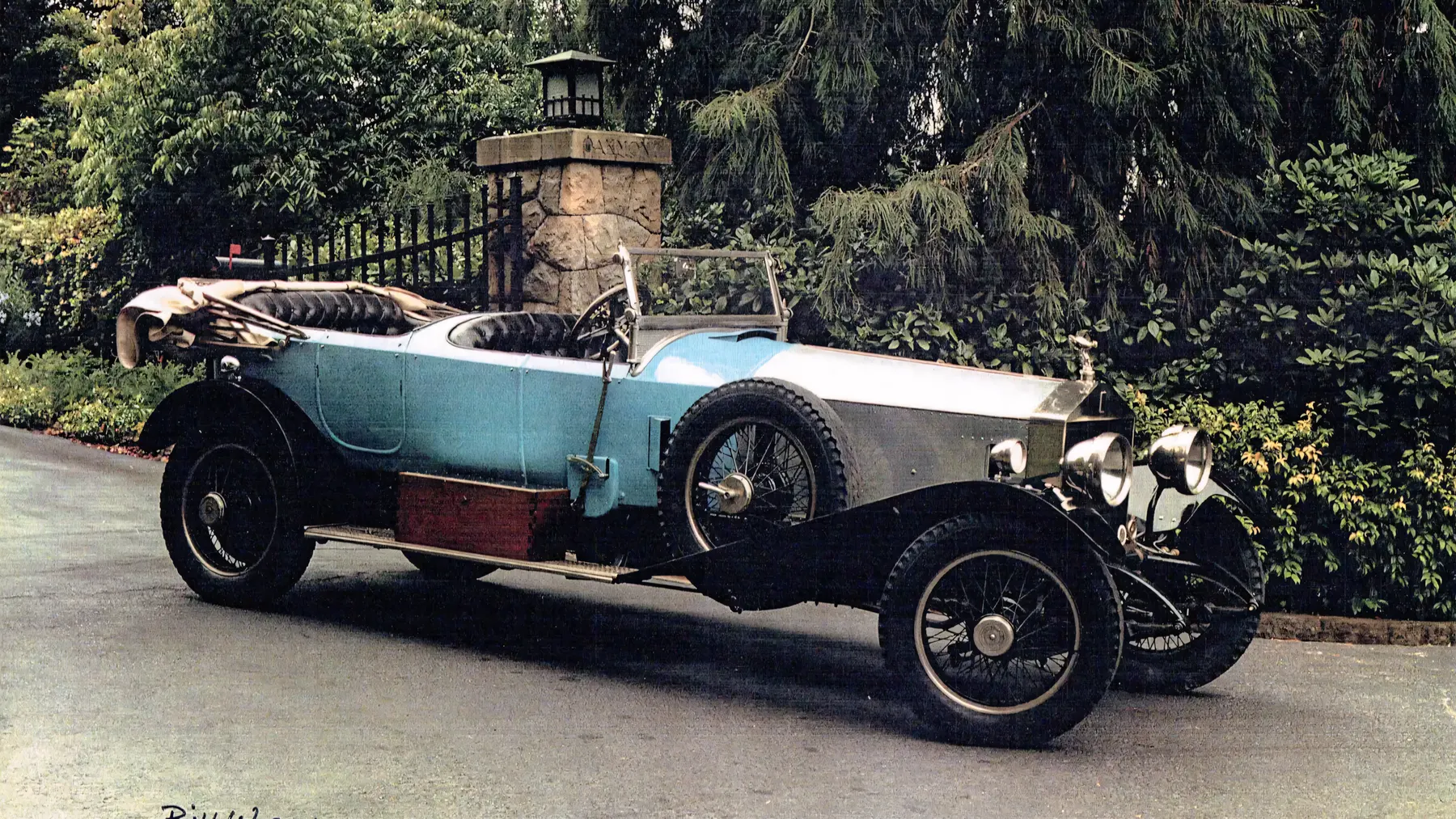
This legacy model’s influence extends beyond its era, symbolising Rolls-Royce’s craftsmanship, innovation, and the high standards that have defined the brand in the luxury automotive market to this day.