1930 Duesenberg Model J 'Disappearing Top' Convertible Coupe by Murphy
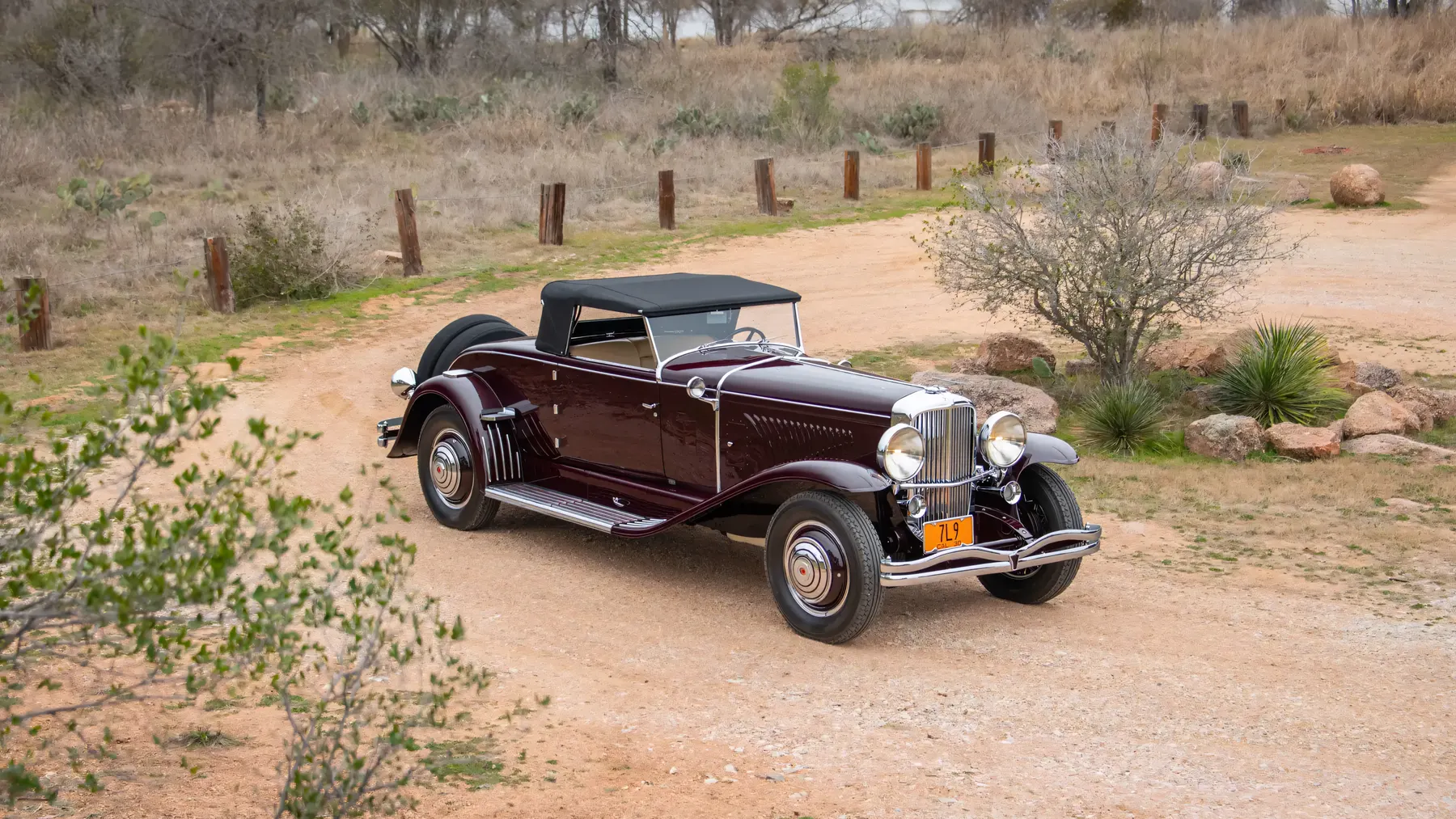
The Duesenberg Model J ‘Disappearing Top’ Convertible Coupe by Murphy stands as a pinnacle of luxury, performance, and innovation in automotive history. Introduced in the late 1920s, this iconic car captured the opulence of pre-Depression America while pushing the boundaries of design and engineering.
Duesenberg, under the leadership of E.L. Cord, aimed to rival the luxury and performance of European giants like Rolls-Royce and Hispano-Suiza. The Model J debuted at the New York Car Show in 1928, embodying a blend of cutting-edge technology and extravagant design. However, the timing was challenging; the Great Depression severely limited sales, with only 481 Model Js produced from 1928 to 1937. Despite this, the car became a symbol of success and exclusivity, owned by celebrities, royalty, and industrial magnates.
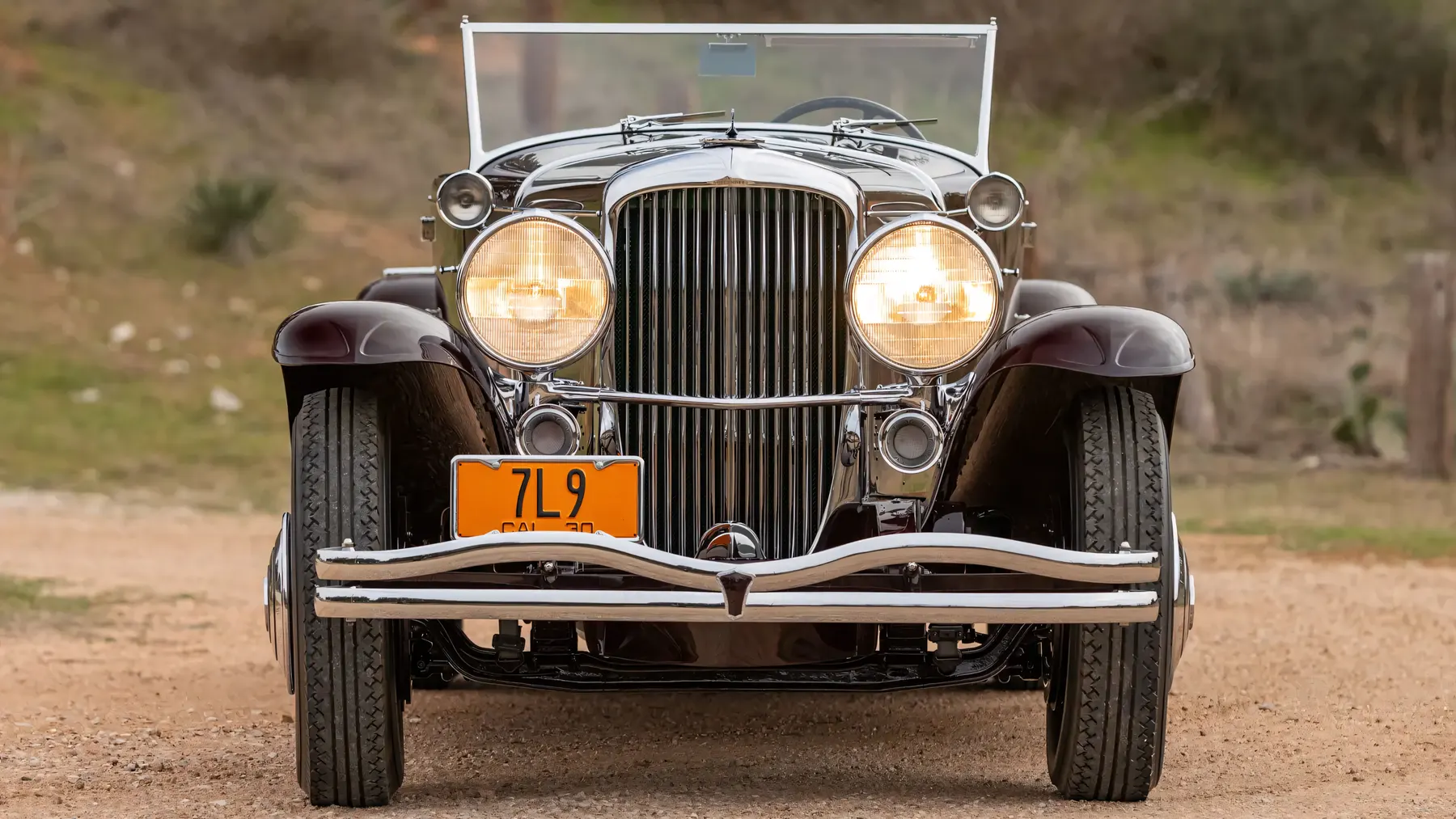
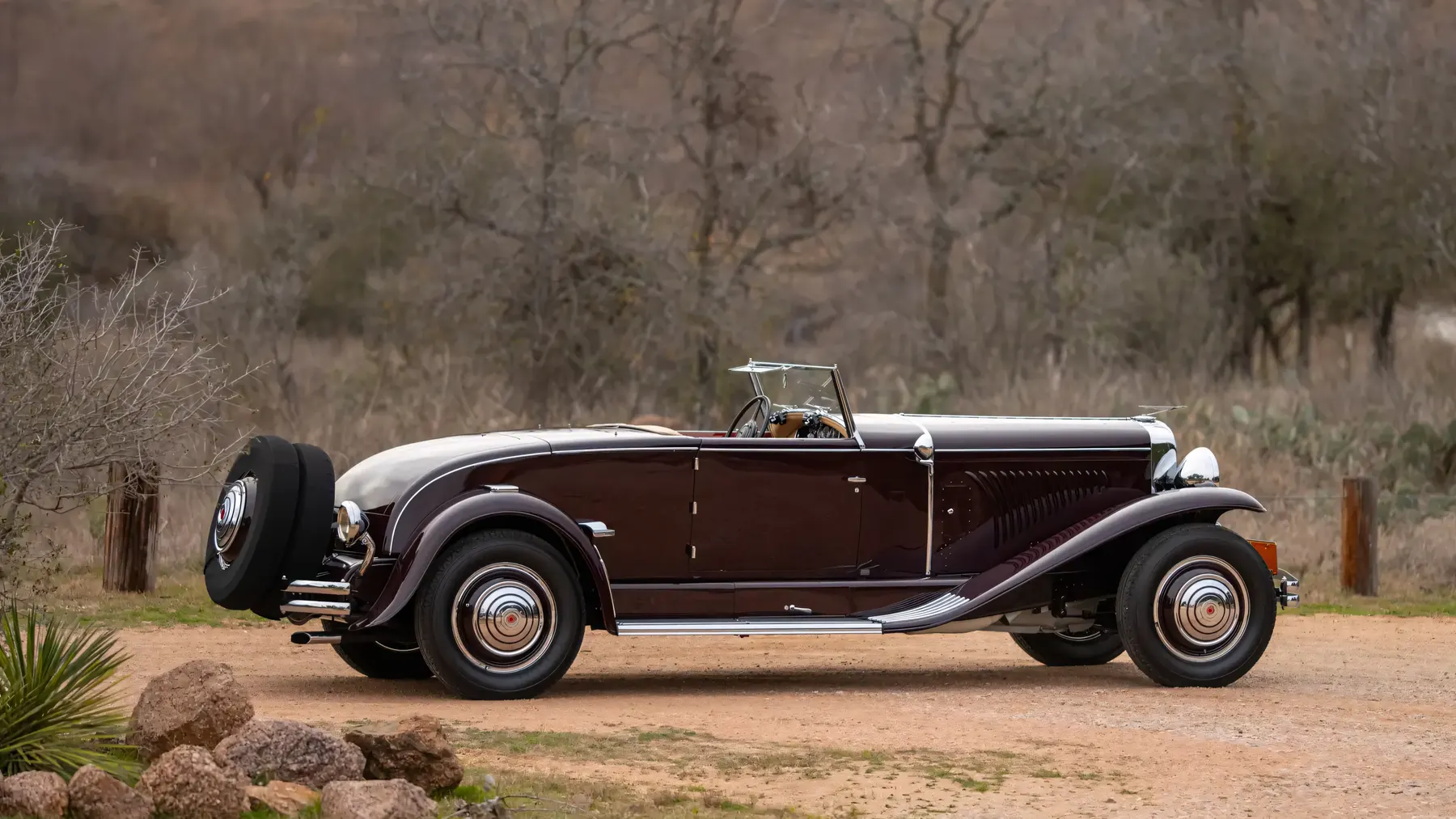
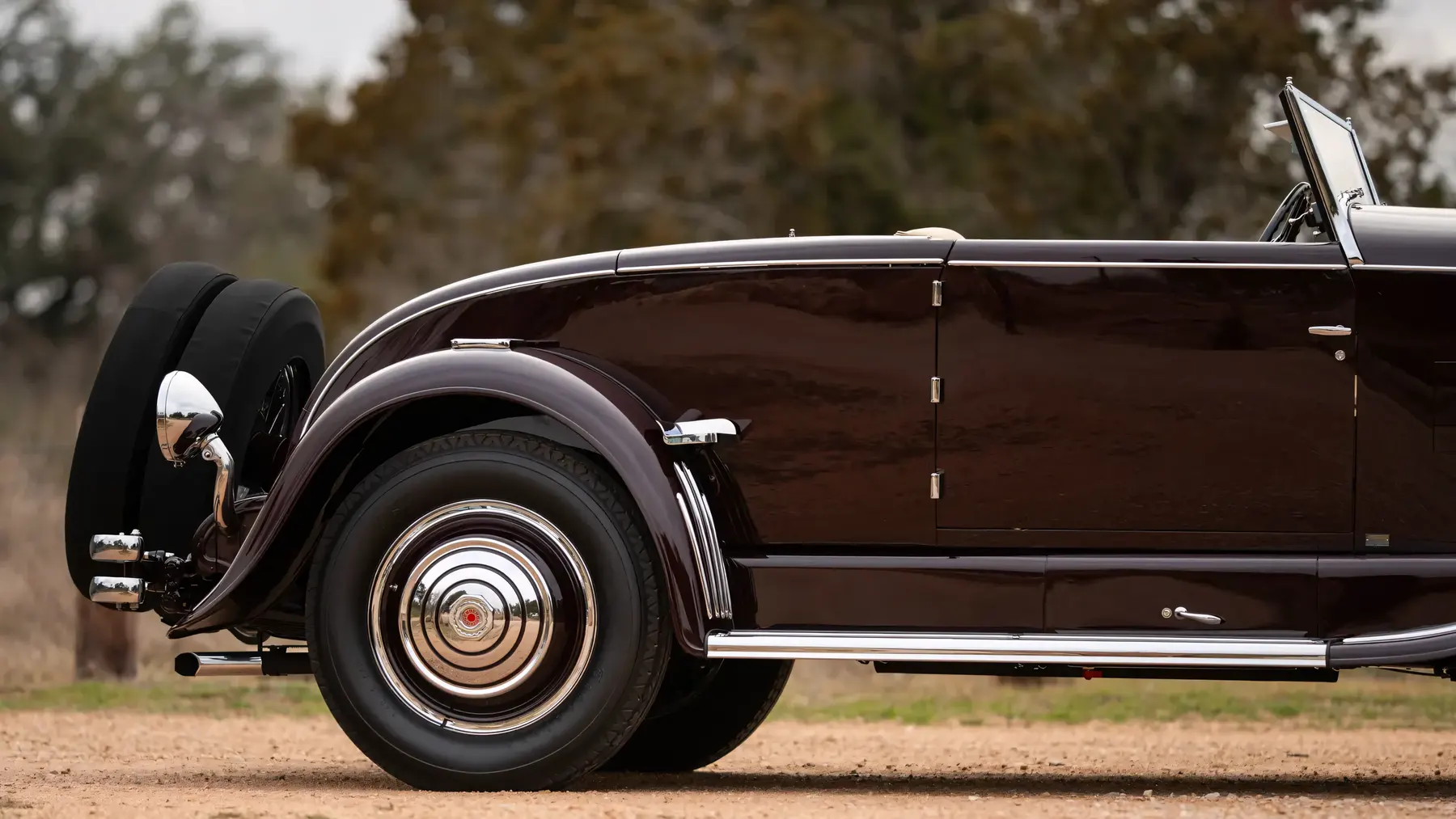
The ‘Disappearing Top’ Convertible Coupe was one of the most sought-after variations of the Model J, designed by the famed coachbuilder Murphy of Pasadena, California. Murphy specialized in creating lightweight yet elegant bodies, and their work on the ‘Disappearing Top’ is a testament to their craftsmanship. The car featured a folding convertible roof that seamlessly stowed beneath a flush rear deck, preserving its clean and streamlined silhouette,an innovation that was both aesthetically and mechanically ahead of its time.
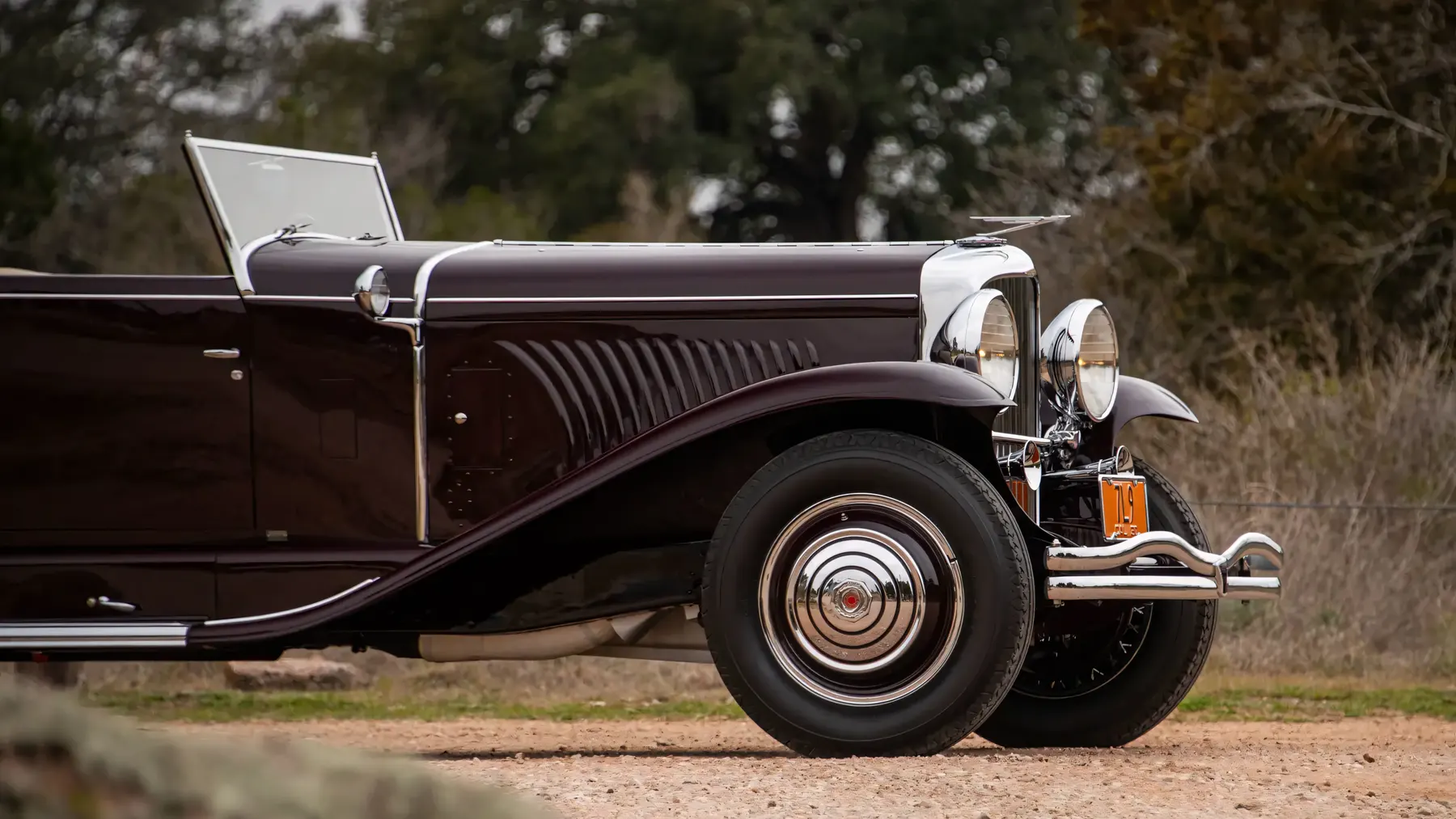
Murphy’s design emphasized simplicity and elegance, avoiding excessive ornamentation. The Convertible Coupe’s long hood, gracefully arched fenders, and imposing grille exuded power and sophistication. The bodywork complemented the Duesenberg’s substantial 142.5-inch wheelbase, providing a perfect balance between luxury and sportiness. Inside, the car featured lavish materials such as leather and polished wood, with customizable interiors to suit the buyer’s preferences.
At the heart of the Model J was a 420-cubic-inch (6.9-liter) straight-eight engine, producing 265 horsepower in its naturally aspirated form. Paired with dual overhead camshafts and four valves per cylinder, it was one of the most advanced engines of its era. This powerhouse enabled the Model J to achieve a top speed of 187 km/h (116 mph), making it the fastest car of its time.
The ‘Disappearing Top’ Convertible Coupe was not only a design marvel but also packed with innovative features. Its dashboard included timed maintenance reminders for oil changes and battery checks,an early nod to convenience and reliability. Additionally, the car’s build quality and attention to detail were unrivaled, with every component meticulously crafted to reflect its status as a luxury icon.
The Model J quickly became a status symbol in the United States and Europe. It was favored by Hollywood stars, royalty, and business moguls, cementing its reputation as the epitome of luxury. Figures like Greta Garbo, Clark Gable, and Howard Hughes were among its owners, while the car’s presence in films and publicity photos further elevated its mystique.
Despite the challenges of the Depression, the Model J and its variations, including the Murphy-bodied Convertible Coupe, endured as a symbol of aspirational design. Today, surviving examples are highly coveted by collectors, with auction prices often exceeding millions of dollars.
The Duesenberg Model J ‘Disappearing Top’ Convertible Coupe by Murphy is an enduring symbol of an era when luxury, performance, and design converged at their peak. From its innovative roof mechanism to its unmatched engineering and timeless style, this automotive masterpiece remains a touchstone of excellence in American car manufacturing.