1931 Marmon Sixteen Convertible Sedan by LeBaron
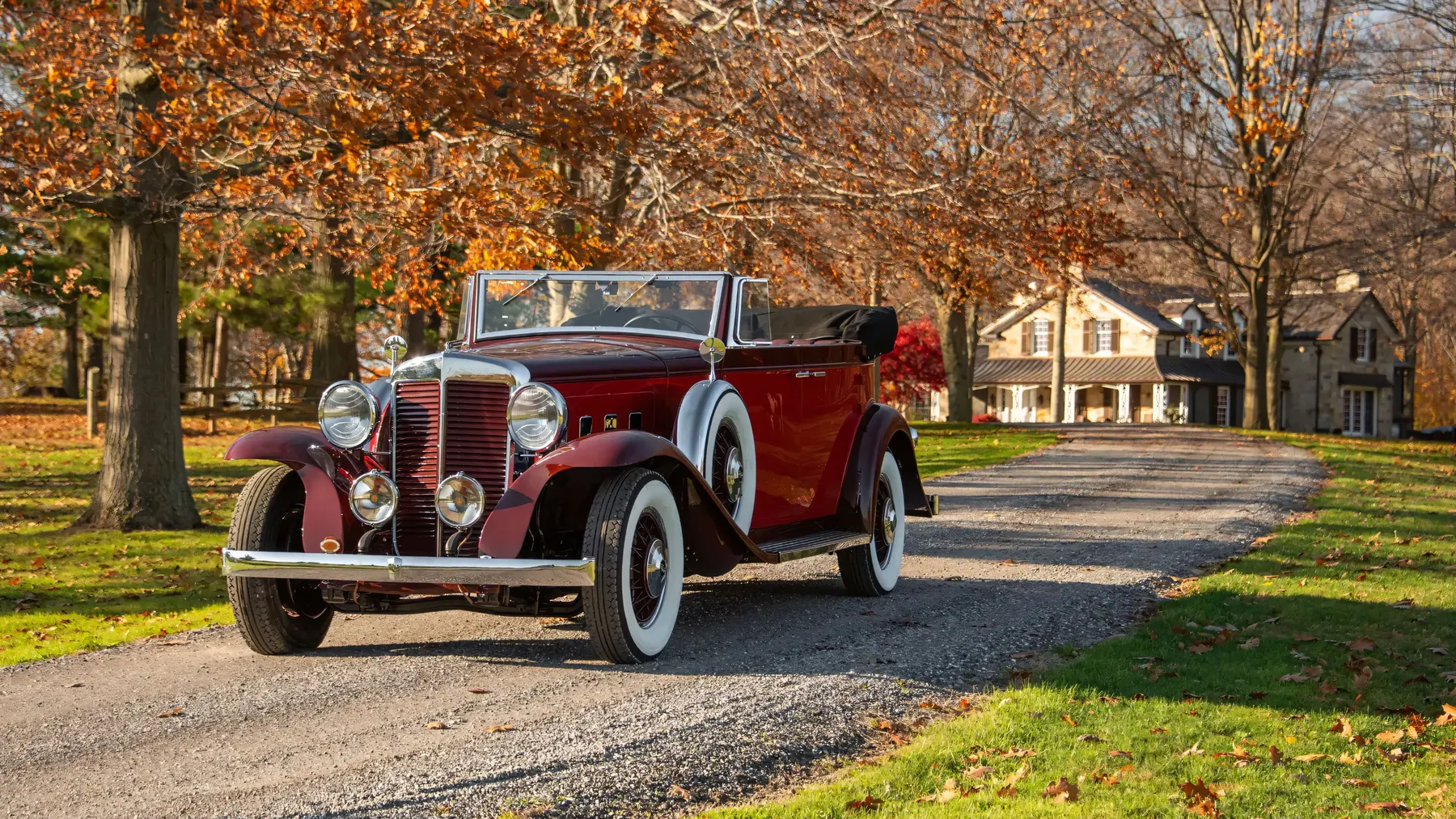
The Marmon Sixteen Convertible Sedan by LeBaron stands as a beacon of automotive innovation, style, and performance from the twilight of the classic American luxury car era. Produced between 1931 and 1934, the Marmon Sixteen is a testament to the bold engineering prowess of the Marmon Motor Car Company, an Indianapolis-based manufacturer with a storied history. Its elegant design, powerful V16 engine, and exceptional craftsmanship secured its place among the greatest automobiles of its time, a legacy that continues to captivate enthusiasts to this day.
Founded by Howard Carpenter Marmon, the Marmon Motor Car Company was an industry pioneer from its very inception in 1902. A key player in luxury automobile production, Marmon distinguished itself by embracing advanced engineering and forward-thinking design, introducing numerous innovations that would become staples in the industry. Among these were the rear-view mirror and the extensive use of aluminium to reduce weight and improve performance. Marmon was also the company behind the historic Marmon Wasp, the first car to feature a single-seater “monoposto” construction, which won the inaugural Indianapolis 500 in 1911.
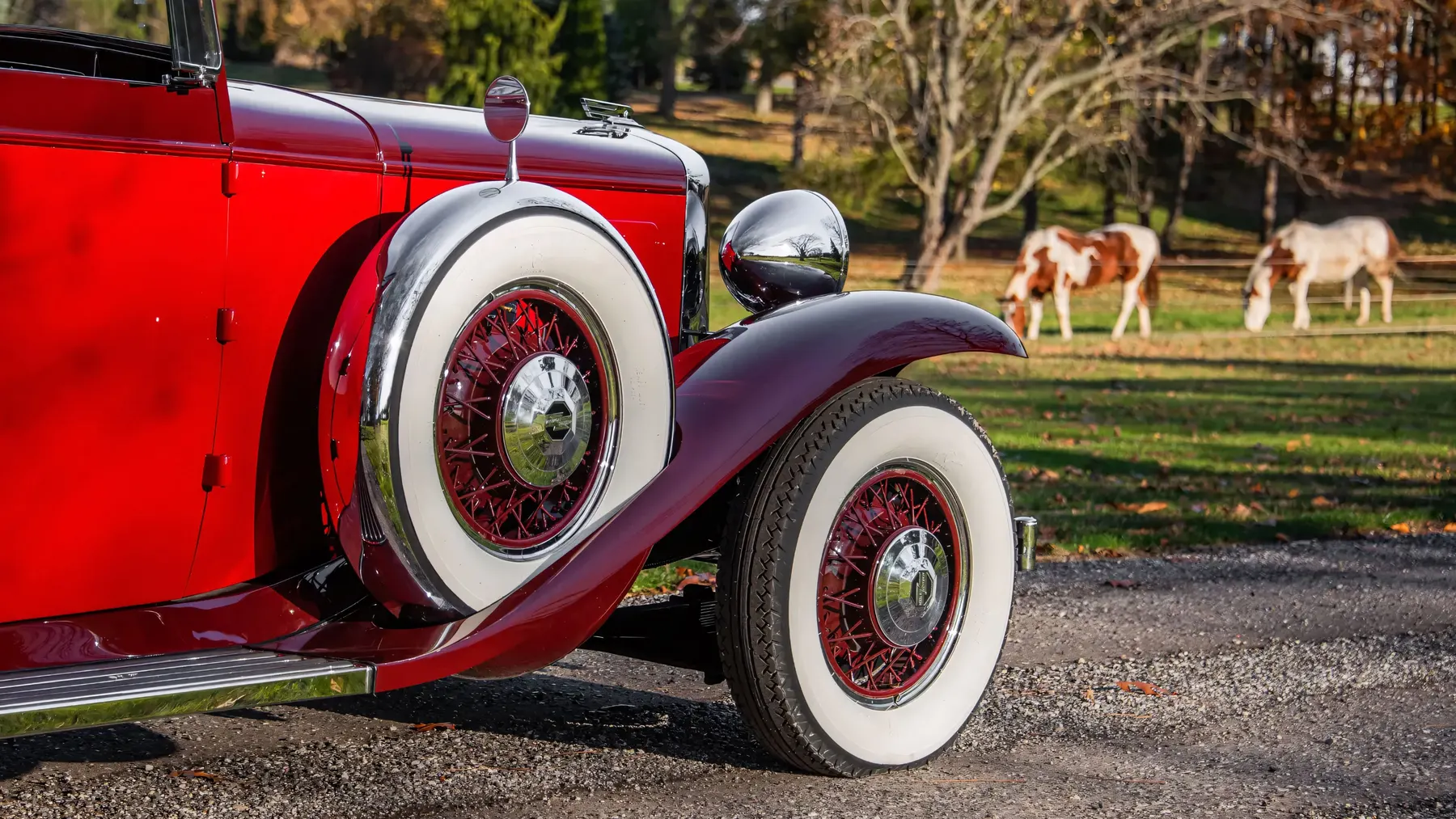
However, Marmon’s most ambitious engineering achievement was the V16 engine, a bold move in an era dominated by straight-six and V8 engines. Howard Marmon began working on the concept of a V16 in 1927, striving to deliver unparalleled smoothness and power. The engine’s development was groundbreaking, yet Marmon’s V16 wasn’t the first to hit the market,Cadillac had beaten them to it, launching its own V16 engine in 1930 with the help of former Marmon engineer Owen Nacker. Despite this, Marmon’s V16 remains one of the finest ever produced, highlighting the brand’s commitment to pushing the boundaries of automotive engineering.
The Marmon Sixteen’s 8.0-liter V16 engine was a marvel of its time. With 491 cubic inches of displacement, it generated a robust 200 horsepower, placing it among the most powerful cars of the early 1930s. What made the Marmon Sixteen’s engine truly exceptional was its all-aluminium design, a rarity in its day. The use of aluminium helped reduce weight and improve the car’s overall performance, while steel cylinder liners ensured durability.
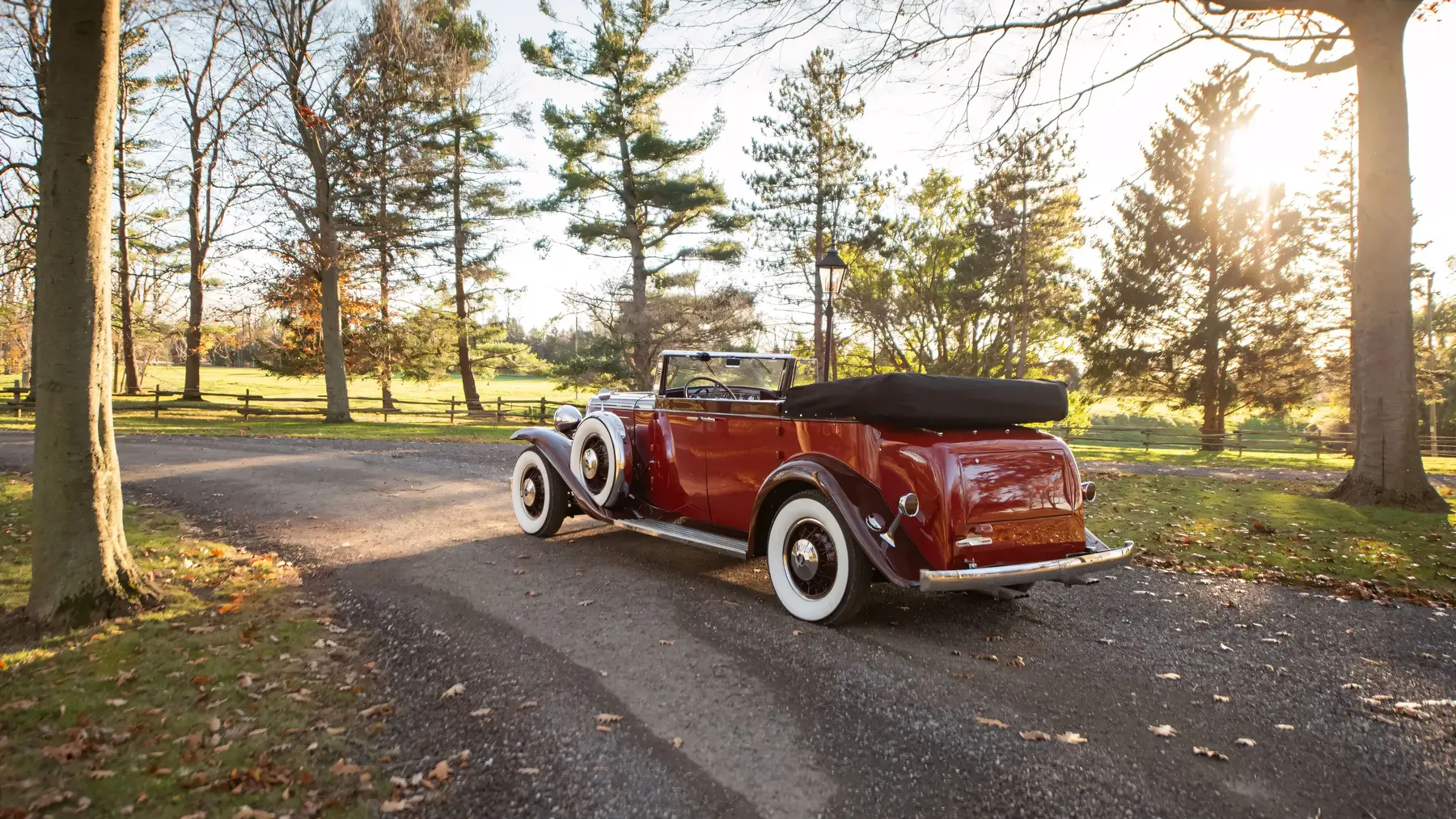
Marmon’s V16 was designed with a 45-degree bank angle, offering a balance between smoothness and compactness. The engine’s massive displacement and high power output allowed the Marmon Sixteen to achieve impressive speeds for its time, effortlessly propelling the large and luxurious car with grace and authority. This powertrain was not only an engineering triumph but also a testament to Marmon’s commitment to creating cars that combined luxury with cutting-edge technology.
While Marmon was responsible for the Sixteen’s engineering, the convertible sedan body was crafted by LeBaron, one of the most esteemed coachbuilders of the era. LeBaron, known for its impeccable attention to detail and elegant designs, had already established itself as a go-to firm for creating custom bodies for luxury automobiles. The LeBaron-bodied Marmon Sixteen Convertible Sedan embodied the height of 1930s style, with graceful lines, sweeping fenders, and an imposing presence that exuded sophistication and grandeur.
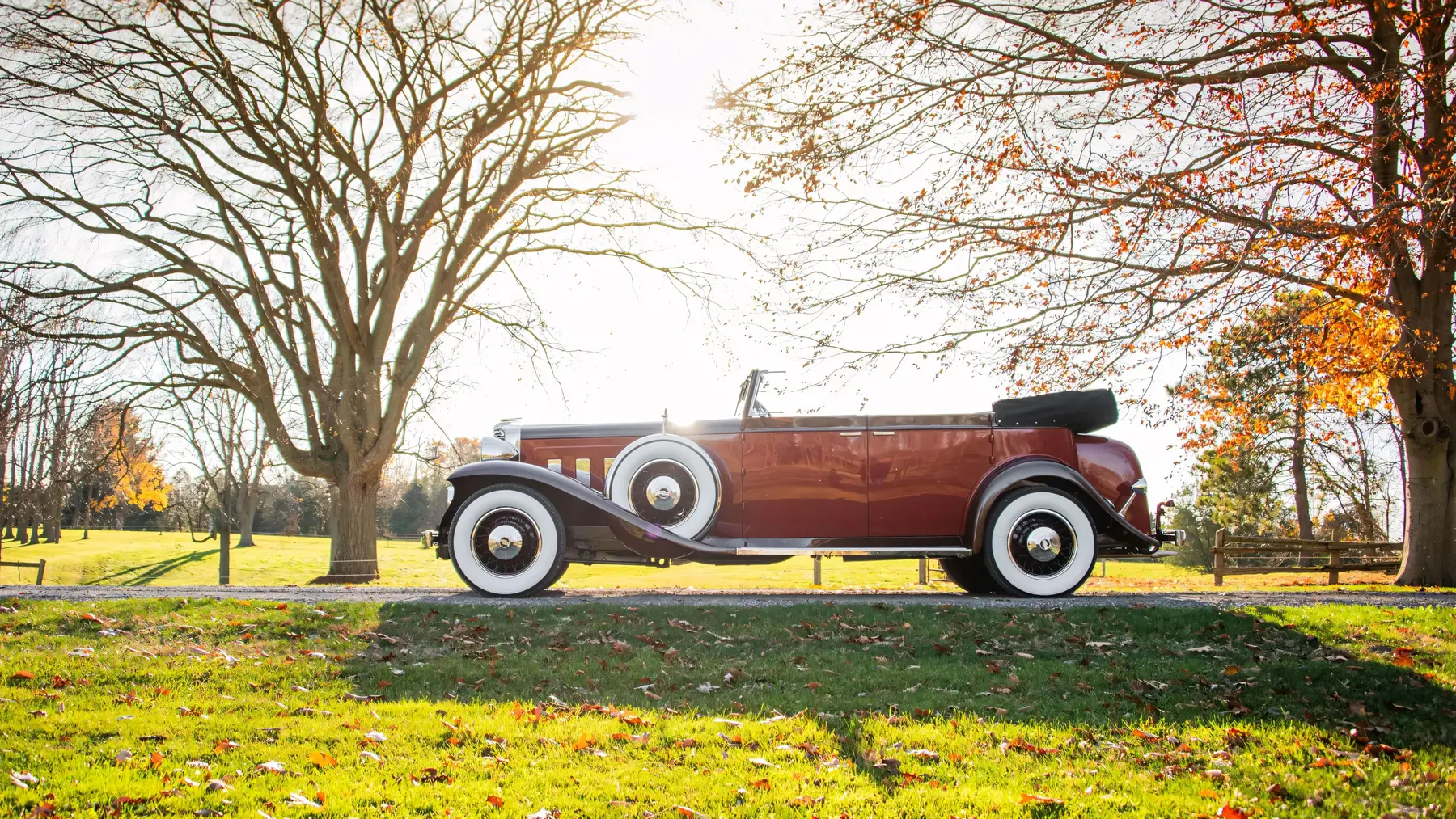
Designed by the renowned Walter Dorwin Teague, with assistance from his son, the body of the Sixteen is a masterclass in Art Deco design. Its long, flowing curves and elegantly proportioned roofline gave the car an unmistakable sense of prestige. Teague’s work on the Sixteen demonstrated a deep understanding of luxury aesthetics, combining the car’s boldness with an understated elegance that would be admired for generations.
The Marmon Sixteen was launched during one of the most challenging periods in American history,the Great Depression. Despite its exceptional design and engineering, the timing of its release made it difficult for Marmon to find buyers for such a luxurious and expensive car. Priced around $5,200 (the equivalent of nearly $100,000 today), the Sixteen was out of reach for all but the wealthiest buyers. As a result, fewer than 400 units were produced during its brief production run from 1931 to 1934.
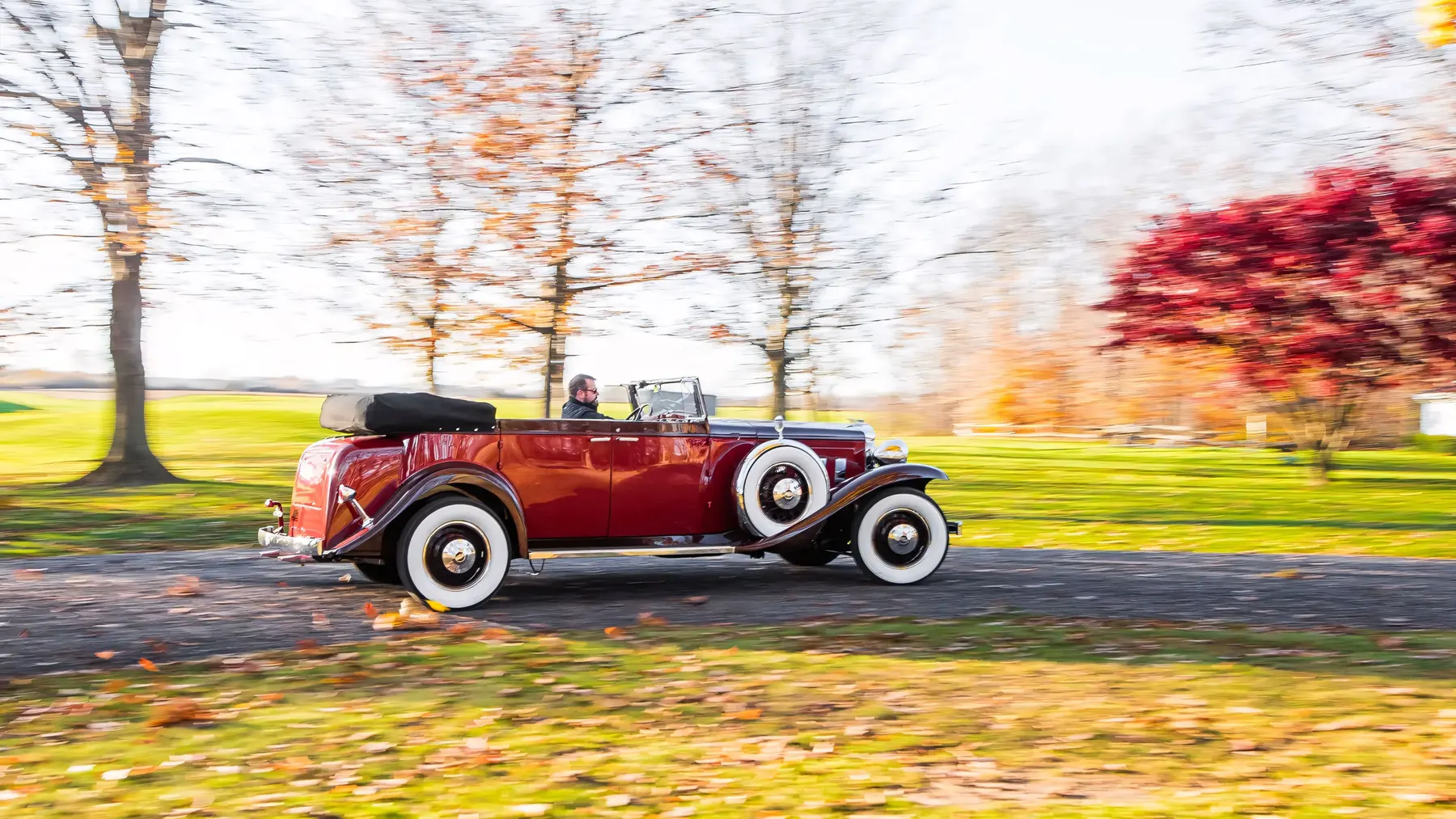
The Sixteen marked the last hurrah for the Marmon Motor Car Company, which ceased production in 1933. However, the company’s influence didn’t disappear entirely. It transitioned into Marmon-Herrington, focusing on military and commercial vehicles before eventually becoming part of the Marmon Group in later years.
Today, the Marmon Sixteen Convertible Sedan by LeBaron remains an iconic symbol of American luxury and innovation. Its advanced V16 engine and elegant coachwork make it one of the most coveted classic cars among collectors. The Sixteen’s significance extends beyond its rarity and performance; it represents the pinnacle of pre-war automotive design and engineering, encapsulating the ambition and creativity of an era when automakers were unafraid to dream big.
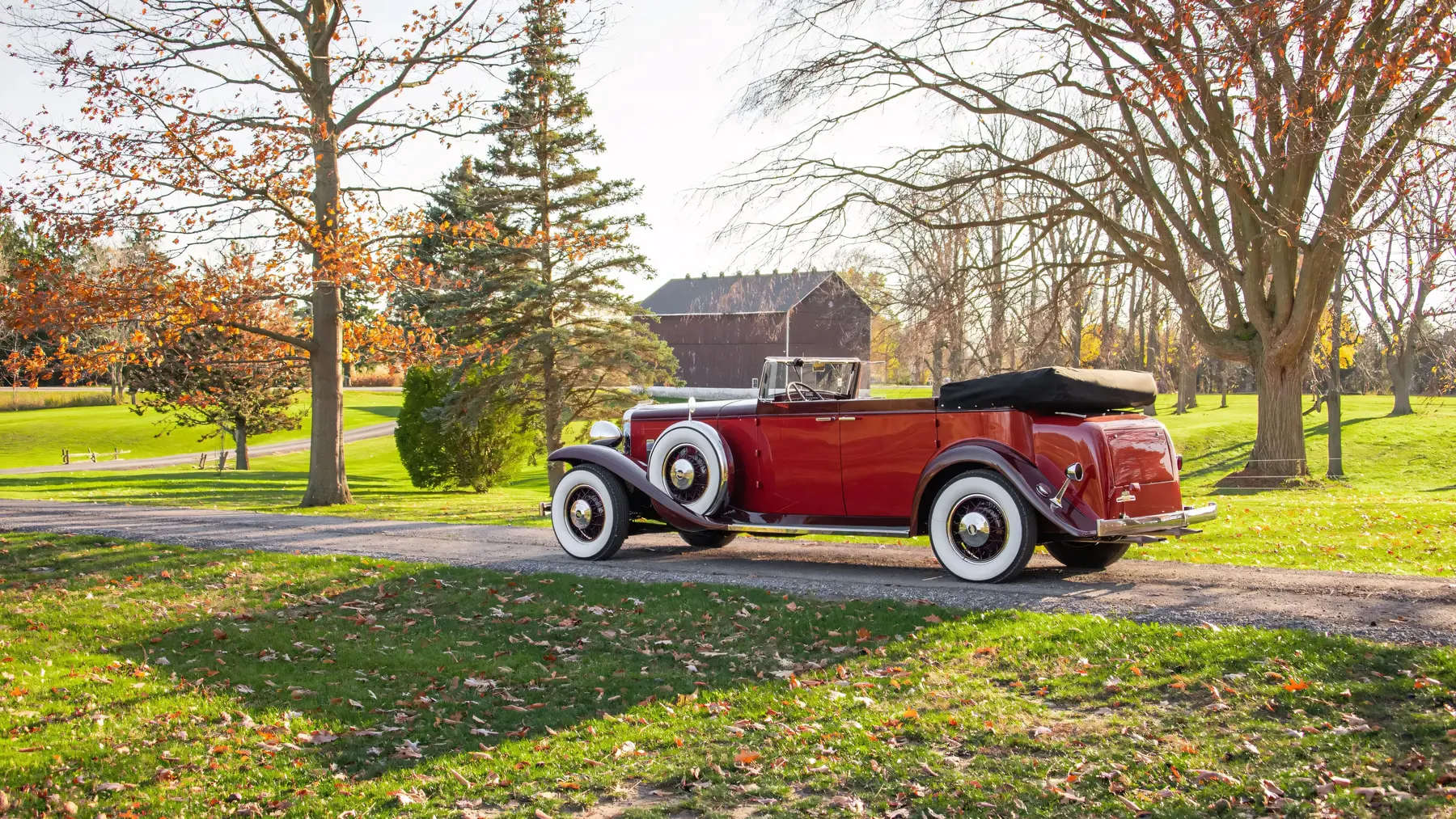
The Marmon Sixteen was a swan song for the company, but it left an indelible mark on the world of luxury automobiles. It stands as a reminder of what can be achieved when engineering excellence meets artistic brilliance,a timeless classic that continues to inspire awe nearly a century after it first graced the roads.**