1933 Rolls-Royce Phantom II Continental Berline by Fernandez et Darrin
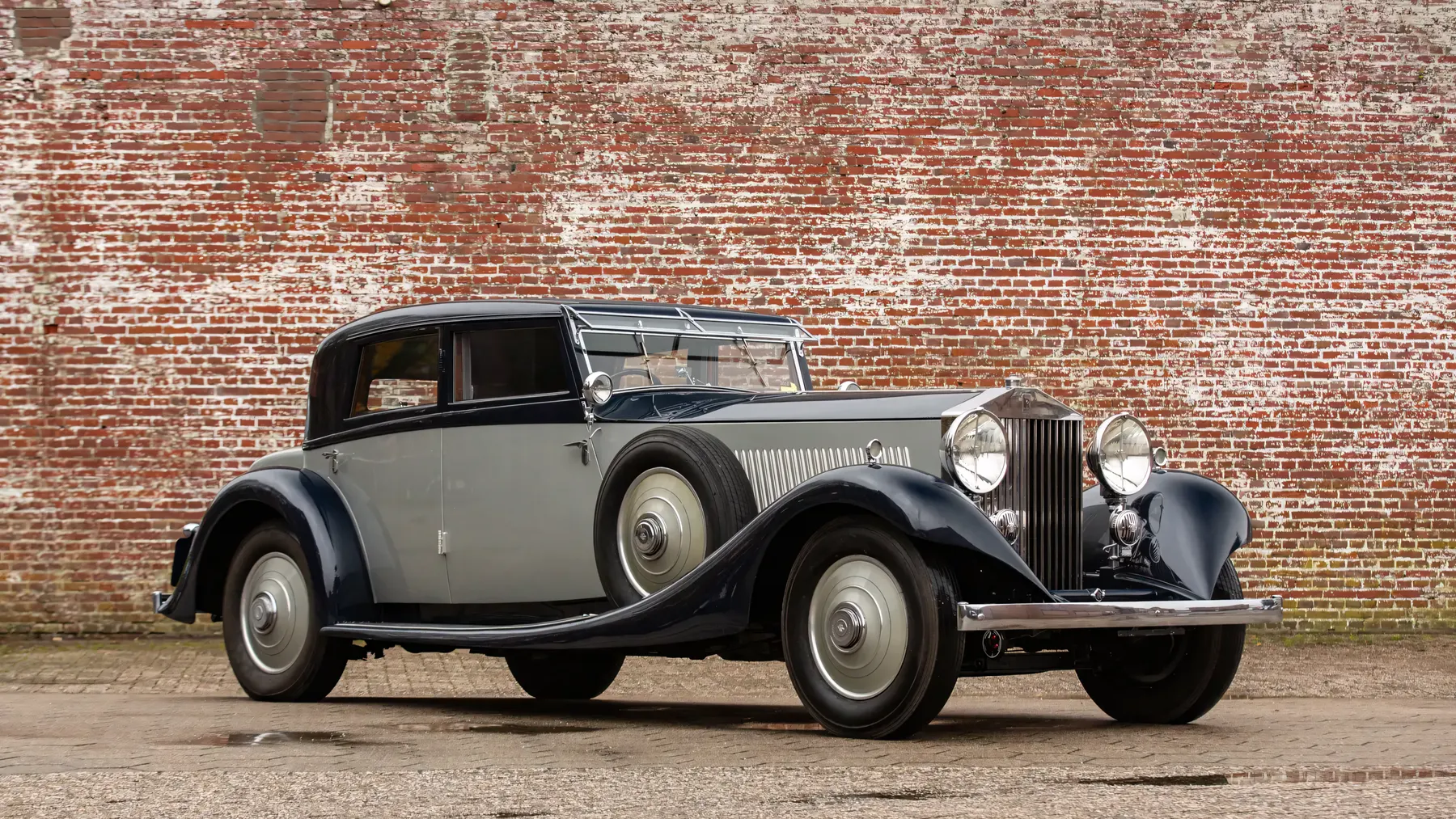
The Rolls-Royce Phantom II is celebrated as one of the last great 40/50 hp models produced by Rolls-Royce. Launched in 1929, the Phantom II evolved into the Continental,a version that emphasised a sporty, streamlined experience with a shortened wheelbase and stiffer suspension. These Continentals captured the best of Rolls-Royce’s engineering in the pre-war era and offered impressive performance paired with exquisite craftsmanship. Among the handful of Phantom II Continentals produced, only one was bodied by the renowned French coachbuilder Fernandez et Darrin, resulting in a highly distinctive design, blending elegance with a touch of aggressive sportiness.
The Phantom name is one of the longest-running model names in automotive history. Since its debut, the Phantom series has epitomised luxury, custom craftsmanship, and exclusivity. Early models were highly customizable, with Rolls-Royce providing only the chassis and engine, leaving the bodywork to the discretion of the buyer and their chosen coachbuilder. This bespoke nature made each Phantom an individual statement, blending the cutting-edge engineering of Rolls-Royce with the stylistic signatures of coachbuilders worldwide.
The Phantom II featured an improved 7.7-liter straight-six engine with an overhead-valve design and a crossflow cylinder head, increasing efficiency and power. Unlike its predecessors, the Phantom II’s engine connected directly to the four-speed manual transmission, simplifying the drivetrain. Synchromesh was added progressively, enhancing shifting on the upper gears. The Phantom II Continental’s short-wheelbase chassis and stiffer springs created a more engaging drive, marking it as a high-performance version within the Phantom lineup.
The frame was lowered, which, combined with the updated suspension, enhanced the handling dynamics of the Continental model. It was equipped with four-wheel servo-assisted brakes, vital for controlling the Continental’s increased performance, and a centralised lubrication system for durability. The standard Phantom II had a 150-inch wheelbase, but the Continental’s shorter 144-inch chassis emphasised its sporting aspirations.
The Phantom II Continental was distinct not only in performance but also in exclusivity. Only 281 Continentals were produced, making it one of the rarest variants. These cars were fitted with various body styles by prestigious coachbuilders, with most examples crafted by British names like Barker, Hooper, and Mulliner. However, a select few were bodied by international craftsmen, giving each car a unique flavour suited to its owner’s tastes.
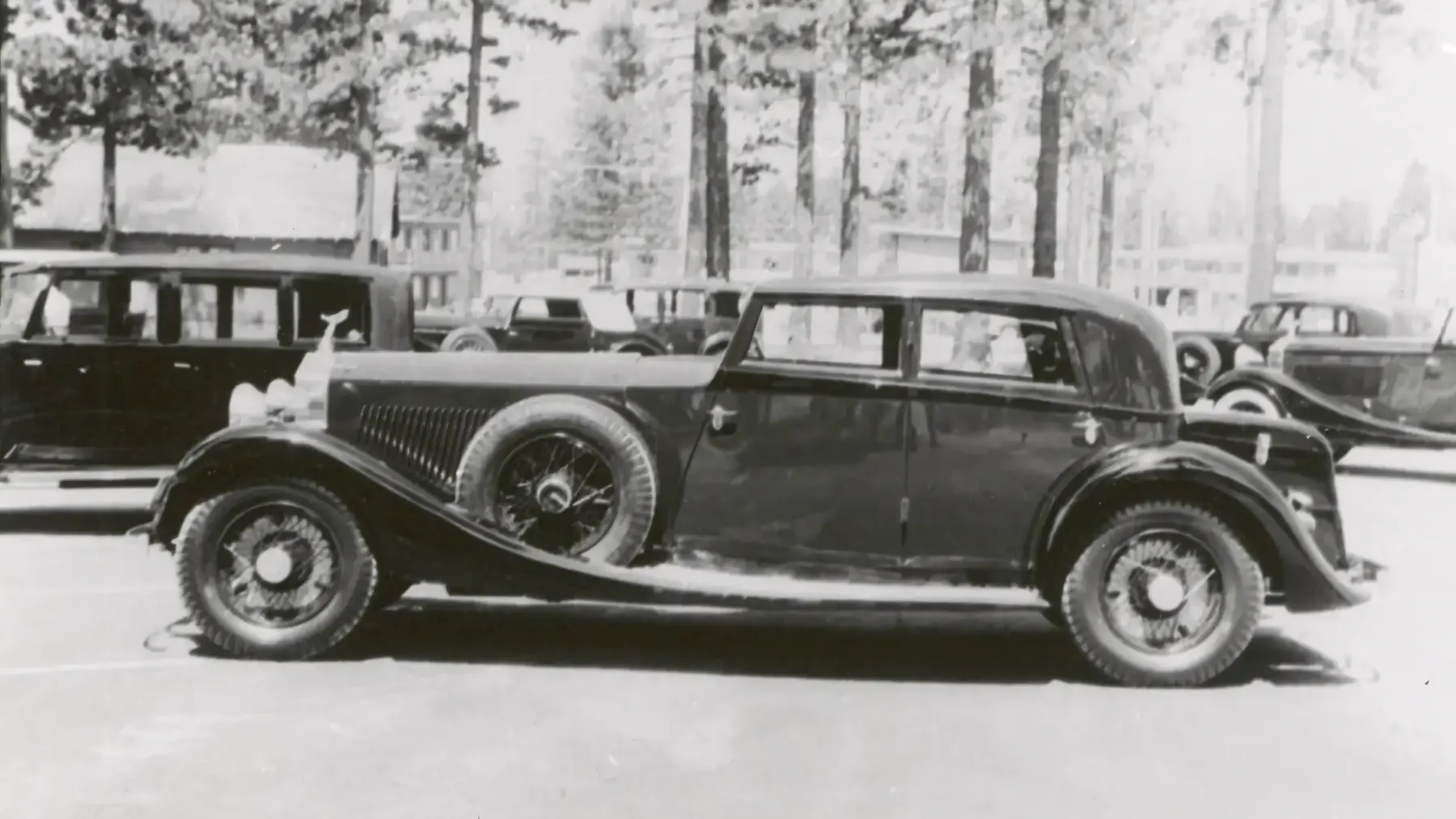
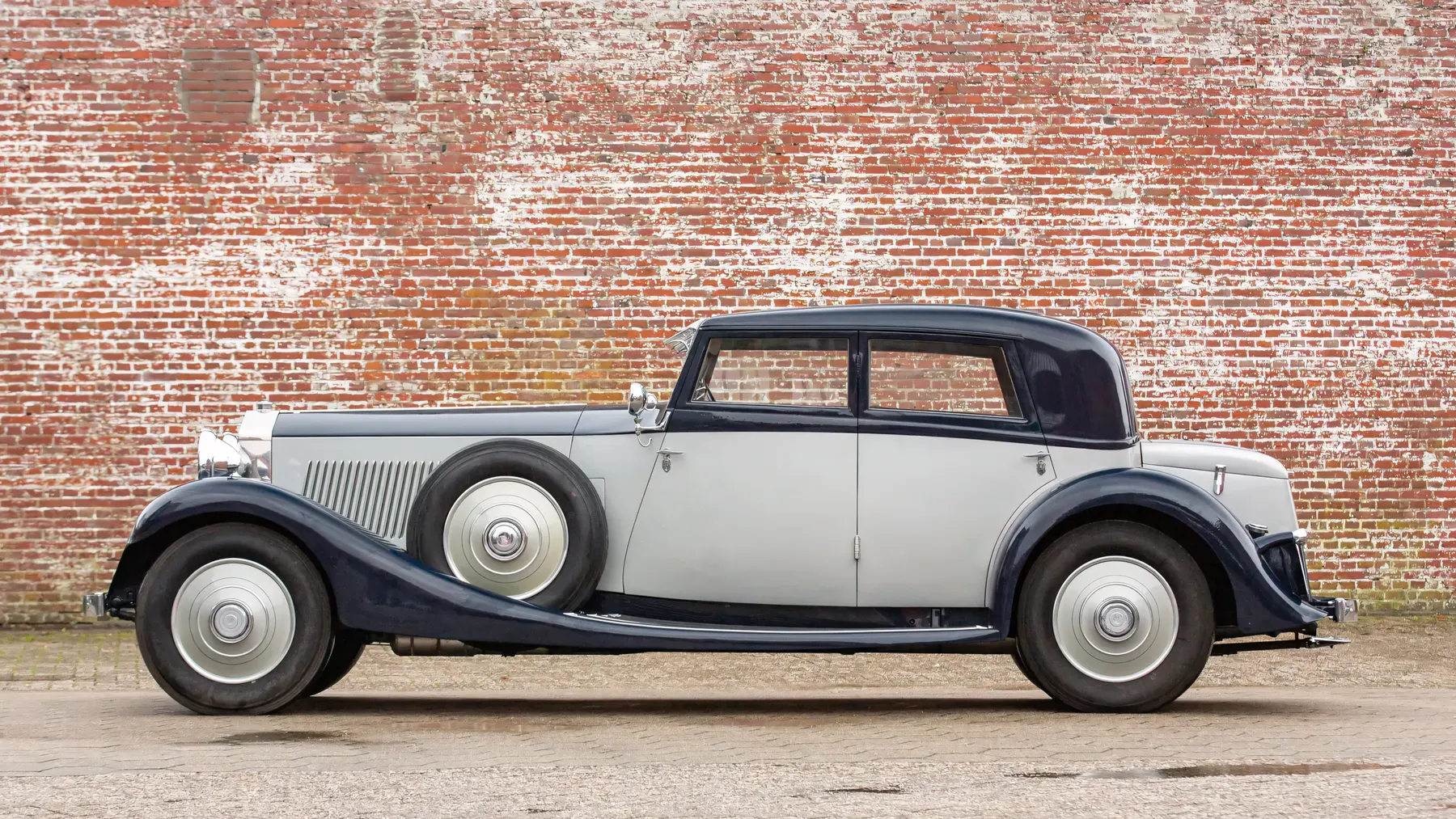
One of the most striking examples of the Phantom II Continental was bodied by Fernandez et Darrin, a French coachbuilding firm known for its elegant and innovative designs. The Fernandez et Darrin Continental featured streamlined, sporting lines that deviated from the more conservative British styles, with trademark swept door handles and tapered design elements that accentuated the car’s flowing lines.
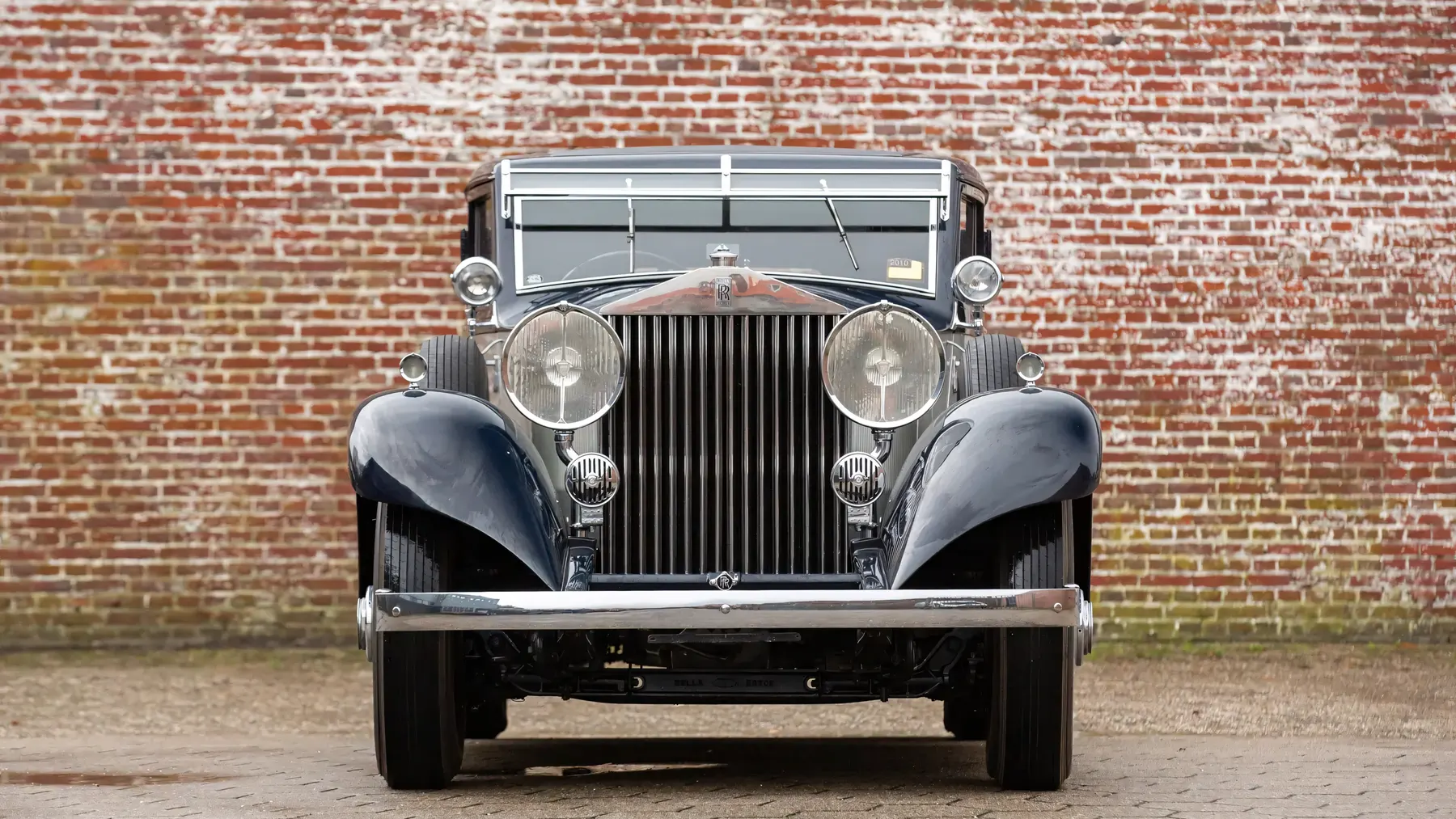
Fernandez et Darrin, based in Paris, were highly regarded for their inventive, aerodynamically focused designs. Their work on the Phantom II Continental stands out as a marriage of French flair and British engineering prowess. This Continental’s styling included swooping fenders, a slightly lowered stance, and elegantly curved door handles,a Fernandez et Darrin hallmark,that added a sense of movement even while stationary.
The Continental’s body by Fernandez et Darrin emphasised long-distance touring comfort with a sporting aesthetic. While most Continental models were fitted with the formal yet powerful “sports saloon” design, Fernandez et Darrin leaned into a more avant-garde, luxurious aesthetic. The combination of the Phantom II Continental’s mechanical prowess and Fernandez et Darrin’s graceful design touches made it a standout even among other Continentals.
The Phantom II Continental was part of a competitive pre-war luxury market that included models like the Duesenberg Model J, Lincoln Model K, and Mercedes-Benz 770. In the US, left-hand-drive Continental models were available to cater to wealthy American customers, with the Fernandez et Darrin-bodied example further solidifying its appeal as a vehicle for connoisseurs of exceptional automobiles.
Phantom II Continentals appeared in iconic films, including Indiana Jones and the Last Crusade and The Yellow Rolls-Royce, cementing the car’s place in popular culture. However, few Continentals embody the rare elegance and sporting spirit as poignantly as the Fernandez et Darrin example, a singular car that continues to be revered among collectors and enthusiasts.
Rolls-Royce produced 1,681 Phantom II chassis, with only 281 Continental models built. The Fernandez et Darrin-bodied Phantom II Continental remains one of the most exclusive examples, underscoring the extraordinary craftsmanship of the era. This unique combination of Continental performance and French coachbuilding artistry stands as a lasting testament to the luxury and engineering ideals that defined pre-war Rolls-Royce models.
The Phantom II Continental by Fernandez et Darrin is a car that represents an era of personalised luxury and the high-water mark of bespoke automotive design.