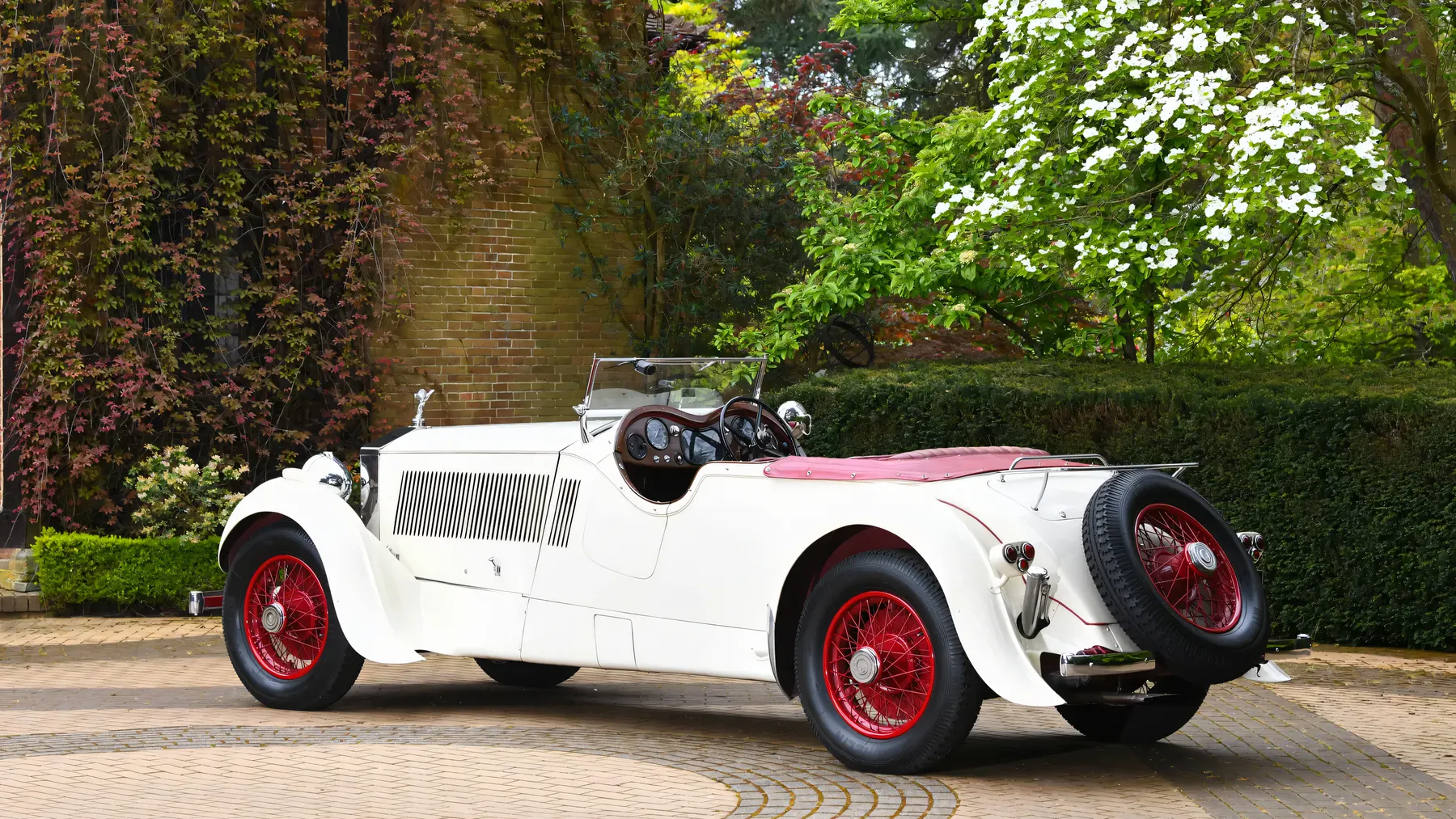
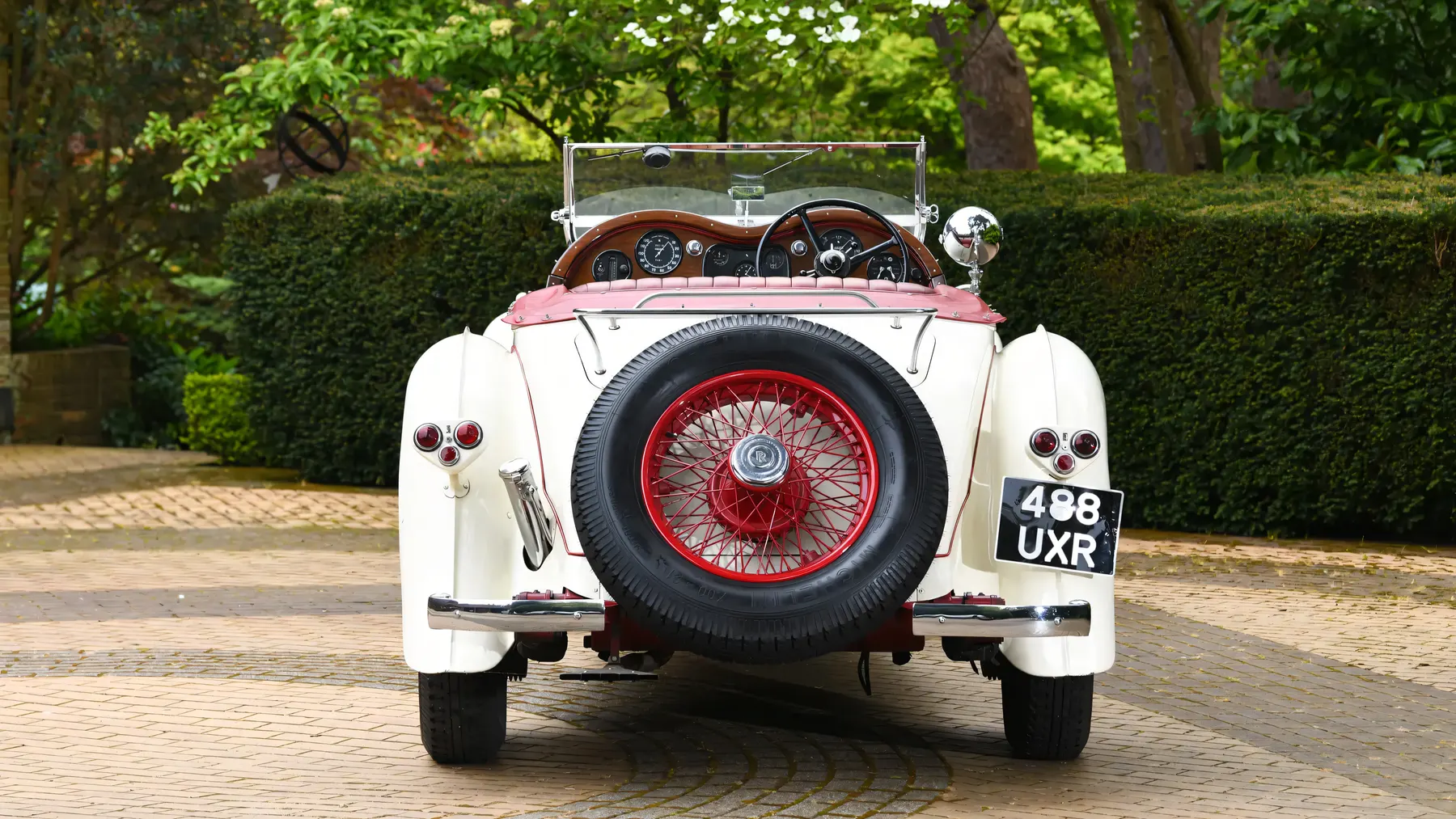
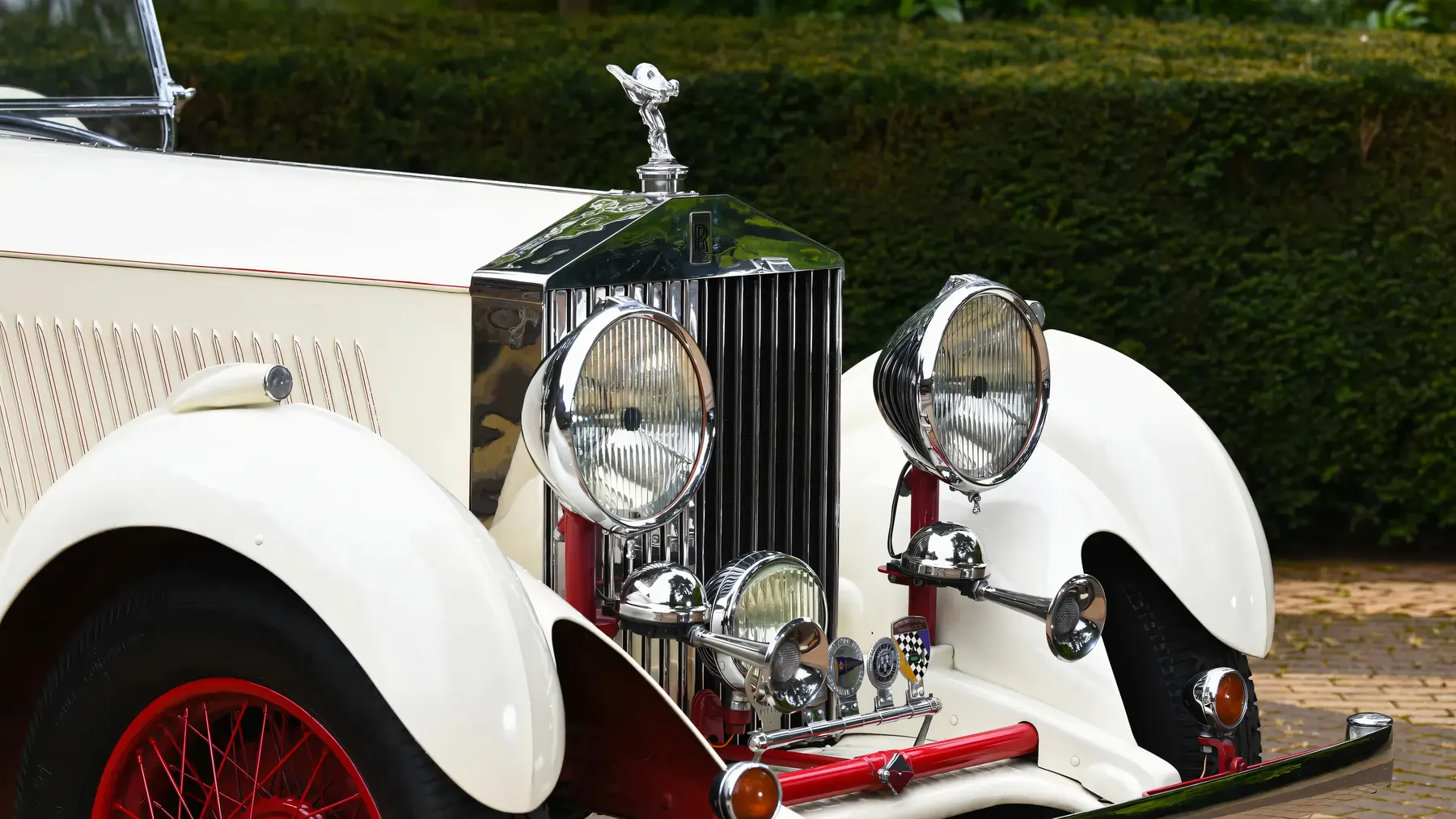
1933 Rolls-Royce Phantom II Continental Tourer in the style of Carlton
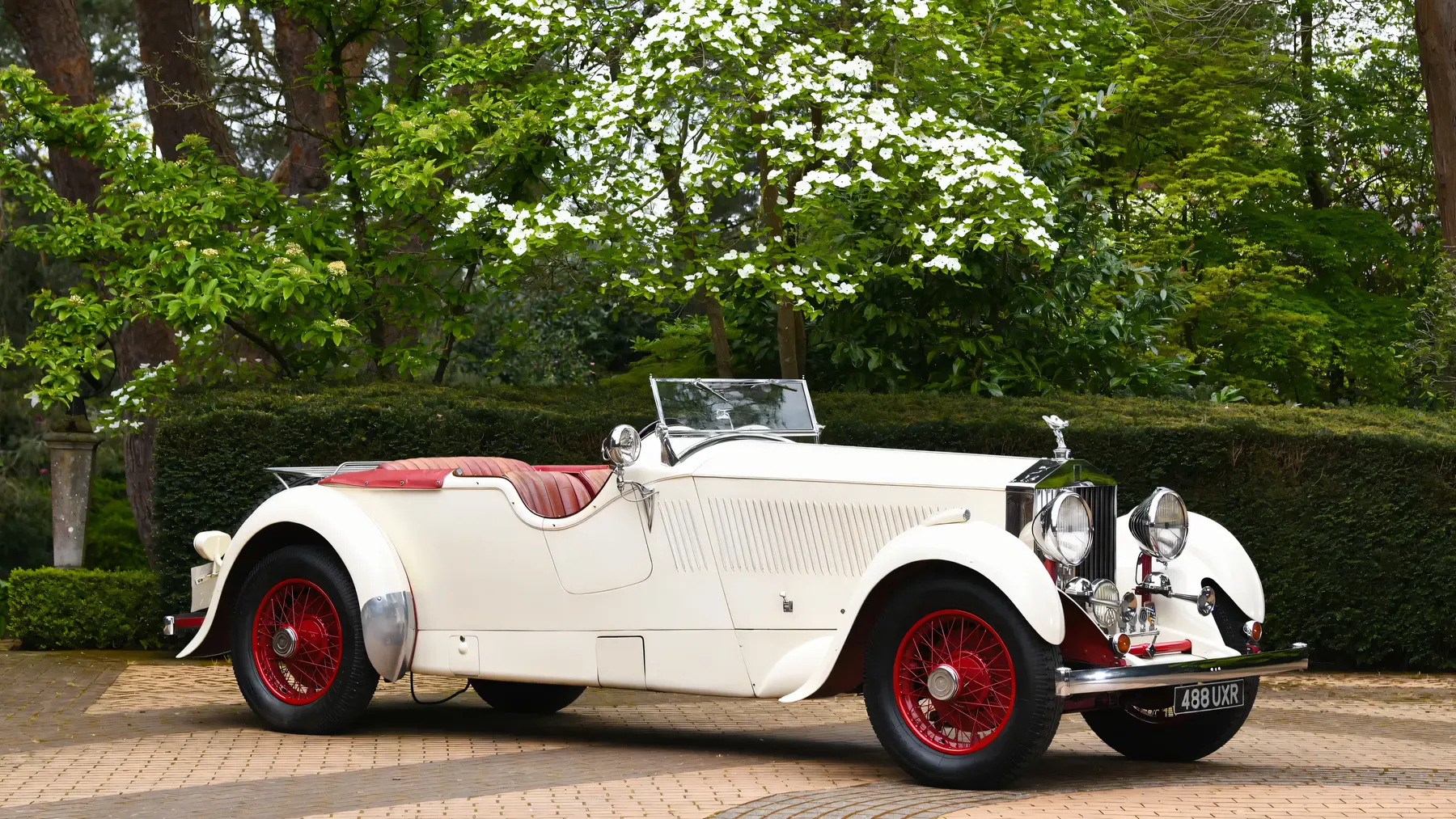
There is a particular breed of motorcar that refuses to accept any single identity - one that exists at the intersection of engineering ambition and the coachbuilder’s art. The Rolls-Royce Phantom II Continental Tourer is precisely that car, and among all the body styles that graced this magnificent rolling chassis, none captured its essential character quite so completely as those executed in the Carlton tradition: wide, low, rakishly open, and possessed of a swagger that the more buttoned-up saloon variants could never quite summon.
To understand the Continental, you first need to understand the quiet revolution that was the Phantom II itself. Introduced in 1929 as the third and final iteration of Rolls-Royce’s legendary 40/50 hp lineage, it replaced the New Phantom with a machine that wore its ambitions on its sleeve. The engineers at Derby had not merely updated the formula - they had reimagined it from the ground up. The chassis was entirely new, lower than before and fundamentally more sporting in character, while the 7.7-litre pushrod overhead-valve straight-six carried forward and refined from the Phantom I received a crossflow cylinder head that sharpened its breathing considerably, delivering approximately 120 brake horsepower at 3,000 rpm. For the first time across the 40/50 hp lineage, the four-speed gearbox was bolted directly to the engine rather than being remotely mounted - a seemingly straightforward change that had profound implications for the car’s dynamic feel and structural rigidity. Power reached the rear axle via an open driveshaft with a hypoid bevel final drive and Hotchkiss drive, a cleaner arrangement that replaced the old torque tube system and further enabled the lower chassis profile.
The Continental variant emerged from one of the more charmingly accidental product launches in automotive history. Henry Royce had asked his body designer Ivan Evernden to create a personal short-wheelbase Phantom II - a machine built to Royce’s own exacting and characteristically demanding specifications rather than to any brief from the sales department. The resulting experimental car, designated 26EX, was fitted with stiffer five-leaf springs in place of the standard setup and a lightweight close-coupled Barker saloon body finished in an extraordinary artificial pearl lacquer made from ground herring scales. Nobody in Derby had written a formal specification for it. Royce and Evernden simply knew what they wanted. When Evernden returned from the 1930 Biarritz Grand Concours d’Elegance - where 26EX had won the Grand Prix d’Honneur outright - he found the sales department had already announced the “Phantom II Continental Saloon,” written a brochure, and costed it. The Continental was born, not by committee, but by competition trophy.
The production Continental specification was clear enough in retrospect, even if Rolls-Royce never formally documented it at the time. Historian Ray Gentile identified the common denominators as the short 144-inch wheelbase - six inches shorter than the standard 150-inch chassis - and those stiffer five-leaf springs. Everything else was negotiable, subject to the whims of the customer and the skill of whatever coachbuilder they entrusted with dressing the rolling chassis. And here is where the story truly opens up, because 281 Continental chassis were produced over the model’s production run, and the variety of coachwork they received was extraordinary. Sports saloons dominated numerically, but the roster also included formal sedanca de villes, rare open roadsters, closed coupes, and - perhaps most romantically - touring bodies in the Carlton manner.
Carlton Carriage Company, founded in 1924 under the name Kelvin Carriage Company before adopting its more memorable identity the following year, became one of the defining voices in Rolls-Royce coachwork during the interwar years. The London firm built approximately fifty bodies for Rolls-Royce chassis across its career, sixteen of which went onto Phantom II rolling chassis - and of those sixteen, nine wore Carlton’s signature drophead design. That proportion tells you something important: when Carlton got their hands on a Phantom II, they kept coming back to the same essential answer. The long bonnet, the sweeping wings, the low waistline, the folding hood that when raised produced a clean greenhouse and when lowered simply vanished - this was a formula Carlton understood instinctively. Their designs from this period, including bodies on chassis 6GX and 32MS, became benchmarks so admired that later coachbuilders would reach back to them for inspiration decades after Carlton itself had closed.
The Tourer interpretation of this theme is the purest expression of what the Continental chassis was trying to be. A four-seat open body keeps the structural weight low and brings the occupants into genuine communion with the environment - a deliberate choice that stands in some tension with Rolls-Royce’s usual emphasis on insulation from the outside world. The Carlton tourer was never a car for those who wanted to be sealed inside a rolling drawing room. It was for those who wanted to feel the road, taste the air, and cover ground at a pace that embarrassed more overtly sporting machines. The long bonnet stretching forward from the scuttle, louvred for ventilation and business-like in its intentions, establishes the visual hierarchy immediately: this is the engine’s car, and everything aft is arranged around it.
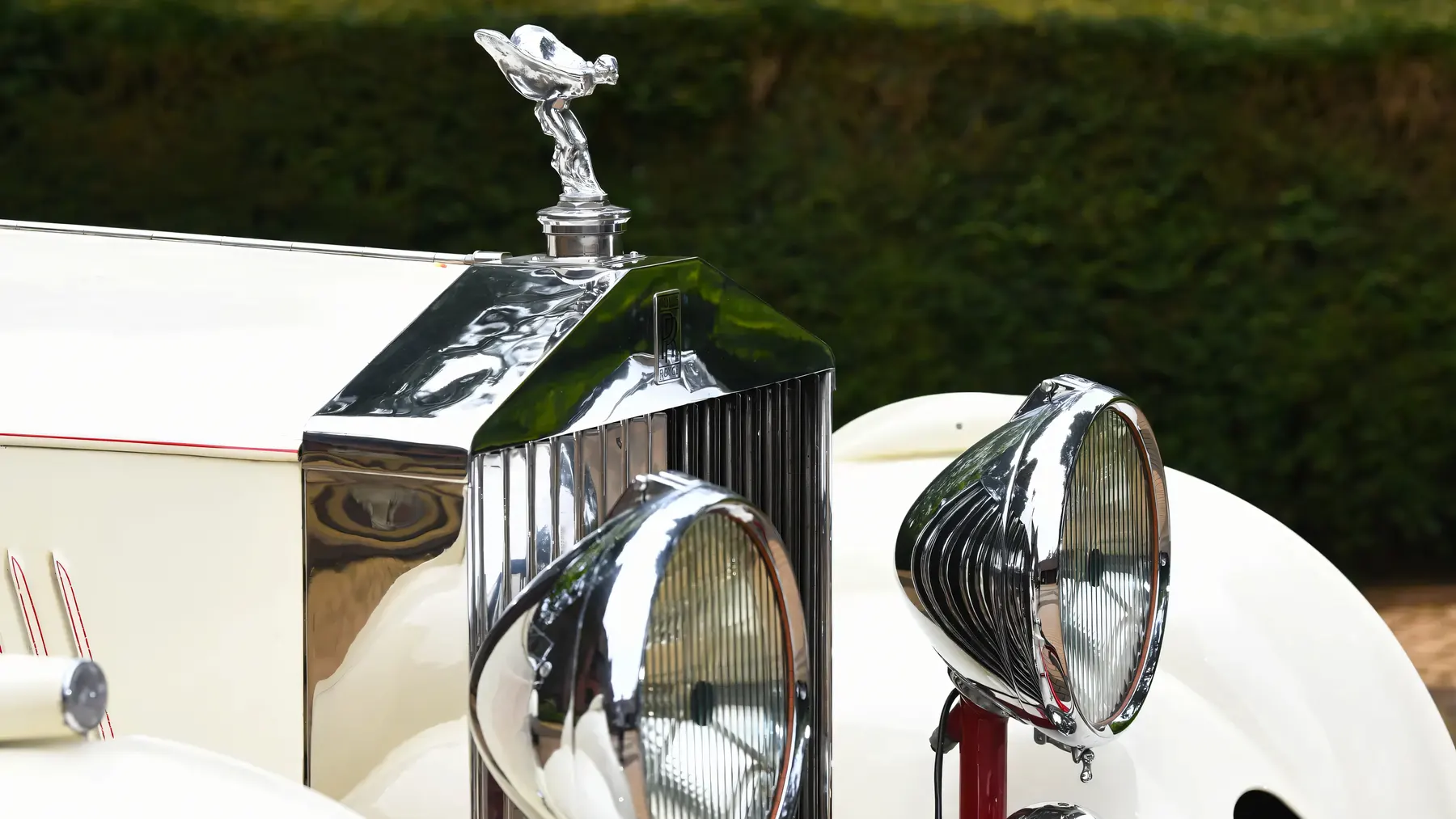
Behind that bonnet, the 7,668cc straight-six is an engine that rewards patience and punishes hurry in roughly equal measure. Rolls-Royce never published power figures - that famous reticence - and the 120 bhp estimate represents a reasonable consensus from period testing rather than factory declaration. What matters in practice is the character of delivery: torque arrives early and stays generous, allowing the driver to pull away in top gear from very low speeds and build pace with a smooth, inexorable surge rather than frantic revving. Contemporary road testers noted that the engine would pull cleanly from little more than walking pace in top gear, which in a car of this size and weight is genuinely impressive. The four-speed gearbox gained synchromesh on third and fourth in 1932 and on second in 1935, a phased improvement that made the later Continental a considerably more accessible machine to drive briskly. Earlier examples demand a more deliberate approach to gear changes, which either reads as an engaging mechanical ritual or an irritating obstacle depending on your temperament and the urgency of your schedule.
The chassis engineering that underpins all of this deserves more credit than it typically receives. The change to semi-elliptical rear springs - replacing the cantilever arrangement of the Phantom I - was not merely a cost or complexity decision; it directly enabled the lower frame height that gave the Continental its visual stance and its handling advantage. Four-wheel servo-assisted brakes, carried forward from the Phantom I, provided stopping power that was genuinely reassuring for a machine of this mass, particularly given the open-road speeds the Continental was designed to sustain. The Bijur centralised lubrication system - borrowed from the Springfield-built American Phantom I - meant that the chassis’s numerous greasing points could be serviced from a single reservoir, a thoughtful touch that reduced maintenance burden on long tours.
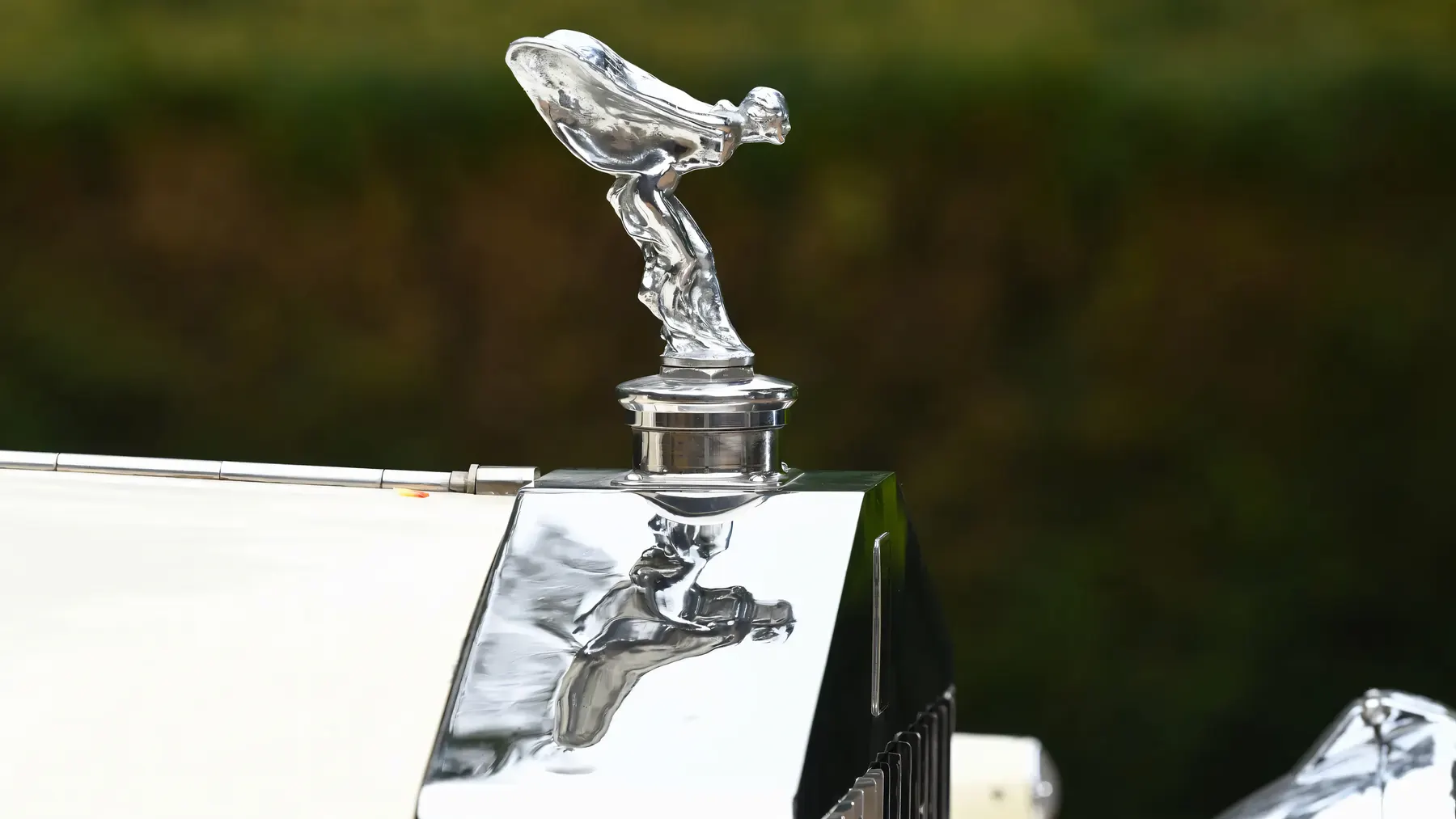
The driving experience of the Phantom II Continental Tourer is one of those things that demands careful description because it so easily tips into cliché. The steering is lighter than you expect, responsive without being nervous, with a directness that communicates the road surface without transmitting its hostility. The brakes are excellent by the standards of their era and merely adequate by the standards of anything that came after. The ride, even over compromised surfaces, demonstrates the benefits of that carefully calibrated spring setup: firm enough to keep the body controlled through corners in a way the long-wheelbase versions cannot match, yet supple enough to absorb the worst intrusions without unsettling passengers. Sitting at the helm with the hood lowered, the seemingly endless bonnet stretching ahead and the exhaust note audible but never intrusive, there is a genuine sensation of purpose and capability that no amount of later luxury equipment has managed to replicate.
The Continental’s fundamental innovation was making a large, expensive, coachbuilt motorcar feel like a driver’s instrument rather than a passenger conveyance. This seems obvious in retrospect, but in 1930 the dominant philosophy at Rolls-Royce was oriented entirely around the rear seat. The Continental challenged that orthodoxy directly - it was configured for and sold to people who intended to drive themselves, often over long distances and at sustained speeds, and who wanted a car capable of that use without aesthetic or mechanical compromise. The short wheelbase was not a styling exercise; it was a handling decision. The stiffer springs were not a nod to sportiness; they were an acknowledgement that a lower, lighter open body would behave differently in corners than a formal limousine.
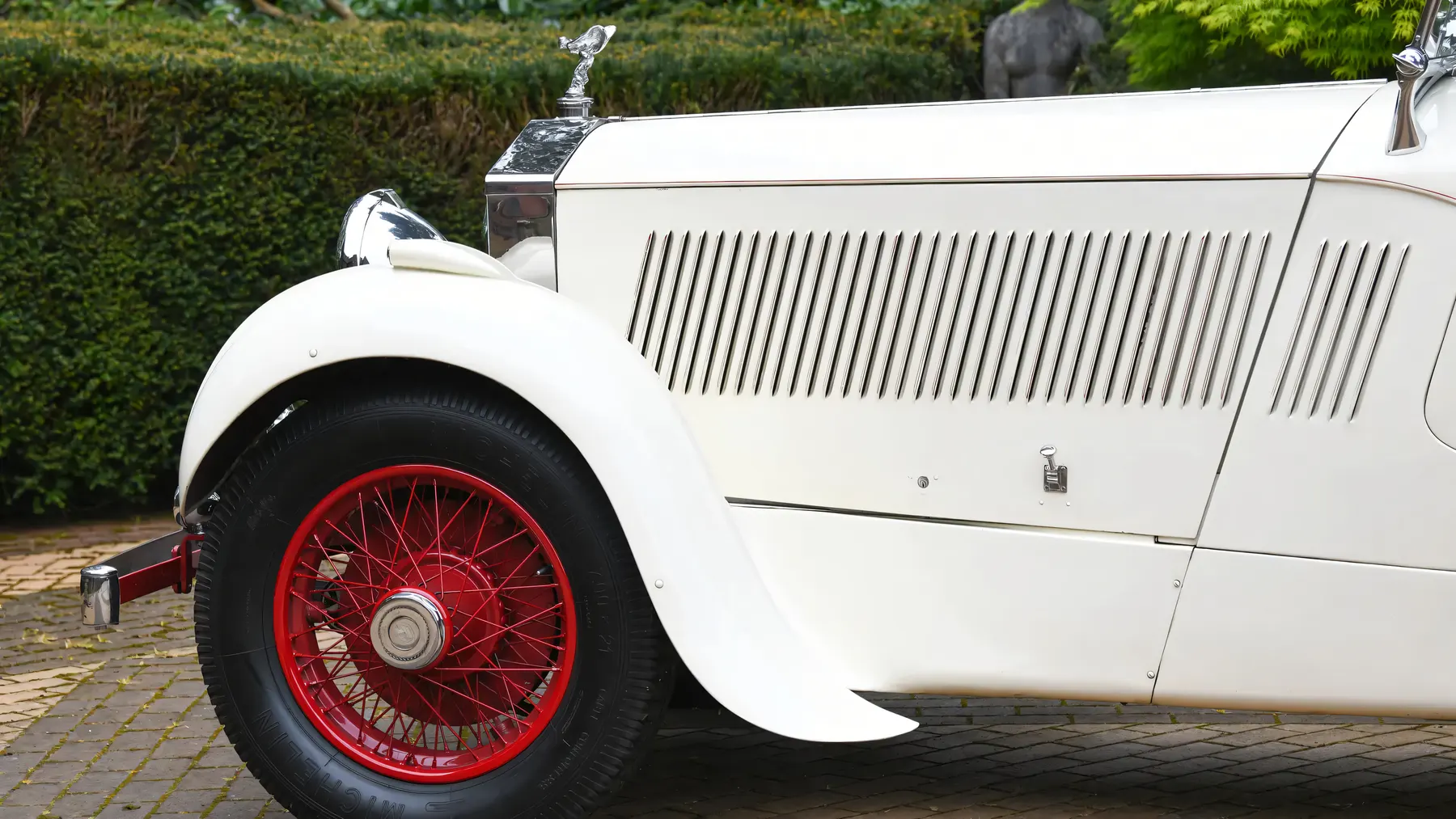
But honest assessment requires acknowledging the compromises. The Continental was expensive even by the already elevated standards of the Phantom II range - the rolling chassis alone represented a substantial investment before a coachbuilder had been selected and commissioned, a process that could double the final price. The open tourer configuration, romantic as it is, demands a certain tolerance for meteorological uncertainty that buyers accustomed to the sealed environment of a formal saloon may not always have possessed. The 7.7-litre engine, for all its refinement, was by 1933 beginning to show its fundamental age against competitors. The Duesenberg Model J, the Mercedes-Benz 770, and the Packard Eight were all presenting serious alternatives, and some offered more modern engineering solutions - overhead camshafts, independent suspension, or significantly more power. Rolls-Royce’s answer to these challenges, the V12-engined Phantom III, was already in development by the mid-1930s, and the Continental was arguably living on borrowed time as a concept even as its finest examples were being commissioned.
The cultural weight of the Phantom II reached well beyond the motorcar world. The model appeared as the hero vehicle in the 1964 film The Yellow Rolls-Royce, which gave it a cinematic identity that outlasted its production. Its presence in Indiana Jones and the Last Crusade - even if the production team used a smaller-engined 20/25 for the actual filming - reflects how thoroughly the Phantom II had become the visual shorthand for aristocratic Englishness in the popular imagination. That image, for better and worse, has coloured the way the car has been perceived ever since: as an artefact of a particular social world as much as a piece of automotive engineering.
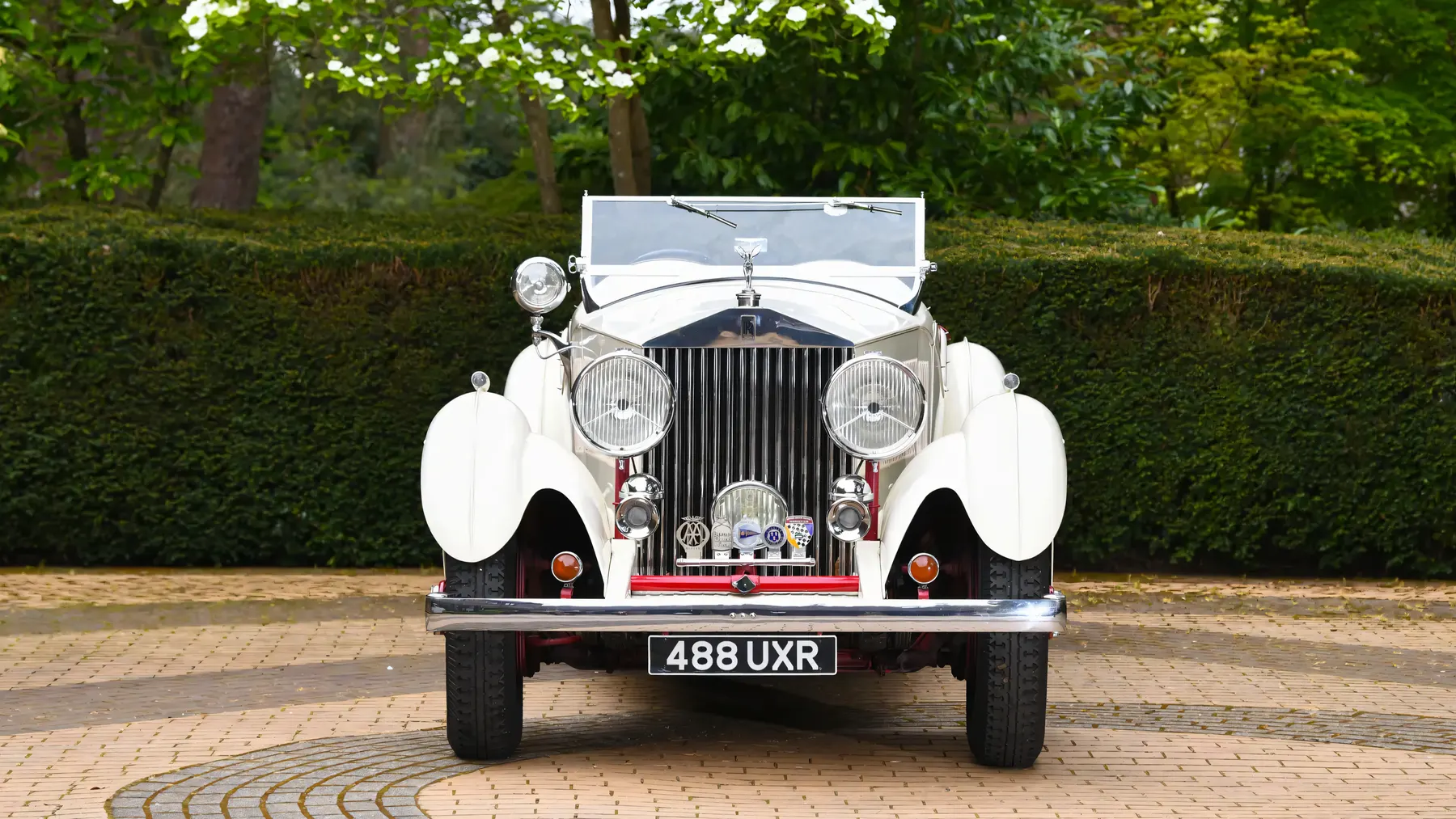
Among collectors and specialists, the Continental has long occupied a privileged position within the Phantom II hierarchy. Of the 1,681 Phantom II chassis produced, only 281 were Continentals, and the open tourer bodies are among the rarest of all body styles - making the Carlton-influenced tourer configuration a genuine rarity even within this already select group. The two Continental Roadsters - chassis 20MS and 2SK - are considered the holy grail of the type, with 2SK, the Thrupp and Maberly example once owned by Tyrone Power, commanding extraordinary attention when it came to auction in 2010. But the Carlton drophead tradition sits just below this apex and represents something arguably more accessible to actual use: a proper touring car rather than a concours piece, capable of being driven as its creators intended without the paralysing anxiety that attends the custody of the most historically significant examples.
The Phantom II Continental Tourer in the Carlton style is, in the end, what happens when an engineering team building on four decades of accumulated knowledge finally gives itself permission to be genuinely enthusiastic. It is not a perfect car - perfection in mechanical things is a suspect concept - but it is an honest one. It does exactly what it was designed to do, with a directness and integrity that later Rolls-Royce products, larger and more complex and ultimately more isolated from the act of driving, would spend decades trying to recapture. When Evernden came home from Biarritz with a Grand Prix d’Honneur trophy and found the sales department had beaten him to the announcement, he was witnessing something rare: a motorcar so right that the market recognised it before the manufacturer did.