1933 Rolls-Royce Phantom II Limousine by Barker
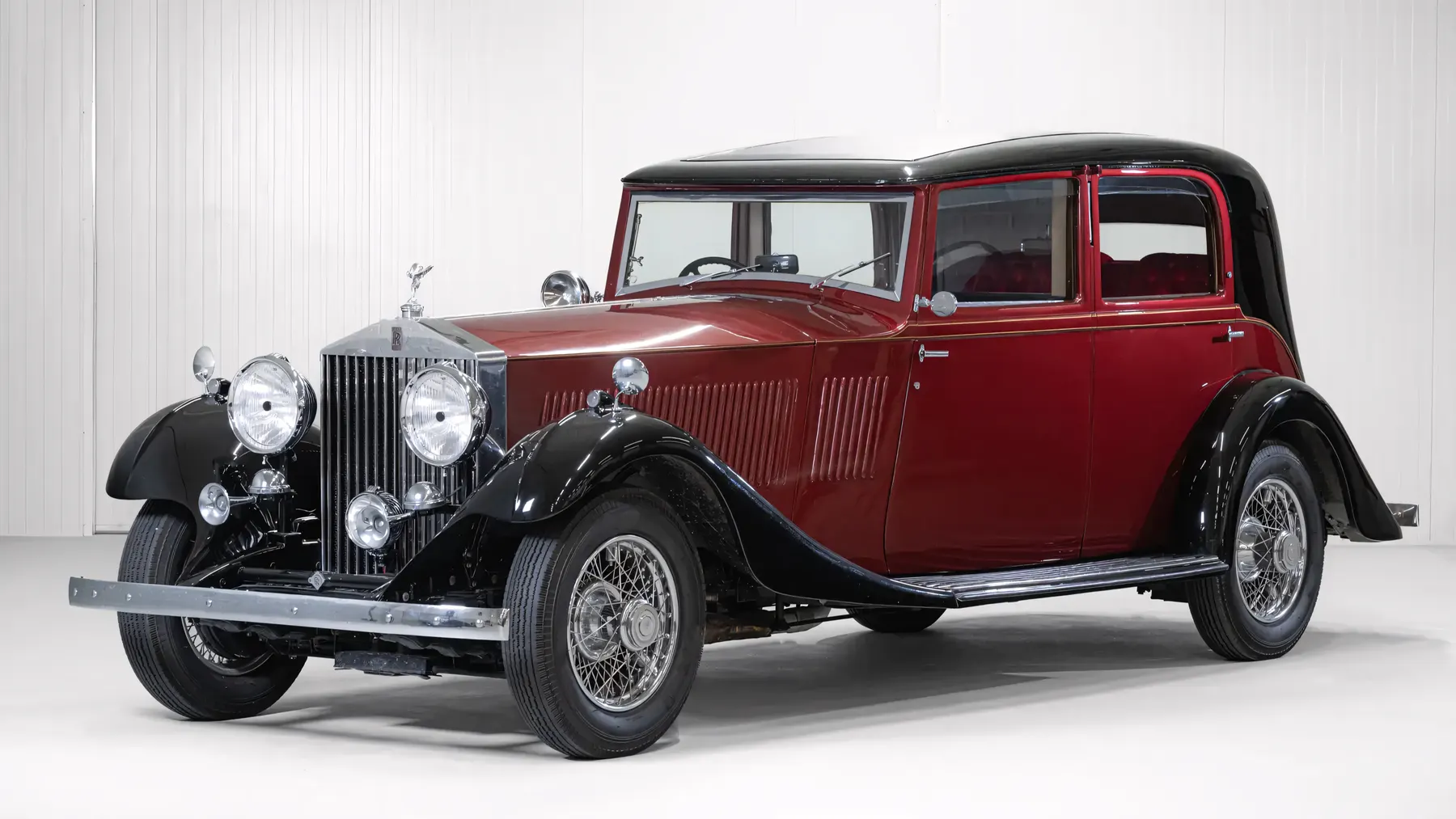
The Rolls-Royce Phantom II Limousine by Barker exemplifies the elegance and engineering excellence of pre-war luxury automobiles. Produced from 1929 to 1936, the Phantom II marked the final evolution of Rolls-Royce’s famed 40/50 hp platform, first established by the iconic Silver Ghost. Its innovative chassis and refined mechanicals elevated the Phantom II to a level of prestige that cemented its place in automotive history, while custom coachwork by Barker & Co. showcased bespoke craftsmanship at its finest.
The Phantom II was introduced as a successor to the New Phantom (Phantom I), featuring a revised version of its 7.7-liter straight-six engine. This pushrod-OHV unit, with a new crossflow cylinder head, was bolted directly to a four-speed manual transmission,a departure from the earlier models with a separate gearbox. Rolls-Royce engineers also introduced synchromesh on higher gears beginning in 1932, improving drivability. The chassis was a ground-up redesign, employing a lower and more streamlined structure. The semi-elliptical springs at both front and rear allowed for a lower ride height, enhancing handling and appearance. Servo-assisted brakes carried over from the Phantom I provided ample stopping power.
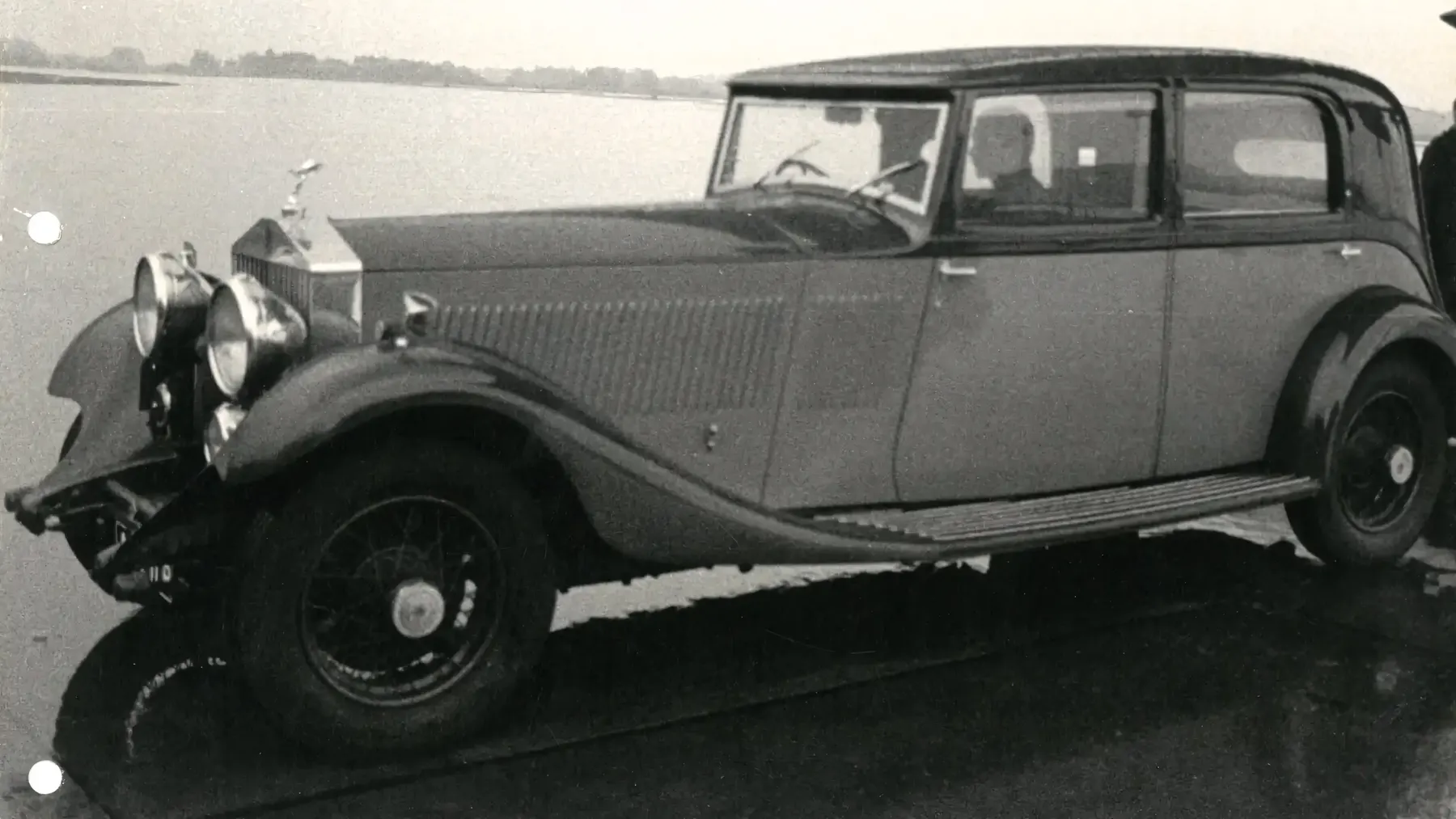
The Phantom II was available with either a standard 150-inch wheelbase or a shorter 144-inch Continental version designed for improved handling and more spirited driving. A total of 1,681 units were built, each a unique expression of the owner’s vision, as Rolls-Royce supplied only the rolling chassis. Coachbuilders, including Barker, would then create the body to the client’s specifications, ensuring no two Phantom IIs were alike.
Barker & Co., founded in 1710, was one of the most distinguished British coachbuilders and a frequent collaborator with Rolls-Royce. Their work on the Phantom II Limousine was characterised by refined elegance, clean lines, and a stately presence befitting the prestige of a Rolls-Royce. Barker’s designs for the Phantom II often featured expansive glass areas, intricate wood veneers, and plush upholstery, creating a luxurious and comfortable environment for passengers.
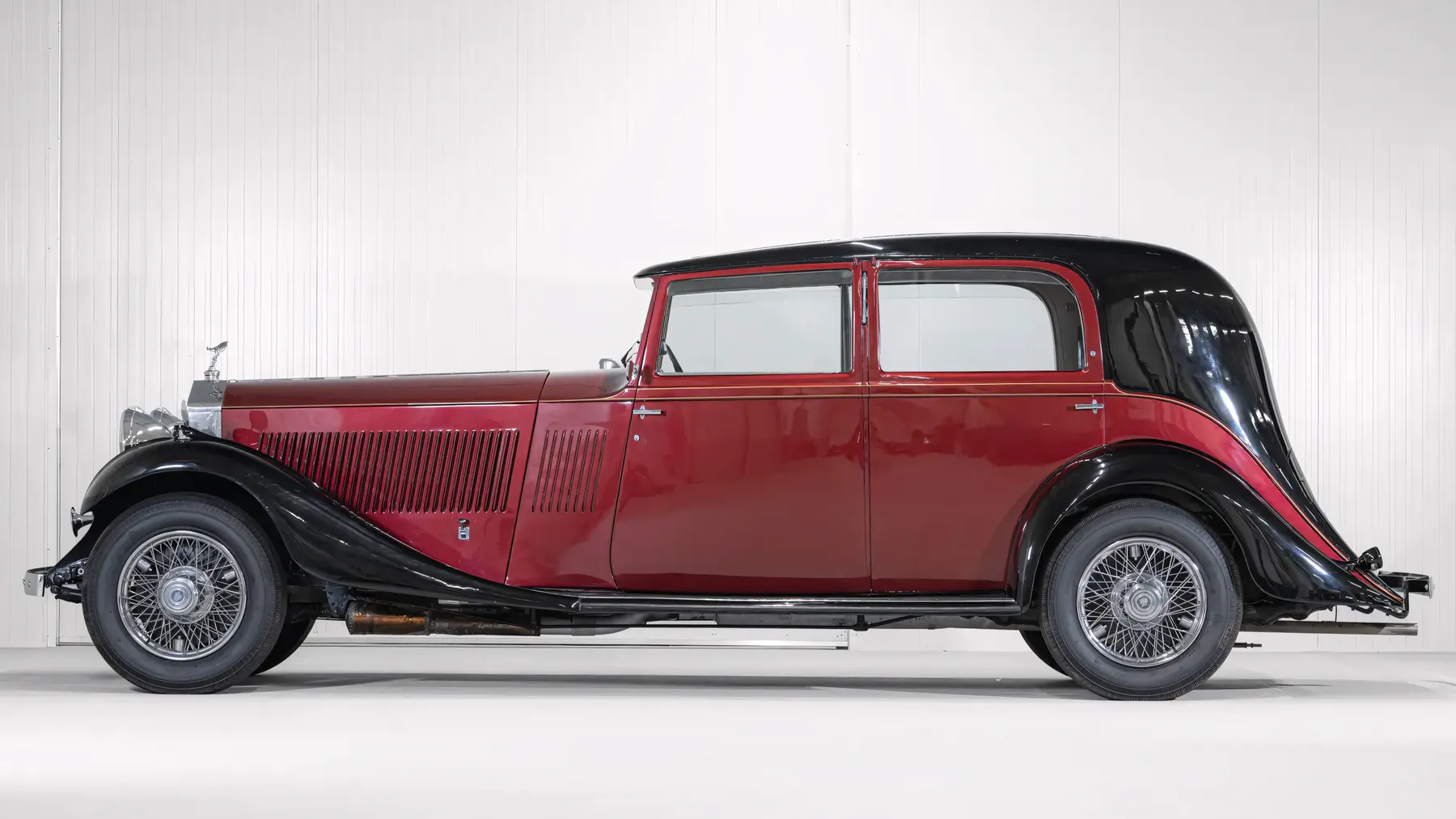
While some Phantom II models were configured as sporting tourers, Barker’s limousines leaned towards opulence, with attention paid to every detail of the cabin and exterior finish. Clients could specify materials, seating arrangements, and unique touches such as privacy partitions and custom trim. This bespoke approach was a hallmark of the era, setting Rolls-Royce apart from its competitors.
Despite its size and luxury focus, the Phantom II was known for its impressive road manners. The chassis, combined with a powerful engine, delivered a smooth yet commanding driving experience. Enthusiasts praised its capability to traverse long distances with grace, earning a reputation as one of the finest grand touring cars of its time. The model’s success contributed to the demise of rivals like Bentley, which struggled to compete in this segment during the 1930s.
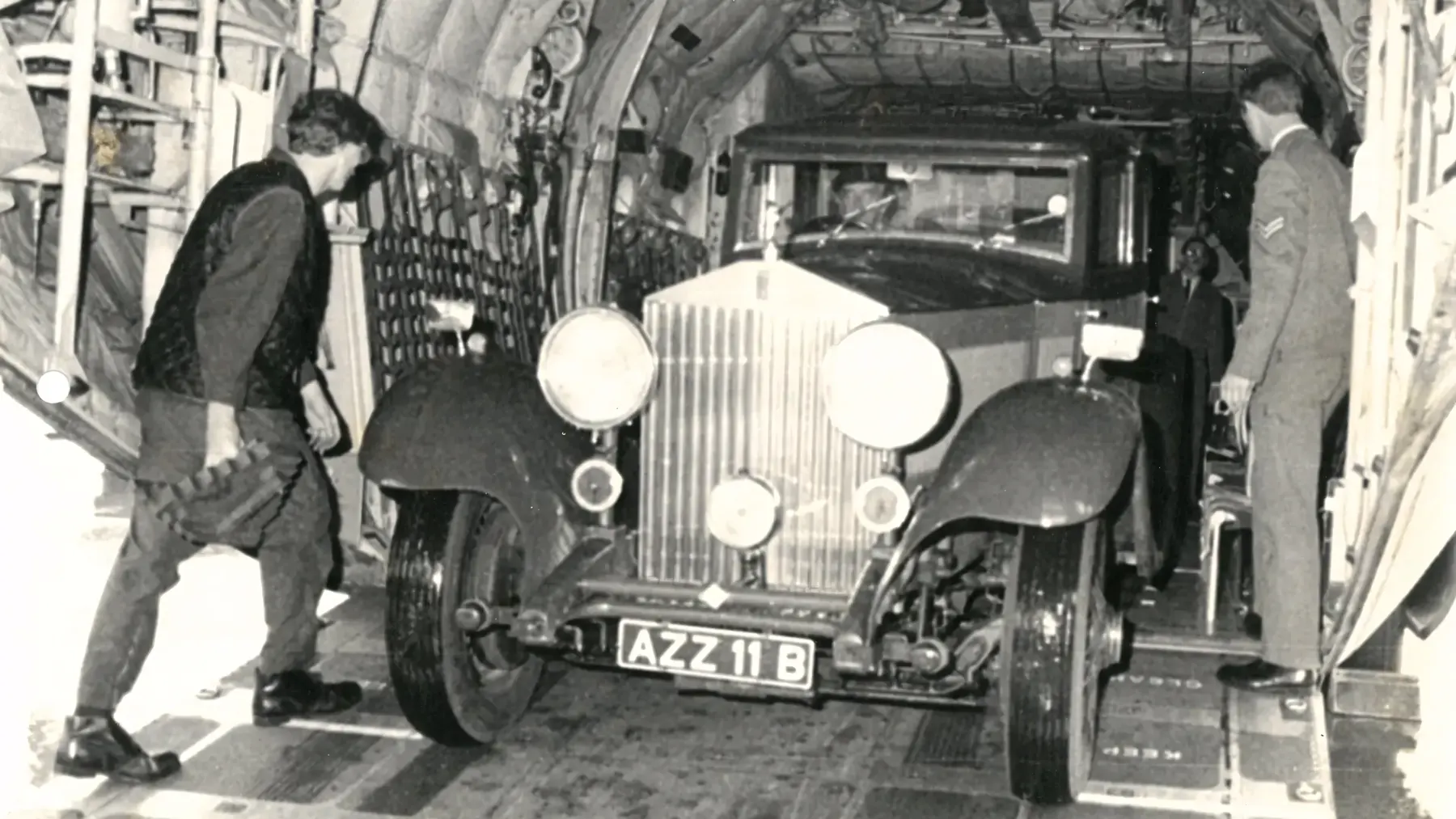
Today, the Phantom II is revered by collectors and continues to captivate enthusiasts with its combination of performance, history, and craftsmanship. The Barker-bodied examples, in particular, stand as icons of luxury automotive design, representing a golden era when no detail was too small to perfect.
The Phantom II made notable appearances in popular culture, including films such as The Sorcerer’s Apprentice and Indiana Jones and the Last Crusade. While these appearances sometimes stretched the historical and mechanical accuracy of the cars depicted, they underscored the enduring allure of the Phantom II as a symbol of refinement and status. Additionally, The Yellow Rolls-Royce featured the Phantom II prominently, solidifying its place in cinema history.
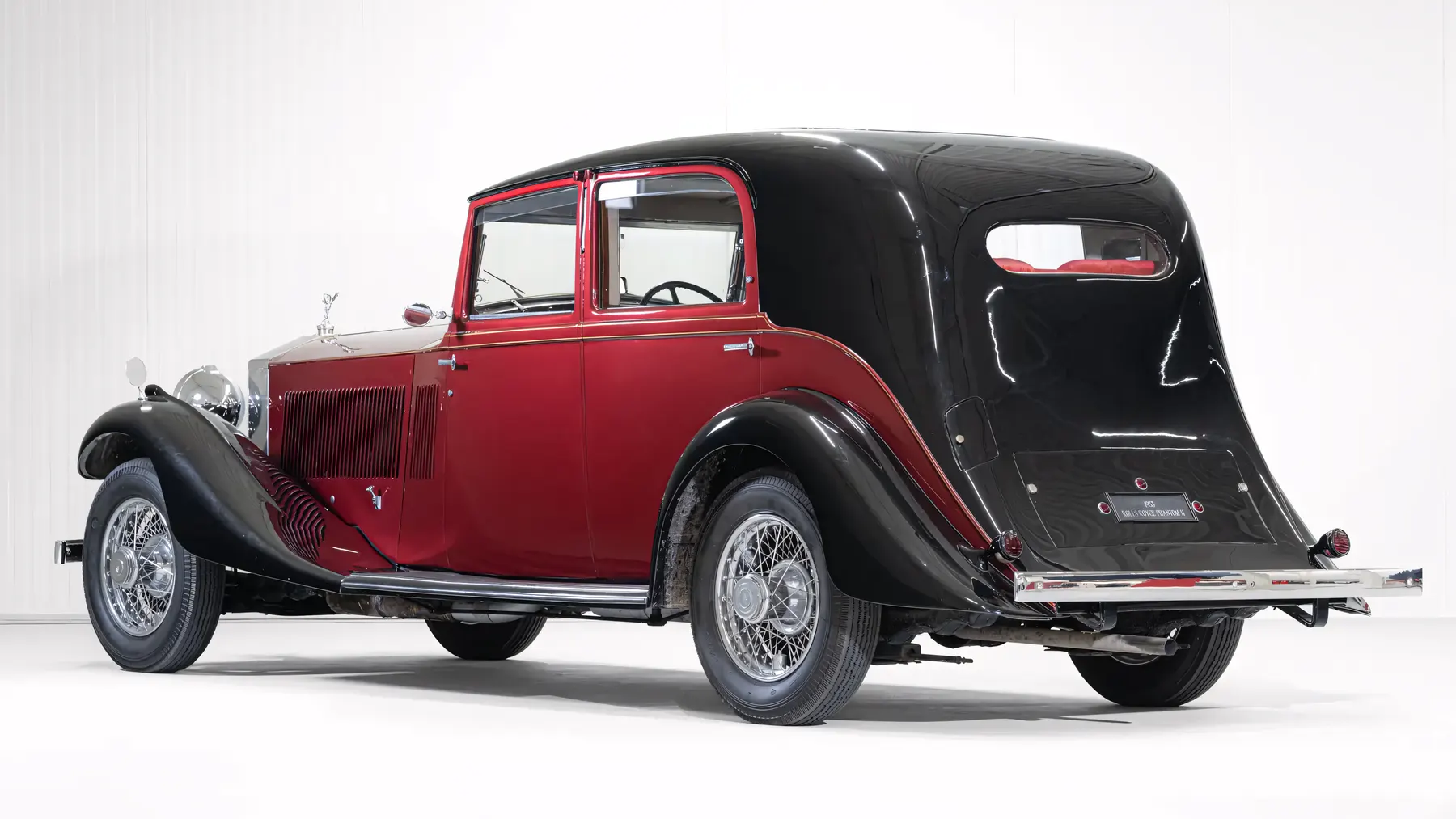
In summary, the Rolls-Royce Phantom II Limousine by Barker is a testament to the artistry and engineering that characterised pre-war luxury automobiles. Its legacy endures through its timeless design, unmatched craftsmanship, and the devotion of collectors and enthusiasts who continue to appreciate this remarkable piece of automotive heritage.