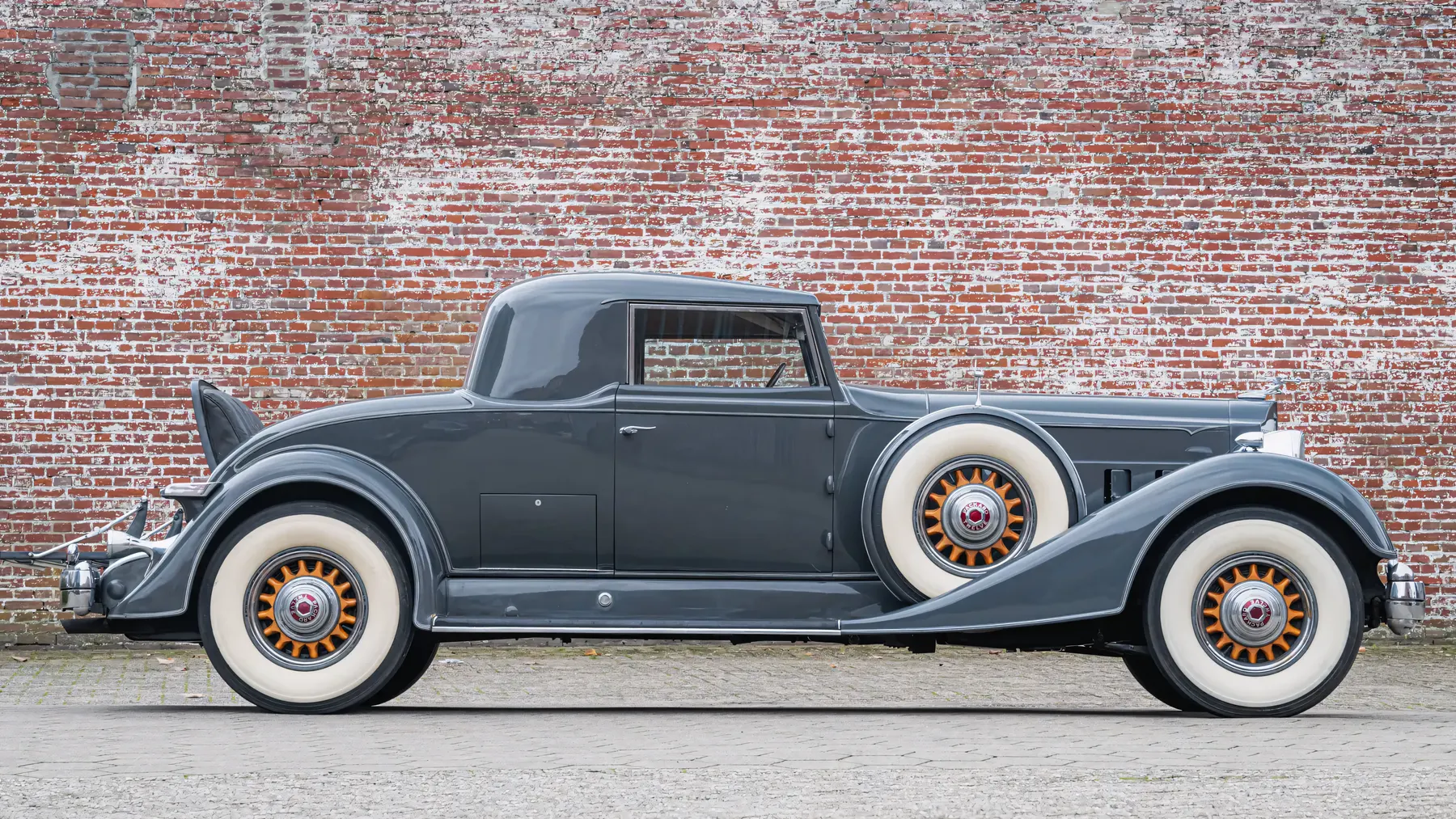
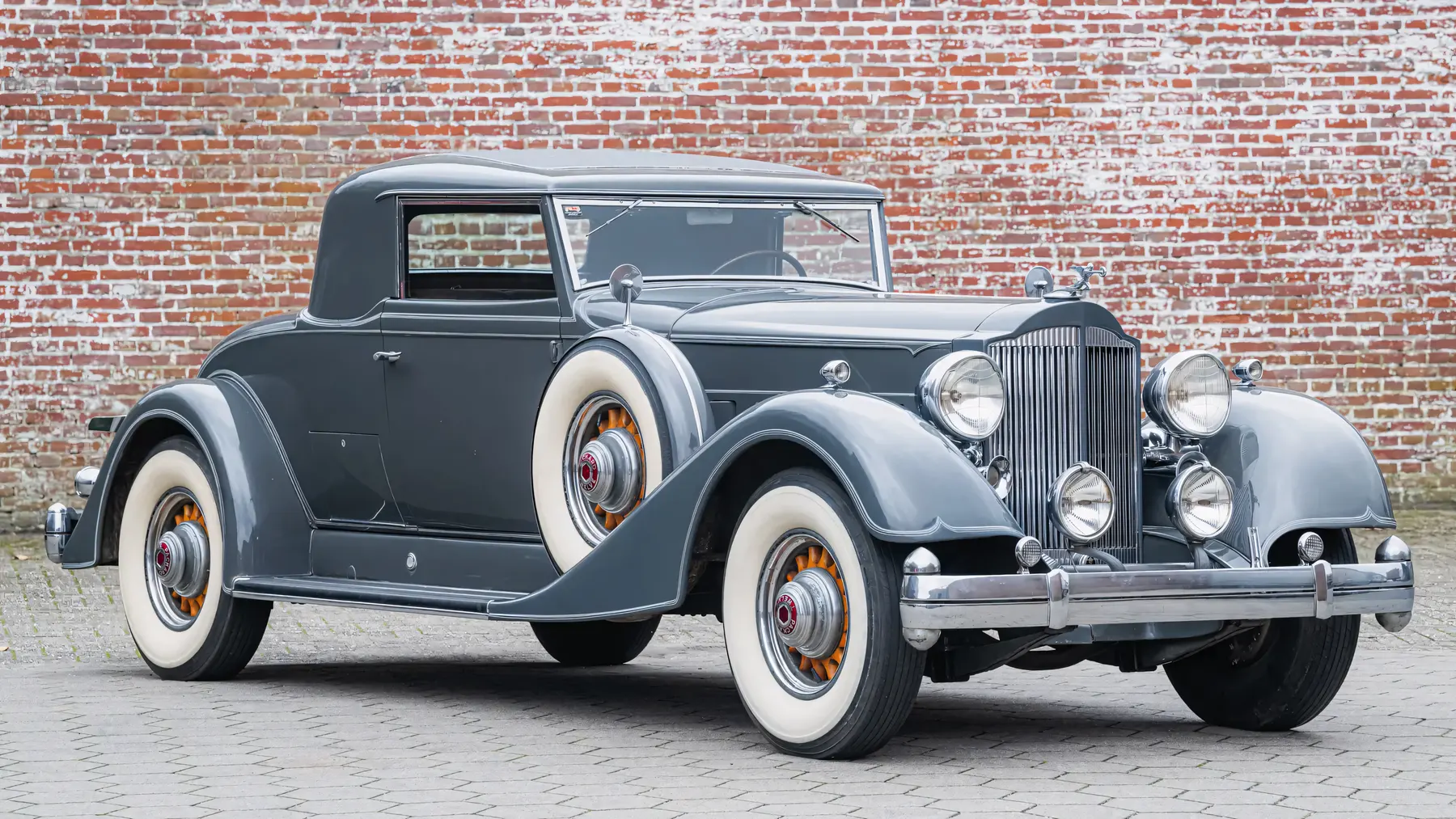
1934 Packard Twelve 2/4-Passenger Coupé
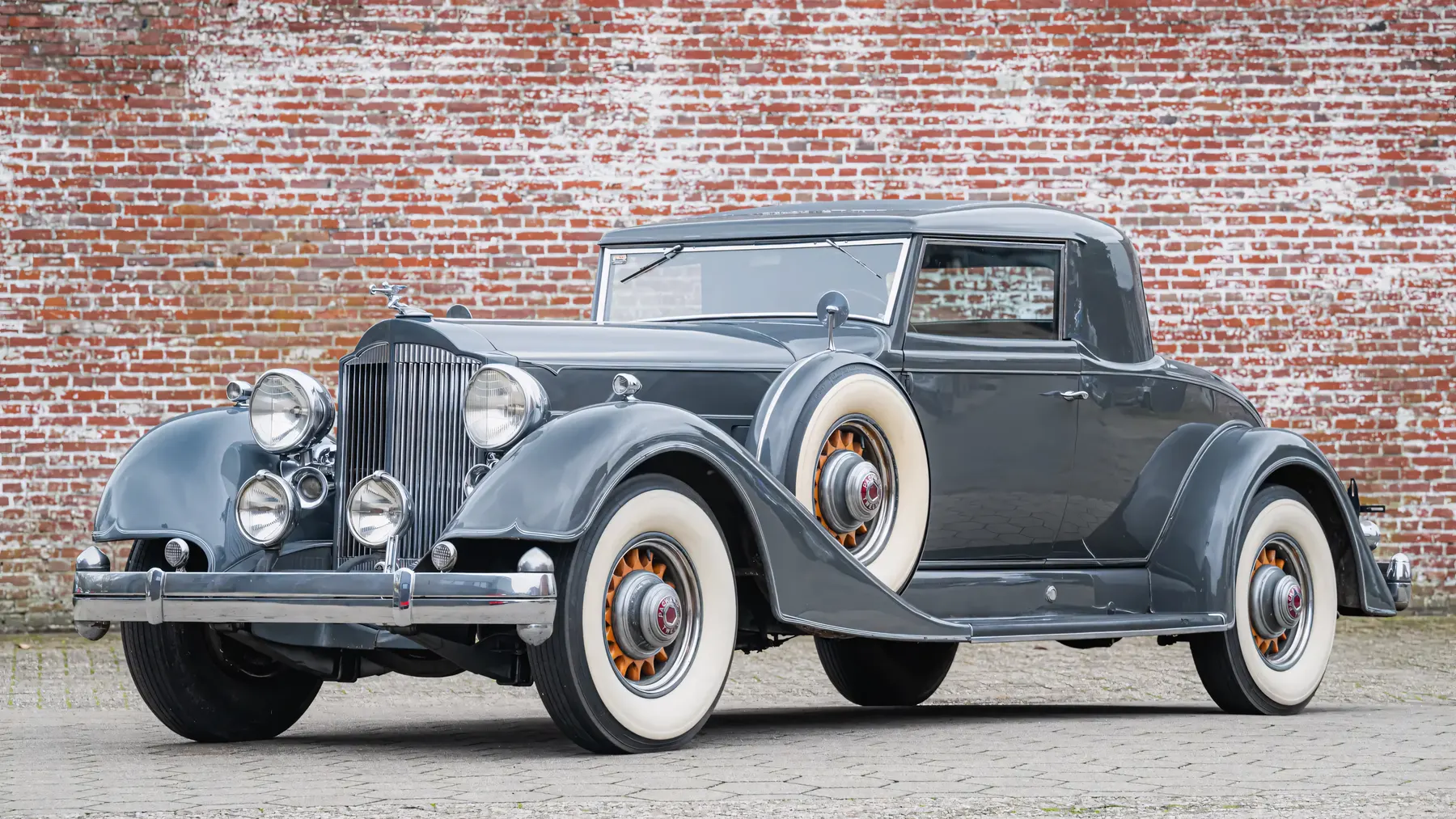
The Packard Twelve 2/4-Passenger Coupé is a rare and captivating example of American luxury and automotive craftsmanship from the 1930s. This model, built on the prestigious Packard Twelve platform, reflects the zenith of custom-built Packard automobiles and showcases an era where personalised design and powerful engineering defined the luxury automotive market.
The Packard Twelve, originally called the “Twin Six,” was Packard’s answer to increasing competition from luxury brands like Marmon, Pierce-Arrow, and Rolls-Royce. Built from 1916 to 1923 and then reintroduced in 1933, the Twelve featured a 7.3-liter V12 engine. This second-generation Packard Twelve introduced in 1933 was known for its reliability, smooth power delivery, and refined engineering. With a 67-degree V12, the engine had a displacement of 445.5 cubic inches (7,300 cc) and produced 160 horsepower at 3,200 rpm. The vehicle’s low-end torque and high power suited the long, flowing body styles that marked Packard’s era of luxury.
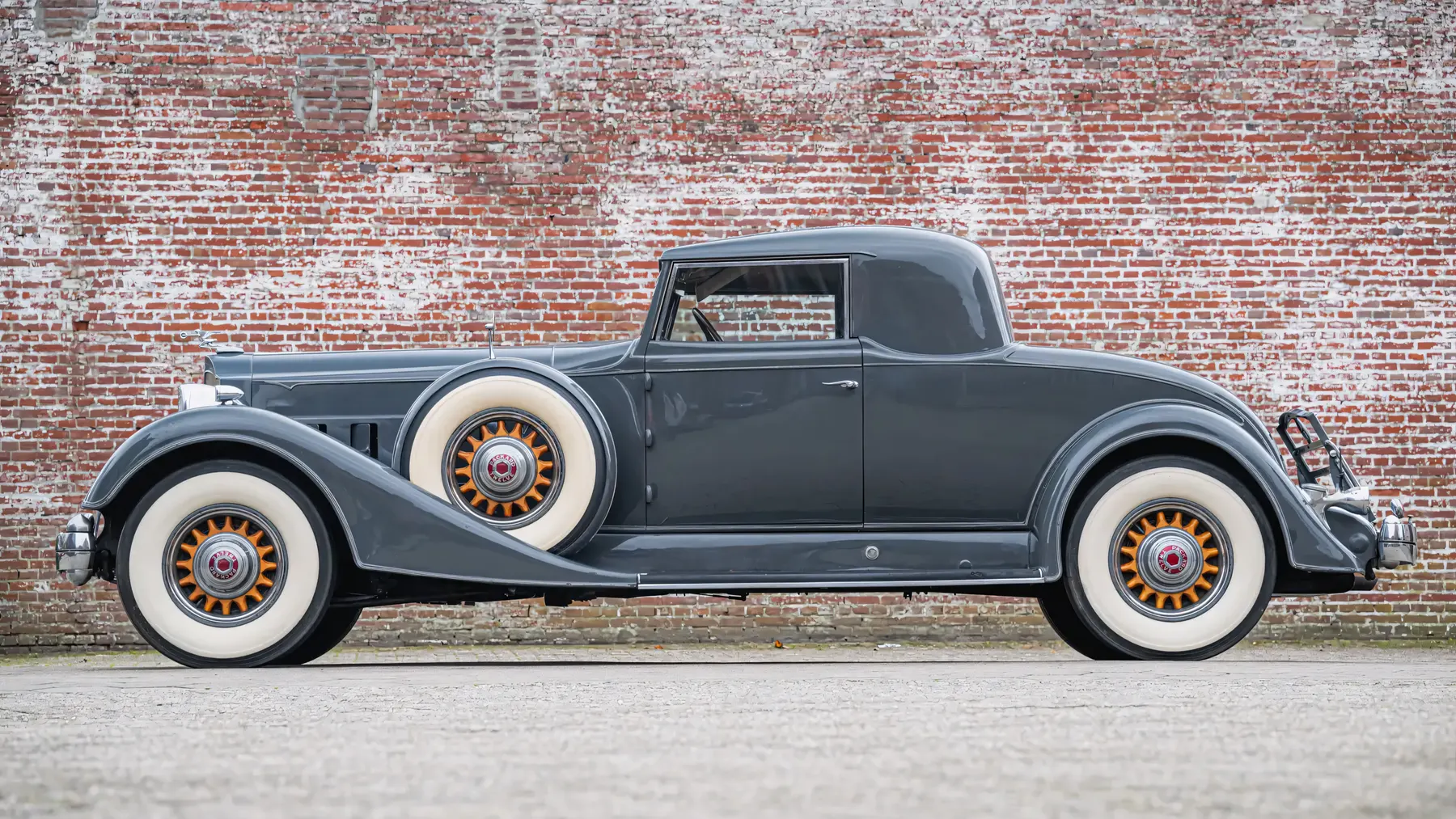
Packard’s design incorporated a single dry-plate clutch and a 3-speed manual transmission with a floor shifter, alongside a new one-piece driveshaft and improved cooling. These engineering upgrades offered a smooth, powerful drive that attracted buyers wanting both performance and elegance.
The 2/4-Passenger Coupé body style provided versatility, giving the car a dual character as a grand tourer and an occasional sport coupe. It allowed owners to experience open-air motoring by folding away or fully removing the roof. This version’s design is both sleek and muscular, reflecting the streamlined Art Deco styling trends of the era. The 2/4-Passenger Coupé body was typically mounted on Packard’s 1005 or 1006 chassis, with wheelbases of 142 inches (3,607 mm) and 147 inches (3,734 mm), respectively, giving it a commanding road presence.
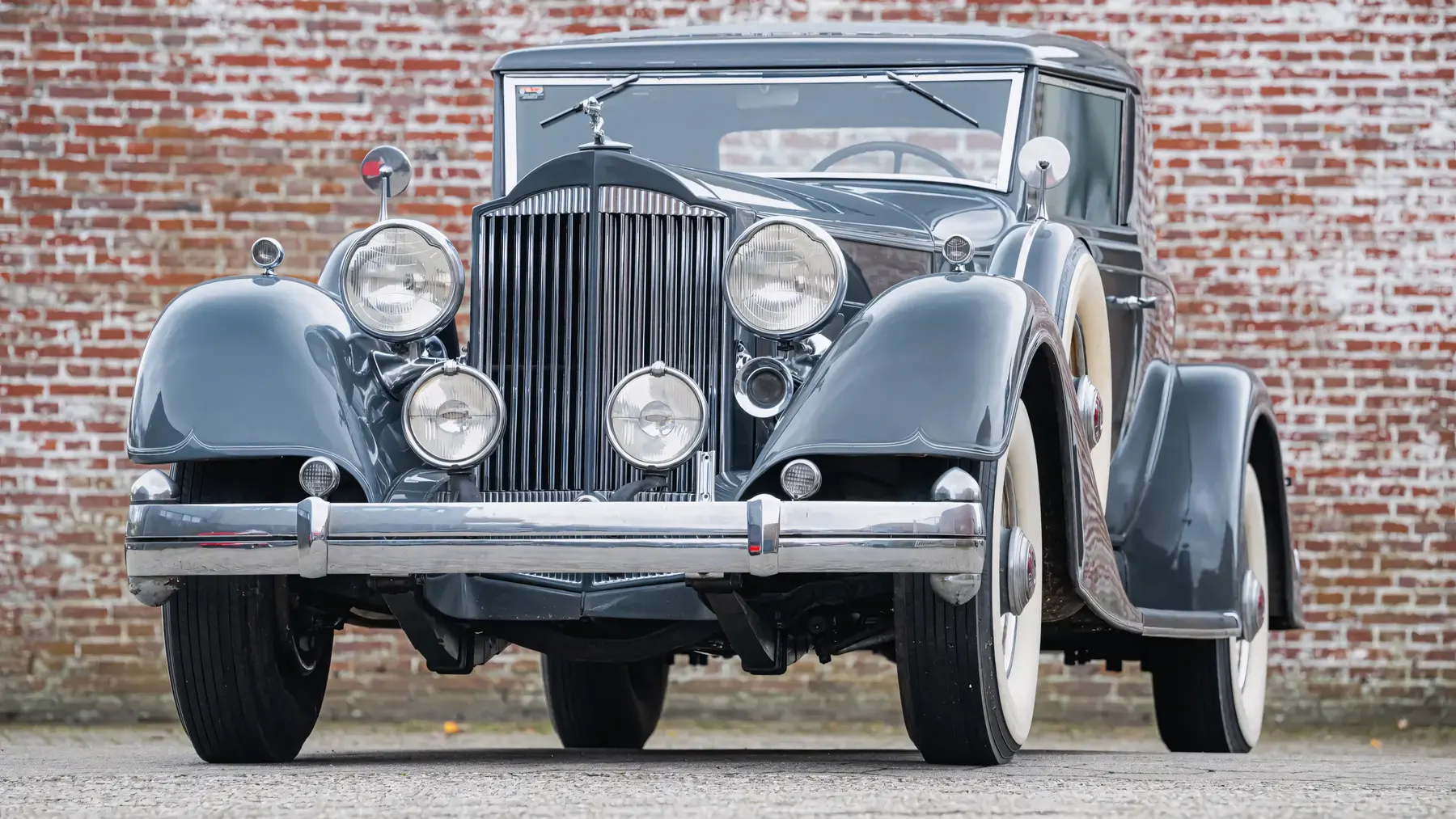
Packard’s Twelve models were available with both standard and custom bodywork, with coachbuilders like Dietrich and LeBaron often commissioned to create unique, hand-crafted bodies for the Twelve. The custom Packard Twelve Coupés like the 2/4-Passenger model were favoured by affluent clients who valued exclusivity and aesthetic innovation. Packard also introduced a more aerodynamic, almond-shaped “Aero Sport Coupe” style, designed by Count Alexis de Sakhnoffsky, under the guidance of stylist Ed Macauley.
This coupe design was groundbreaking in the American luxury segment, with only a few units produced. While the regular 2/4-Passenger Coupés were rare, only around ten examples of the highly unique Aero Sport Coupé and LeBaron “Runabout Speedster” models were built on the shorter, sportier 135-inch (3.43 m) wheelbase chassis, making them among the most sought-after pre-war Packards by collectors.
The Packard Twelve Coupé occupied the top tier of the luxury automotive market, where it competed with other high-end models such as Cadillac’s V16, Lincoln’s K-series, and European luxury offerings from Rolls-Royce and Mercedes-Benz. Despite Packard’s refinement and mechanical sophistication, the luxury car market was contracting during the 1930s due to the Great Depression. Even so, the Packard Twelve remained a popular choice among wealthy buyers due to its unique combination of power, reliability, and customizability.
The 2/4-Passenger Coupé on the Packard Twelve platform encapsulates the spirit of 1930s luxury motoring, with bespoke craftsmanship and performance that made it an icon of American automotive design. Today, the surviving examples of this model are highly valued by collectors, representing not just a car but a lasting testament to Packard’s dedication to engineering excellence and style.