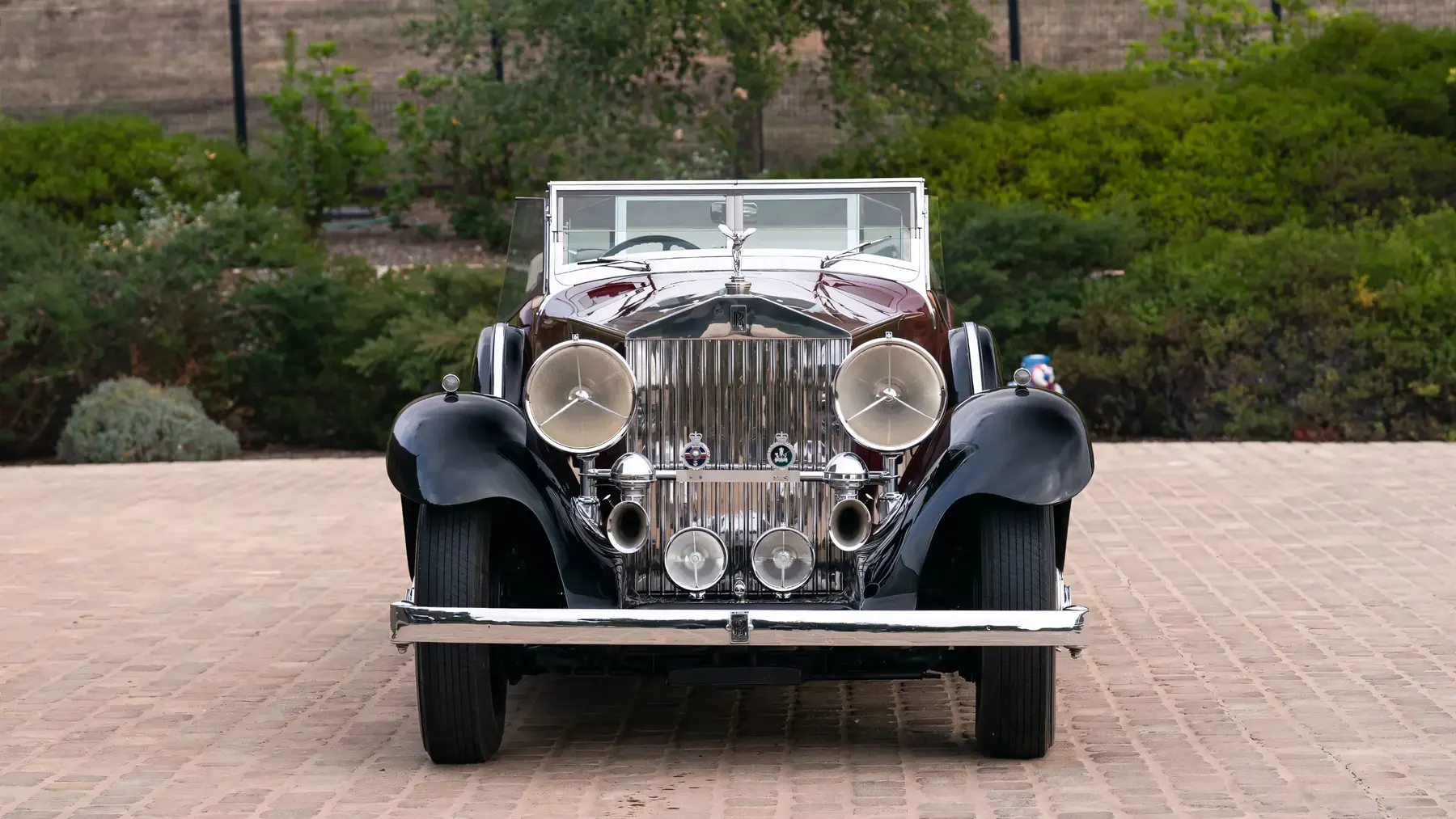
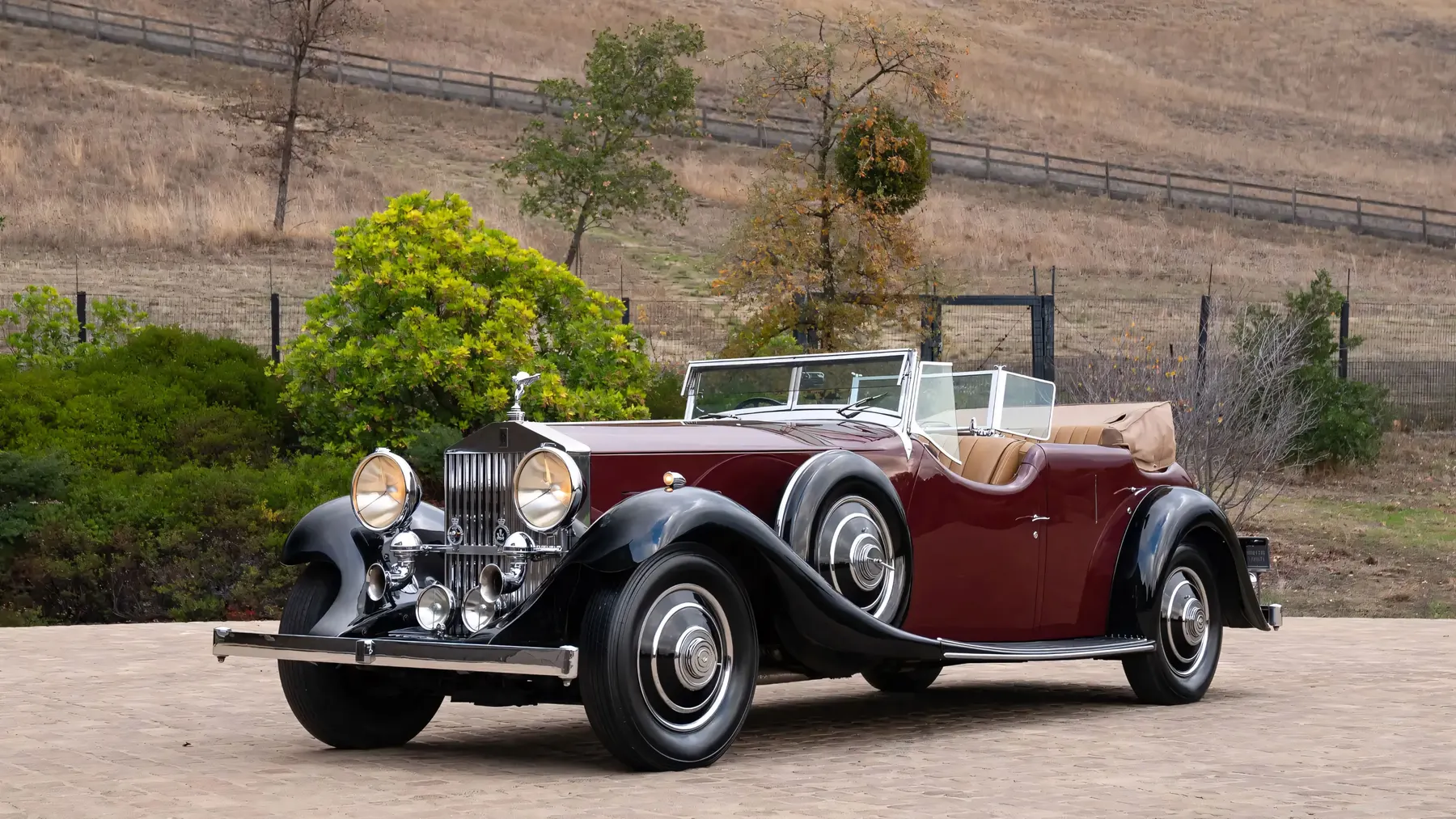
1935 Rolls-Royce Phantom II Tourer by Thrupp & Maberly
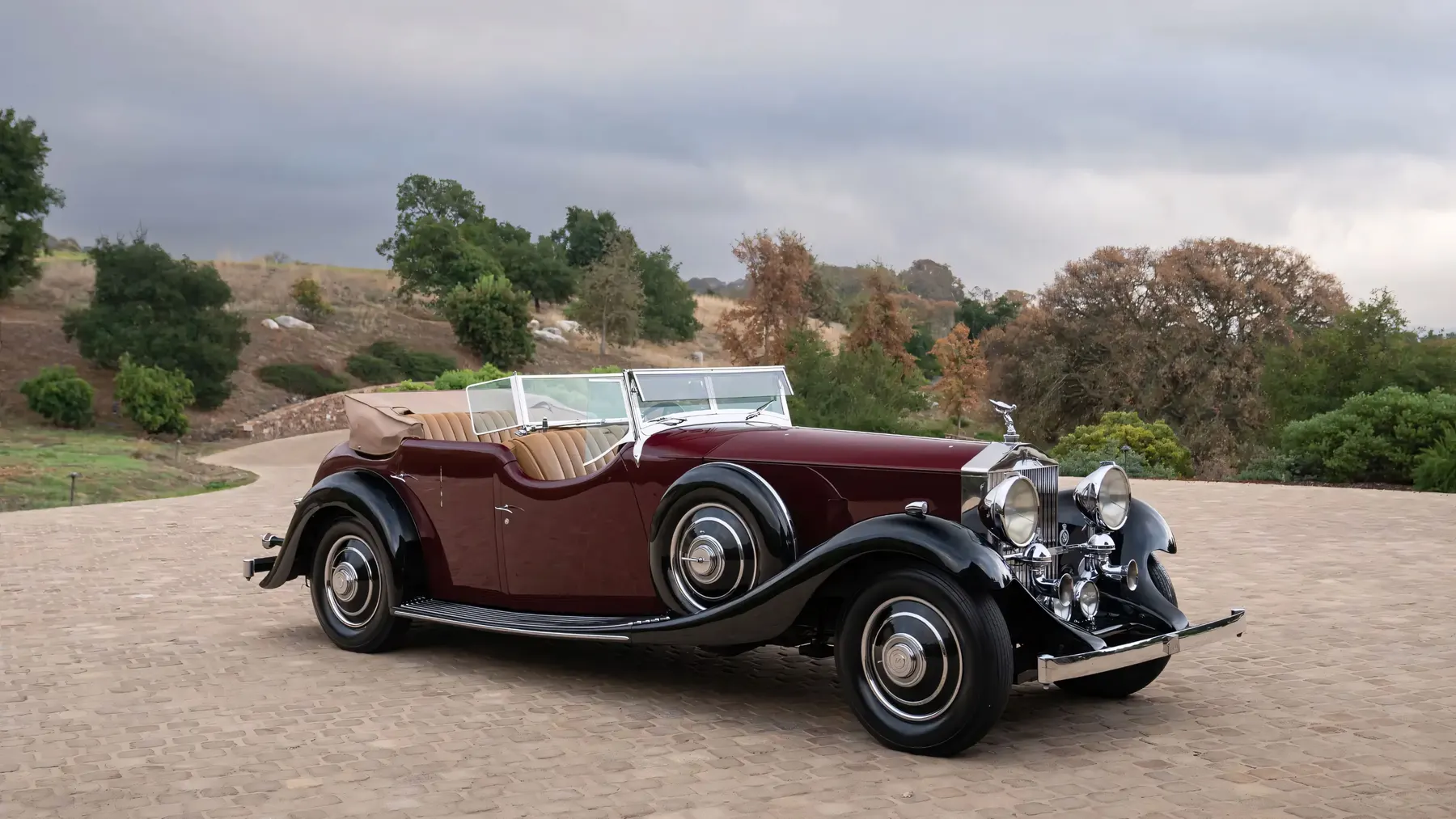
The Rolls-Royce Phantom II Tourer by Thrupp & Maberly is the epitome of pre-war British luxury, capturing an era when motoring was more than just transportation,it was a statement of affluence, refinement, and individual taste. Crafted during a period of lavish coachbuilding, this particular Phantom II showcases the unparalleled elegance of Rolls-Royce engineering combined with the bespoke artistry of one of England’s most esteemed coachbuilders, Thrupp & Maberly.
Introduced in 1929, the Phantom II marked a significant evolution from its predecessor, the New Phantom (Phantom I), featuring a brand-new chassis that took both handling and ride comfort to new heights. The heart of this luxury behemoth is a 7.7-liter straight-six engine, which offered improved power delivery and better efficiency than prior models. With its pushrod overhead valve (OHV) setup and an updated crossflow cylinder head, the Phantom II combined smoothness with robust performance,a vital trait for a car often commissioned for long-distance touring by its affluent owners.
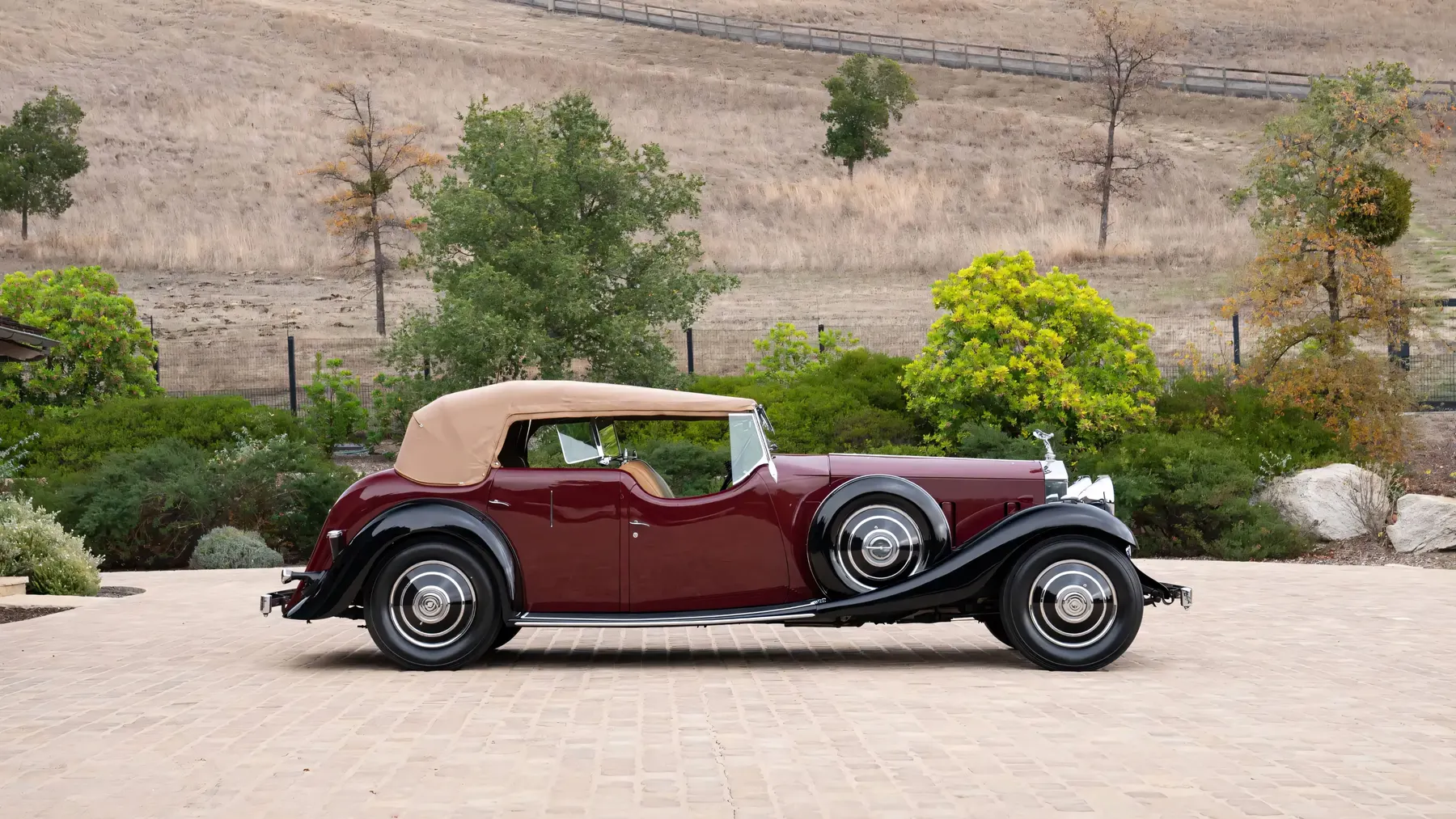
In the Phantom II, Rolls-Royce also modernised its drivetrain, replacing the older torque-tube system with a more modern Hotchkiss drive and an open driveshaft. The result was a chassis that provided a lower centre of gravity, improving both stability and handling. Coupled with a new semi-elliptical suspension system at the rear, this new setup meant that even a car as large as the Phantom II could glide over roads with remarkable grace.
The Phantom II came in two chassis lengths,150 inches (3,800 mm) for the standard wheelbase and 144 inches (3,700 mm) for the shorter, more nimble Continental model. These underpinnings made it an ideal platform for coachbuilders to craft personalised bodies for the elite clientele who demanded not just transportation, but an expression of their identity.
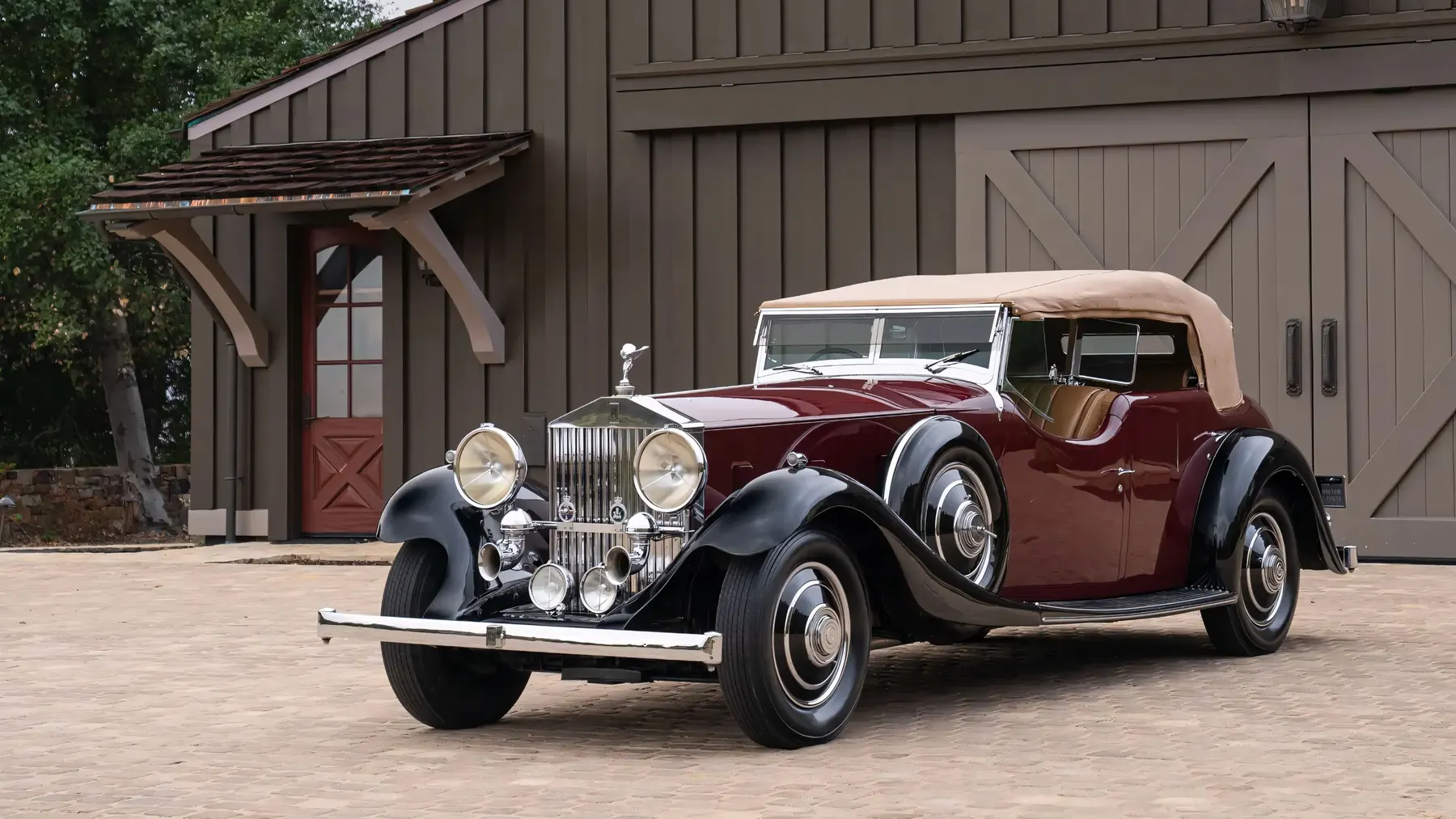
Thrupp & Maberly was no ordinary coachbuilder. Founded in the 18th century, the London-based firm gained a sterling reputation for creating luxurious car bodies that combined timeless elegance with meticulous craftsmanship. For the Rolls-Royce Phantom II Tourer, Thrupp & Maberly took full advantage of the spacious chassis, crafting a body that exuded grandeur while retaining a sporty, streamlined aesthetic.
The result was a Tourer body with flowing lines, generous proportions, and exquisitely detailed brightwork. Often finished in two-tone paint, these bodies reflected the aristocratic tastes of the period, blending elements of formality with a sense of open-road adventure. Large, sweeping fenders, polished chrome accents, and exquisitely hand-crafted interiors were trademarks of Thrupp & Maberly’s approach, ensuring each Phantom II was as much a work of art as it was a vehicle.
Inside, the Tourer by Thrupp & Maberly provided the utmost in luxury. Interiors were often swathed in the finest leathers and wood veneers, with attention given to every detail, from the placement of switchgear to the fit and finish of the upholstery. These cars weren’t just a means of transport,they were mobile salons, where their owners could relax in comfort and style, attended by their chauffeurs.
The Rolls-Royce Phantom II was never about outright speed, but with its improved drivetrain, it was more than capable of matching the performance of its luxury contemporaries. The straight-six engine, coupled with the 4-speed manual transmission featuring synchromesh on third and fourth gears, offered refined and quiet power delivery, even at higher speeds. The servo-assisted braking system, carried over from the Phantom I, provided confidence and control, ensuring the car could stop with authority despite its considerable size.
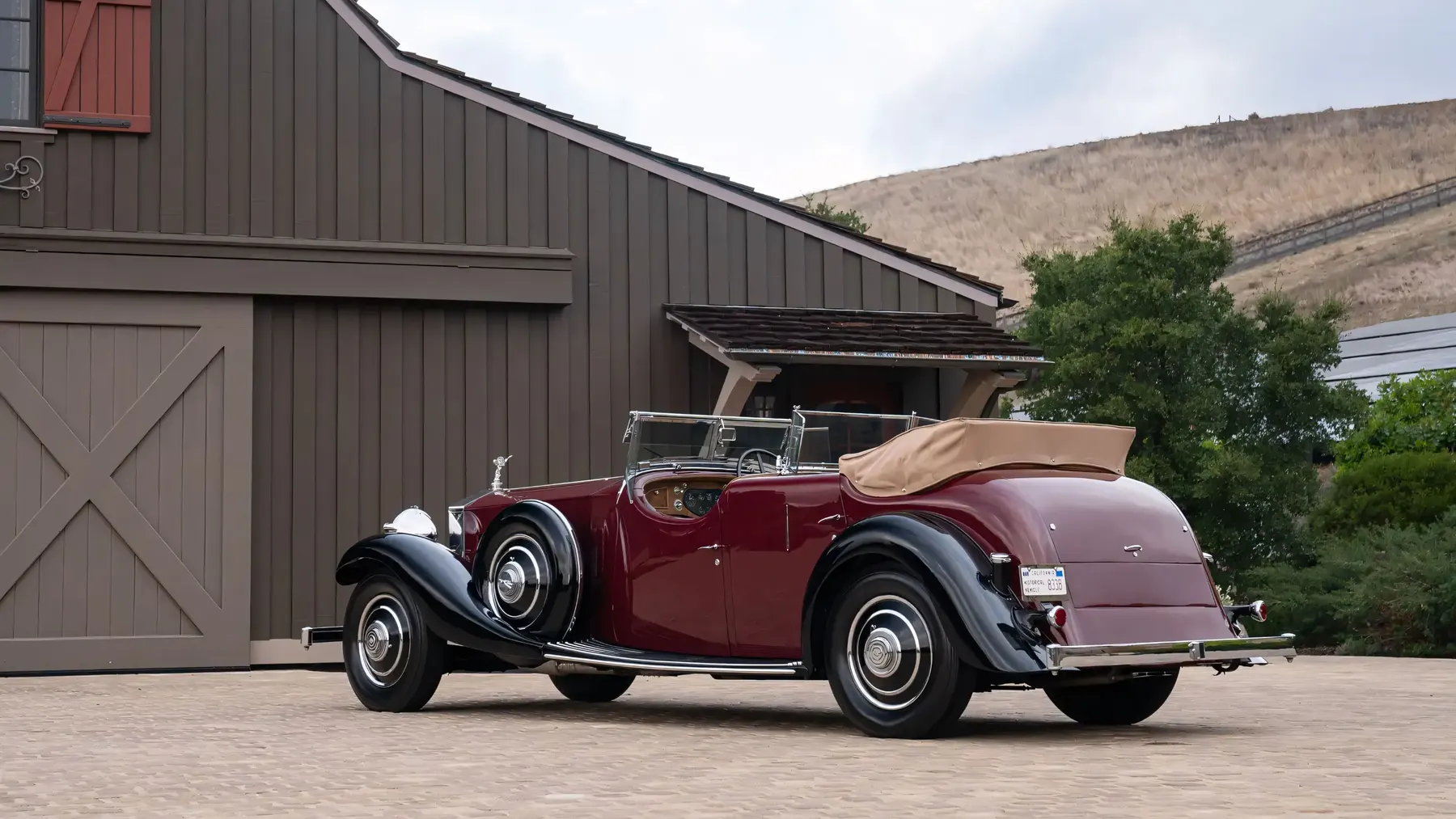
While the majority of Phantom II cars were built with chauffeur-driven configurations in mind, the Tourer by Thrupp & Maberly was often favoured by those who enjoyed driving themselves, especially in the shorter Continental chassis version. This sense of personal engagement, paired with the Rolls-Royce ethos of delivering “the best car in the world,” cemented the Phantom II’s reputation as a status symbol.
Of the 1,681 Phantom II chassis built between 1929 and 1936, many were bodied by esteemed coachbuilders like Thrupp & Maberly, making each example a bespoke reflection of its owner’s tastes and desires. As time passed, the Phantom II became one of the most revered Rolls-Royce models, not just for its engineering prowess, but for the way it encapsulated an era of craftsmanship that has largely disappeared in modern car manufacturing.
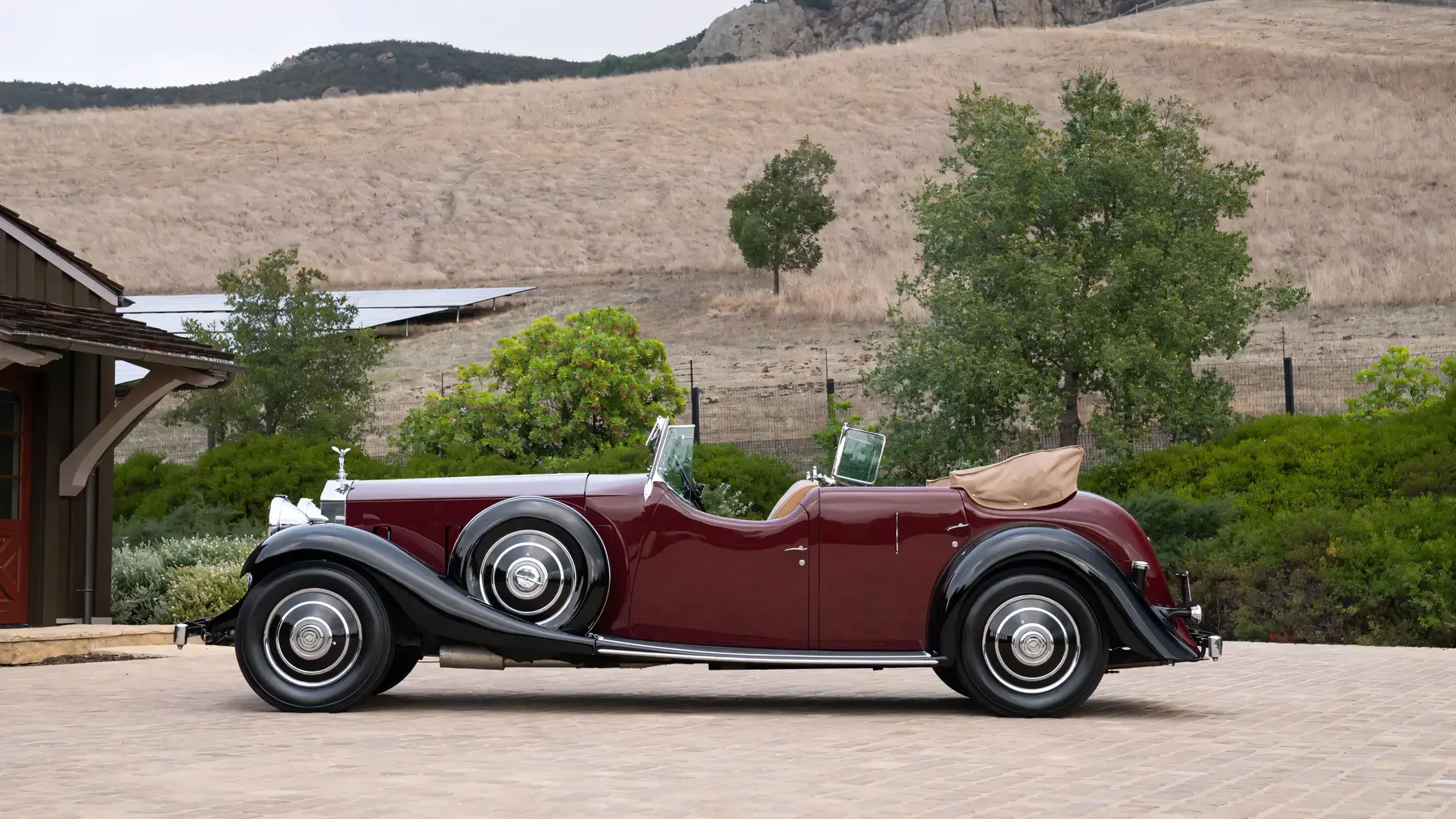
Today, surviving examples of the Rolls-Royce Phantom II Tourer by Thrupp & Maberly are highly coveted by collectors and enthusiasts, each one a reminder of the golden age of coachbuilding and the uncompromising standards of Rolls-Royce. These cars stand as a testament to the unparalleled luxury, performance, and bespoke artistry that defined Rolls-Royce in its heyday, and remain a symbol of the brand’s lasting legacy.
In a world where luxury is often equated with mass-produced opulence, the Phantom II Tourer by Thrupp & Maberly remains an irreplaceable icon of what true luxury once meant,a marriage of craftsmanship, innovation, and the pursuit of perfection.