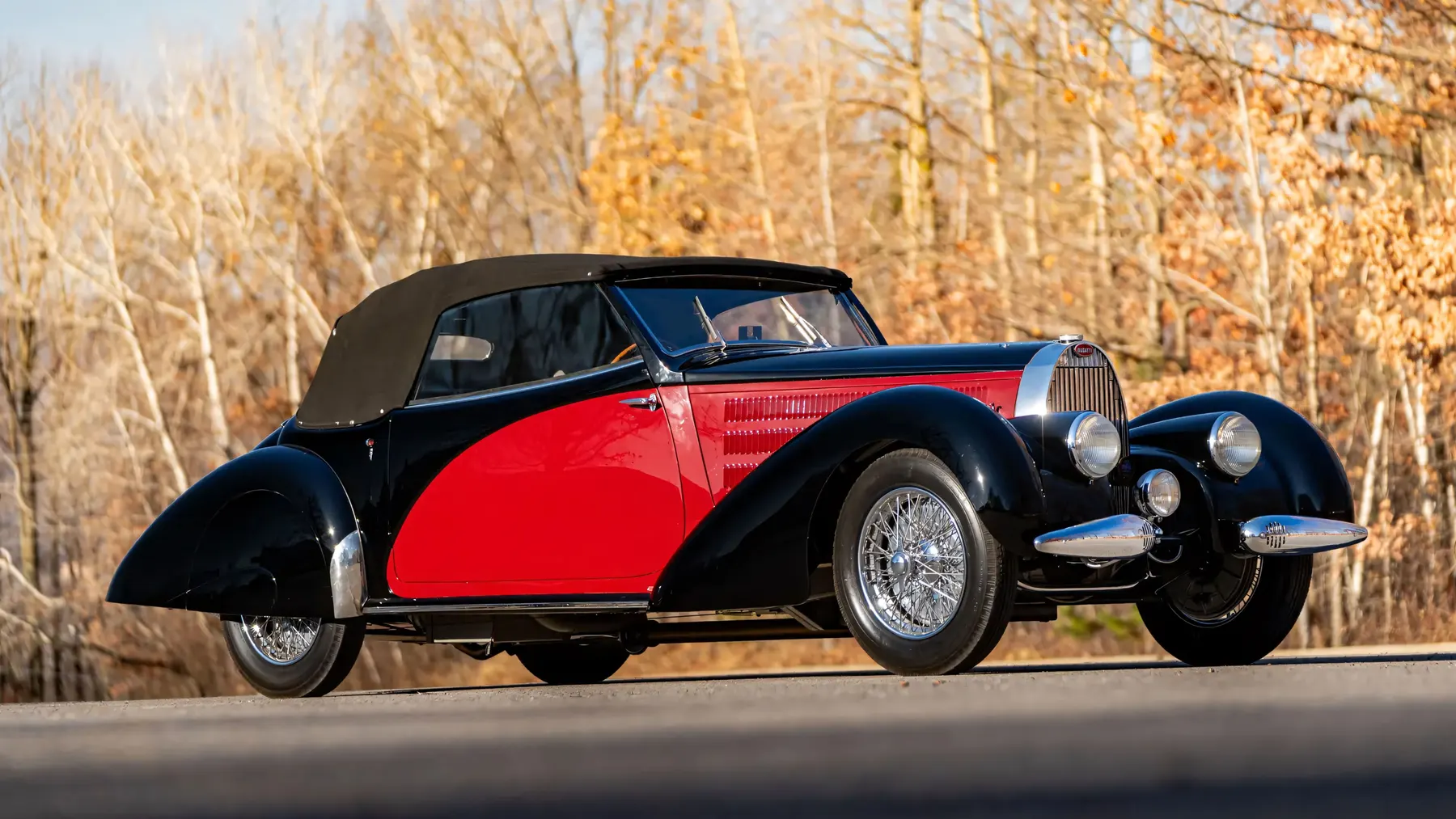
1939 Bugatti Type 57 Cabriolet by Letourneur et Marchand
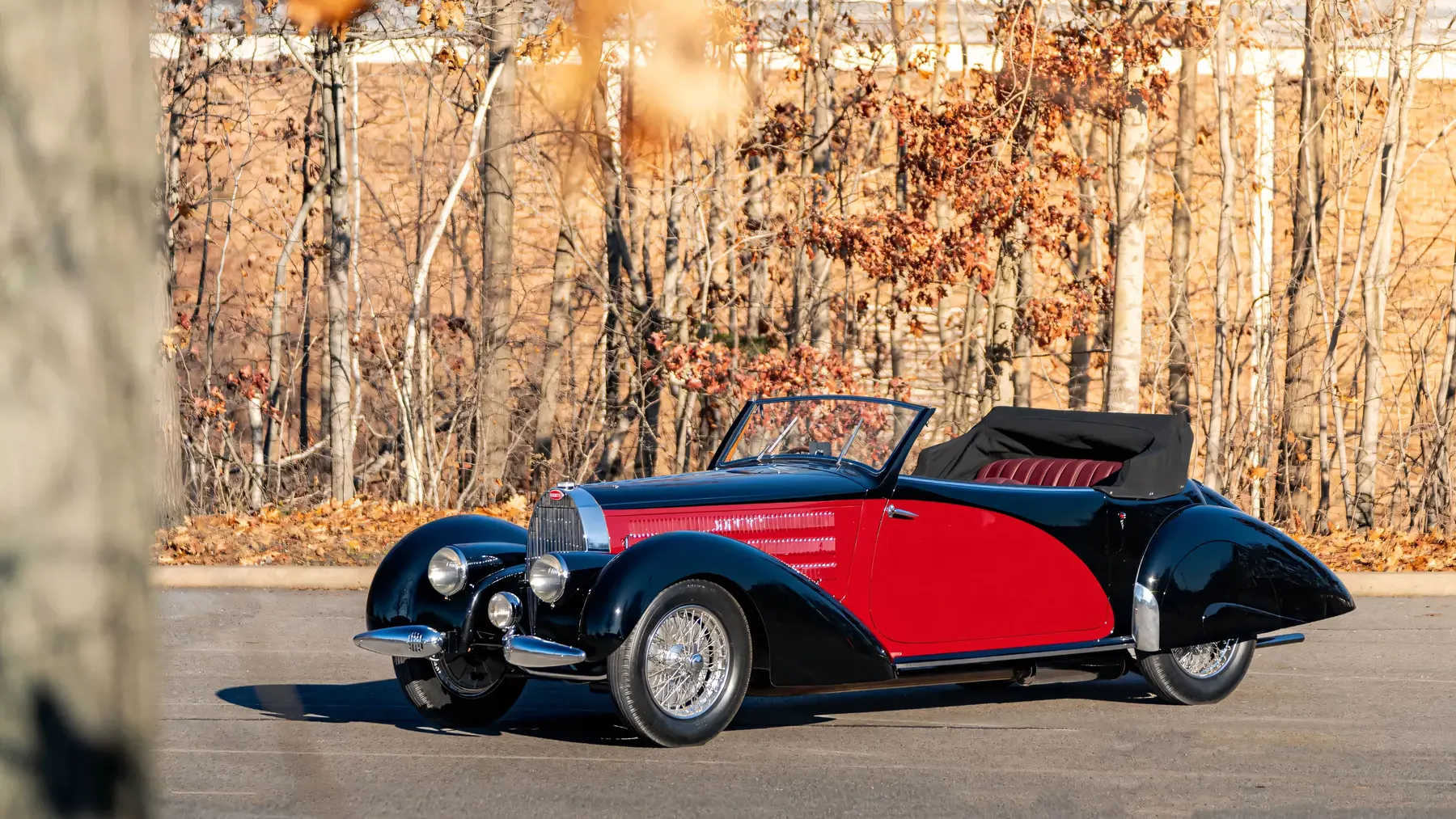
The Bugatti Type 57 Cabriolet by Letourneur et Marchand stands as one of the most elegant and distinctive vehicles produced in the pre-war automotive era. As part of the renowned Bugatti Type 57 series, designed by Jean Bugatti, the Cabriolet epitomises the sophistication and artistry that defined Bugatti’s ethos during the 1930s. With only a few of these rare Cabriolets built, each remains a symbol of luxury, craftsmanship, and performance.
The Bugatti Type 57 was launched in 1934 as a grand tourer, drawing on the racing pedigree of the brand while providing a more refined and luxurious driving experience. Under the hood was a 3.3-liter straight-eight twin-cam engine producing 135 horsepower, adapted from the Grand Prix-winning Type 59. This engine was an engineering marvel of its time, featuring a chain of spur gears for quieter operation,an improvement over the earlier bevel gear systems found in previous Bugattis.
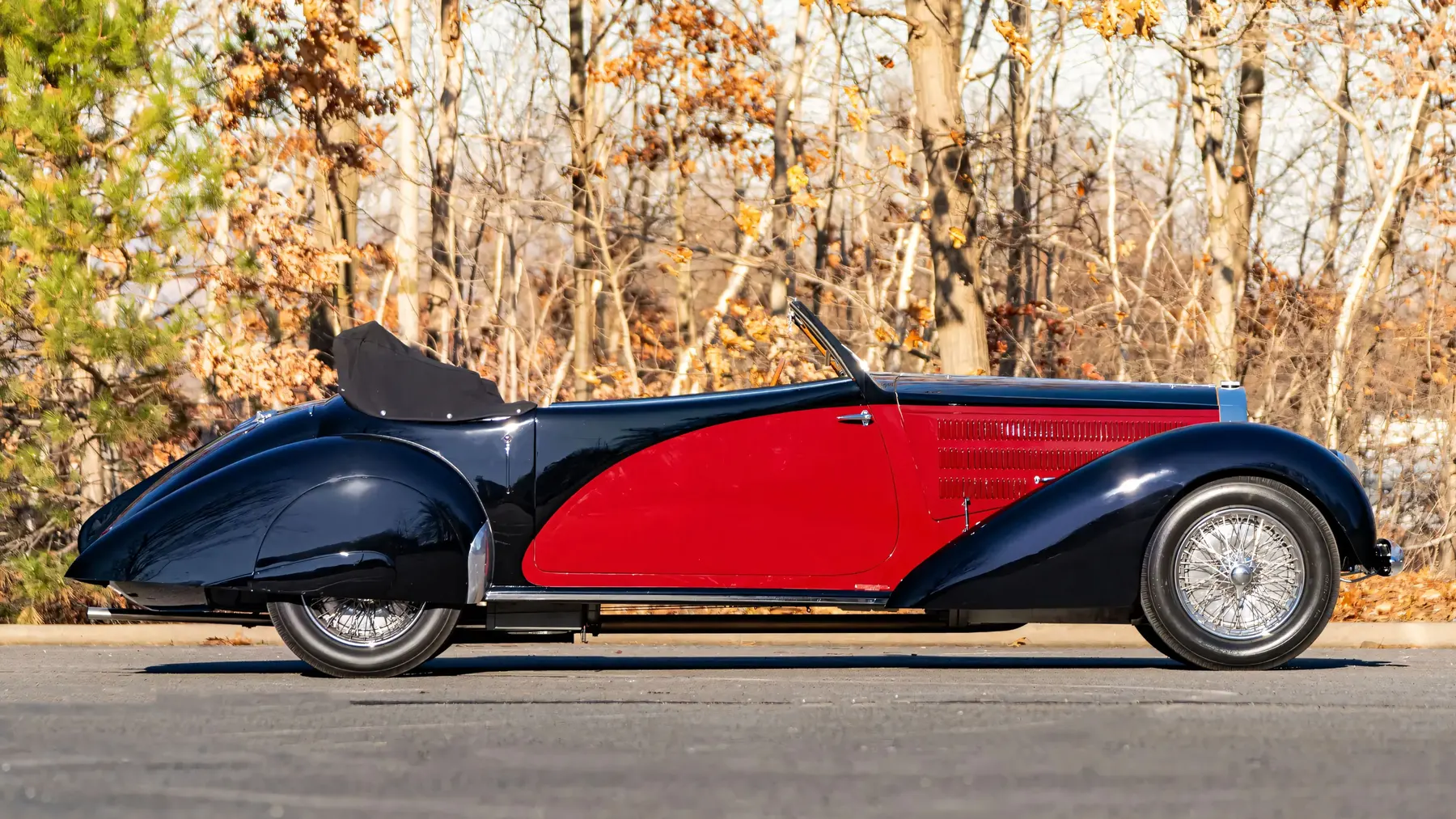
With a top speed of 153 km/h (95 mph), the Type 57 was fast by 1930s standards, making it an exhilarating car to drive on Europe’s burgeoning road networks. However, it was the grace with which the Type 57 achieved its performance that truly set it apart. This was not a brutish sports car but a refined, smooth-running machine that prioritised elegance and comfort without sacrificing speed.
The Letourneur et Marchand coachbuilding firm, based in France, was famous for their ability to transform high-performance chassis into rolling works of art. Their design for the Bugatti Type 57 Cabriolet was no exception. The cabriolet, or convertible body style, was the height of luxury, allowing drivers to enjoy both the wind in their hair and the refined comfort of the closed cabin when needed.
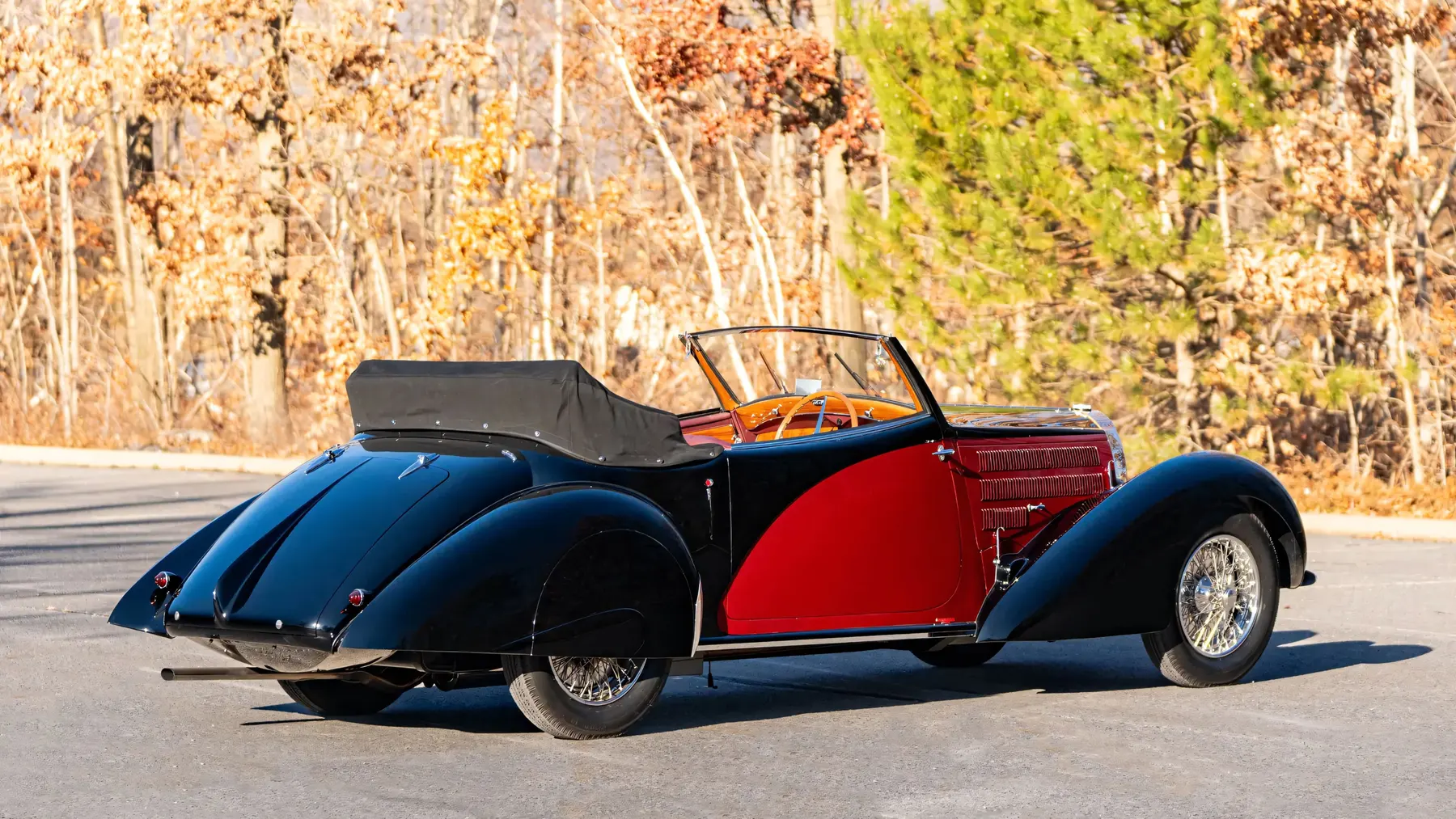
The Letourneur et Marchand Cabriolet featured graceful, flowing lines that encapsulated the spirit of Art Deco design. The firm’s hallmark was the impeccable integration of Bugatti’s mechanical precision with a body that exudes sophistication. Sweeping fenders, intricate chrome detailing, and the signature horseshoe grille,a nod to Bugatti’s racing heritage,were paired with a convertible top that folded back with a level of craftsmanship and care that only a few ateliers could achieve.
The interior of the Cabriolet was equally luxurious, trimmed in the finest materials, with leather upholstery and artfully arranged instrumentation, ensuring that the driver was always aware that they were piloting something special. Every switch, dial, and button was a testament to Bugatti’s dedication to detail and the unwavering commitment of Letourneur et Marchand to providing an experience beyond the ordinary.
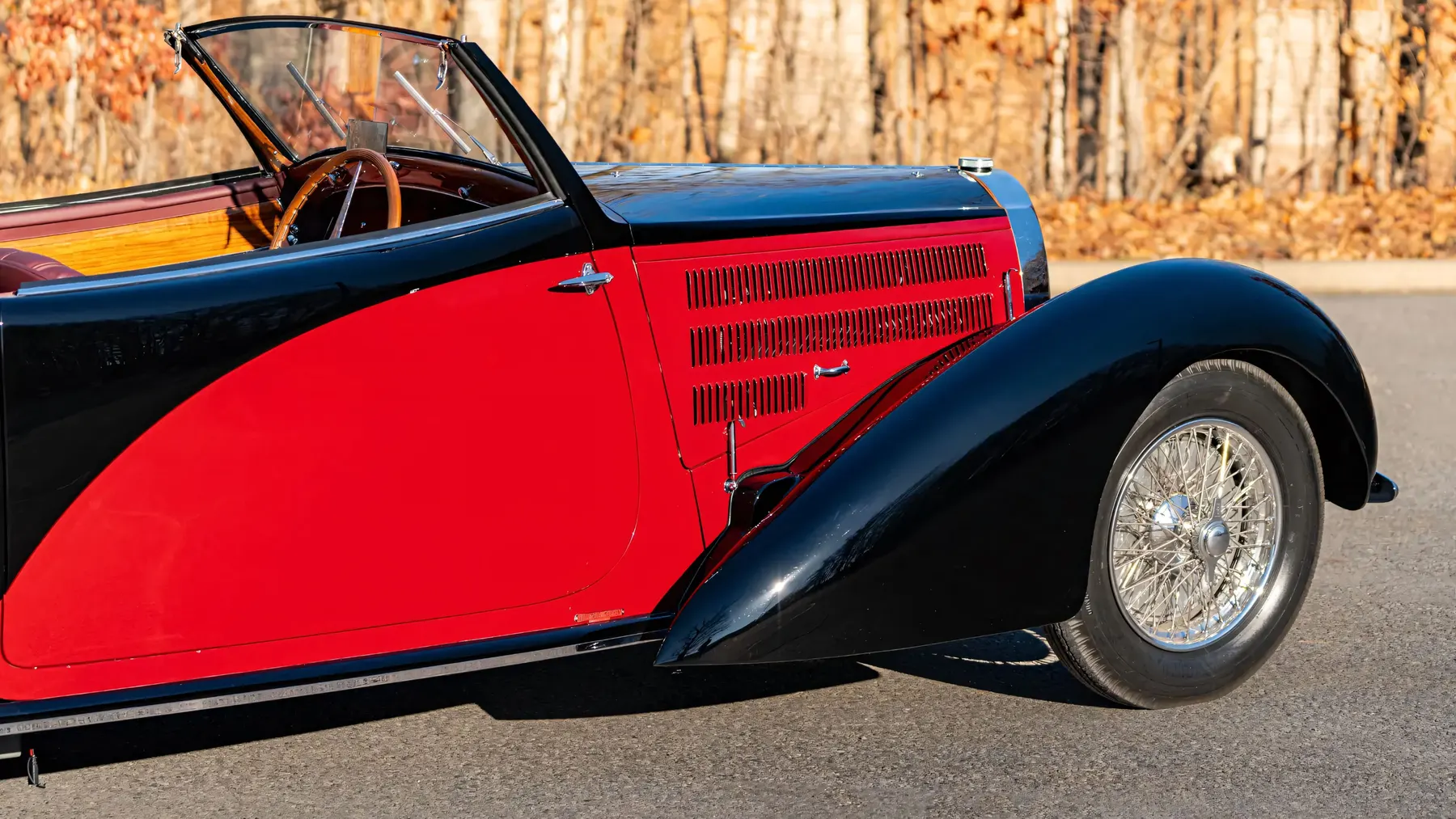
Despite its focus on luxury, the Type 57 Cabriolet by Letourneur et Marchand was by no means a compromise on performance. Weighing just 950 kg (2,090 lbs), the car remained nimble and responsive on the road, with excellent handling for its time. Its 3,302 mm (130-inch) wheelbase and narrow 1,349 mm (53-inch) track gave the Cabriolet a balanced and composed stance, while the hydraulic brakes introduced in 1938 provided much-needed stopping power, even though Ettore Bugatti himself resisted this modernization.
The Type 57 Cabriolet was a car built for long-distance touring, where style, speed, and comfort were all equally important. Whether cruising through the French countryside or navigating the grand boulevards of Paris, the Bugatti Type 57 Cabriolet by Letourneur et Marchand was always in its element.
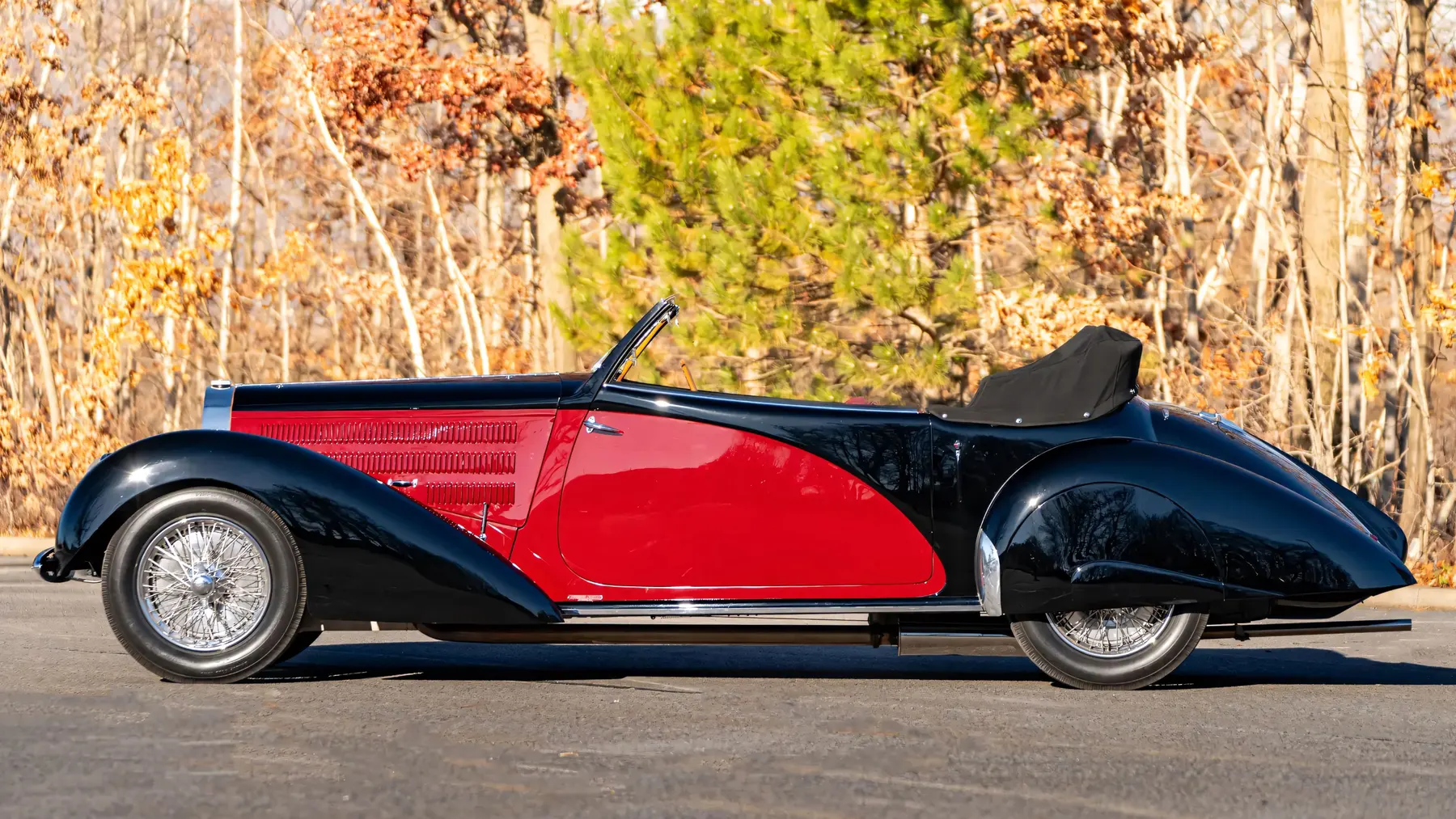
The Bugatti Type 57 Cabriolet by Letourneur et Marchand remains one of the most sought-after collector cars in the world, with only a handful of these examples produced. The Type 57 model line as a whole was a success for Bugatti, with over 710 examples of various body styles built between 1934 and 1940. However, the Cabriolets by Letourneur et Marchand stand apart as icons of pre-war automotive design,each a unique expression of the art of coachbuilding.
As a testament to their enduring appeal, Bugatti Type 57s continue to command astonishing prices at auction, with some examples selling for millions of euros. Their combination of historical significance, stunning design, and engineering excellence ensures that these cars remain among the most treasured automotive artefacts from the golden age of motoring.
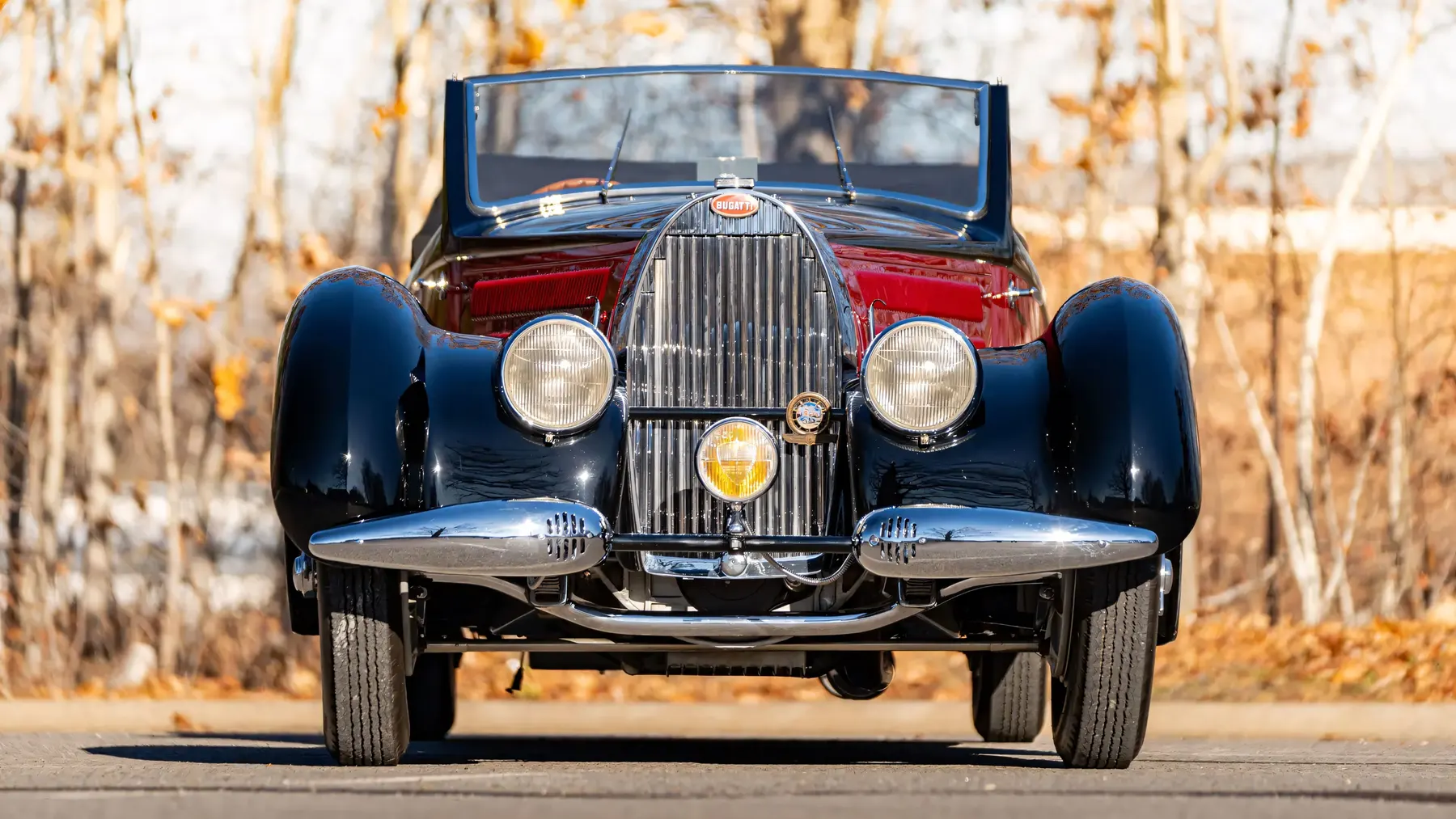
The Bugatti Type 57 Cabriolet by Letourneur et Marchand is more than just a car; it is a masterpiece of design and engineering. Its timeless elegance, coupled with the powerful yet refined straight-eight engine, embodies the very best of 1930s automotive innovation. With its Art Deco influences and impeccable craftsmanship, it stands as a testament to the glory of pre-war coachbuilding and the Bugatti family’s unwavering dedication to excellence.
To own or even witness one of these rare cars today is to experience a piece of automotive history that continues to captivate enthusiasts and collectors alike.