1958 Ferrari 250 Testa Rossa by Scaglietti
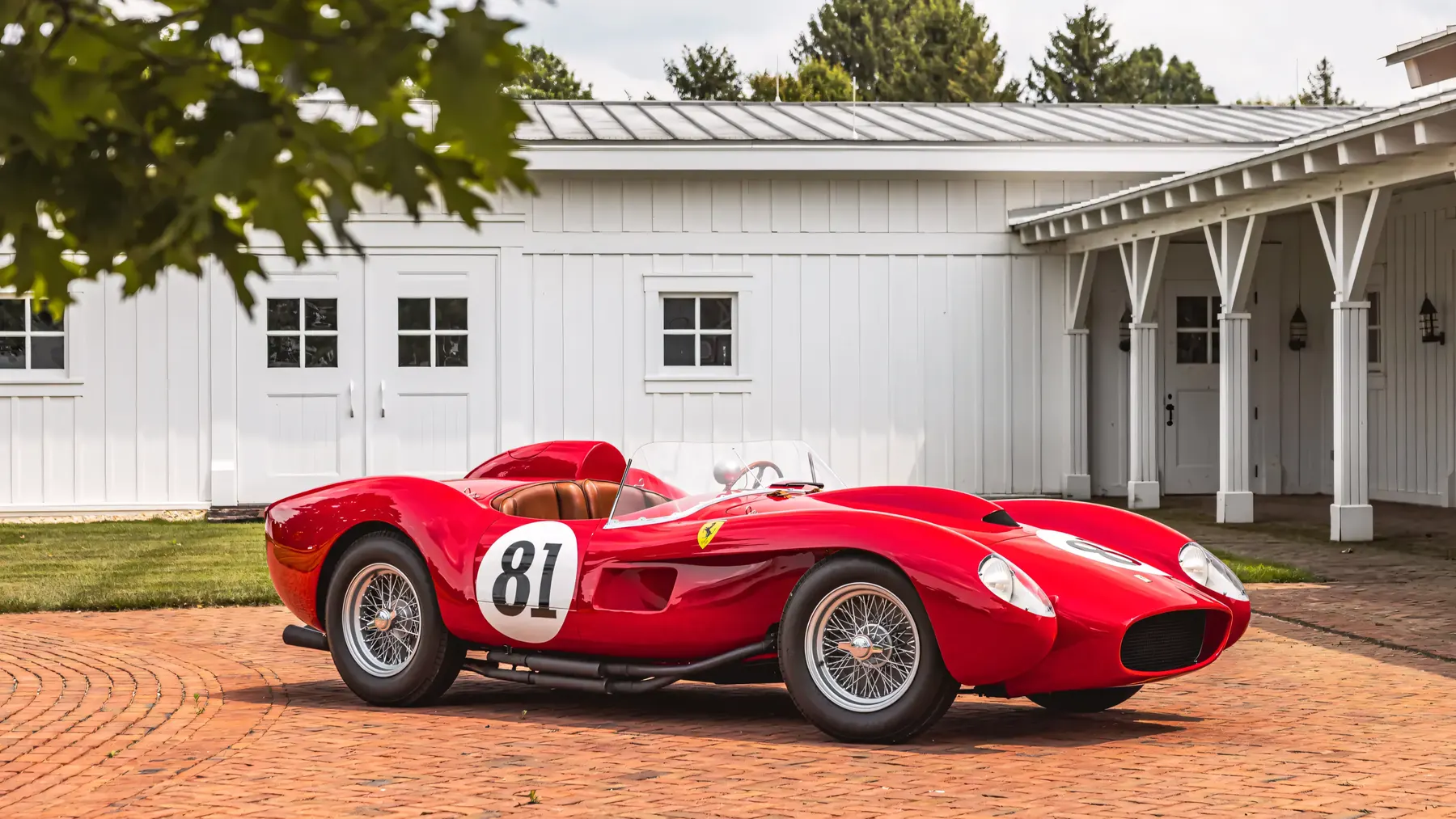
The Ferrari 250 Testa Rossa, crafted by Scaglietti, is a definitive work of automotive art. Produced between 1957 and 1961, this masterpiece combines Italian craftsmanship, racing heritage, and functional beauty to create a car that remains revered by collectors and enthusiasts alike. Its design is often likened to a moving sculpture, reflecting a period in Italy where engineering and aesthetics converged seamlessly. Scaglietti’s “pontoon-fendered” body style, with its distinctive cutaway fenders, isn’t just iconic,it’s a hallmark of a bygone era, where every curve and contour of the car was both purposeful and visually captivating.
The 250 Testa Rossa was born from a rule change in 1958, which capped sports racing engines at 3.0 litres, pushing Ferrari to innovate. They adapted the 250 GT’s 3.0-liter V12, refining it with a new “Red Head” Tipo 128 LM engine, yielding an impressive 300 horsepower. The relocation of spark plugs and addition of six Weber 38 DCN twin-choke carburetors boosted the engine’s performance while creating a layout that allowed for easier maintenance during high-stakes races. The engine’s name, “Testa Rossa” (Italian for “Red Head”), derived from its red-painted cam covers, a feature that became synonymous with Ferrari’s high-performance engines. The V12 could withstand high RPMs and deliver a power/displacement ratio of 100 hp per litre,a testament to Ferrari’s engineering acumen.
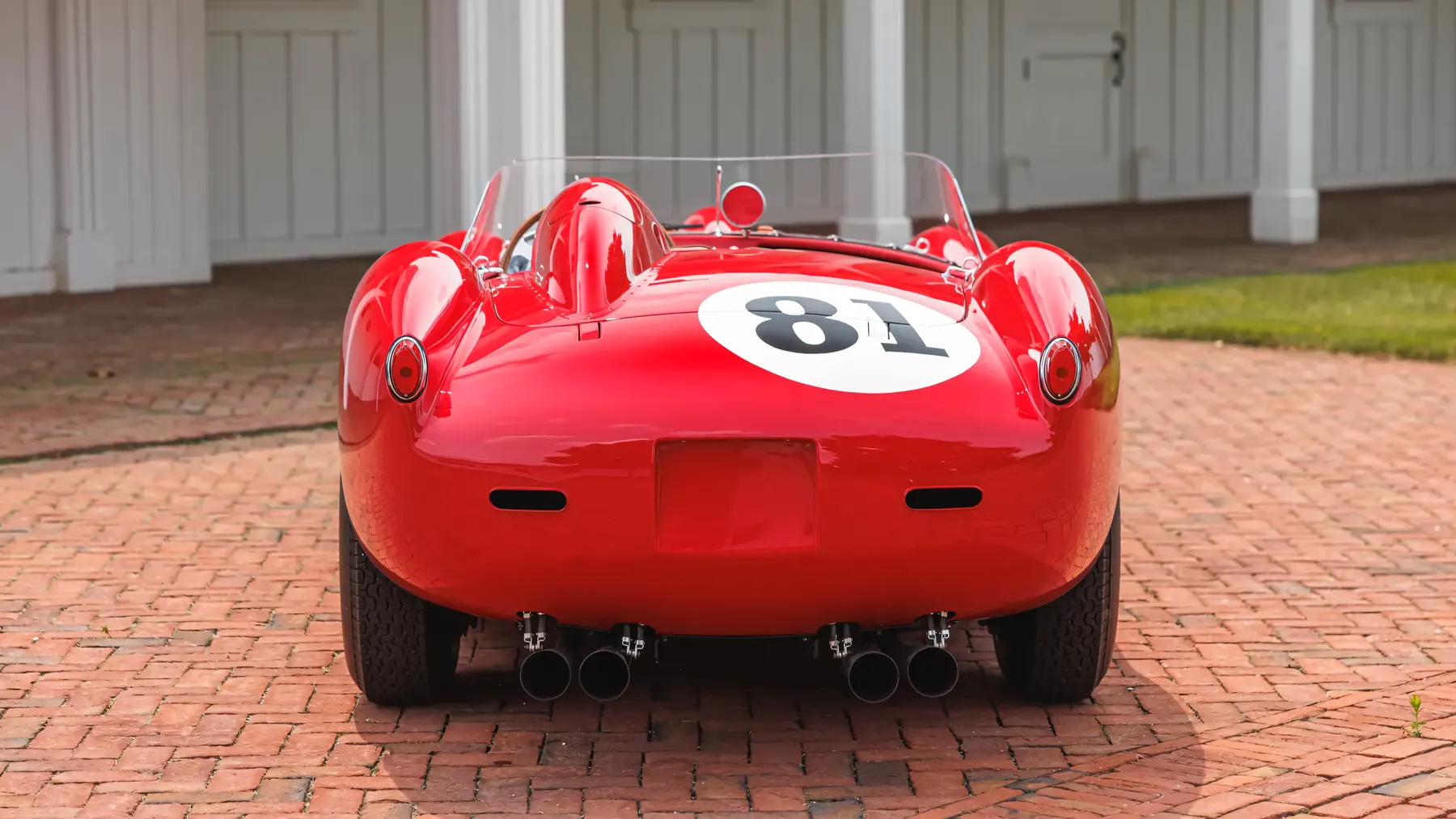
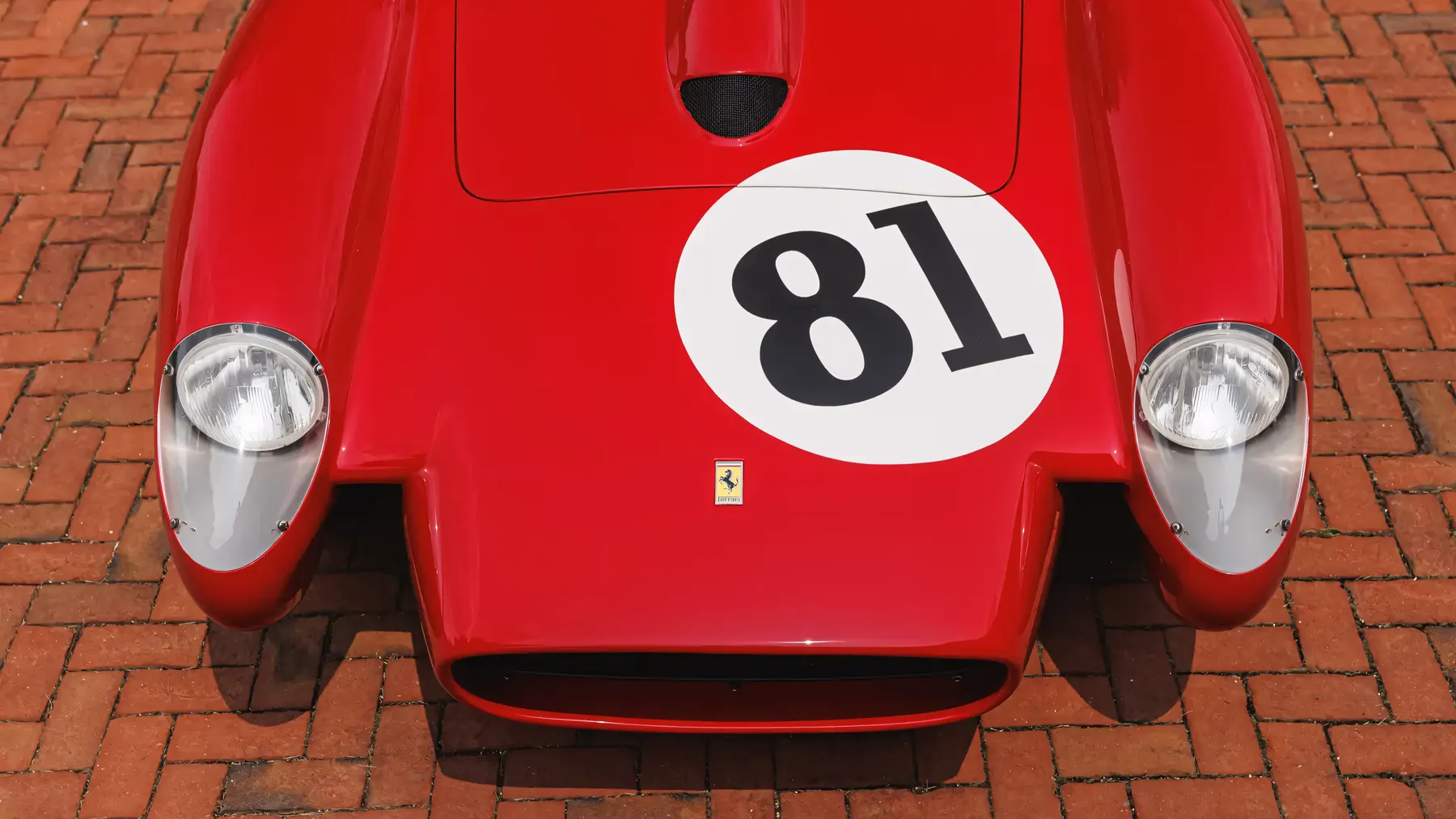
Introduced at the Nürburgring in 1957, the first prototype (chassis number 0666 TR) was clothed in Scaglietti bodywork featuring a prominent hood bulge. However, it was the following year that saw the unveiling of Scaglietti’s iconic aluminium body design. This version of the 250 TR sported cutaway fenders and slots in the nose to cool the brakes, essential for long endurance races. This design became known as the “pontoon-fendered” style, which not only addressed functionality but also gave the 250 Testa Rossa a distinctive, memorable look on the track.
The 250 TR’s dominance on the track began with the 1958 racing season, where it claimed first place at major events, including Sebring, the Targa Florio, and the gruelling 24 Hours of Le Mans. Ferrari’s focus on durability and reliability allowed the 250 TR to outperform its competitors consistently. Enzo Ferrari’s conservative design philosophy prioritised endurance over outright speed, contributing to the car’s rugged reputation and repeated successes at long-distance events. During its racing career, it secured Ferrari three World Sports Car Championships, solidifying its place in motorsport history.
Scaglietti’s craftsmanship combined with Ferrari’s engineering was central to the 250 Testa Rossa’s legacy. Only 33 units were ever produced, including 19 customer models, each crafted with left-hand drive configurations and featuring the stunning pontoon-fendered bodywork. These customer cars, unlike the Scuderia factory team cars, were fitted with a traditional live rear axle and front-mounted four-speed gearbox. However, their aesthetic and performance still captured the public’s attention, making these models among the most coveted Ferrari collectibles.
With its helical valve springs, reimagined spark plug configuration, and billet-machined connecting rods, the Testarossa’s engine represented Ferrari’s dedication to constant improvement, blending innovation with a respect for proven designs. This dedication to excellence allowed the Testa Rossa to remain competitive long after its initial release, paving the way for Ferrari’s continued success in endurance racing throughout the early 1960s.
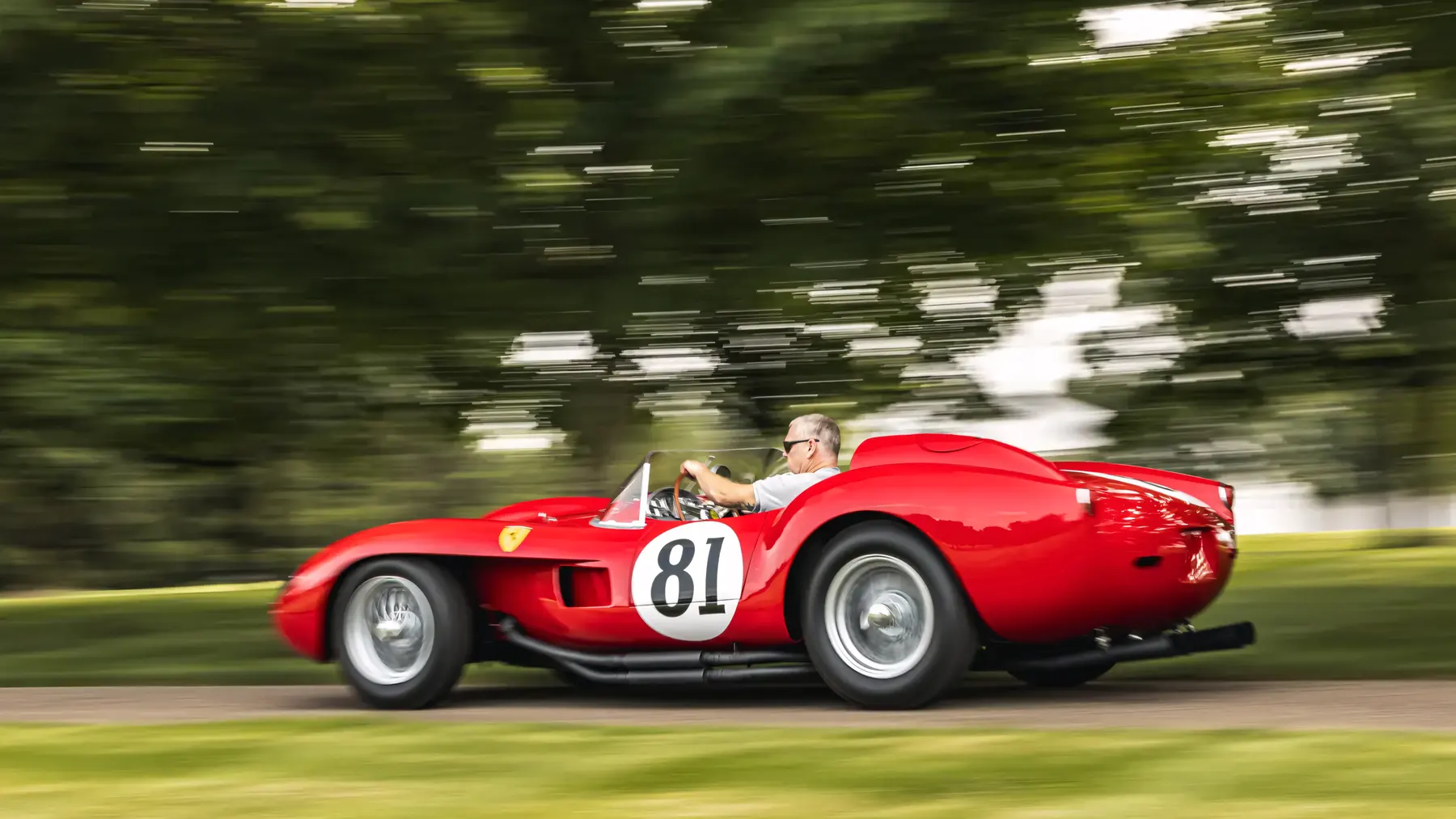
Today, the Ferrari 250 Testa Rossa by Scaglietti stands as a symbol of Italian artistry, representing a peak in both visual and mechanical design. The combination of sculptural beauty, advanced engineering, and racing heritage makes it one of the most celebrated cars in automotive history, often regarded with the same reverence as fine art masterpieces. For car enthusiasts and collectors, the 250 Testa Rossa is an irreplaceable artefact, embodying the spirit of an era when cars were built to be both breathtaking and formidable on the track.