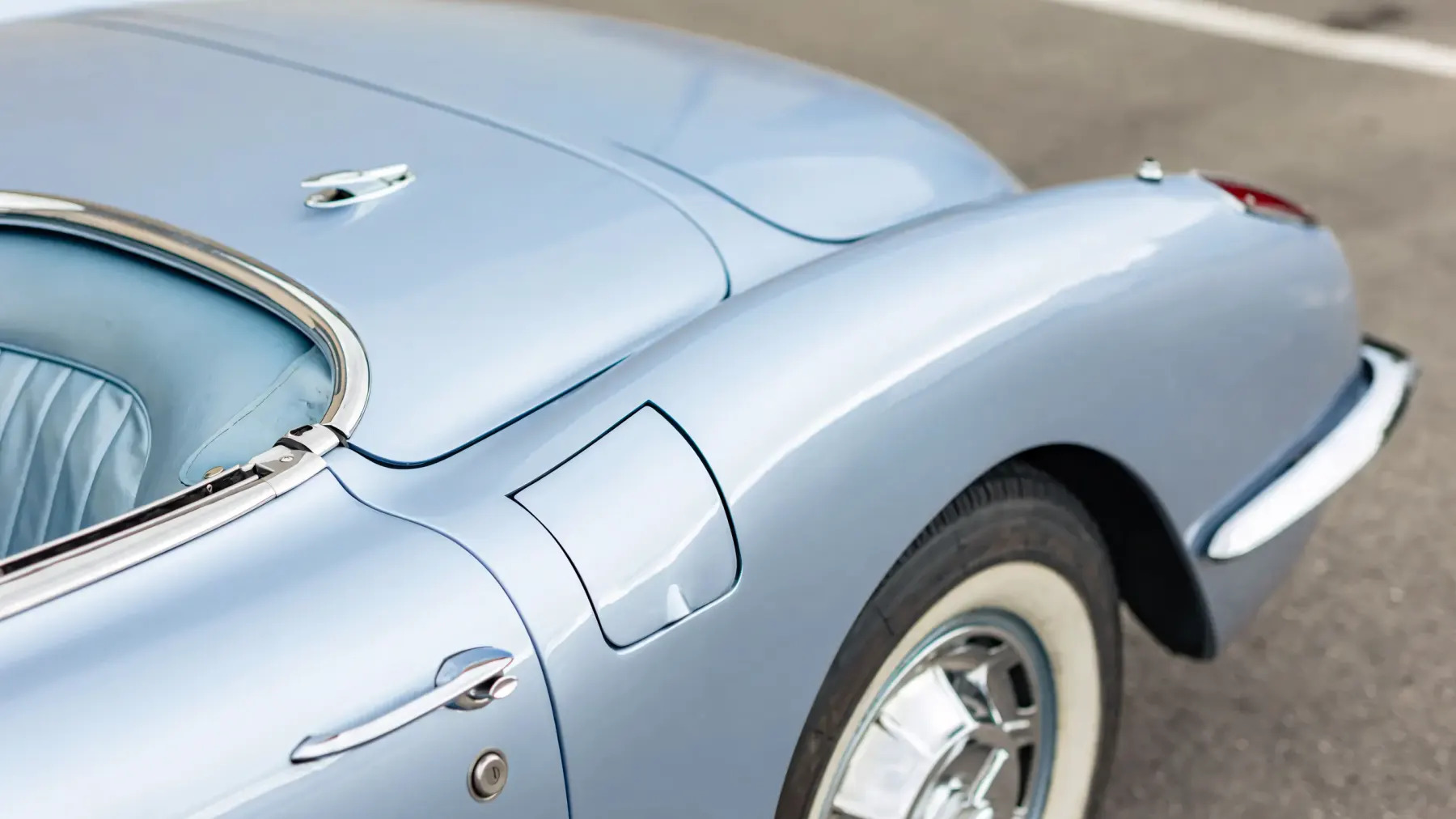
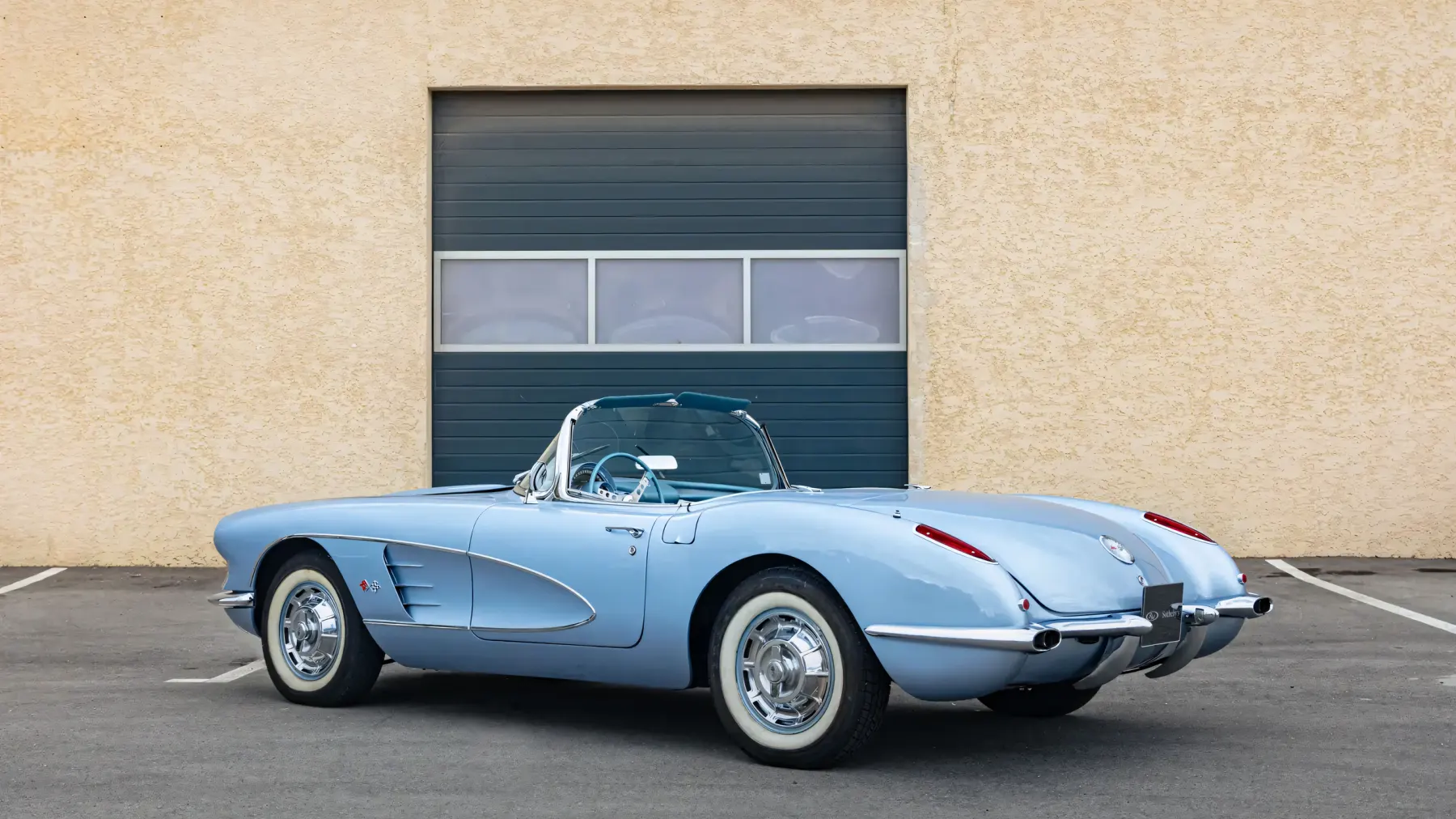
1959 Chevrolet Corvette
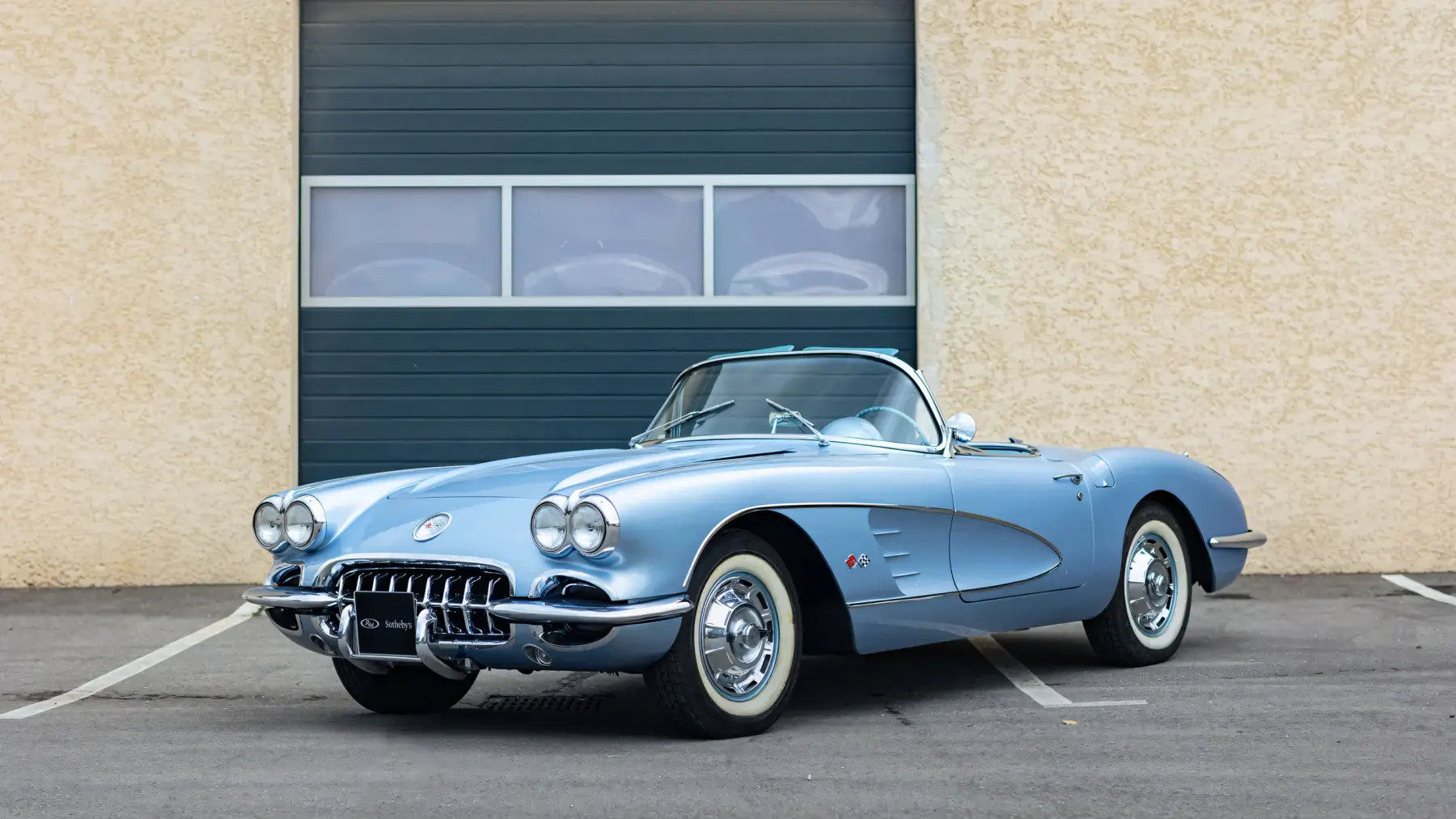
In the annals of American automotive history, few cars hold as iconic a status as the Chevrolet Corvette. Introduced in 1953, the first-generation Corvette, known as the C1, was a bold venture by Chevrolet to create an all-American sports car. Despite a rocky start, the C1 Corvette laid the foundation for what would become a legendary lineage of high-performance vehicles.
The Corvette’s inception can be traced back to Harley Earl, the visionary head of GM’s Styling Section. Earl was an ardent admirer of European sports cars, and he recognized a growing demand among returning American GIs who had fallen in love with brands like MG, Jaguar, and Alfa Romeo during their time overseas. By 1951, he had convinced General Motors to build a homegrown sports car. Thus began the journey of the Corvette, with Earl’s Special Projects team working diligently on the concept.
The resulting prototype, unveiled at the 1953 Motorama show in New York, was met with an enthusiastic public response. However, the rush to production meant the initial models had several shortcomings. The 1953 Corvette was powered by a 235 cubic inch inline-six engine, producing 150 horsepower, coupled with a two-speed Powerglide automatic transmission. This setup was not enough to compete with the European sports cars of the time.
The early years of the Corvette were marked by mixed reviews and disappointing sales. By 1955, Chevrolet was ready to abandon the project. However, three significant developments saved the Corvette from an untimely demise. First was the introduction of Chevrolet’s first V8 engine since 1919. The new 265 cubic inch V8, producing 195 horsepower, transformed the Corvette into a credible performer. Second was the arrival of Zora Arkus-Duntov, a brilliant engineer whose passion for racing and high-performance vehicles would forever change the Corvette’s trajectory. Lastly, the debut of the Ford Thunderbird in 1955 created a direct rival, ensuring Chevrolet remained committed to the Corvette.
The 1956 model year saw significant changes, including a more powerful engine, the availability of a manual transmission, and a redesigned body. The Corvette’s performance and appeal began to improve, and by 1957, with the introduction of fuel injection, the Corvette was firmly established as a high-performance sports car.
One of the most notable aspects of the C1 Corvette was its innovative use of materials. The body was made from glass fibre reinforced plastic, a revolutionary choice at the time. This material allowed for greater design flexibility and was key to the Corvette’s distinctive look. The Corvette also featured a 102-inch wheelbase and a weight distribution of 53/47 front-to-rear, achieved by positioning the engine behind the front axle. These design choices contributed to the car’s improved handling and performance.
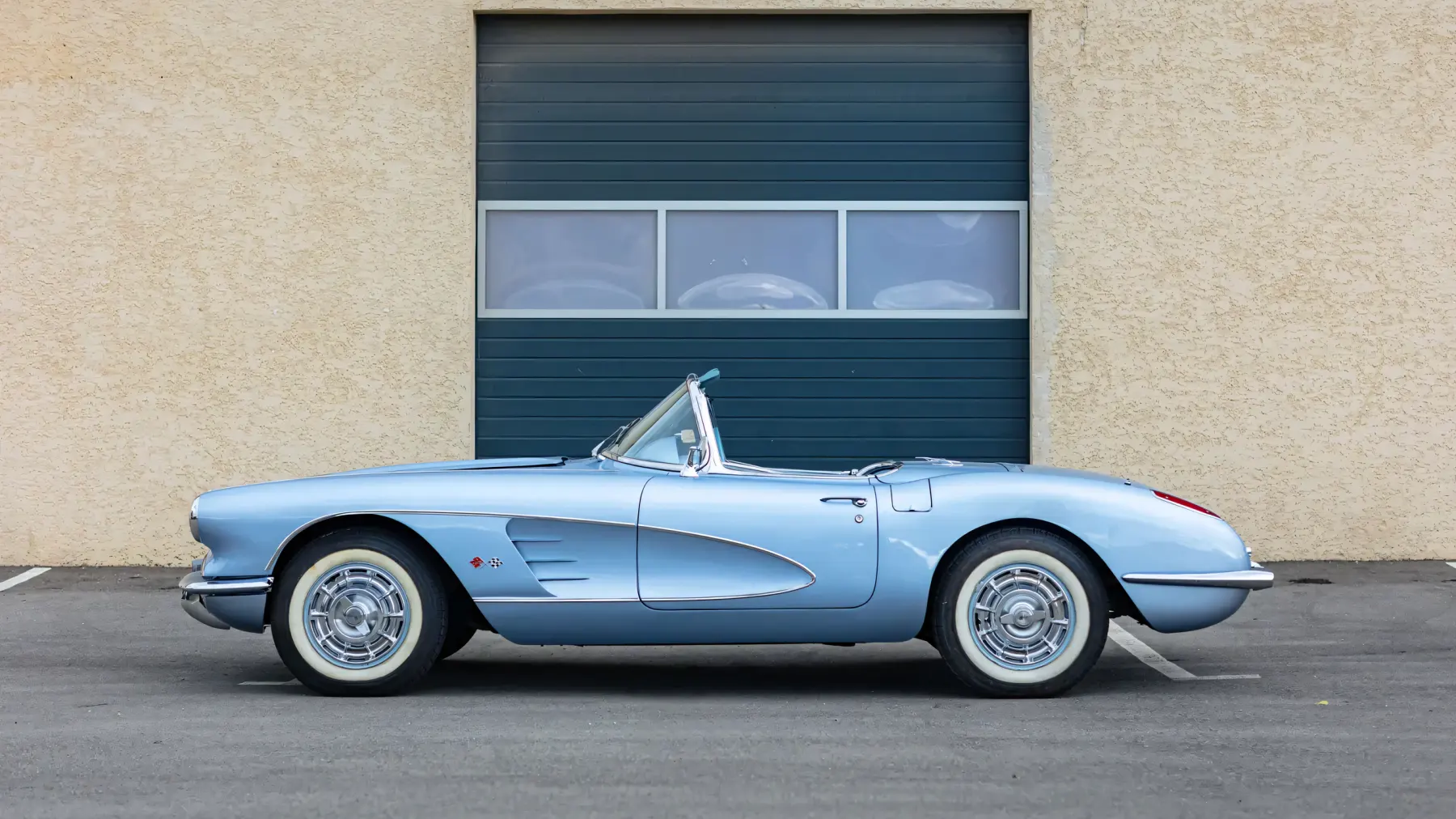
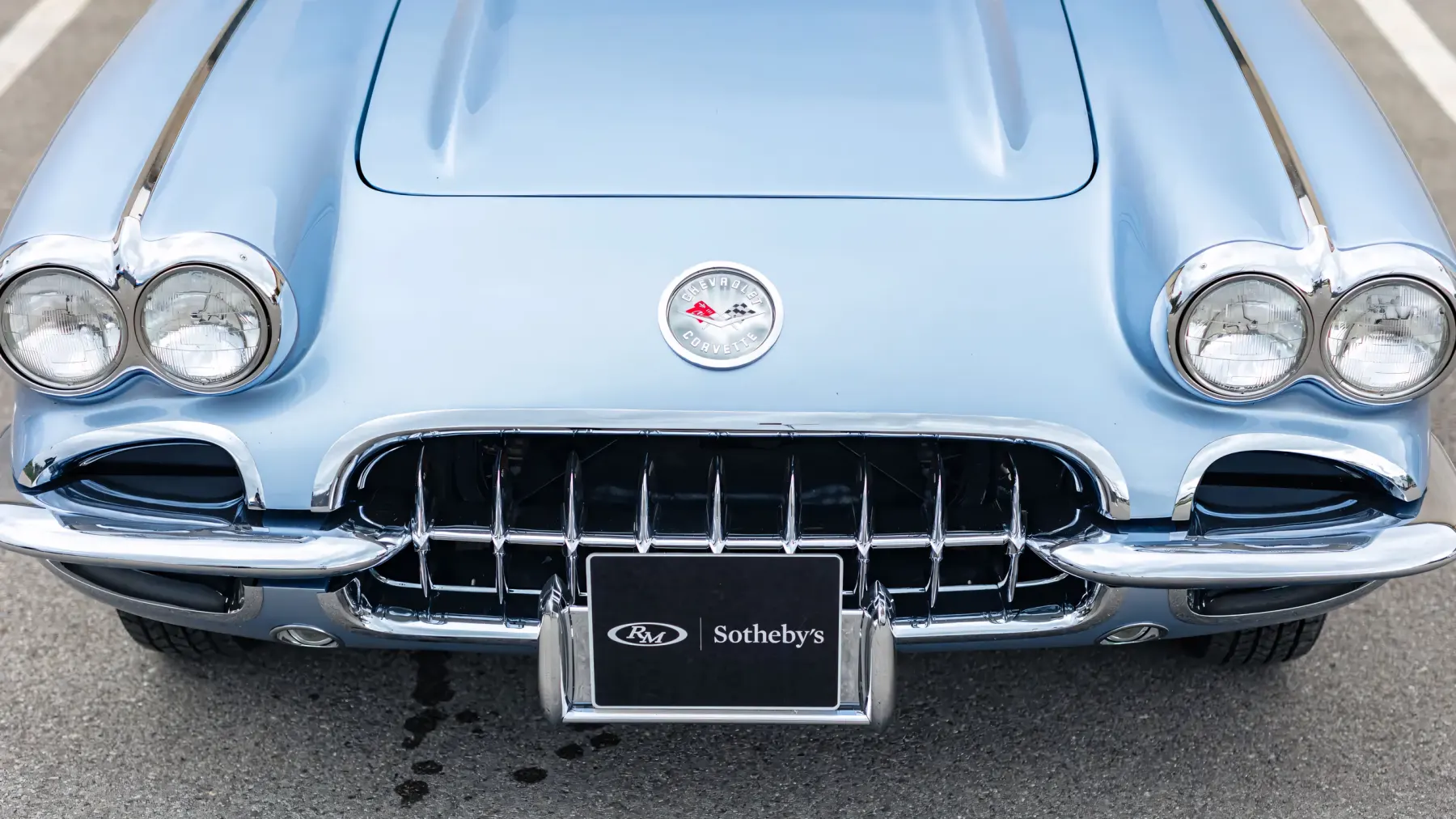
The Corvette’s design evolved over the years, with the 1958 model receiving a significant facelift. Dual headlights, a new interior with updated instrumentation, and increased horsepower made the late-50s Corvettes even more desirable. By 1962, the final year of the C1 generation, the Corvette had become a true performance car, available with a 327 cubic inch V8 engine producing up to 360 horsepower.
The C1 Corvette’s cultural impact cannot be overstated. It was more than just a car; it was a symbol of post-war American optimism and ingenuity. Its sleek design and powerful performance made it a favourite among enthusiasts and collectors alike. The Corvette also made its mark in popular culture, appearing in films, television shows, and even inspiring a hit song by Prince.
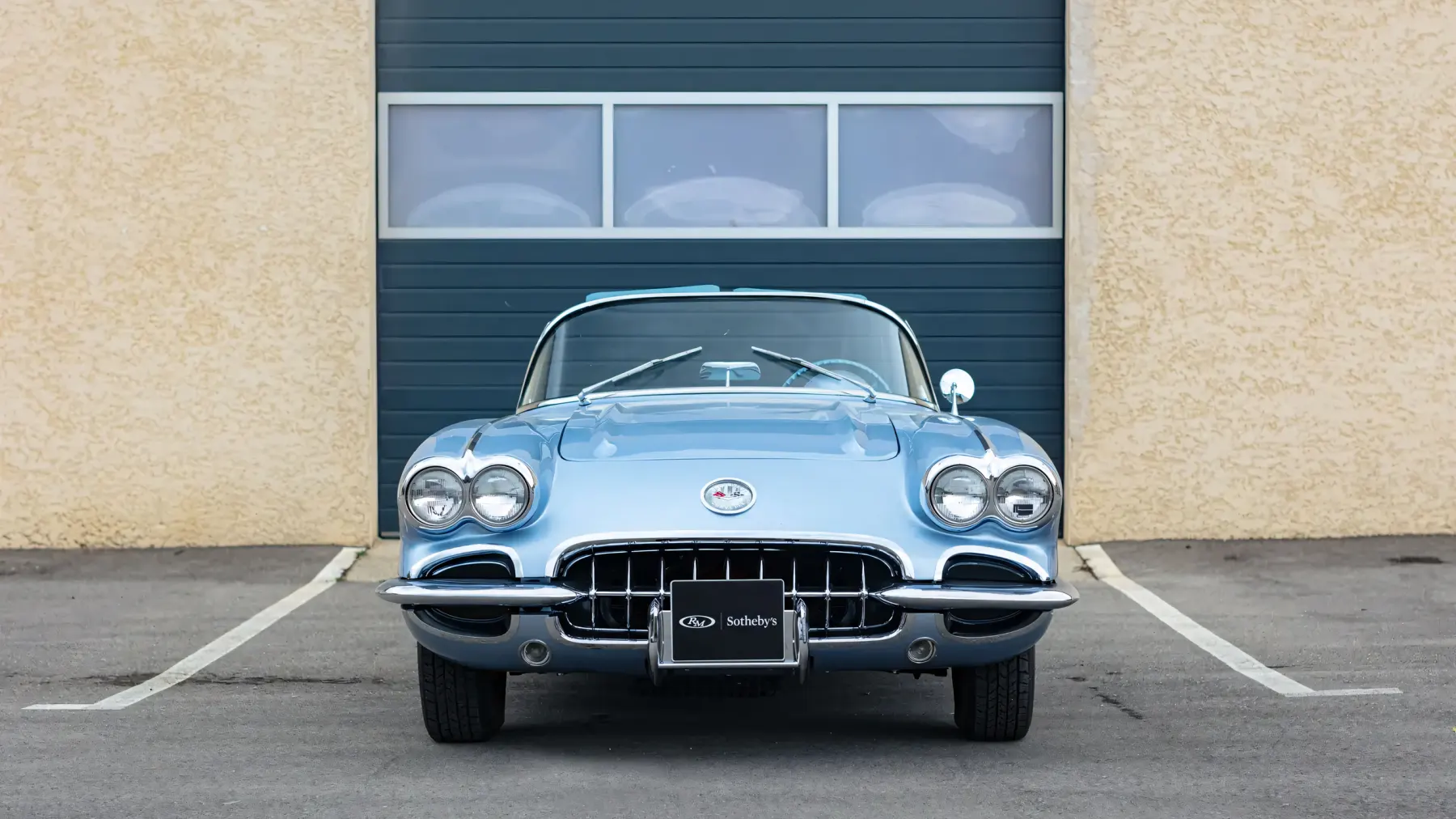
One of the most valuable C1 Corvettes was sold by Barrett-Jackson in March 2021 for $825,000, a testament to its enduring appeal and collectible status. The car’s inclusion of features such as neon lighting, a safety glass windshield, and unique styling elements like the raked windshield and centre-mounted gauges, further cemented its status as an innovative and desirable vehicle.
The Chevrolet Corvette C1 was more than just a car; it was the beginning of an American legend. Despite its early struggles, the C1’s blend of style, performance, and innovation set the stage for future generations of Corvettes. Today, the C1 is celebrated not just as a classic car, but as a pivotal piece of automotive history. It remains a symbol of Chevrolet’s commitment to pushing the boundaries of design and performance, a commitment that continues to this day.**