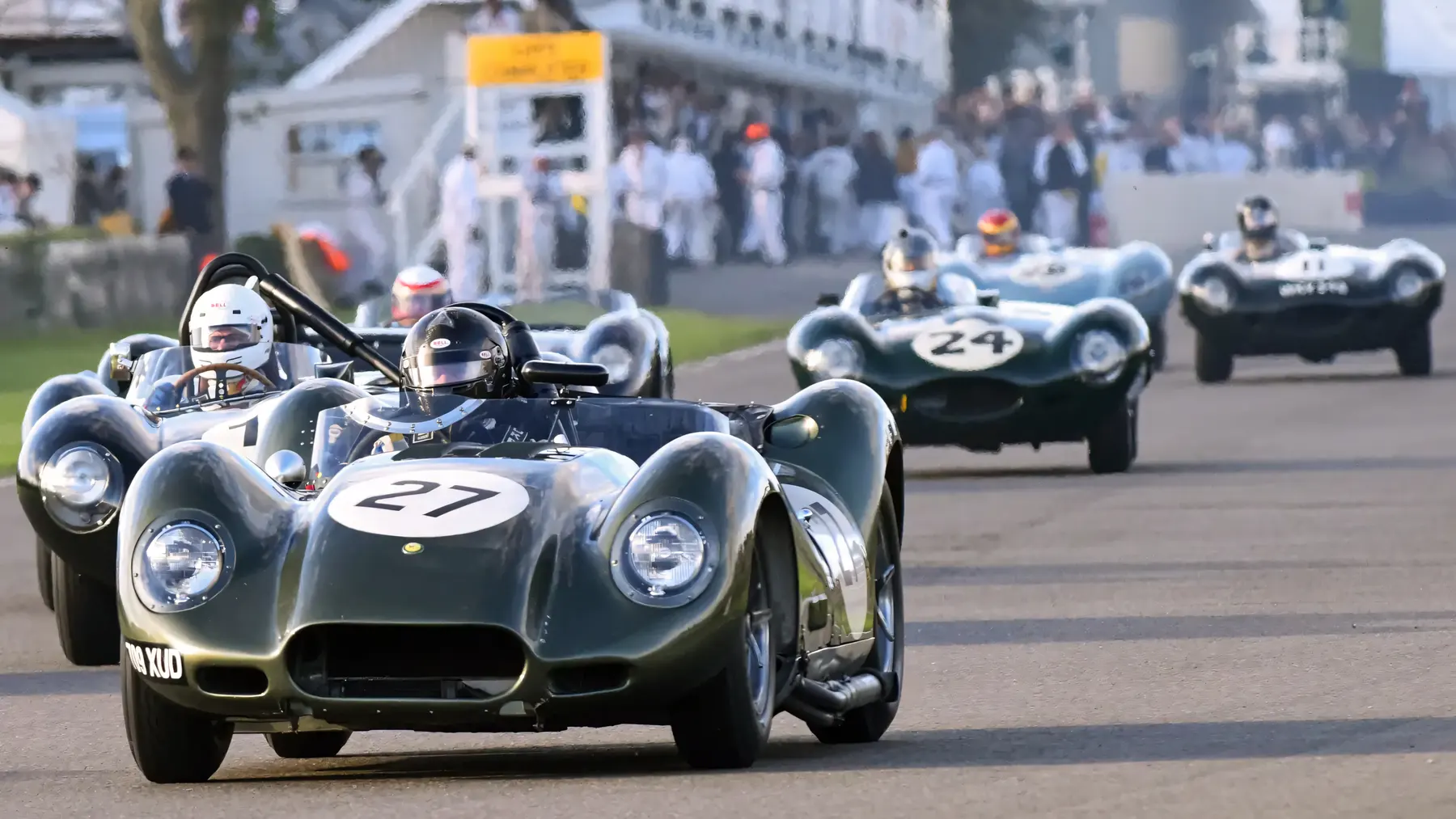
1959 Lister-Chevrolet
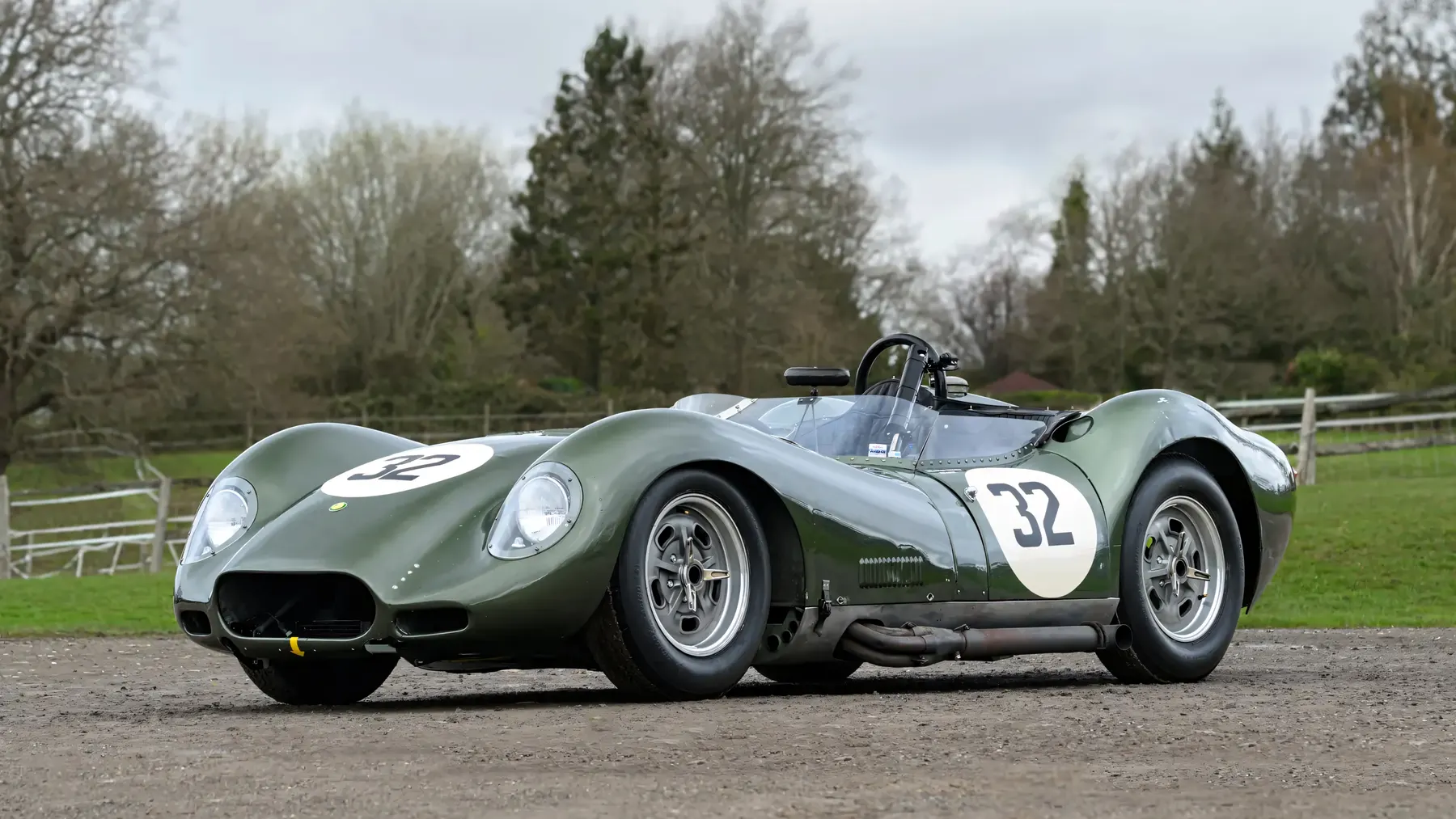
In the mid-1950s, as Europe’s postwar racing scene buzzed with sleek Italian thoroughbreds and refined German engineering, a small British workshop began crafting something audaciously different. The Lister-Chevrolet wasn’t just another sports car,it was a rebellious hybrid, pairing a lightweight British chassis with a thunderous American V8. This unlikely union didn’t just challenge the status quo; it redefined what a privateer racing team could achieve.
The story of the Lister-Chevrolet begins with Brian Lister, a Cambridge-based engineer and racing driver whose passion for speed outpaced his budget. In 1954, Lister founded his eponymous company, initially building cars around humble MG engines. Early success came with driver Archie Scott Brown, whose fearless skill transformed Lister’s rudimentary machines into podium contenders. By 1957, Lister had caught the attention of motorsport giants like BP and Shell, whose sponsorship allowed a pivotal shift: swapping MG powerplants for Jaguar’s robust inline-six engines.
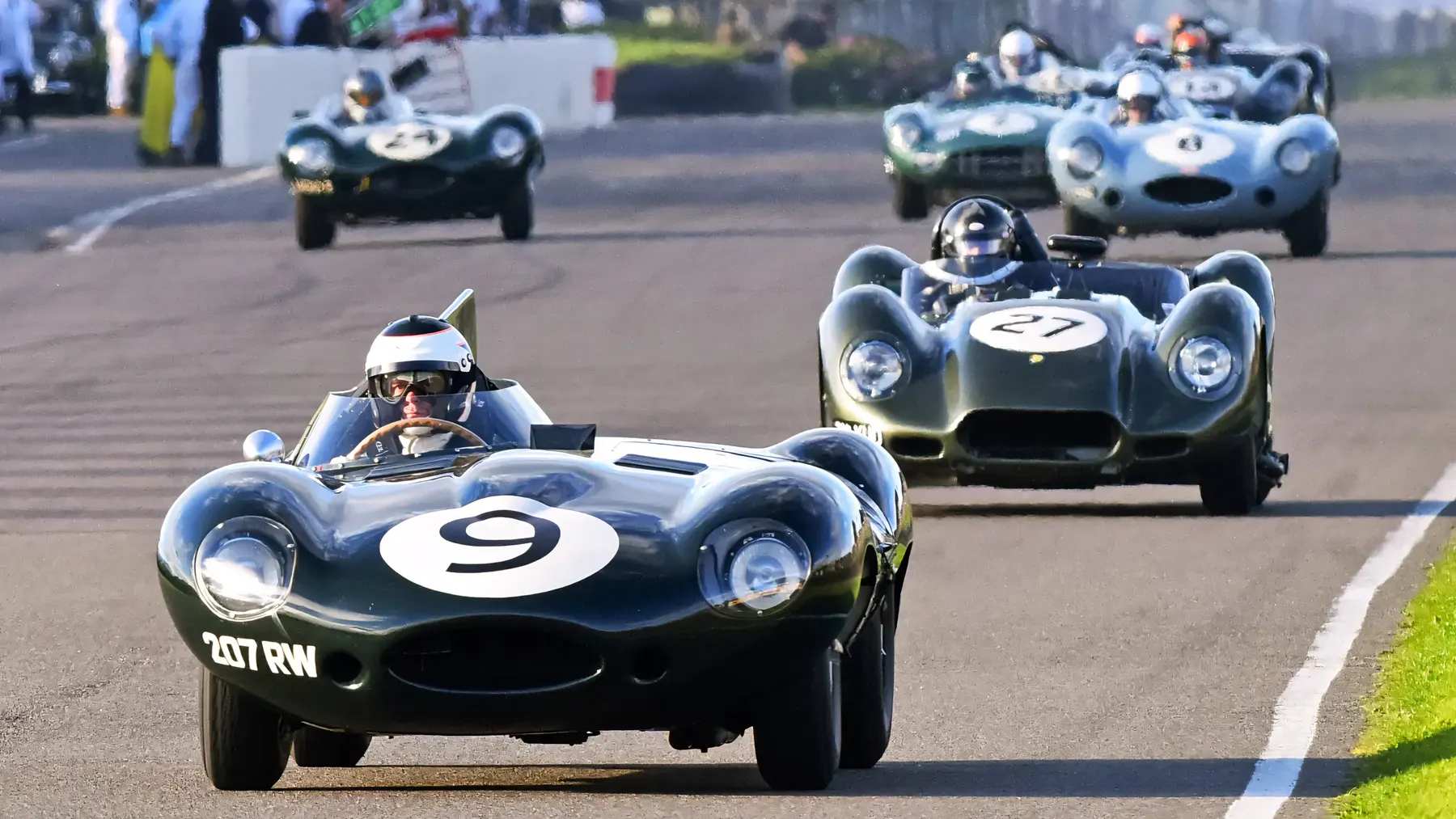
But it wasn’t until 1959 that Lister made its boldest move. Teaming with aerodynamics maestro Frank Costin,the man behind the iconic Vanwall and Lotus racing cars,Lister reimagined their Jaguar-powered “Knobbly” chassis to accommodate a Chevrolet V8. The result? A car that could outmuscle Ferrari’s 250 Testa Rossa and humble Jaguar’s D-Type on straights, all while dancing through corners with British finesse.
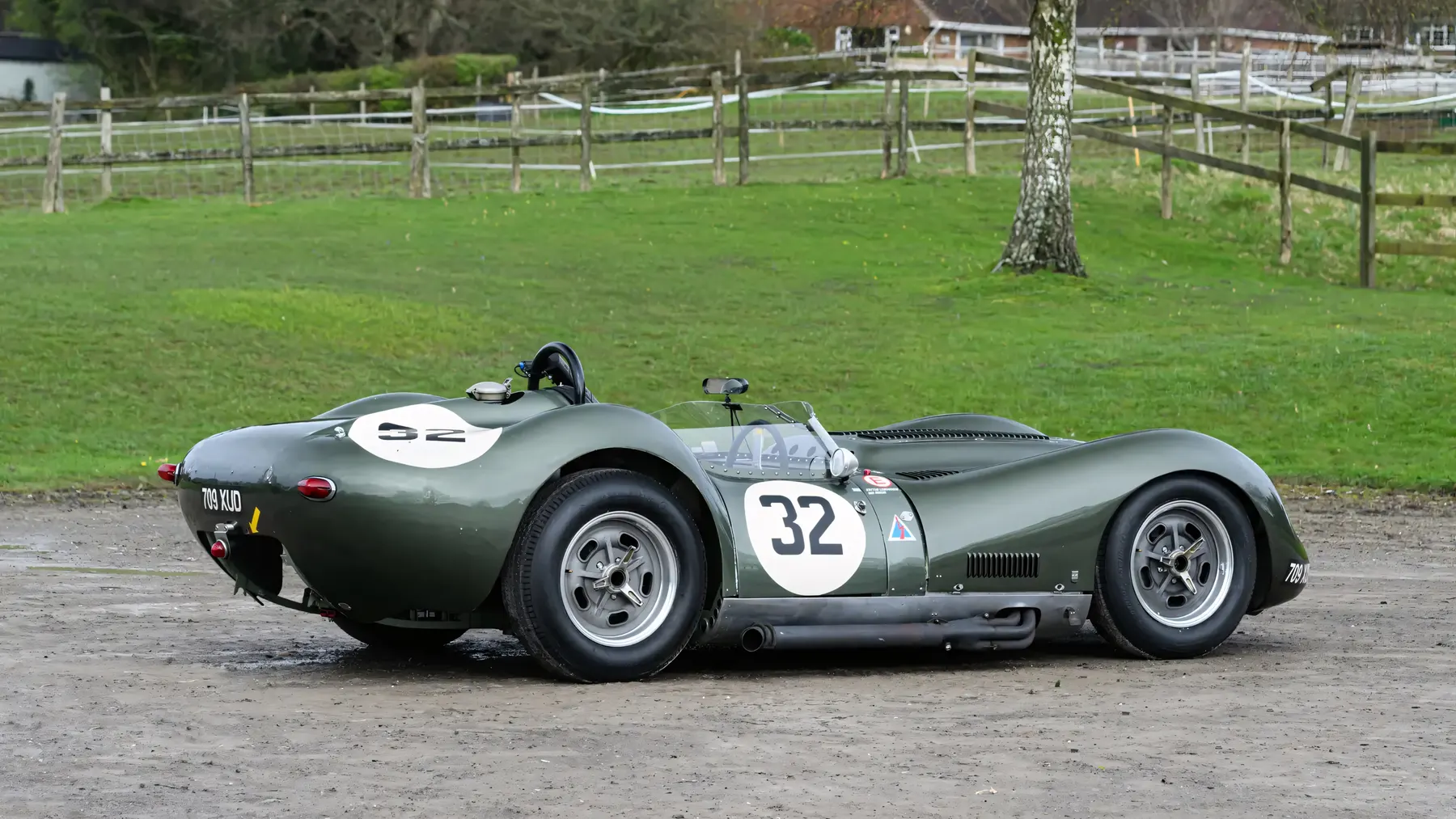
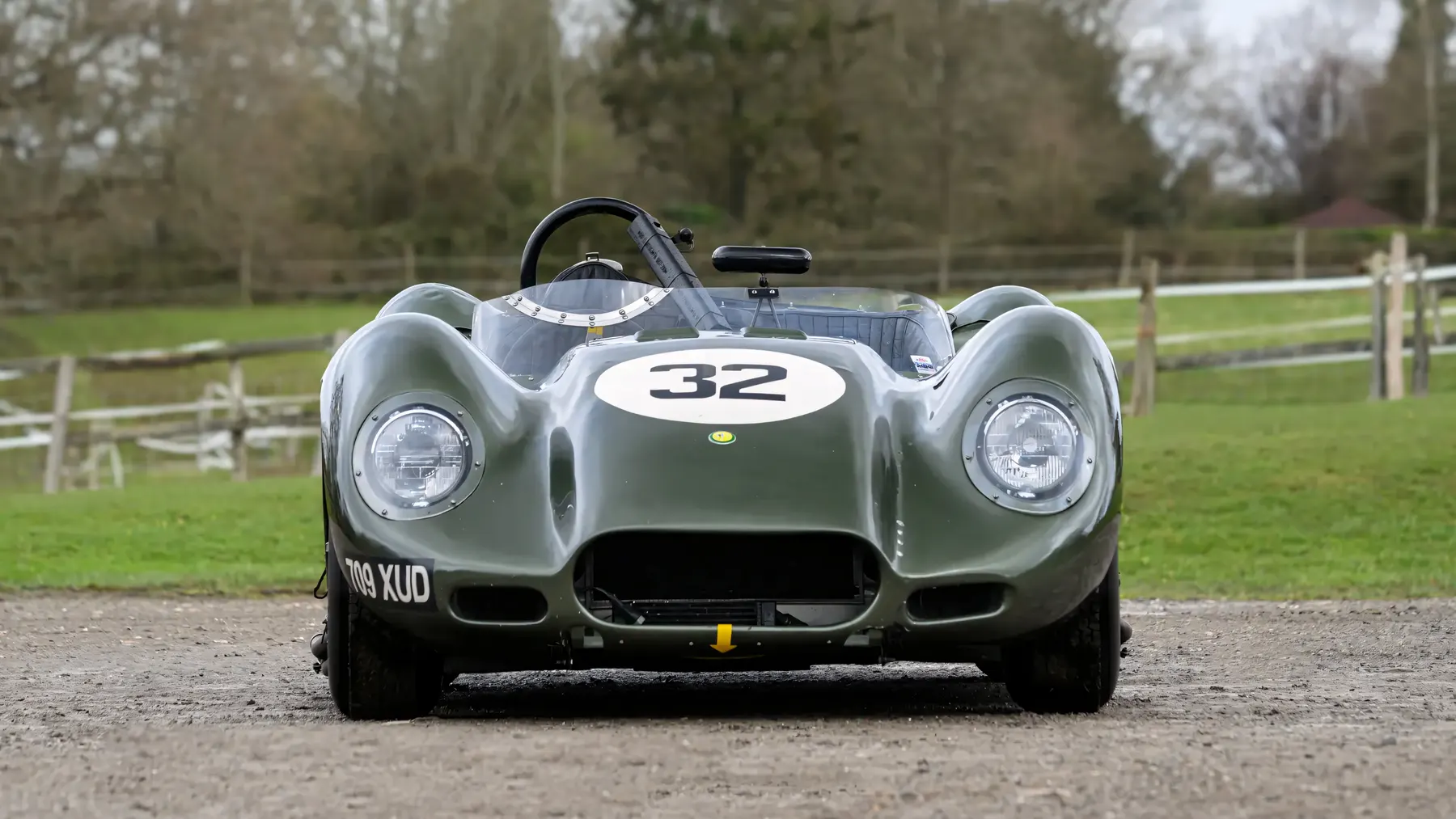
The Lister-Chevrolet’s nickname, “Knobbly,” wasn’t a term of endearment at first. Its hand-beaten aluminum bodywork, shaped around a tubular space frame chassis, featured bulbous fenders and asymmetrical curves to clear suspension components and that hulking V8. Unlike the flowing lines of Italian rivals, the Lister’s functional, almost brutish aesthetics screamed purpose over polish.
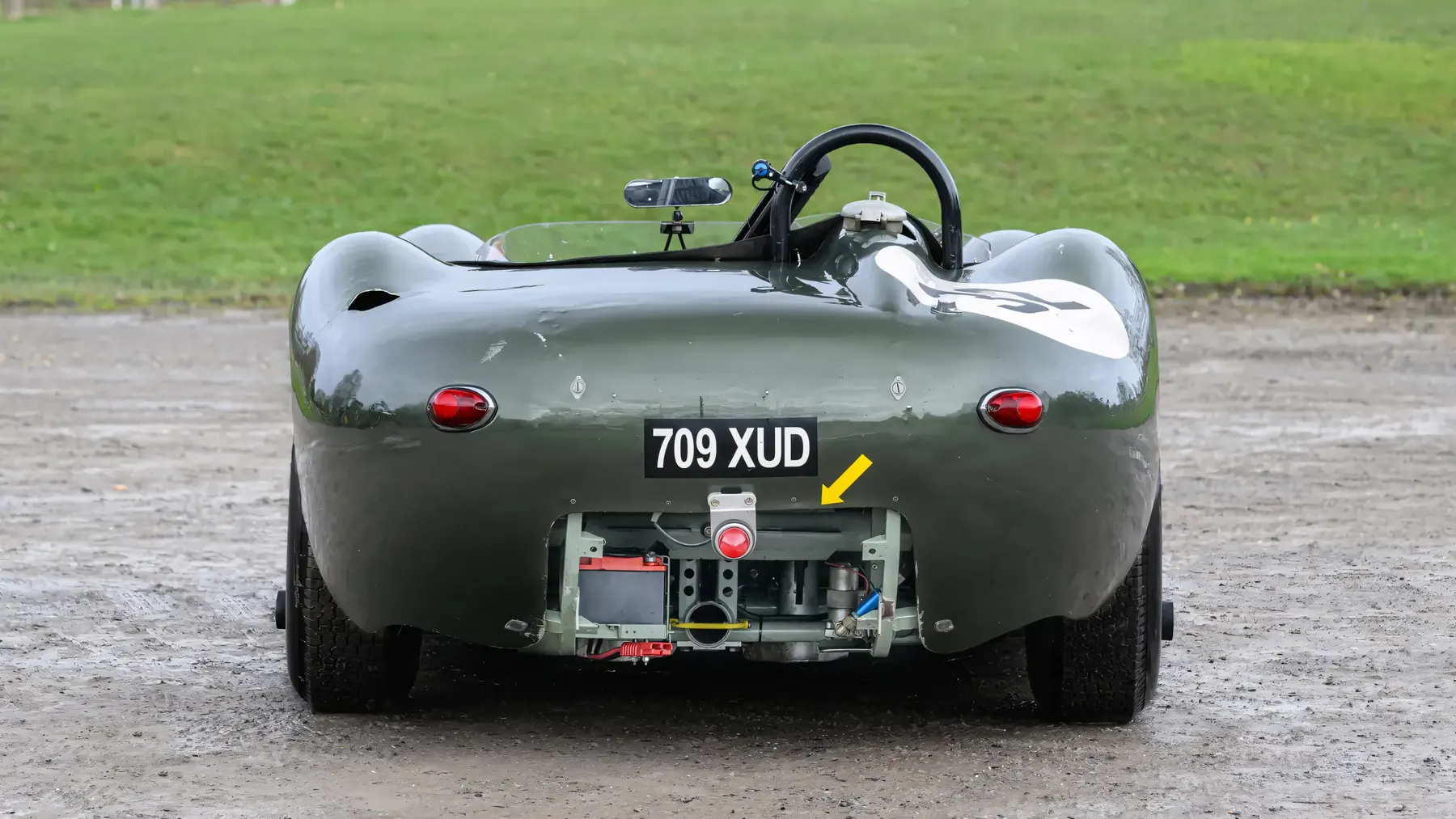
Costin’s aerodynamic tweaks,a lower nose, refined airflow channels,were revolutionary for their time. Yet the car retained its quirky charm, with rivets visibly holding panels together and a cockpit so snug that drivers joked about “wearing” the car rather than sitting in it. This was no GT cruiser; it was a stripped-down weapon built for one thing: winning races.
Under the hood lay the game-changer: a Chevrolet small-block V8, typically displacing 4.6 to 5.4 liters and delivering upwards of 300 horsepower. In an era when European engines relied on high-revving sophistication, the Chevy mill offered raw, tire-shredding torque. Paired with a four-speed manual gearbox and a featherweight 1,800-pound chassis, the Lister-Chevrolet could rocket from 0–60 mph in under five seconds,a staggering figure for the 1950s.
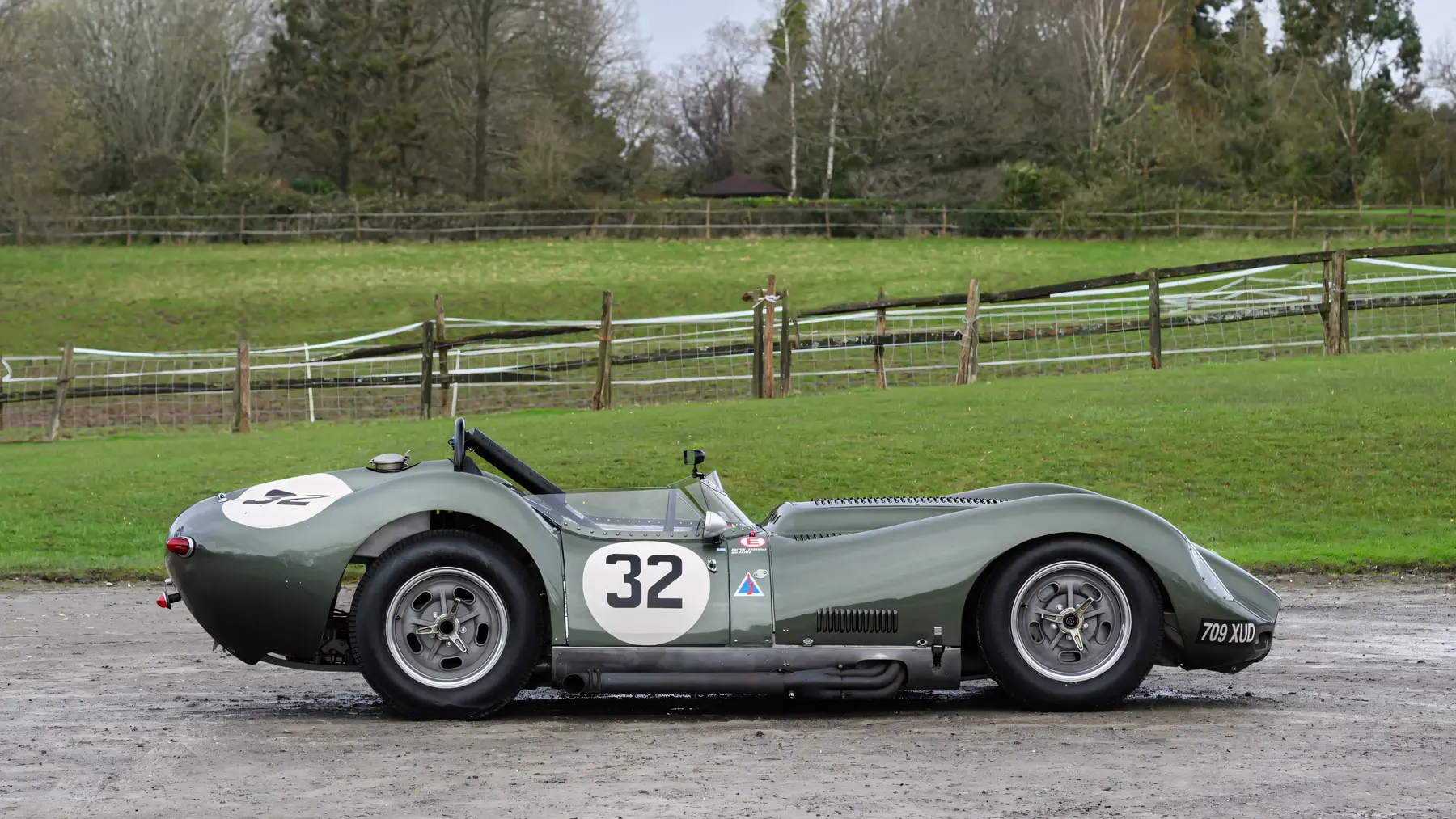
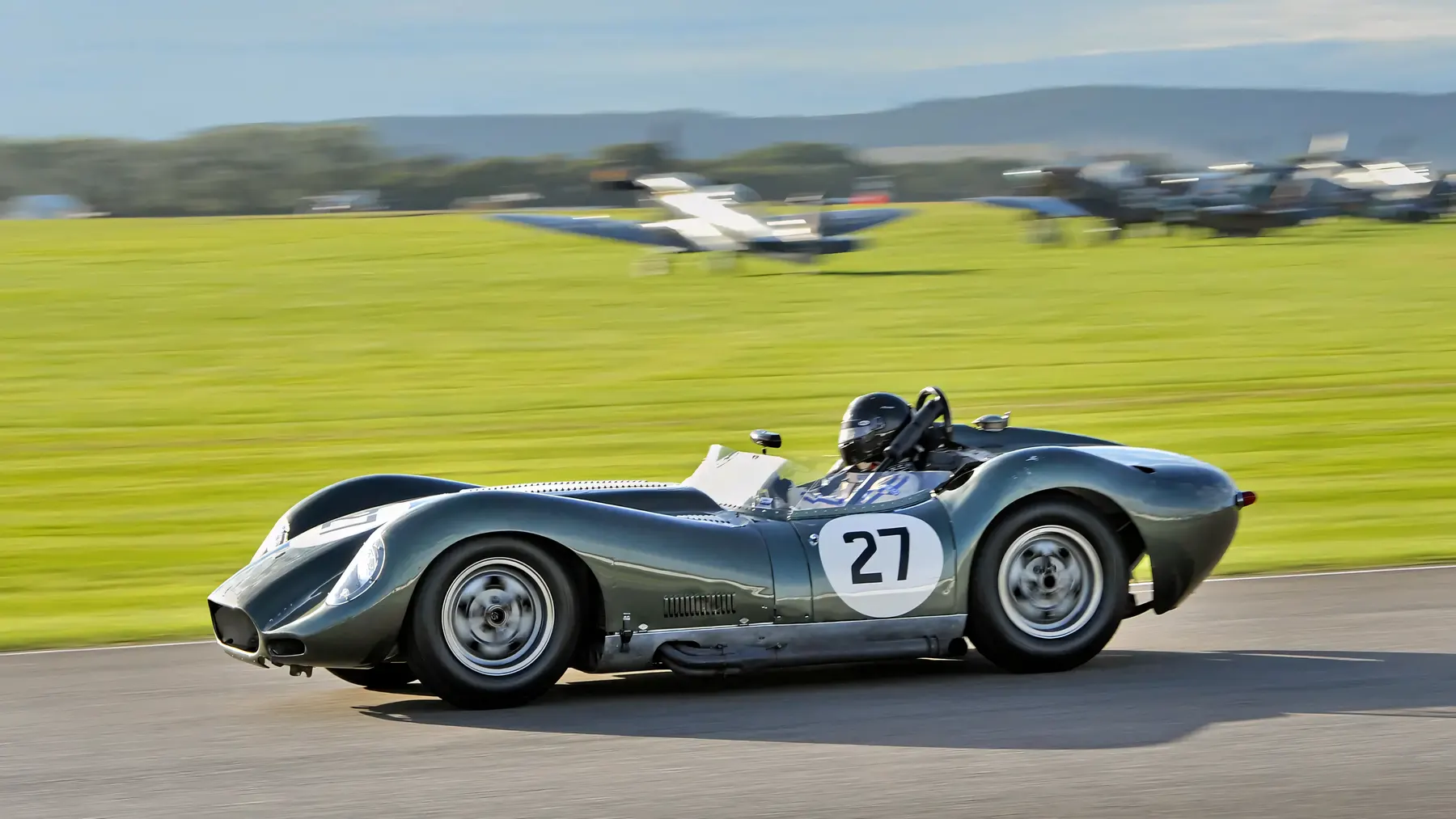
On track, the car was a study in contrasts. The independent front suspension and De Dion rear axle provided razor-sharp handling, but harnessing the V8’s power required a delicate touch. Scott Brown, Lister’s star driver, mastered this balance, manhandling the car to dominant wins in the SCCA championships. Tragically, his death in a 1958 crash at Spa-Francorchamps marked a turning point. Though the Lister-Chevrolet would continue winning,notably in U.S. circuits,the team’s morale never fully recovered.
While European teams fixated on Le Mans, Lister-Chevrolets found their niche across the Atlantic. In SCCA events, privateers like Walt Hansgen and Briggs Cunningham wielded these Anglo-American hybrids to crush rivals. The car’s sheer straight-line speed and durable mechanics made it a favorite among amateur racers, while its affordability (relatively speaking) democratized access to podium finishes.
Yet, by 1959, the winds were shifting. Cooper’s rear-engine revolution rendered front-engine cars like the Lister obsolete overnight. Brian Lister, ever the pragmatist, halted factory racing efforts, focusing instead on customer builds. Fewer than 50 Listers were ever made, with just 16 receiving Chevrolet power,a scarcity that would later fuel their legend.
In its day, the Lister-Chevrolet polarized purists. European critics dismissed it as a crude “mongrel,” while American racers revered its no-nonsense reliability. Automotive journalists marveled at its speed but warned of its spine-jarring ride and unforgiving handling. One period review quipped, “Driving the Lister is like taming a bull with a teacup for steering.”
Decades later, perceptions shifted. As historic racing surged in popularity, the Lister-Chevrolet found new life. Its eligibility for events like the Goodwood Revival and Le Mans Classic transformed it from forgotten relic into a garage queen. At a 2015 auction, a pristine example fetched over $1.5 million,a testament to its enduring allure.
In 2014, Lister Cars,now under Lawrence Whittaker’s ownership,stirred the pot by building ten “continuation” Knobblys, faithful recreations of the original design. These modern tributes, priced around $1 million, sold instantly, proving the car’s timeless appeal. Meanwhile, vintage Listers remain staples at historic races, their Chevy V8s still bellowing defiantly against Porsche 550s and Maserati Birdcages.
The Lister-Chevrolet is more than a relic; it’s a symbol of ingenuity in an era of rigid conventions. It proved that a small wave “robusta" team could outthink giants, blending two automotive cultures into something greater than the sum of its parts. Today, as electric cars dominate headlines, the Lister’s analog thunder reminds us of a time when racing was raw, risky, and unapologetically visceral.
For collectors, it’s a mechanical time capsule. For historians, a blueprint of postwar innovation. But for anyone who’s heard a Lister-Chevrolet howl down the Mulsanne Straight, it’s pure, unfiltered adrenaline,a roaring testament to when Britain and America together ruled the track.