1963 Bentley S3 Continental Drophead Coupé by Mulliner Park Ward
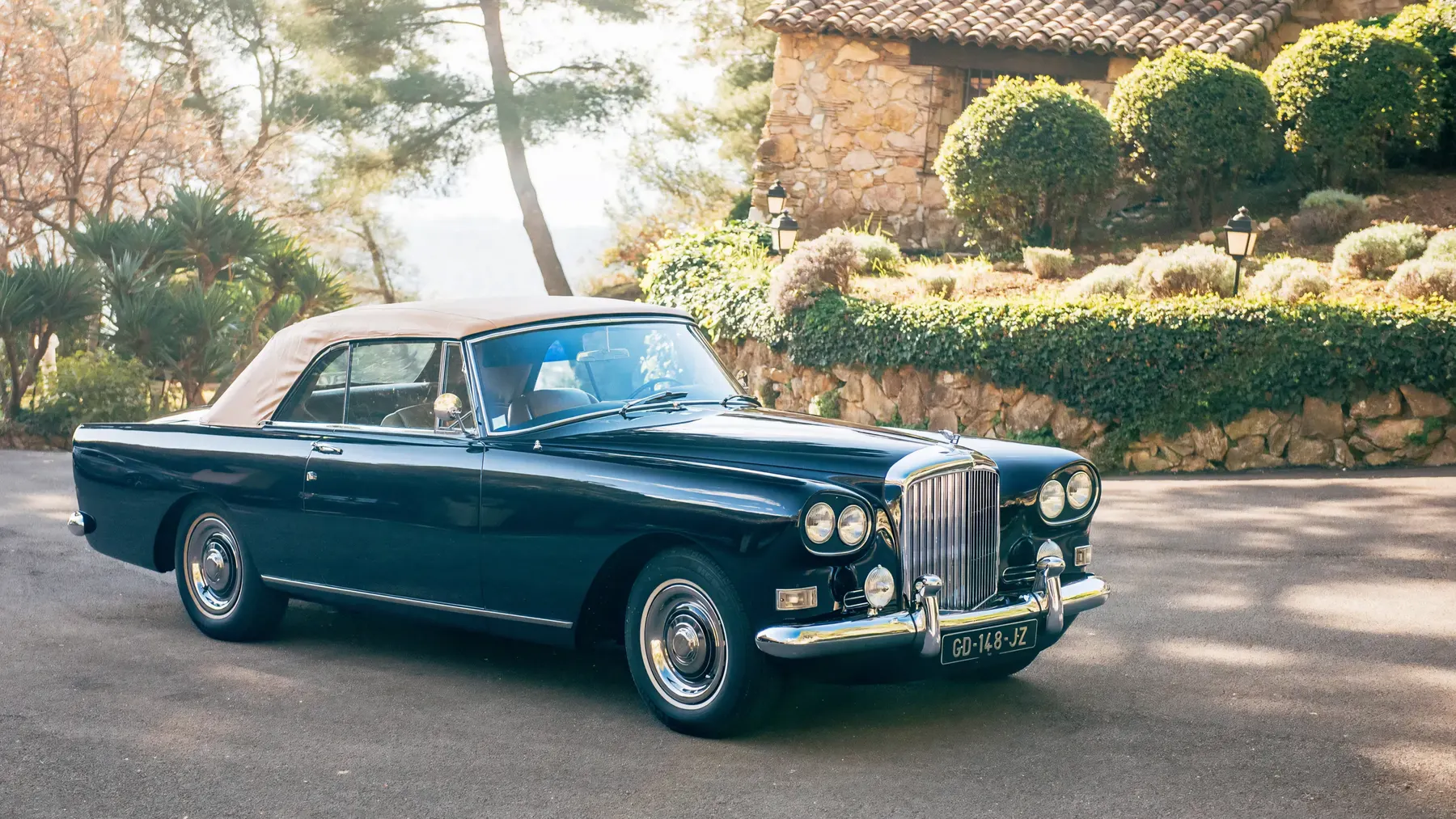
The early 1960s marked a fascinating moment in automotive history,a time when jet-age styling met old-world craftsmanship, when technology began to transform luxury, yet traditional methods still prevailed. At this pivotal crossroads sat the Bentley S3 Continental Drophead Coupé by Mulliner Park Ward, a magnificent convertible that captured both the glamour of its era and the end of a tradition dating back to the horse-drawn carriage.
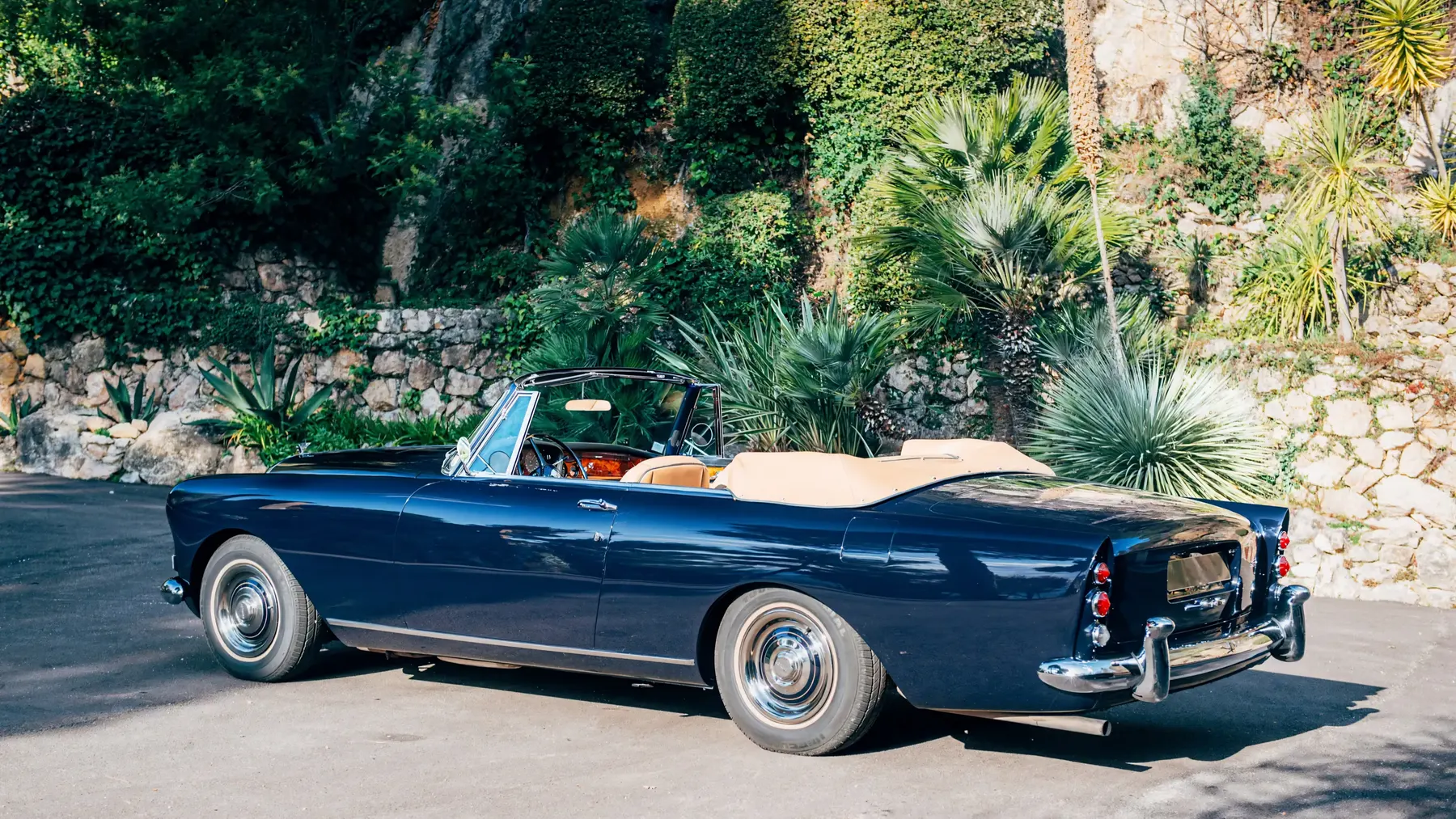
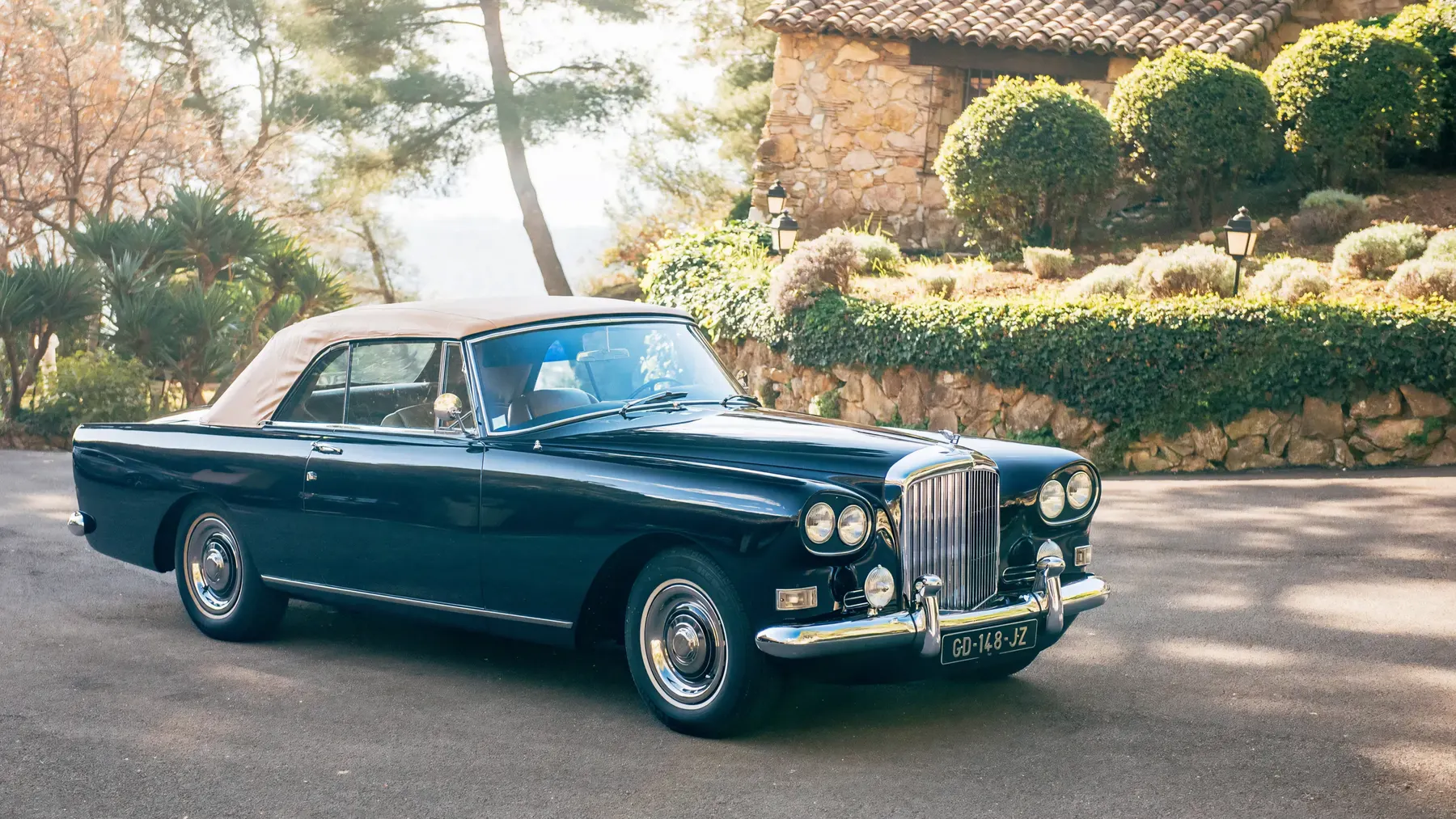
With its gleaming quad headlamps peering out from a handcrafted aluminum body, the S3 Continental Drophead represented the final flourish of Bentley’s post-war coachbuilt era. Only 75 of these exquisite convertibles were ever made, each one requiring thousands of hours of skilled labor. Today, these rare machines stand as rolling testaments to a time when automotive luxury meant something entirely different from what we know now.
To understand the S3 Continental Drophead’s significance, we need to trace Bentley’s evolution from racing champion to luxury icon. Founded by W.O. Bentley in 1919, the company built its reputation on thundering race cars that dominated Le Mans throughout the 1920s. This sporting heritage came to an abrupt turn when Rolls-Royce acquired the financially troubled company in 1931.
Under Rolls-Royce stewardship, Bentley gradually transformed from sporting marque to gentleman’s express. By the 1950s, the “Continental” designation emerged to denote special high-performance models with sleeker coachwork than standard saloons. The R-Type Continental of 1952 established the formula,a grand touring car with enhanced performance and bespoke bodywork for discerning customers.
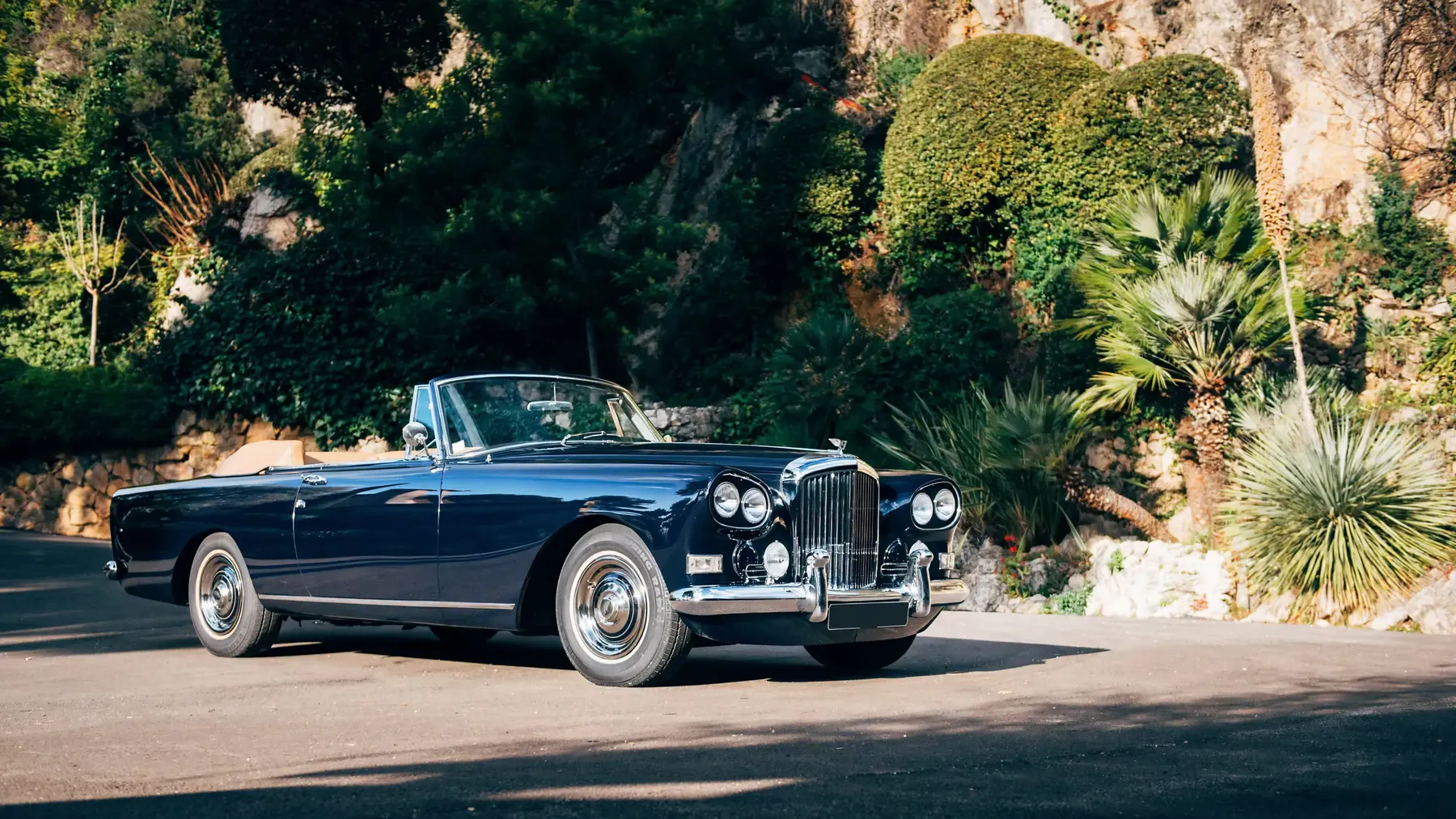
When the S3 Continental arrived in late 1962, it represented the culmination of this evolution. The car shared its mechanical platform with the Rolls-Royce Silver Cloud III but maintained a distinct character,more driver-focused and sporting in spirit, if not in outright performance.
What made the Drophead Coupé so special was its extraordinary bodywork. After acquiring both H.J. Mulliner and Park Ward coachbuilders, Rolls-Royce merged them in 1961 to form Mulliner Park Ward. This new entity created bodies that combined H.J. Mulliner’s sporting elegance with Park Ward’s formal dignity.
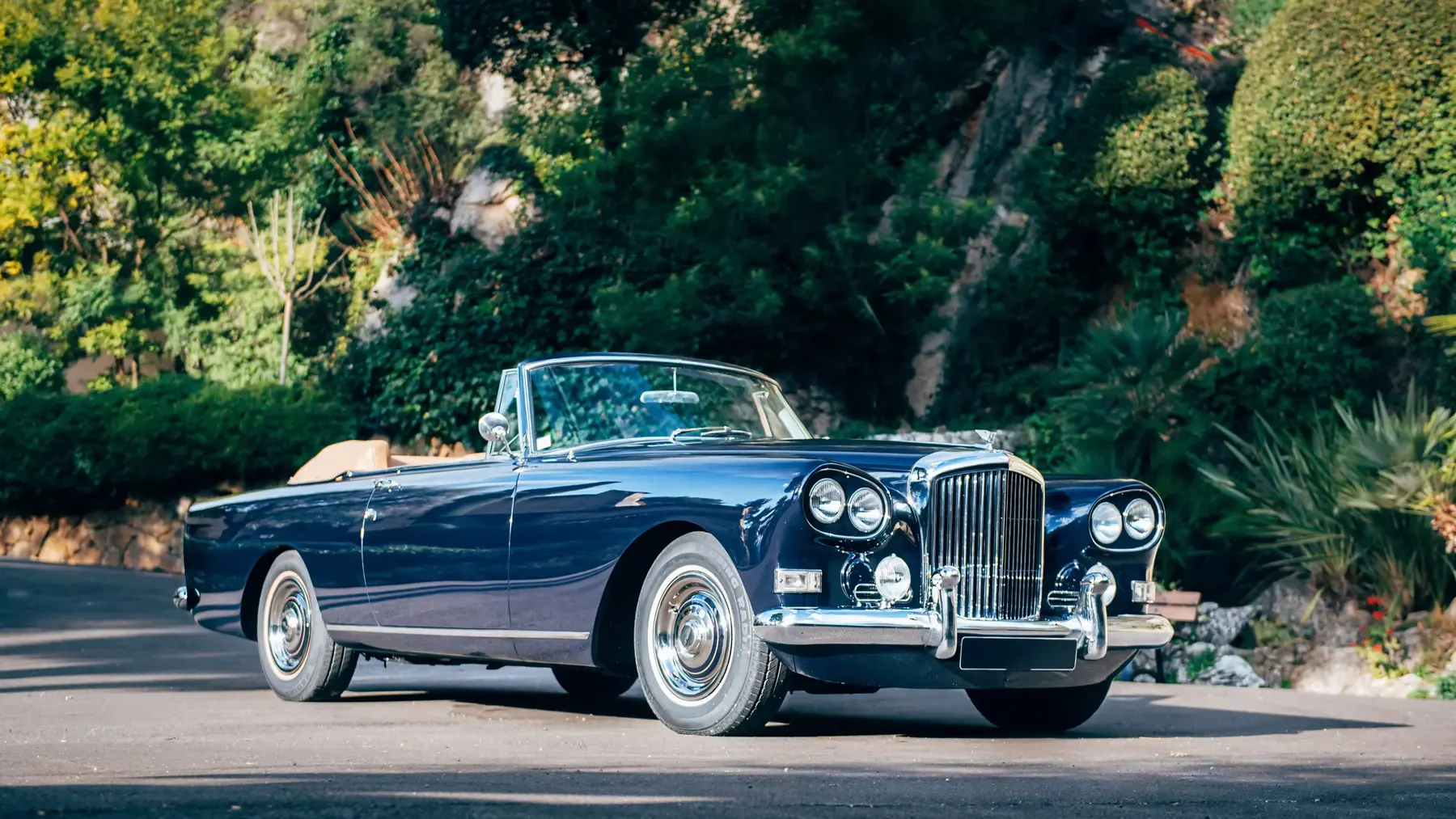
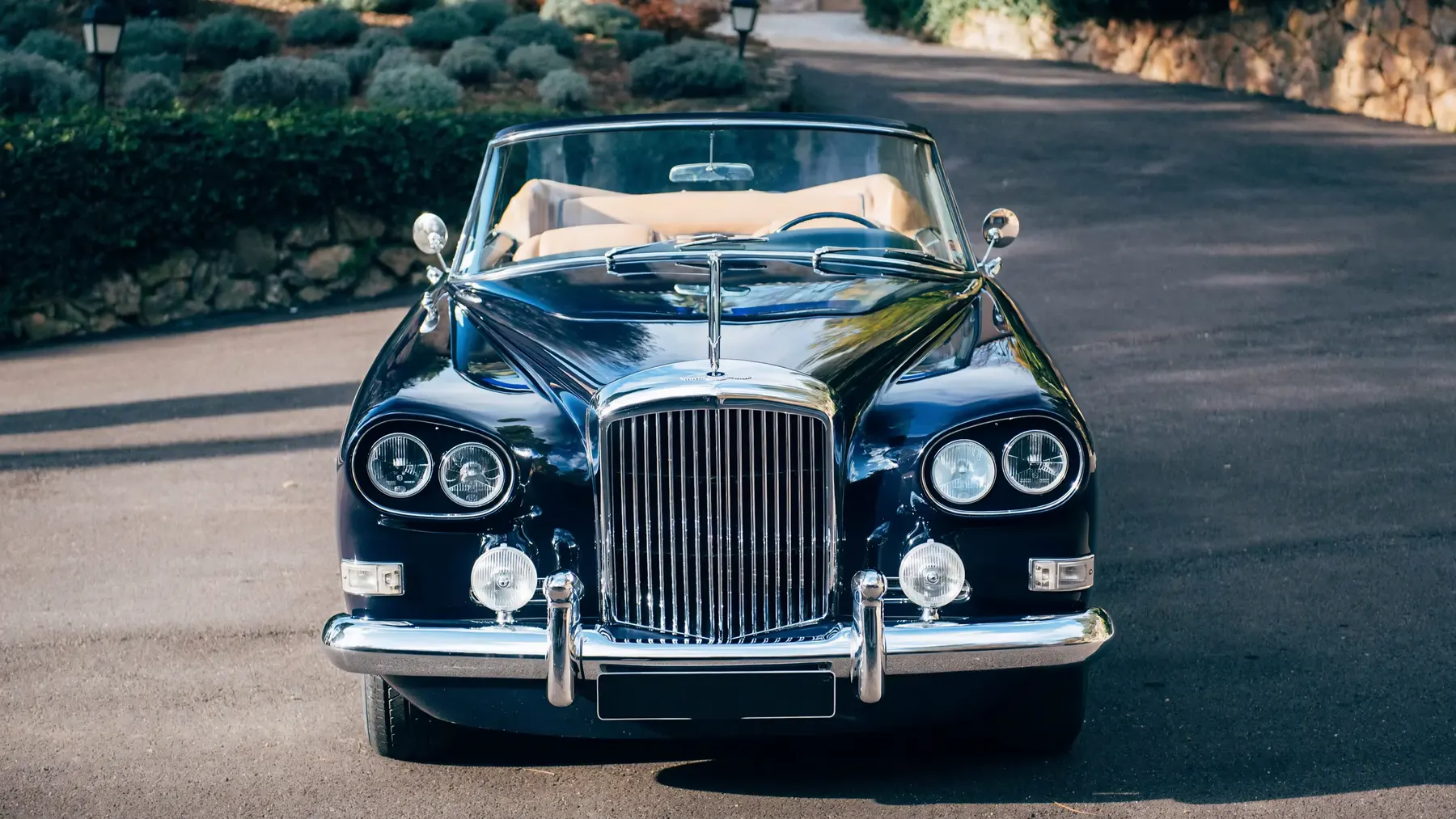
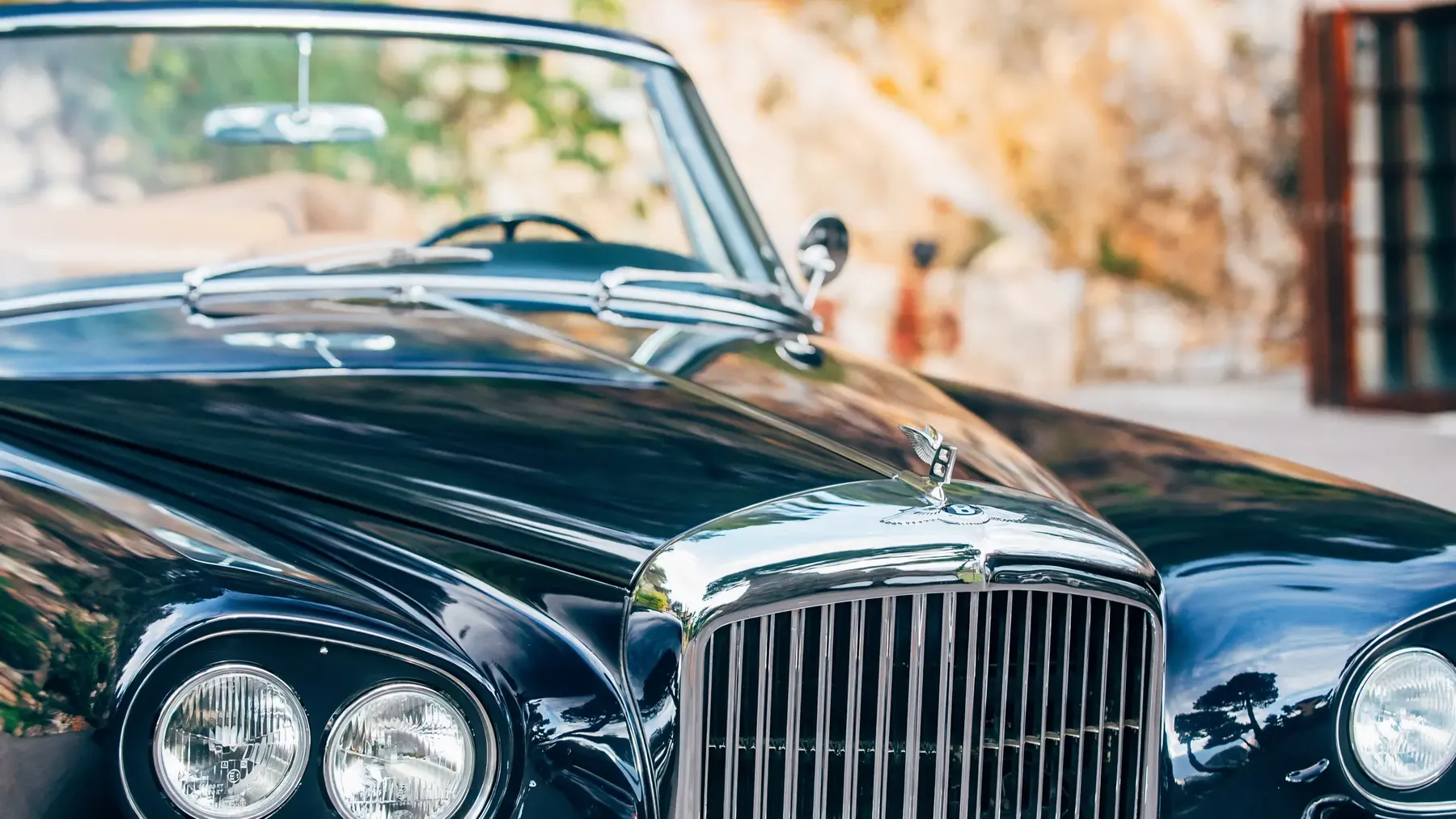
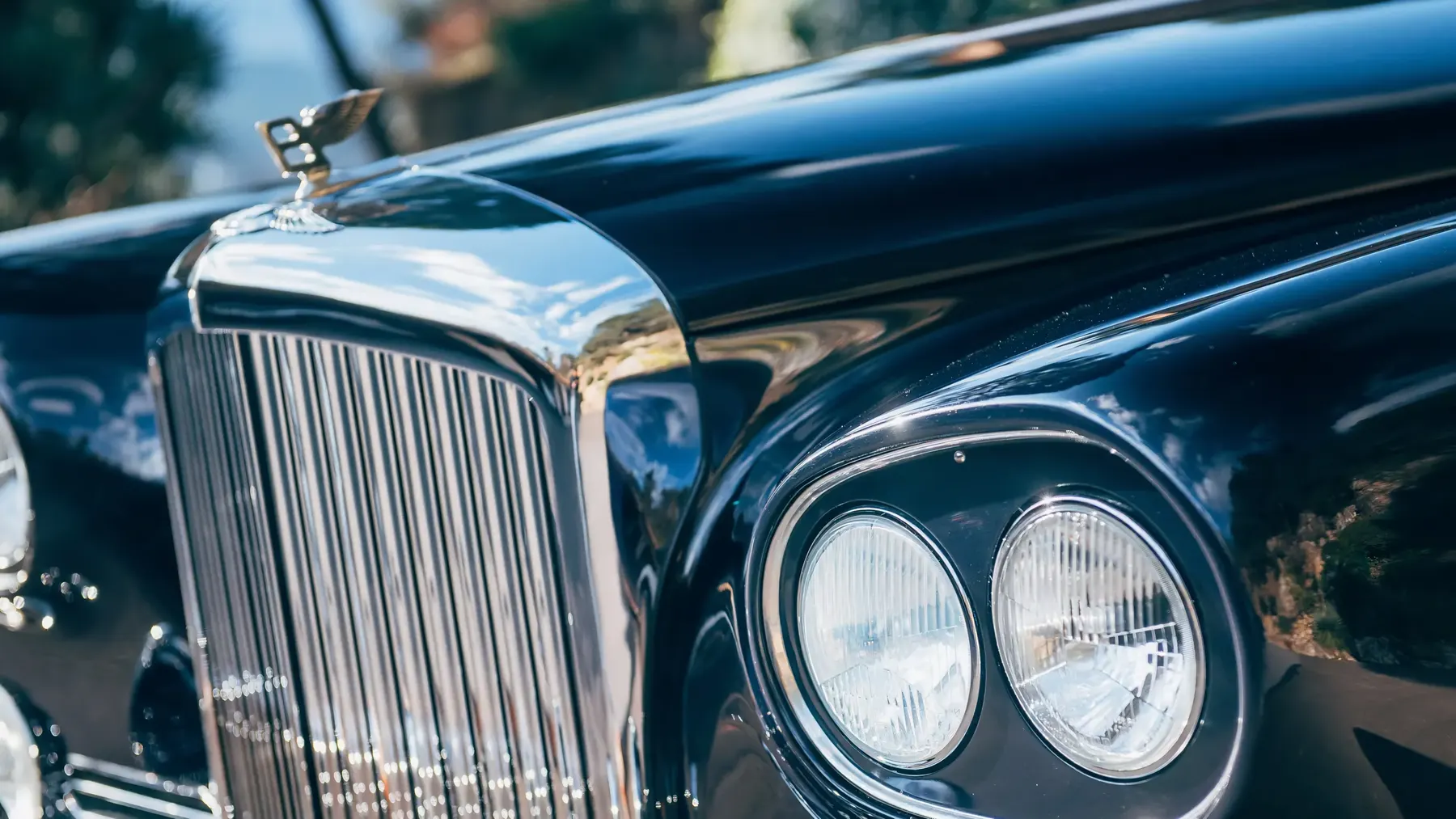
The S3 Continental Drophead’s design came from the hand of Norwegian designer Vilhelm Koren, who created a shape that perfectly balanced traditional presence with contemporary flair. The most striking feature was the quad headlamp arrangement,four round lights set horizontally in the front wings, giving the car a wider, more assertive face than its predecessors.
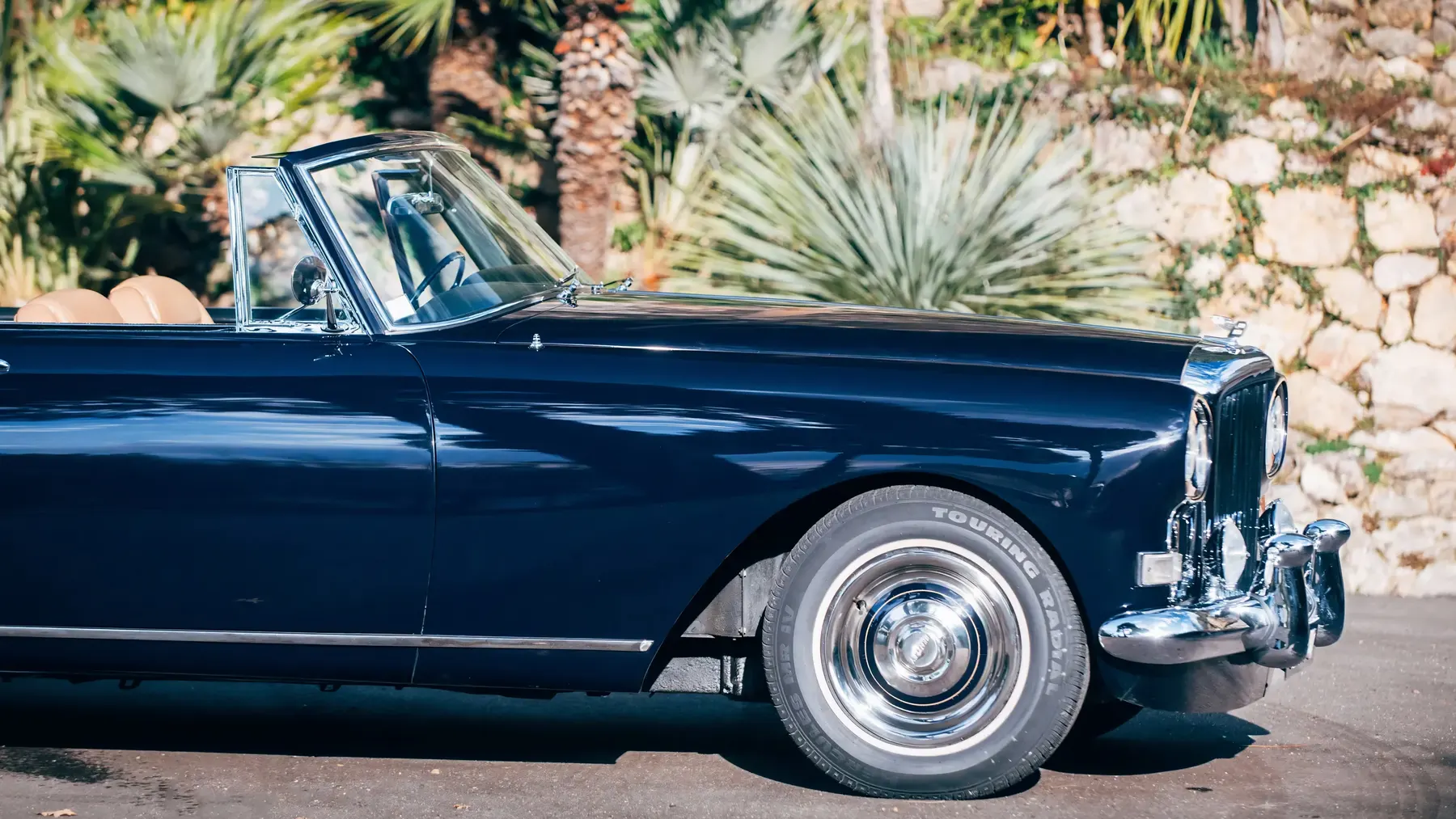
Each body began as sheets of aluminum, hand-formed over an ash wood frame by craftsmen using techniques virtually unchanged since the carriage-building era. This aluminum construction wasn’t merely traditional,it served a practical purpose, making the Continental approximately 100 kilograms lighter than the standard steel-bodied S3 saloon. This weight saving, combined with a higher final drive ratio, gave the Continental its enhanced performance.
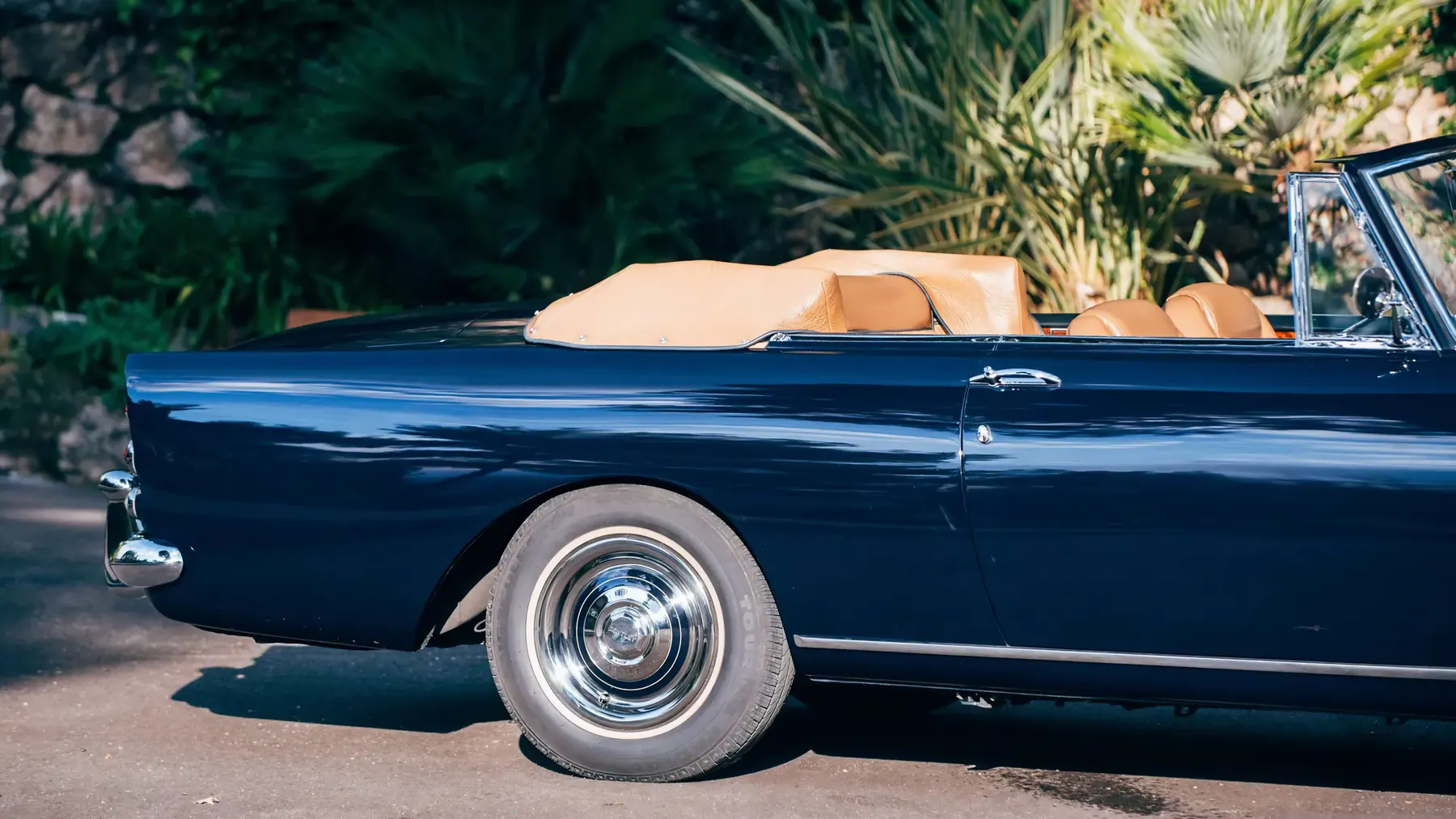
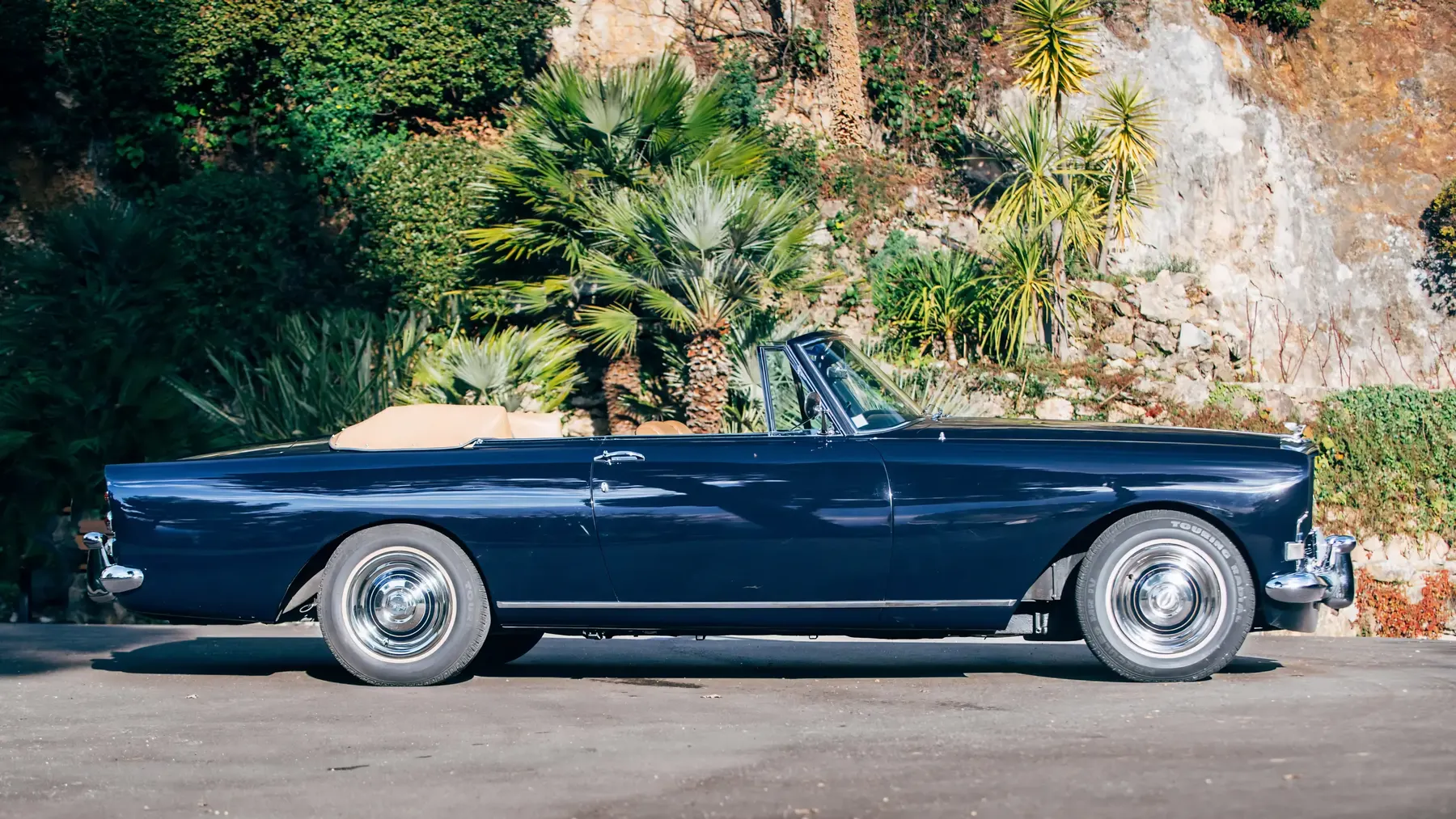
The convertible top mechanism deserves special mention. Rather than relying on hydraulics or electronics that might fail, Mulliner Park Ward engineered a power-operated system of exceptional reliability. When lowered, the top disappeared beneath a meticulously tailored boot cover that maintained the car’s flowing lines. When raised, it provided coupe-like insulation and refinement,no small feat in the early 1960s.
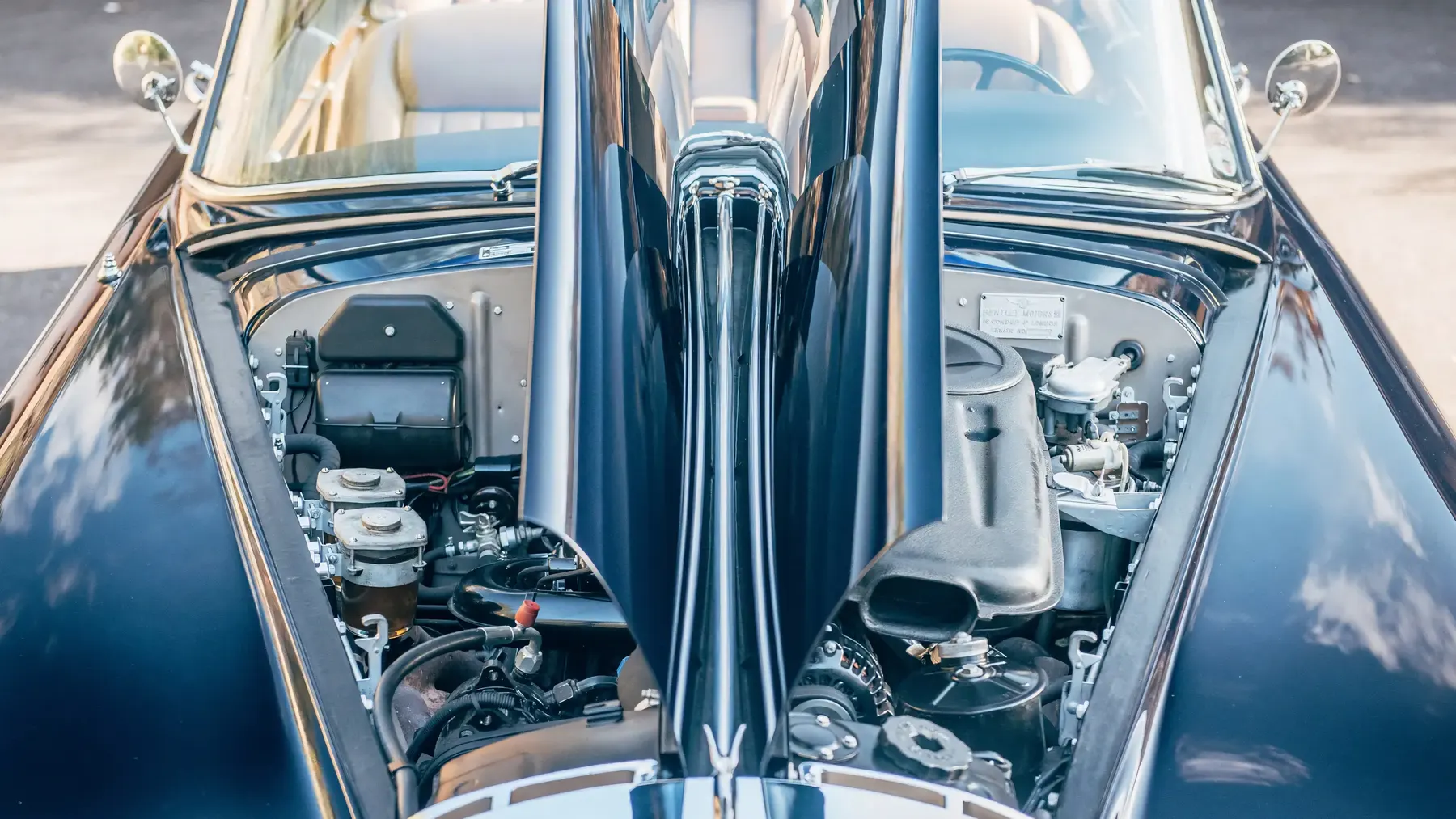
Beneath the handcrafted exterior sat Bentley’s magnificent 6.2-liter V8 engine, an all-aluminum marvel introduced with the S2 in 1959. For the S3, this powerplant received larger carburetors and increased compression (9:1 instead of 8:1), boosting output by approximately 7 percent.
True to Bentley tradition, the company never published official horsepower figures, considering such specifications vulgar. Contemporary estimates placed output at approximately 200-220 horsepower,modest by modern standards but more than adequate for a luxury grand tourer of the era. More important than peak power was the engine’s character,silent at idle, producing a distant, aristocratic burble under acceleration, and capable of delivering massive torque from just above walking pace.
This refined power reached the rear wheels through a four-speed automatic transmission developed by General Motors but extensively modified by Bentley engineers. The entire drivetrain was tuned for smoothness rather than outright acceleration, though performance remained impressive for a 2,100-kilogram luxury convertible. Period tests recorded 0-100 km/h times of approximately 10.5 seconds and a top speed approaching 185 km/h.
The chassis featured independent front suspension with coil springs, while the rear employed a live axle with semi-elliptic leaf springs,conventional engineering executed to exceptional standards. Four-wheel drum brakes with mechanical servo assistance provided stopping power that contemporary reviewers found more than adequate, if not spectacular.
Step inside the S3 Continental Drophead, and you enter a realm of craftsmanship that has all but disappeared from modern automobiles. The interior represented hundreds of hours of skilled labor, with materials selected to standards that would seem obsessive even to today’s luxury manufacturers.
The leather came exclusively from Northern European cattle raised in regions without barbed wire fencing, ensuring hides free from blemishes. Tanning processes took weeks rather than days, creating leather that would develop a rich patina over decades rather than wearing out. Each car required the hides of between 12 and 15 cattle, all color-matched perfectly.
The wood veneer dashboard and door cappings showcased another vanishing craft. Woodworkers selected burr walnut for its beautiful grain patterns, then cut, book-matched, and applied it using traditional techniques. Up to 13 coats of lacquer were hand-applied and hand-polished to create the deep, lustrous finish. Even the unseen structure beneath the veneer was solid mahogany,never cheaper materials that might expand or contract differently.
Controls and instruments reflected the same attention to detail. The large, thin-rimmed steering wheel was crafted from multiple layers of wood, carefully shaped and polished to fit comfortably in the driver’s hands. Switches operated with a precise, damped action that conveyed quality through touch alone. The dashboard featured a comprehensive array of gauges set in a walnut panel, their white-on-black markings clear and legible day or night.
Who bought these extraordinary machines when new? The client list reads like a who’s who of the early 1960s elite. Shipping magnates, industrial tycoons, film stars, and royalty were drawn to the Continental Drophead’s combination of presence, exclusivity, and understated elegance.
The price explained this rarefied ownership. In 1963, a new S3 Continental Drophead Coupé cost approximately £8,500,roughly equivalent to £180,000 today, though that figure doesn’t capture the true relative expense. For context, the average UK house price then was around £3,160, making the Bentley worth nearly three average homes. Even among luxury cars, the Continental commanded a substantial premium, costing about 40 percent more than the standard S3 saloon.
For this princely sum, buyers received not just a car but an experience. Ordering a Continental typically involved visiting the factory in Crewe and the Mulliner Park Ward workshops in London, selecting from countless options for exterior colors, interior leathers, wood veneers, and accessories. The build process took months, with regular updates provided to the anxious customer.
The resulting automobiles were as individual as their owners. While most were finished in dignified shades of black, silver, or dark blue, some customers specified more adventurous colors like shell pink, sage green, or even vibrant yellow. Interior specifications ranged from traditional walnut and tan leather to more contemporary combinations of bird’s eye maple with red or white upholstery.
The S3 Continental Drophead Coupé marked the end of an era. Just three years after its introduction, Bentley unveiled the T-Series,a monocoque-bodied car sharing its platform with the Rolls-Royce Silver Shadow. While still luxurious, the T-Series represented a fundamental shift toward modern production methods. The age of the truly coachbuilt Bentley had passed.
Today, these magnificent convertibles rank among the most desirable post-war Bentleys. Values have risen steadily, with exceptional examples commanding prices well over €500,000. The left-hand drive versions, particularly rare with just 26 made, attract even stronger interest due to their suitability for continental European and American collectors.
What makes these cars so special six decades after their creation isn’t just their rarity or historical significance. It’s their usability as grand touring automobiles. Unlike many classics that serve better as static investments, the S3 Continental Drophead remains a magnificent car to drive,smooth, comfortable, and possessed of a presence that few modern automobiles can match.
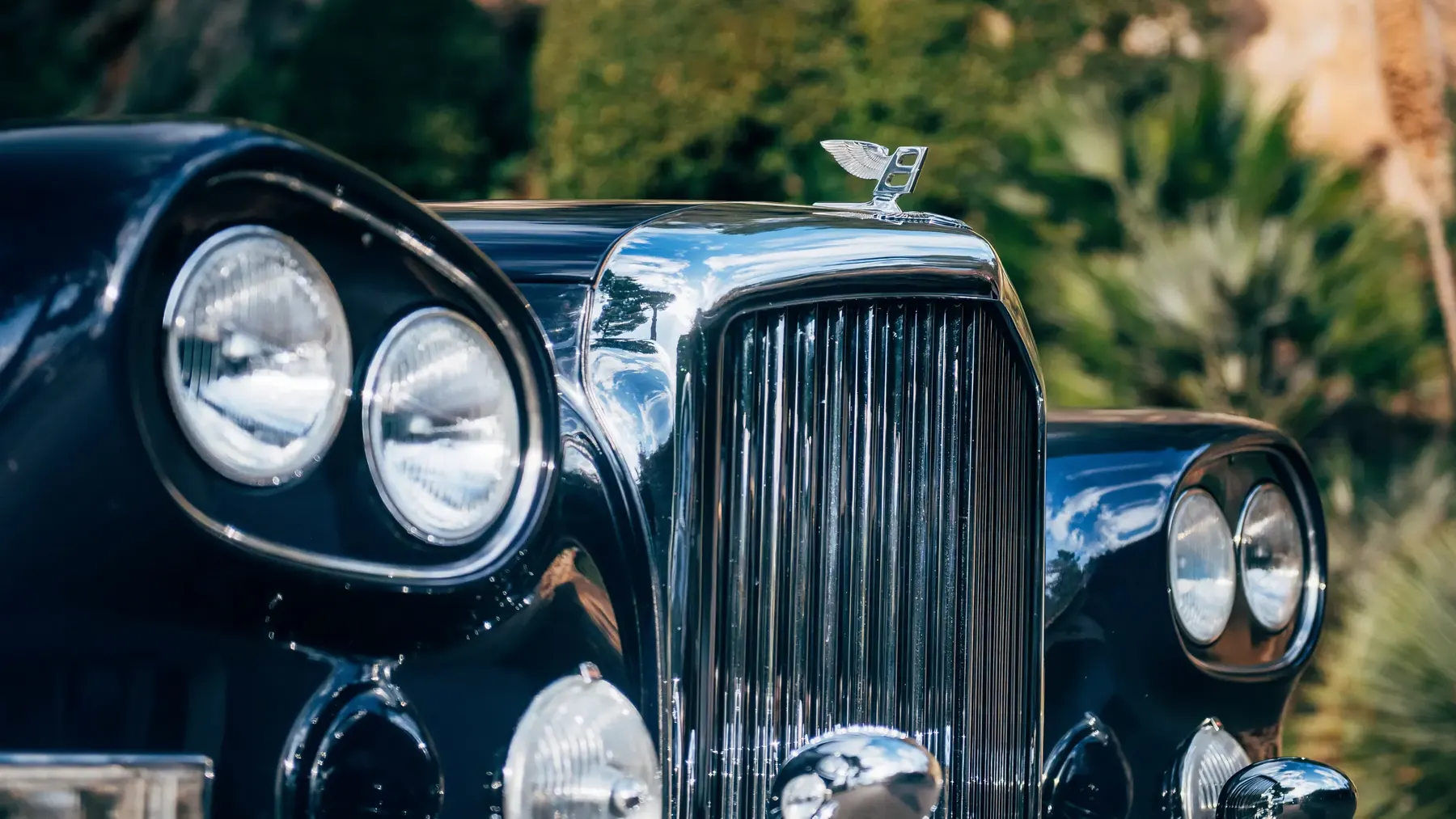
The Bentley S3 Continental Drophead Coupé by Mulliner Park Ward represents something we’ll never see again,the pinnacle of traditional coachbuilding applied to a modern chassis and powertrain. It captures a moment when craftsmanship still trumped production efficiency, when luxury meant materials and methods rather than technology and gadgets, and when a truly special automobile was the work of human hands guided by generations of experience.
For those fortunate enough to experience one today, the S3 Continental Drophead offers more than transportation,it provides a tangible connection to an approach to luxury that has all but disappeared, yet still speaks powerfully to those who value quality over novelty, tradition over trend, and character over convenience.