1963 Chevrolet Corvette Sting Ray 'Split-Window' Coupe
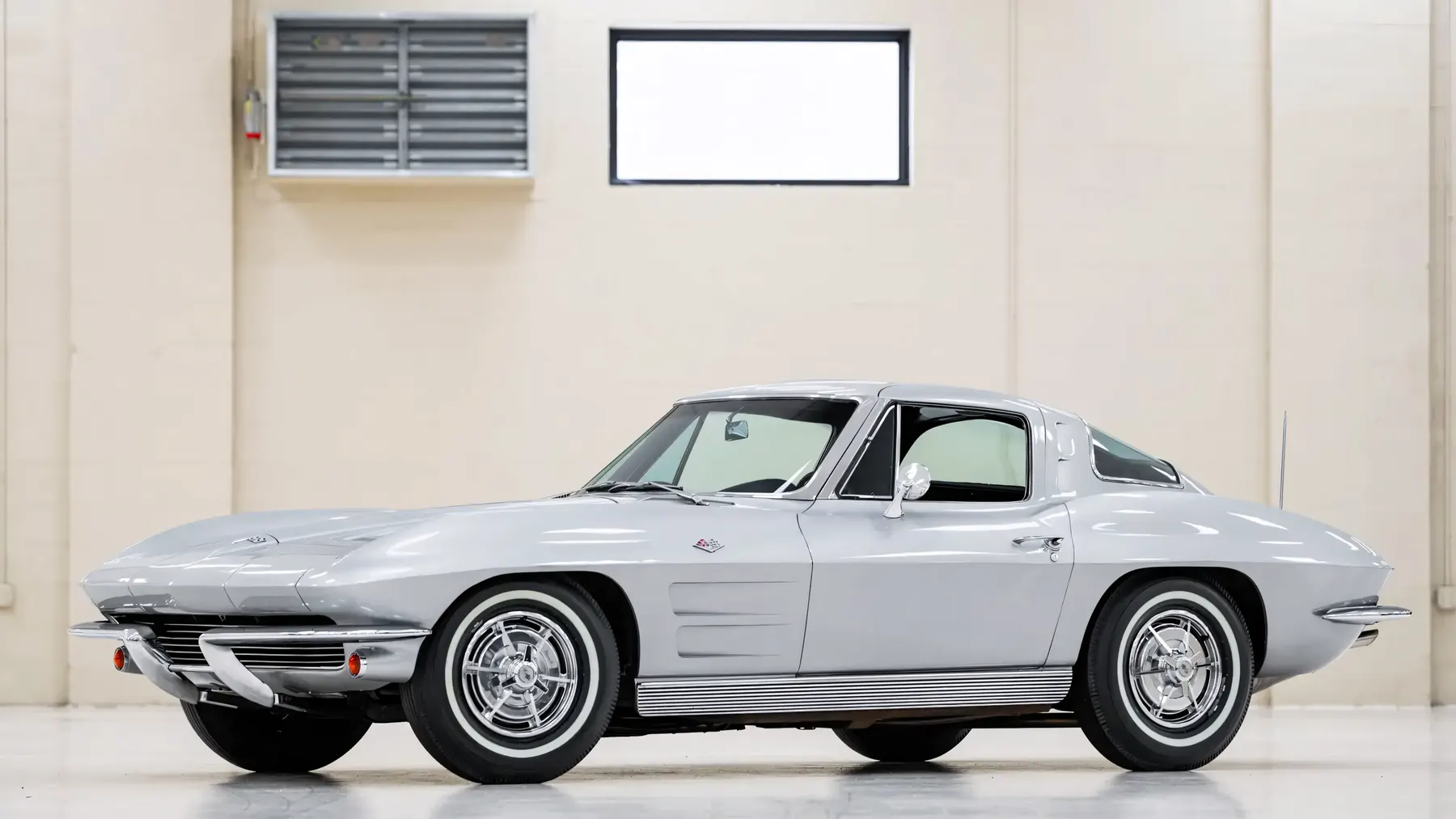
The Chevrolet Corvette has been the epitome of American sports car ingenuity since its inception in 1953. Spanning eight generations, the Corvette has continually redefined performance and design. Among the most iconic models is the second-generation Corvette (C2), produced from 1963 to 1967. The 1963 Chevrolet Corvette Sting Ray ‘Split-Window’ Coupe remains one of the most celebrated and visually distinct cars in automotive history. This model, with its futuristic design, advanced engineering, and standout performance, solidified Corvette’s status as “America’s Sports Car.”
The lineage of the 1963 Sting Ray can be traced back to two groundbreaking projects at General Motors: the Q-Corvette concept and Bill Mitchell’s racing Sting Ray. The Q-Corvette project of 1957 envisioned a smaller, coupe-only Corvette with advanced features like independent rear suspension and disc brakes. Concurrently, GM engineers, including the visionary Zora Arkus-Duntov, explored mid-engine layouts, as seen in the 1959 CERV I concept car. By 1960, these influences culminated in project XP-720,the foundation for the production Sting Ray.
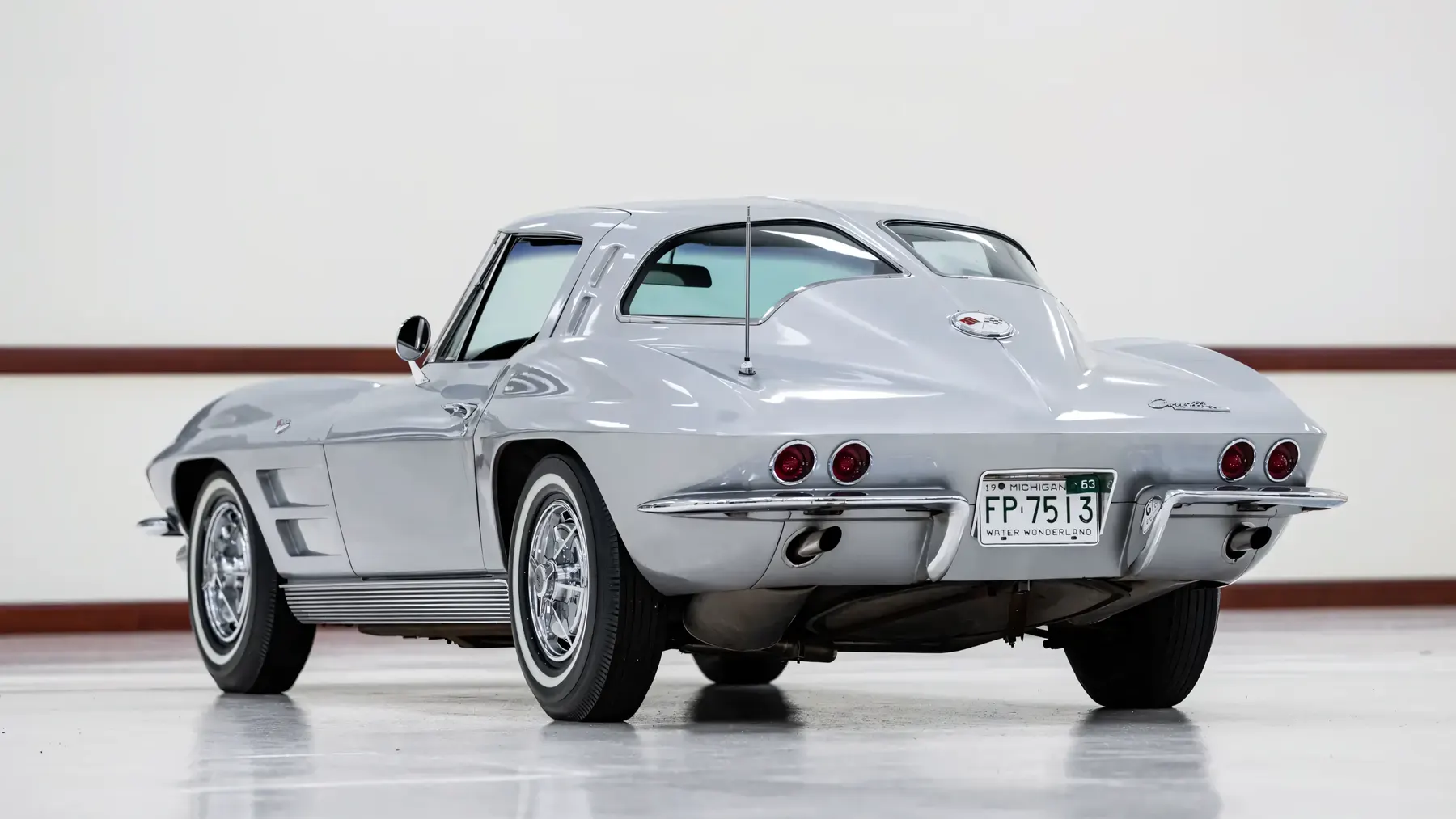
For 1963, the Corvette Sting Ray introduced a striking new design that departed sharply from the previous generation. Most notably, the coupe’s fastback styling featured a distinctive split rear window bisected by a vertical pillar. This polarizing design element was largely attributed to GM design chief Bill Mitchell, inspired by the Bugatti Type 57SC Atlantic and other European coachwork. Harley Earl’s earlier concepts, such as the Oldsmobile Golden Rocket, also influenced this feature.
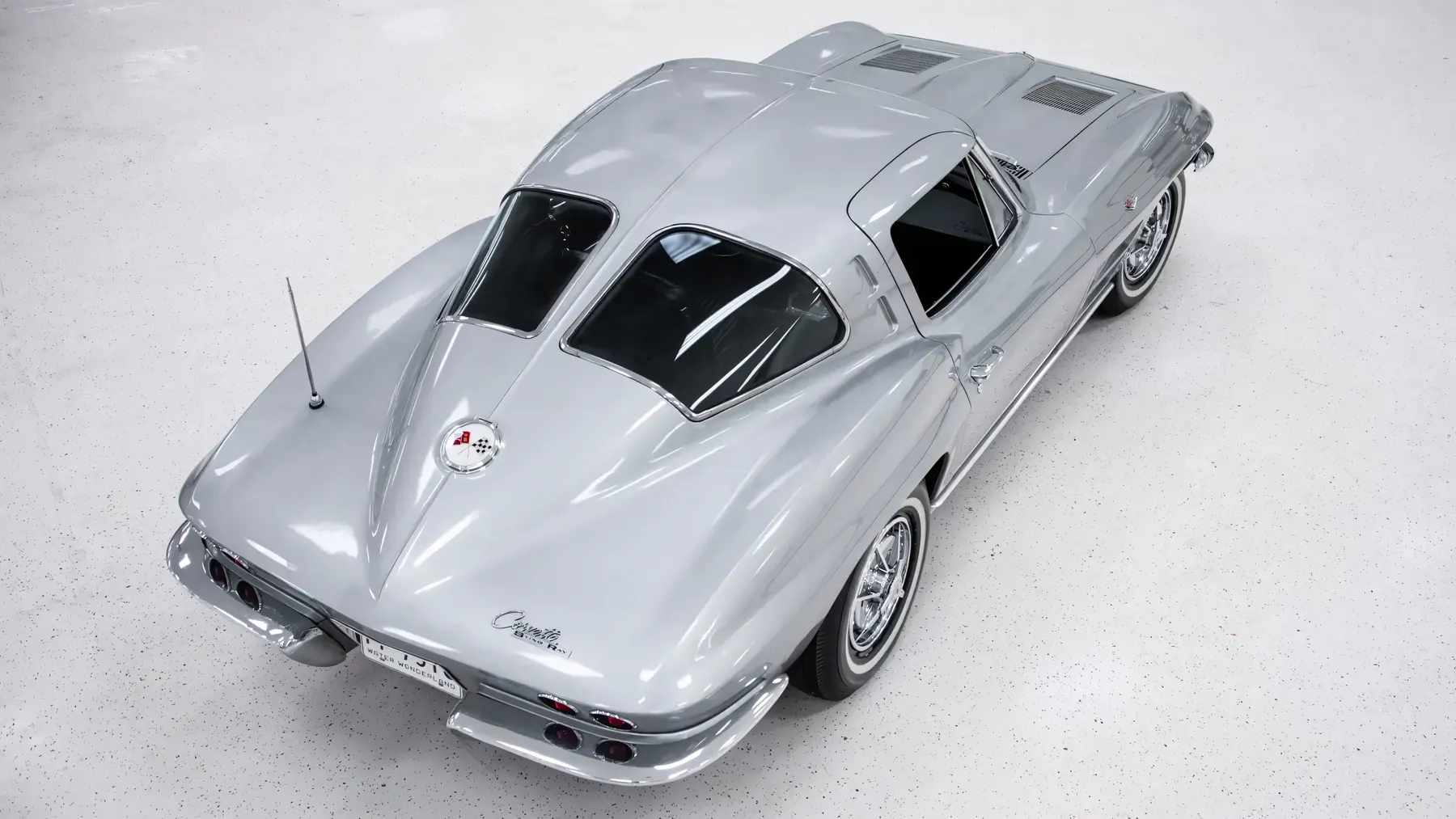
While visually stunning, the split rear window faced criticism for obstructing rear visibility. Despite this, the design’s uniqueness has made the 1963 Split-Window Coupe highly desirable among collectors. Chevrolet would later replace the split rear window with a single pane for the 1964 model year, further elevating the exclusivity of the 1963 version.
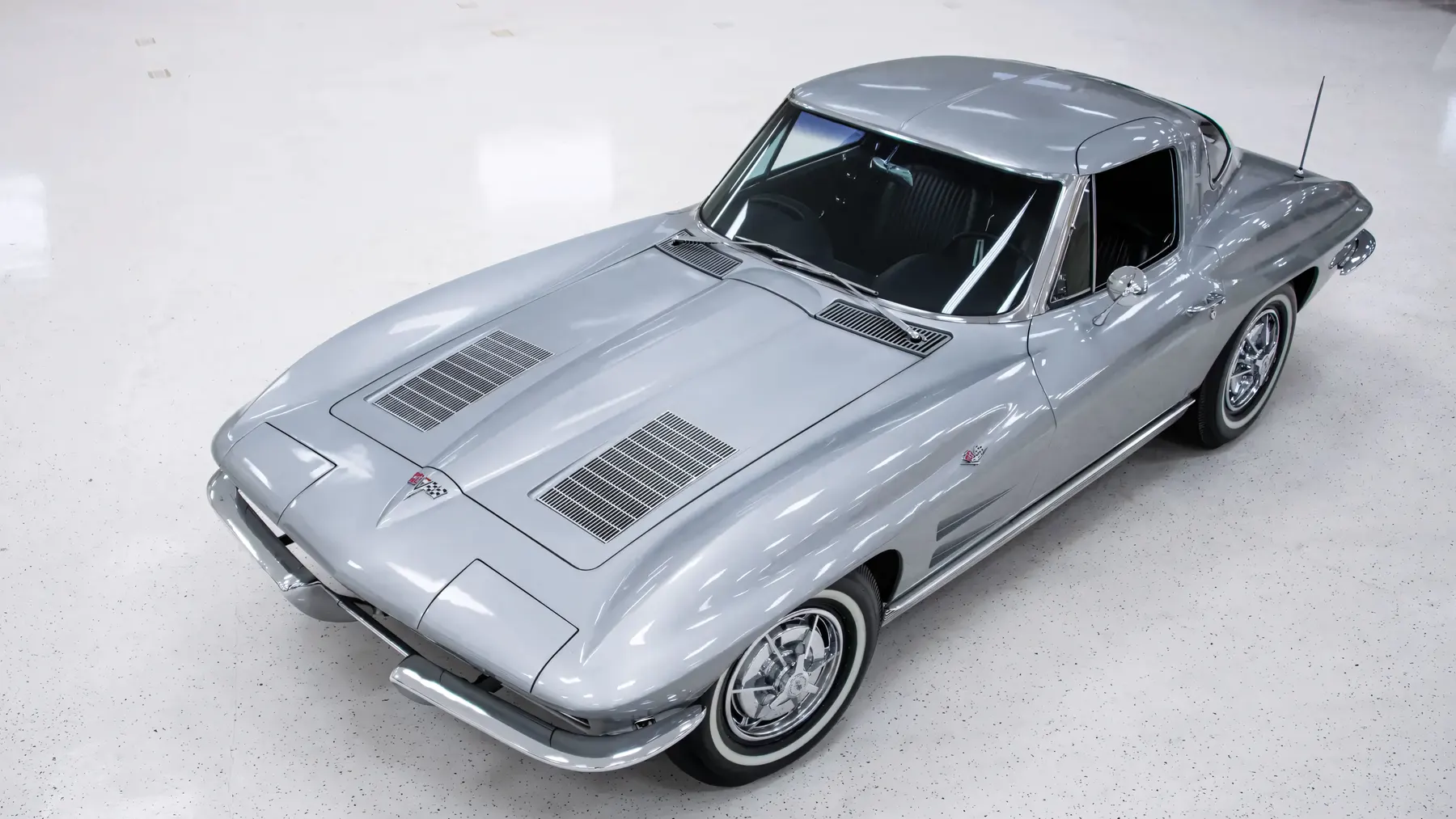
The Sting Ray’s aerodynamics were refined through wind tunnel testing,a first for the Corvette line,which optimized its sharp-edged, angular body. Features like hidden headlamps, which rotated to reveal quad headlights, added to the car’s futuristic appeal. These hidden lights marked the first such application in an American car since the 1942 DeSoto.
Beyond its captivating design, the 1963 Corvette Sting Ray represented a leap forward in engineering. The chassis, developed under Zora Arkus-Duntov’s guidance, introduced independent rear suspension,a revolutionary feature derived from the CERV I prototype. This system incorporated U-jointed half-shafts tied together by a transverse leaf spring, which significantly reduced unsprung weight and improved handling. The new setup delivered superior traction and ride quality, particularly on uneven roads.
The front suspension retained the previous unequal-length A-arms with coil springs and a standard anti-roll bar. Steering was upgraded to a faster recirculating ball system, with optional hydraulic assistance for the first time. This, combined with a shorter 98-inch wheelbase, gave the Sting Ray sharper handling and better maneuverability.
Braking improvements included wider 11-inch drum brakes with optional sintered-metallic linings or aluminum-finned drums for improved cooling and fade resistance. Though disc brakes were not yet standard, the Sting Ray’s braking system was a considerable upgrade over its predecessor.
The 1963 Corvette Sting Ray offered a range of potent drivetrain options carried over from the previous generation. All engines were based on Chevrolet’s renowned 327 cubic-inch (5.4L) small-block V8, tuned to varying levels of output:
The base engine produced 250 horsepower with hydraulic lifters, while a mid-level option increased output to 300 horsepower. A high-output version delivered 340 horsepower, and a fuel-injected variant topped the range with 360 horsepower.
The top-tier 360-horsepower engine featured mechanical fuel injection, making the Sting Ray one of the most advanced performance cars of its time. Transmission options included a 3-speed manual, a 4-speed manual, and a 2-speed Powerglide automatic. Combined with improved weight distribution and the independent rear suspension, these engines delivered exhilarating performance and a driving experience far ahead of most contemporaries.
The Sting Ray’s interior matched its exterior in innovation and style. The twin-cowl dash motif, a hallmark of previous Corvettes, was reinterpreted with improved practicality. A full array of round gauges, including a large speedometer and tachometer, provided essential driver information. The center console housed a vertically oriented radio and clock, emphasizing the car’s sporty character.
For improved practicality, Chevrolet enhanced luggage space behind the seats, though the lack of an external trunk lid meant cargo had to be loaded from within. Additional refinements included an upgraded heater, cowl ventilation, and a drop-down fiberglass housing for the spare tire, mounted beneath the gas tank.
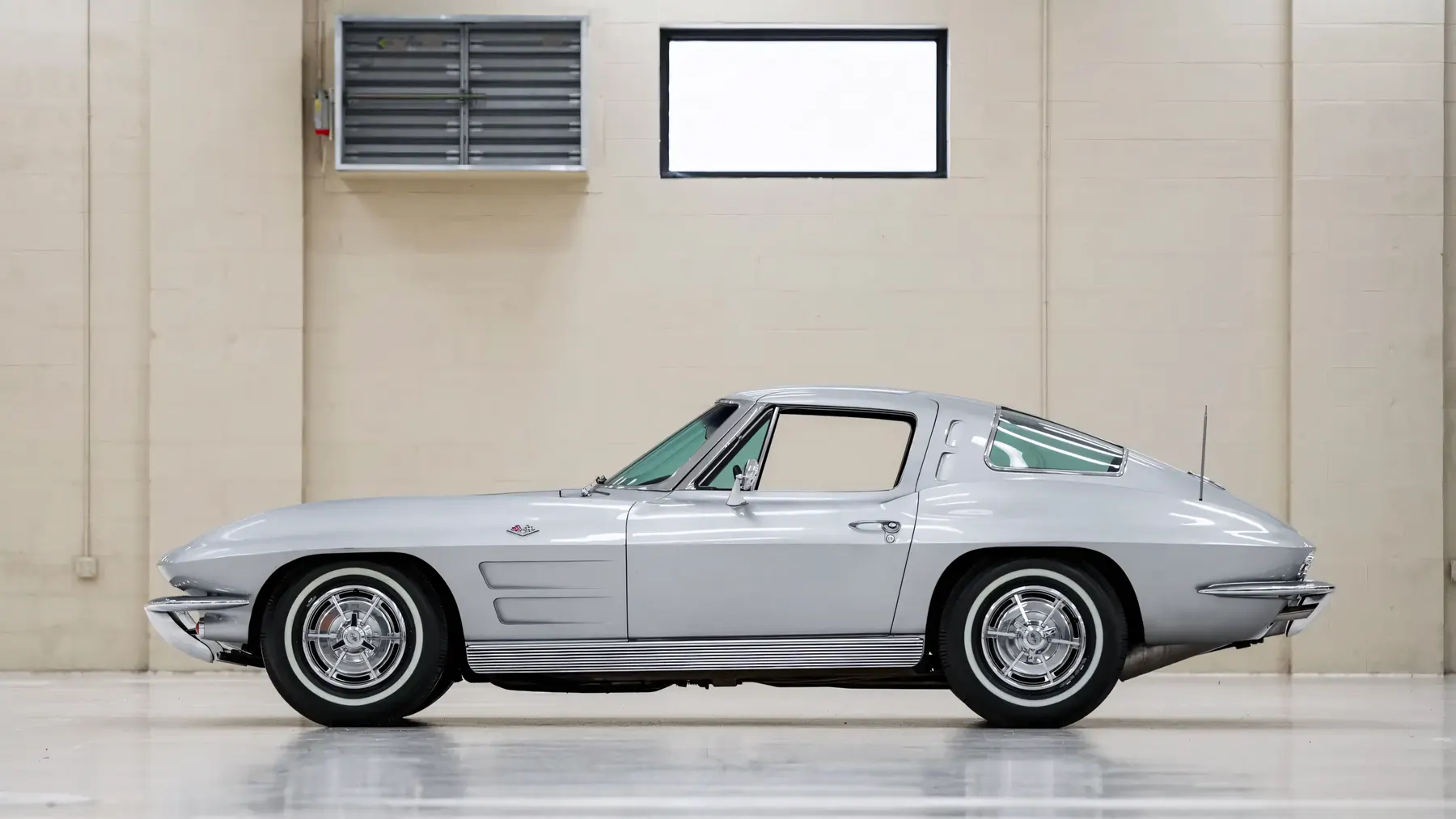
The 1963 Corvette Sting Ray ‘Split-Window’ Coupe is a defining chapter in Corvette history. Its design, marked by the daring split rear window and hidden headlamps, captured imaginations and set a new standard for American sports cars. Underneath its avant-garde exterior lay cutting-edge engineering, including independent rear suspension, which cemented the Sting Ray’s reputation as a high-performance machine.
While the split window would be short-lived, lasting only one year, it remains a symbol of the Corvette’s bold innovation. Today, the 1963 Split-Window Coupe is a highly sought-after collector’s car, celebrated for its beauty, performance, and historical significance. It stands as a testament to Chevrolet’s ability to combine striking design with engineering prowess, forever earning its place in the pantheon of automotive legends.
The 1963 Chevrolet Corvette Sting Ray ‘Split-Window’ Coupe is not merely a car,it is a symbol of innovation and design excellence. Combining European-inspired design cues, advanced engineering, and raw American power, it represents a pinnacle in Corvette’s evolution. Its enduring legacy continues to inspire admiration and passion among automotive enthusiasts, ensuring its place as one of the most memorable and influential sports cars ever produced.