1963 Ferrari 250 GT/L Berlinetta Lusso by Fantuzzi
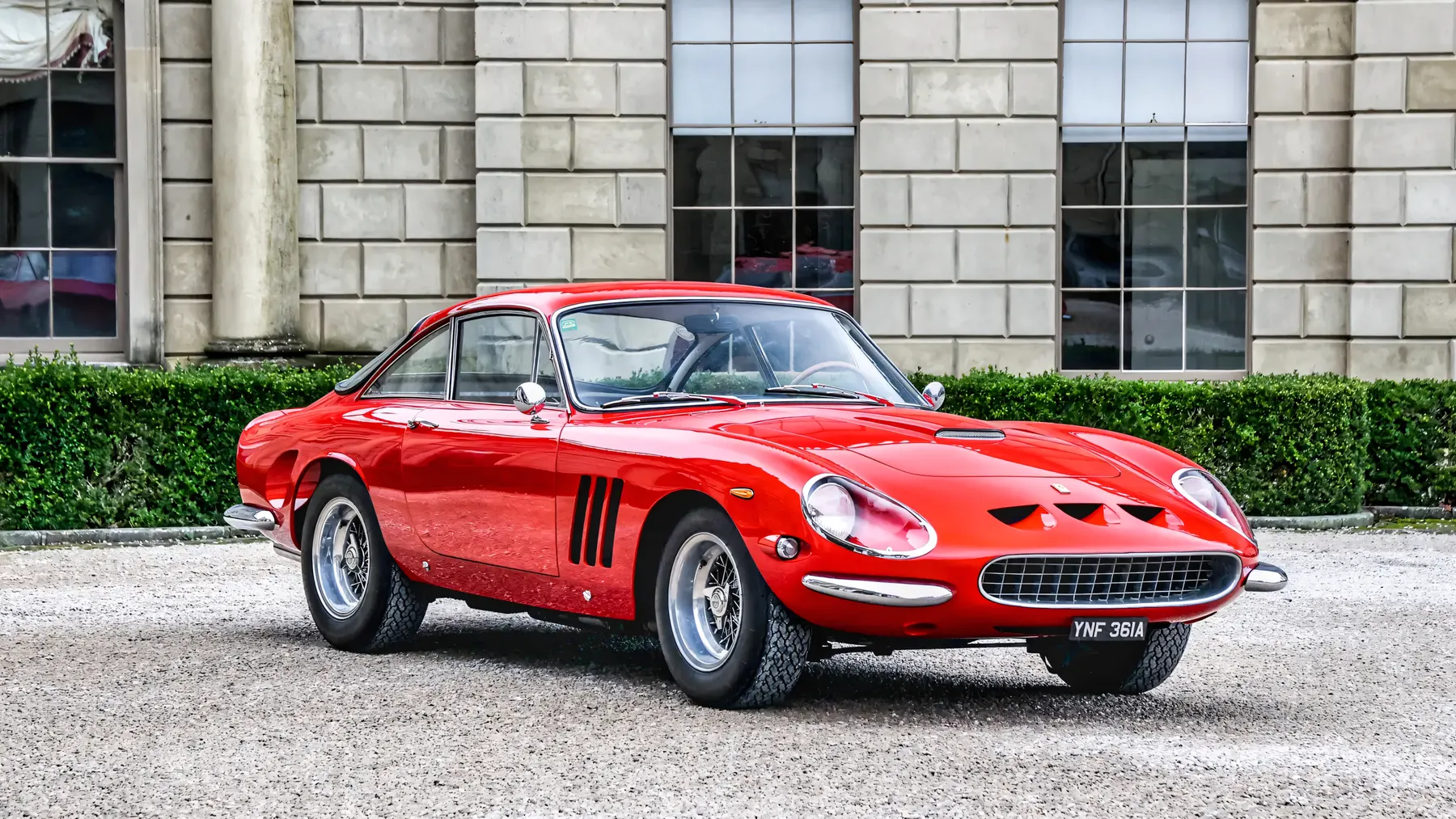
The Ferrari 250 GT/L Berlinetta Lusso by Fantuzzi stands as a singular expression of Italian automotive artistry - a car that not only embodies the elegance and performance for which the 250 GT Lusso is celebrated, but also channels the spirit of Ferrari’s racing heritage through the hands of a master coachbuilder. For those who are passionate about automotive design, this car is a living testament to the era when form, function, and individuality converged in the most beautiful ways.
The Ferrari 250 GT Lusso, produced between 1962 and 1964, was conceived as a grand tourer that bridged the gap between the raw, competition-bred 250 GT SWB and the more family-oriented 250 GTE 2+2. With just 351 examples built, the Lusso was already rare, but the Fantuzzi-bodied car - chassis 4383GT - takes rarity to an entirely different level. This is the only Lusso to receive such extensive, period-correct coachwork modifications from Medardo Fantuzzi, a designer revered for his work on Ferrari’s racing cars in the late 1950s and 1960s.
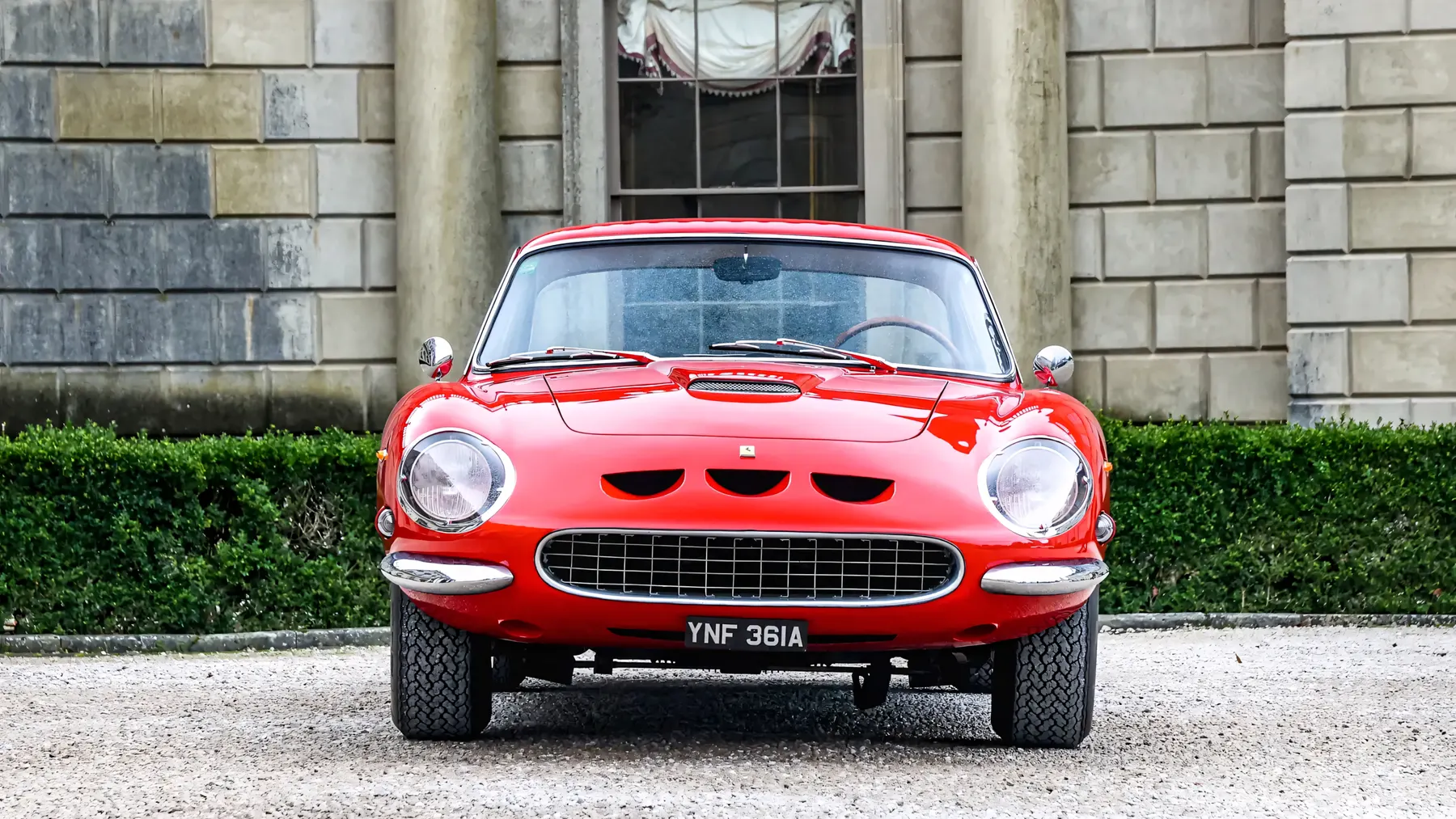
Originally delivered in March 1963 to Luciano Pederzani, co-founder of Tecno (a builder of Formula cars), the car was almost immediately sent to Fantuzzi for a transformation. Fantuzzi, who was then designing bodies for Tecno’s race cars, reimagined the Lusso with a series of aerodynamic and stylistic changes inspired by Ferrari’s competition icons, most notably the 330 LMB and later, the 250 GTO.
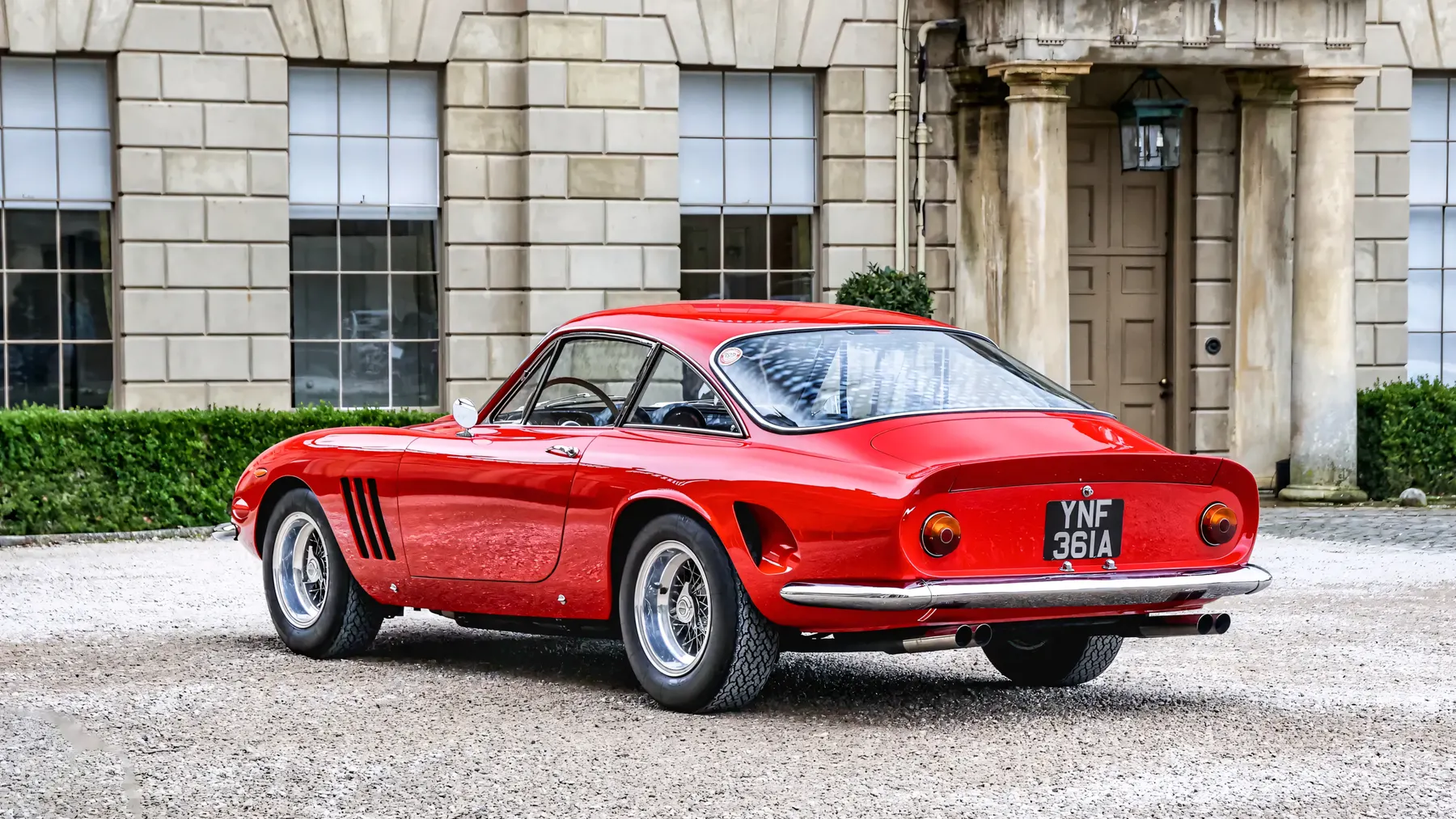
The standard Lusso is widely considered one of the most beautiful Ferraris ever made, with its Pininfarina design and Scaglietti bodywork characterized by a long, sweeping hood, curved fenders, and a distinctive Kamm tail. Fantuzzi’s intervention, however, elevated this particular example to a new plane of individuality.
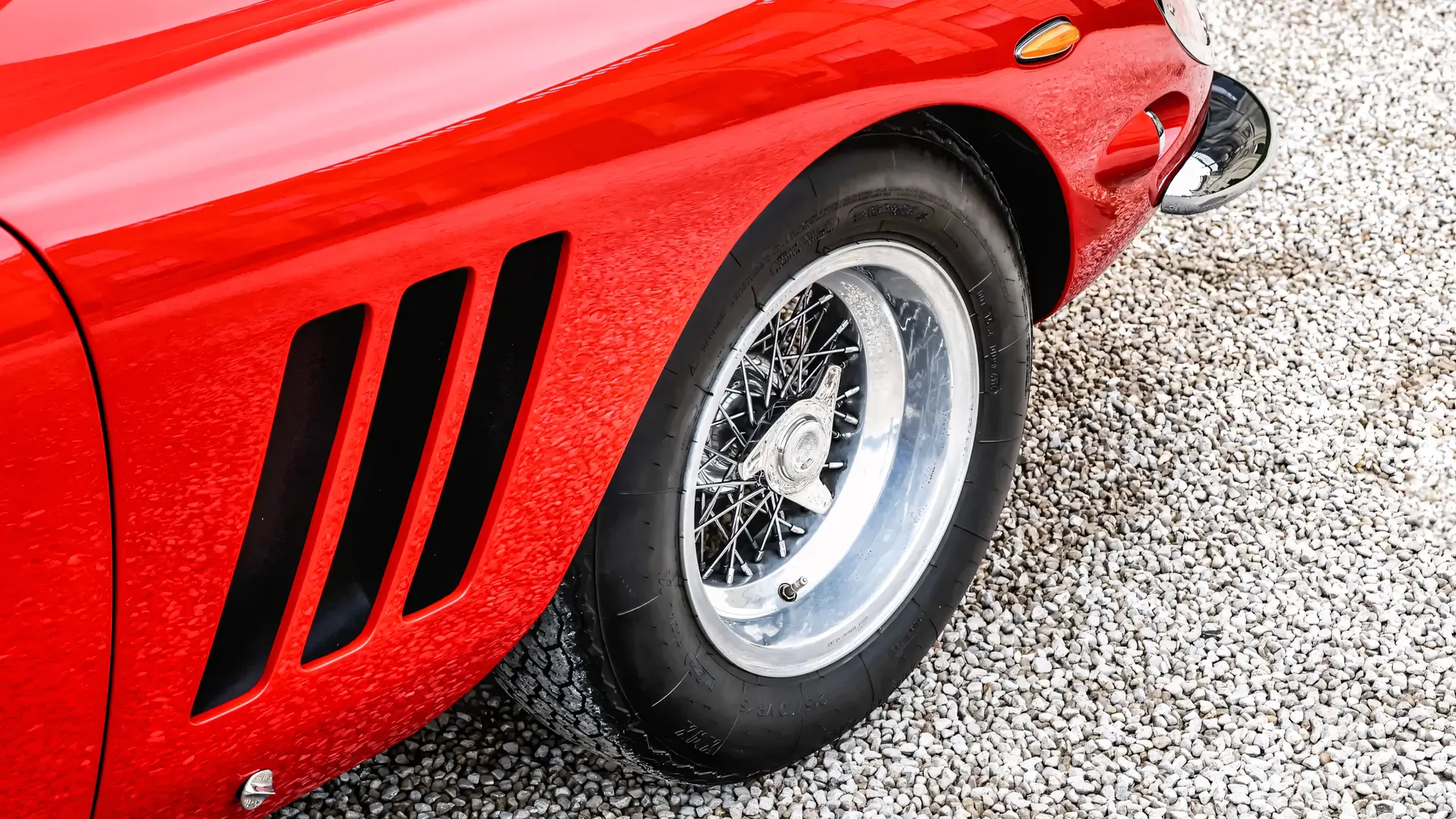
The front end was reworked with a smaller, rounded grille and twin bumperettes replacing the original three, instantly giving the car a more purposeful, competition-inspired look. The headlights were set further back into the wings and faired in with Plexiglass covers, a nod to the aerodynamic priorities of Ferrari’s race cars of the era. In the 1970s, further modifications added three 250 GTO-style intakes above the grille and vents behind the rear wheel arches, enhancing both the car’s visual drama and its connection to Ferrari’s motorsport lineage.
Despite these changes, the car retains the Lusso’s hallmark proportions: the elegant fastback silhouette, the curved rear glass, and the beautifully integrated Kamm tail. The result is a harmonious blend of luxury and aggression, a car that looks as at home on the concours lawn as it would on a high-speed run across the continent.
Underneath its bespoke skin, the Fantuzzi Lusso remains true to the mechanical formula that made the 250 GT/L so revered. The Colombo-designed 3.0-litre V12 engine, with a single overhead camshaft per bank and three twin-choke Weber carburettors, delivers 240 hp at 7,500 rpm and 242 Nm of torque at 5,500 rpm. This propels the car to just under 240 km/h, making it one of the fastest road cars of its day.
The Lusso’s chassis, derived from the legendary 250 GTO but with narrower tubes, provides a balance of ride comfort and handling precision. The independent front suspension, live rear axle with coil and leaf springs, and four-wheel disc brakes ensure the car is as rewarding to drive as it is to behold. The four-speed, all-synchromesh gearbox is tuned for grand touring, offering relaxed high-speed cruising without sacrificing the visceral engagement that defines classic Ferraris.
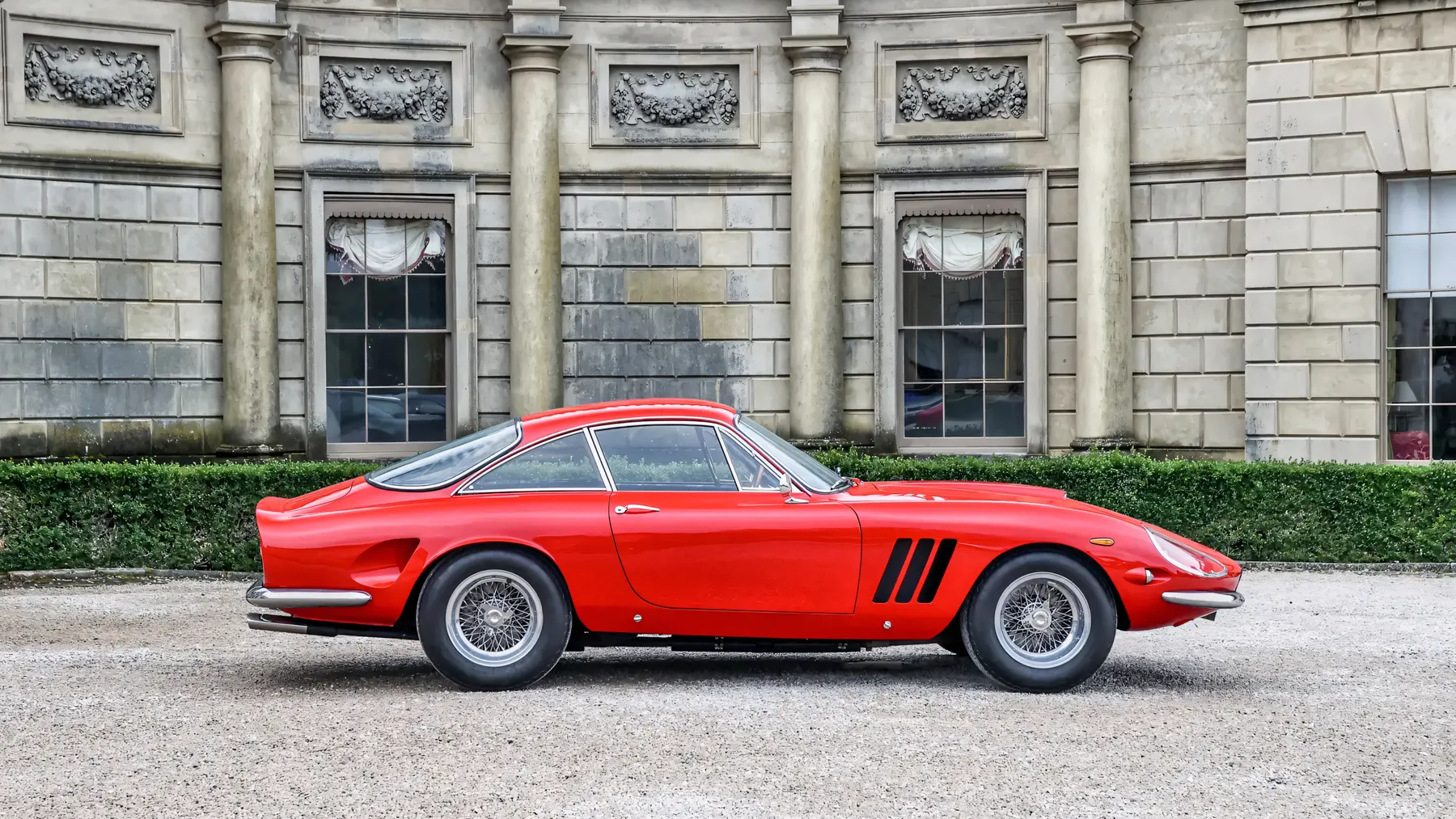
What truly sets the Fantuzzi Lusso apart is the authenticity and provenance of its modifications. Unlike modern recreations or later homages, the changes were made in-period by a designer with deep ties to Ferrari’s racing efforts. The car’s bodywork was restored using original 250 GTO moulds and drawings, ensuring that every louvre, vent, and curve is historically accurate.
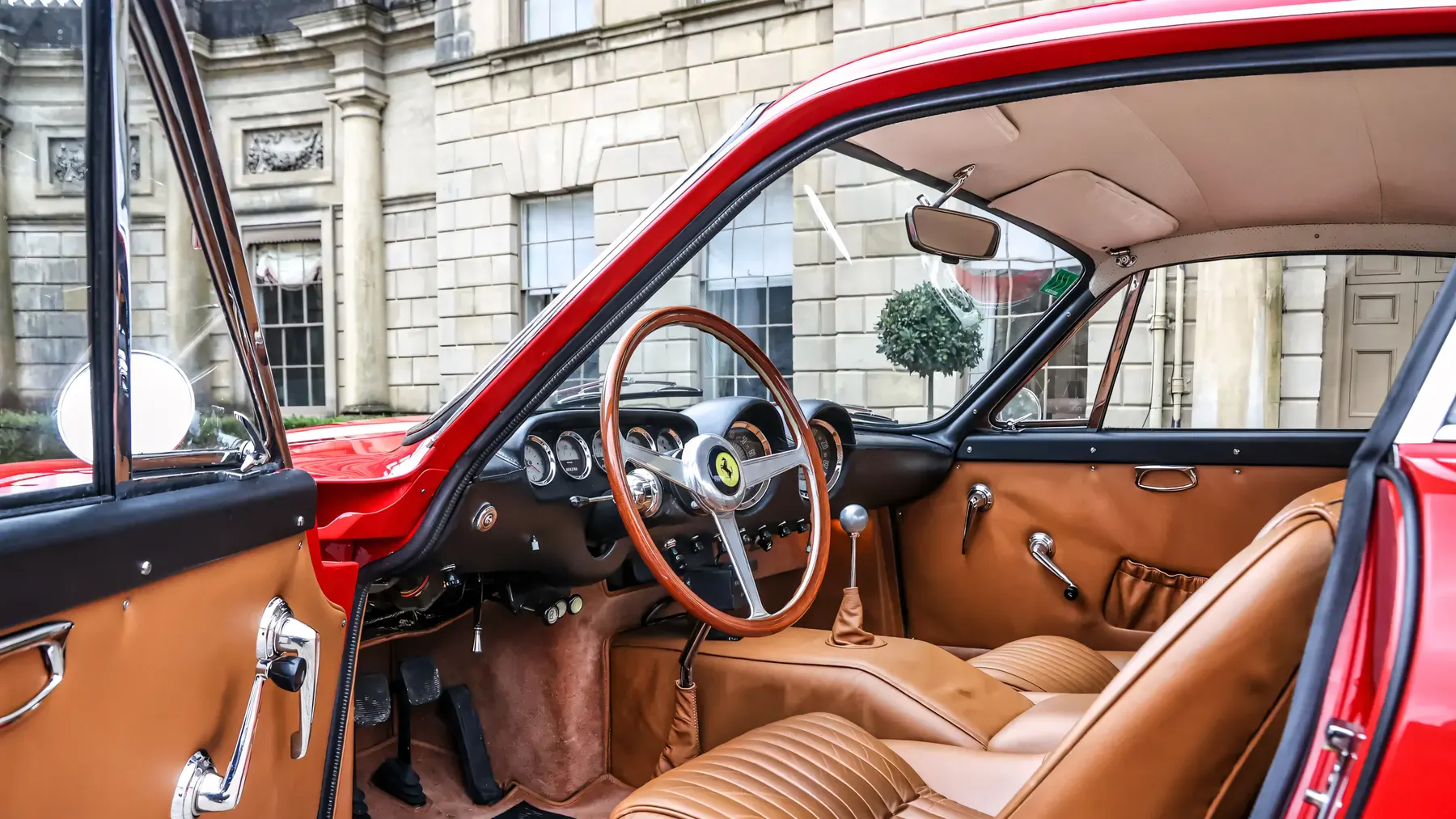
Inside, the Lusso’s interior remains a paragon of 1960s Italian luxury. The cabin features quilted leather, a three-spoke Nardi steering wheel, and a dashboard with centrally mounted instruments - a layout that feels both sporting and refined. The forward engine position allows for a surprisingly spacious luggage area, making the car genuinely usable for grand touring as intended.
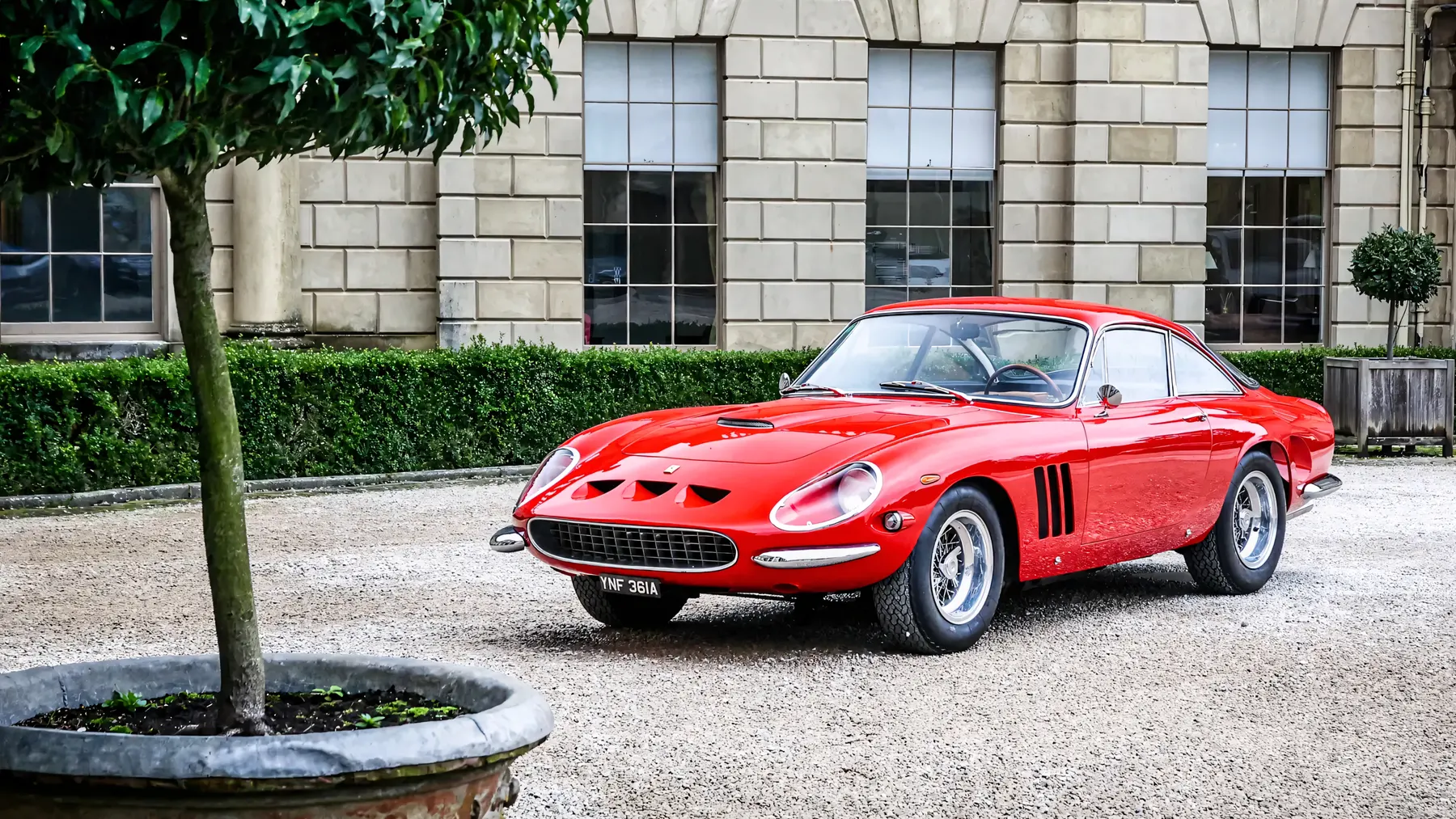
From the moment it was unveiled, the Ferrari 250 GT Lusso was met with acclaim for its beauty and sophistication. Celebrities like Steve McQueen and Eric Clapton counted themselves among its owners, and the Lusso’s reputation has only grown with time. The Fantuzzi-bodied example, with its unique history and design, has become a fixture at major concours events and is coveted by collectors for its singularity and provenance.
Today, the car is celebrated not just as a rare Ferrari, but as a rolling work of art - a testament to the era when passionate individuals could commission unique visions from the world’s greatest coachbuilders. Its documented history, from its early days in Italy to its travels across continents and its meticulous restoration, adds to its mystique and value.
The Ferrari 250 GT/L Berlinetta Lusso by Fantuzzi is more than just a car; it is a celebration of automotive individuality, a bridge between the worlds of luxury grand touring and racing heritage. Every detail, from its bespoke bodywork to its sonorous V12, speaks to the passion and vision of those who created and cared for it. For enthusiasts of design, history, and performance, this Fantuzzi Lusso is an enduring reminder of why classic Ferraris continue to inspire awe and admiration, decade after decade