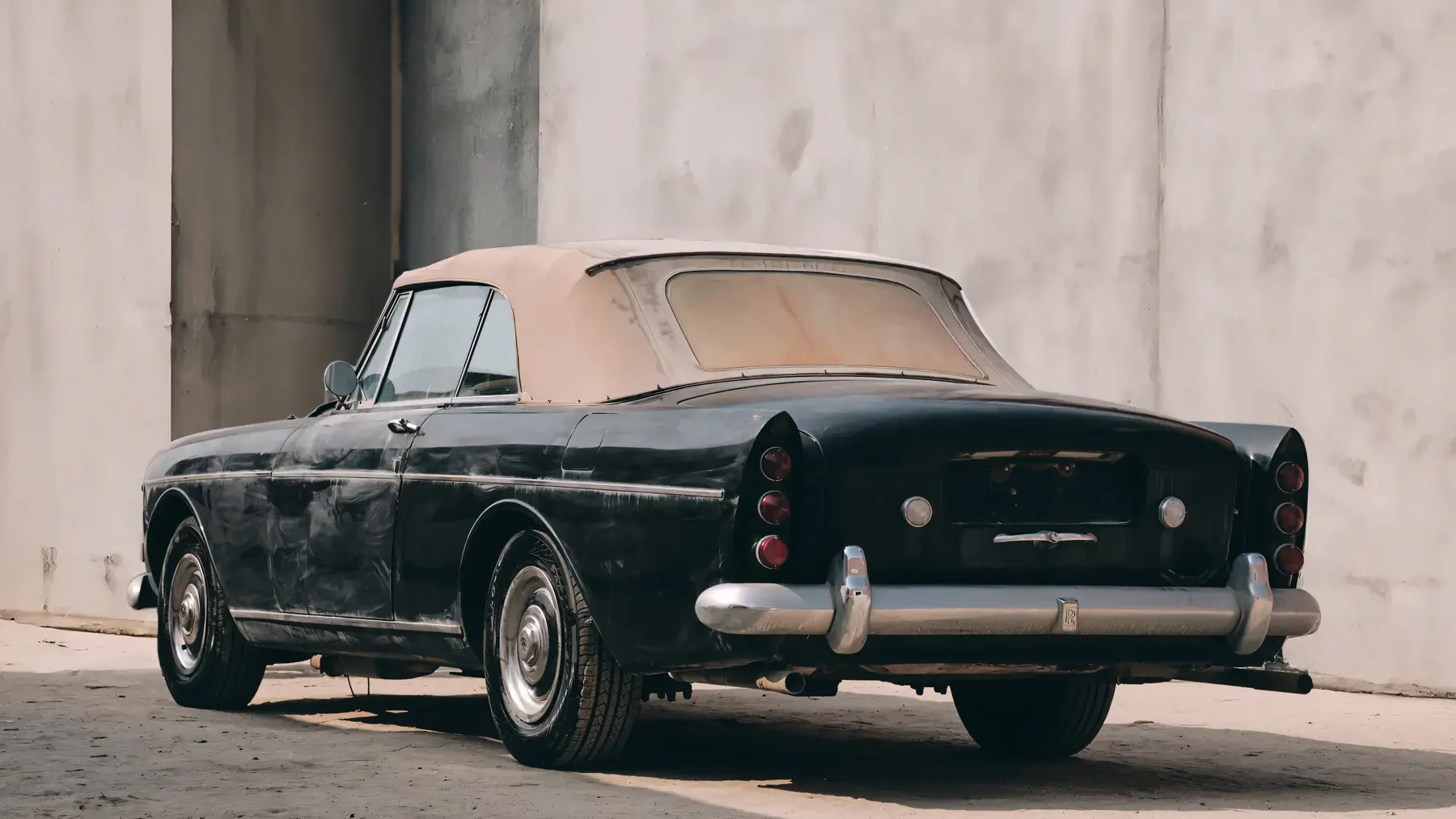
1964 Rolls-Royce Silver Cloud III Drophead Coupé by Mulliner Park Ward
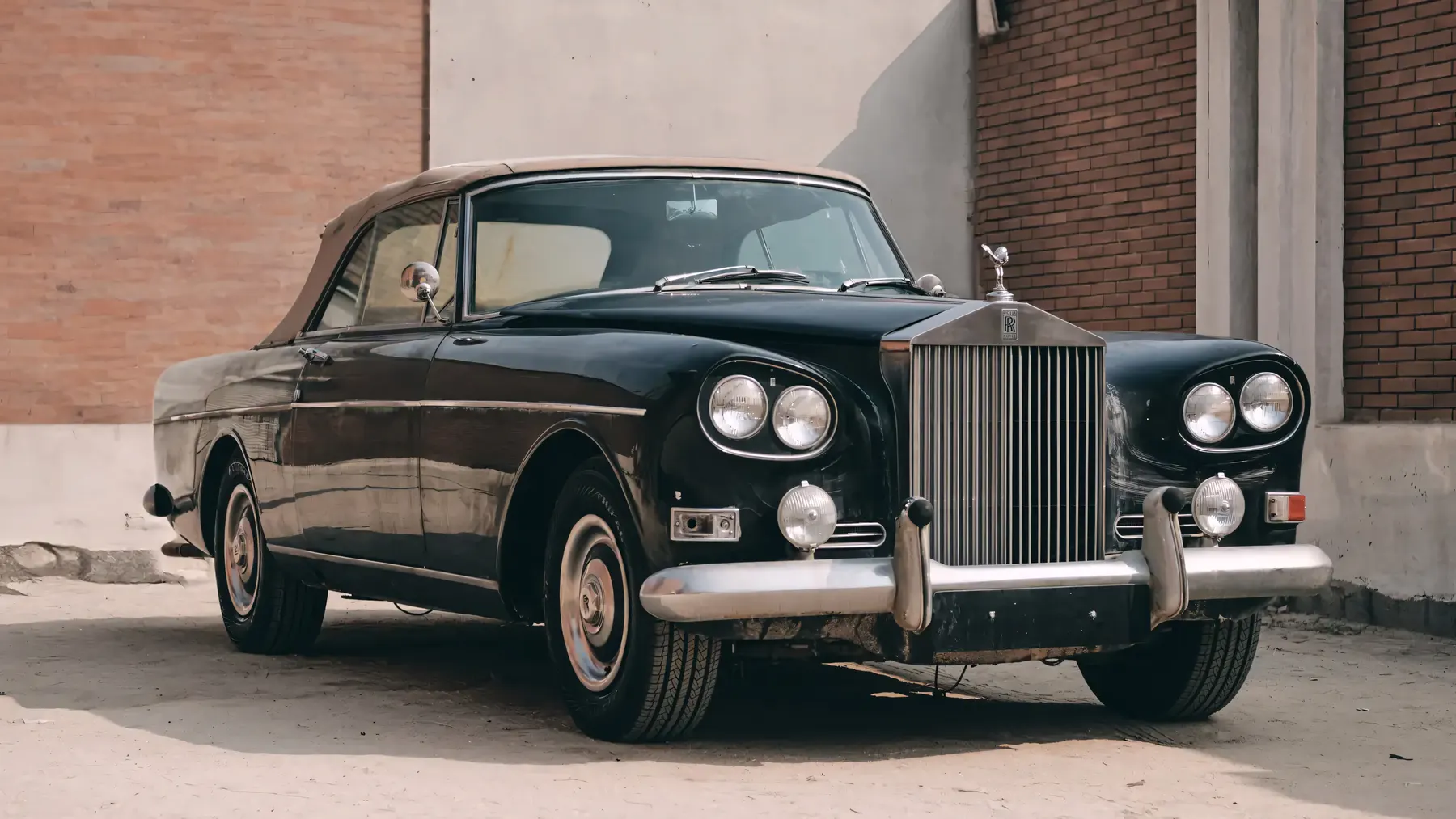
In the early 1960s, as the automotive world teetered on the brink of modernity, the Rolls-Royce Silver Cloud III Drophead Coupé by Mulliner Park Ward emerged as a definitive statement of luxury and craftsmanship. Representing the culmination of the Silver Cloud lineage, this model blended Rolls-Royce’s engineering prowess with Mulliner Park Ward’s bespoke artistry, creating a grand tourer that was as technologically advanced as it was visually arresting. A symbol of exclusivity and refinement, the Drophead Coupé catered to an elite cadre of clients who demanded nothing less than perfection,a car that whispered sophistication rather than shouted opulence.
Introduced in 1962, the Silver Cloud III marked the final evolution of Rolls-Royce’s postwar flagship. It arrived at a time when the marque sought to reconcile its storied heritage with the demands of a rapidly modernizing world. The Cloud III’s most significant advancement was its 6.2-liter aluminum V8 engine, a revolutionary powerplant that replaced the outgoing straight-six. This engine, paired with a General Motors-sourced Hydramatic automatic transmission, delivered silken power and reliability, setting a new standard for luxury performance. Rolls-Royce discreetly touted a 7% power increase over its predecessor, though it adhered to tradition by never disclosing exact horsepower figures,a nod to its ethos of understated excellence.
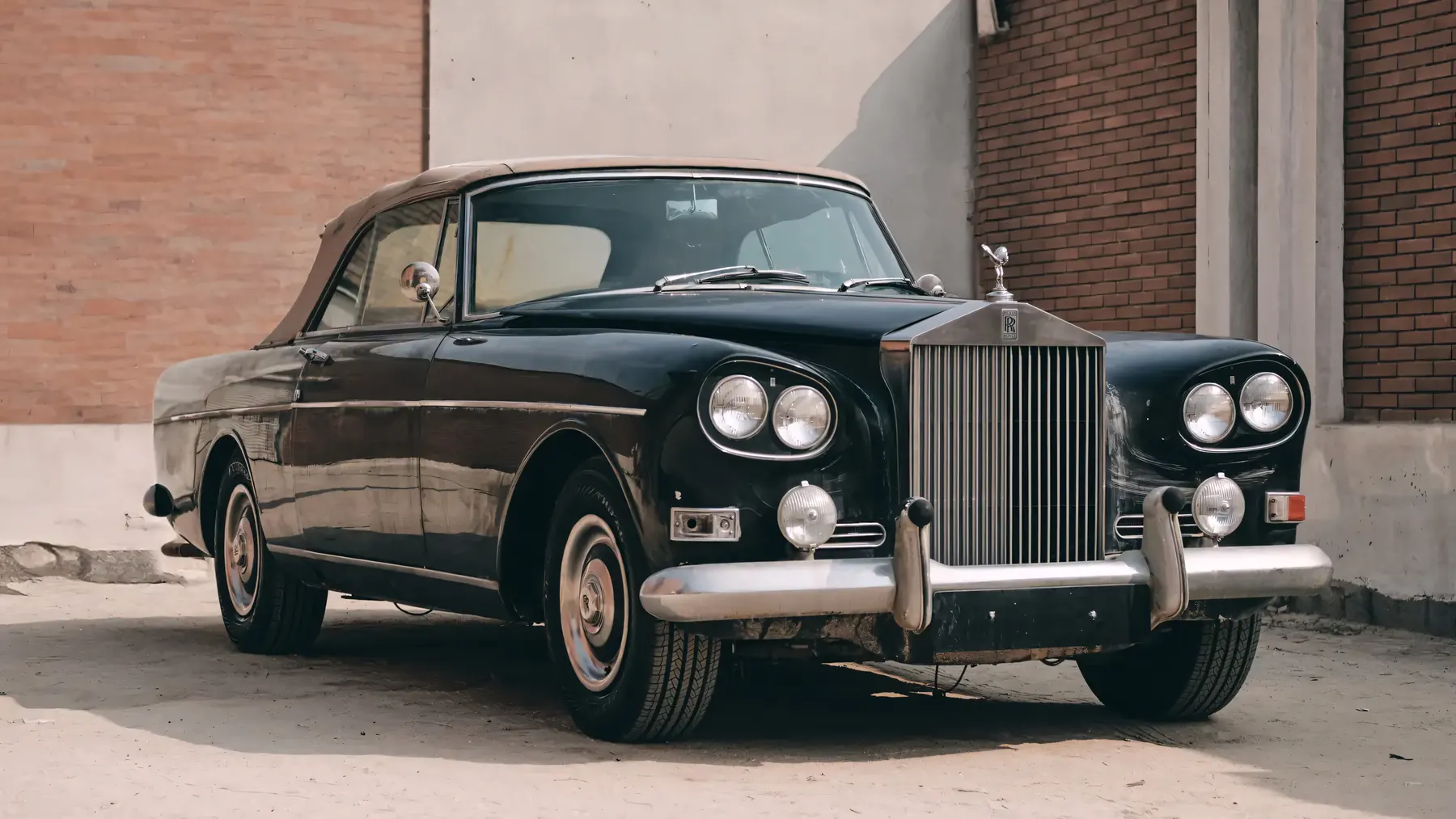
Mulliner Park Ward, formed by the merger of two legendary coachbuilders, was entrusted with crafting the Drophead Coupé variant. Their design, an evolution of the Bentley Continental S3’s styling, featured Italian-influenced details that signaled a departure from conservatism. Only 328 coachbuilt Silver Cloud IIIs were produced, with a mere 100 wearing Mulliner Park Ward’s distinctive slanted-headlight design,a rarity that underscored its exclusivity.
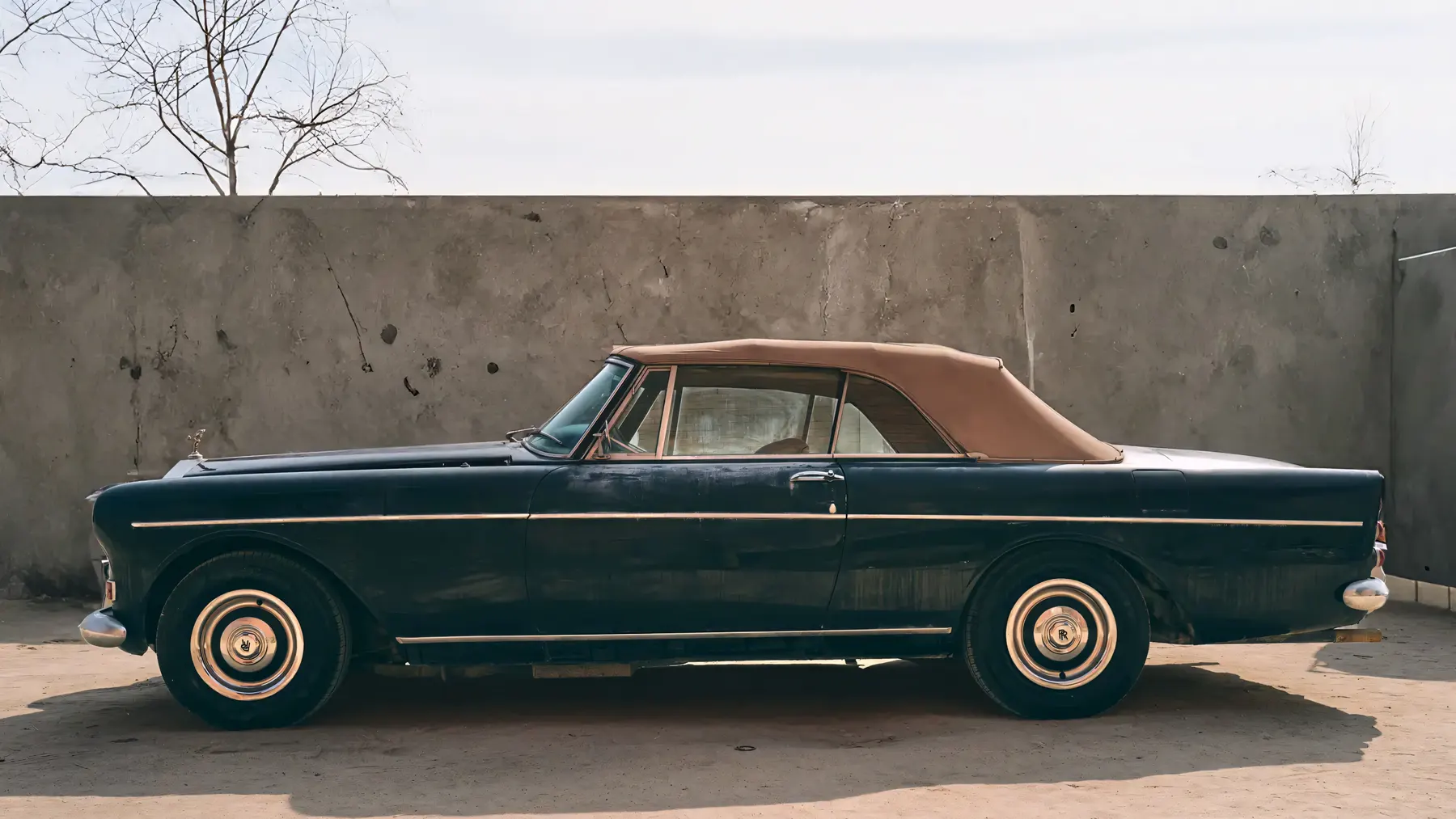
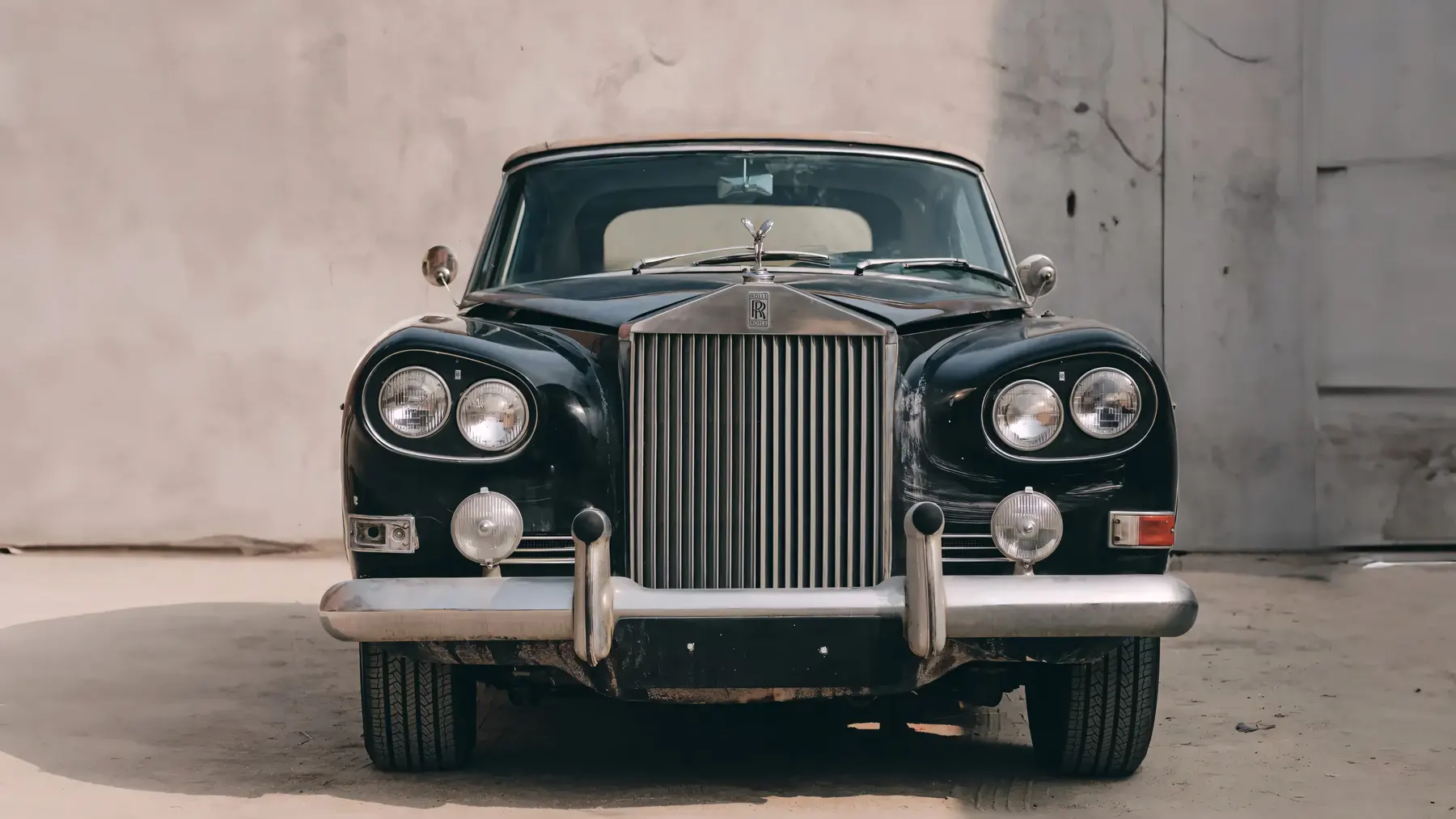
The Drophead Coupé’s aesthetic was a masterclass in balancing tradition and innovation. Its aluminum body, lighter and more corrosion-resistant than steel, featured flowing lines that began at the lowered radiator grille,reduced by 1.5 inches for a sleeker profile,and swept rearward into gently flared haunches. The signature quad headlamps, now canted at a subtle angle, echoed design trends from Italian marques like Lancia, lending a touch of continental flair. A power-operated convertible top stowed seamlessly beneath a metal tonneau cover, preserving the car’s uninterrupted silhouette.
Inside, the cabin was a sanctuary of handcrafted luxury. Sumptuous leather upholstery, sourced from Connolly, draped the seats and door panels, while burled walnut veneers adorned the dashboard and picnic tables. Mulliner Park Ward offered bespoke options, including Sundym tinted glass to mitigate glare, air conditioning for tropical climates, and even marine-grade compasses for transcontinental journeys. The dashboard itself was a marvel of ergonomic design, with a redesigned instrument cluster and a discreet “Silver Cloud III” script badge,absent on U.S.-bound models,etched in italicized chrome.
Beneath the bonnet, the 6.2-liter V8 engine redefined Rolls-Royce’s performance credentials. With a 9:1 compression ratio (optional 8:1 for markets with lower-octane fuel) and twin SU carburetors, it delivered torque-rich acceleration and a top speed nearing 115 mph,remarkable for a car weighing over 2.5 tons. The Hydramatic transmission shifted imperceptibly, while independent front suspension and semi-elliptic rear springs ensured a ride quality likened to “wafting on a cloud.”
Technical refinements abounded. A nitride-hardened crankshaft addressed durability concerns from earlier models, and wider front seats introduced in 1964 enhanced comfort. Stainless steel wheel trims replaced chrome in 1963, offering both aesthetic and practical benefits, while improved demisting systems catered to inclement weather. These updates solidified the Cloud III’s reputation as a car equally suited for spirited drives on the Autostrada or stately promenades along Park Lane.
The Drophead Coupé’s allure lay in its bespoke nature. Each example was tailored to its owner’s whims, with Mulliner Park Ward accommodating requests ranging from custom paint schemes to monogrammed toolkits. The slanted headlights, a design flourish borrowed from the Bentley Continental, became its most recognizable feature, distinguishing it from the more pedestrian Cloud III saloons. Other details, like the absence of exterior door handles (replaced by discreet buttons) and rear quarter windows that retracted fully, emphasized aerodynamic purity.
Owners often commissioned unique interior configurations. One notable example featured a rear cocktail cabinet with sterling silver decanters, while others opted for rear-seat telephones or concealed vanity mirrors. These touches transformed each car into a personal statement, a rolling extension of its owner’s identity.
Upon its debut, the Drophead Coupé was met with quiet admiration from Rolls-Royce’s clientele,industrialists, royalty, and celebrities who valued discretion. Automotive journalists praised its refined dynamics, though some questioned its relevance in an era increasingly dominated by sleeker, unit-bodied rivals. Yet the Cloud III’s craftsmanship and exclusivity insulated it from criticism; it was a car bought not for trends, but for legacy.
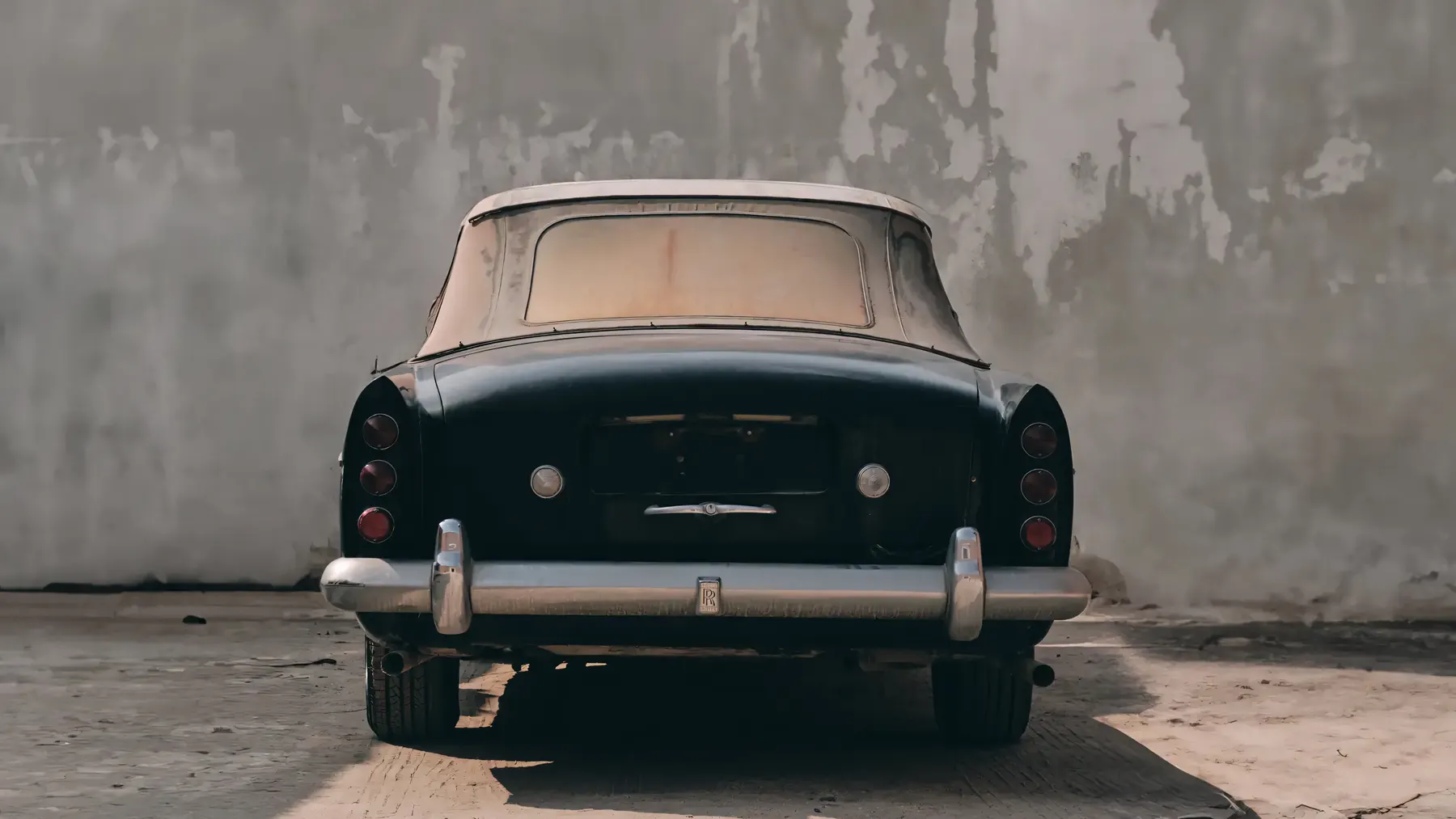
Decades later, its stature has only grown. The Drophead Coupé is now a fixture at concours d’elegance, its rarity and provenance commanding reverence. Survivors with documented histories,particularly those retaining original features like Mulliner Park Ward’s unique badging or factory-fitted accessories,fetch seven-figure sums at auction. Collectors prize it not just as a machine, but as an artifact of a bygone era when luxury was synonymous with individuality.
The Silver Cloud III Drophead Coupé marked the twilight of traditional coachbuilding. In 1966, Rolls-Royce unveiled the Silver Shadow, a radical shift to monocoque construction that rendered bespoke bodies obsolete. Yet the Cloud III’s influence endured. Its V8 engine became the foundation for future models, while its design language inspired the Corniche convertibles of the 1970s.
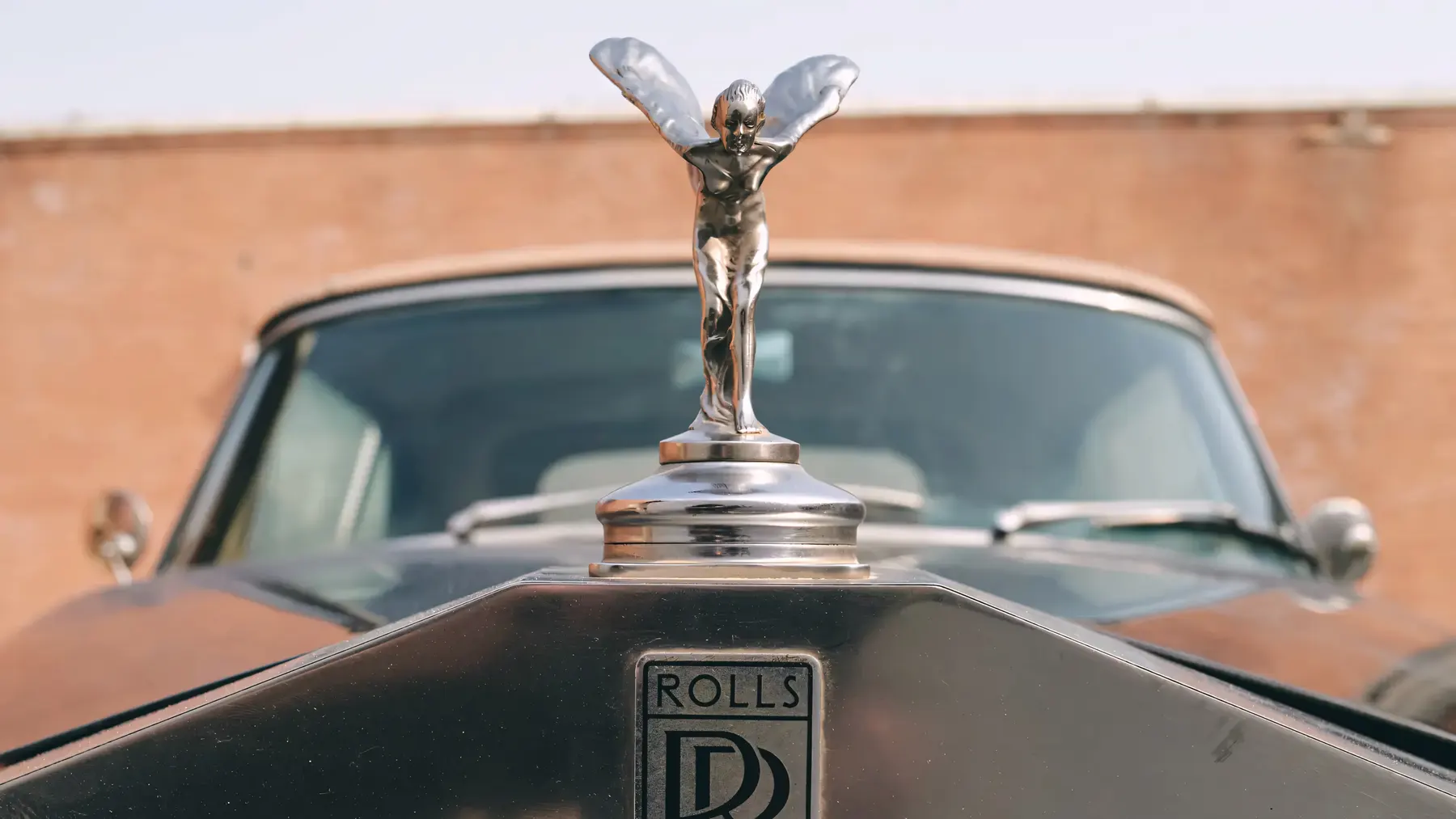
For enthusiasts, the Drophead Coupé represents the ultimate expression of postwar Rolls-Royce,a machine where artistry and engineering converged without compromise. Restorations today are labors of love, guided by meticulous build records and a reverence for authenticity. Each revived example is a tribute to Mulliner Park Ward’s craftsmanship and Rolls-Royce’s unwavering pursuit of perfection,a timeless reminder that true luxury lies not in excess, but in the pursuit of the extraordinary.
In an age of mass-produced opulence, the Silver Cloud III Drophead Coupé remains a beacon of bespoke excellence,a car that transcends time, embodying the very essence of what it means to be a Rolls-Royce.