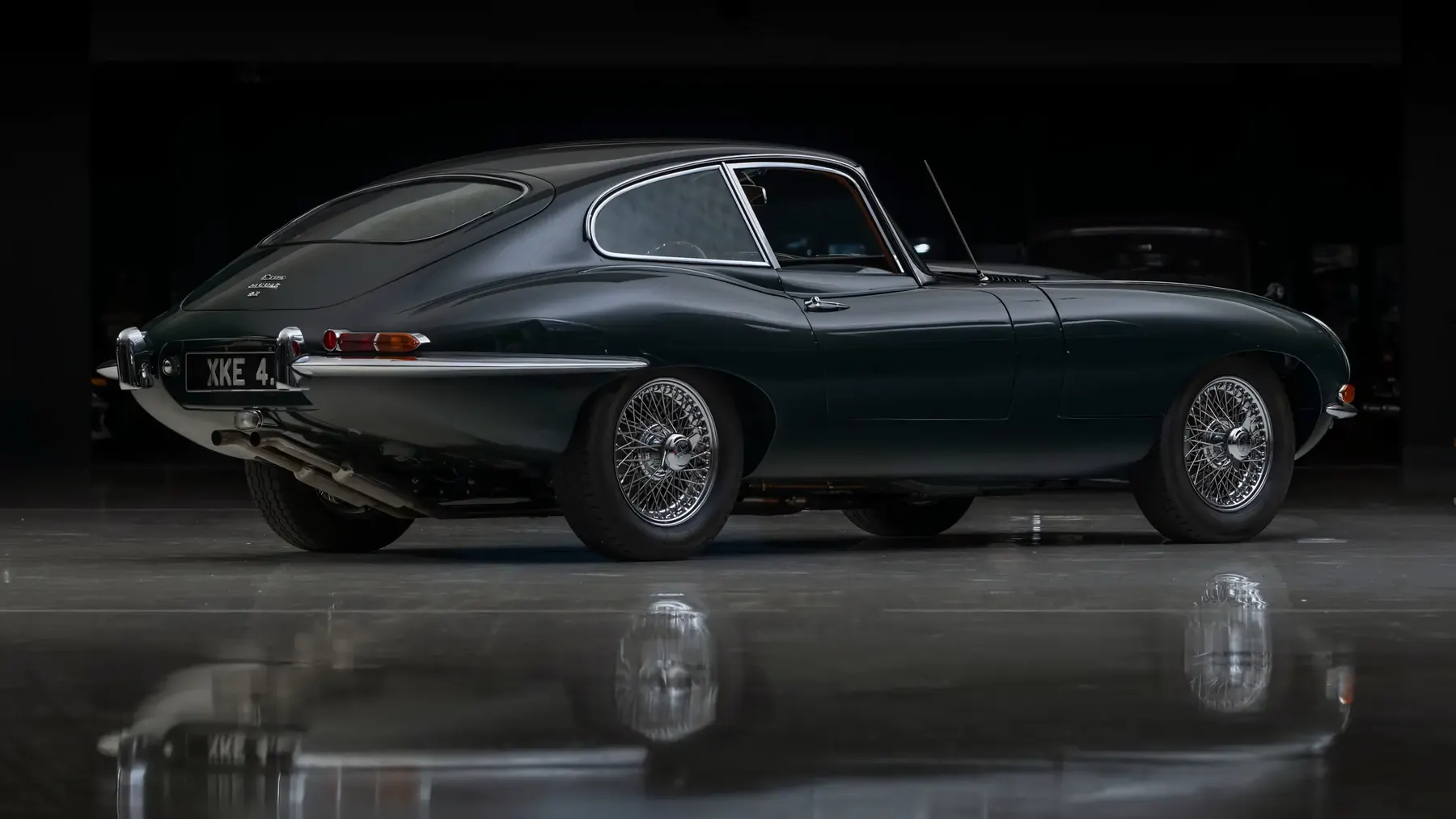
1965 Jaguar E-Type Series 1 4.2-Litre Fixed Head Coupe
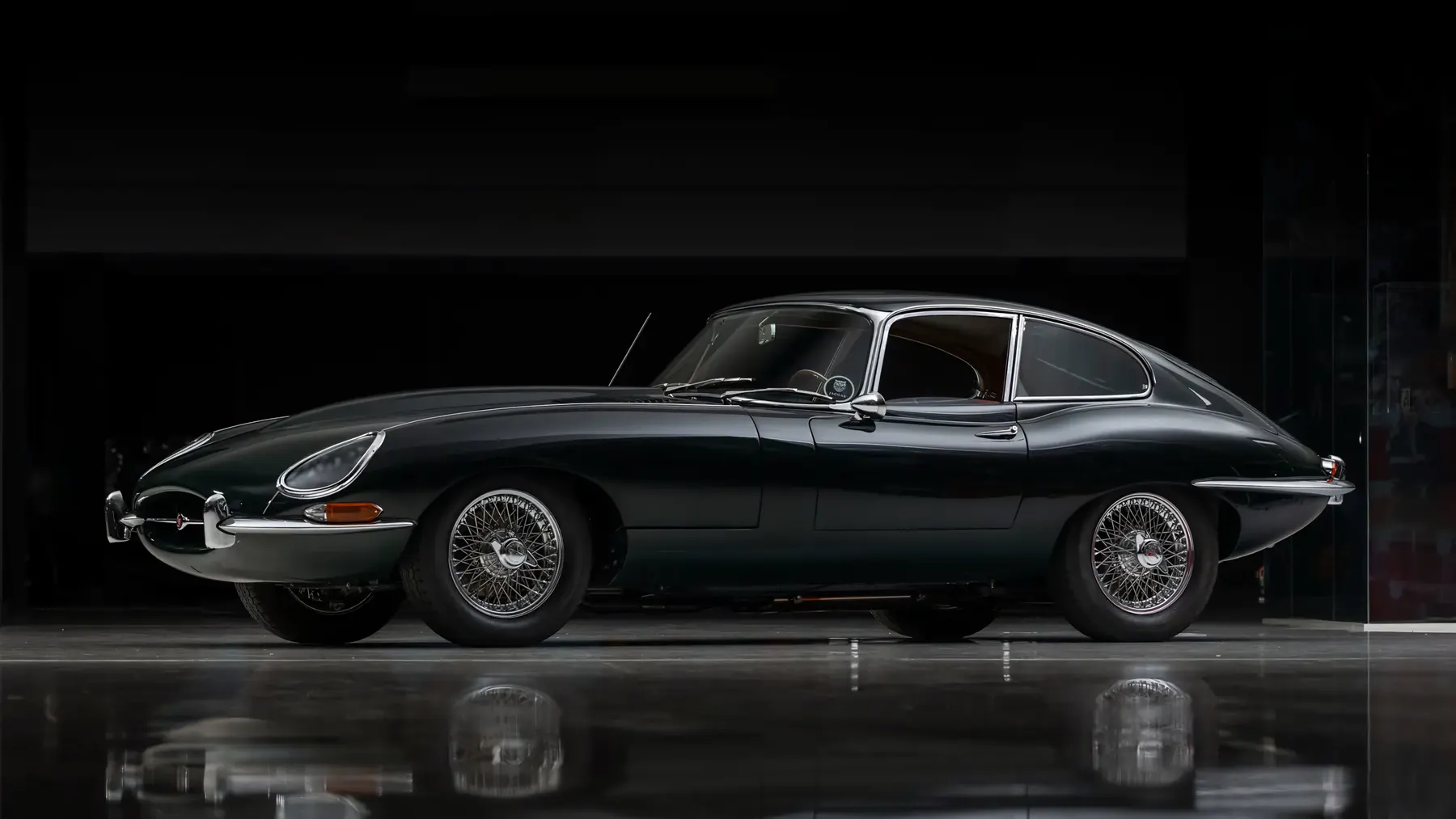
The Jaguar E-Type stands as perhaps the most significant sports car ever created, a perfect storm of engineering brilliance, breathtaking design, and racing pedigree. Among the various iterations produced during its celebrated run, the Series 1 4.2-Litre Fixed Head Coupe represents what many enthusiasts consider the sweet spot - a magnificent marriage of the original design’s purity with meaningful mechanical improvements.
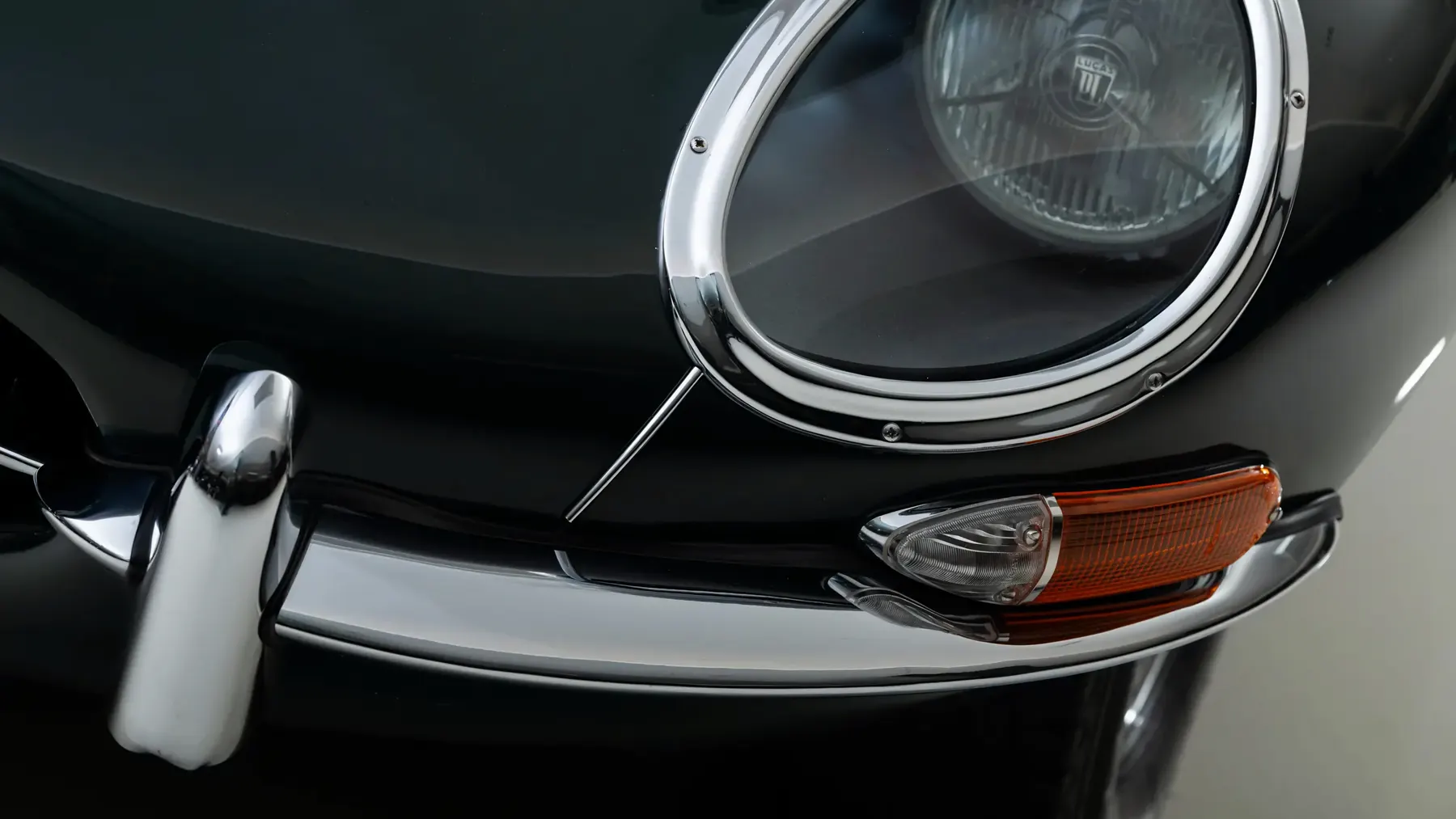
The E-Type story began in March 1961, when Jaguar unveiled what would become an automotive icon at the Geneva Motor Show. Initially equipped with a 3.8-litre straight-six engine derived from the successful XK150S, the E-Type caused an immediate sensation. Its sleek, elongated bonnet, glass-covered headlights, and perfect proportions were unlike anything the motoring world had seen.
However, it was in October 1964 that Jaguar introduced the enhanced 4.2-litre version of the Series 1, marking a significant evolution in the model’s history. This wasn’t simply an enlargement of the previous engine - Jaguar’s engineers completely redesigned the block, making it longer to accommodate 5 mm larger bores, while also modifying the crankshaft to use newer bearings.
What made the E-Type so extraordinary was its direct lineage from Jaguar’s legendary D-Type racing cars, which had dominated the 24 Hours of Le Mans with three consecutive victories from 1955-1957. This racing heritage informed every aspect of the E-Type’s design, from its innovative monocoque construction to its advanced suspension system.
Unlike most contemporary sports cars that relied on traditional ladder frames, the E-Type employed what was, for the early 1960s, revolutionary construction: a front subframe carrying the engine, front suspension and front bodywork bolted directly to the body tub. This approach, inspired by aircraft design principles, created an exceptionally rigid yet lightweight structure.
The 4.2-litre inline-six engine at the heart of this Jaguar produced 265 bhp at 5400 rpm - identical peak power to the 3.8-litre it replaced, but with significantly enhanced driveability. The real triumph was in the torque increase - a substantial 18% jump from 240 to 283 lb·ft (384 N·m). This meant better throttle response and less need to shift down gears during everyday driving.
When Autocar magazine road tested the E-Type 4.2 Fixed Head Coupé in May 1965, they recorded astonishing performance figures: a maximum speed of 153 mph (246 km/h), 0–60 mph (0–97 km/h) acceleration in 7.6 seconds, and a standing quarter mile in 15.1 seconds. Their summary spoke volumes: “In its 4.2 guise the E-Type is a fast car (the fastest we have ever tested) and offers just about the easiest way to travel quickly by road.”
The engine featured a light alloy twin-cam twelve-valve head and three twin-choke SU HD8 sidedraught carburetors, with a 9.0:1 compression ratio. Other technical improvements included a new copper cross-flow radiator with thermostatically-controlled electric fan, and an alternator replacing the earlier dynamo.
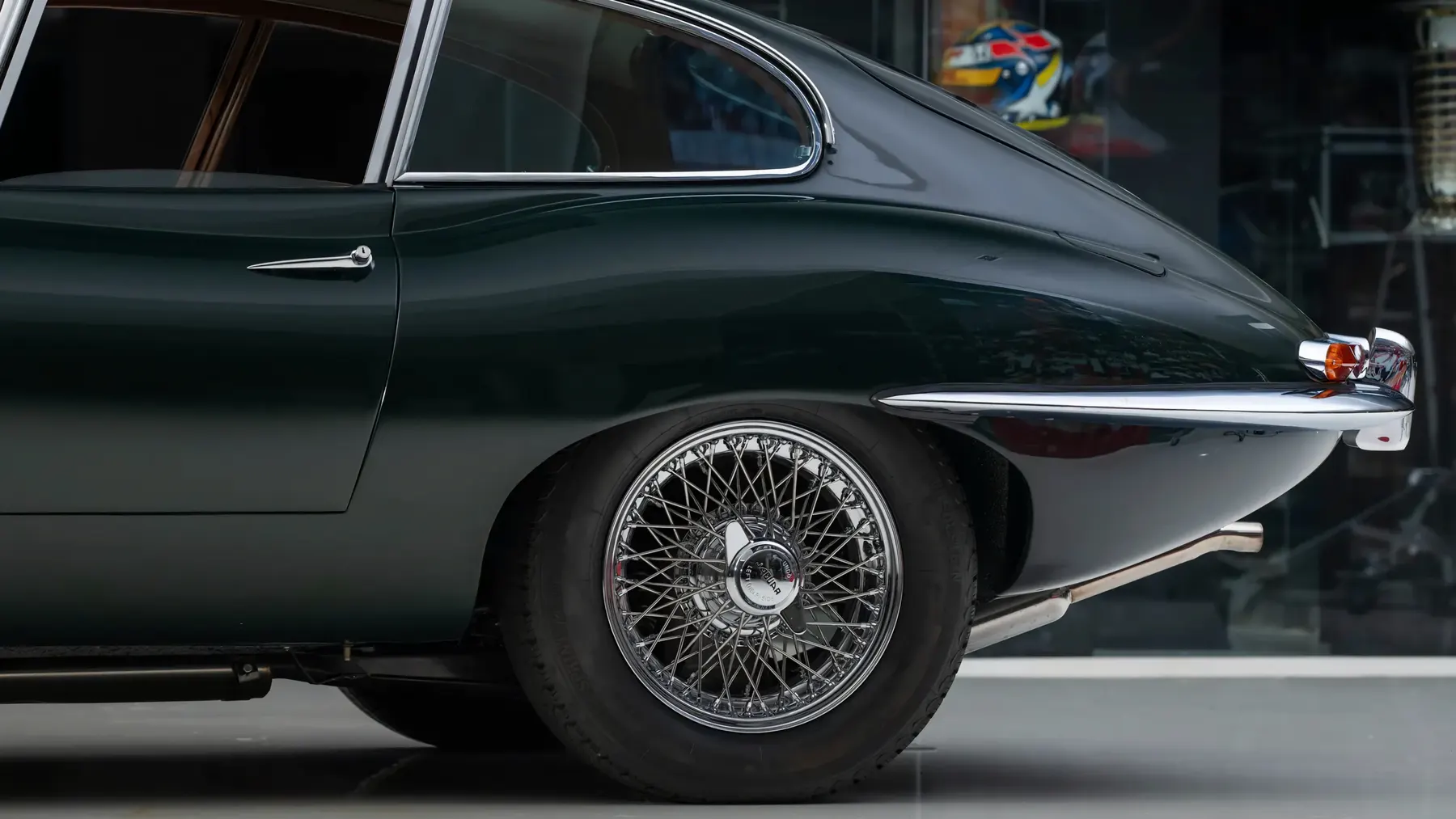
What truly set the E-Type apart from its contemporaries was its chassis technology. All models featured four-wheel disc brakes - with the rear discs mounted inboard to reduce unsprung weight - at a time when many sports cars still relied on drums. The fully independent suspension system used coil springs at the rear and torsion bars up front, providing handling capabilities far beyond most rivals.
The 4.2-litre models also benefited from Jaguar’s own all-synchromesh four-speed gearbox, a welcome improvement over the Moss four-speed in the 3.8-litre cars that lacked synchromesh on first gear. Power was delivered through a Powr-Lok limited-slip differential with a 3.07:1 rear axle ratio, optimized for high-speed touring.
The Fixed Head Coupe body style showcased Malcolm Sayer’s aerodynamic genius in its purest form. Sayer, who had designed both the C-Type and D-Type racers, used principles derived from aircraft design to create the E-Type’s impossibly beautiful shape. The long bonnet (which hinged forward as a single piece), the minimal frontal area, and the sleek tapered tail all contributed to both its stunning appearance and aerodynamic efficiency.
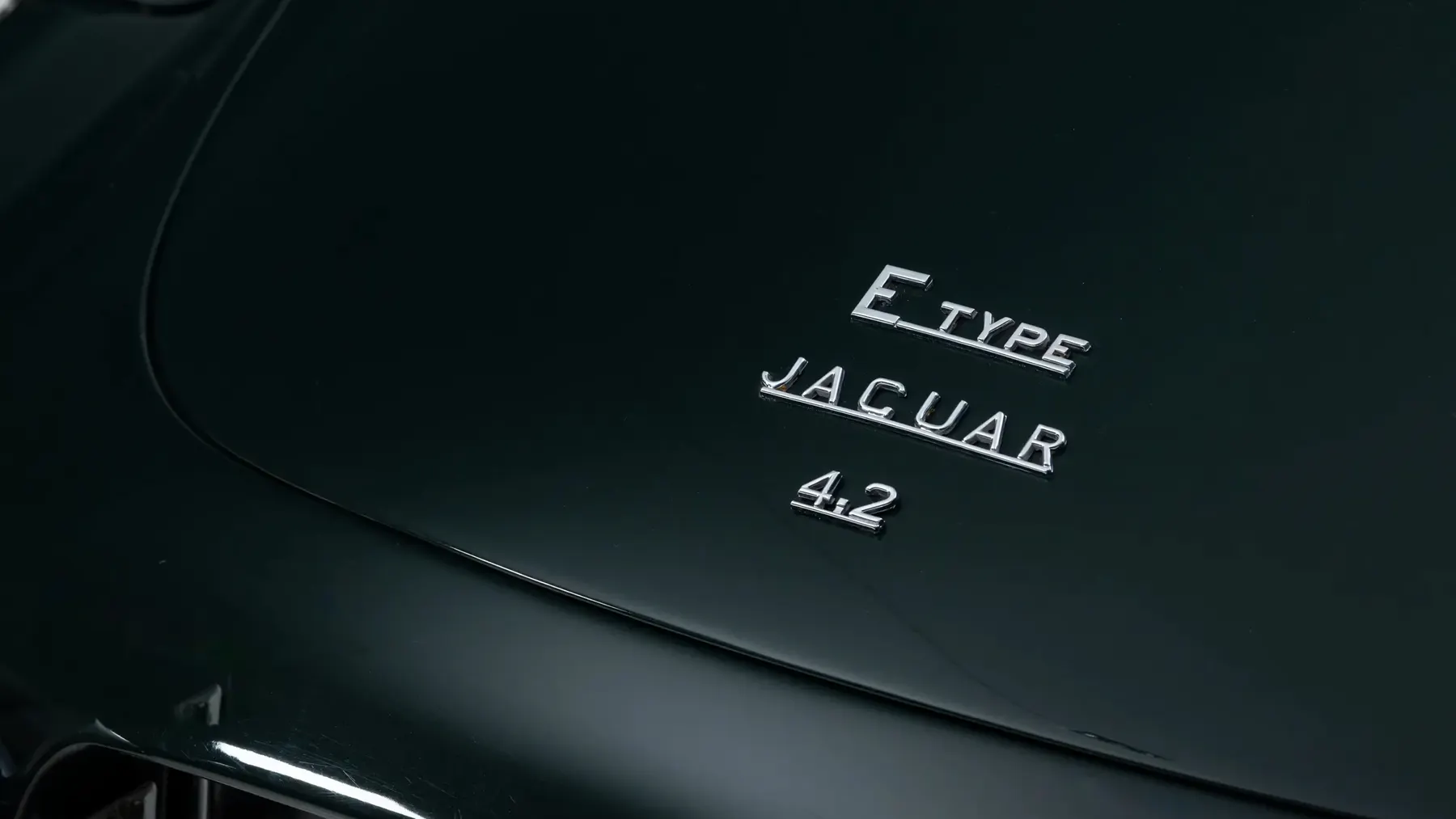
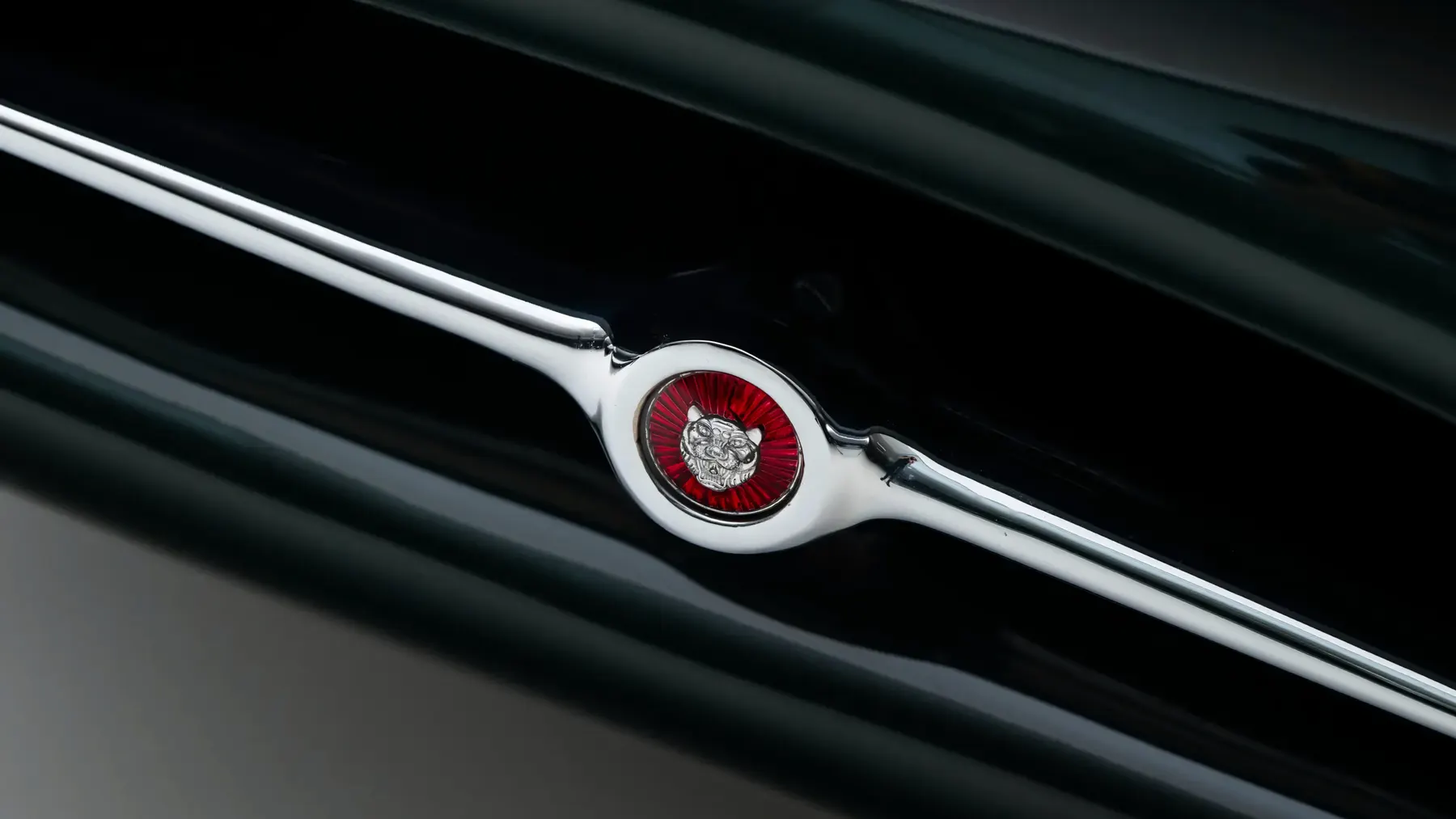
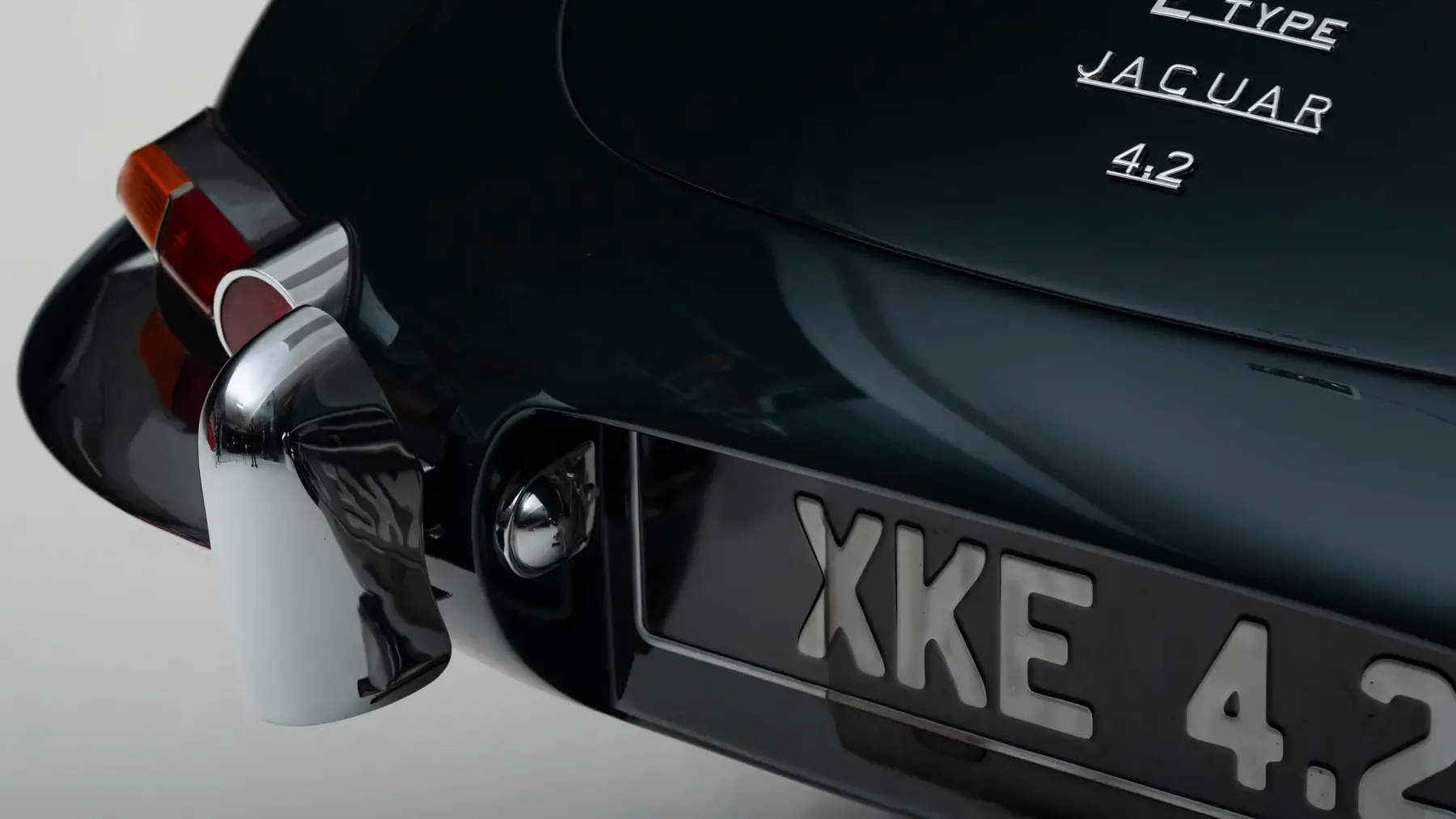
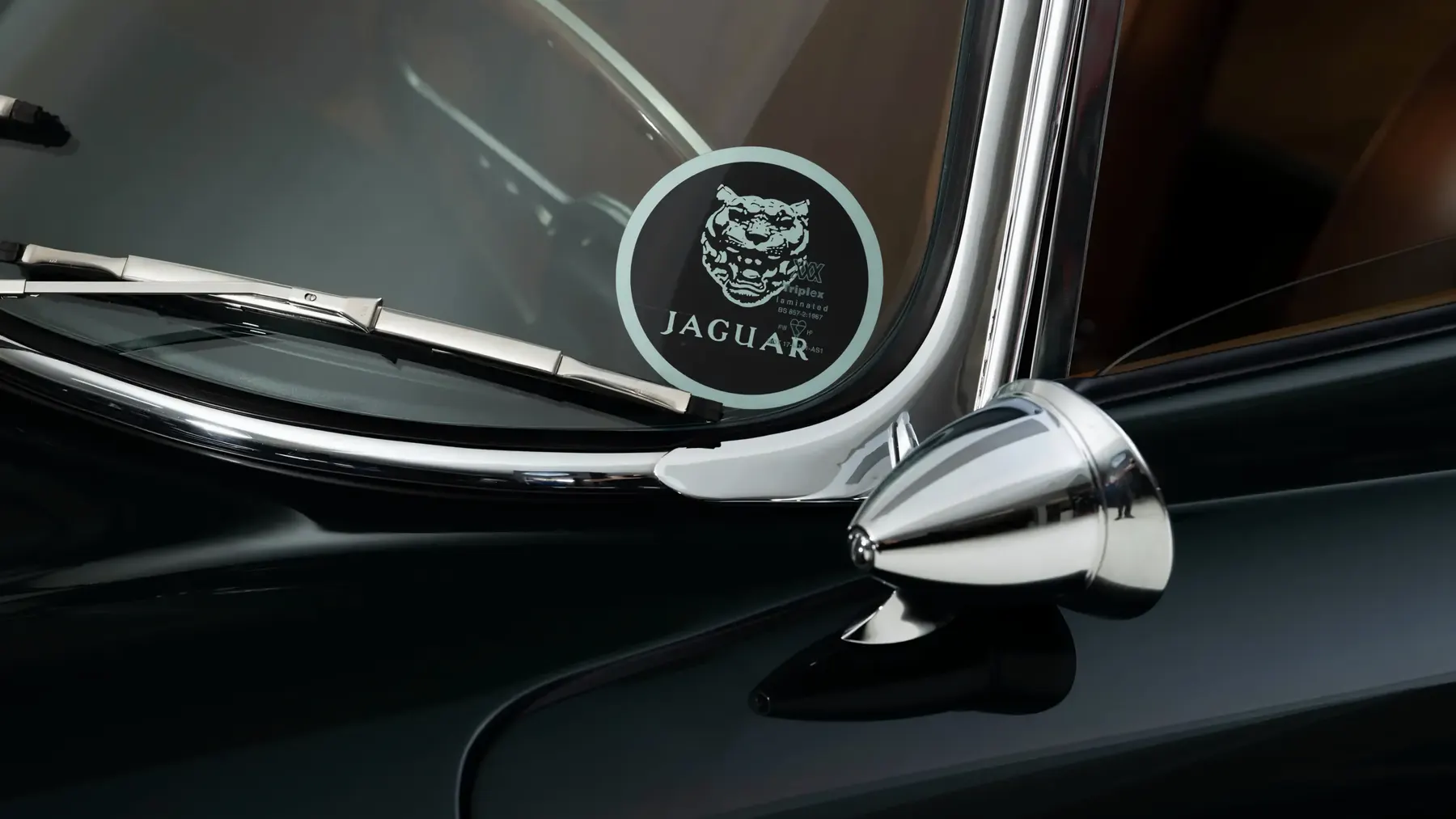
Visually, Series 1 models are distinguished by their glass-covered headlights, small “mouth” opening at the front, and signal lights and tail-lights positioned above the bumpers. The 4.2-litre version received a subtle badging update, with “Jaguar 4.2 Litre E-Type” proudly displayed on the boot lid, replacing the simple “Jaguar” badge found on 3.8 models.
The cabin of the 4.2-litre FHC received meaningful improvements over its predecessor. More comfortable reclining seats replaced the somewhat basic buckets found in the earlier cars. The steering wheel was adjustable for both height and reach - an uncommon luxury for the period. The trunk area was also now trimmed to match the rest of the upholstery, elevating the overall sense of quality.
The electrical system was completely overhauled and switched to negative earth, improving reliability and making radio installation more straightforward. The dashboard maintained its aircraft-inspired layout, with the main instruments directly ahead of the driver and auxiliary gauges positioned centrally.
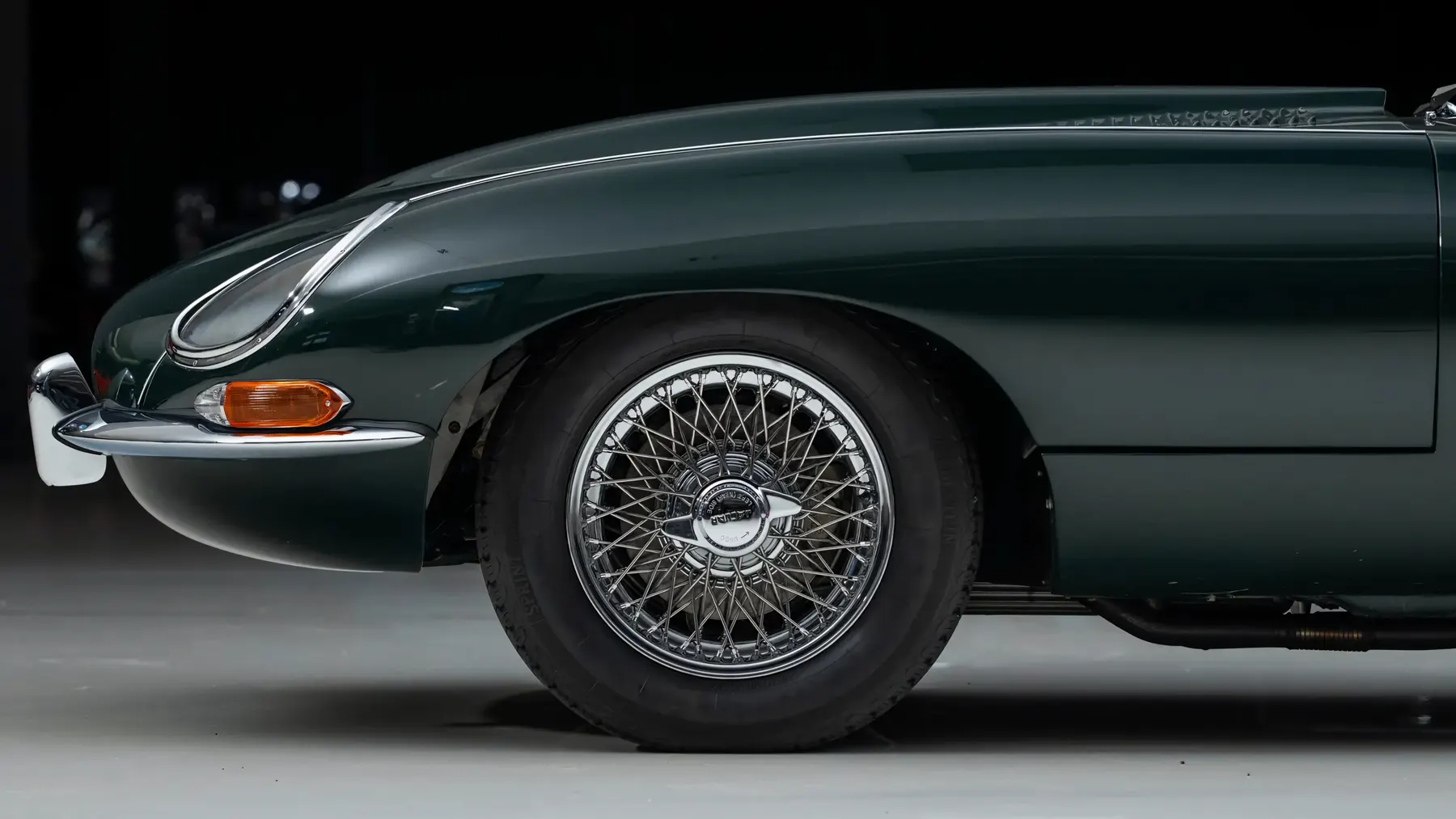
Few automobiles have achieved the universal acclaim bestowed upon the E-Type. When unveiled in 1961, it reportedly prompted Enzo Ferrari to call it “the most beautiful car ever made”. This sentiment has endured through the decades, with the E-Type consistently ranking among the most significant automotive designs in history.
In 2004, Sports Car International magazine ranked it number one on their list of Top Sports Cars of the 1960s. In 2008, it topped The Daily Telegraph’s list of the world’s “100 most beautiful cars” of all time. Perhaps most tellingly, the New York Museum of Modern Art added an E-Type to its permanent collection - one of only six automobiles to receive this distinction.
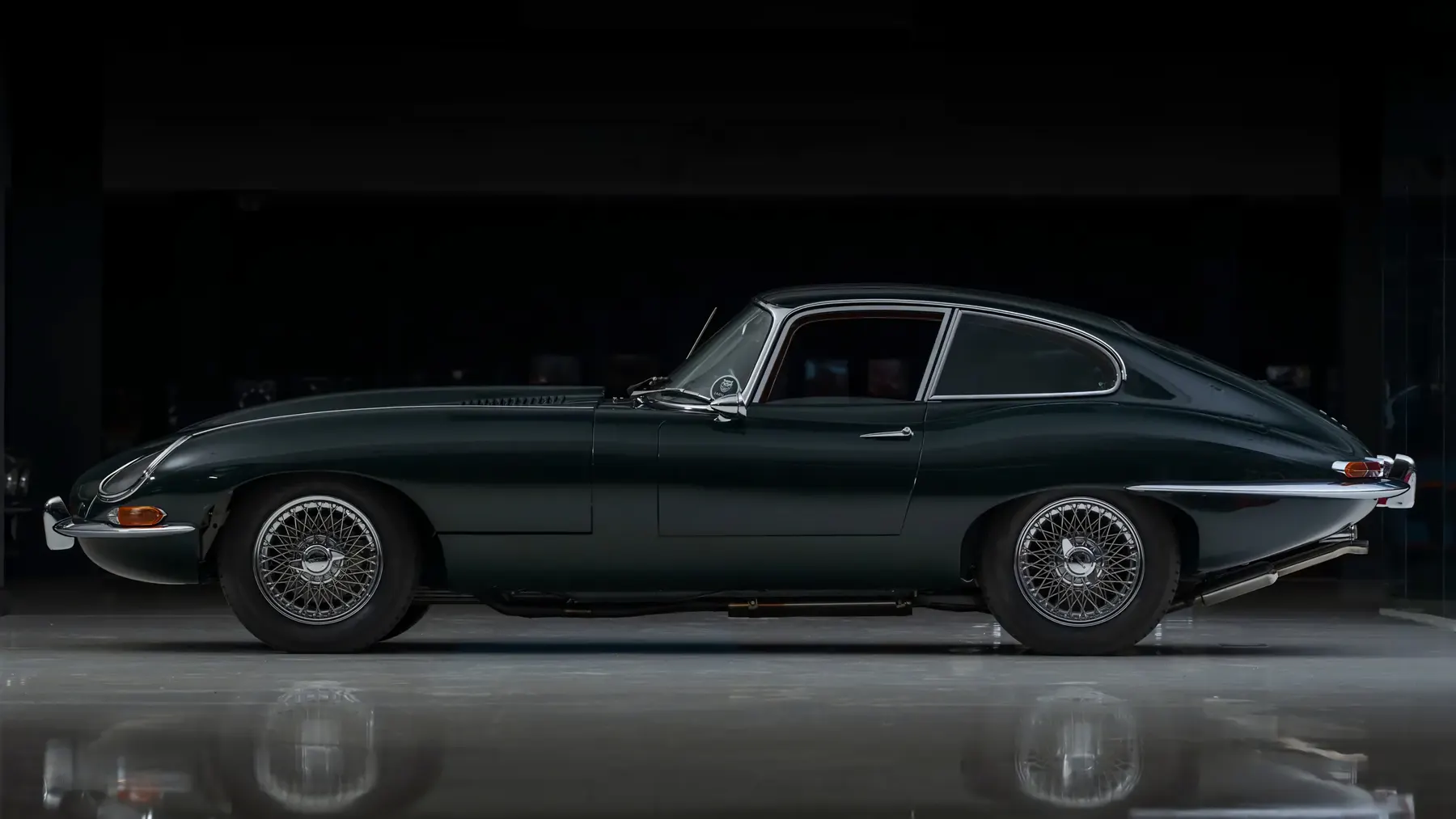
Production of the Series 1 4.2-litre FHC reached 5,830 units before giving way to the transitional “Series 1½” models in 1967. Today, these cars are highly sought by collectors, with well-preserved examples commanding impressive values that continue to appreciate.
The Jaguar E-Type Series 1 4.2-Litre Fixed Head Coupe isn’t merely a vintage sports car; it’s a rolling sculpture that encapsulates a moment when British engineering and design reached their zenith. It represents the perfect synthesis of racing technology and road car refinement, wrapped in a body so beautiful it transcends time. More than sixty years after its debut, it still has the power to quicken the pulse of anyone fortunate enough to see one in the metal - a testament to its enduring genius.