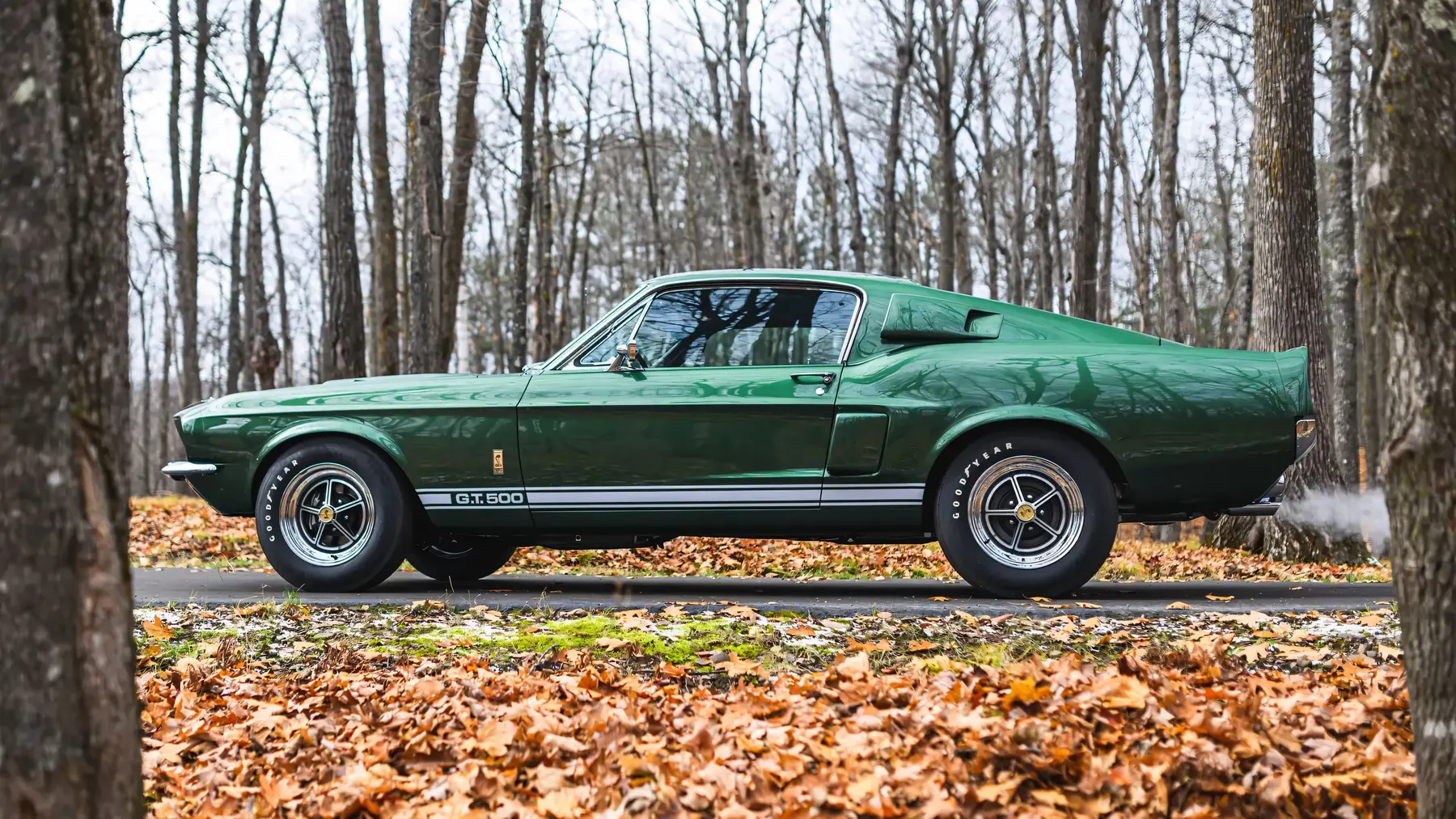
1967 Shelby GT500 Fastback
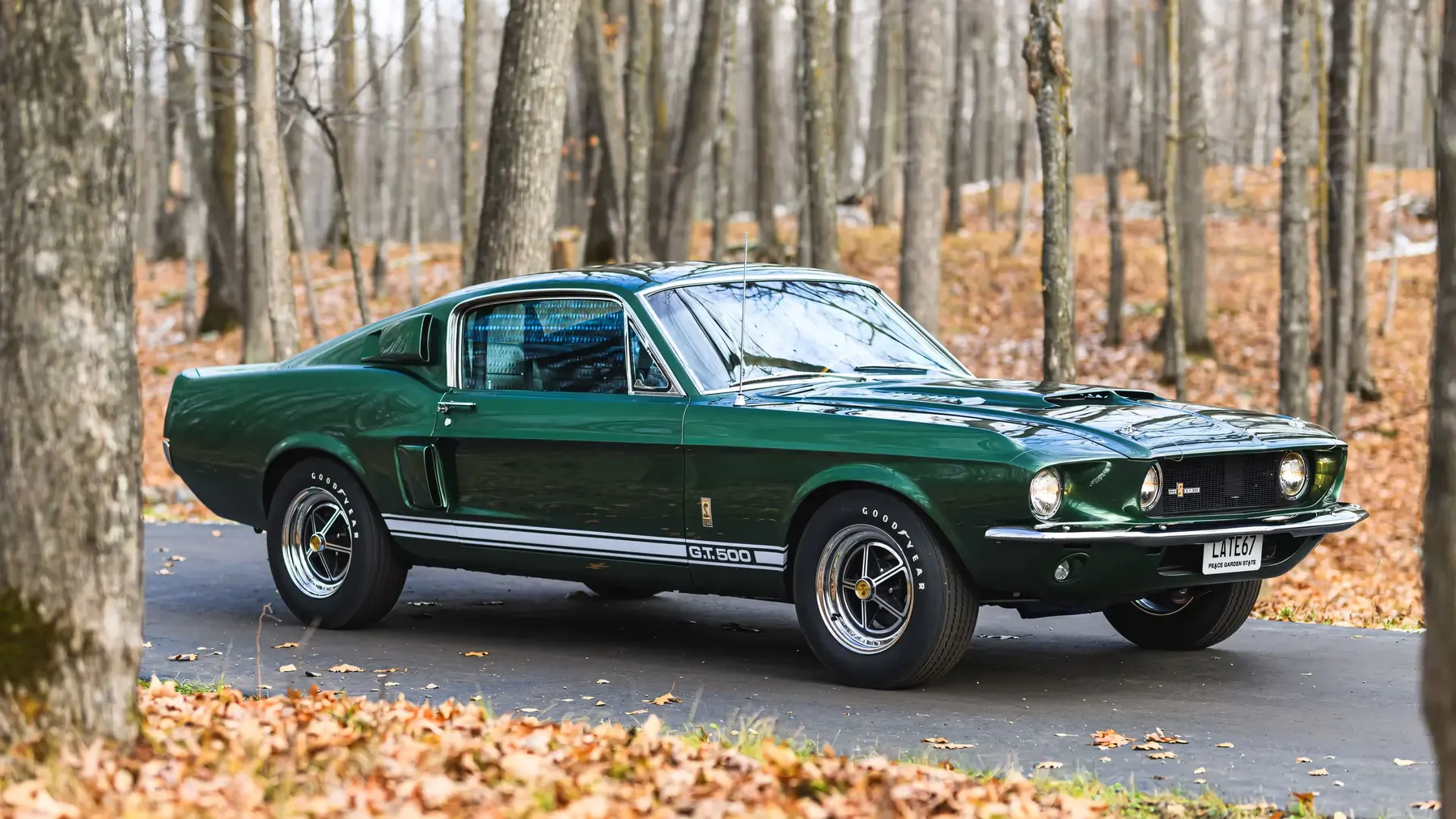
In the annals of American muscle car history, the 1967 Shelby GT500 Fastback stands out as a symbol of raw power and aggressive styling. Designed to take on the high-performance mantle of its predecessors while ushering in a new era of Shelby Mustangs, the GT500 Fastback combined Ford’s muscle with Shelby’s legendary touch. It remains a coveted classic for enthusiasts and collectors, embodying the spirit of an era when muscle cars ruled the roads and tracks alike.
The Shelby GT500 was introduced in 1967, marking the beginning of a new high-performance chapter in the Shelby Mustang lineage. The GT500 was a natural evolution from the earlier GT350, but with a significant twist: it was equipped with the potent 428 cubic-inch FE V8 engine. This engine, originally designed as a Police Interceptor power plant, was modified for Shelby’s use with an aluminium mid-rise intake manifold and twin 600 CFM Holley four-barrel carburetors. The result was a car conservatively rated at 355 horsepower, though it was widely believed to produce closer to 400 horsepower, along with a torque rating of 420 lb-ft.
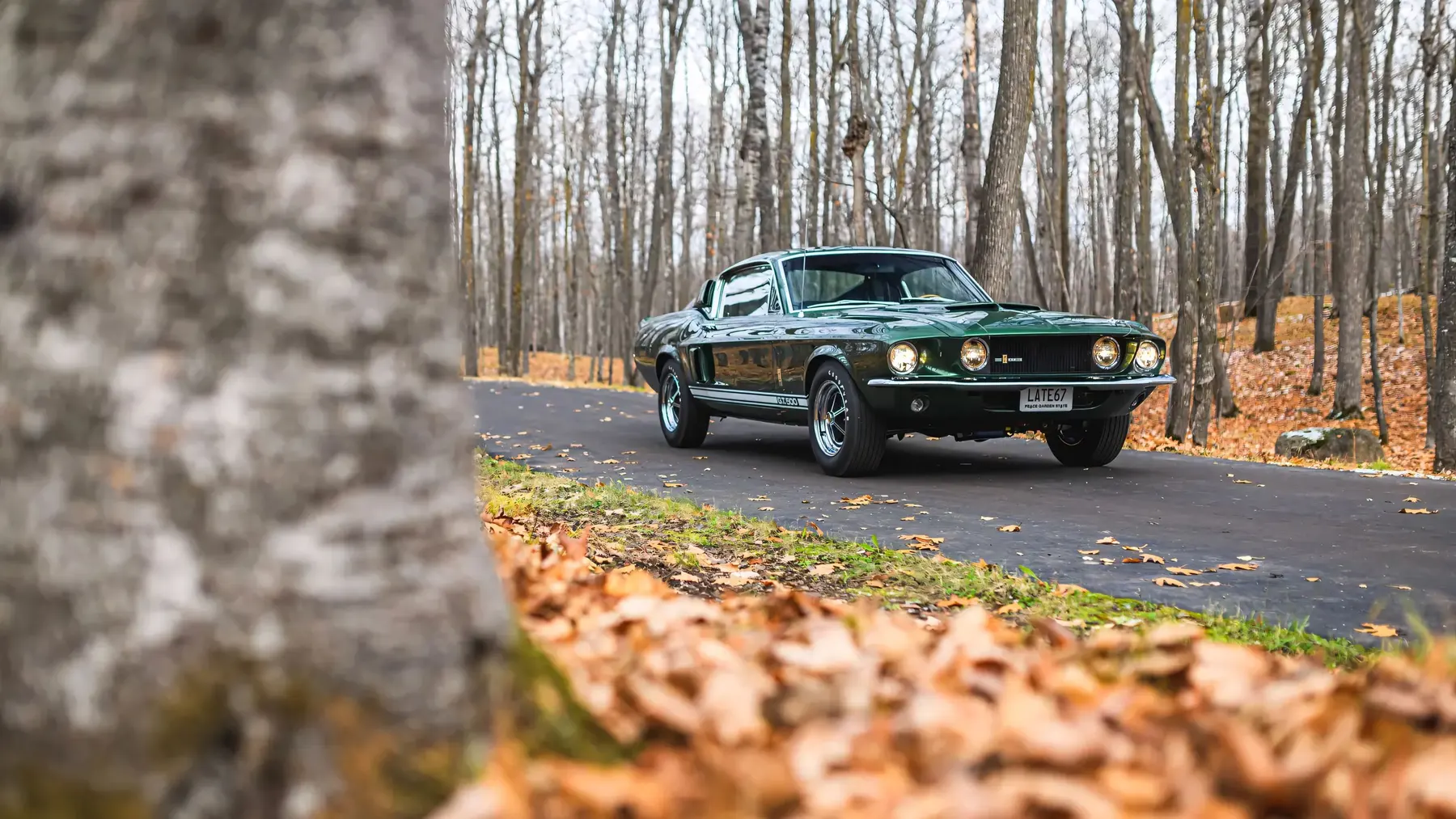
This formidable power was channelled through a robust drivetrain, including a four-speed manual transmission that helped harness the engine’s raw potential. With the capability to reach top speeds of over 150 mph, the GT500 was a formidable competitor on the track as well.
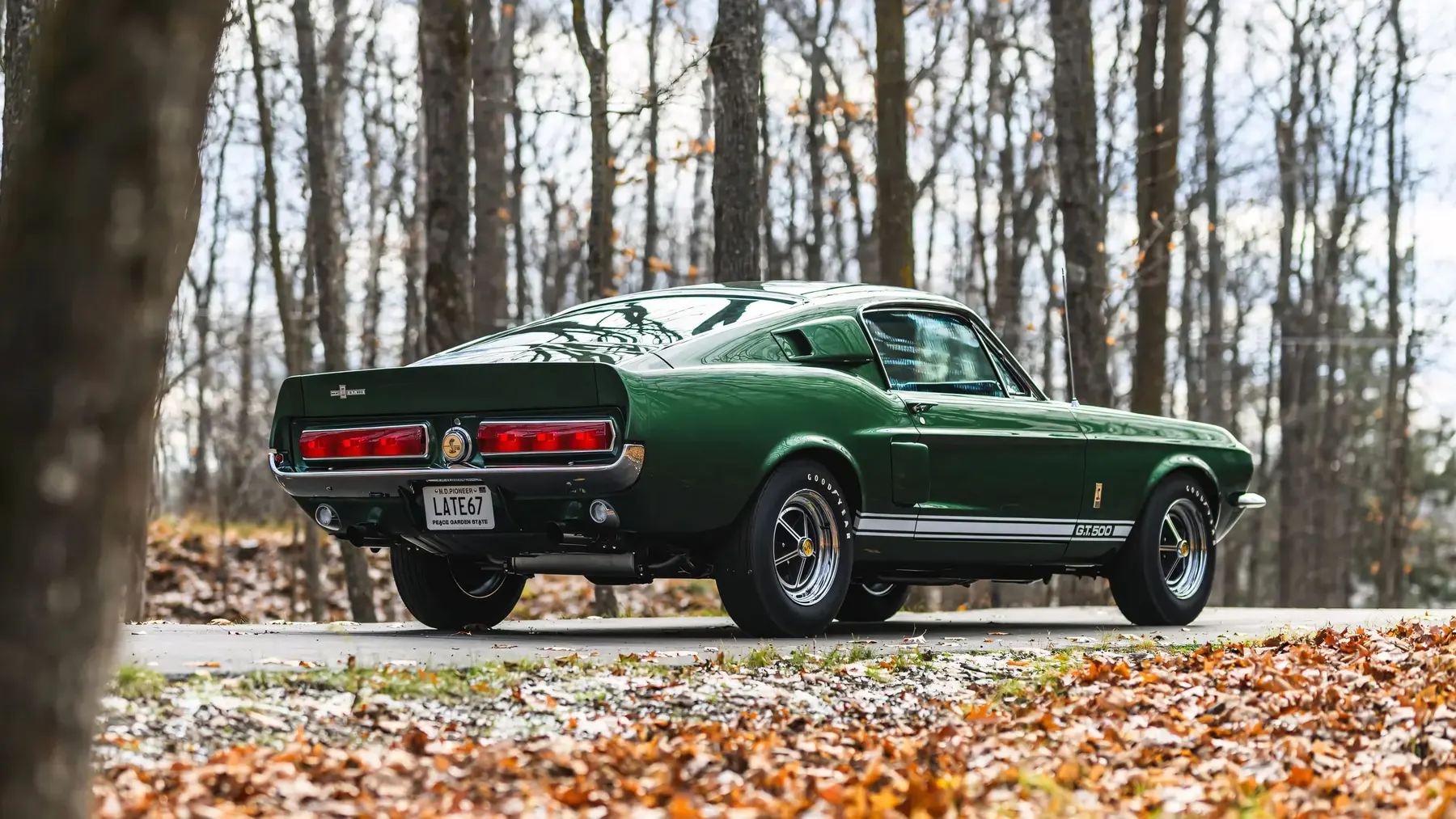
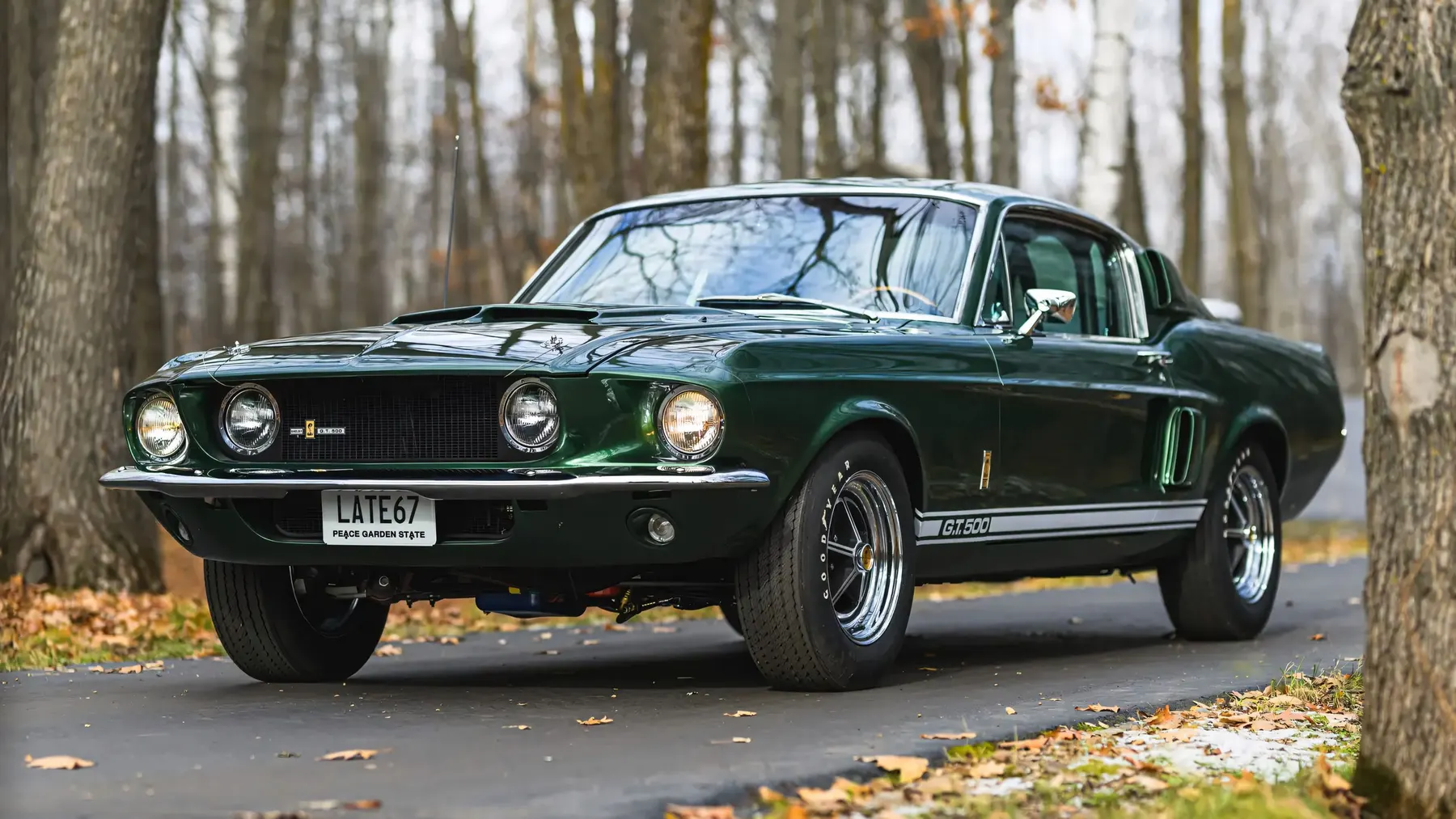
Visually, the 1967 GT500 Fastback made a bold statement. The design changes from the previous models were striking. The new front end featured a distinctive hood scoop and grille-mounted driving lights, enhancing the car’s aggressive stance. The rear of the car was just as dramatic, with functional rear-quarter scoops and an integrated rear spoiler that contributed to both its aesthetic and aerodynamic qualities.
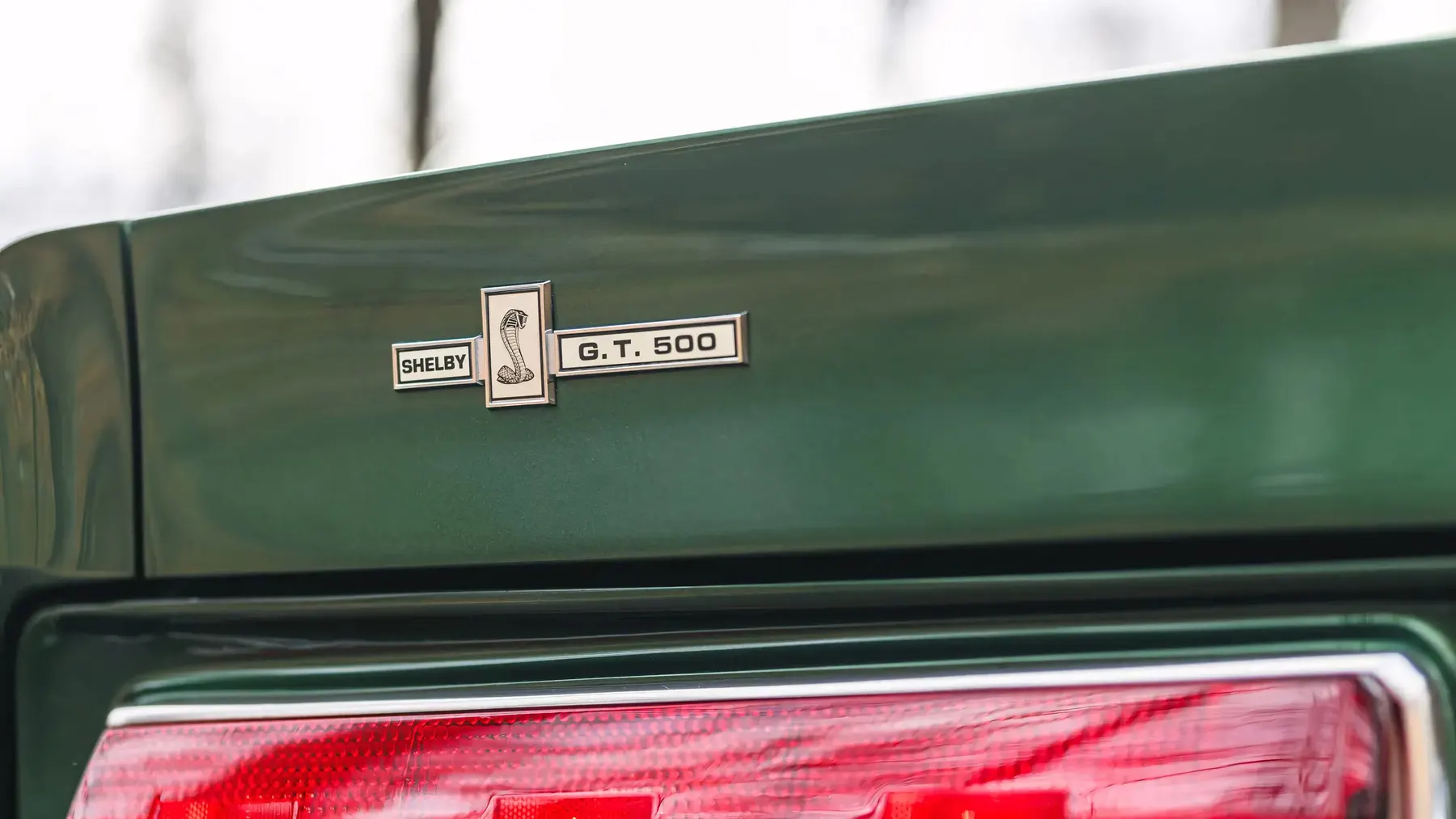
The body itself was a blend of aggressive and functional styling. The fibreglass components,such as the front-end, hood, deck lid, and side scoops,helped reduce weight while adding to the car’s racing-inspired look. The roll bar with inertia-reel shoulder harnesses further underscored the GT500’s competition credentials, combining safety with performance.
Inside, the GT500 was focused on delivering a performance-oriented driving experience. The cabin featured a set of high-quality gauges, including a 140-mph speedometer and an 8,000-rpm tachometer, to keep drivers informed of the car’s performance metrics. The Shelby logo adorned the wood-rimmed steering wheel, serving as a constant reminder of the car’s pedigree.
The 1967 Shelby GT500 Fastback was not just about straight-line speed. Its chassis and suspension were tuned to handle the increased power from the big-block engine, with features such as a front suspension with unequal-length control arms and a live rear axle with multi-leaf springs. The braking system included 11.3-inch disc brakes up front and drum brakes in the rear, providing ample stopping power for a car of its performance calibre.
In total, Shelby produced 2,048 units of the 1967 GT500. While production numbers were relatively modest, the impact of the GT500 on both the road and track was substantial. Its combination of power, styling, and engineering excellence made it an icon of the muscle car era.
The legacy of the 1967 Shelby GT500 Fastback continues to captivate automotive enthusiasts. Its powerful engine, distinctive design, and racing heritage have ensured that it remains one of the most sought-after models from the Shelby Mustang line. The car’s impact on automotive culture is a testament to Carroll Shelby’s vision and the enduring allure of American muscle cars.
As a piece of automotive history, the 1967 Shelby GT500 Fastback is a symbol of an era when performance and style converged to create something truly special. For collectors and driving enthusiasts alike, it represents the pinnacle of Shelby’s early efforts to combine raw power with distinctive design, and it continues to inspire admiration and desire decades after it first roared onto the scene.