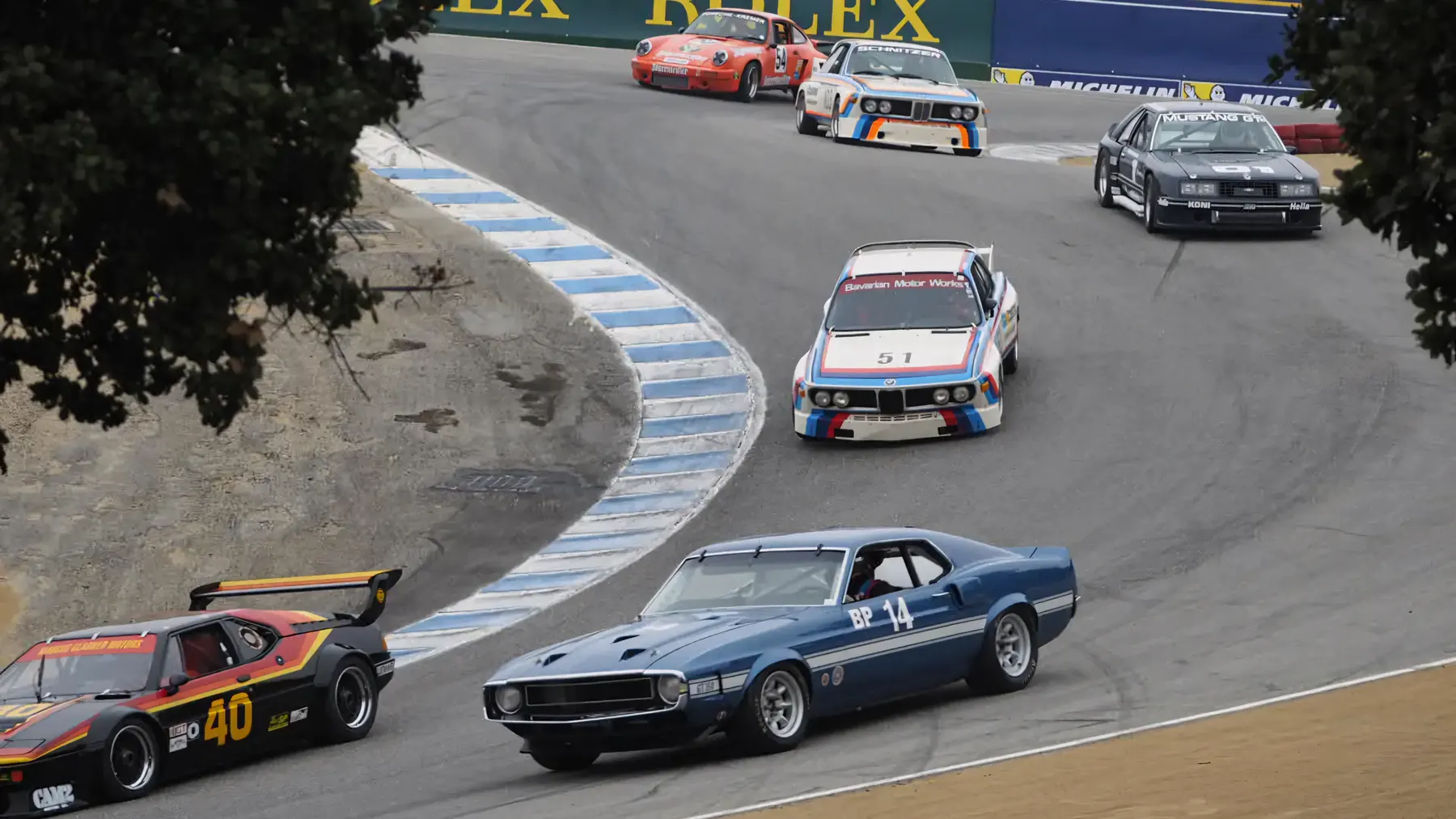
1969 Shelby GT350 'B Production' Fastback
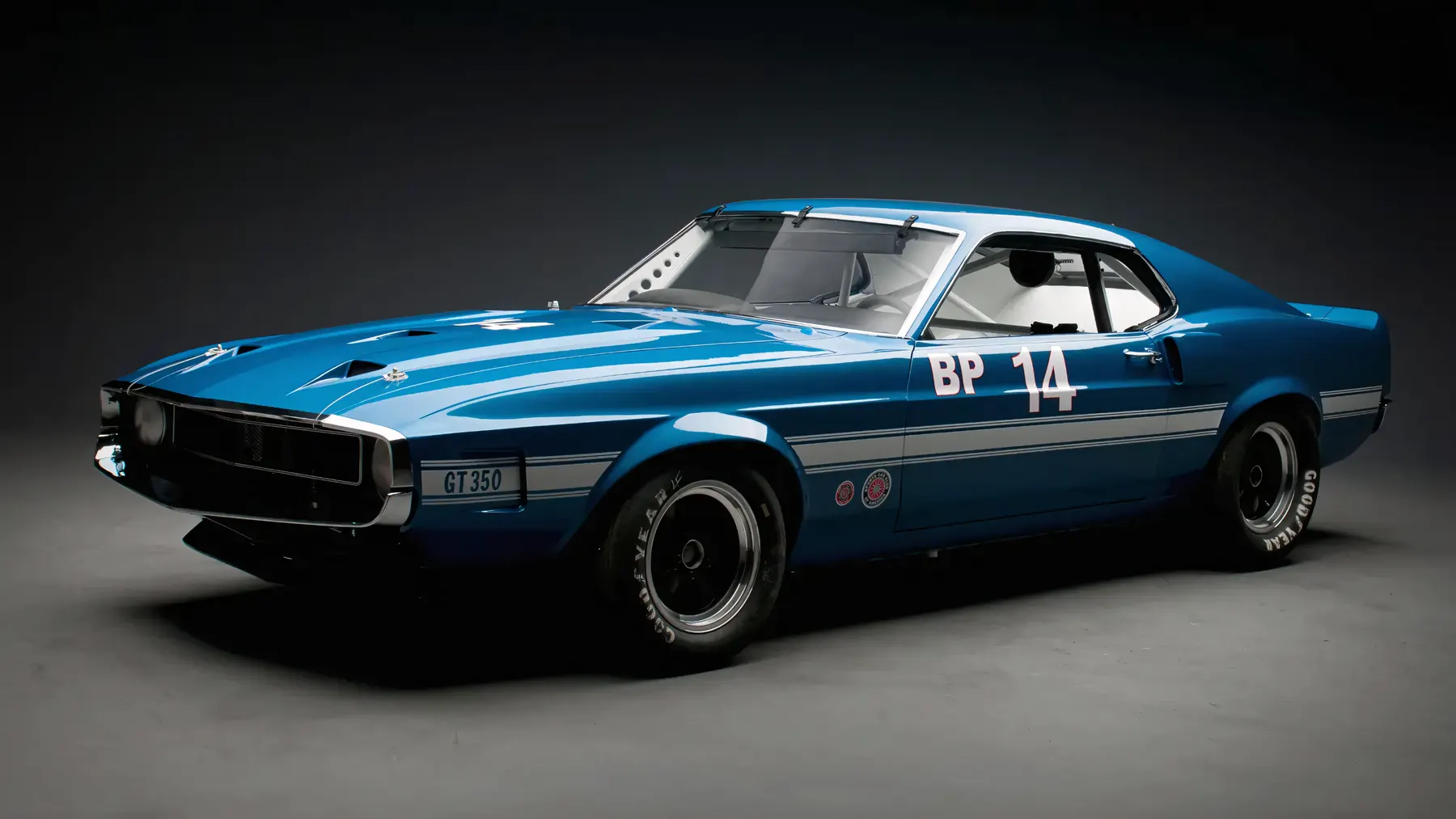
The Shelby GT350 ‘B Production’ Fastback is one of the most revered muscle cars in American automotive history, born out of Carroll Shelby’s vision to take the Ford Mustang from a popular sporty car to a serious contender on the racetrack. The GT350 was much more than a streetcar, it was an evolution of American performance that earned its stripes on the competition circuit.
Introduced in 1965, the Shelby GT350 fastback took the basic framework of Ford’s Mustang and transformed it into a high-performance machine that could dominate both road and track. Shelby, already a legend from his success with the Cobra, was tasked by Ford with turning the Mustang into a true sports car capable of winning races and challenging the European competition.
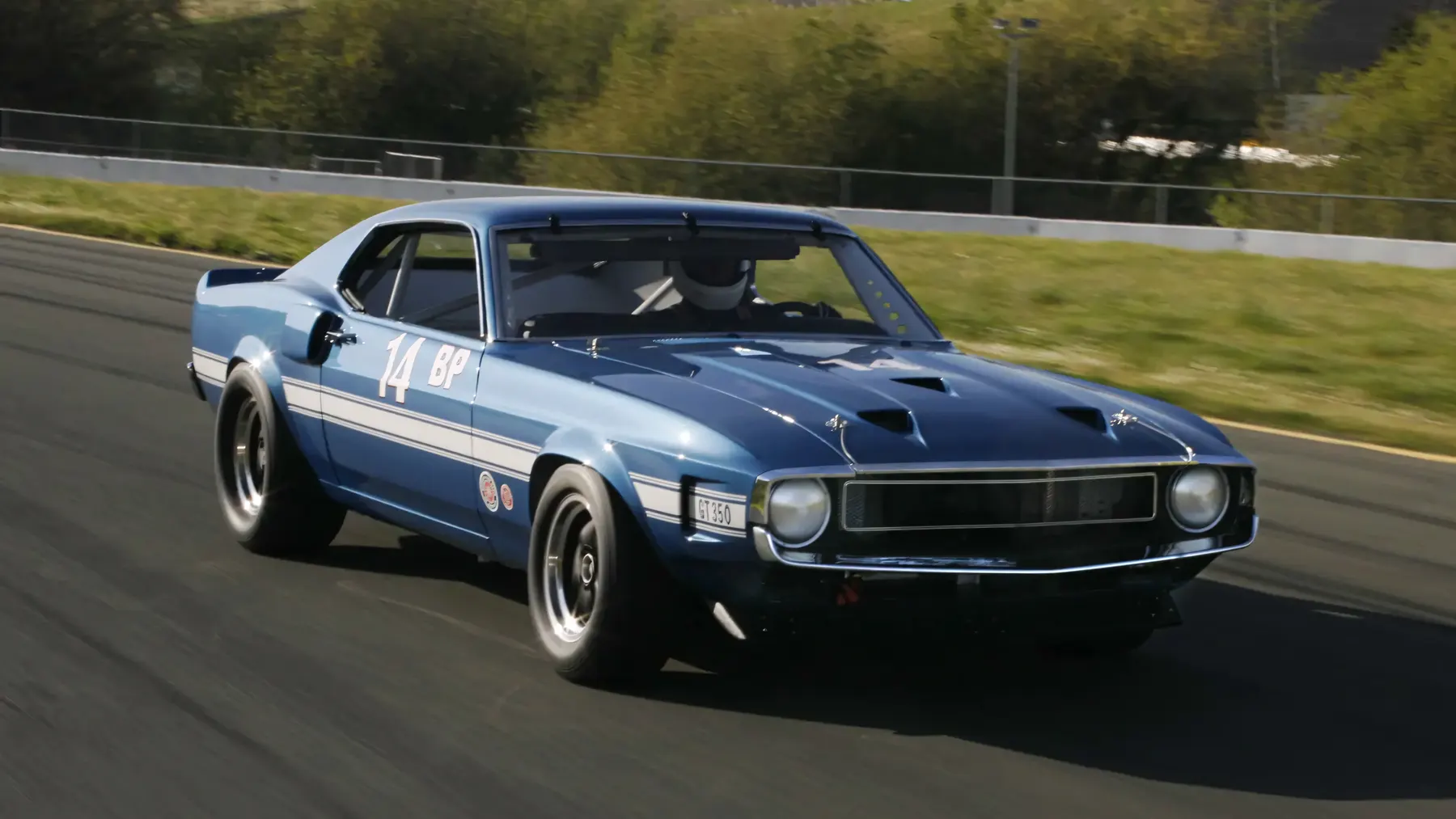
Shelby achieved this by modifying nearly every aspect of the Mustang. The heart of the GT350 was a high-revving 289-cubic inch V8 engine, producing 306 horsepower, an impressive figure for the time. Shelby’s team stiffened the suspension, added Koni shocks, and fitted the car with larger brakes to ensure that it could handle the demands of serious racing. The GT350 was also equipped with a side-exit exhaust system, fibreglass hood, and weight-saving measures throughout to enhance performance.
But perhaps the most significant aspect of the GT350 was its balance. It wasn’t just about raw power but the way the car could corner, stop, and accelerate with precision. This made the GT350 a favourite on the racetrack, especially in the SCCA’s B Production class, where it earned its racing pedigree.
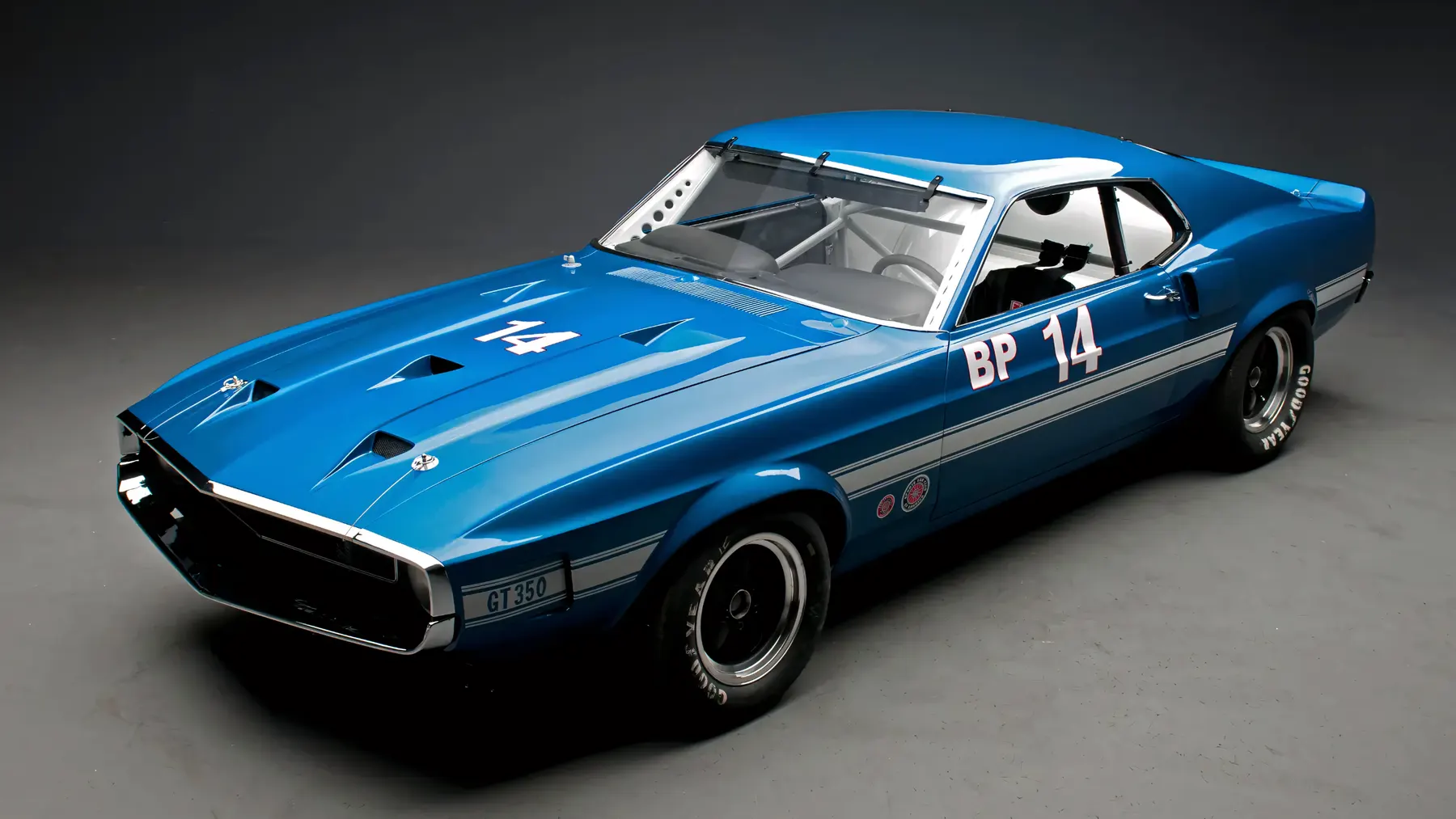
The “B Production” variant of the Shelby GT350 was designed specifically to meet the requirements of the Sports Car Club of America (SCCA) racing series. Classified under B Production, the GT350 competed against cars like the Corvette Stingray and Jaguar E-Type, serious sports cars known for their track prowess.
The GT350 quickly established itself as a force to be reckoned with. In 1965, driver Jerry Titus won the B Production championship behind the wheel of a GT350, proving Shelby’s vision for the Mustang as a performance car was more than just marketing hype. The success of the GT350 on the racetrack not only boosted its reputation but also solidified the Shelby name as one synonymous with racing excellence.
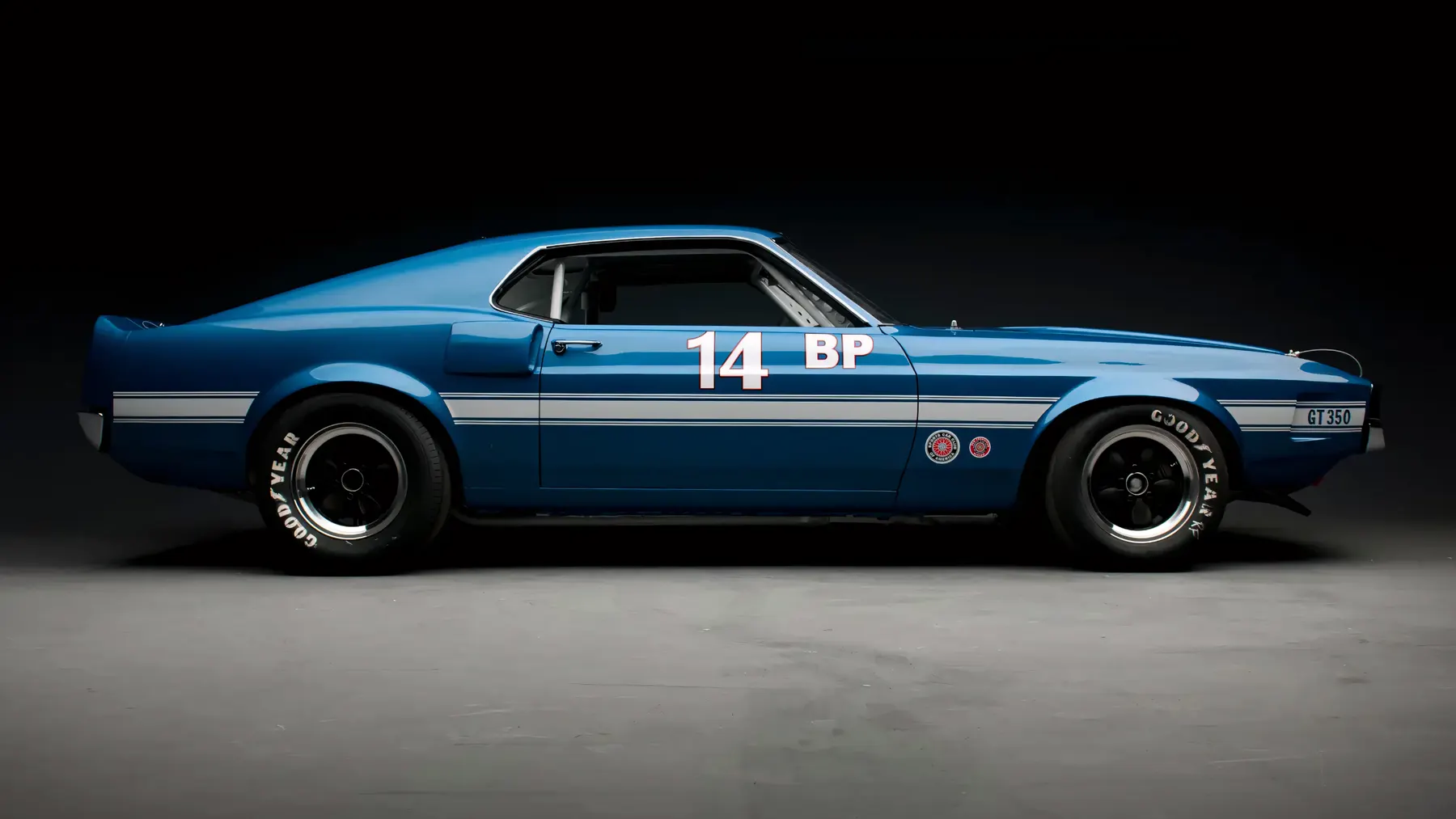
The modifications made to the ‘B Production’ GT350s included revised suspension geometry for better cornering, a racing-spec roll bar, and a stripped-out interior with racing seats to reduce weight. These track-focused versions of the GT350 were purpose-built to win races, and they did just that, dominating the B Production class for several years.
Although the Shelby GT350 evolved throughout its production years from 1965 to 1970, with the later models receiving larger engines and more extensive modifications, it was the early ‘B Production’ GT350 that truly captured the essence of what Carroll Shelby set out to achieve: transforming an affordable American pony car into a world-class racer.
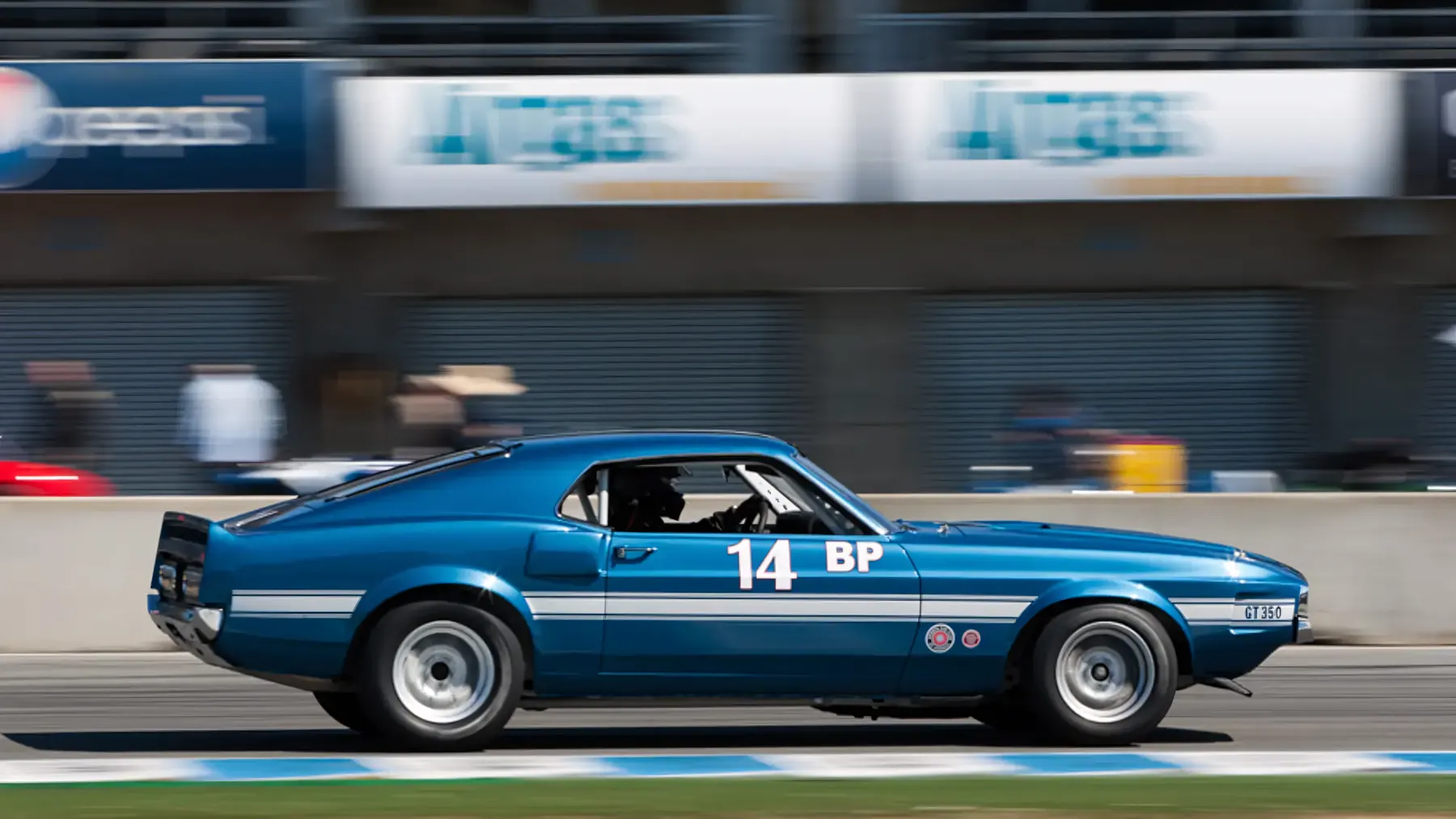
The 1969 and 1970 GT350 models, while still impressive, had evolved into more of a grand touring car, losing some of the raw racing edge that defined the original models. By this time, Ford had taken over much of the design and engineering work, and Shelby’s involvement had lessened significantly. Still, the GT350 remained a potent performance car, now powered by a 351-cubic inch V8.
The ‘B Production’ Fastback, however, remains a high point in the Shelby Mustang lineage. It represents a moment in time when American manufacturers were willing to push boundaries, and enthusiasts were eager for powerful, capable cars that could hold their own against the world’s best.
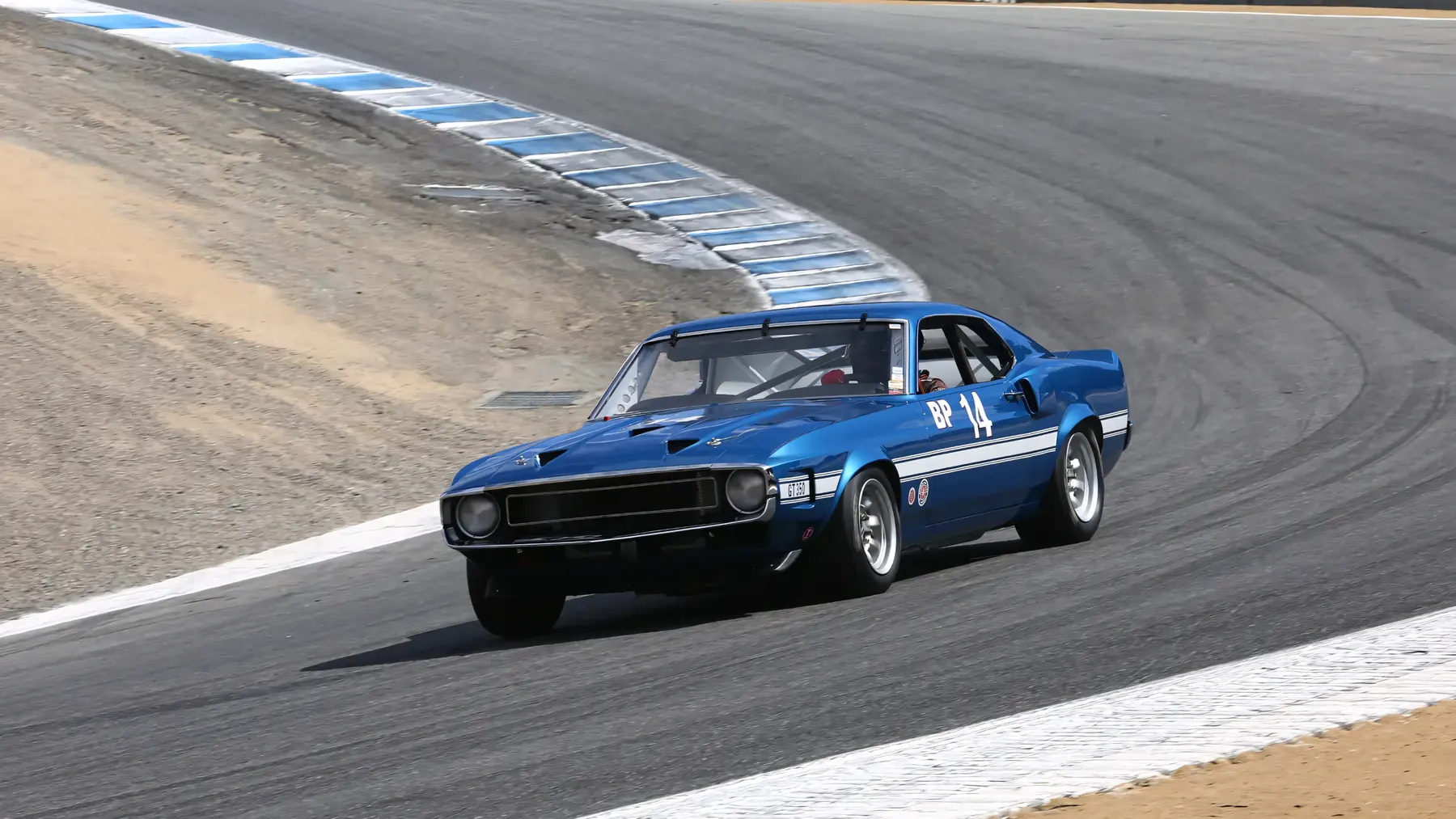
The Shelby GT350 ‘B Production’ Fastback is a symbol of American ingenuity and performance. Carroll Shelby’s transformation of the Ford Mustang into a racing powerhouse changed the landscape of American motorsports and created a legacy that continues to inspire car enthusiasts and racers to this day. Whether it was on the streets or on the racetrack, the GT350 exemplified the spirit of performance and innovation that Shelby brought to every project.
Even today, the Shelby GT350 remains an icon, a car that represents the very best of American muscle and a time when performance was king. Its presence in the B Production class may have only lasted for a few short years, but its impact on American racing and car culture will be felt for generations.