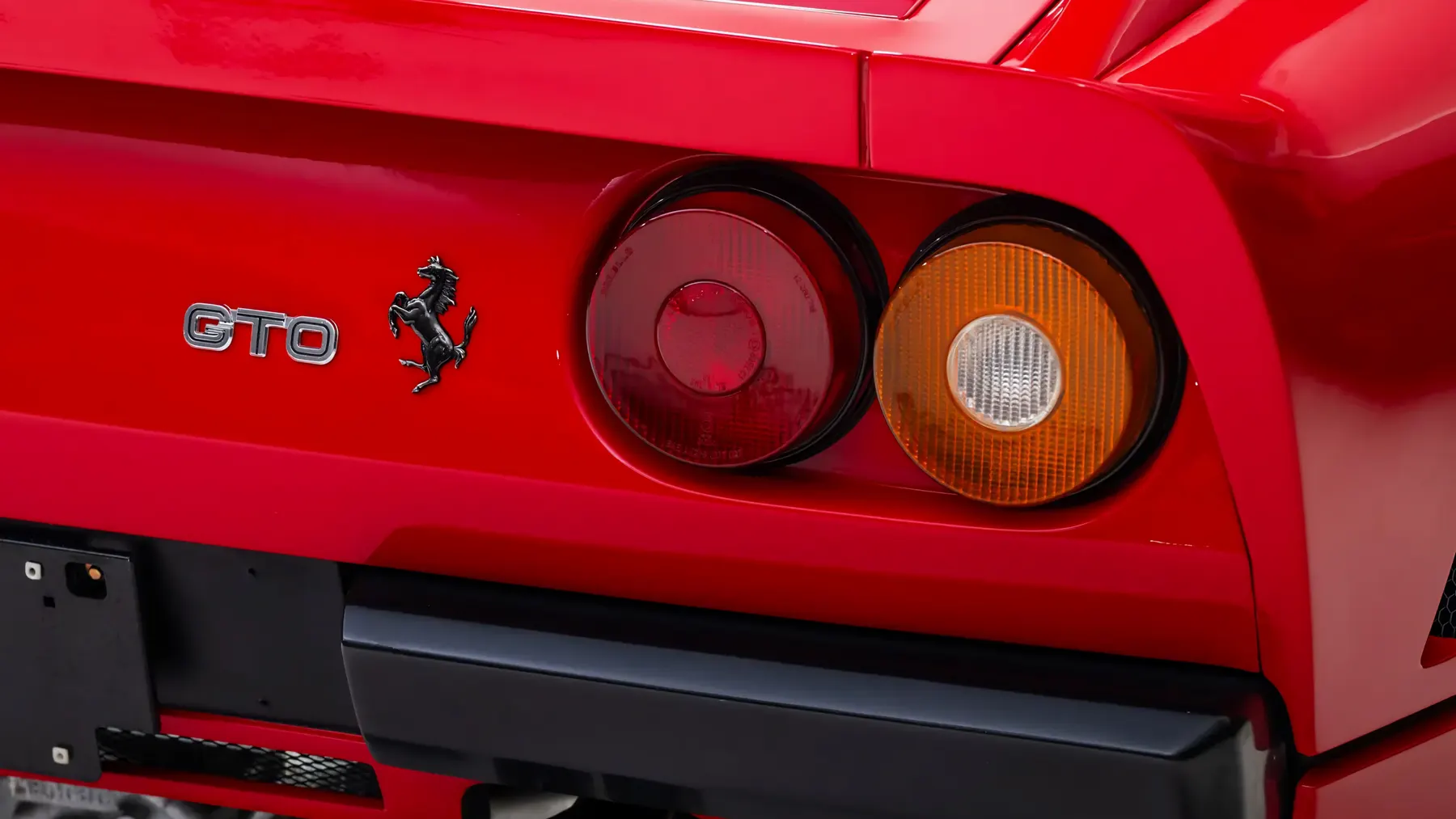
1985 Ferrari 288 GTO
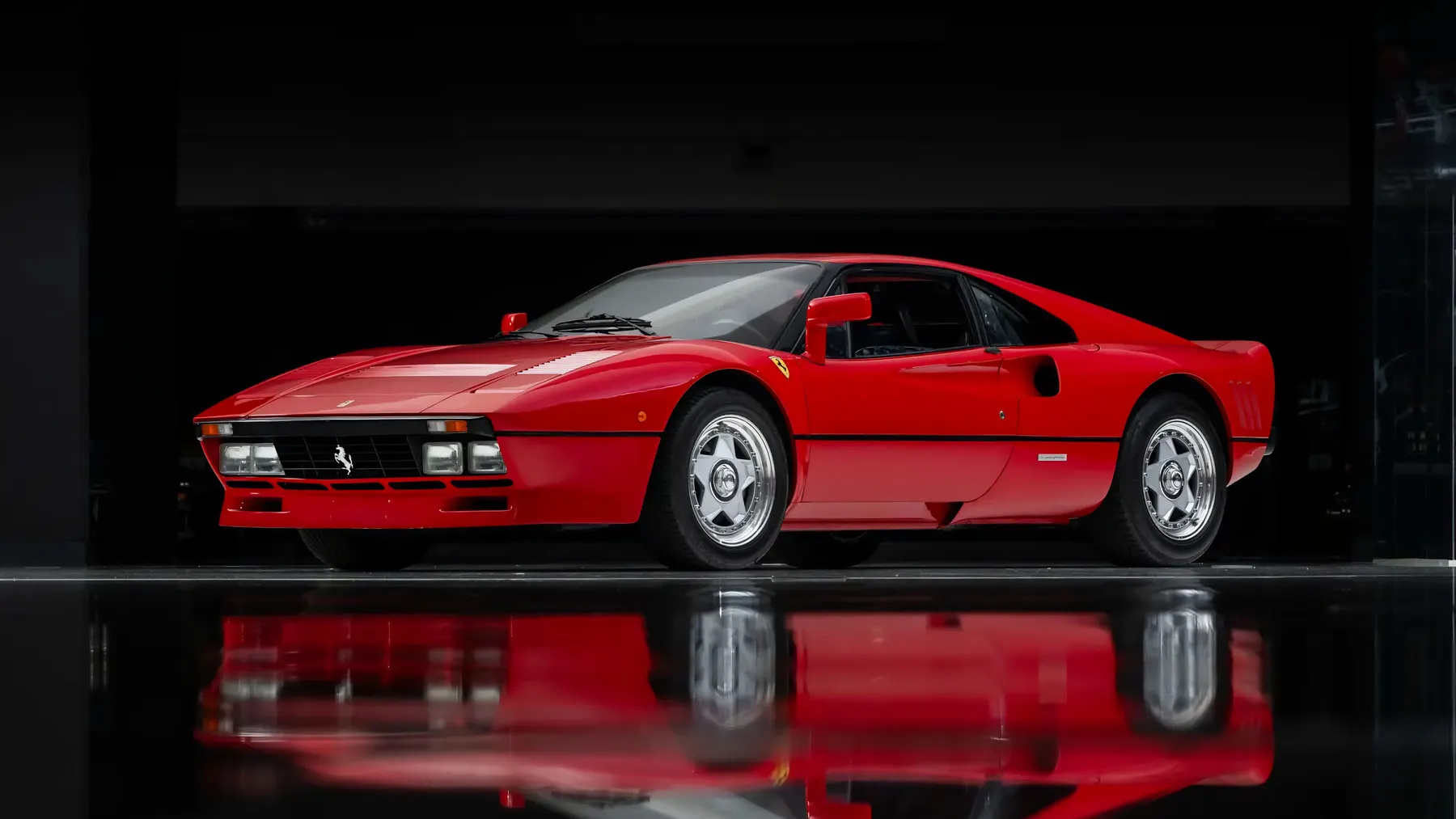
The Ferrari 288 GTO represents a pivotal moment in automotive history, when raw performance collided with purposeful design to create something truly extraordinary. This stunning machine wasn’t just another fast car, it was the beginning of Ferrari’s modern supercar dynasty and a statement that the prancing horse wasn’t about to be outpaced by anyone.
The story of the 288 GTO begins in the early 1980s when Ferrari found itself at a crossroads. Sales were starting to slip in the face of increased competition, and Enzo Ferrari recognized that the company’s lineup needed something with more fire. At the same time, turbocharging was proving successful in Formula 1, making it a natural evolution for Ferrari’s road cars.
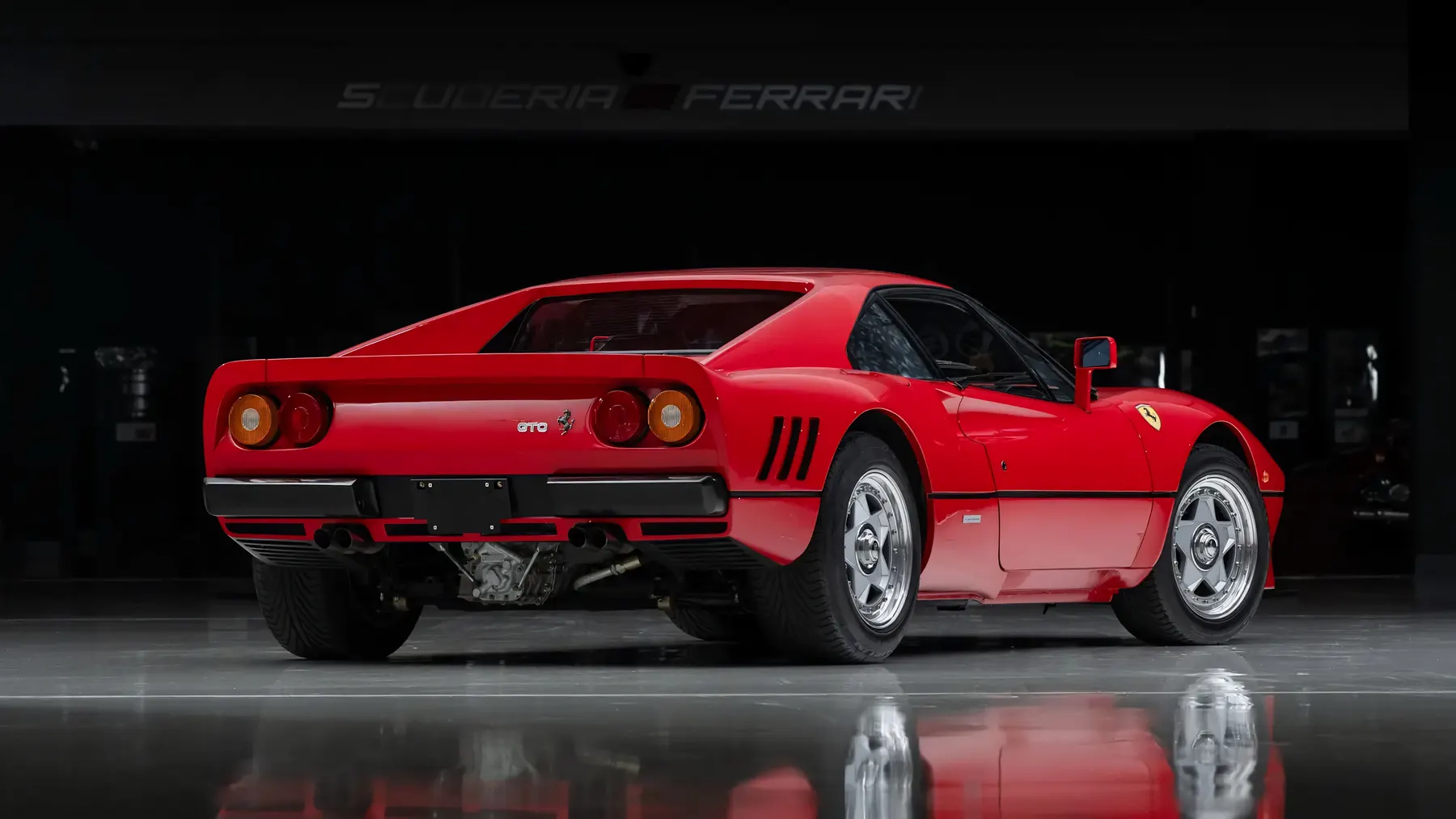
Against this backdrop, Ferrari approached Nicola Materazzi, head of powertrain for the racing division, to develop a high-performance turbocharged engine. When Materazzi confidently stated he could extract a reliable 400 horsepower from a 3.0-liter engine, Ferrari gave him the green light. What started as a modified version of the 308/328 quickly evolved into something far more significant.
Though it shared visual DNA with the 308, the 288 GTO was radically different underneath. The engine remained a V8 but was now mounted longitudinally instead of transversely, allowing room for twin IHI turbochargers and intercoolers. The displacement was slightly reduced to 2.85 liters, a mathematical decision to stay under the FIA’s Group B 4.0-liter equivalent capacity limit when applying the 1.4 multiplier for turbocharged engines.
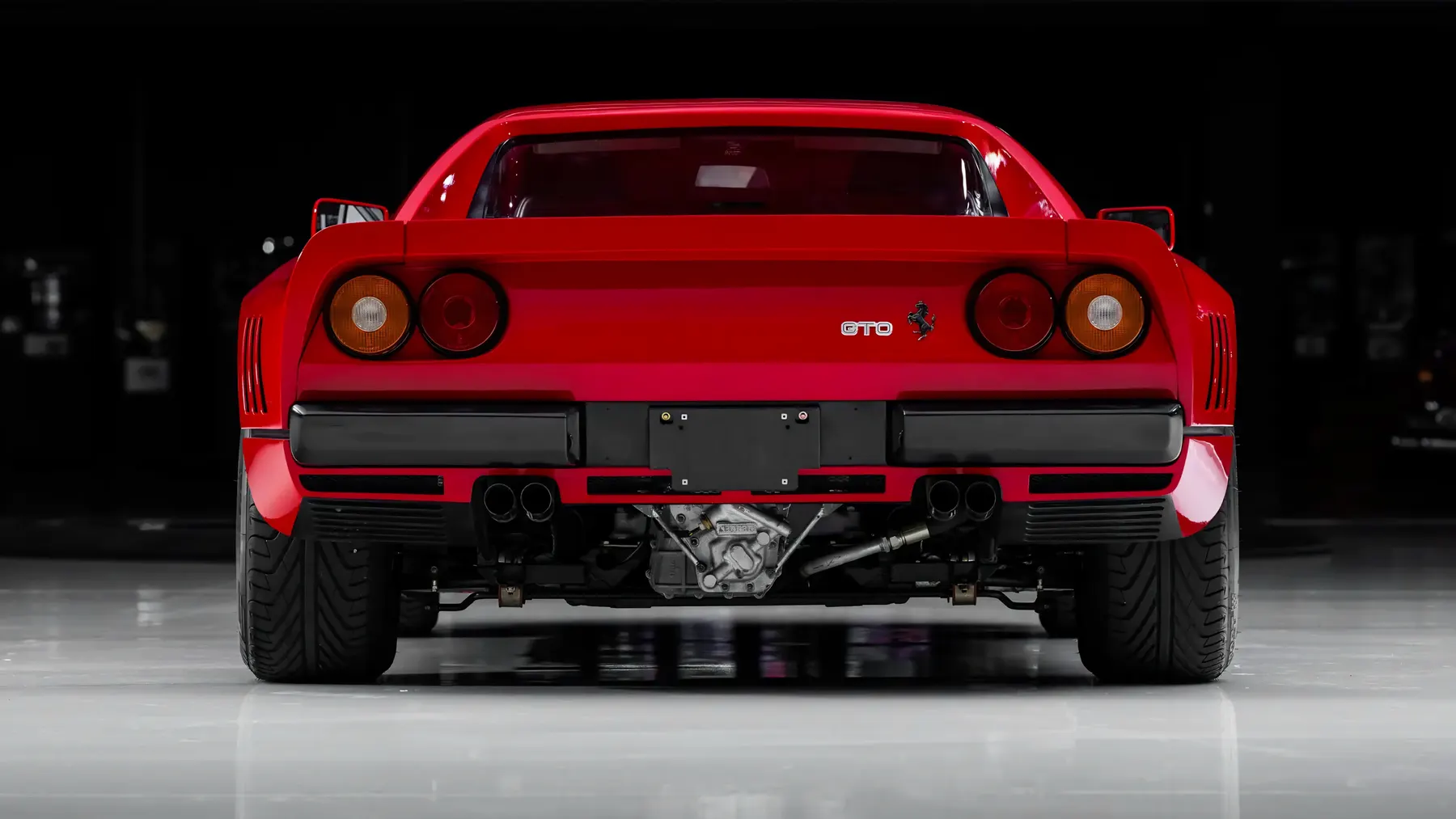
The wheelbase grew by 110mm to accommodate the new powertrain layout, and the track widened to handle the car’s immense power. With 400 PS (395 bhp) at 7,000 rpm and 496 N⋅m of torque at 3,800 rpm, the 288 GTO could accelerate from 0-60 mph in around 5 seconds and reach a top speed of 304 km/h, placing it among the fastest production cars of its era.
Weight reduction was crucial to the GTO’s performance. At just 1,159 kg, it was significantly lighter than the 308/328 models. This was achieved through extensive use of composite materials, fiberglass for the major body panels, Kevlar for the hood, and a Kevlar and carbon fiber roof. Only the doors remained steel, marking Ferrari’s early adoption of advanced materials that would become standard in modern supercars.
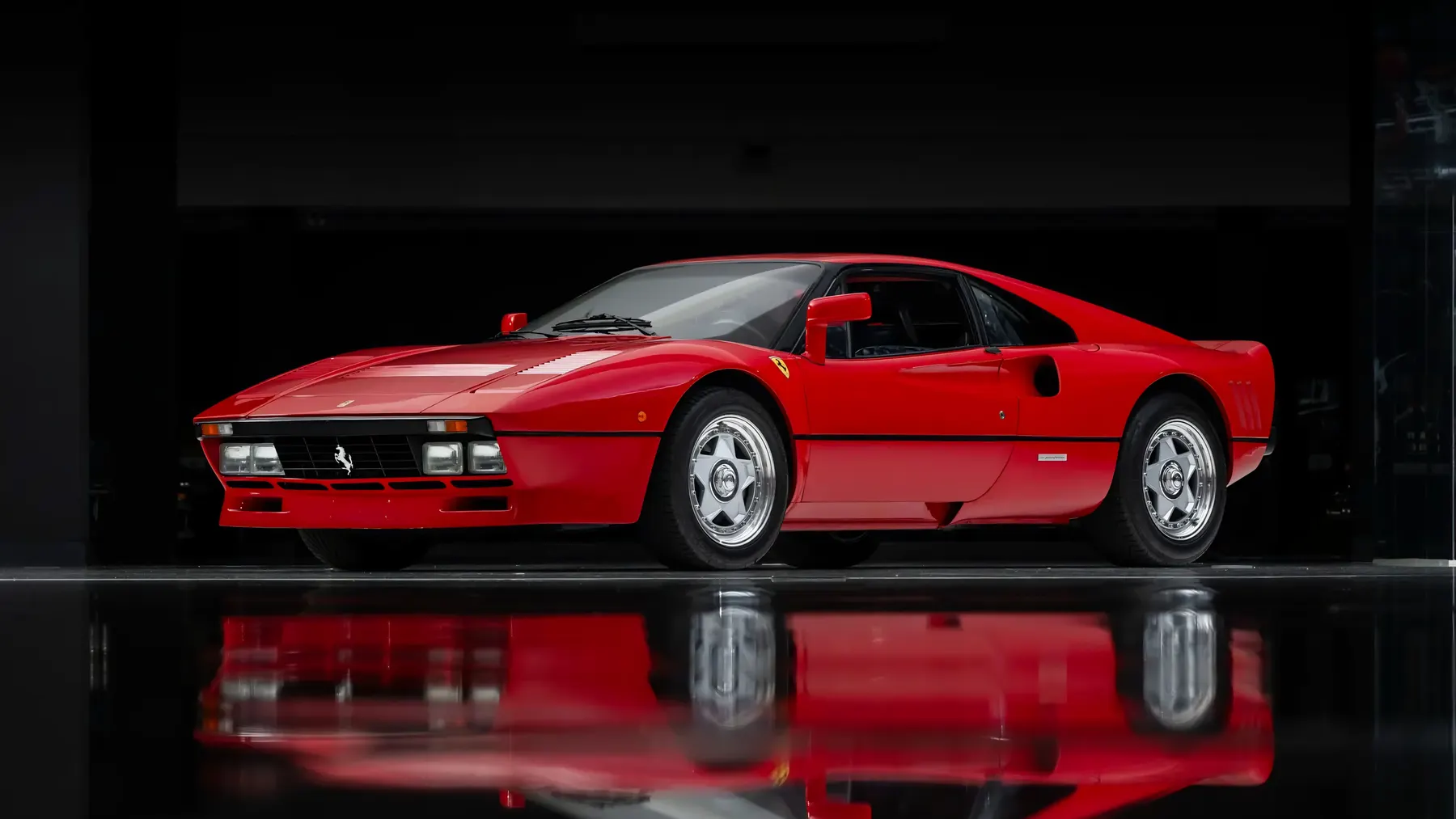
The suspension could be adjusted for road or track use, highlighting the car’s dual-purpose nature and racing intentions. Wider Goodyear tires mounted on Speedline wheels ensured the GTO could put its power down effectively while providing exceptional cornering grip.
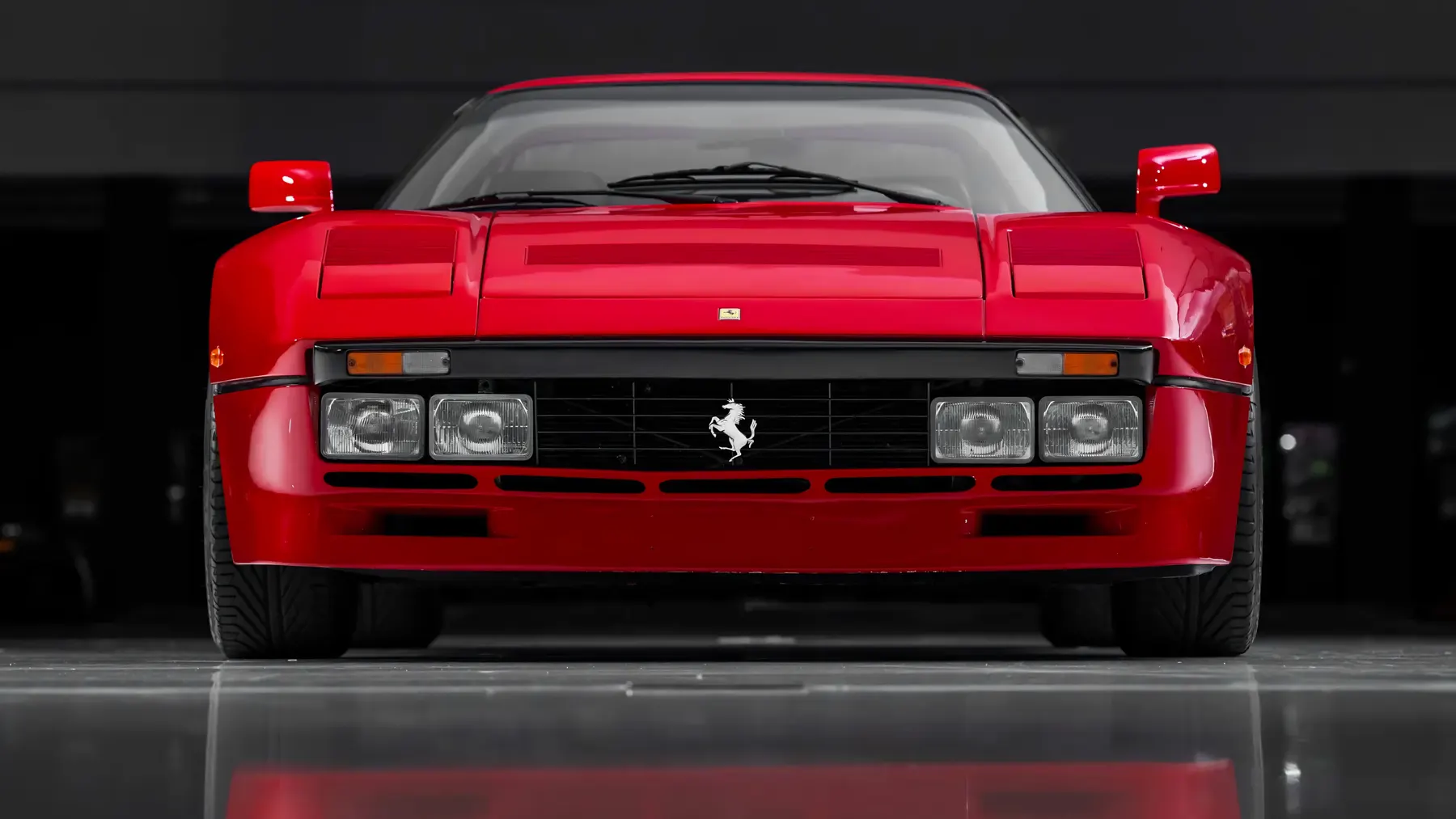
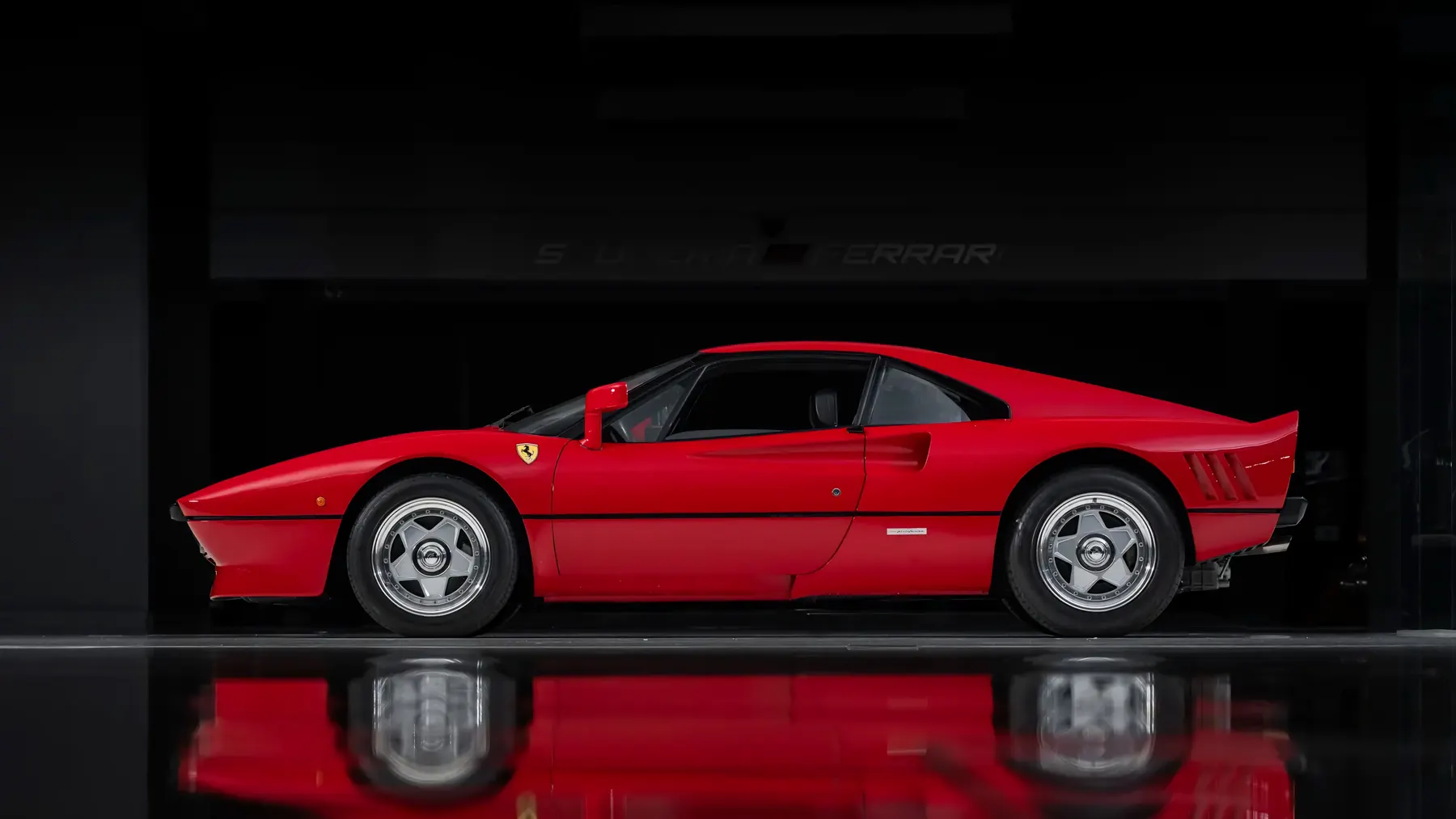
The GTO’s appearance evolved from a Pininfarina design exercise first shown at the 1977 Geneva Auto Salon. Its aggressive stance was immediately recognizable with bulging fender flares, larger front and rear spoilers, distinctive “flag-style” side mirrors, and four driving lights flanking the grille.
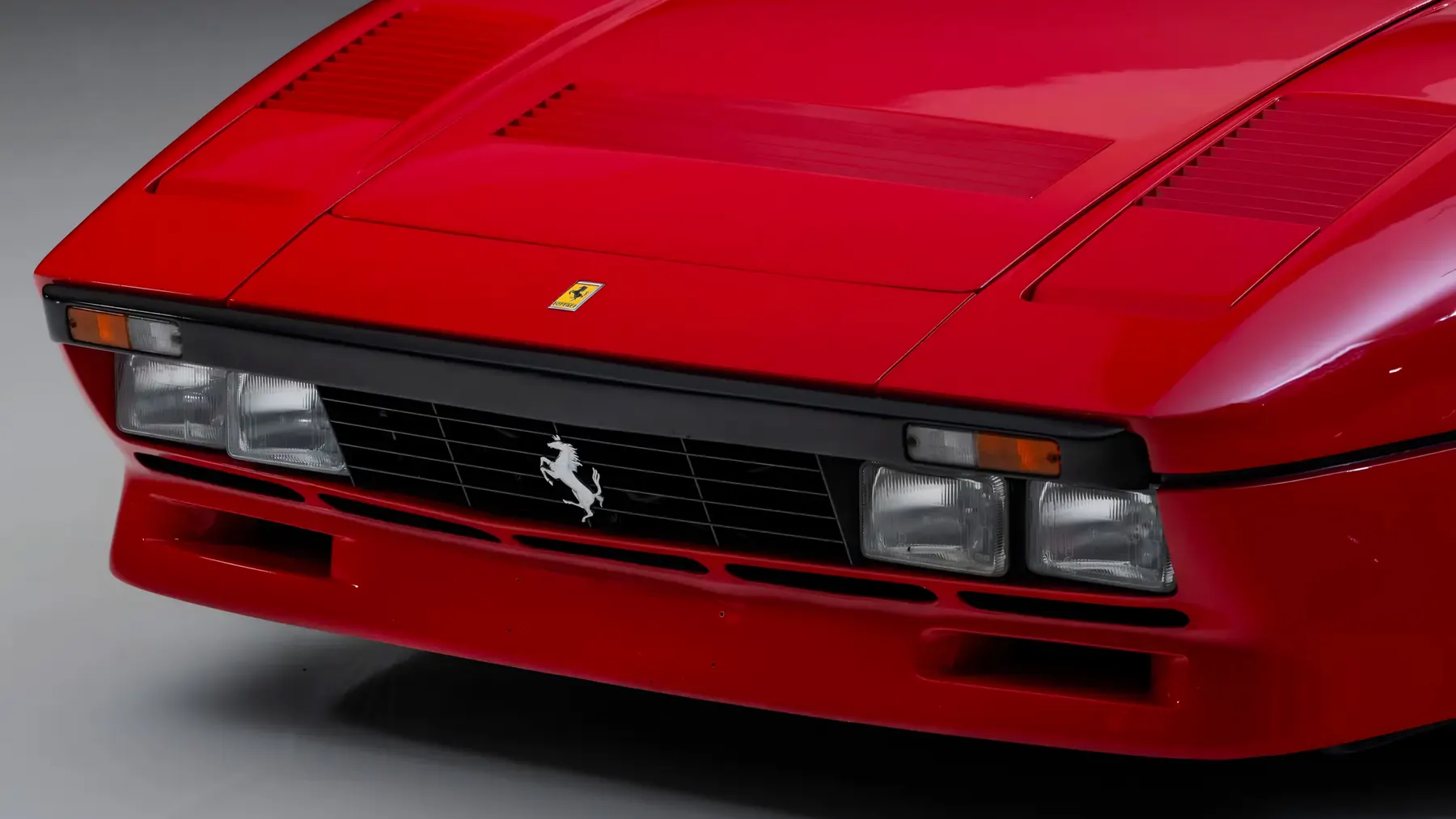
Design elements paid homage to the legendary 250 GTO, particularly the slanted air vents in the rear fenders and the rear wing design. Almost all 288 GTOs left the factory in Ferrari’s signature Rosso Corsa paint, creating an instantly recognizable profile that remains iconic today.
Initially, the GTO wasn’t specifically designed for racing, but Ferrari’s racing heritage eventually influenced its development. Materazzi suggested returning Ferrari to GT racing, something that had been dormant since the 512 BB LM. This led to the creation of the GTO Evoluzione, a track-focused version with bodywork, chassis, and safety modifications to comply with FIA regulations.
Tragically, the GTO never fulfilled its racing destiny. After multiple deaths in Group B rally racing, the Group B Circuit series was suspended at the end of 1986, leaving the GTO Evoluzione without a competition to enter. Nevertheless, Ferrari had produced 272 examples of the road car, comfortably exceeding the 200 required for homologation.
The exclusive nature of the 288 GTO meant that ownership was restricted to Ferrari’s most valued clients and associates. Several Formula 1 drivers received GTOs directly from Enzo Ferrari, including Michele Alboreto, Keke Rosberg, and Niki Lauda, who was gifted the very last unit built. Despite not being officially imported to America, determined U.S. enthusiasts found ways to acquire them through grey market channels.
The 288 GTO launched Ferrari’s “Big Five” supercar dynasty, followed by the F40, F50, Enzo, and LaFerrari. It established a blueprint for limited-production Ferrari supercars that continues to this day. In 2004, Sports Car International named it the second-greatest sports car of the 1980s, behind only the Porsche 959.
Legendary racing driver Phil Hill described the car as having “phenomenal grip” and “remarkable control” in Road & Track magazine, praising its progressive power delivery and road-holding abilities as “as good or better than anything I’ve ever experienced.”
Today, the 288 GTO has achieved iconic status among collectors. Like early TAG Heuer chronographs or original Air Jordans, it represents the first entry in a legendary product line, making it especially significant to enthusiasts and investors alike. Each Ferrari Classiche-certified example, with matching-numbers chassis, engine, and gearbox, commands extraordinary prices at auction.
The 288 GTO wasn’t just a car; it was Ferrari’s declaration that it would continue to define what a supercar could be. It combined race-bred engineering with just enough comfort features (like air conditioning and power windows) to make it usable on the road. More importantly, it captured the raw, emotional essence of Ferrari at a time when many feared performance cars might be tamed by modern regulations.
Four decades later, the 288 GTO remains a high-water mark not just for Ferrari, but for the entire automotive industry,a passionate expression of speed, technology, and Italian design that continues to inspire awe in all who encounter it.