1996 Porsche 911 GT2
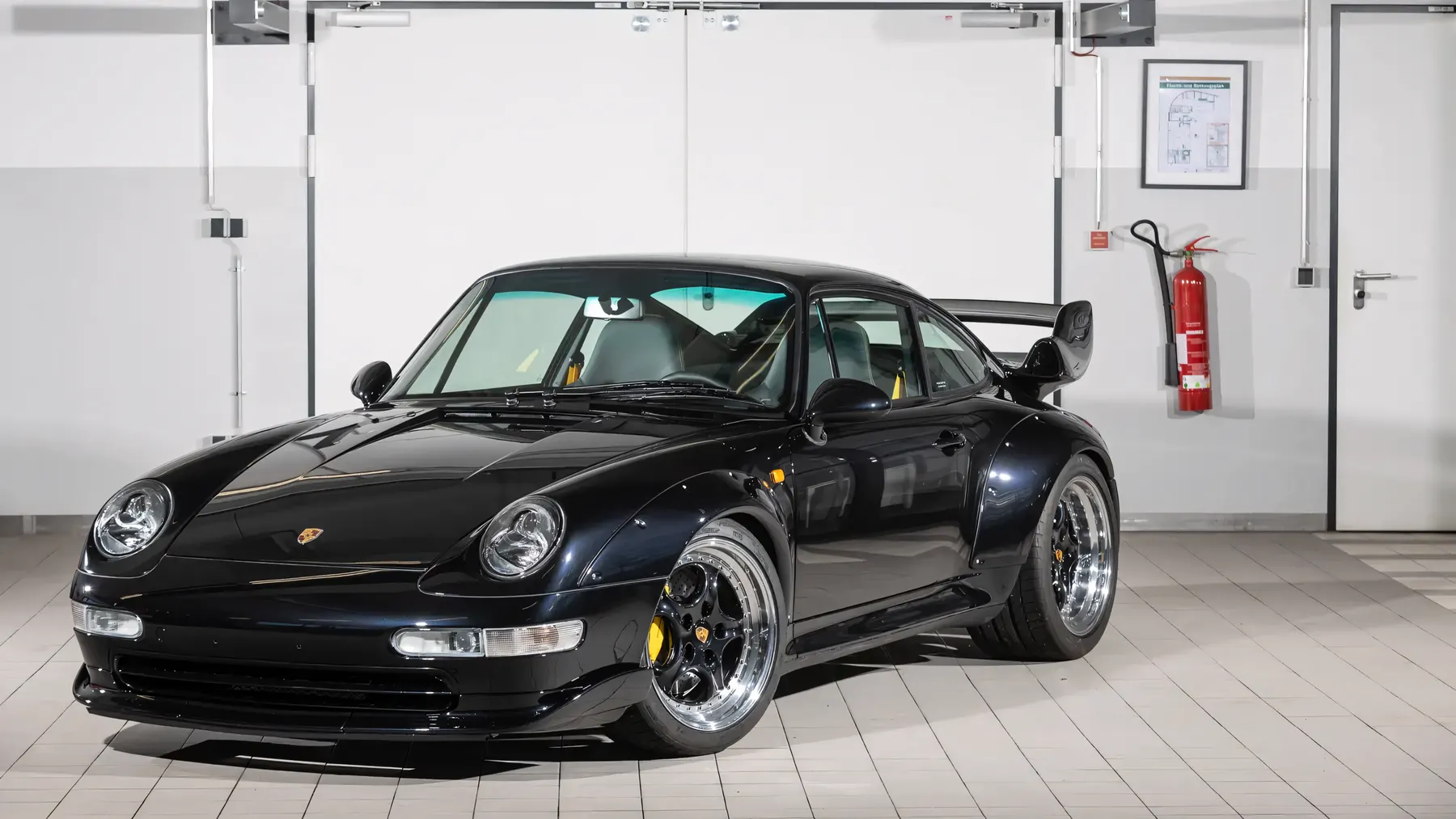
The Porsche 911 GT2 stands as one of the most fearsome and revered models in Porsche’s illustrious lineup. This high-performance, track-focused variant has long been the pinnacle of the 911 family, offering extreme performance and a visceral driving experience. Initially introduced in 1993, the GT2 was designed for racing in the FIA GT2 class and has been continuously refined over the years. Its most iconic form, however, emerged with the 993 generation, often regarded as the ultimate expression of Porsche’s air-cooled technology.
The Porsche 911, introduced in 1964, is a sports car icon, famous for its rear-engine layout and continuous development over the decades. Known for its success in motorsports, the 911 has been a dominant force in various racing categories. The GT2 was conceived as a stripped-down, track-ready version of the 911 Turbo, aimed at homologation for GT2 class racing. The 993 GT2, specifically, became legendary for its performance and rarity, setting the foundation for future iterations of the model.
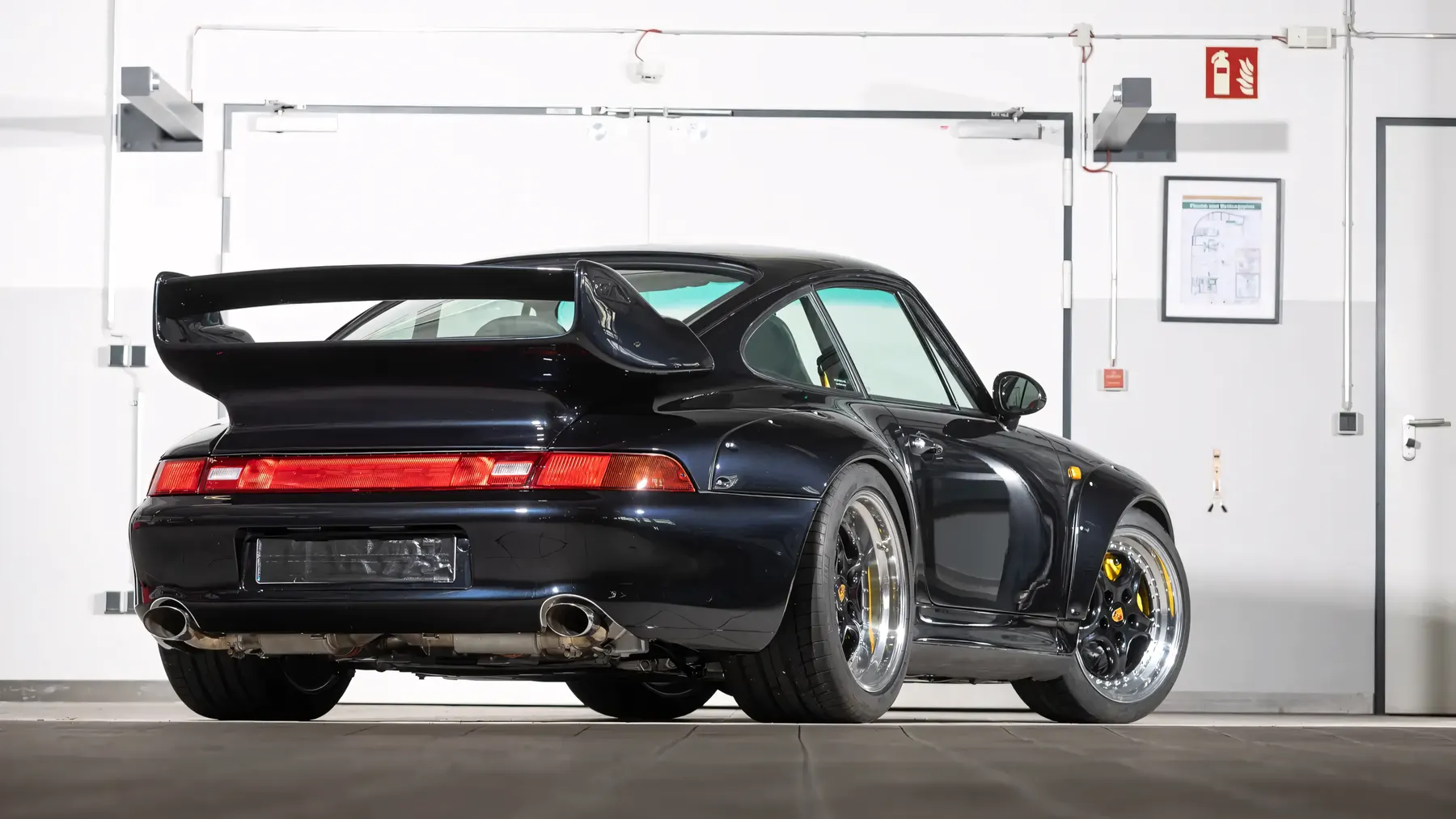
The 993 GT2, produced from 1993 to 1998, is perhaps the most celebrated version of the GT2. Built to meet homologation requirements, it was designed to compete in the FIA GT2 class, a racing category that placed severe restrictions on all-wheel-drive systems. To comply, Porsche developed the GT2 with a rear-wheel-drive layout, differentiating it from the all-wheel-drive 911 Turbo. This change, coupled with significant weight savings, made the GT2 one of the most raw and aggressive 911s ever produced.
The 993 GT2 featured a 3.6-liter twin-turbocharged flat-six engine, initially producing 430 PS (316 kW) and later increased to 450 PS (331 kW) in the final years of production. This power output, combined with the car’s lightweight construction, allowed the GT2 to achieve extraordinary performance figures. It could accelerate from 0 to 97 km/h (60 mph) in just 3.9 seconds and reach a top speed of 301 km/h (187 mph).
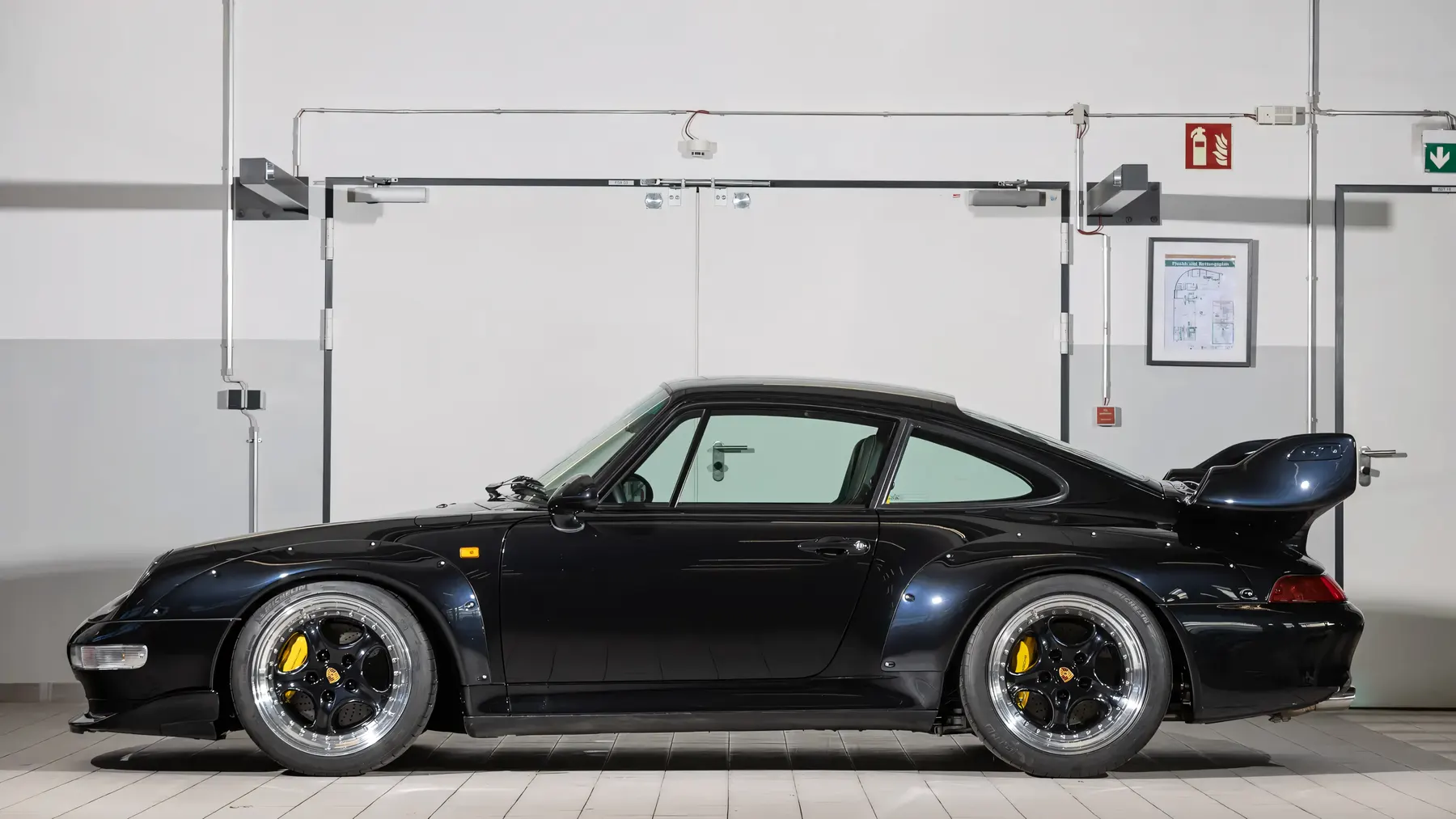
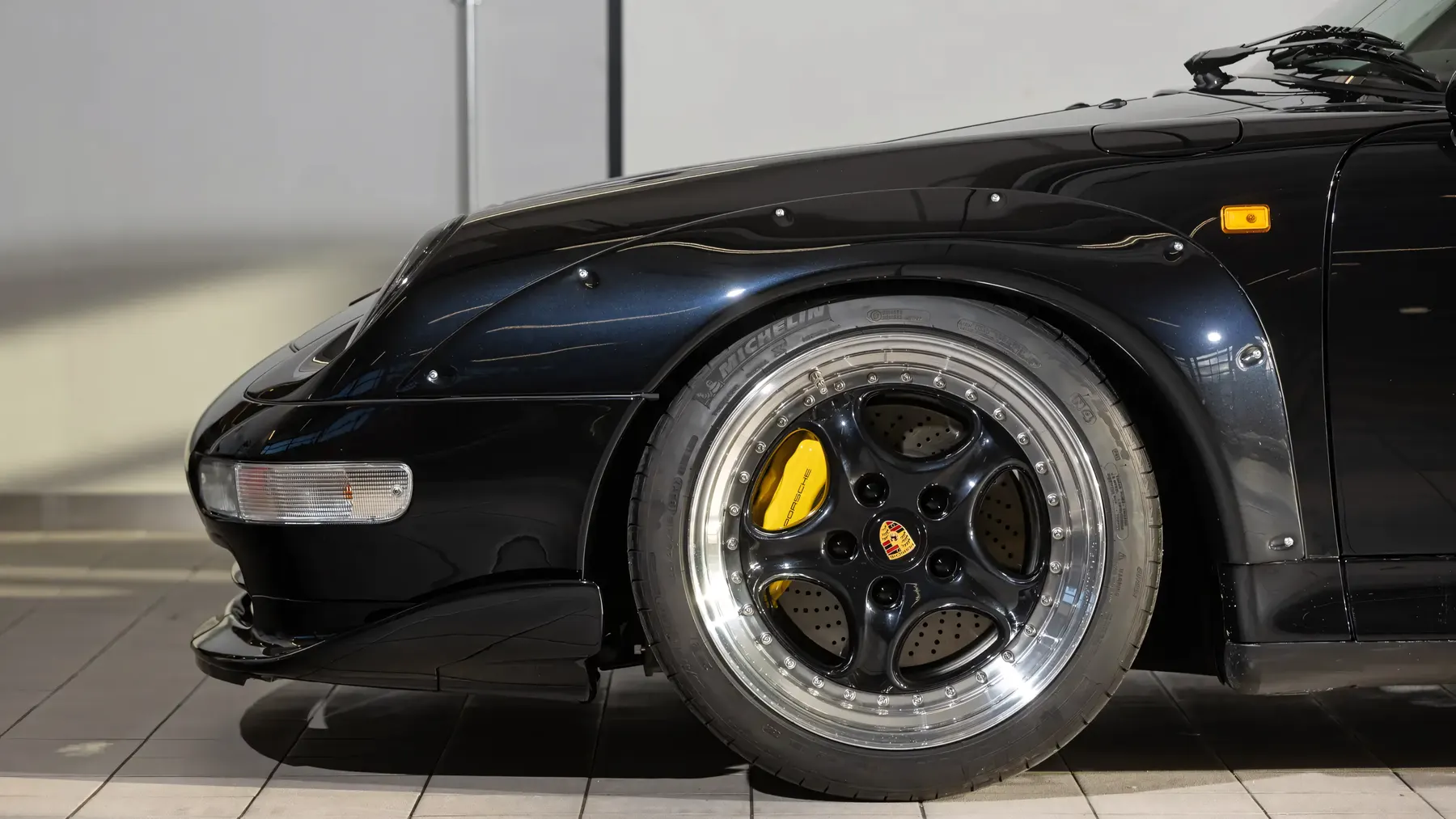
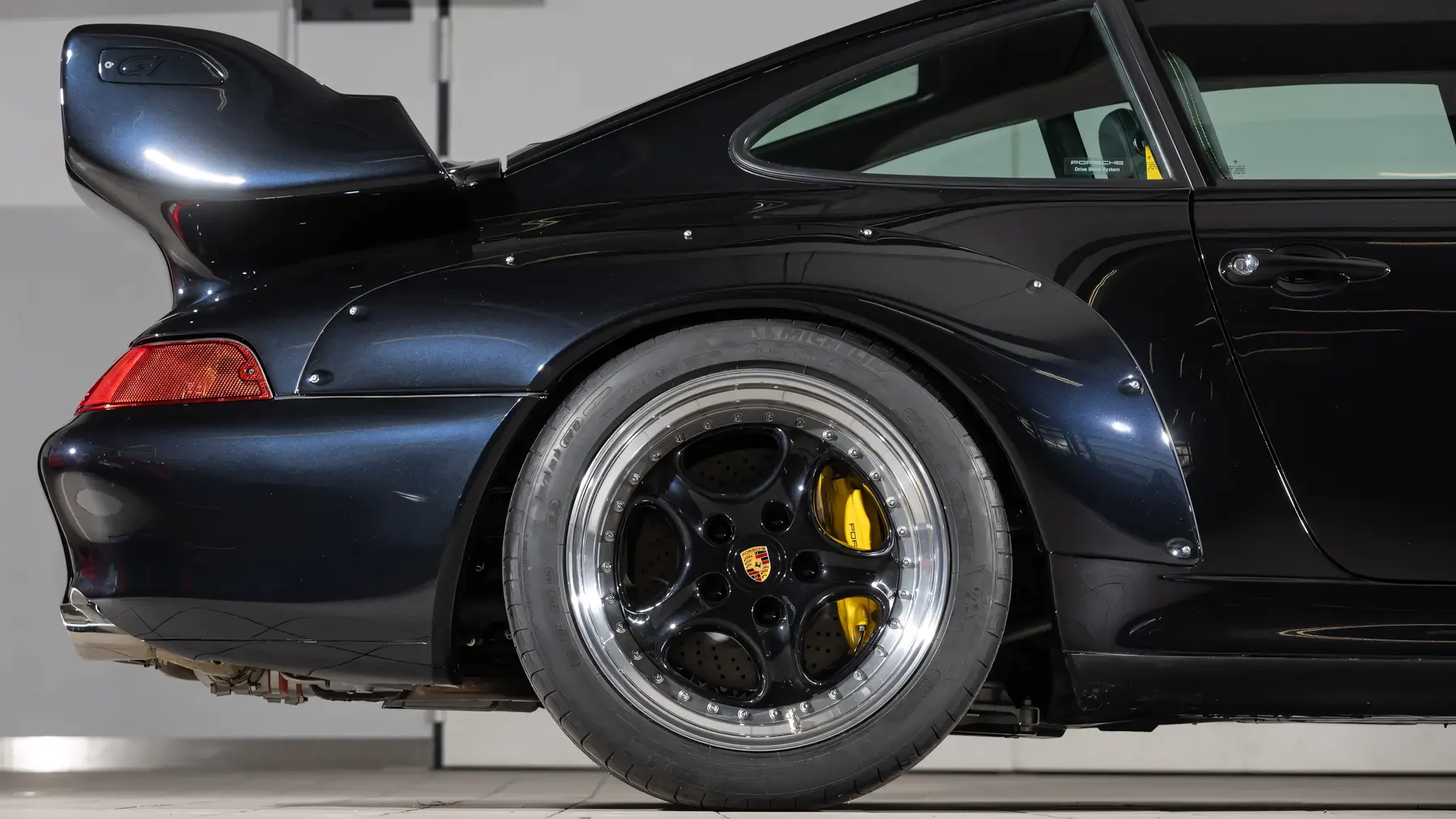
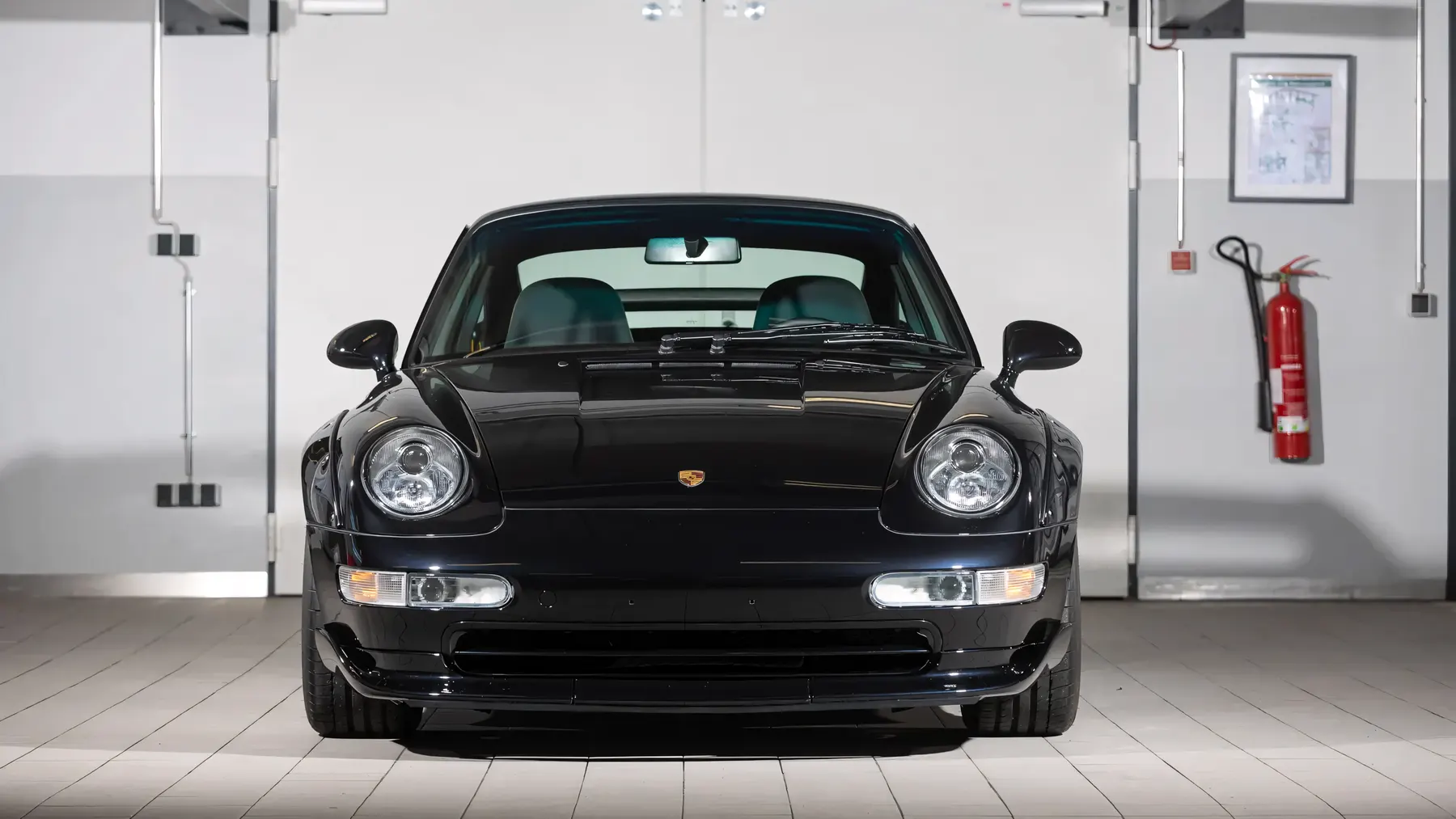
One of the standout features of the 993 GT2 was its use of lightweight materials. The fenders were widened with bolt-on plastic extensions to accommodate larger racing tires, reducing weight and simplifying repairs during racing. The large rear wing, with integrated air scoops in its struts, provided additional cooling to the engine while increasing downforce, making the GT2 stable at high speeds. This aggressive design gave the car a purposeful and menacing appearance, signalling its racing intentions.
Inside, the 993 GT2 followed the minimalist approach typical of track-focused cars. Many interior components were removed or reduced to save weight, further emphasising the car’s performance-driven character. The GT2 was designed for drivers who valued speed and handling over comfort, making it a purist’s dream.
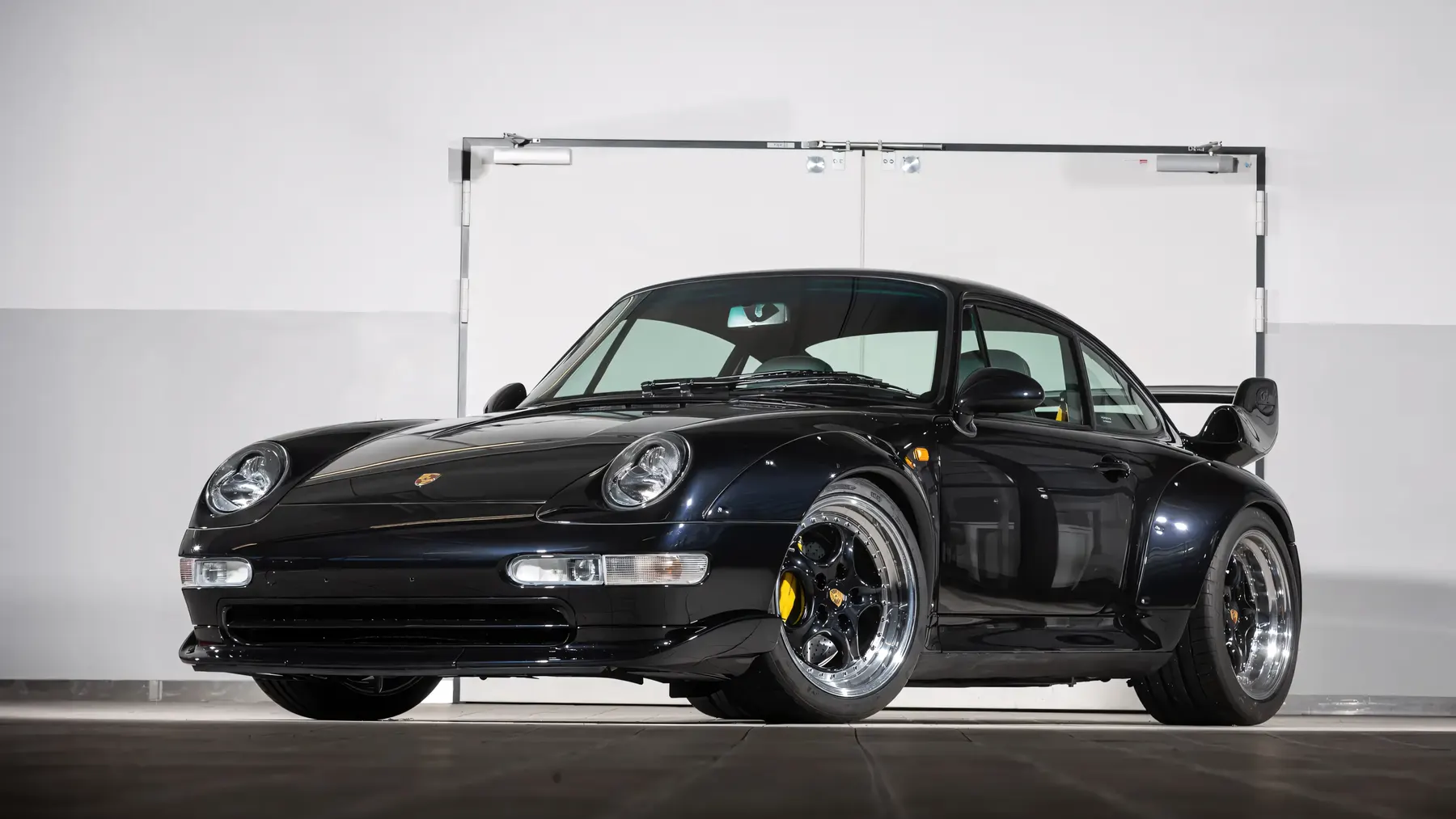
At the heart of the 993 GT2 was its air-cooled 3.6-liter engine, a masterpiece of engineering. Featuring two valves per cylinder and twin-turbochargers, the engine delivered exceptional power and torque. In its final iteration, the GT2 produced 450 PS and 586 Nm (432 lb-ft) of torque at 3,500 rpm, giving it immense pulling power in all gears. This combination of power and lightness resulted in a power-to-weight ratio of 259.2 W/kg, ensuring blistering acceleration and nimble handling.
The decision to use rear-wheel drive instead of all-wheel drive was crucial in reducing weight and improving handling dynamics. By eliminating the complexity and weight of the all-wheel-drive system found in the 911 Turbo, the GT2 became more agile and responsive, although more demanding to drive at the limit. This made it a car suited for experienced drivers who could handle its aggressive nature on both the track and the road.
The 993 GT2 was originally built for the track, but Porsche also produced a limited number of road-going versions to meet homologation requirements. In total, only 57 street-legal 993 GT2s were made, making it one of the rarest and most sought-after Porsches in history. These road cars featured much of the same performance hardware as the racing versions, including the twin-turbo engine and lightweight bodywork. However, they were also slightly detuned for road use, making them a little more manageable than their racing counterparts.
The GT2’s racing variants were even more powerful, with some models producing up to 600 PS (441 kW) for use in the GT1 series. These racing cars dominated their class, with the GT2 becoming synonymous with Porsche’s motorsport success in the mid-1990s. Its rear-wheel-drive layout, combined with its powerful engine and lightweight construction, made it a formidable competitor on the track.
The 993 GT2 remains one of the most celebrated Porsches ever built, thanks to its extreme performance, racing pedigree, and rarity. As the last air-cooled 911, it holds a special place in Porsche’s history, marking the end of an era for the brand. The 993 generation itself is widely regarded as one of the best 911 models, combining classic design with modern engineering advancements. The GT2, as the pinnacle of the 993 lineup, is a fitting tribute to Porsche’s racing heritage and engineering excellence.
Today, the 993 GT2 is highly prized by collectors, with its limited production numbers and motorsport history ensuring its place among the most valuable Porsches ever made. Its combination of raw power, lightweight construction, and racing success make it an enduring symbol of Porsche’s commitment to performance and innovation.
In conclusion, the 993 GT2 is not just another 911 variant, it is a motorsport legend. Its aggressive design, powerful twin-turbo engine, and track-focused engineering set it apart from the rest of the 911 lineup. Whether on the track or the road, the 993 GT2 delivers an uncompromising driving experience, making it one of the most iconic and revered Porsches of all time.