1997 Porsche 911 Carrera Targa
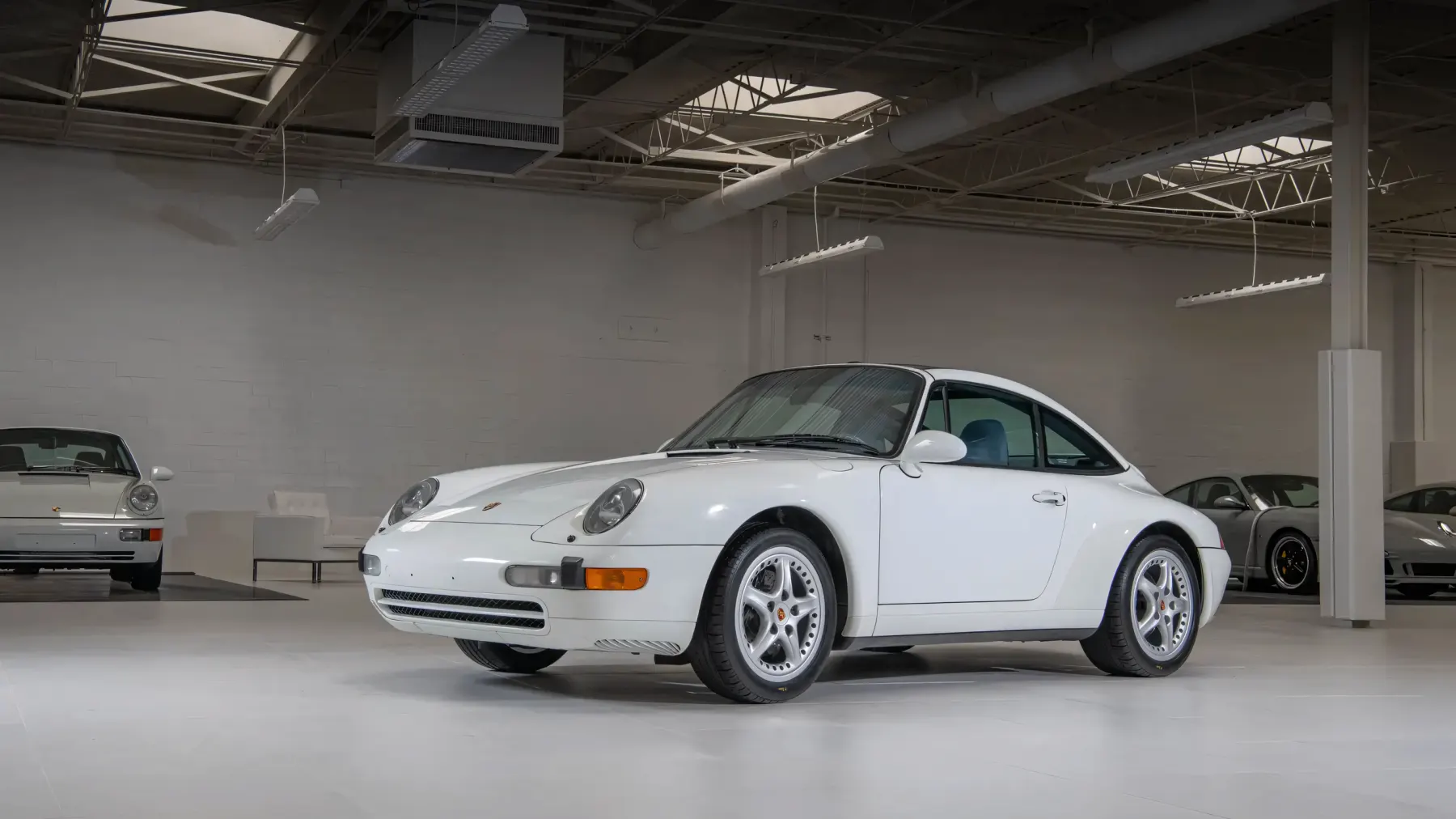
In the pantheon of sports cars, few names evoke as much reverence as the Porsche 911. Since its introduction in 1964, the 911 has become a benchmark for performance, design, and enduring legacy. Among its various iterations, the Porsche 911 Carrera Targa stands out, blending the open-air thrill of a convertible with the timeless profile of a coupe. The 993 Targa, introduced in the 1996 model year, epitomises this unique blend, representing a harmonious fusion of heritage and innovation.
The Porsche 911 has always been more than just a car; it’s a symbol of Porsche’s engineering prowess and racing heritage. The 911’s distinctive rear-mounted flat-six engine and iconic design have remained largely unchanged in concept, even as they evolved with cutting-edge technology. The 993 generation, produced between 1994 and 1998, marked the last of the air-cooled 911s, ending an era while setting new standards for performance and sophistication.
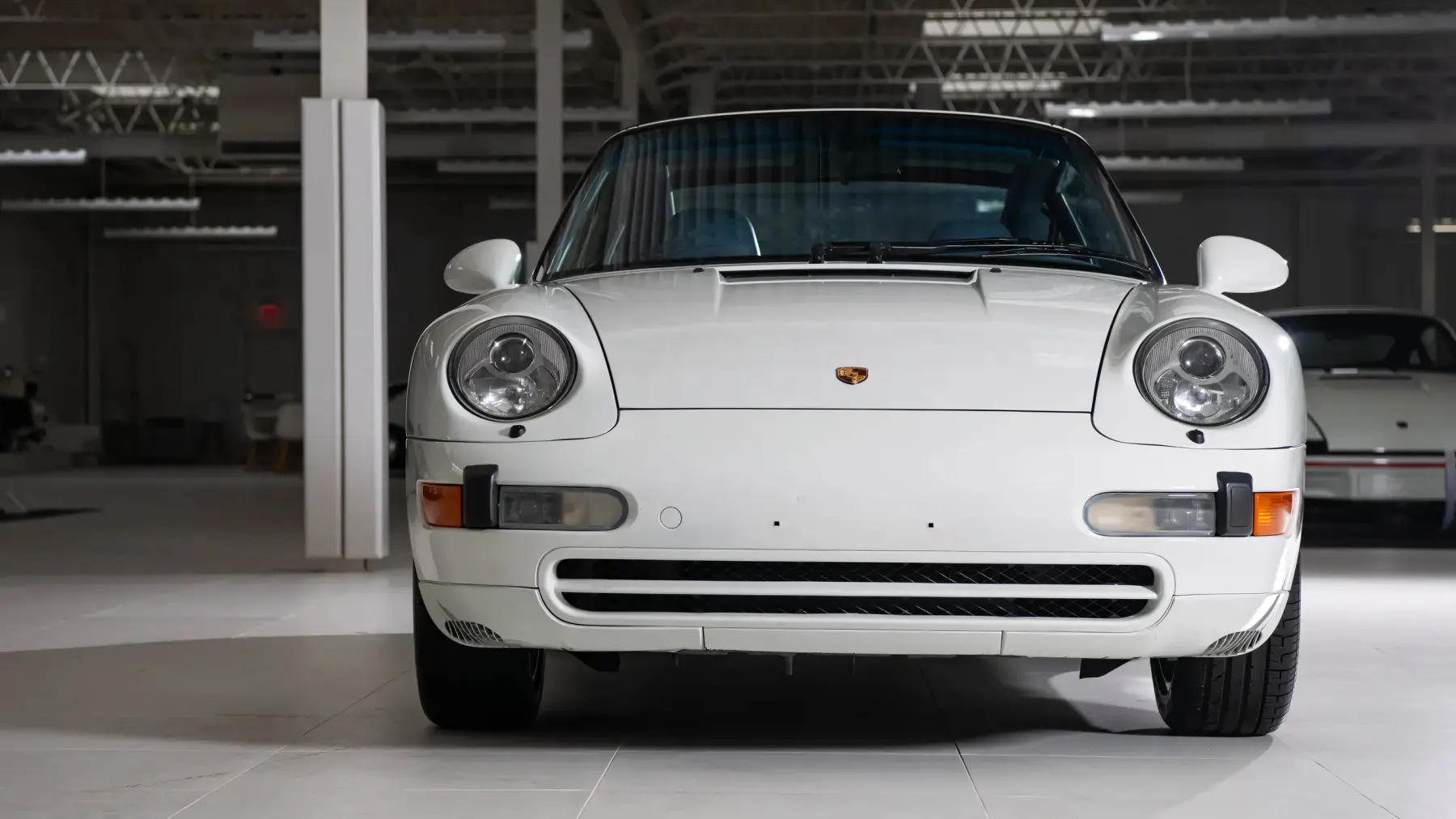
The 993 was a significant leap forward from its predecessor, the 964. Porsche’s engineers redesigned almost every aspect of the car, introducing a new light-alloy subframe with coil and wishbone suspension, known as the Weissach axle. This advanced multi-link suspension system dramatically improved handling and ride quality, addressing the infamous lift-off oversteer of earlier models. Additionally, the 993 was the first 911 to feature a six-speed transmission, further enhancing its driving dynamics.
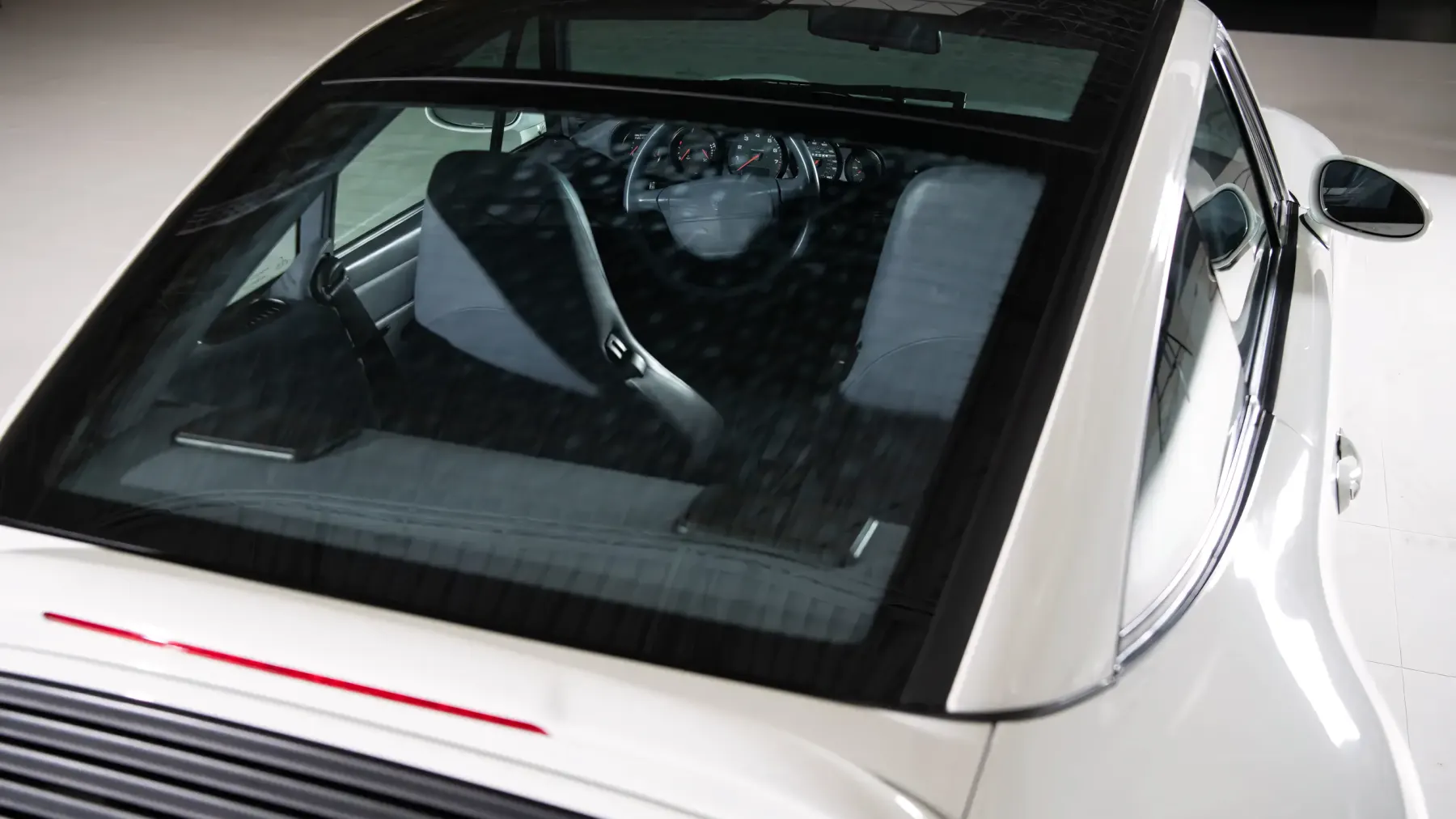
The Targa variant of the 993 brought a revolutionary design to the fore. Unlike previous Targas with a removable roof section and a wide B-pillar serving as a roll bar, the 993 Targa debuted a retractable glass roof system. This “greenhouse” design allowed the glass roof to slide beneath the rear window, creating an expansive open-air experience without compromising the 911’s sleek silhouette. This innovative approach not only preserved the car’s structural integrity but also provided the driver with a panoramic view of the sky above.
The Targa’s retractable glass roof system, while visually stunning and mechanically sophisticated, did come with its quirks. Owners often noted issues such as excessive heat buildup in the cabin, creaking noises over rough roads, and a complex, sometimes unreliable, roof mechanism. Additionally, the added weight of the glass roof raised the car’s centre of gravity, slightly impacting its handling compared to the coupe version.
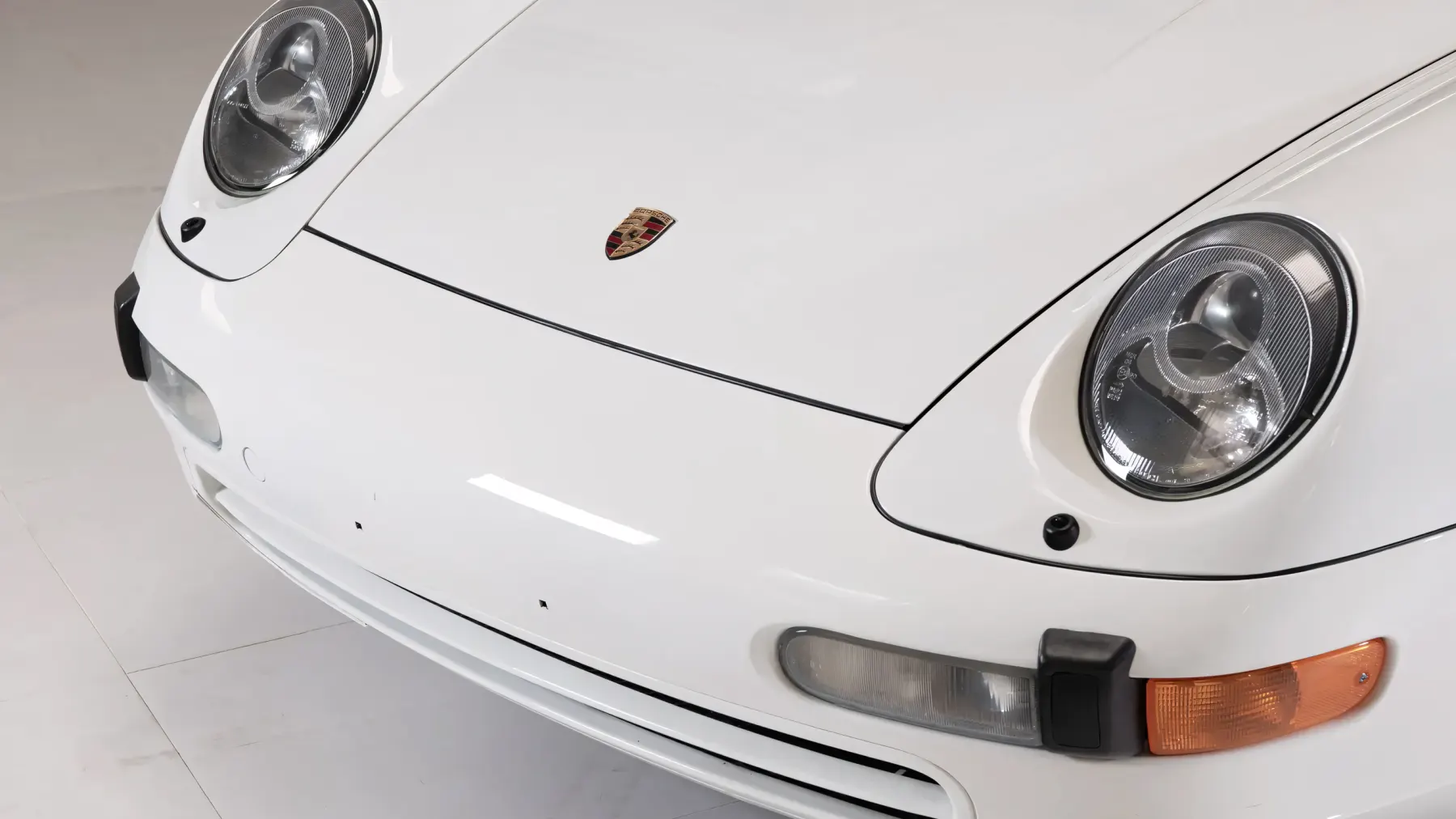
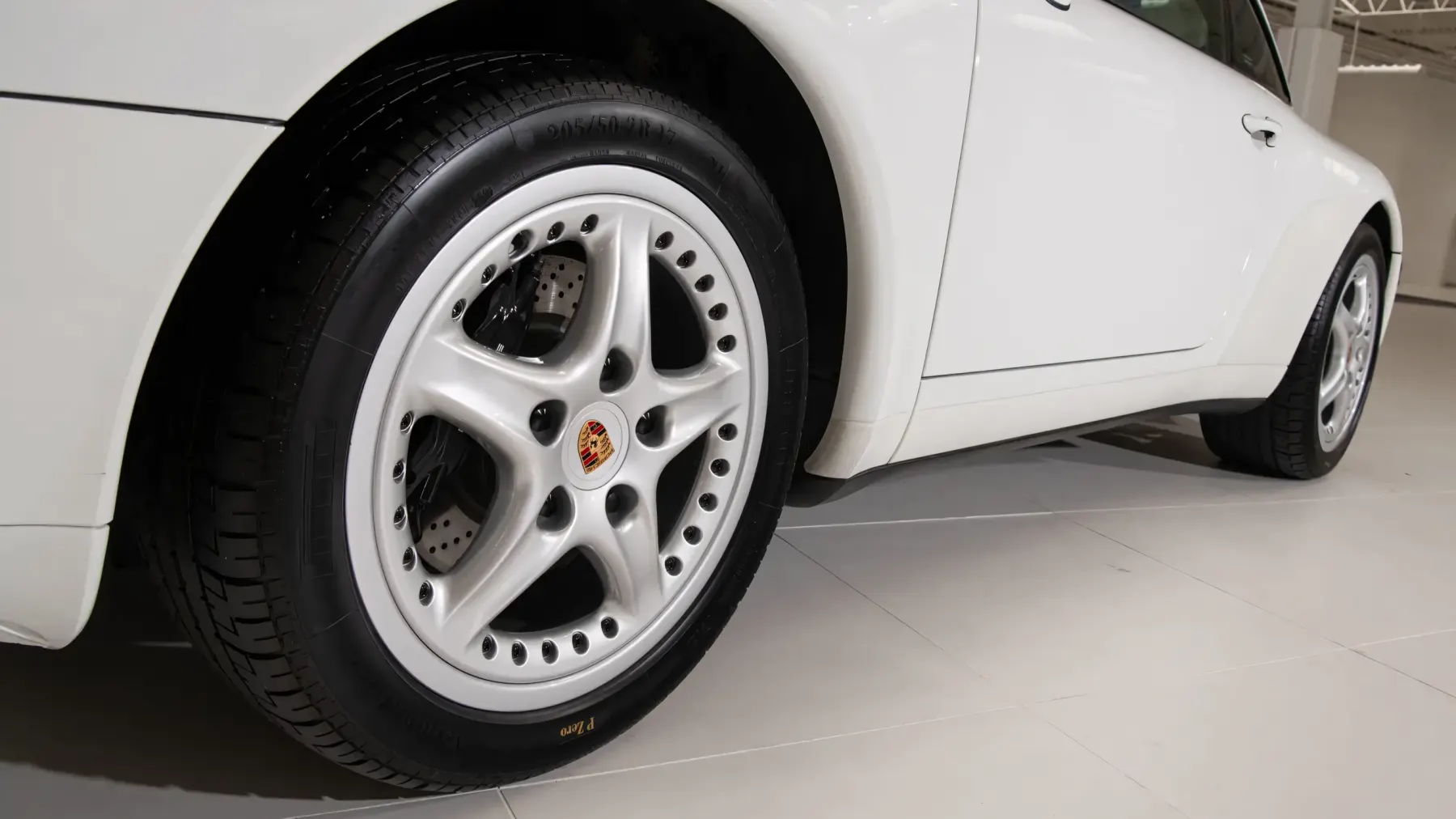
Externally, the 993 Targa retained the elegant, muscular lines that defined the 911’s aesthetic. The flared wheel arches, streamlined bumpers, and distinctive teardrop mirrors crafted by designer Tony Hatter gave the 993 a contemporary yet timeless appeal. The Targa was equipped with unique two-piece 17-inch wheels, though 18-inch wheels were available as an option.
Under the hood, the 993 Targa shared the same powerful heart as its Carrera siblings. The addition of the VarioRam system improved power delivery, particularly in the mid-range, resulting in a 15 percent increase in power over the previous generation. This made the 993 not only more powerful but also more responsive and exhilarating to drive.
The 993 Targa exemplifies Porsche’s ability to innovate while respecting tradition. It combined the joy of open-top motoring with the structural rigidity and classic lines of a coupe, offering a unique driving experience that appealed to purists and modern enthusiasts alike. As the last of the air-cooled 911s, the 993 Targa holds a special place in the hearts of collectors and aficionados, symbolising the end of an era and the dawn of a new chapter in Porsche’s storied history.
The Porsche 911 Carrera Targa is more than just a variant of the legendary 911; it’s a testament to Porsche’s commitment to blending tradition with innovation. The 993 Targa, with its pioneering glass roof and iconic design, stands as a beacon of automotive excellence. For those who crave the wind in their hair without sacrificing the elegance and performance of a coupe, the 911 Targa remains an unmatched choice in the world of high-performance sports cars.