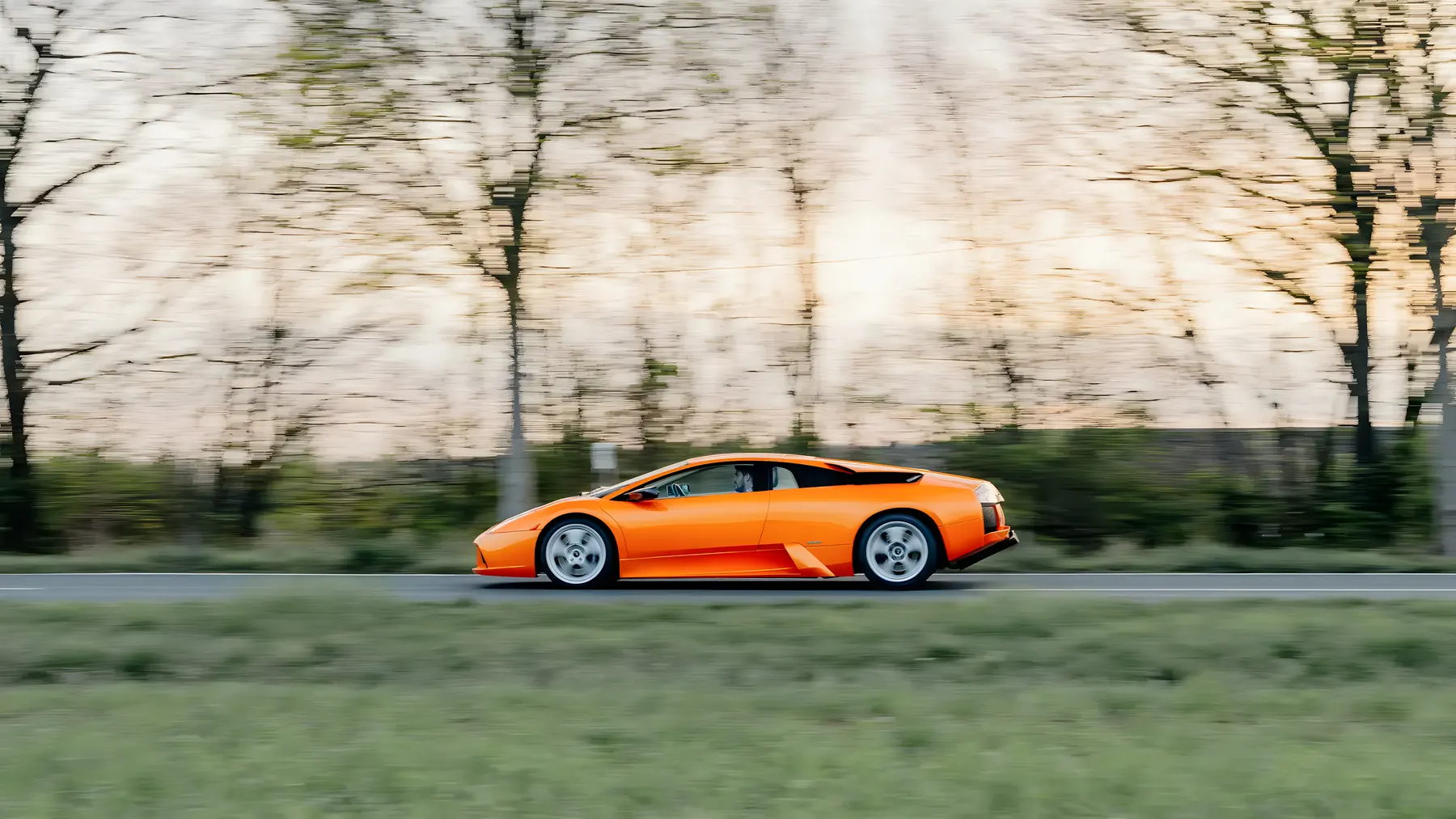
2002 Lamborghini Murciélago
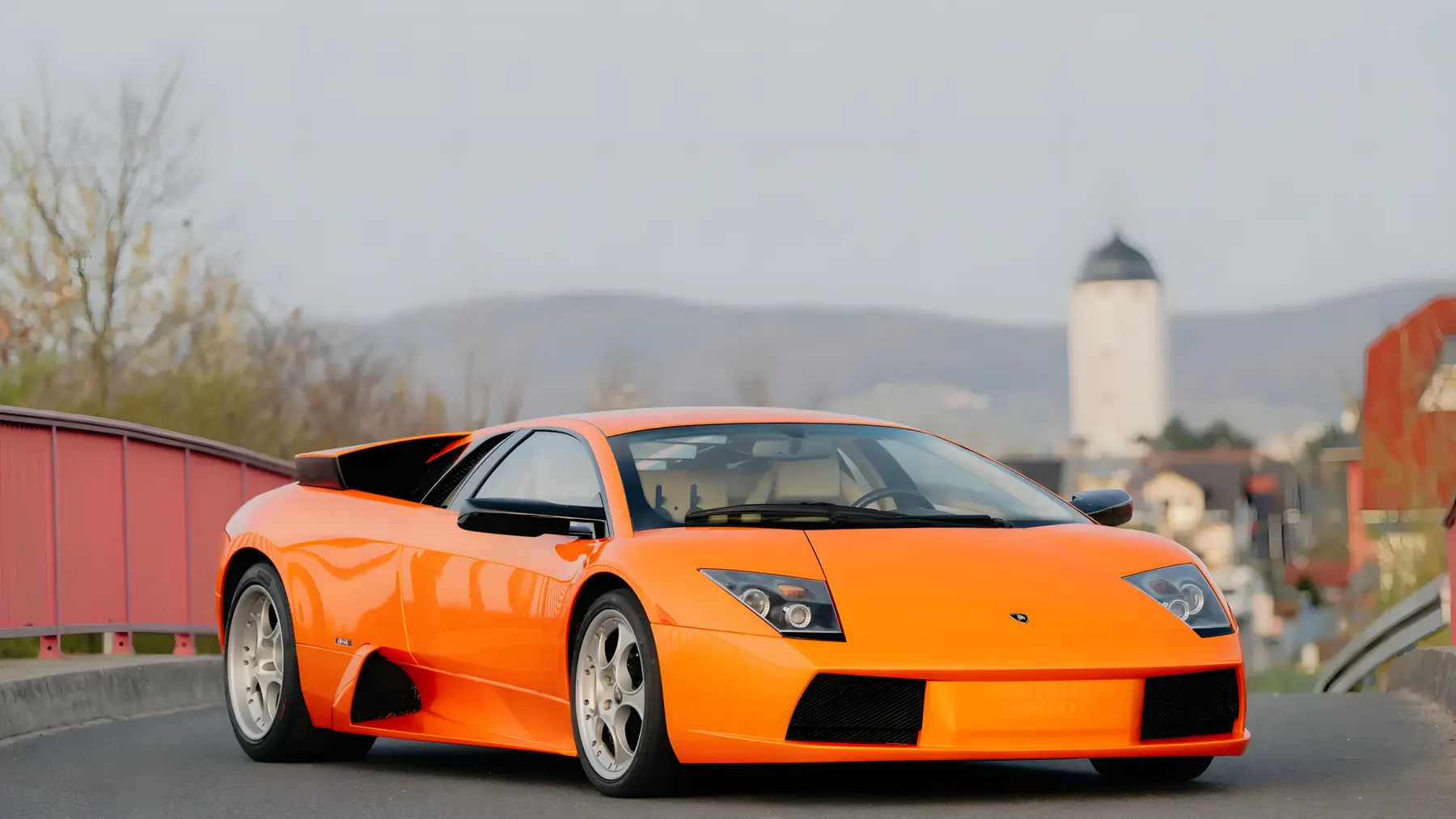
When Lamborghini launched the Murciélago in 2001, it faced a critical challenge: modernize a brand known for raw, temperamental machines without losing the drama that made it legendary. This wasn’t just another supercar,it was Lamborghini’s first clean-sheet design in over a decade and the initial product of its new corporate parent, Audi. The result? A machine that balanced Italian theatrics with German precision, becoming a defining icon of 2000s excess.
The Murciélago arrived at a pivotal moment. After years of financial instability, Lamborghini had been acquired by Volkswagen Group in 1998. Audi engineers brought much-needed manufacturing rigor, but purists feared the brand’s soul might be diluted. Designer Luc Donckerwolke, a Belgian-Peruvian with a knack for blending artistry and function, answered this challenge. His team retained the brand’s DNA,scissor doors, a mid-engine layout, and a name tied to bullfighting lore (Murciélago refers to a 19th-century bull that survived 24 sword strikes). Yet they infused it with newfound sophistication.
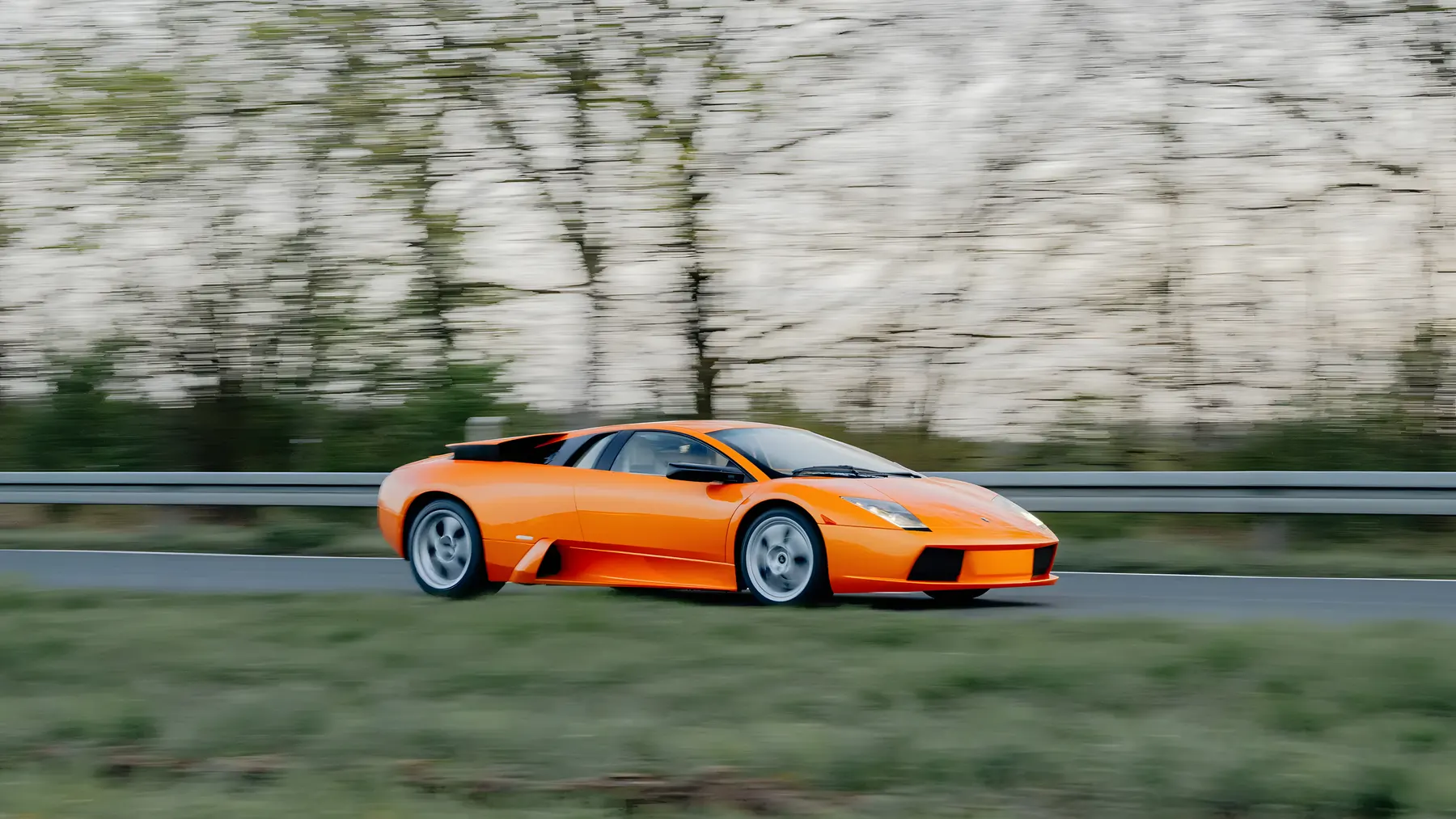
Visually, the Murciélago looked like a stealth fighter on wheels. Its angular body sat just 44 inches tall, with chiseled lines that channeled airflow over hidden vents and intakes. Two signature features stole the show: the active rear wing, which automatically deployed at speed to increase downforce, and louvers on the rear fenders dubbed “bat wings” (a nod to the car’s Spanish name meaning “bat”). These louvers opened at high speeds to cool the engine, combining form and function in a theatrical flourish.
The interior marked a departure from Lamborghini’s notoriously cramped cabins. While still driver-focused, it introduced ergonomic improvements like better-placed controls and a cleaner dashboard layout. The gated six-speed manual shifter became a tactile centerpiece, its metallic “clack” between gears appealing to enthusiasts craving mechanical engagement.
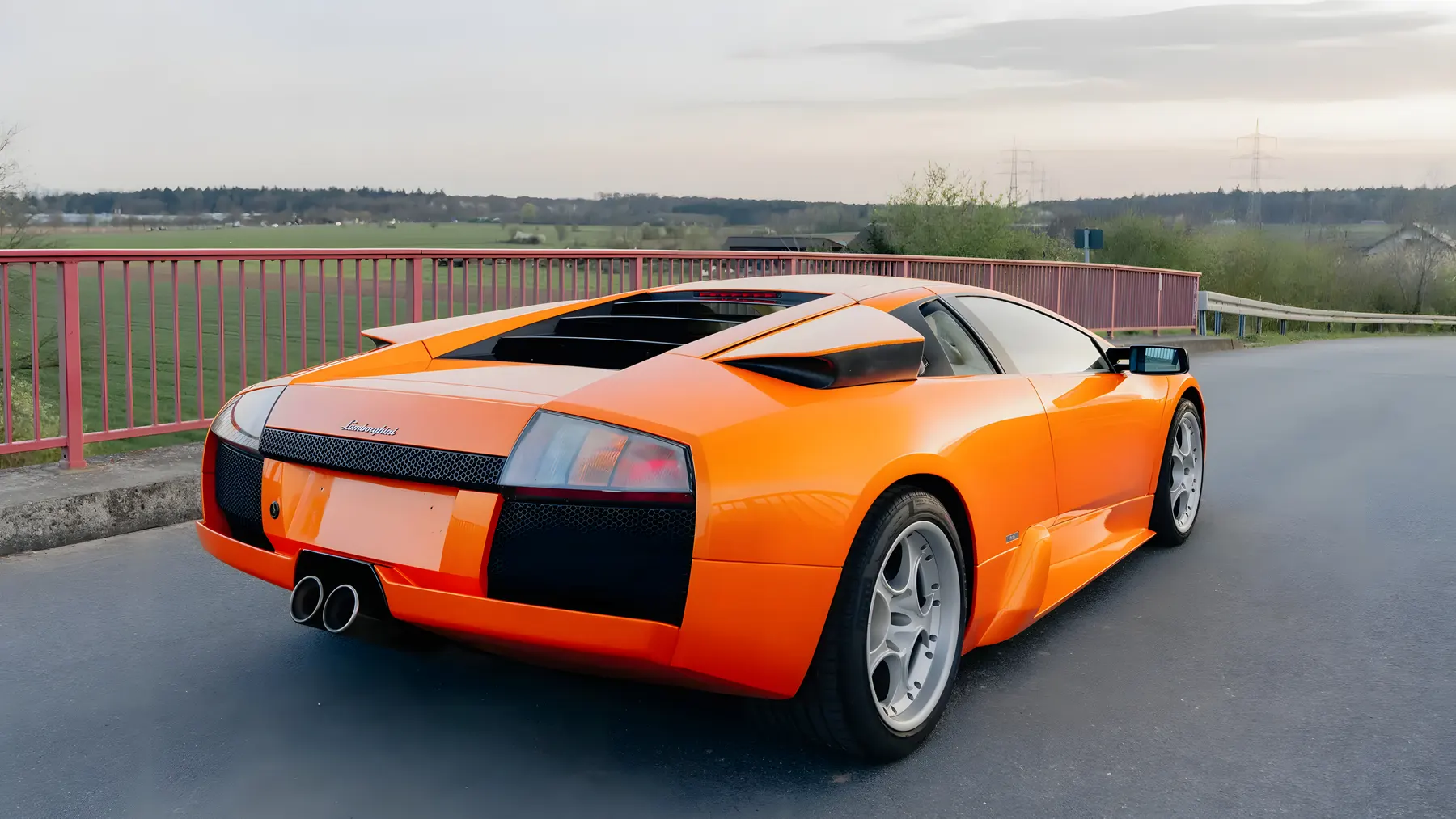
Under the rear glass lurked a 6.2-liter V12, an evolution of the engine that powered Lamborghini’s 1960s icons. Producing 572 horsepower and 479 lb-ft of torque, it catapulted the Murciélago from 0–60 mph in 3.8 seconds, eventually topping out at 207 mph. The all-wheel-drive system, splitting power 70/30 rear-to-front, provided surprising stability, while double-wishbone suspension ensured sharp handling. Yet this Lamborghini wasn’t sanitized,the hydraulic steering offered raw feedback, and the unassisted brakes required a firm foot.
The Murciélago’s soundtrack defined its character. The V12’s growl at low RPMs crescendoed into a metallic howl near the 7,500 RPM redline, a noise that could rattle windows and quicken pulses.
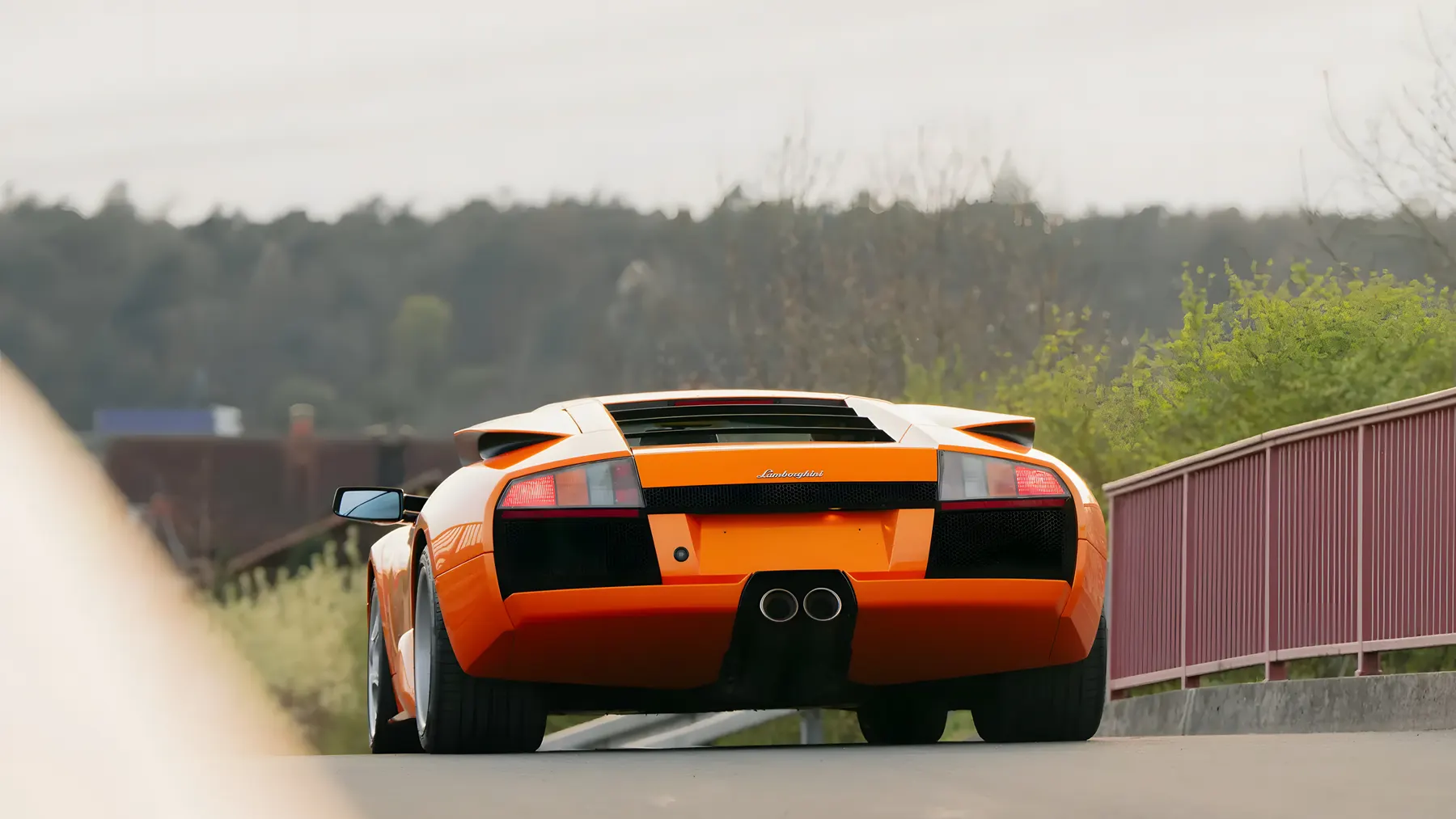
Over its nine-year run, the Murciélango evolved into increasingly wild variants. The 2006 LP640 upped the engine to 6.5 liters, boosting output to 640 horsepower. The Roadster, introduced in 2003, traded the coupe’s roof for open-air theatrics, though it added minor weight.
The apex came in 2009 with the LP670-4 SuperVeloce. Shedding 220 pounds through carbon fiber body panels and a stripped interior, the SV packed 670 horsepower. Lamborghini claimed a 0–60 mph time of 3.2 seconds, but it’s party trick was the optional “Aeropack” wing, which boosted top speed to 212 mph while looking like it belonged on a Le Mans prototype.
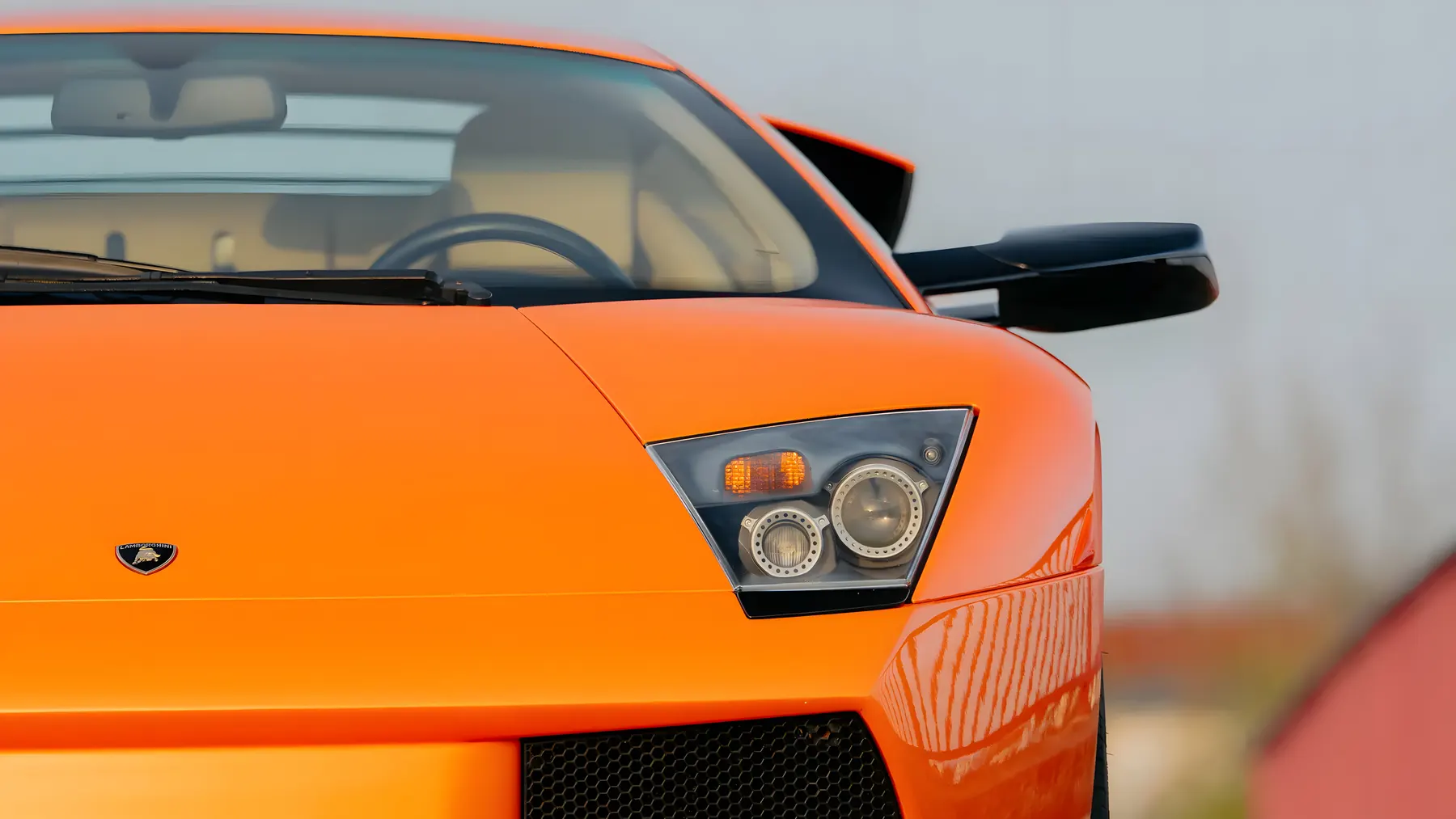
The Murciélago wasn’t without flaws. Early cars faced recalls, notably a 2010 campaign addressing faulty fuel pump welds that risked fires. The cramped cabin roasted occupants in traffic, and visibility was laughably poor,a trade-off for its low-slung stance. Yet these quirks became part of its charm, endearing it to owners who embraced its unapologetic nature.
The Murciélago transcended automotive circles to become a pop culture staple. In Batman Begins and The Dark Knight, Bruce Wayne’s choice of a Murciélago Roadster (and later an LP640) underscored its aura of dark sophistication. Video games like Need for Speed: Hot Pursuit cast it as the ultimate getaway car, while Kanye West name dropped it in Mercy, cementing its status as a hip-hop icon.
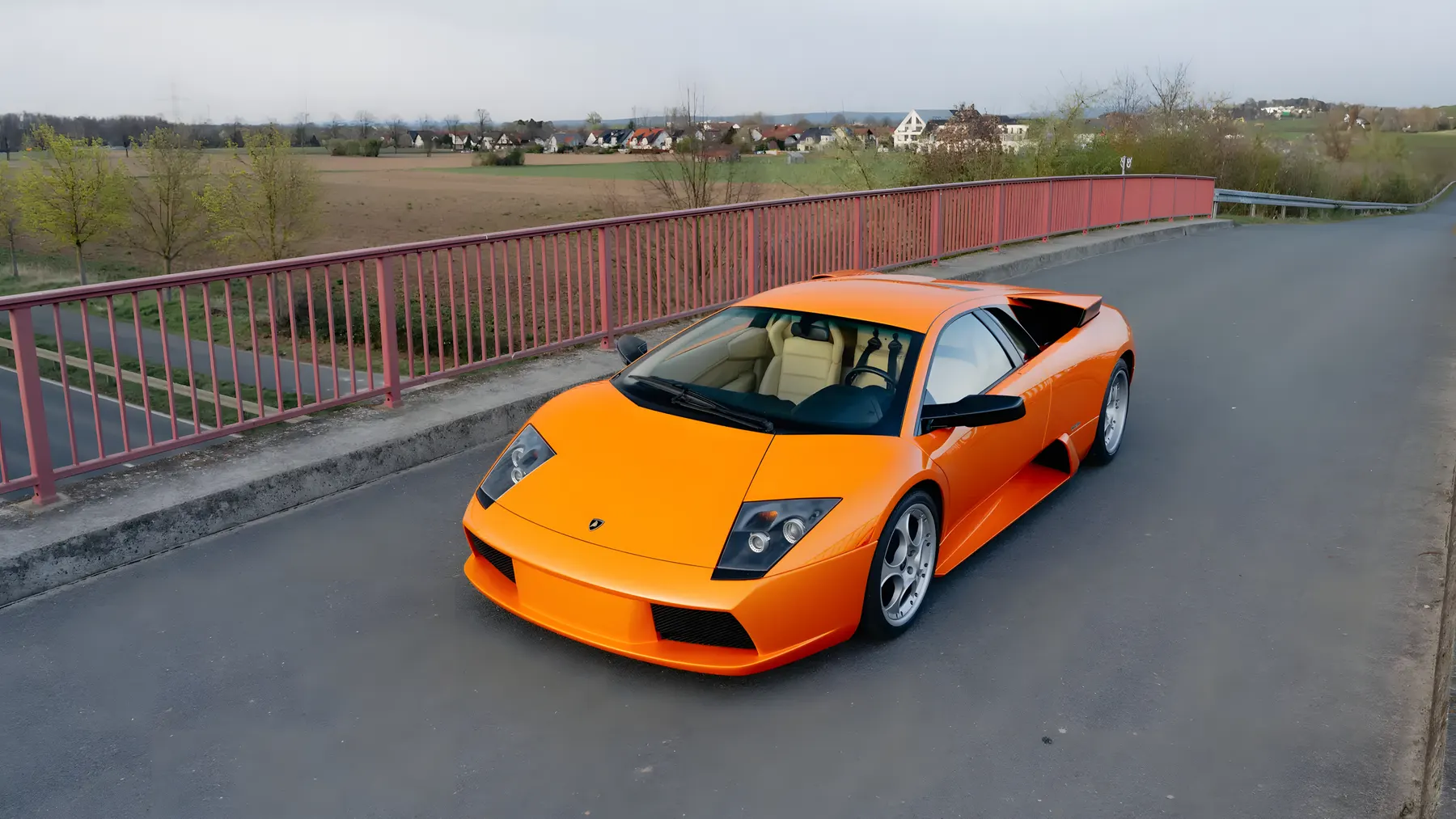
By the time production ended in 2010, the Murciélago had reshaped Lamborghini’s identity. It proved the brand could embrace modern reliability without neutering its wild side. Today, early manual-transmission models command six-figure premiums at auction, revered as the last Lamborghinis to offer a purely analog driving experience before dual-clutch tech took over.
The Aventador that followed in 2011 may be faster and more advanced, but it lacks the Murciélago’s untamed edge. For those who lived through its era, the Murciélago remains a symbol of audacity,a car that shrugged off practicality to deliver pure, unadulterated thrill. In an age of hybridization and automation, its legacy reminds us why we fell in love with supercars in the first place.