2014 Ferrari FF
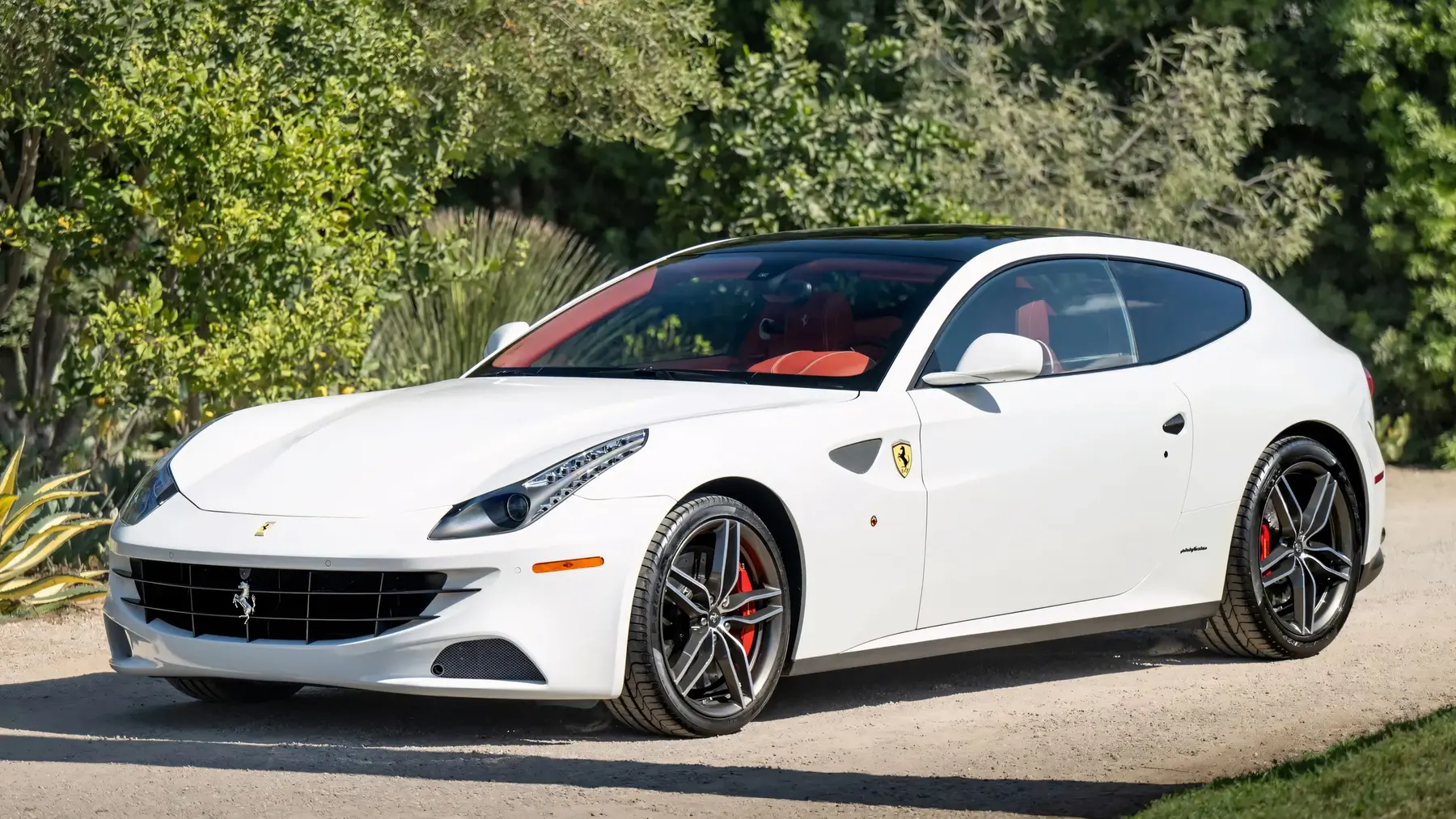
The Ferrari FF is more than just a groundbreaking car; it’s an engineering marvel that redefined what a Ferrari could be. Debuting at the 2011 Geneva Motor Show, the FF (Ferrari Four) was Ferrari’s first production car to feature four-wheel drive and accommodate four passengers. Its distinctive shooting brake design,a two-door coupé that combines the aesthetics of a sports car with the practicality of a small estate,marked a radical departure from the typical Ferrari profile.
At the heart of the FF lies the largest road-going engine Ferrari had ever produced at the time: a naturally aspirated 6.3-liter V12. Generating an astounding 651 horsepower at 8,000 rpm and 504 lb-ft of torque, this masterpiece of engineering catapulted the FF from 0 to 100 km/h (62 mph) in just 3.7 seconds, with a blistering top speed of 208 mph. These figures made the FF the fastest four-seater car in the world at its launch, and the title was well-earned.
The Ferrari FF’s engine was paired with a 7-speed dual-clutch transmission, delivering seamless shifts and impressive acceleration. But the real innovation came from its all-wheel-drive system, dubbed 4RM. Engineered and patented by Ferrari, this lightweight system was 50% lighter than a conventional setup and offered power delivery to each of the four wheels only when necessary. Designed to function primarily in the “comfort” or “snow” driving modes, the 4RM system allowed the FF to maintain the rear-wheel-drive purity Ferrari enthusiasts love while offering added grip when road conditions turned treacherous.
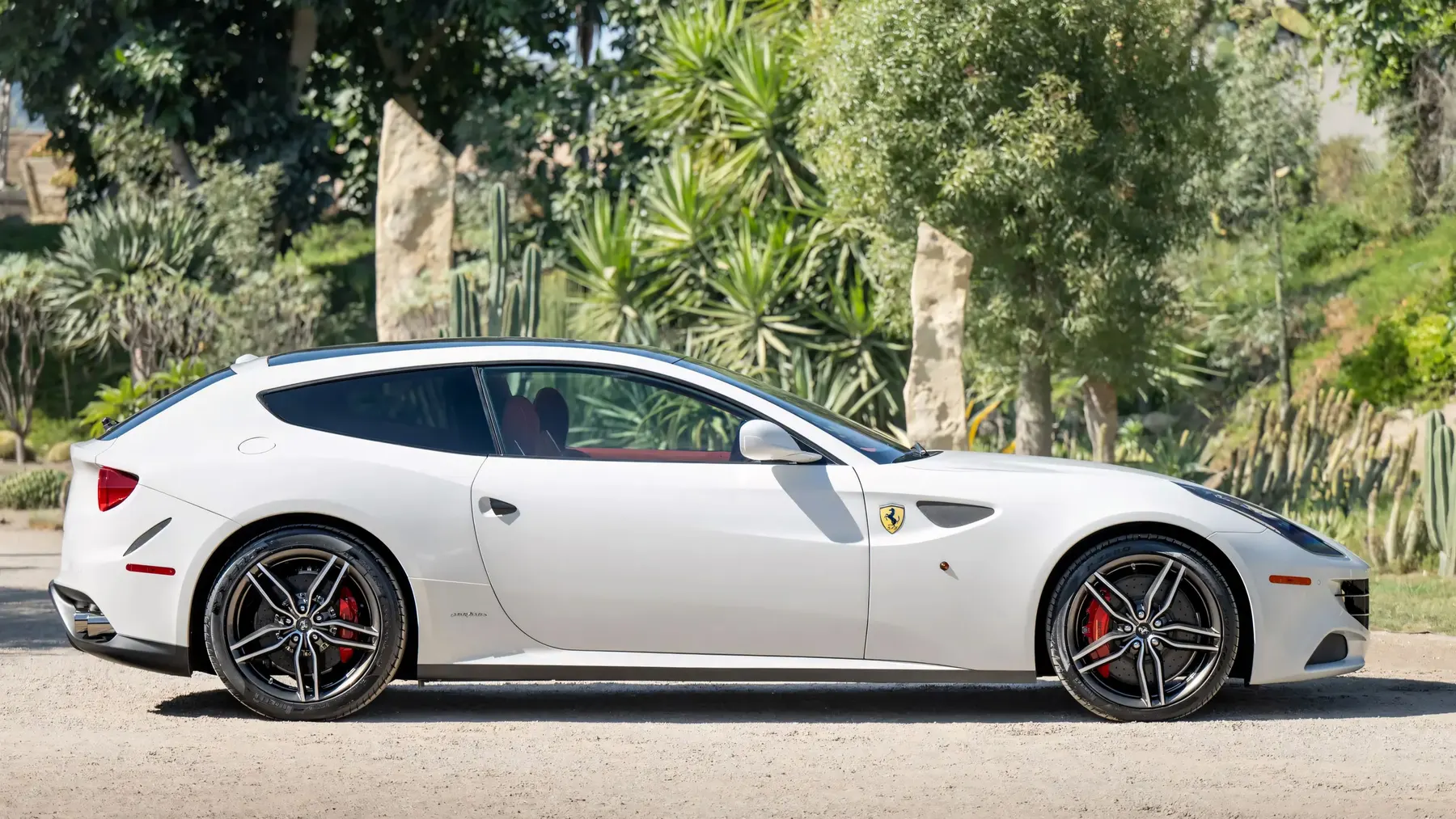
The Ferrari FF is unique not only for its performance but also for its styling. Designed under the guidance of Lowie Vermeersch and Flavio Manzoni, the FF embraced Ferrari’s contemporary design language, with styling cues from the 458 Italia and the 599 GTB Fiorano. However, the FF’s distinctive shooting brake body gave it a character all its own. The car’s elongated roofline and hatchback rear broke from Ferrari’s traditional silhouette, drawing comparisons to the 1962 Ferrari 250 GT SWB Drogo. This design not only created a stunning visual effect but also provided an impressive 450 to 800 litres of luggage space, a rarity in high-performance sports cars.
The shooting brake design, combined with folding rear seats, allowed the FF to carry passengers and their luggage in comfort,perfect for long road trips or weekend getaways. The interior, lined with leather and equipped with modern amenities such as GPS navigation, premium air conditioning, and an advanced sound system, ensured that Ferrari’s commitment to luxury was as strong as its dedication to performance.
One of the key highlights of the Ferrari FF was its innovative all-wheel-drive system. The 4RM system was designed to distribute power intelligently, depending on the driving conditions. Ferrari achieved this by using a secondary gearbox called the Power Transfer Unit (PTU), which engaged the front wheels only in the first four gears. The PTU, combined with Haldex-type clutches, provided seamless transitions between rear-wheel and all-wheel drive, with up to 20% of torque being transmitted to the front wheels in slippery conditions. This system allowed the FF to maintain optimal handling characteristics and grip, even in snow or rain.
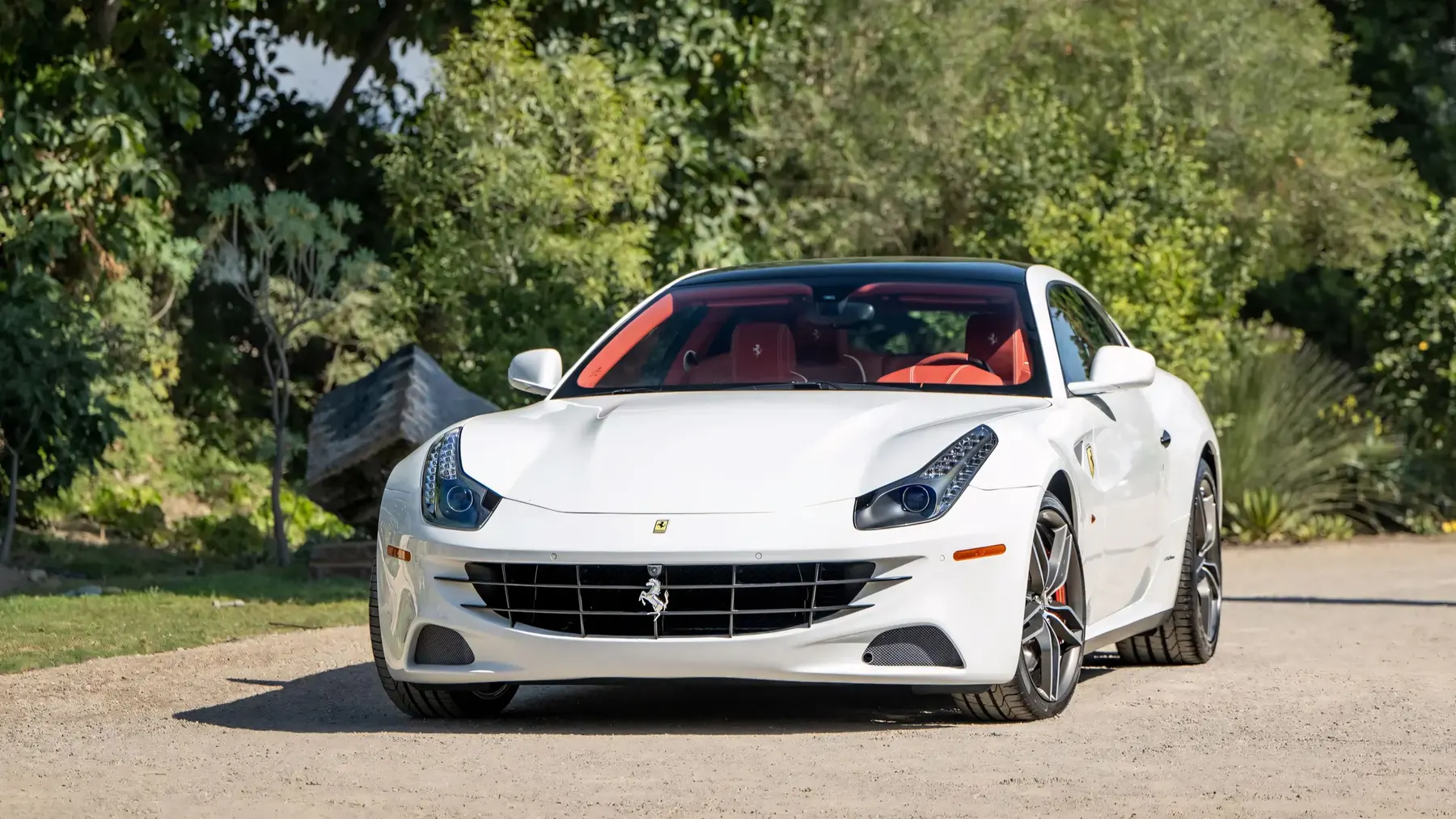
Despite the FF’s size and practicality, its performance remained quintessentially Ferrari. The car boasted a low drag coefficient of 0.329, helping it slice through the air efficiently. Ferrari’s expertise in crafting high-performance vehicles extended beyond speed and handling, with the FF showcasing its remarkable 50/50 weight distribution, ensuring the car remained balanced and poised on the road.
The Ferrari FF wasn’t just a technical masterpiece,it was also a visual one. At the 2011 Shanghai Auto Show, it was named the “Most Beautiful Super Car” by Car and Driver China magazine, while Oriental TV awarded it the title of “Most Popular Imported Car Model”. Top Gear magazine named it “Estate Car of the Year” in 2011, recognizing the FF’s practicality alongside its supercar credentials. The accolades continued into 2012 when Top Gear India awarded it the “Luxury Car of the Year”.
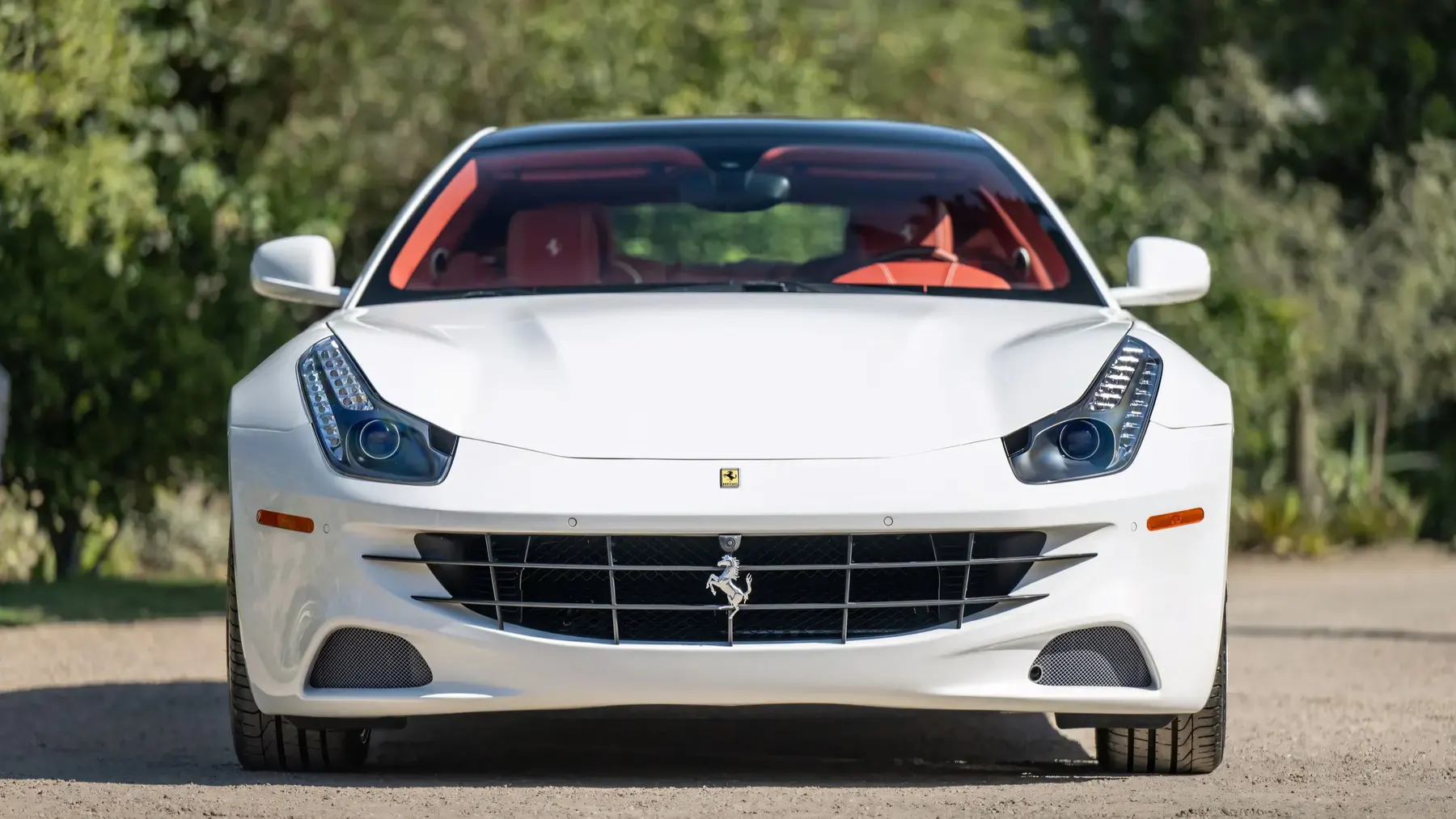
While the FF was praised for its versatility and performance, it wasn’t without its criticisms. The U.S. Department of Energy ranked the FF as one of the least fuel-efficient cars in the midsize class in 2013, with a consumption rating of 13 mpg-US. But for those who could afford the FF’s $300,000 price tag, fuel economy was a minor concern.
The Ferrari FF was produced from 2011 to 2016, with 2,291 units rolling off the assembly line. It was succeeded by the GTC4Lusso, but the FF’s place in Ferrari history remains secure. It was Ferrari’s first true all-season supercar, capable of handling any road condition with ease while offering seating for four in comfort. The FF proved that Ferrari could blend performance, luxury, and practicality without compromising its core DNA.
The FF was not just for the racetrack or warm climates. It was a Ferrari for Aspen, for the Alps, and for families who needed space without sacrificing speed. For many, the FF symbolised a new era of Ferrari, one where grand touring wasn’t just about how fast you could go, but how comfortably and stylishly you could get there.