2018 McLaren 720S
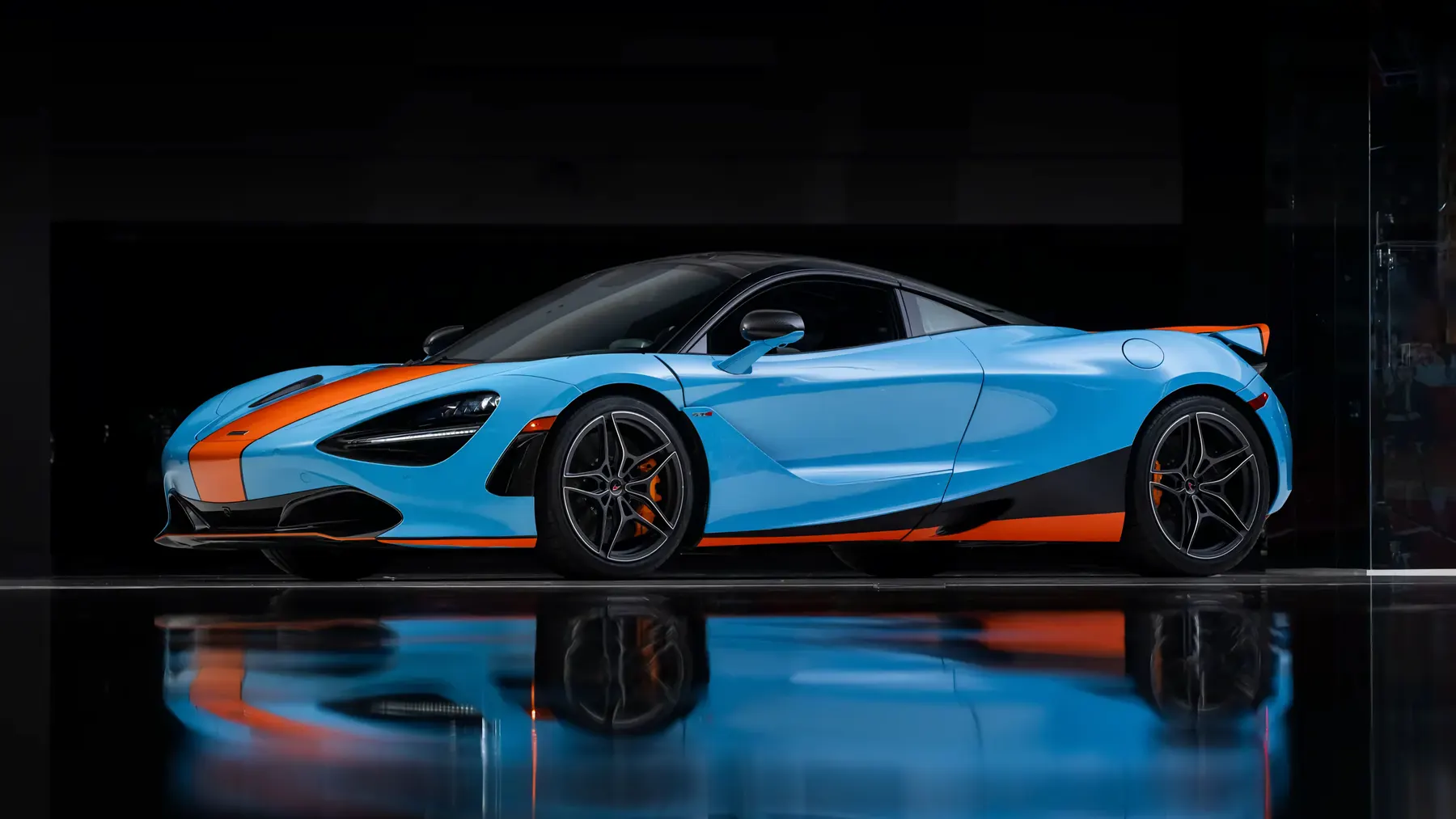
The McLaren 720S stands as a testament to British automotive excellence, redefining what a modern supercar can achieve. Combining breathtaking performance with surprising everyday usability, this McLaren model quickly established itself as one of the most formidable production cars ever created.
The McLaren 720S made its dramatic debut at the Geneva Motor Show on March 7, 2017, marking the second all-new car in McLaren’s prestigious Super Series lineup. Launched as a replacement for the 650S, the 720S represented a significant leap forward rather than a mere evolution, with McLaren claiming an impressive 91% of components were new compared to its predecessor. Production began in May 2017, with the model rolling off the assembly line until December 2022.
The 720S emerged from McLaren’s ambitious strategy to introduce 15 new cars by 2022, reflecting the company’s commitment to innovation. This approach is deeply rooted in McLaren’s racing heritage, established by founder Bruce McLaren in the 1960s, which emphasized pushing engineering boundaries and pursuing performance excellence.
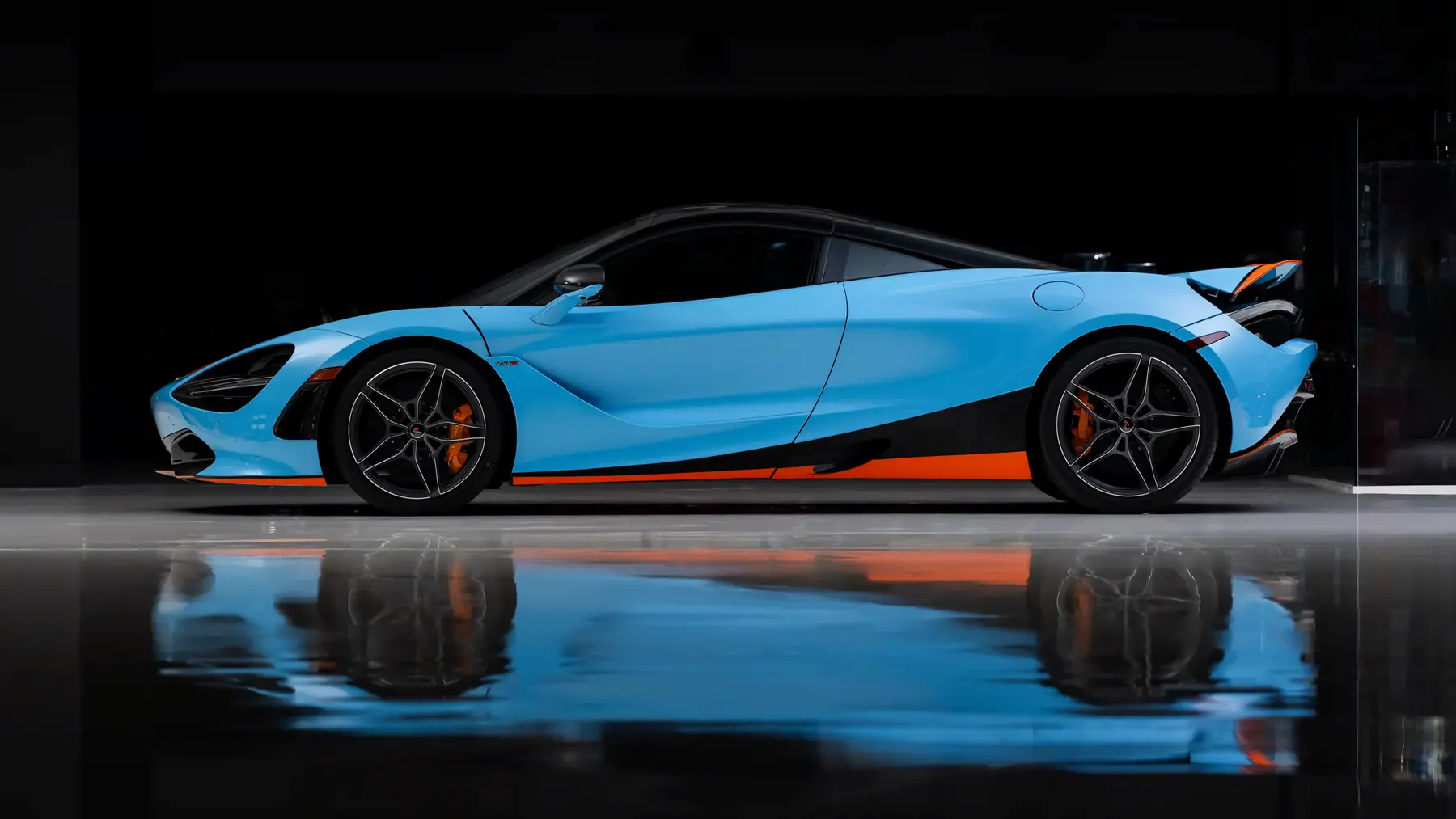
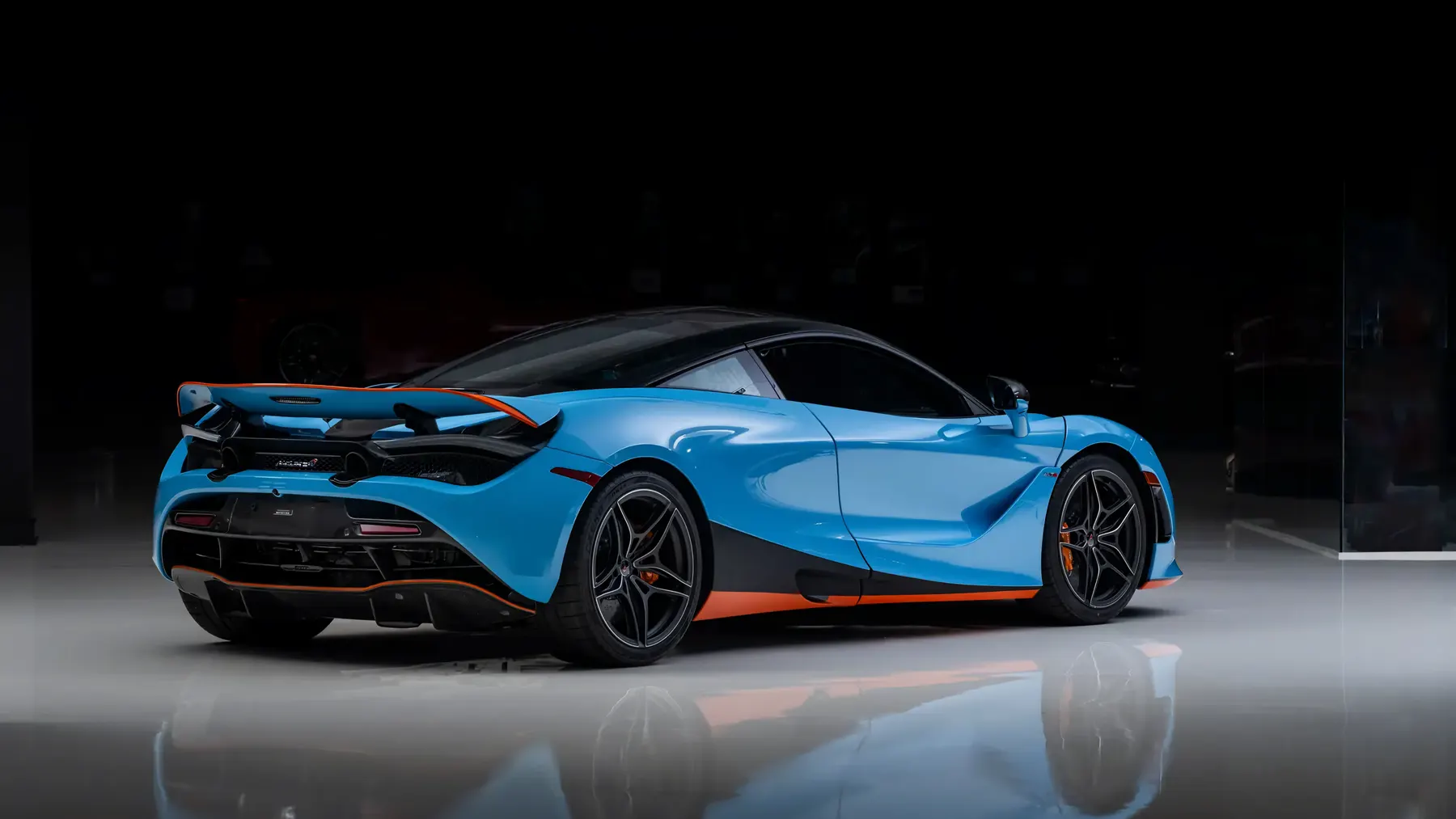
The 720S features a striking design where every curve and contour serves an aerodynamic purpose. Inspired by the great white shark, the car showcases a distinctive teardrop-shaped cockpit that maximizes both airflow and driver visibility. This design philosophy resulted in 50% more downforce than the 650S without increasing drag.
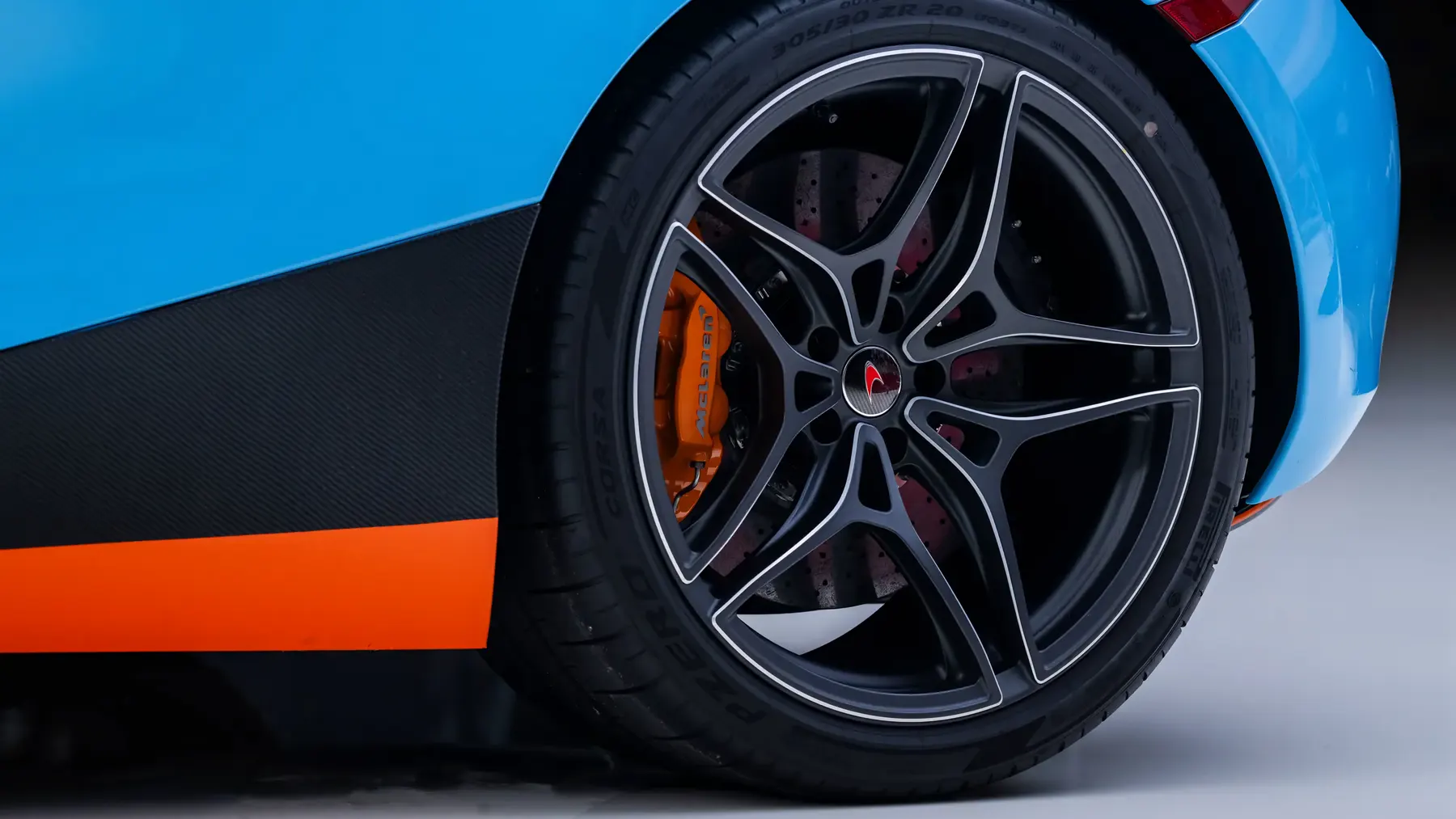
The exterior incorporates remarkable engineering solutions, including headlights that cleverly hide air vents channeling airflow to small radiators positioned in front of the wheels. The iconic dihedral doors feature integrated air channels directing air to the engine, while the rear sports thin LED tail lights reminiscent of the McLaren P1 hypercar.
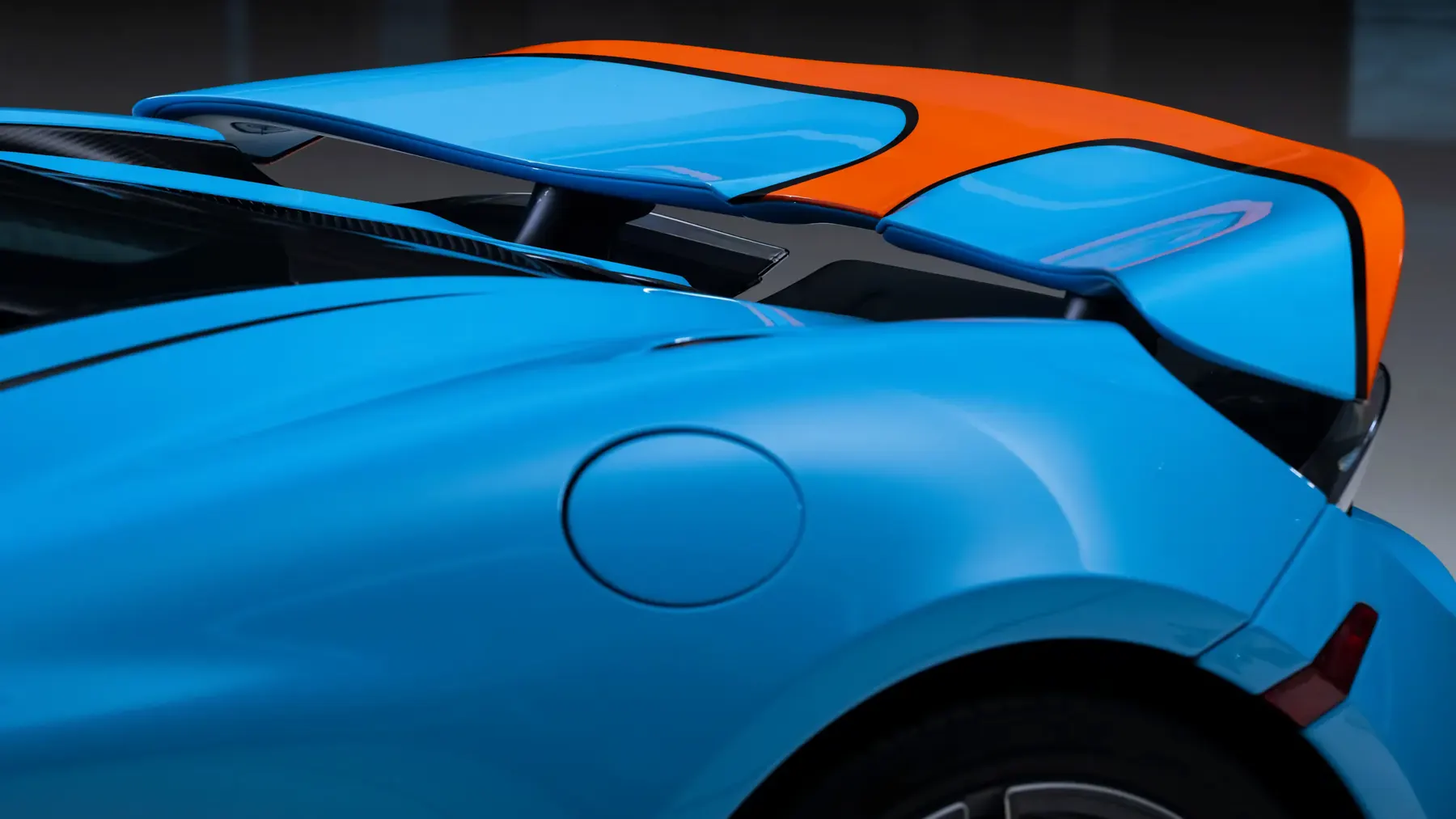
Perhaps most dramatic is the massive airbrake that deploys under heavy deceleration, becoming a striking visual element while significantly enhancing stopping power. One reviewer aptly described the car as looking “like it came straight out of the government’s UFO report”, an otherworldly design that leaves no doubt about its performance credentials.
At the heart of the 720S lies its revolutionary carbon fiber monocoque chassis, dubbed the MonoCage II. This structure builds upon principles established with the P1 hypercar but weighs an impressive 18 kg less than the chassis used in the 650S. The MonoCage II allows for the dramatic dihedral doors with large cutouts for easier entry and exit, while simultaneously reducing the size of the roof pillars to enhance driver visibility.
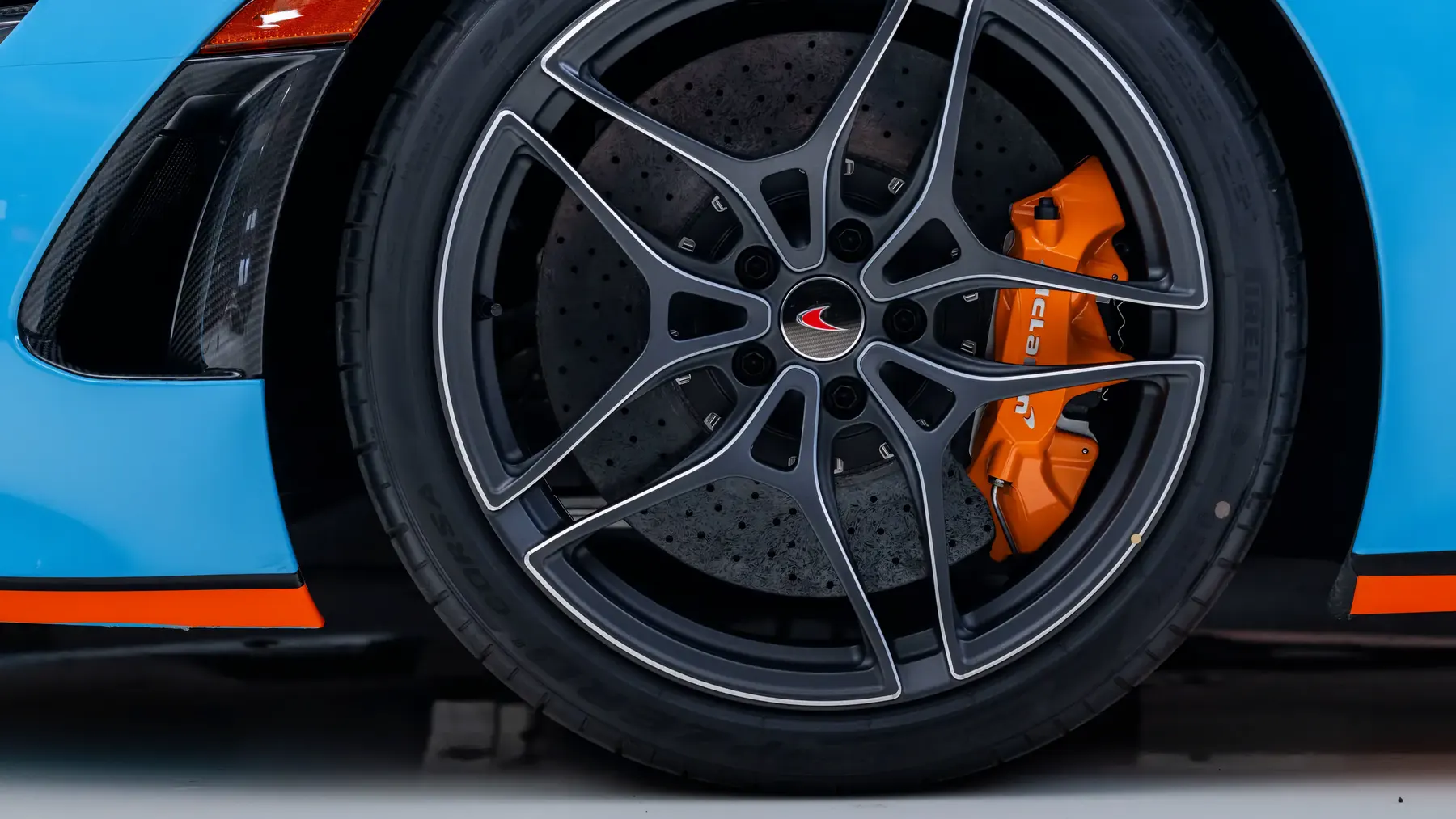
The Pro-active Chassis Control II suspension system represents another engineering breakthrough. Evolved from the system used in the 650S but 16 kg lighter, it features accelerometers at the top and pressure sensors at the bottom of the dampers. This advanced setup communicates driving conditions to the car’s computer in real-time, enabling optimum suspension settings under any circumstance. Interestingly, the technology stemmed from research conducted during a PhD course at the University of Cambridge.
The McLaren 720S delivers performance figures that place it among the fastest production cars ever created. Powered by McLaren’s M840T engine, an evolution of the M838T used in the 650S, this 4.0-liter twin-turbocharged V8 produces 720 PS (710 horsepower) at 7,500 rpm and 770 Nm (568 lb-ft) of torque at 5,500 rpm.
According to McLaren’s official specifications, the 720S accelerates from 0 to 100 km/h (62 mph) in just 2.9 seconds, reaches 200 km/h (124 mph) in 7.8 seconds, and achieves a maximum speed of 341 km/h (212 mph). Its quarter-mile time is officially listed as 10.3 seconds.
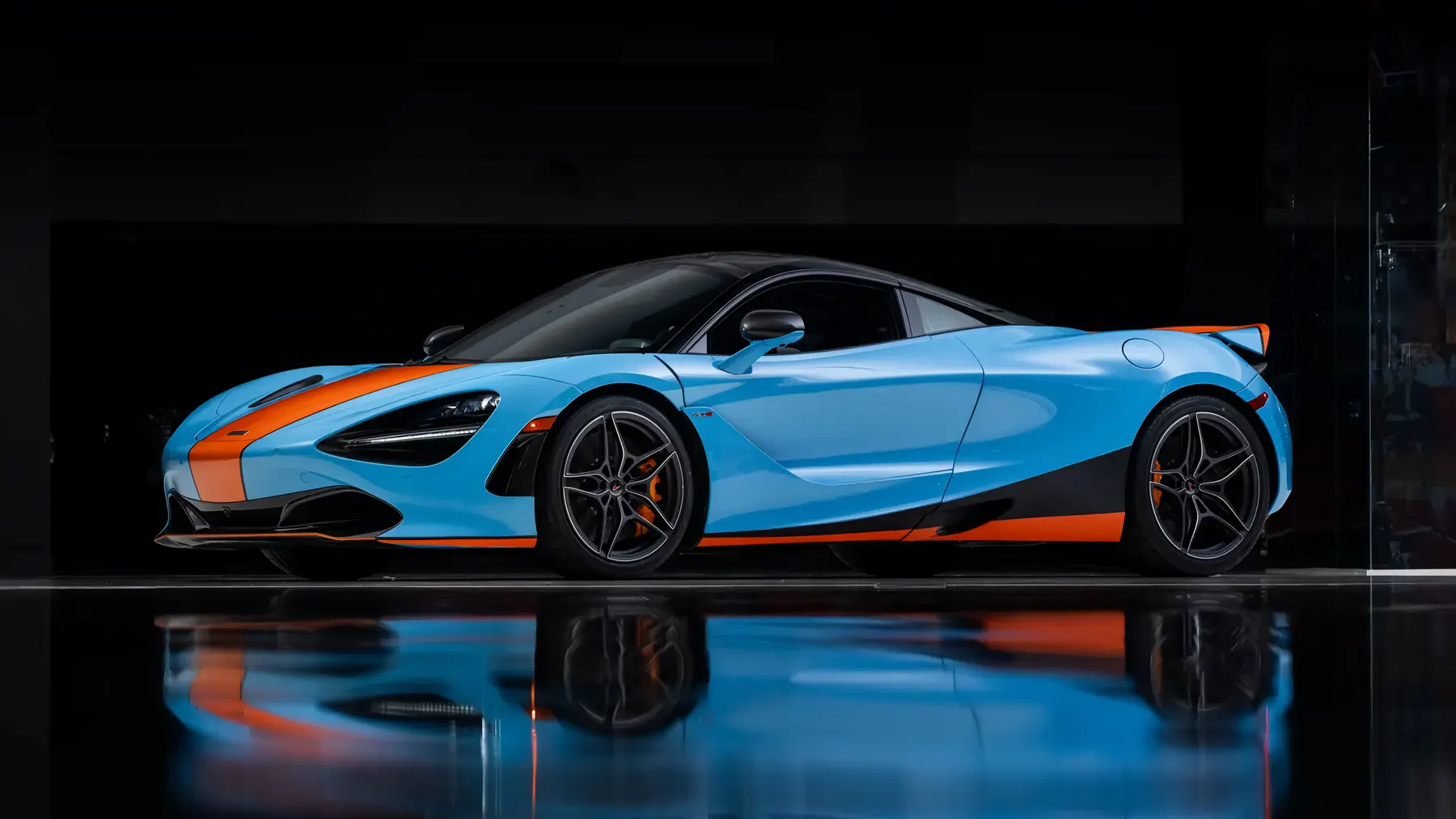
However, independent testing has revealed even more impressive results, with a stock 720S completing the quarter-mile in just 9.9 seconds, achieving 0-97 km/h (0-60 mph) in 2.5 seconds, and reaching 200 km/h (124 mph) in a mere 7.1 seconds. These figures have led some enthusiasts to describe the 720S as “basically a P1 without the fancy hybrid system,” referencing McLaren’s flagship hypercar that cost over $1 million more.
Despite its extreme performance capabilities, the 720S also delivers impressive efficiency for its class, with CO₂ emissions of 249 g/km and combined fuel economy of 26.4 mpg-imp (22.0 mpg-US; 10.7 L/100 km), representing approximately a 10% improvement over the 650S.
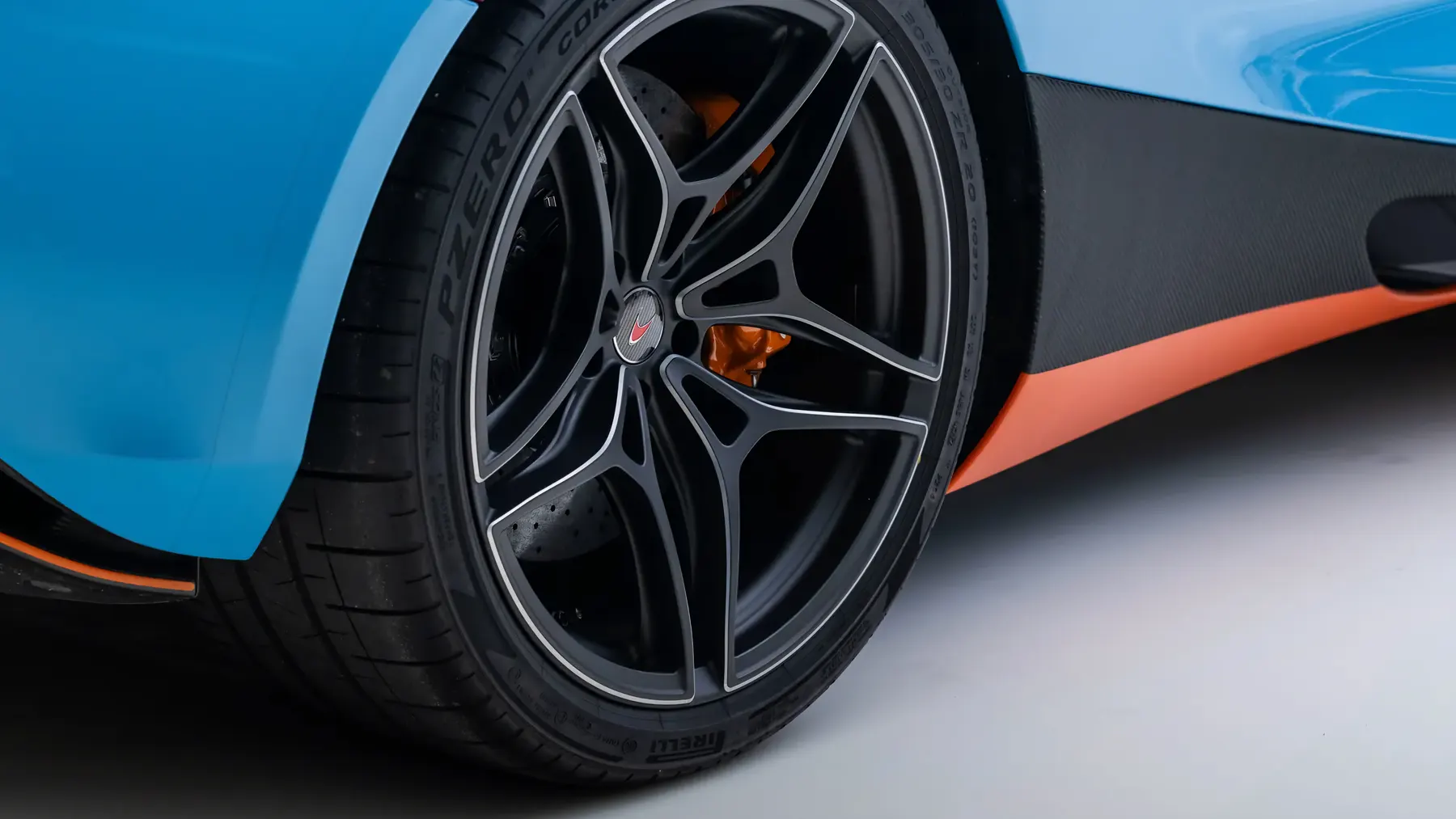
What truly distinguishes the 720S from competitors is how it balances extreme performance with surprising usability. The handling has been described as “remarkable” with one reviewer noting it’s “among the best I’ve experienced, with a noticeable edge over many modern cars”. Its relatively light weight provides immediate responsiveness during turns, drawing comparisons to the nimble Lotus Elise.
Despite its track-focused capabilities, the 720S delivers unexpected comfort on public roads. One reviewer noted that “despite possessing the ride height of a Tech Deck fingerboard,” the 720S is “one of the smoothest supercars I’ve had the pleasure of piloting”. This versatility means the car excels both on winding mountain roads and during daily driving.
The car features three driving modes, Comfort, Sport, and Track, though some drivers have found the differences between them to be subtler than expected. A Variable Drift Mode allows drivers to explore the car’s handling limits by manipulating the stability control systems.
Not everything about the driving experience is perfect, however. Multiple reviewers have mentioned issues with the brake pedal feel, describing “a fair amount of dead zone in the initial throw, requiring a surprisingly leaden foot to keep the car stopped at traffic lights”. The car can also be challenging in urban environments, with heavy steering in tight spaces and a transmission that requires significant throttle input to engage first gear.
The 720S interior prioritizes the driver experience, blending modern technology with race-inspired elements. Standard materials include Alcantara and Weir leather upholstery complemented by carbon fiber trim. Optional upgrades include a Bowers and Wilkins audio system and fixed carbon fiber racing seats.
One of the most distinctive interior features is the digital display behind the steering wheel, which can retract to a thin screen showing only essential information when the car is in track mode. The touchscreen on the center console is angled toward the driver, with vital controls positioned within easy reach.
The cabin offers exceptional visibility for a supercar, with windows along the backside reducing the typical blind spots found in mid-engine vehicles. While the interior is well-insulated against wind noise, the technology features have received mixed reviews, with some finding them underwhelming compared to the car’s performance credentials.
The McLaren 720S has received extraordinary acclaim from automotive critics worldwide. Car and Driver described it as having “lust-inducing looks, blistering speed, and brilliant driving dynamics,” concluding that it is “everything an exotic car should be with the bonus of being easy to live with”.
Top Gear called it “probably the single most accomplished supercar we’ve ever driven,” while Auto Express awarded it a perfect 10/10 score. Many reviewers have placed the 720S among the all-time great supercars, with one enthusiast suggesting that “this car will go down in history as one of the all-time greats, the culmination of ICE-only supercars in a supremely comfortable and usable package”.
The 720S has been particularly praised for delivering hypercar performance at a supercar price point. While certainly not inexpensive at around $280,000-$290,000, it offers performance comparable to vehicles costing significantly more. As one reviewer put it, McLaren has become “the Chevy of supercars… Half the price of the competition, twice the performance”.
However, the 720S has not been without criticism. Some owners and reviewers have noted concerns about build quality and reliability, with one driver commenting that “while it looks and drives wonderfully, it doesn’t feel particularly well-constructed”. The car’s depreciation rate has also been identified as a potential drawback for owners.
In December 2022, McLaren ended production of the 720S after a successful five-year run. The model was succeeded by the McLaren 750S in 2023, essentially a facelifted version of the 720S with increased power to 750 PS (740 hp) and a 30 kg reduction in weight. Notably, the 750S is set to be McLaren’s final model powered solely by an internal combustion engine, marking the end of an era.
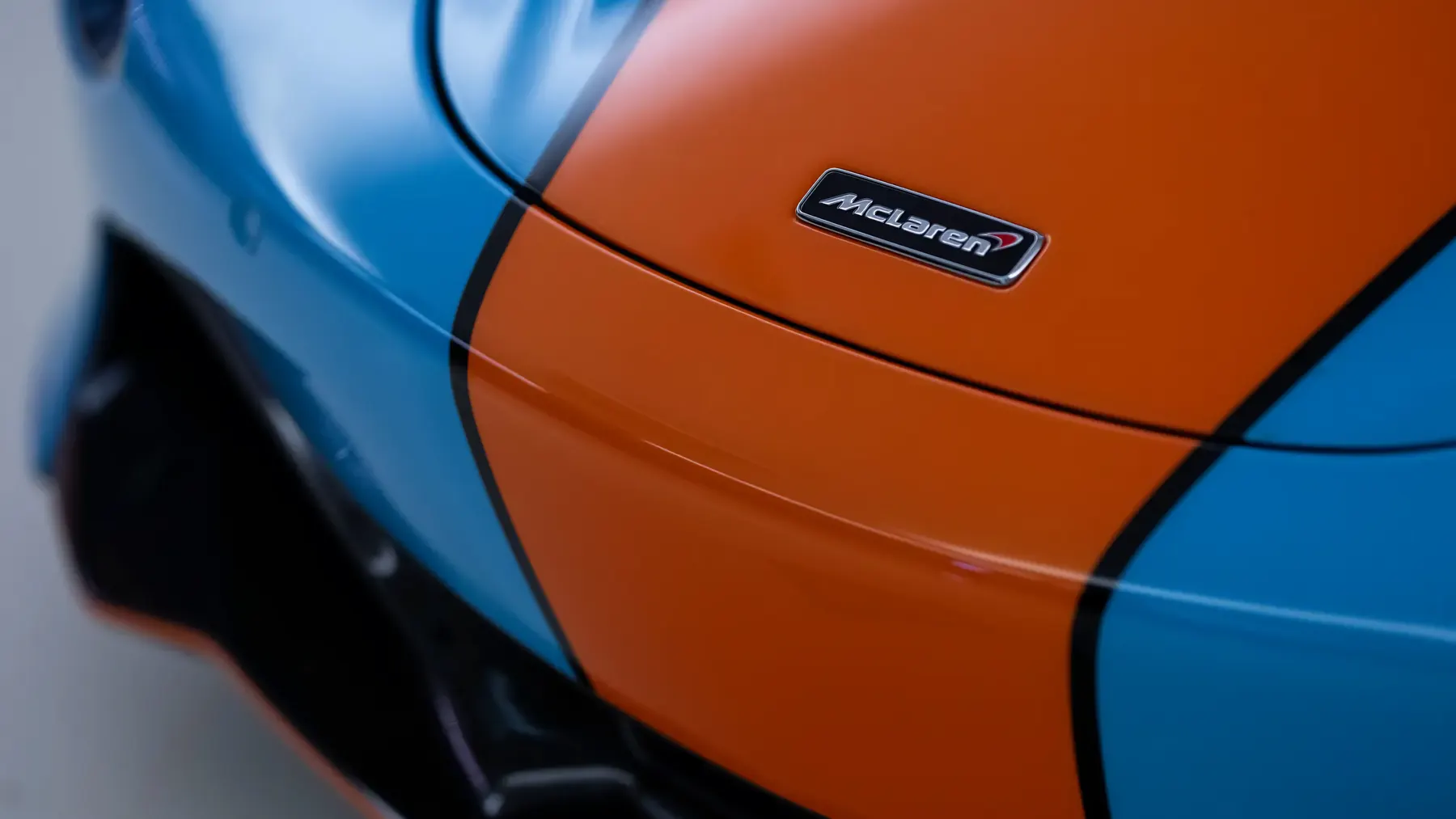
The McLaren 720S represents a pinnacle in supercar development, a vehicle that combines devastating performance with genuine everyday usability. As internal combustion engines gradually give way to hybrid and electric powertrains, the 720S stands as a compelling final statement of what a pure gasoline-powered supercar can achieve. It has rightfully earned its place among the most celebrated performance cars of the modern era.