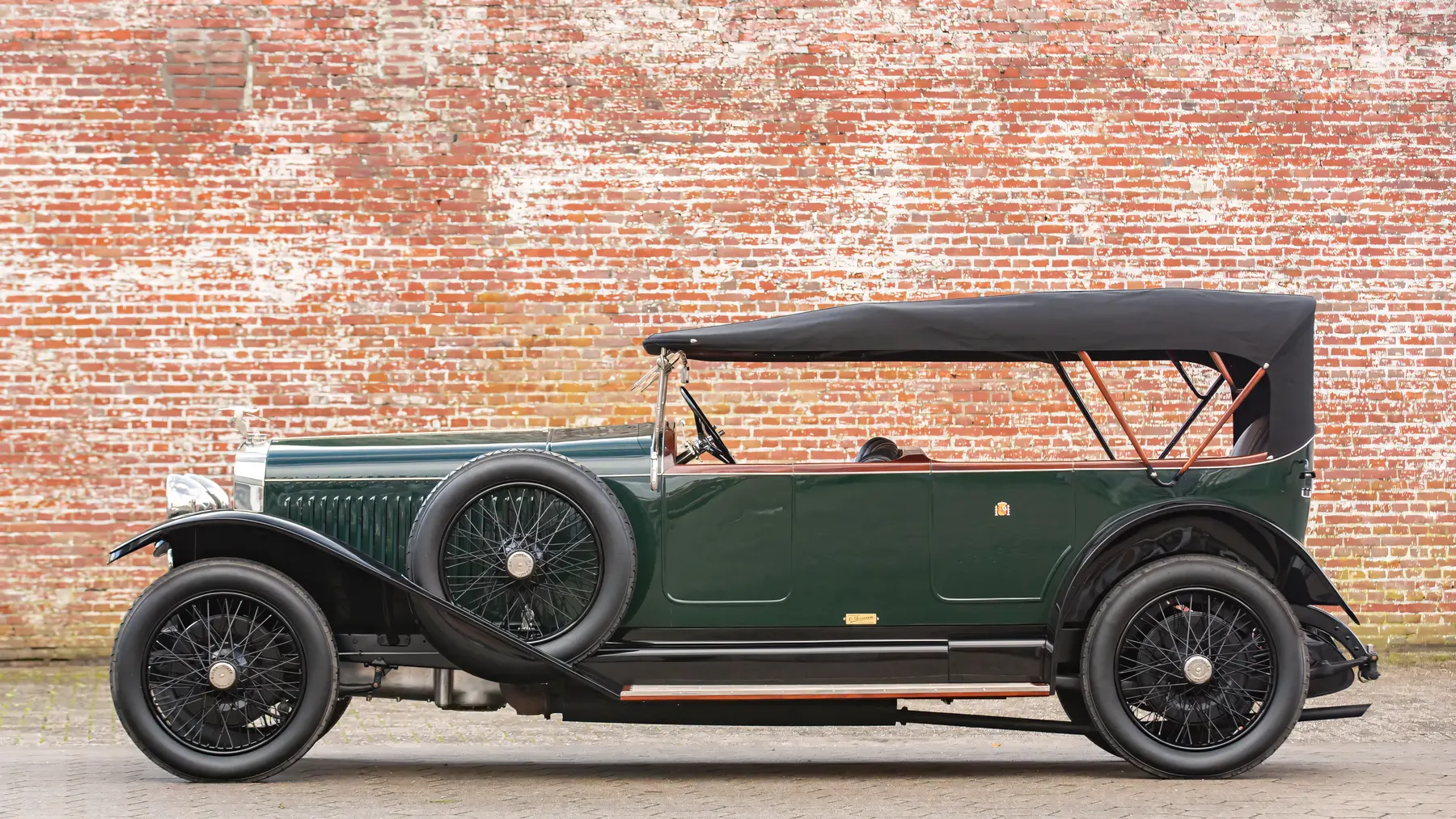
1919 Hispano-Suiza H6 Torpédo by Duvivier
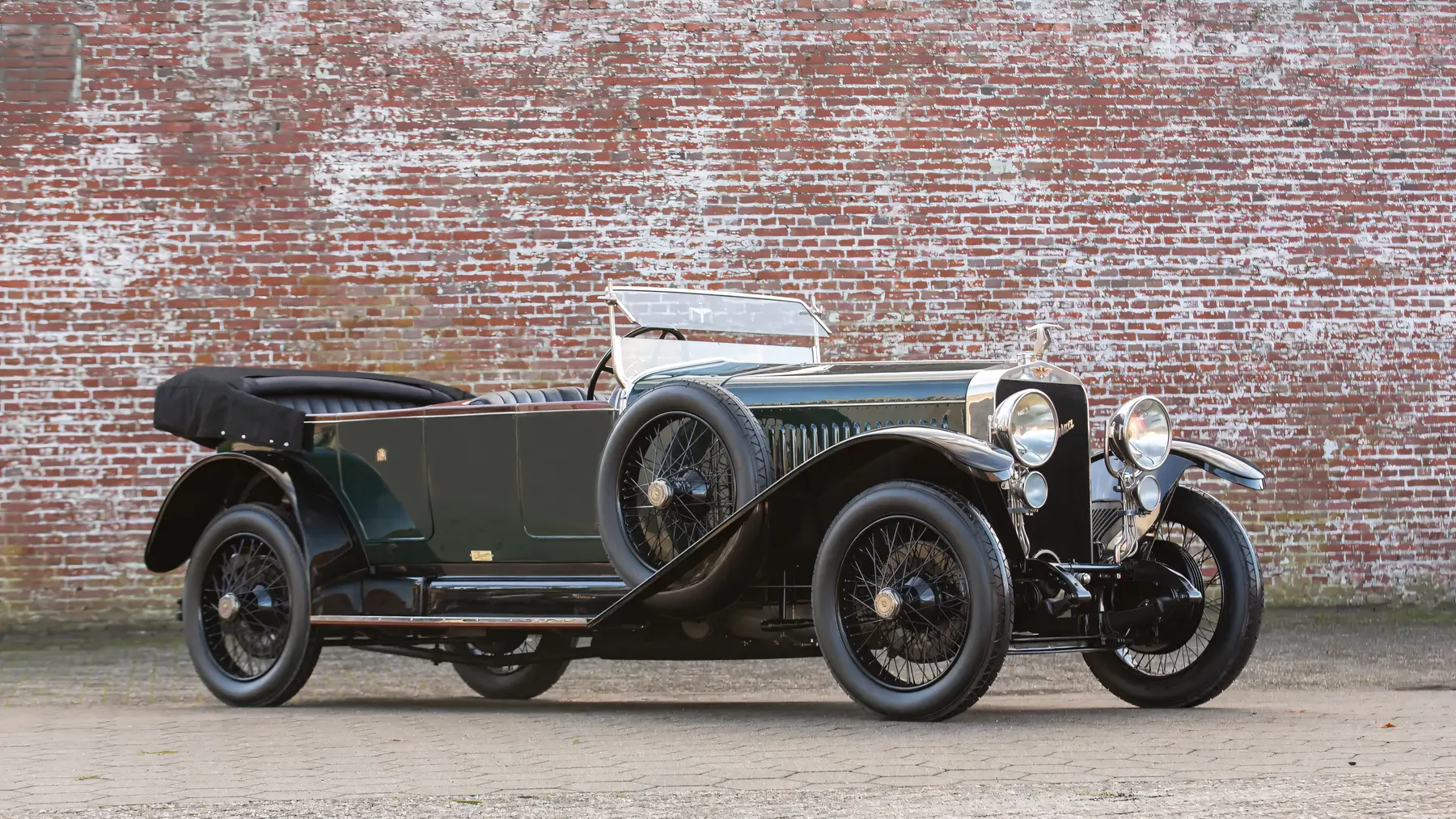
The Hispano-Suiza H6 is one of the most iconic luxury cars of the early 20th century, renowned for its advanced engineering and exquisite craftsmanship. Built primarily in France, the H6 was produced from 1919 to 1933 and became a symbol of both technological innovation and opulence. The H6 Torpédo, with bodywork by the prestigious coachbuilder Duvivier, exemplifies the elegance and performance that made Hispano-Suiza a favourite among royalty, celebrities, and car enthusiasts of the time.
At the core of the Hispano-Suiza H6 was its groundbreaking straight-six engine, developed by the visionary engineer Marc Birkigt. Birkigt, who had worked extensively on aircraft engines during World War I, brought his expertise to the automotive world with this design. The H6 engine, displacing 6.6 litres (6,597 cc), was crafted from lightweight aluminium, a rare material for engines of the time. Its construction featured a seven-bearing crankshaft milled from a solid steel billet, resulting in a remarkably strong yet lightweight component that delivered smooth performance.
The engine was designed with an overhead camshaft, a feature typically found in high-performance and racing engines, which allowed the H6 to produce around 100 horsepower,a significant output for its era. The engine’s robustness and efficiency were key factors in making the H6 one of the most sought-after luxury cars in the world.
One of the most innovative features of the H6 was its braking system, which was a major leap forward in automotive safety. The H6 was the first production car to use power-assisted brakes on all four wheels, a feature that Hispano-Suiza developed in-house. This system utilised a servo mechanism driven by the car’s momentum, allowing the driver to apply significant braking force with minimal effort. The brakes were made from light alloy and offered exceptional stopping power, which was vital for a car of the H6’s size and weight.
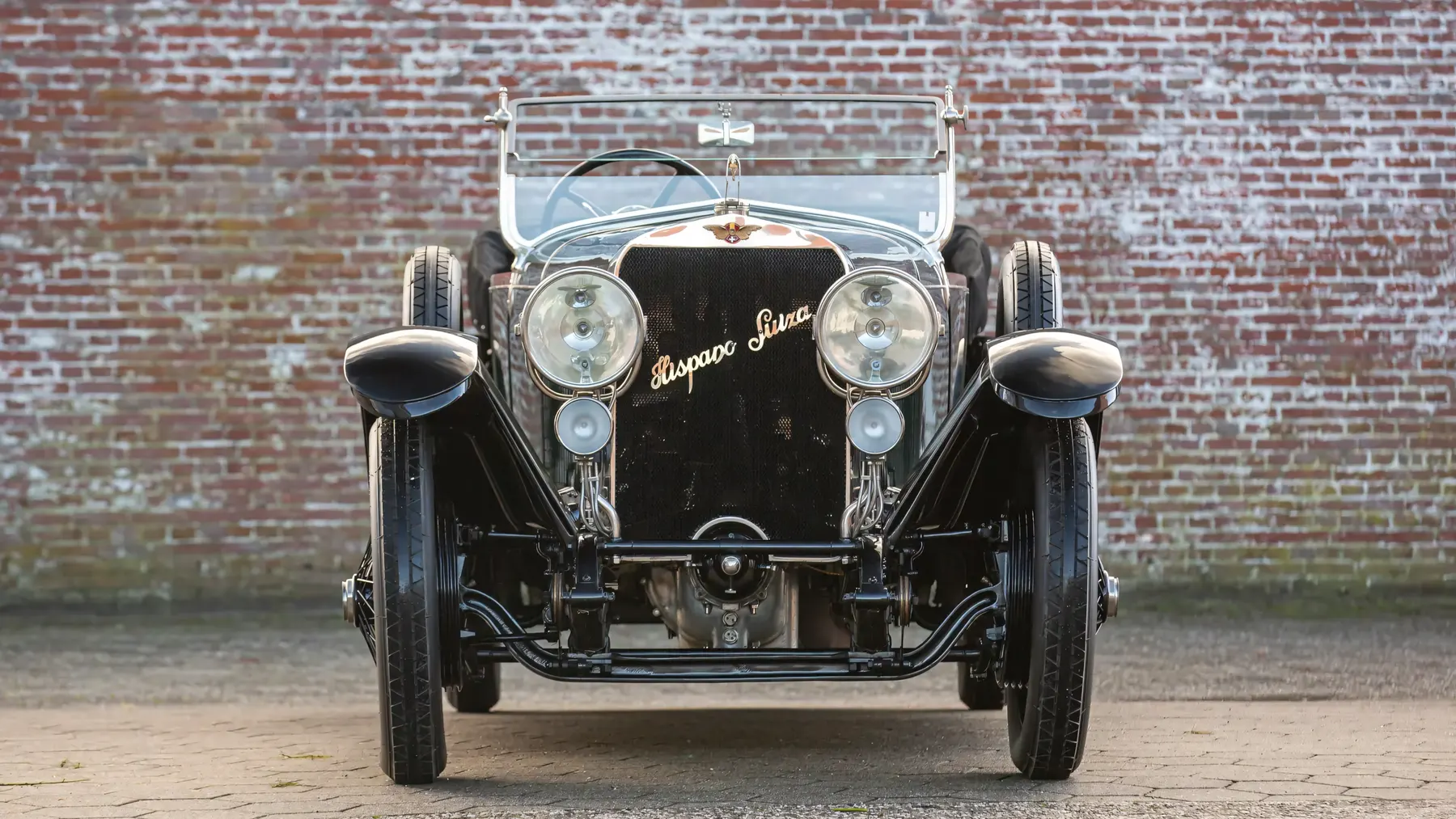
This advanced braking technology was so impressive that Rolls-Royce licensed it for their own cars, further cementing Hispano-Suiza’s reputation as a leader in automotive engineering.
The Hispano-Suiza H6 Torpédo, with coachwork by the renowned French firm Duvivier, is a testament to the artistry and attention to detail that defined luxury cars of the 1920s and 1930s. Duvivier, a name synonymous with elegance, was one of the premier coachbuilders of the time. Their designs were known for their flowing lines, impeccable craftsmanship, and use of the finest materials.
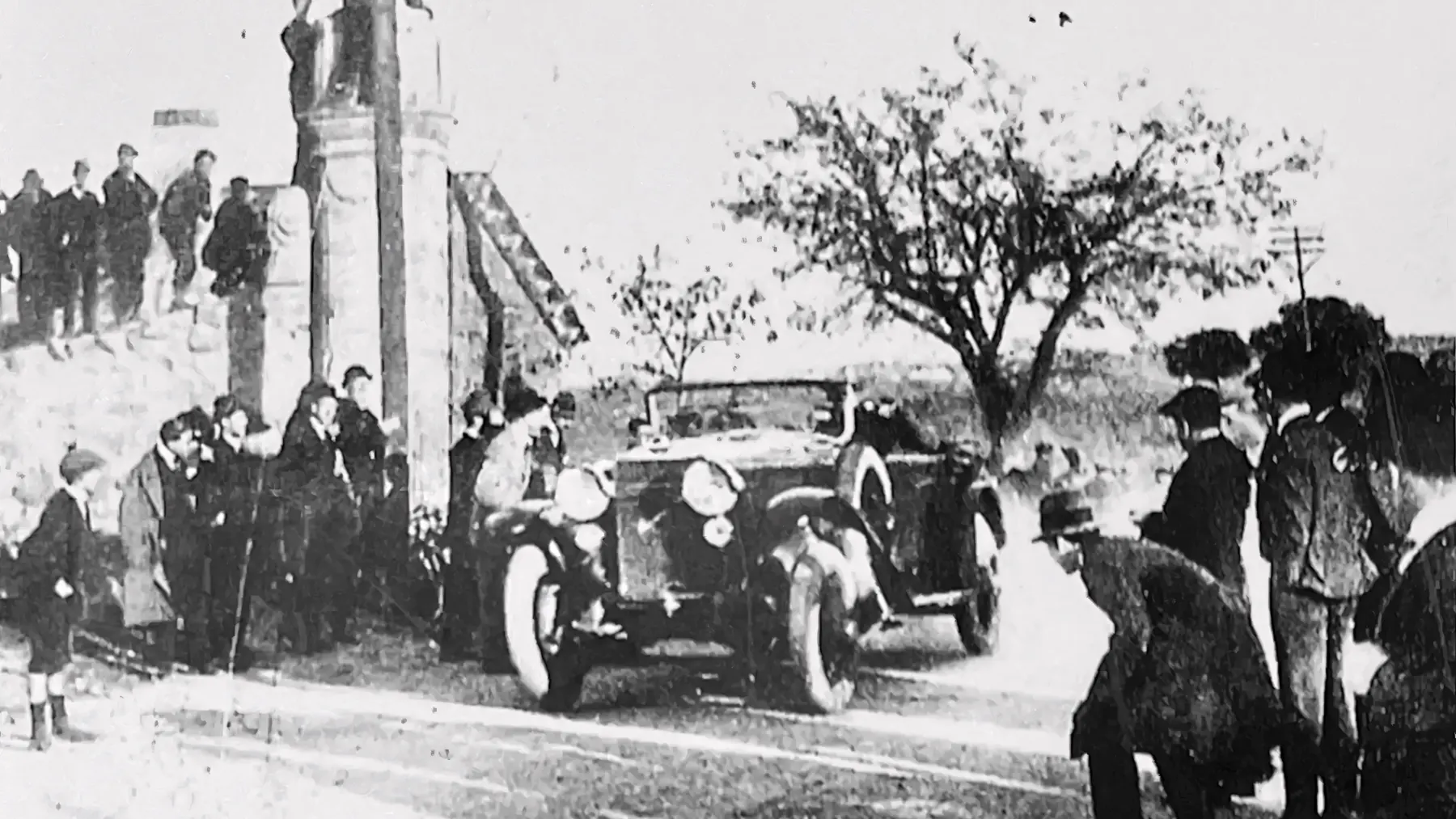
The Torpédo body style, which featured an open design with a folding roof, was popular among the wealthy elite who sought a stylish and sporty vehicle for their travels. The H6 Torpédo by Duvivier combined the luxurious comfort of a limousine with the freedom and thrill of open-air motoring, making it the perfect choice for those who wanted to make a statement on the road.
Despite its size and weight, the Hispano-Suiza H6 was capable of impressive performance, thanks in part to its powerful engine and innovative engineering. The car’s top speed was around 130 km/h (81 mph), which was remarkable for a luxury vehicle of its time. This combination of speed, power, and refinement made the H6 a favourite among European aristocracy, as well as a popular choice for coachbuilders who could use its chassis to create custom designs that catered to their clients’ desires.
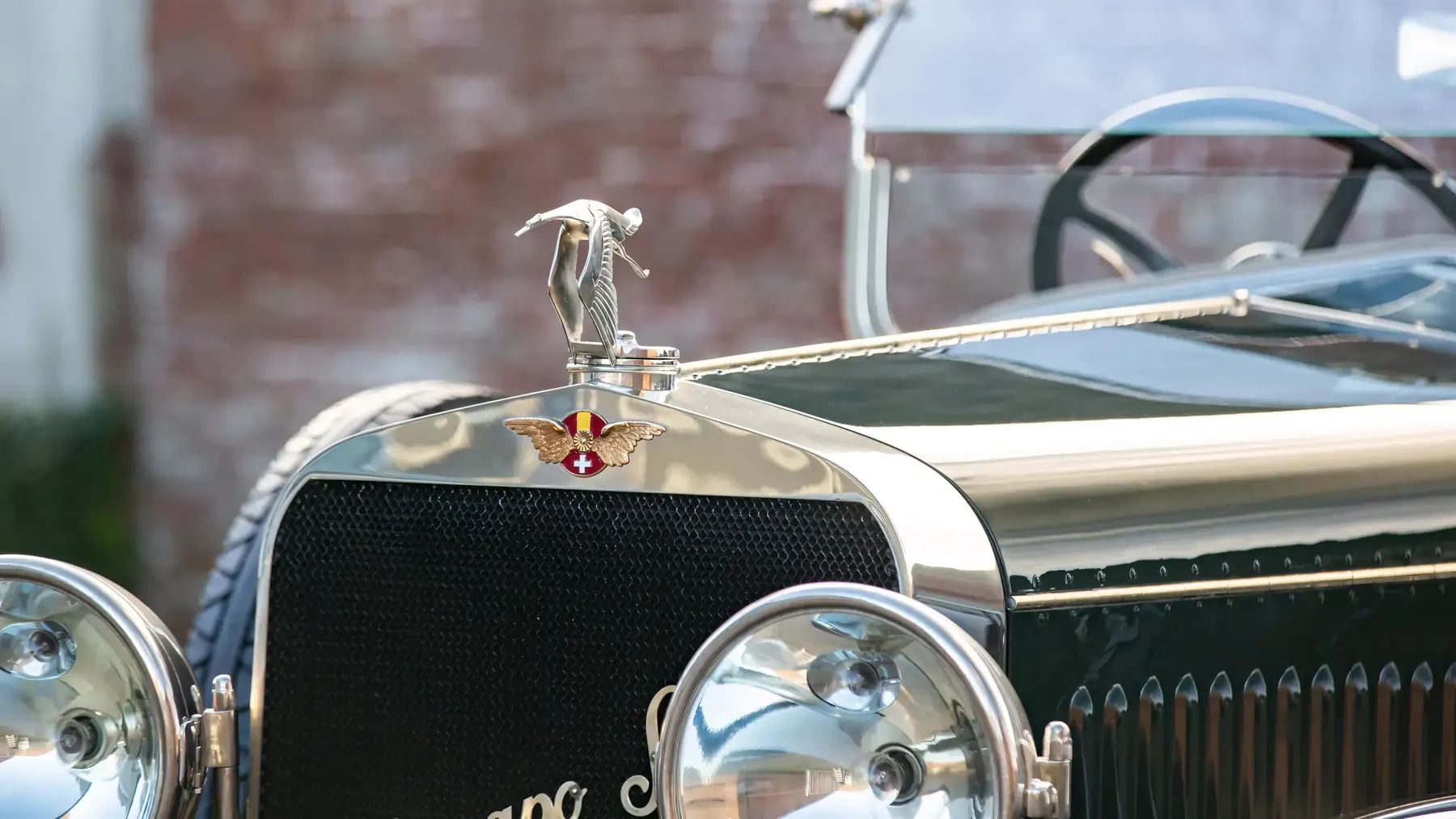
Hispano-Suiza’s dedication to quality and performance extended to every aspect of the H6. From its carefully designed suspension system to its luxurious interior appointments, the H6 was a car that excelled in both comfort and performance.
The Hispano-Suiza H6 has left a lasting legacy in the automotive world, not only for its engineering and design but also for its cultural significance. The car has made numerous appearances in popular media, perhaps most notably in the Australian television series Miss Fisher’s Murder Mysteries, where the lead character, detective Phryne Fisher, drives a red 1923 Hispano-Suiza H6. This association with glamour and adventure has only enhanced the car’s reputation as a symbol of luxury and sophistication.
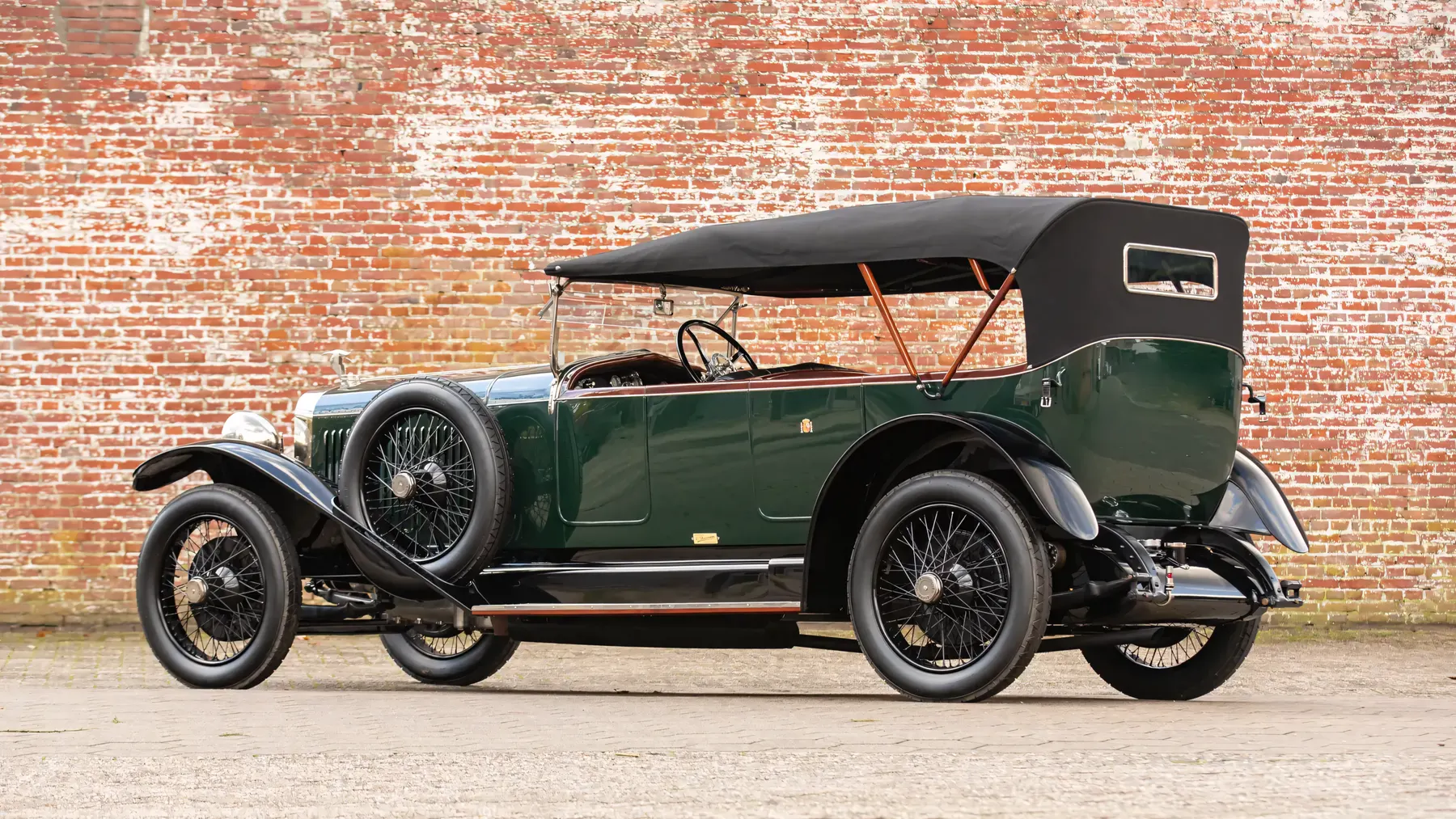
The Hispano-Suiza H6 Torpédo by Duvivier is a masterpiece of automotive history, combining groundbreaking engineering with elegant design. Its powerful straight-six engine, innovative braking system, and luxurious coachwork by Duvivier made it a standout in the world of early luxury cars. Even today, the H6 remains a symbol of the golden age of motoring, celebrated for its blend of performance, style, and innovation. As one of the finest cars of its era, the H6 continues to captivate car enthusiasts and collectors alike.