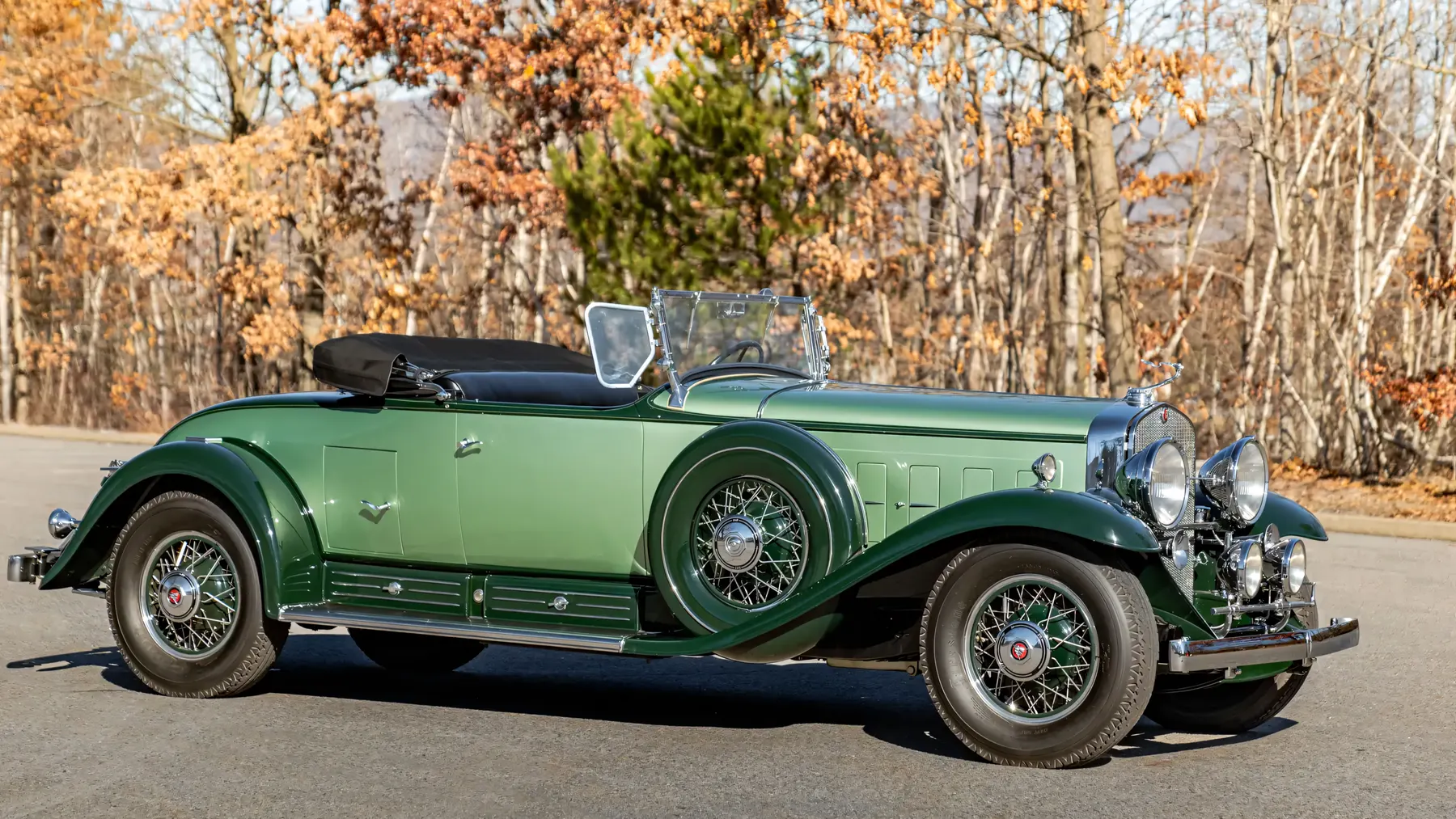
1930 Cadillac V-16 Roadster by Fleetwood
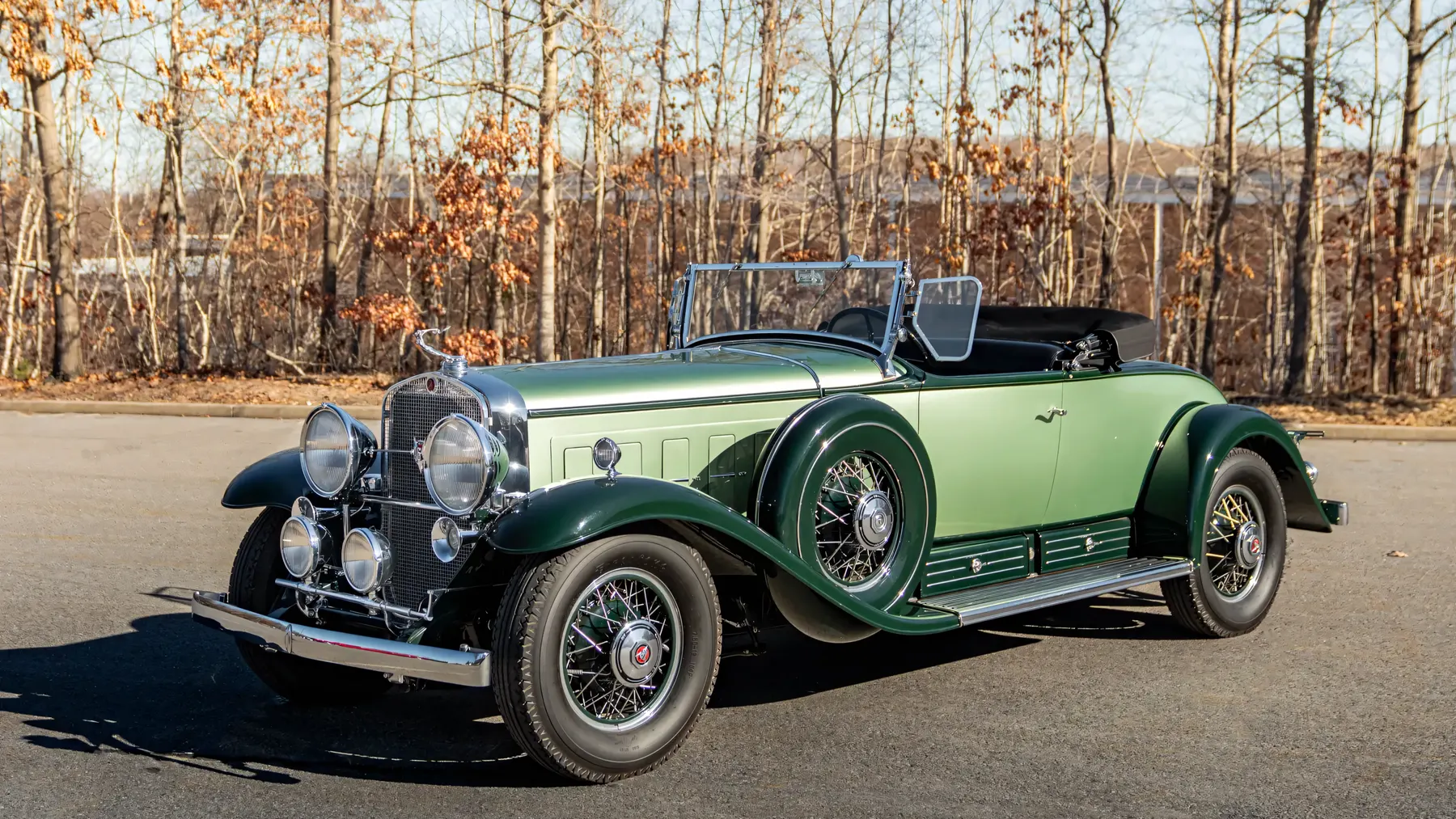
The Cadillac V-16 Roadster by Fleetwood stands as one of the most remarkable vehicles in automotive history. Born during the Great Depression, it symbolized a bold ambition to create the ultimate expression of luxury, engineering prowess, and exclusivity. Introduced in 1930 as part of Cadillac’s legendary V-16 series, this roadster combined cutting-edge performance, stunning design, and bespoke craftsmanship, cementing its status as a true icon of pre-war motoring.
The Cadillac V-16, also known as the Sixteen, was unveiled in January 1930 and became America’s first production car with a V-16 engine. Development began in 1926, with Cadillac aiming to produce a vehicle offering unmatched power and smoothness. The resulting Series 452 engine, a 7.4-liter masterpiece, delivered 165 horsepower,an extraordinary figure at the time.
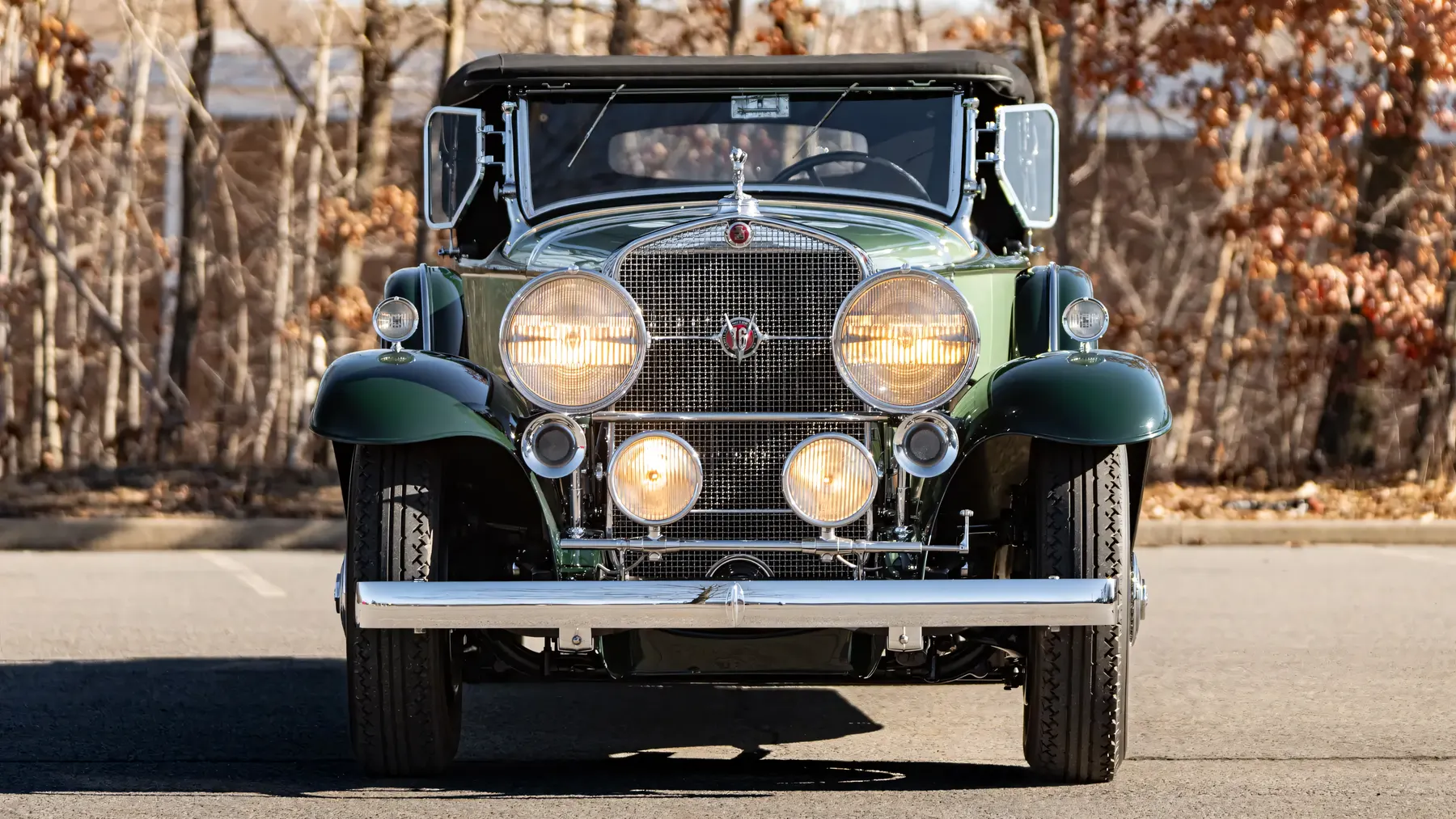
Debuting at the New York Auto Show, the V-16 captured the imagination of the press and public alike. Cadillac offered the car with an expansive selection of bespoke body styles, most designed by the in-house coachbuilder Fleetwood Metal Body. Despite its technical and aesthetic brilliance, the timing of its release,just months after the 1929 Wall Street Crash,meant production peaked in its first year, with 2,500 units sold. Over its 11-year run, only 4,076 V-16 Cadillacs were built, making each one a rare and highly sought-after artifact.
Fleetwood’s roadster body was among the most celebrated on the V-16 chassis. With its long hood, low-slung silhouette, and elegant proportions, it perfectly balanced luxury and sportiness. Fleetwood’s attention to detail was unmatched, with custom features like hand-polished wood accents, leather upholstery, and intricate chrome trim. Every car was essentially a one-off, tailored to its owner’s specifications.
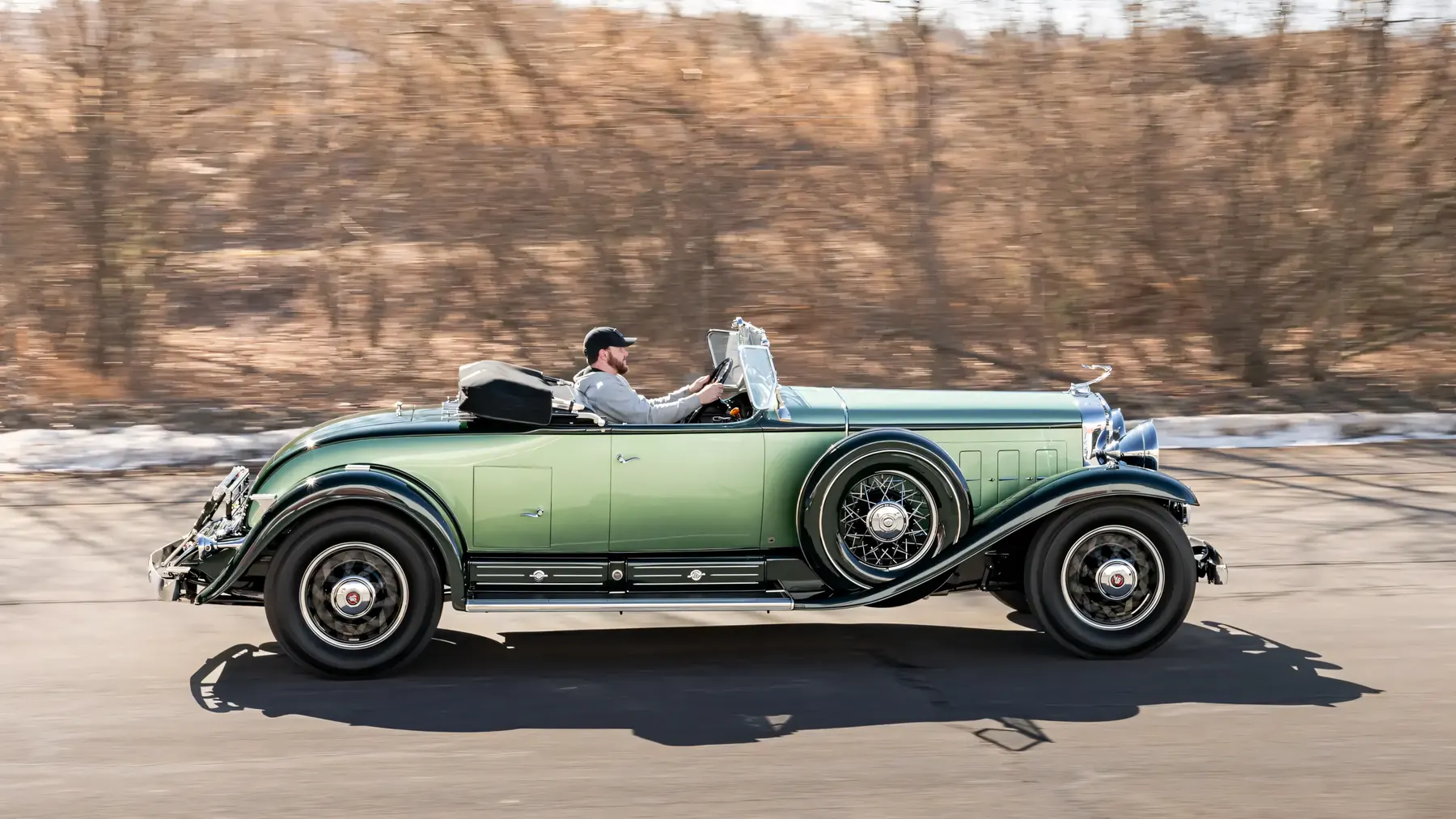
The roadster’s sporty, open design emphasized its lightweight and nimble handling, which complemented the robust powertrain. The flowing lines and absence of running boards gave the car a modern, streamlined appearance that set it apart from other luxury vehicles of the era. The two-passenger configuration reinforced its image as a performance-oriented luxury car, while its aesthetic refinement made it a favorite at concours events.
The heart of the Cadillac V-16 was its narrow 45-degree V-16 engine, which provided exceptional power and smoothness. Producing 165 horsepower and a remarkable level of refinement, it was the smoothest and most powerful engine available in any American production car at the time. Paired with a three-speed manual transmission, the roadster delivered a thrilling driving experience, combining impressive acceleration with effortless cruising ability.
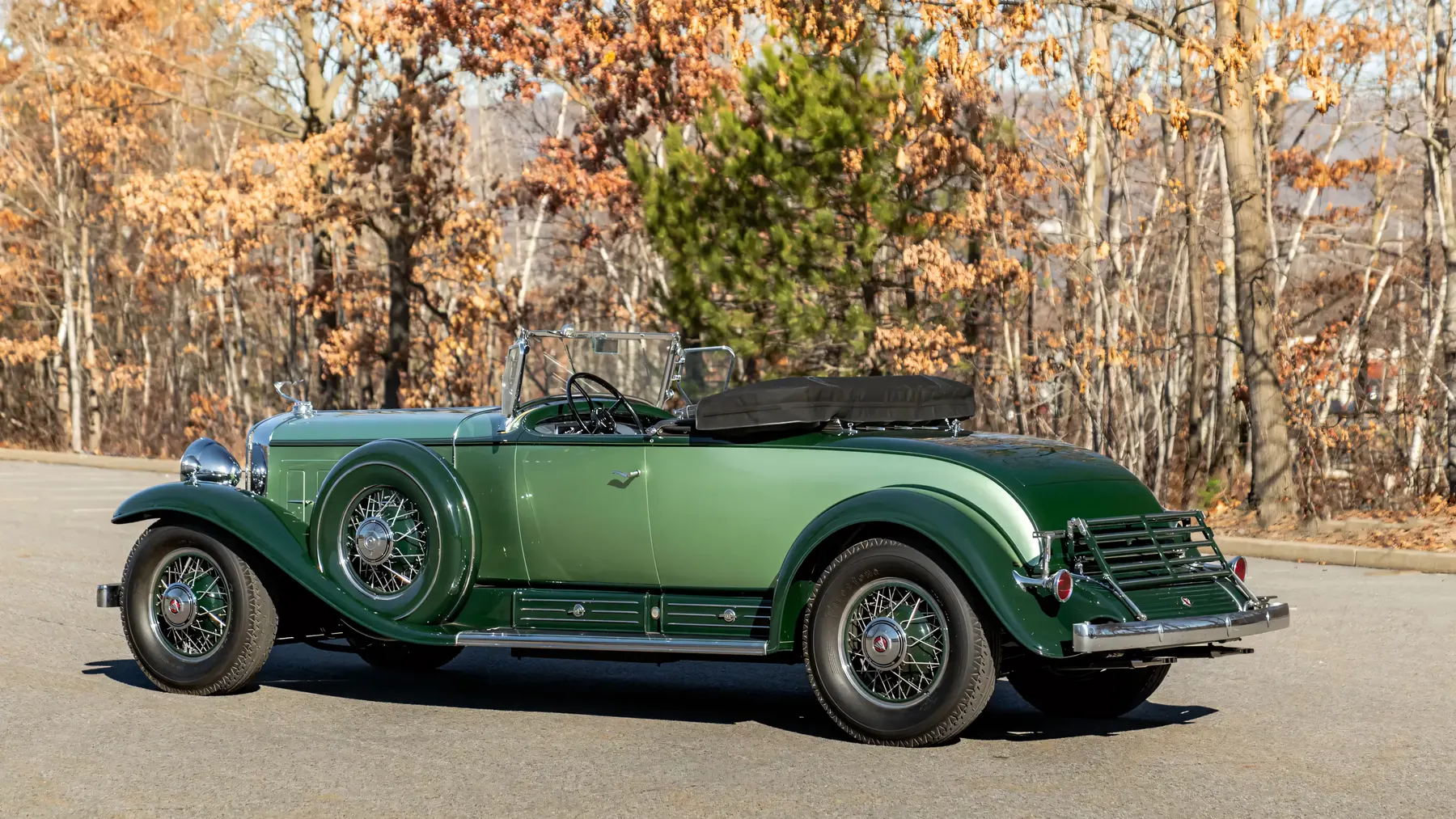
The lightweight roadster body further enhanced the car’s performance, making it more agile than the heavier sedan and limousine variants. Hydraulic brakes, introduced in later V-16 models, improved stopping power, while Fleetwood’s precision engineering ensured impeccable road manners.
Several elements distinguished the V-16 Roadster from its contemporaries. The sheer exclusivity of the vehicle,only about 100 roadsters were built between 1930 and 1931,makes it one of the rarest configurations of the V-16.
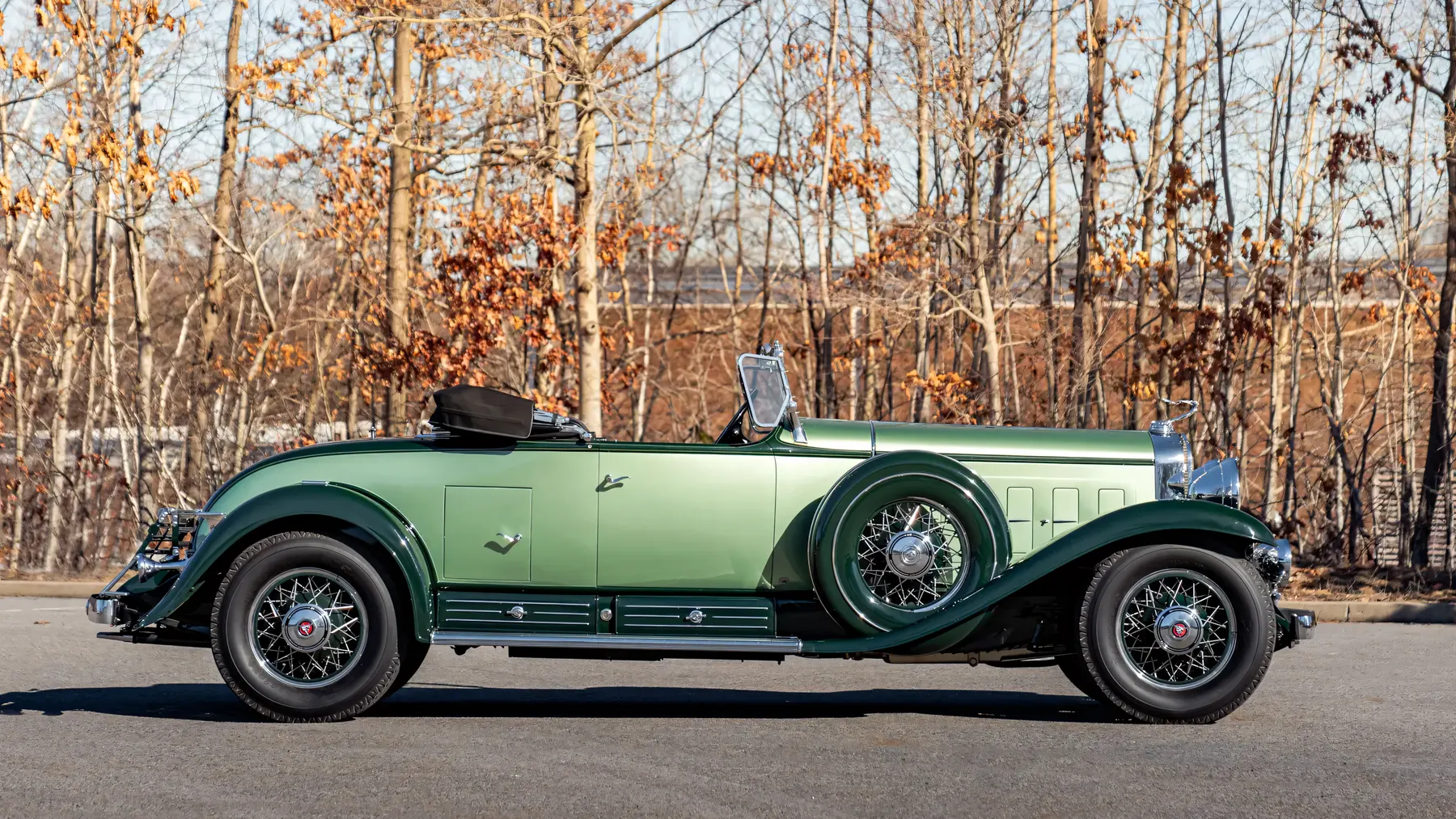
The roadster’s styling was also ahead of its time. Its streamlined design, combined with Cadillac’s innovative Fisher no-draft individually controlled ventilation and Turret Top all-steel roofs (introduced in later models), set new standards for luxury and comfort. Despite its size and weight,boasting a wheelbase of 154 inches and curb weight of up to 3,000 kg,the roadster remained surprisingly agile and capable.
The Cadillac V-16 Roadster was received with awe and admiration at its debut. The automotive press praised its technical innovation, luxurious appointments, and unparalleled refinement. However, the Great Depression severely limited its market, with only the wealthiest individuals able to afford the car’s staggering price tag,up to $9,200 (equivalent to $167,799 today). Despite limited sales, it became a cultural symbol of opulence and ambition.
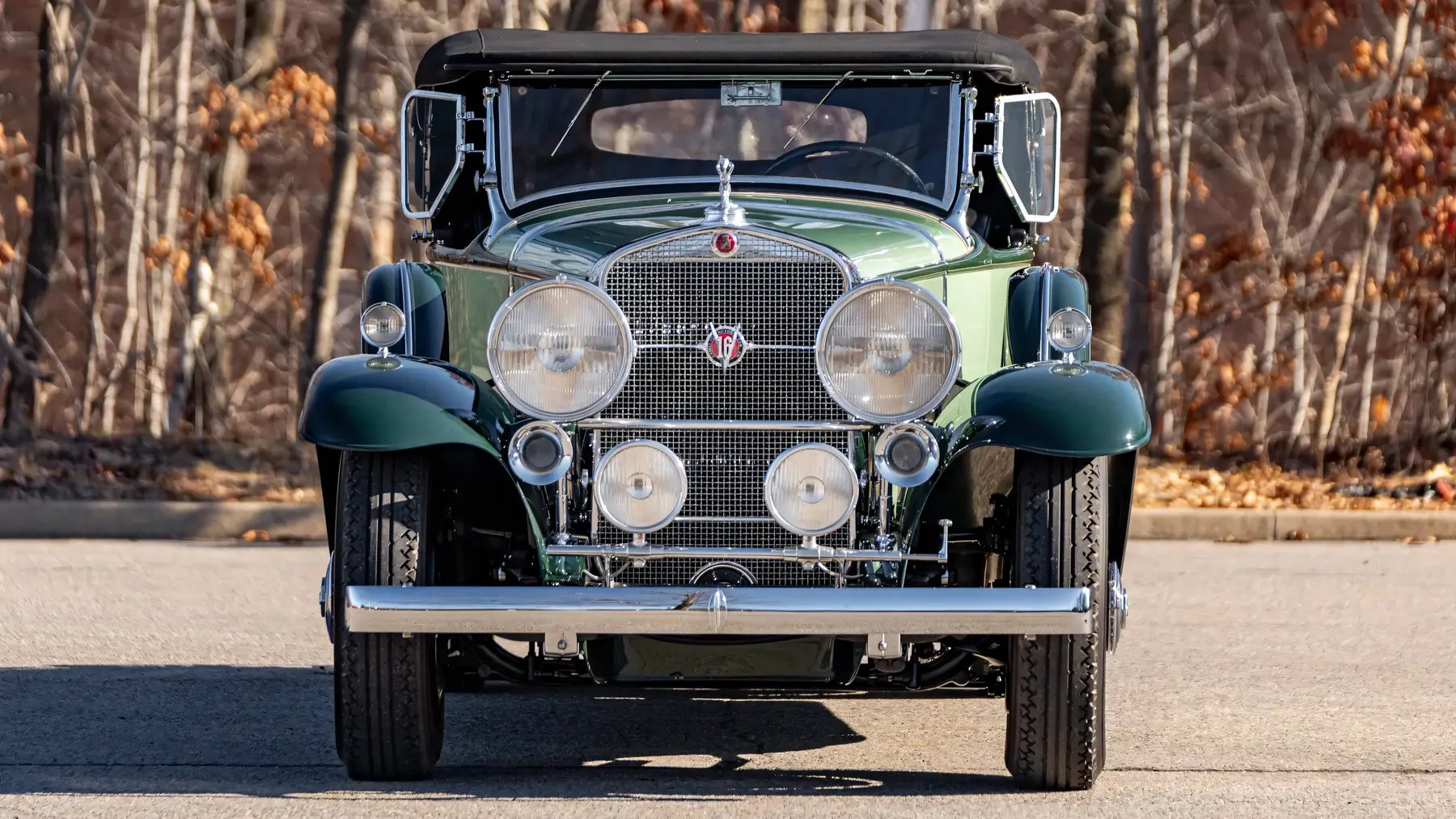
Today, the V-16 Roadster is celebrated as a masterpiece of pre-war engineering and design. Of the approximately 100 built, only 20 are believed to survive, many with storied histories and prominent ownership. Restored examples regularly earn accolades at concours events, where their unmatched craftsmanship and historical significance continue to captivate audiences.
The Cadillac V-16 Roadster by Fleetwood remains a defining statement of pre-war American luxury and ingenuity. Its groundbreaking engine, bespoke design, and timeless elegance make it a true collector’s dream. As a rare artifact from an era when ambition knew no bounds, it continues to inspire admiration among enthusiasts and historians alike, standing as a testament to Cadillac’s pioneering spirit and commitment to excellence.