1931 Avions Voisin C14 'Chartre'
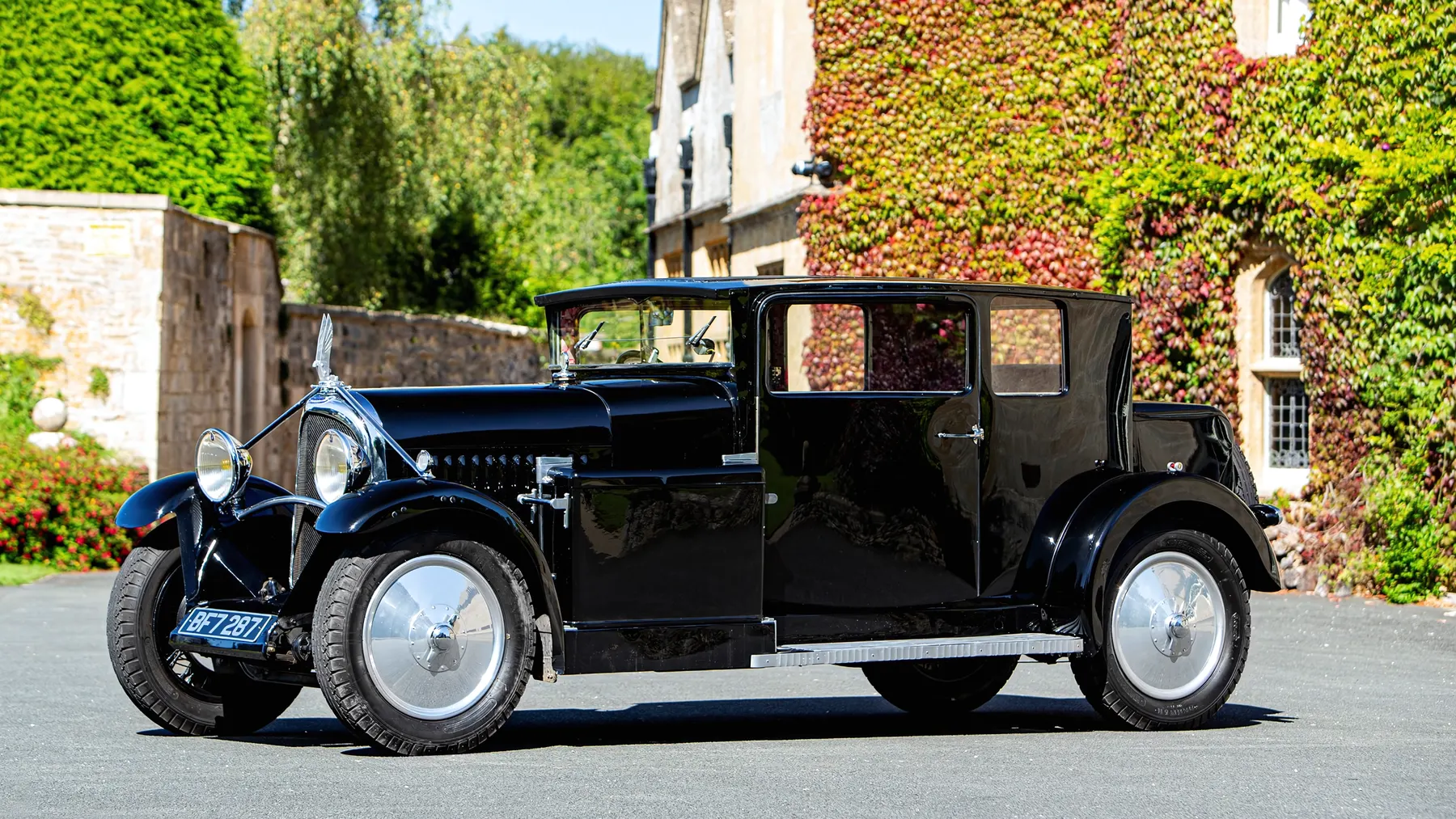
In the vibrant tapestry of automotive history, some cars stand out as unique masterpieces, weaving together a blend of engineering prowess and artistic flair. The Avions Voisin C14 ‘Chartre’ is one such creation, a true icon of the Art Deco era. In this journey back in time, we’ll explore the fascinating story of the Avions Voisin C14 ‘Chartre,’ a vehicle that seamlessly melded artistic design with engineering excellence.
Picture it: France, 1931. The world is captivated by the sweeping lines, bold geometric shapes, and vibrant colours of the Art Deco movement. It’s in this milieu that Gabriel Voisin, an aviation engineer and graduate of the National School of Fine Arts in Lyon, created an automotive masterpiece that would leave an indelible mark on the history of automobiles. The Avions Voisin C14 ‘Chartre’ was an embodiment of the Art Deco spirit, a true masterpiece on wheels.
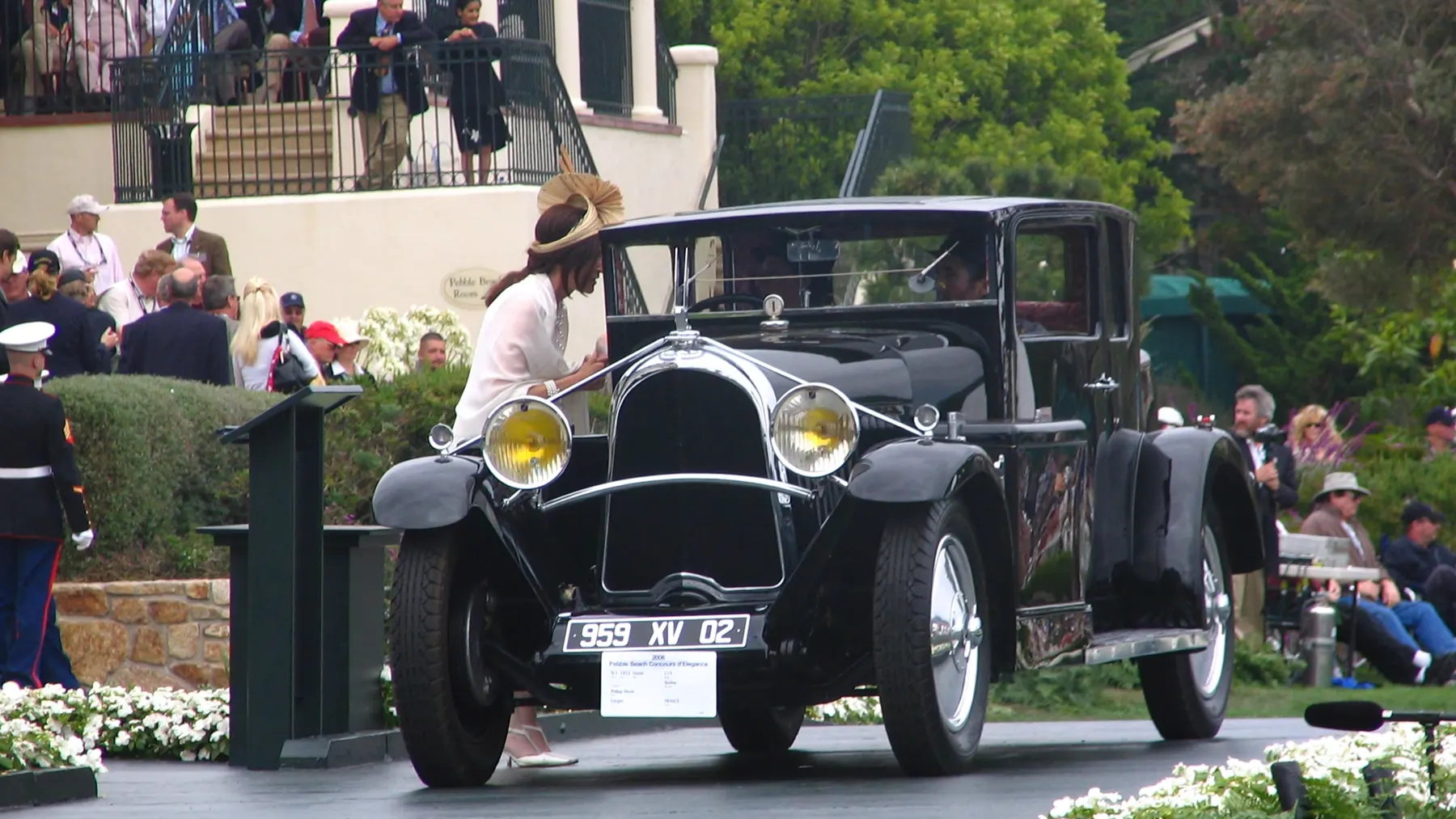
The Avions Voisin C14 ‘Chartre’ was more than just a car; it was a work of art. Its distinctive aluminium body, finished in a sleek black, exuded an air of sophistication and luxury. But what truly set the ‘Chartre’ apart was its interior,a stunning ‘Paul Poiret style’ fabric that adorned the seats. This lavish fabric was a nod to the legendary fashion designer Paul Poiret, known for his bold and innovative creations. In the ‘Chartre,’ it found a new canvas, transforming the car’s interior into a vivid work of art.
In the world of collectible cars, rarity often equates to desirability, and the Avions Voisin C14 ‘Chartre’ is no exception. It’s believed that only two of these extraordinary vehicles were ever crafted, making them incredibly rare and sought after by automotive connoisseurs and collectors. This exclusivity adds to the allure of the ‘Chartre’ and cements its place as an iconic piece of automotive history.

The story of the ‘Chartre’ cannot be told without delving into the legacy of Avions Voisin, a company founded by Gabriel Voisin in 1905. Voisin, with his background in aviation engineering and artistic training, was uniquely positioned to create automobiles that were not only technically advanced but also aesthetically striking. Avions Voisin’s cars were true feats of engineering, often featuring innovative materials like aluminium in their bodies.
The Avions Voisin C14 was part of the company’s impressive lineup, produced from 1926 to 1932. This series of cars offered a variety of body styles to suit different tastes and needs. They quickly gained popularity, known for their elegance and performance. Powering these remarkable vehicles was a 2.3-liter inline six-cylinder engine,a testament to the engineering prowess behind Avions Voisin.
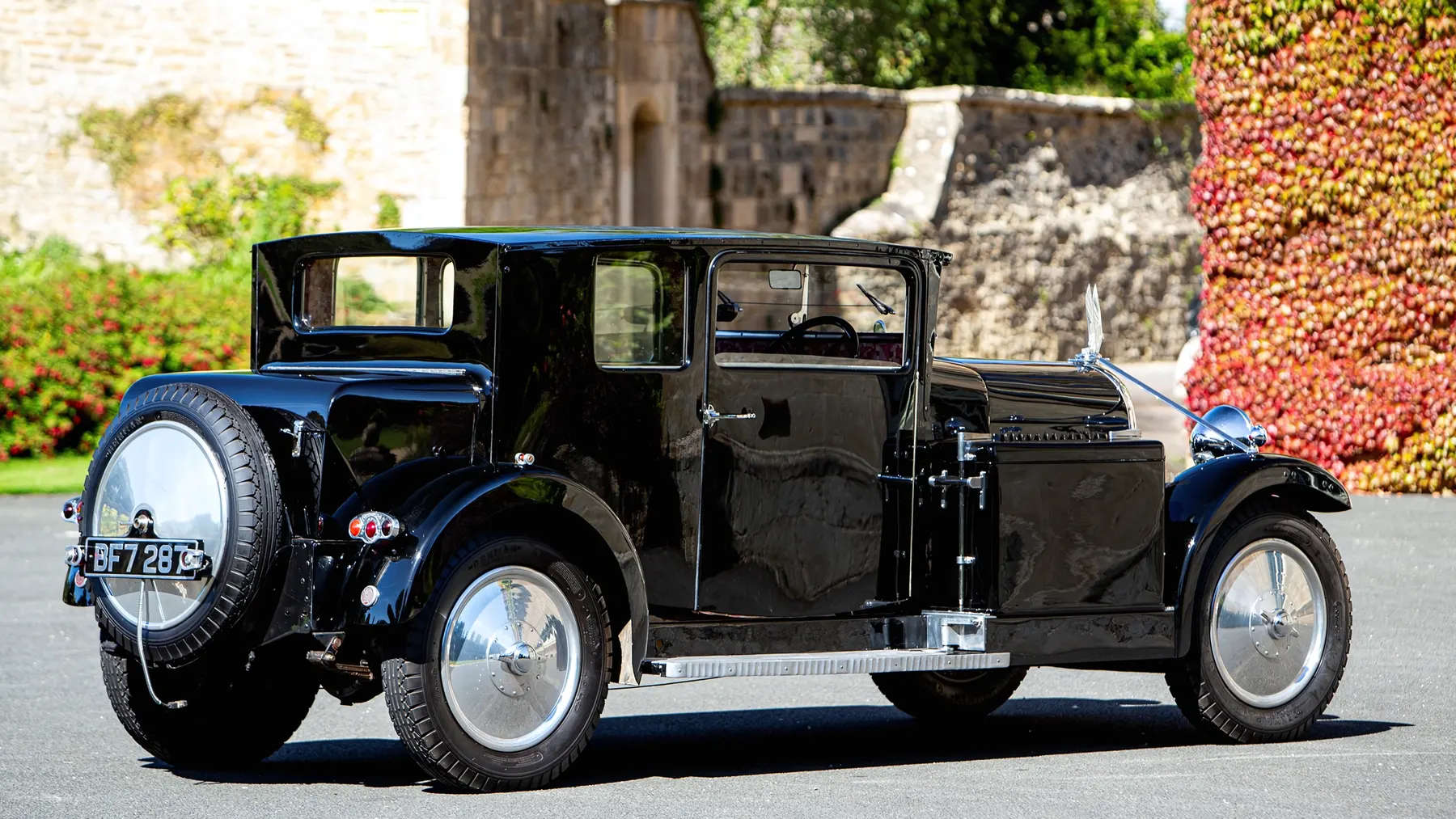
The ‘Chartre’ body style represented the peak of Art Deco design in the early 1930s. These vehicles were characterised by their low-slung bodies with sharp, distinctive angles. It was a time when artists and designers embraced geometry, and this design language translated beautifully onto the ‘Chartre.’ The result was a car that not only turned heads but also became an enduring symbol of an era.
While the exterior of the Avions Voisin C14 ‘Chartre’ was a study in monochromatic elegance, the interior was a riot of colours and patterns. The cabin featured vibrant block colours and bold patterns, all printed on fabrics that adorned the seats and interior panels. The interior design was a vivid contrast to the car’s exterior, showcasing the exuberance of the Art Deco movement.
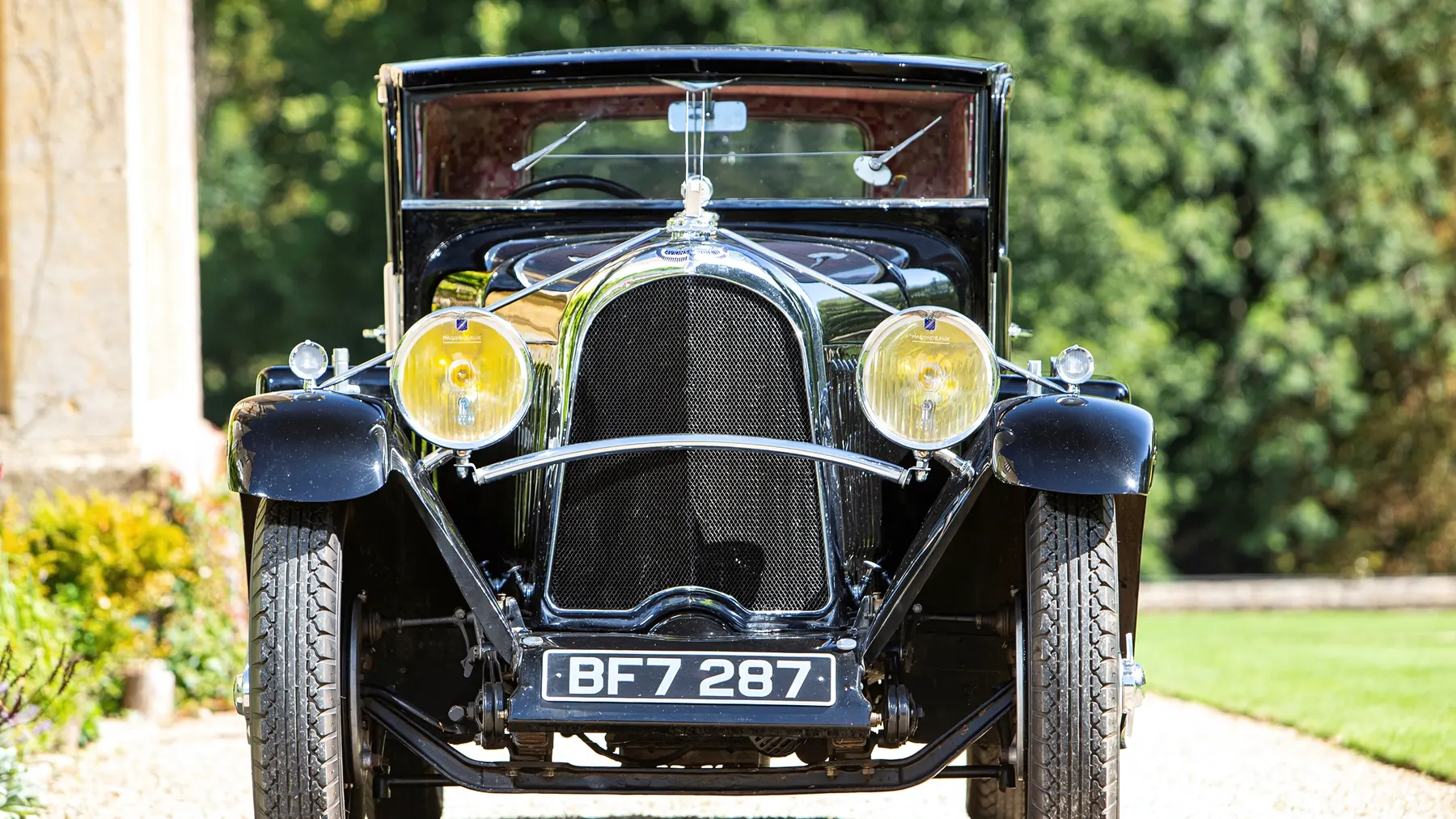
The Avions Voisin C14 ‘Chartre’ boasted an unmistakable design,a strikingly elegant vehicle with just two doors and an over-slung roof. Despite its substantial size, the ‘Chartre’ managed to convey a sense of agility and elegance that was both menacing and graceful. This design choice was a testament to Gabriel Voisin’s commitment to pushing the boundaries of automotive design.