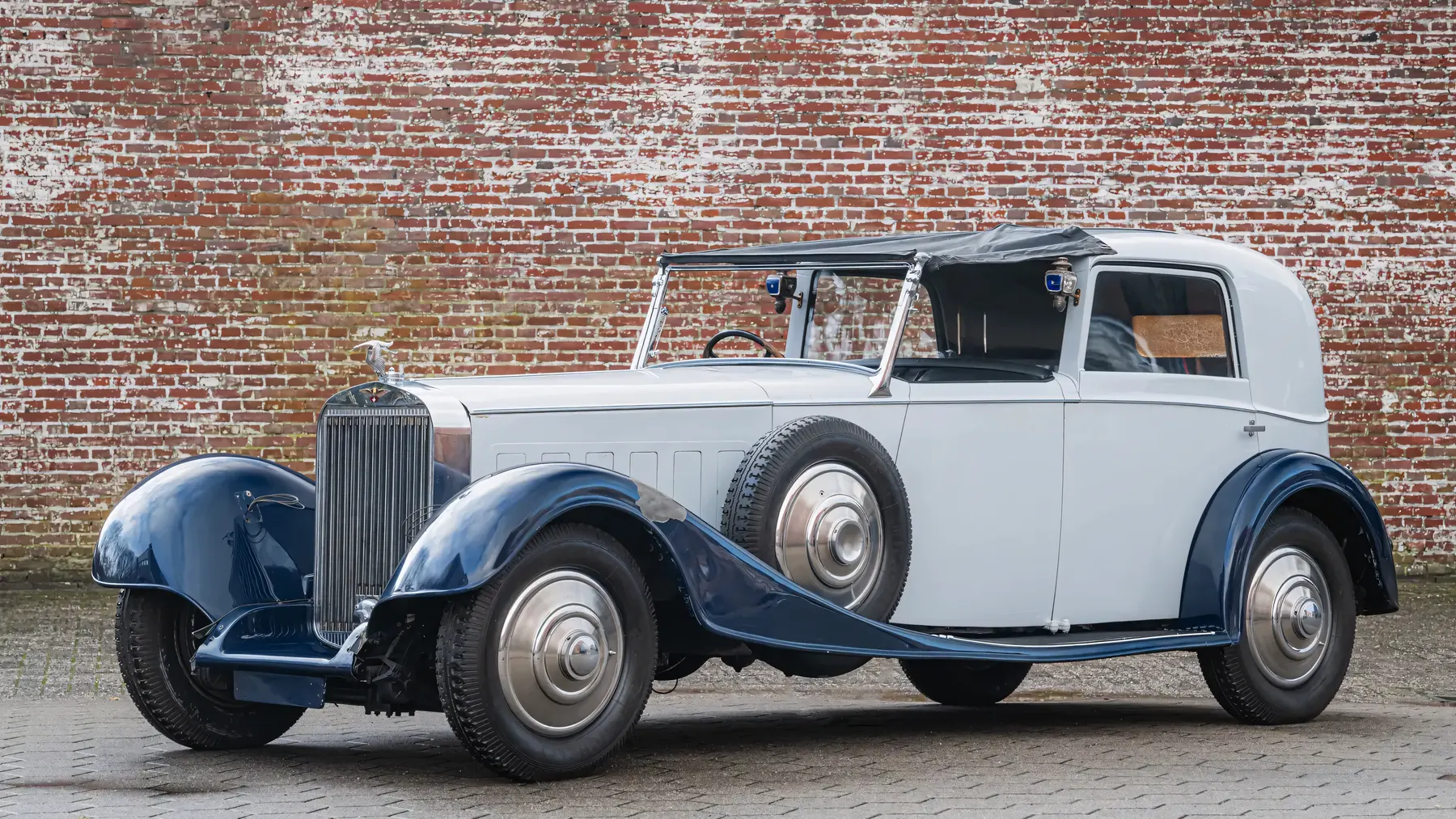
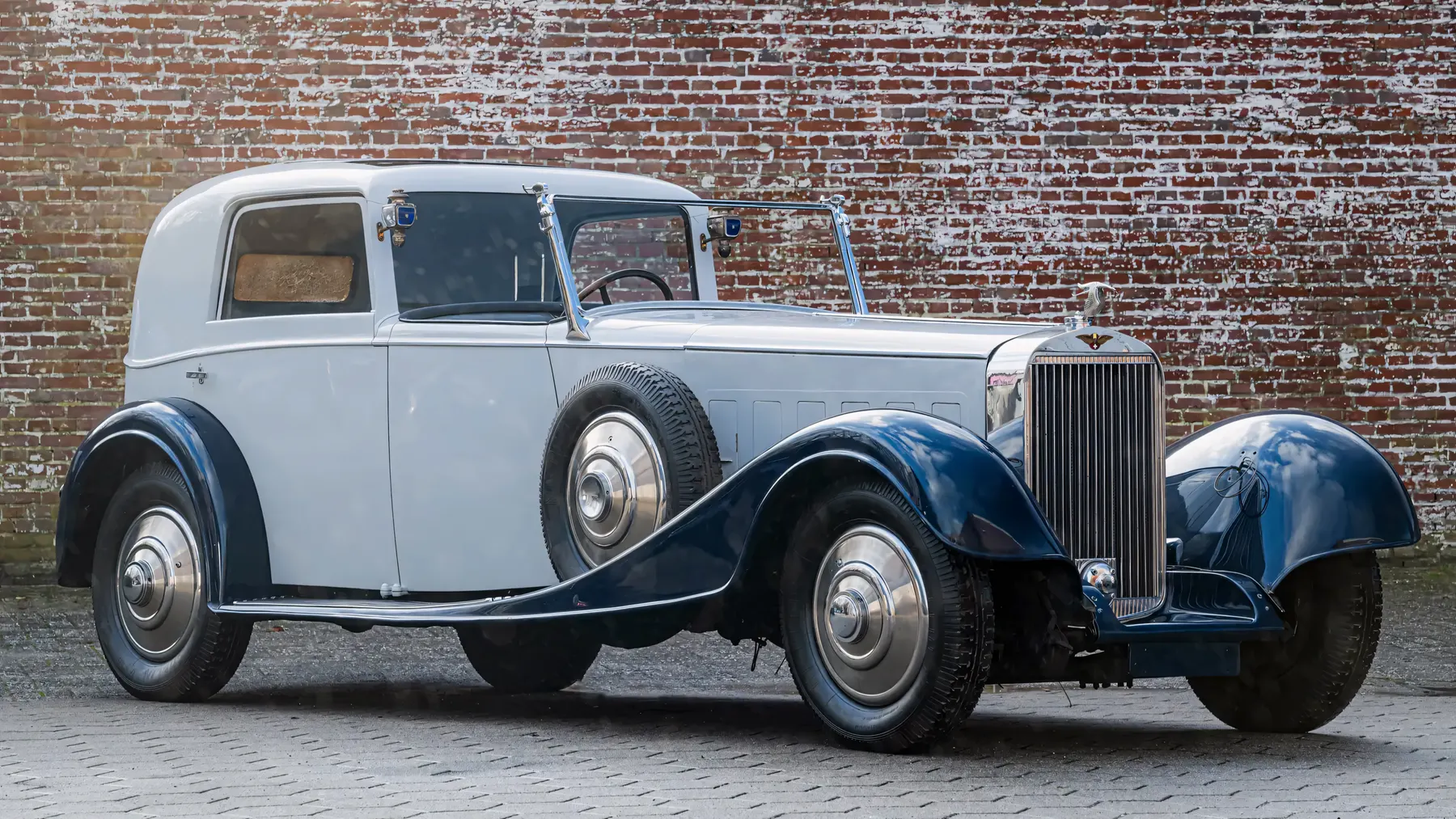
1934 Hispano-Suiza J12 Coupé Chauffeur by Kellner
Images: Willem Verstraten / RM Sotheby's
The Hispano-Suiza J12 is widely regarded as one of the finest luxury cars of the pre-World War II era. Produced in France from 1931 to 1938, the J12 was an elite offering from Hispano-Suiza, a marque synonymous with opulence, groundbreaking engineering, and a reputation for meticulous craftsmanship. As Hispano-Suiza’s most substantial and costly model, the J12 represented the height of luxury automotive engineering and elegance, available only as a bare chassis to be fitted with custom bodywork by elite coachbuilders. The J12 Coupé Chauffeur by Kellner stands out as one of the most exquisite executions of this already legendary platform.
The J12 was developed to replace the revered H6, bringing with it a suite of mechanical advancements that set new standards in automotive engineering. Designed by Swiss engineer Marc Birkigt, the J12 was powered by a 9.4-liter V12 engine, pushing the boundaries of power and refinement. This 60° V12 boasted pushrod-operated overhead valves, a seven-bearing crankshaft, and initially produced 220 hp at 3,000 rpm. Each engine block was crafted from a single 318 kg (700 lb) billet of steel, a testament to the exceptional attention to detail and quality.
In 1935, a larger 11.3-liter engine became available, capable of delivering 250 hp, further enhancing the performance of an already powerful car. The vehicle’s smoothness and reliability were practically unmatched for its time; Hispano-Suiza famously demonstrated the J12’s engineering prowess by driving it from Paris to Nice and back without needing oil or water.
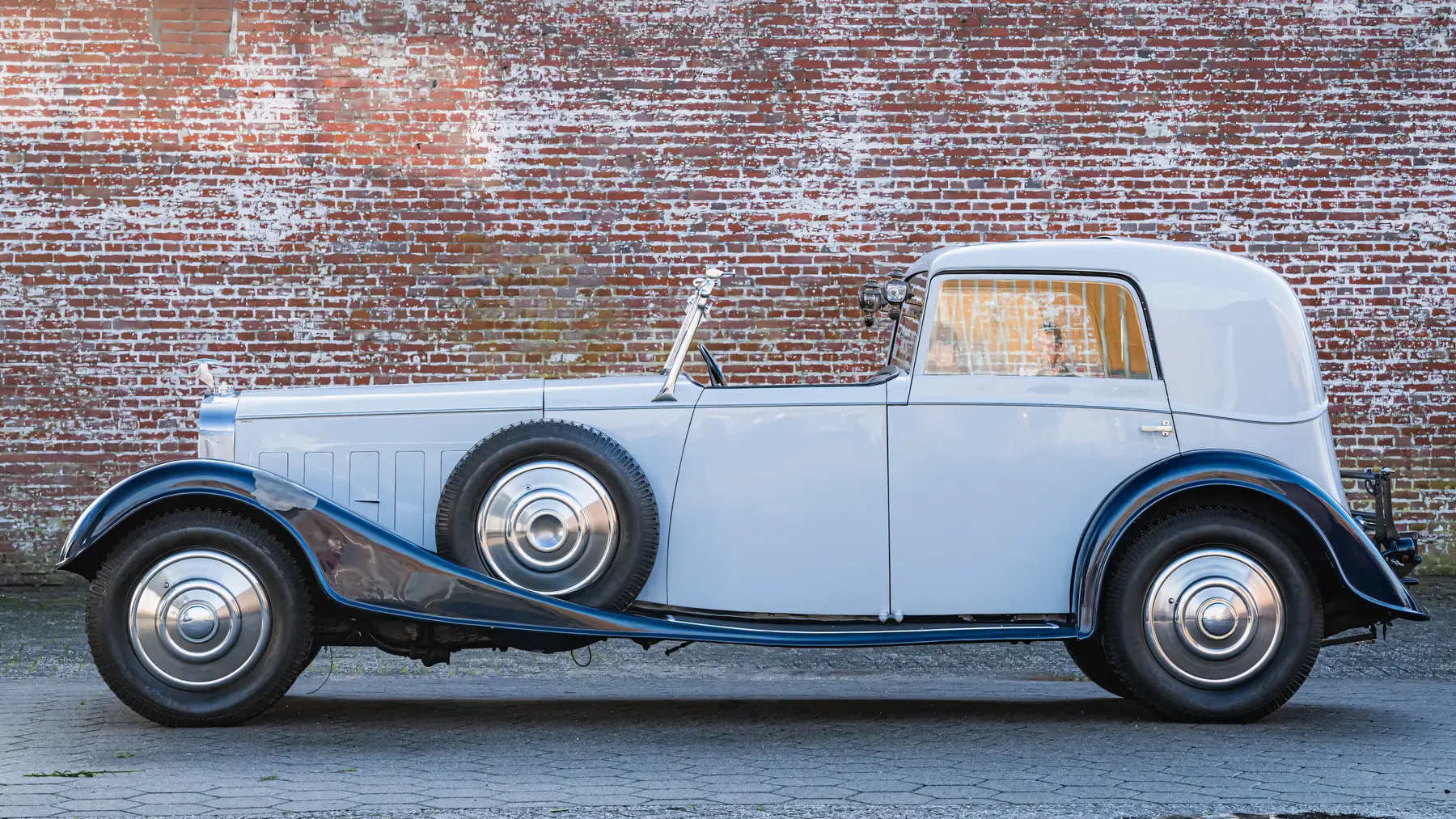
Since Hispano-Suiza sold the J12 exclusively as a chassis, each vehicle was uniquely crafted by a coachbuilder selected by the buyer. The Paris-based Kellner coachworks, known for its sophistication and craftsmanship, created the exquisite Coupé Chauffeur for the J12. This body style was an imposing yet refined configuration, epitomising elegance with a profile that gracefully combined spacious rear passenger accommodations with a separated driver’s compartment, reflecting the high-status image of its owners. The design featured timeless Art Deco influences, with sweeping lines, luxurious upholstery, and intricate detailing that made it a rare and exceptional vehicle even among luxury cars of its time.
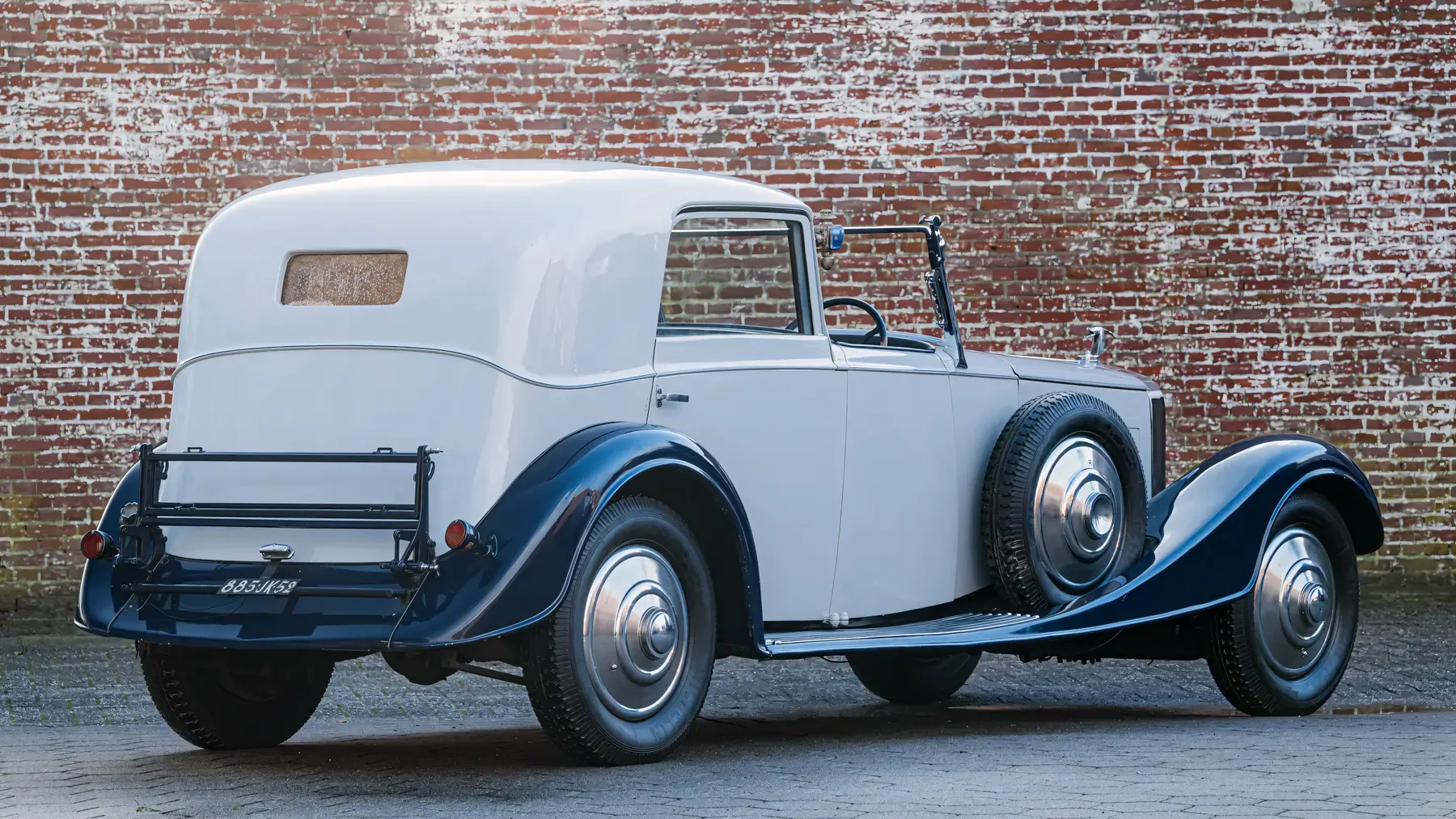
Kellner’s use of high-quality materials, bespoke interiors, and distinctive styling underscored the exclusivity of the J12 Coupé Chauffeur. These vehicles were not only status symbols but also functional works of art, designed to transport their occupants in unparalleled comfort and style. This made the J12 a favoured choice among royalty and high-ranking officials around the world.
The J12’s allure attracted numerous prominent figures. In 1935, the Spanish government commissioned a custom J12 as a ceremonial car for the President of the Republic, outfitted with a Vanvooren-built, four-door convertible body. During the Spanish Civil War, this vehicle remained in France and was ultimately delivered to the Nationalist side, where it became the ceremonial vehicle for General Franco and was first used in the 1939 Victory Parade in Madrid. This J12 was later succeeded by a Rolls-Royce Phantom IV in 1952 but remains a significant artefact in Spanish history.
The J12’s reputation extended beyond Europe as well. Mohammad Reza Shah of Iran received a J12 as a gift from his father, an extraordinary gesture that underscored the car’s association with wealth and prestige. This specific J12 was bodied by Carrosserie J. Saoutchik, another celebrated French coachbuilder, adding to the model’s extensive history of customization and exclusivity.
Production of the J12 ceased in 1938 as Hispano-Suiza shifted focus to aircraft engine manufacturing. With only a few hundred J12s built, and each boasting bespoke bodywork, these cars are extremely rare and sought after by collectors worldwide. The Kellner-bodied Coupé Chauffeur remains a coveted model, embodying the high standards of pre-war luxury vehicles and standing as a testament to Hispano-Suiza’s innovative spirit and dedication to craftsmanship.
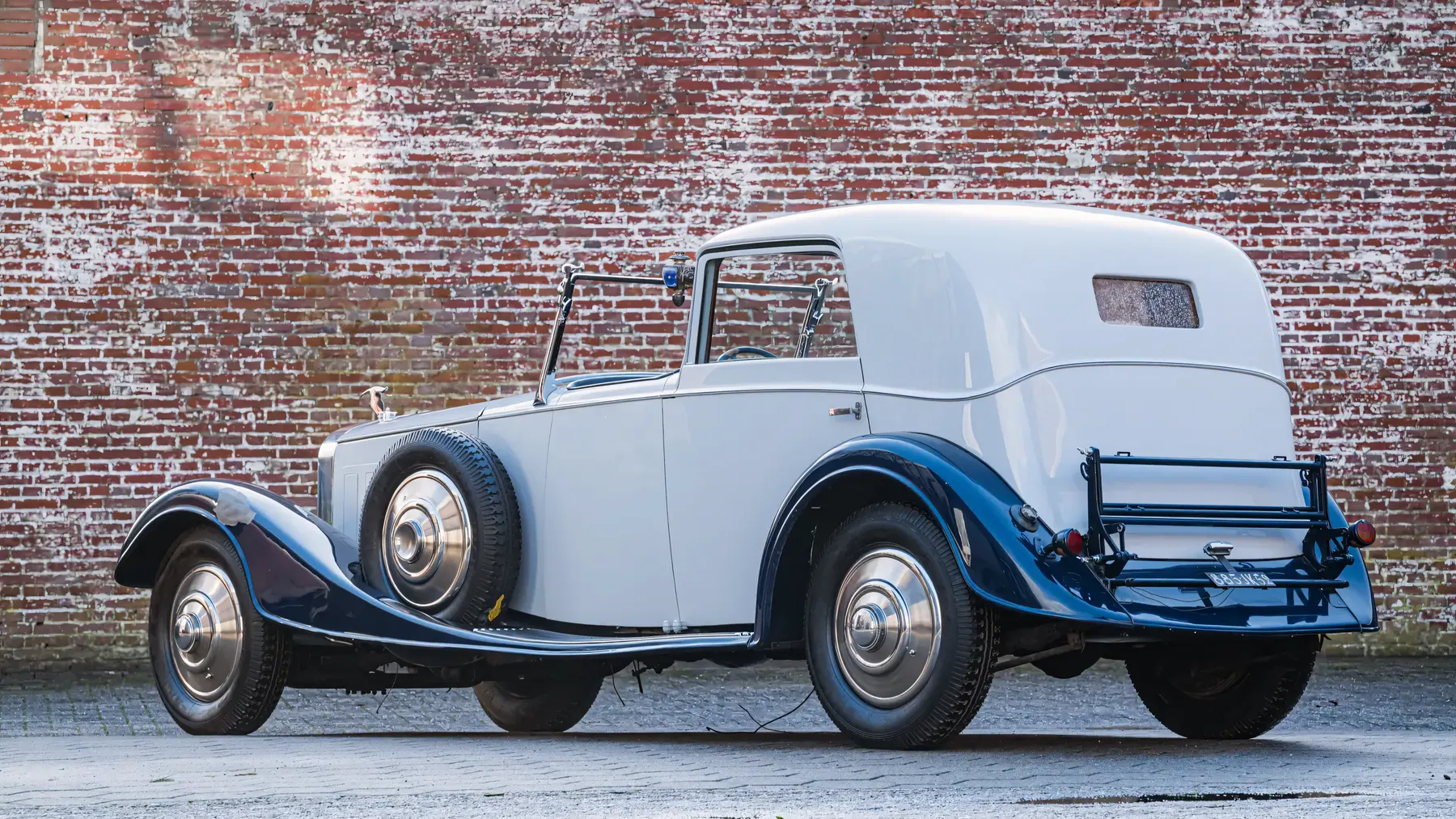
Today, the Hispano-Suiza J12 Coupé Chauffeur by Kellner holds a unique place in automotive history as an example of supreme luxury, advanced engineering, and artistic design, representing the best of what 1930s European car culture had to offer.