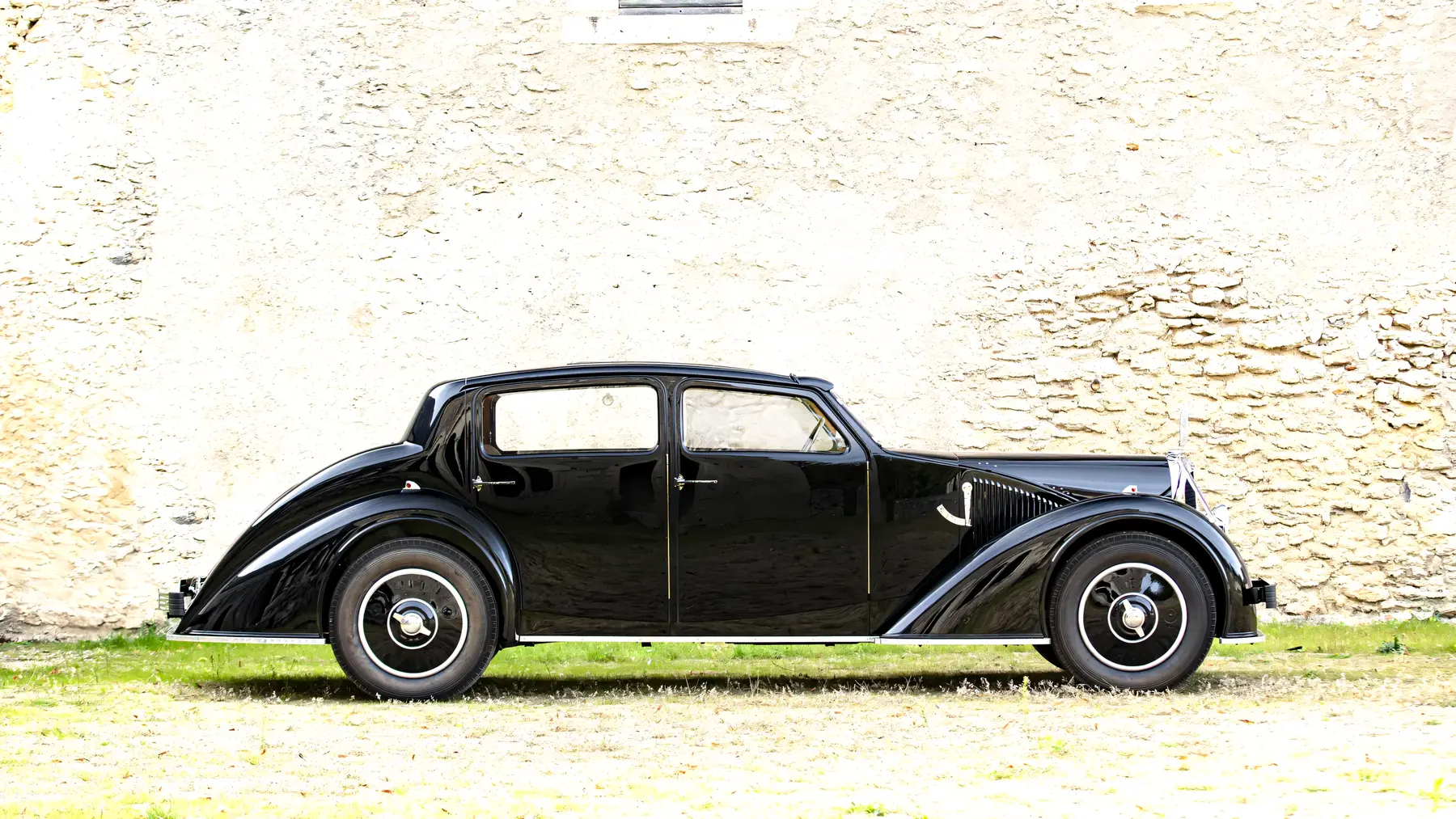
1935 Avions Voisin C28 ‘Chancellerie’
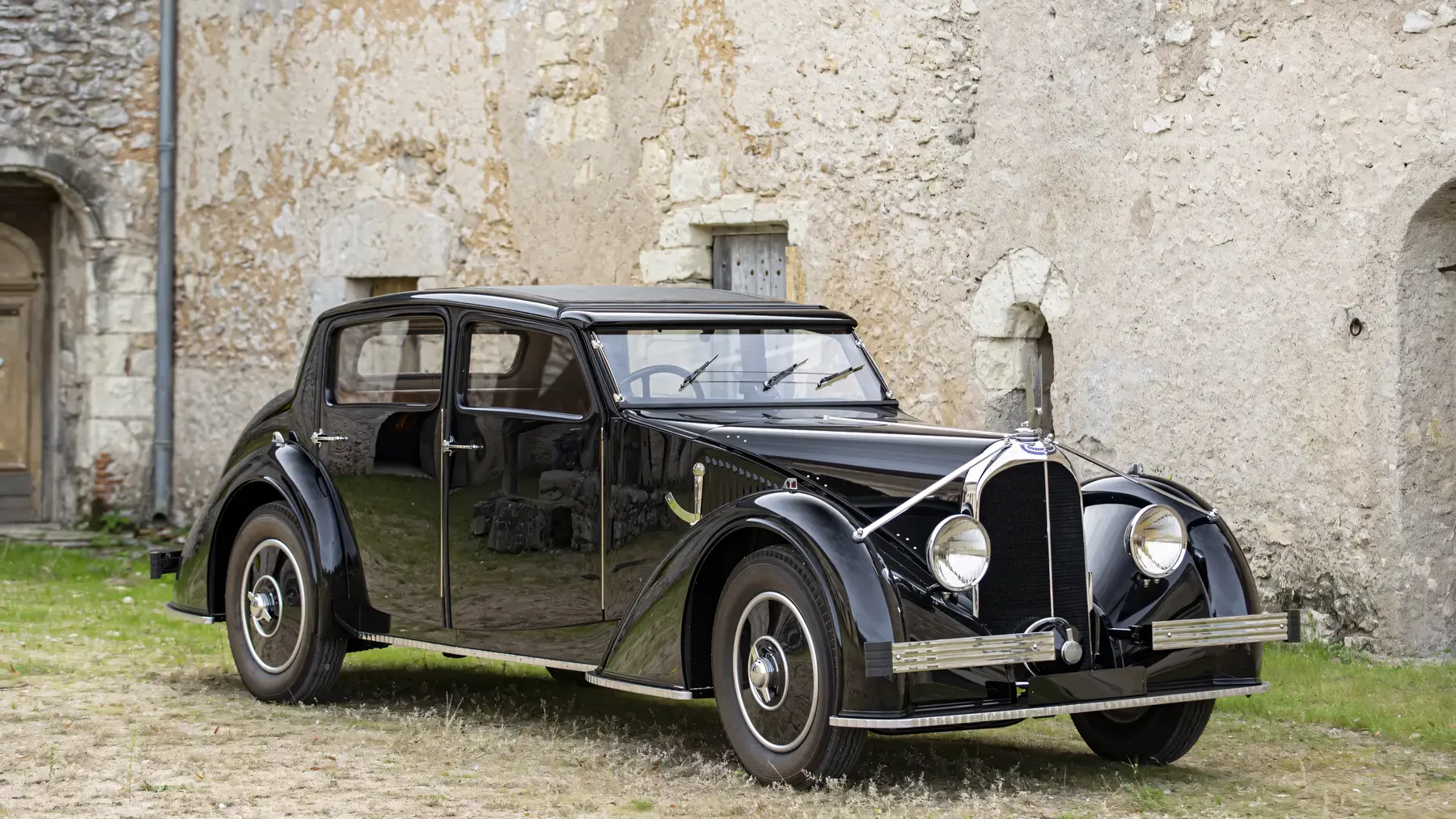
The Avions Voisin C28 ‘Chancellerie’ is a fascinating car from the art-deco era, representing the final years of Gabriel Voisin’s direct involvement in automotive design. Voisin, originally an aircraft manufacturer during World War I, applied his experience in lightweight construction and aerodynamics to the world of automobiles. This visionary approach to car making made the C28 one of the most distinctive luxury cars of the 1930s.
After World War I, Voisin had a large factory and wealth, but with a declining market for aircraft. He pivoted to automobile manufacturing in 1919, purchasing a unique engine design that would shape his future in the industry. The engine, a 3969cc sleeve-valve four, had been rejected by Citroën for mass production but became a hallmark of Voisin’s cars. Voisin was dedicated to the sleeve-valve principle throughout his career, favouring it for its smoothness, low noise, and impressive torque.
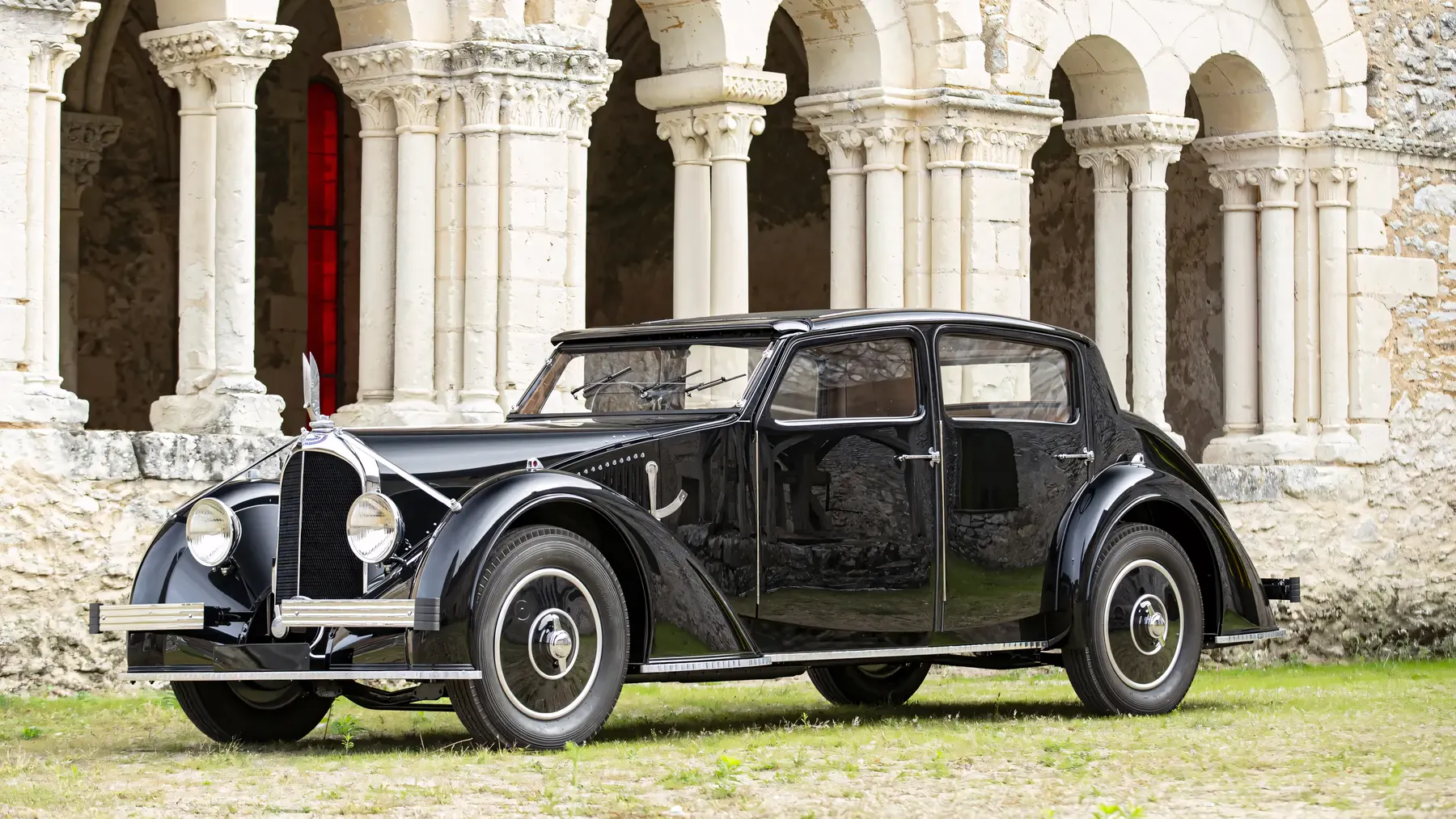
Introduced in 1936, the C28 was an evolution of the earlier C25 model. Voisin incorporated several innovations that set the C28 apart from its predecessor. The car featured an advanced electromagnetic four-speed gearbox, the Cotal 4-speed electric transmission, and Voisin’s own “Dynastart” system, which combined a starter motor and generator into one. These features made the car both more powerful and easier to drive.
Voisin also introduced the Lockheed hydraulic brake system to the C28, providing improved stopping power. The model was powered by a 3.3-liter six-cylinder engine, based on a sleeve-valve design, which provided smooth acceleration and significant torque, ideal for luxury cruising.
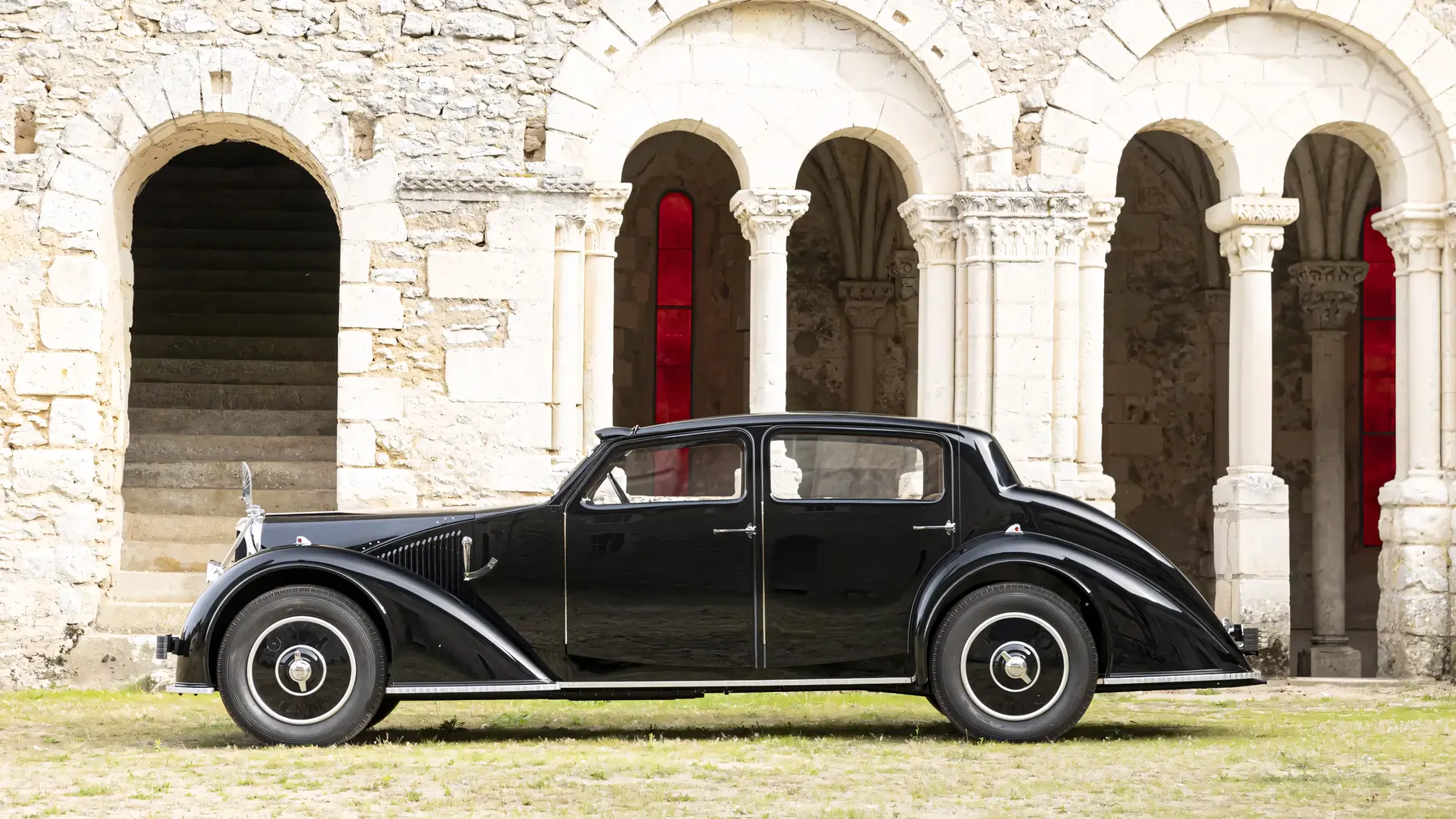
Voisin’s background in aviation strongly influenced the construction of the C28. The car’s body was crafted using lightweight aluminium panels mounted on wooden ribs, a technique borrowed from aircraft manufacturing. This innovative construction not only reduced weight but also gave the C28 an elegant, streamlined appearance that perfectly complemented its art-deco styling.
The bodywork, particularly in the Clairière version of the C28, was widely regarded as some of the finest ever produced. With its balanced proportions and exquisite detailing, the Clairière showcased the pinnacle of Voisin’s design philosophy. The meticulous craftsmanship extended to every element of the car, from door handles to fender lights, making the C28 a marvel of both form and function.
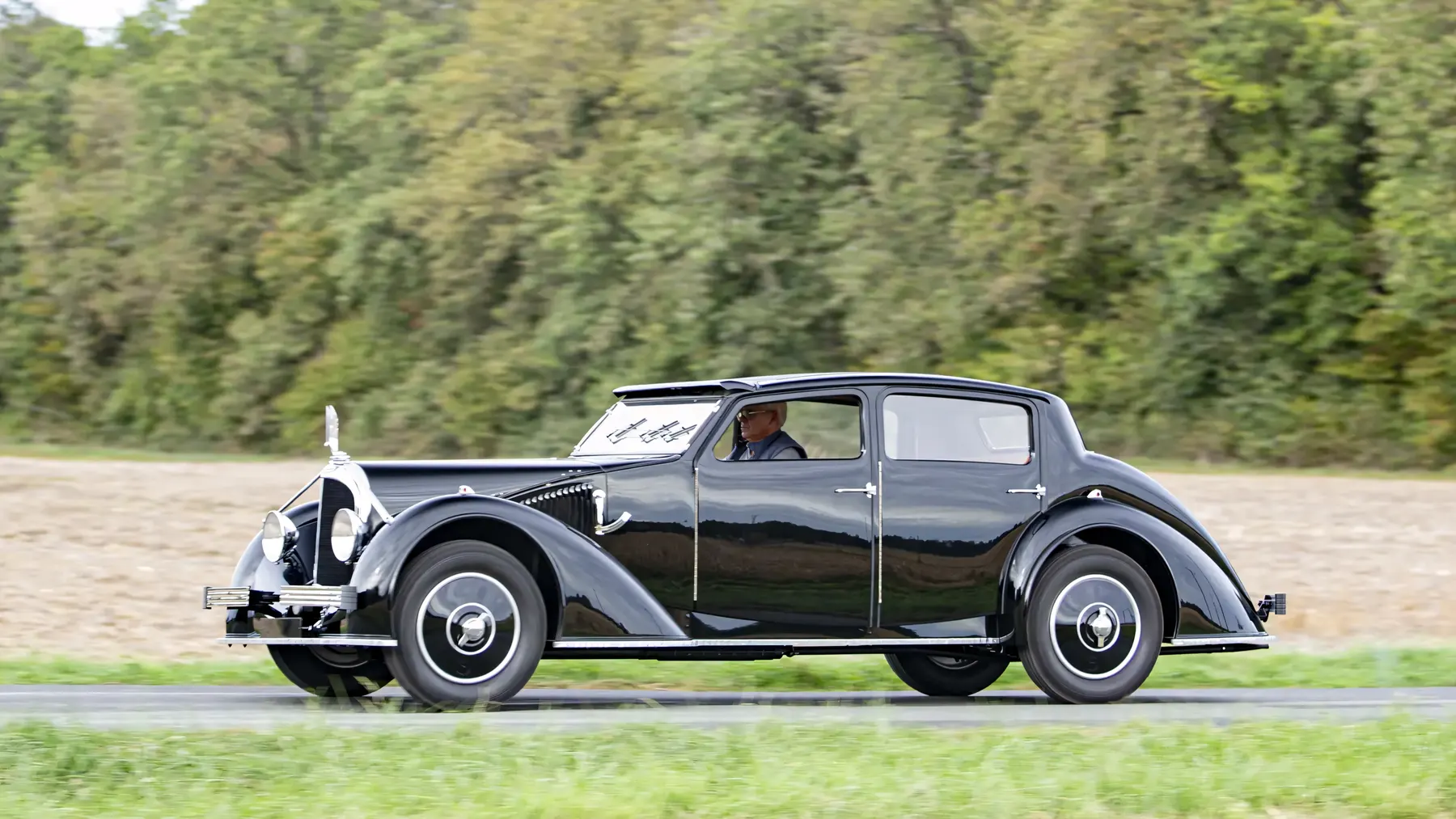
The C28 had an extremely limited production run, with only around 50 units built between 1936 and 1937. Today, fewer than 12 of these cars are believed to exist, making the C28 one of the rarest luxury automobiles of its time. Two of the most notable surviving C28s are housed in private collections, including one held by the Schlumpf Museum in France.
The Avions Voisin C28 remains a symbol of Gabriel Voisin’s unique contribution to automotive engineering. His ability to blend his aeronautical expertise with forward-thinking design principles resulted in a car that was both innovative and visually stunning. The C28 is celebrated for its advanced technology, refined styling, and the luxury it offered during its time. It stands as one of the finest examples of early 20th-century automotive craftsmanship and a tribute to Voisin’s visionary spirit.