1939 Mercedes-Benz 540 K Special Cabriolet A by Sindelfingen
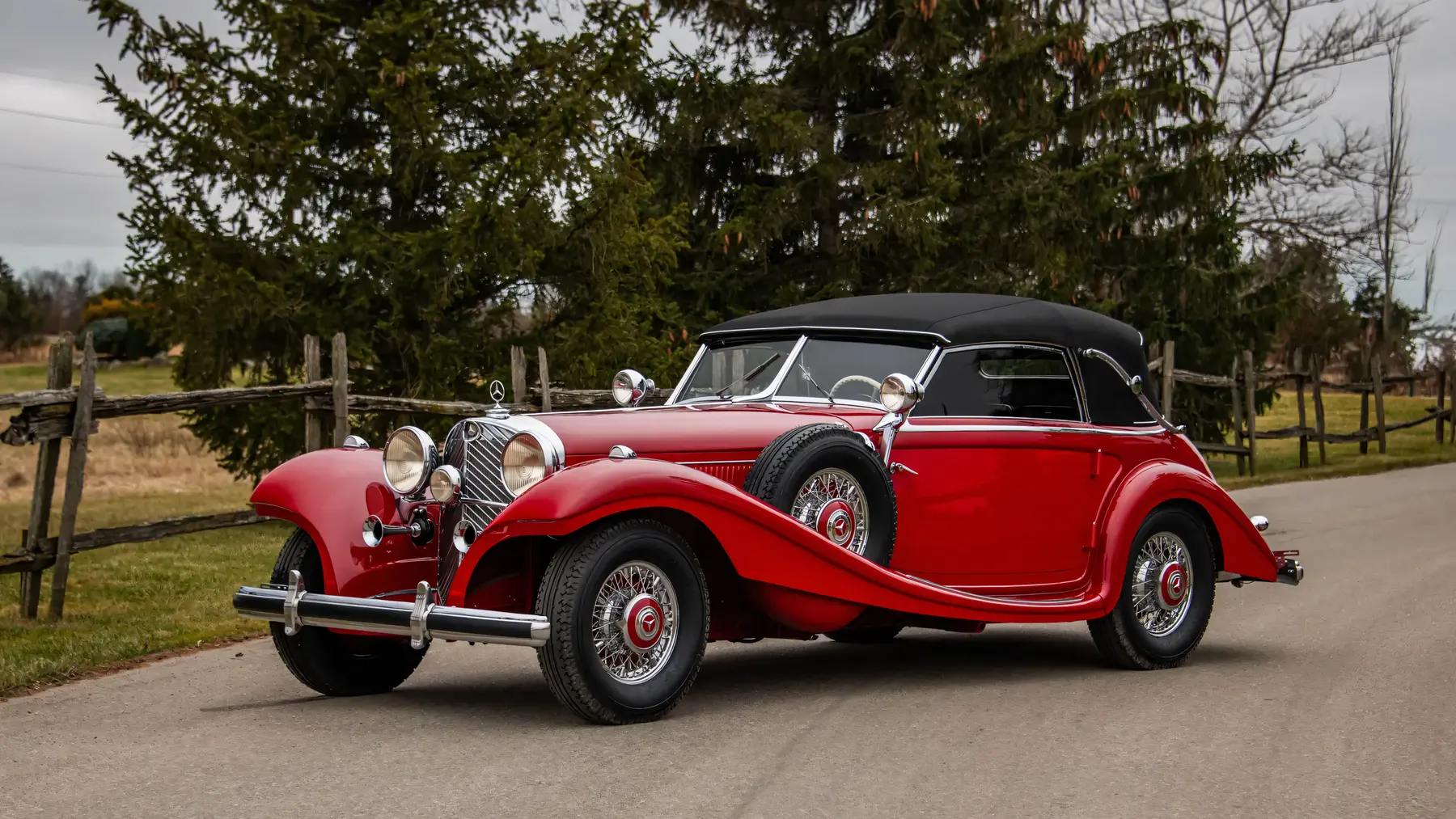
The Mercedes-Benz 540 K Special Cabriolet A by Sindelfingen stands as one of the most prestigious and technologically advanced automobiles of the pre-war era, embodying the absolute pinnacle of automotive excellence during the 1930s. When it made its grand debut at the 1936 Paris Motor Show, this magnificent vehicle not only represented the zenith of German automotive engineering and luxury craftsmanship, but also showcased the extraordinary capabilities of Mercedes-Benz’s most skilled artisans and engineers.
At the heart of the 540 K was its remarkable 5.4-liter straight-eight engine, a masterpiece of mechanical engineering producing a substantial 115 horsepower during normal operation. However, its most extraordinary feature was the revolutionary Roots-type supercharger system, an engineering marvel that could dramatically boost the engine’s output to an impressive 180 horsepower when engaged. This remarkable power increase enabled the vehicle to achieve a truly exceptional top speed of 170 kilometers per hour, a remarkable achievement for its era.
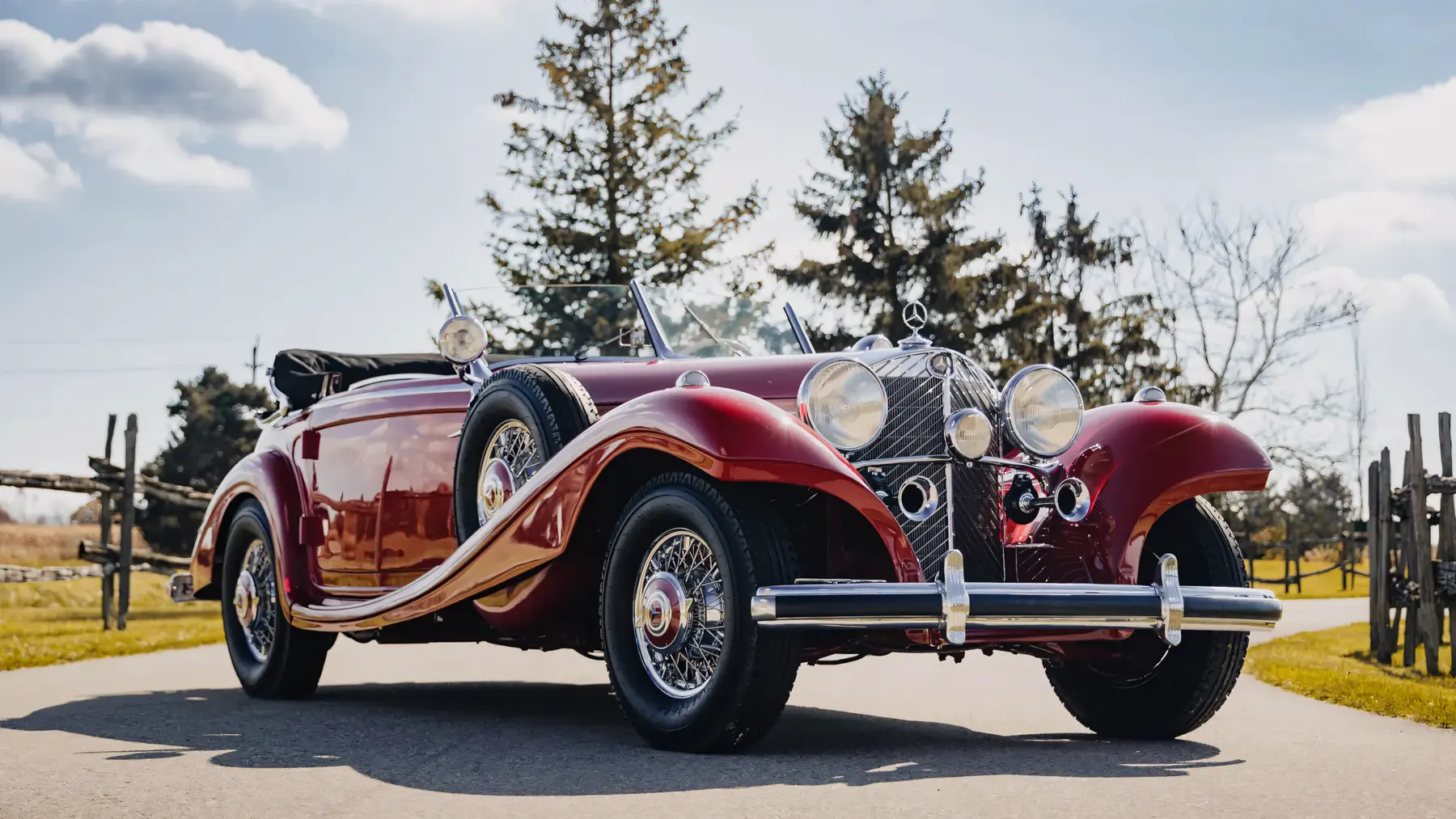
The vehicle showcased an innovative and sophisticated chassis design that demonstrated Mercedes-Benz’s commitment to engineering excellence. Instead of utilizing conventional girder-like frames, the 540 K employed advanced oval-section tubes, a direct technological transfer from Mercedes’ successful Silver Arrows racing program. This revolutionary engineering approach significantly reduced the vehicle’s overall weight while simultaneously maintaining exceptional structural integrity and rigidity.
The renowned Sindelfingen factory, home to an exceptional workforce of 1,500 highly skilled craftsmen, created these automotive masterpieces with an unprecedented level of attention to detail and precision. Each individual vehicle could be extensively customized to meet the exact specifications and personal preferences of its discerning owner, ensuring that every 540 K Special Cabriolet A possessed its own unique character and identity. The carefully engineered shorter wheelbase variant, measuring precisely 2,980 millimeters, was specifically developed for the elegant two-seater cabriolet ‘A’ model, incorporating a distinctive and innovative setup where the radiator, engine, and cockpit were positioned exactly 185 millimeters back from the front axle.
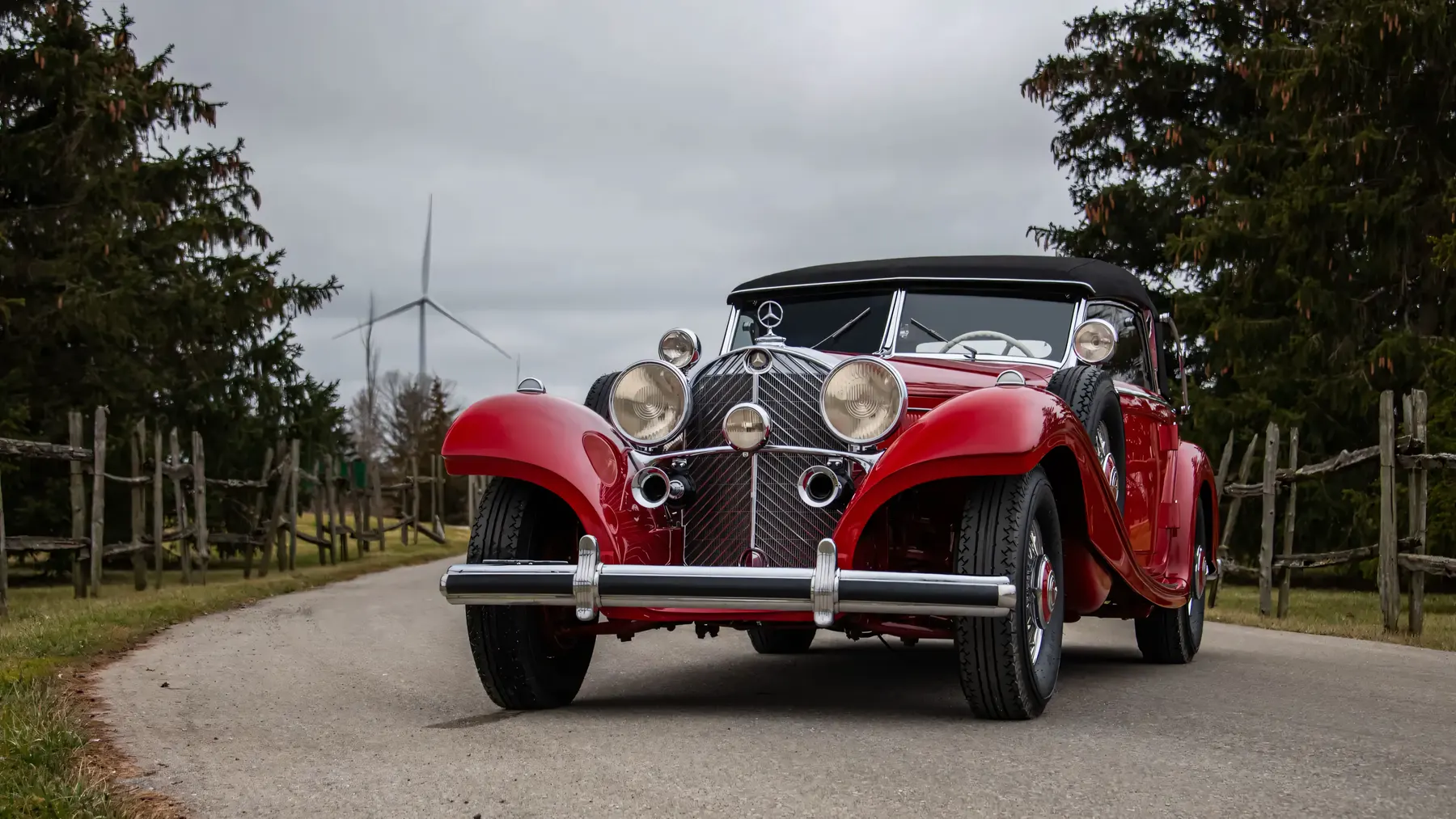
With an extraordinary price tag of 28,000 Reichsmarks (equivalent to approximately $230,000 in 2021), the 540 K represented one of the most exclusive and expensive automotive purchases of its time. The remarkable combination of its outstanding engineering achievements, exceptionally luxurious appointments, and extremely limited production numbers have established it as one of the most highly sought-after and valuable pre-war automobiles among serious collectors and automotive enthusiasts.
The production of the legendary 540 K came to an end in 1940 due to the outbreak of World War II, with a total of only 419 units being manufactured at the Sindelfingen facility. Among this already limited production run, a mere 116 examples were crafted as Cabriolet A models, making them extraordinarily rare and historically significant automobiles. The vehicle’s exceptional quality and prestige attracted an elite international clientele, including numerous prominent figures from the worlds of business and entertainment, with notable owners such as the influential Jack L. Warner of Warner Brothers studios.
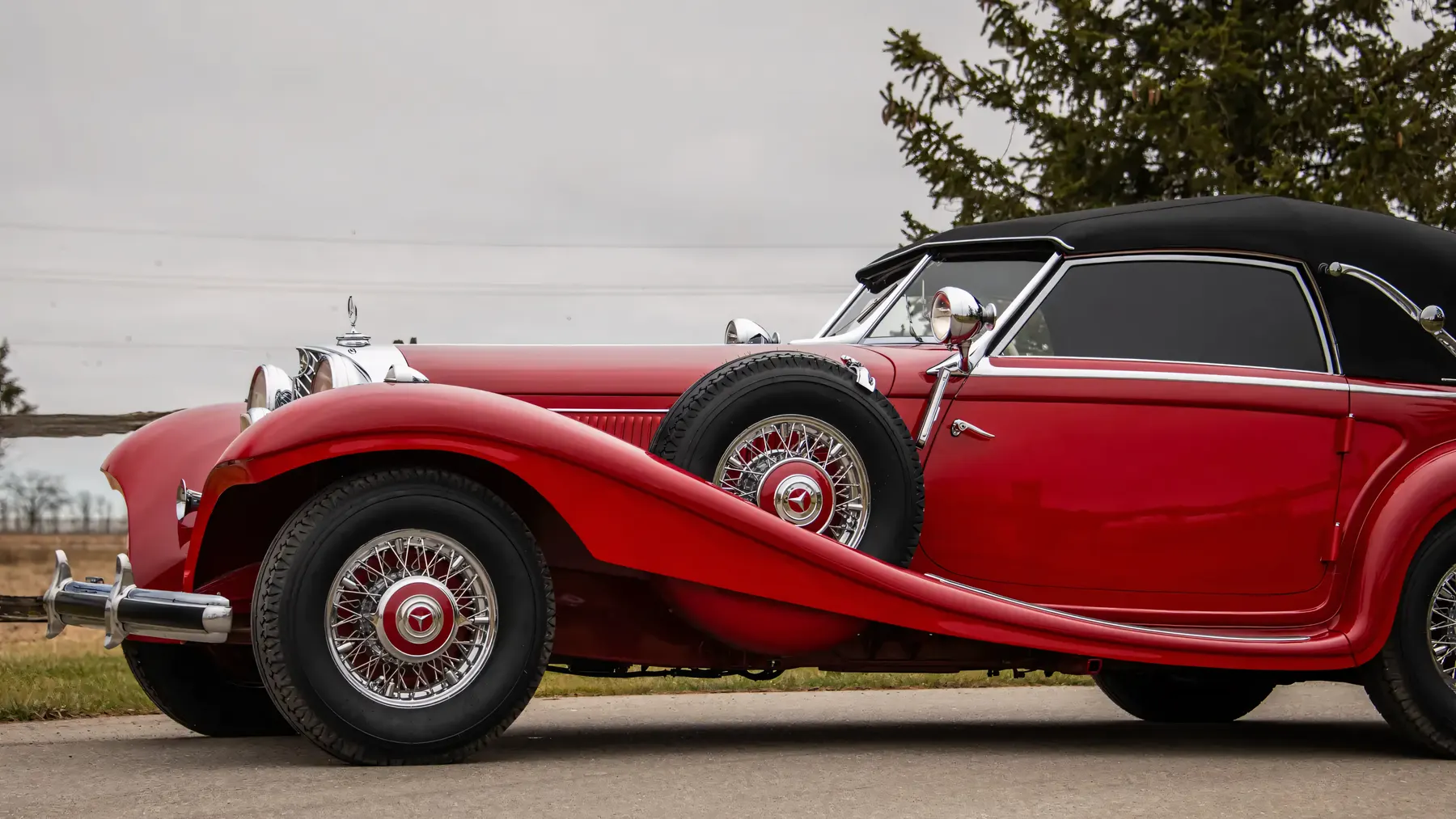
In contemporary times, the Mercedes-Benz 540 K Special Cabriolet A continues to stand as an enduring testament to the golden age of automotive craftsmanship, perfectly embodying the harmonious fusion of exceptional engineering prowess, unparalleled luxury, and timeless artistic design principles.