1939 MG TA Roadster
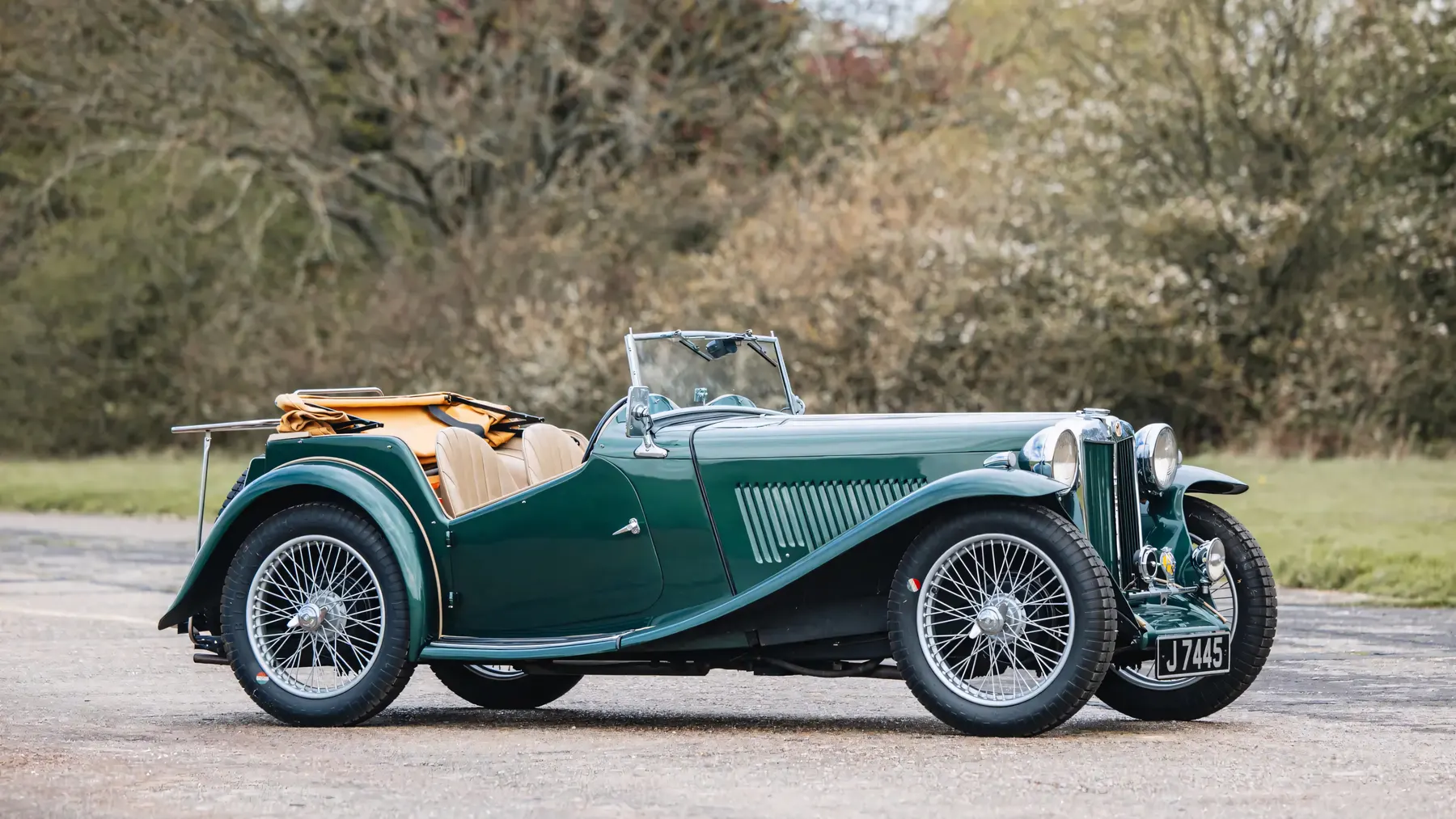
The MG TA Roadster is the kind of car that makes you want to drop everything, grab your goggles and driving gloves, and set off into the countryside with nothing but the sound of its eager engine and the wind in your hair. For anyone with a passion for automotive design, the TA is a touchstone - a machine that captures the spirit of pre-war British motoring and the dawn of a new era in sports cars.
The TA Roadster made its debut in 1936, replacing the PB Midget and kicking off the legendary MG T-Type series. MG, already well-known for its nimble, affordable sports cars, needed a fresh start after the PB. The TA arrived as a direct response, introducing a new platform that would shape the MG brand for decades. Over the next four years, just over 3,000 examples were built, each one a testament to British ingenuity and the pursuit of driving pleasure. The TA was more than just a new model; it was the genesis of a family of cars that would survive a world war and ignite America’s love affair with the sports car.
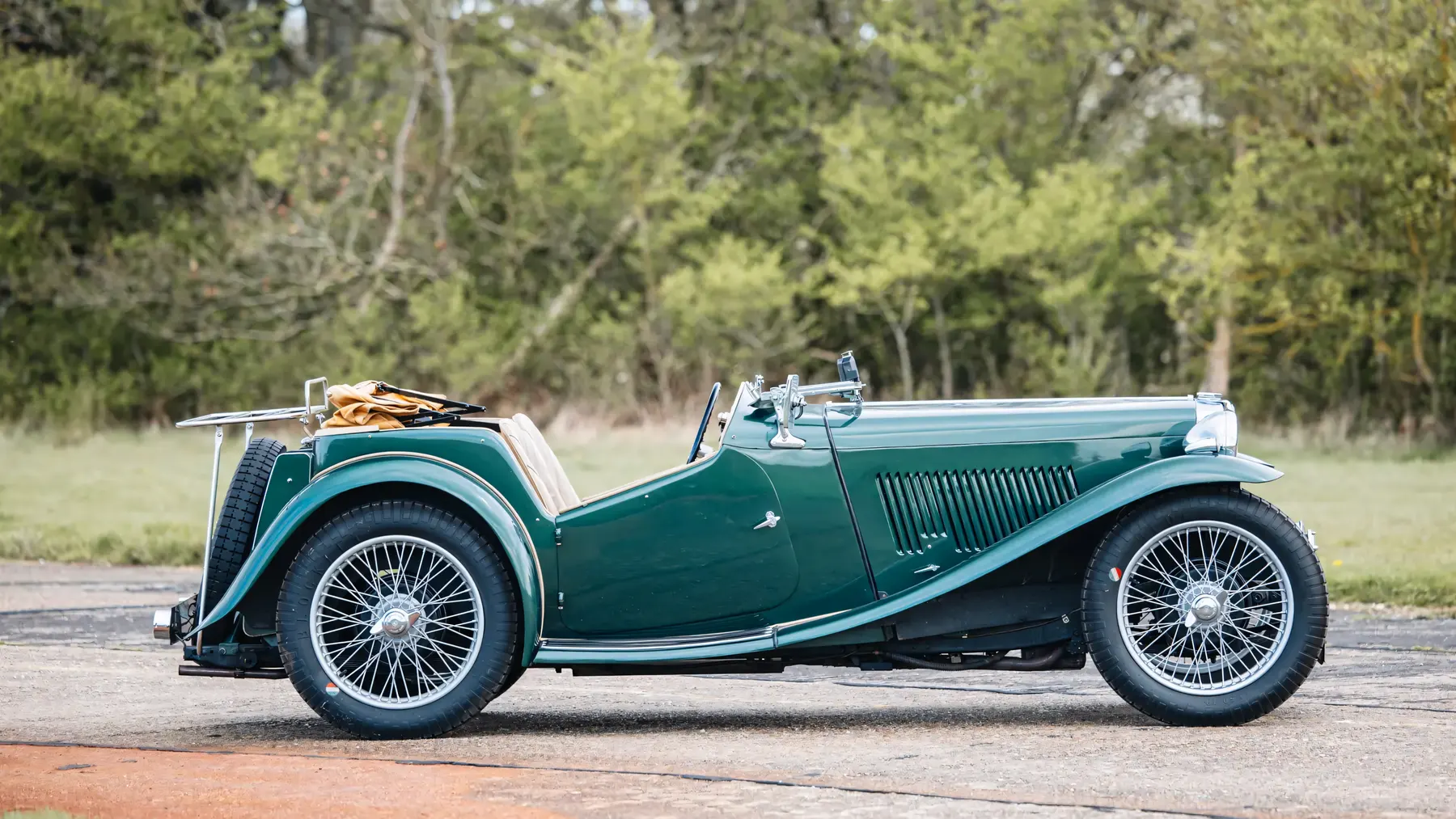
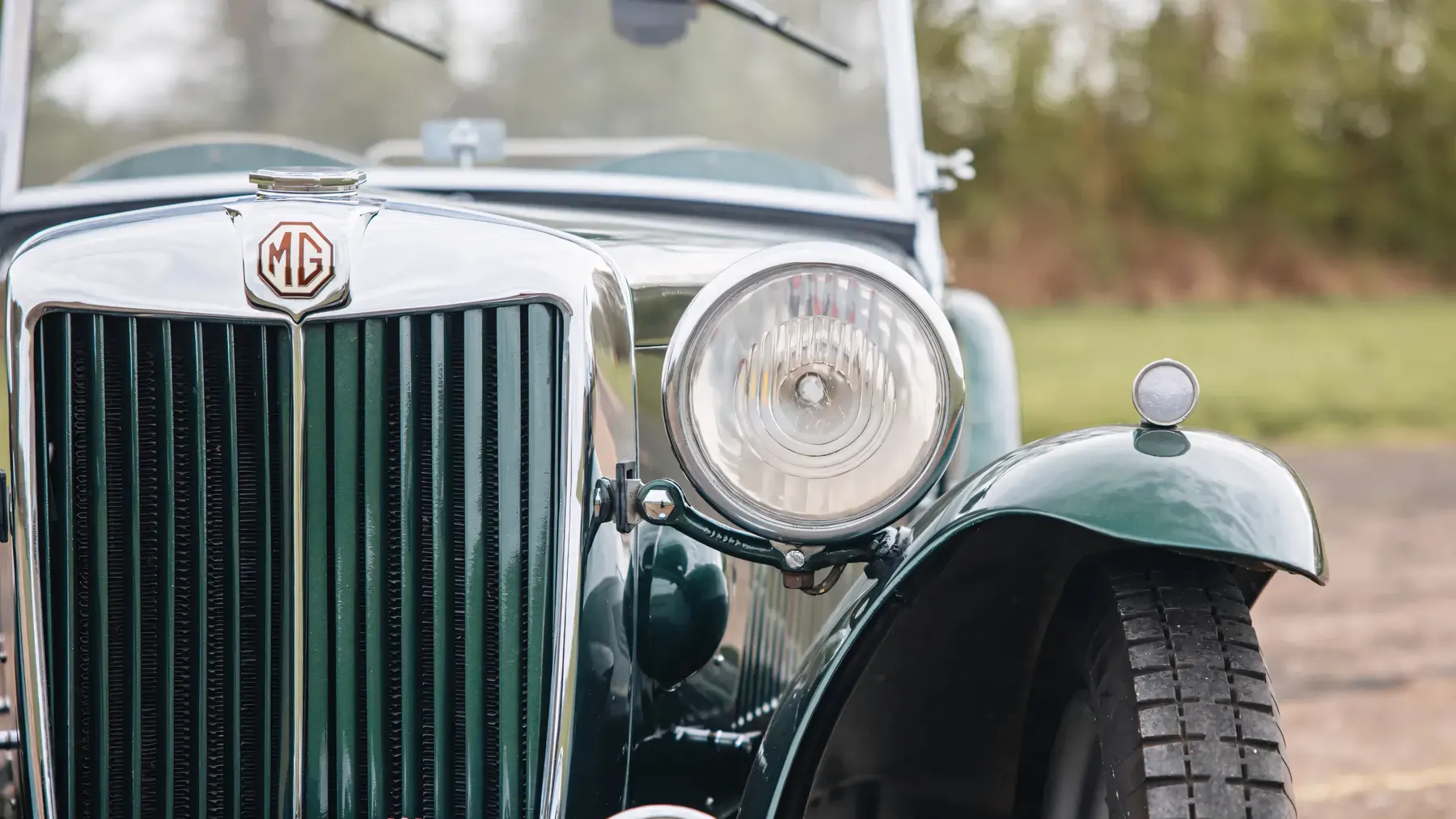
There’s a certain magic in the way the TA looks. Its proportions are spot-on: long bonnet, short rear deck, and those signature swept wings that frame the wire wheels. The bodywork, crafted from steel panels over an ash wood frame, is both lightweight and sturdy - a classic British approach that gives the car its unmistakable character. The TA was available primarily as a two-seat open roadster, but a few rare fixed-head ‘Airline’ Coupes and Tickford drophead coupes were also produced. These variants are now highly sought after by collectors, but the standard roadster remains the most iconic.
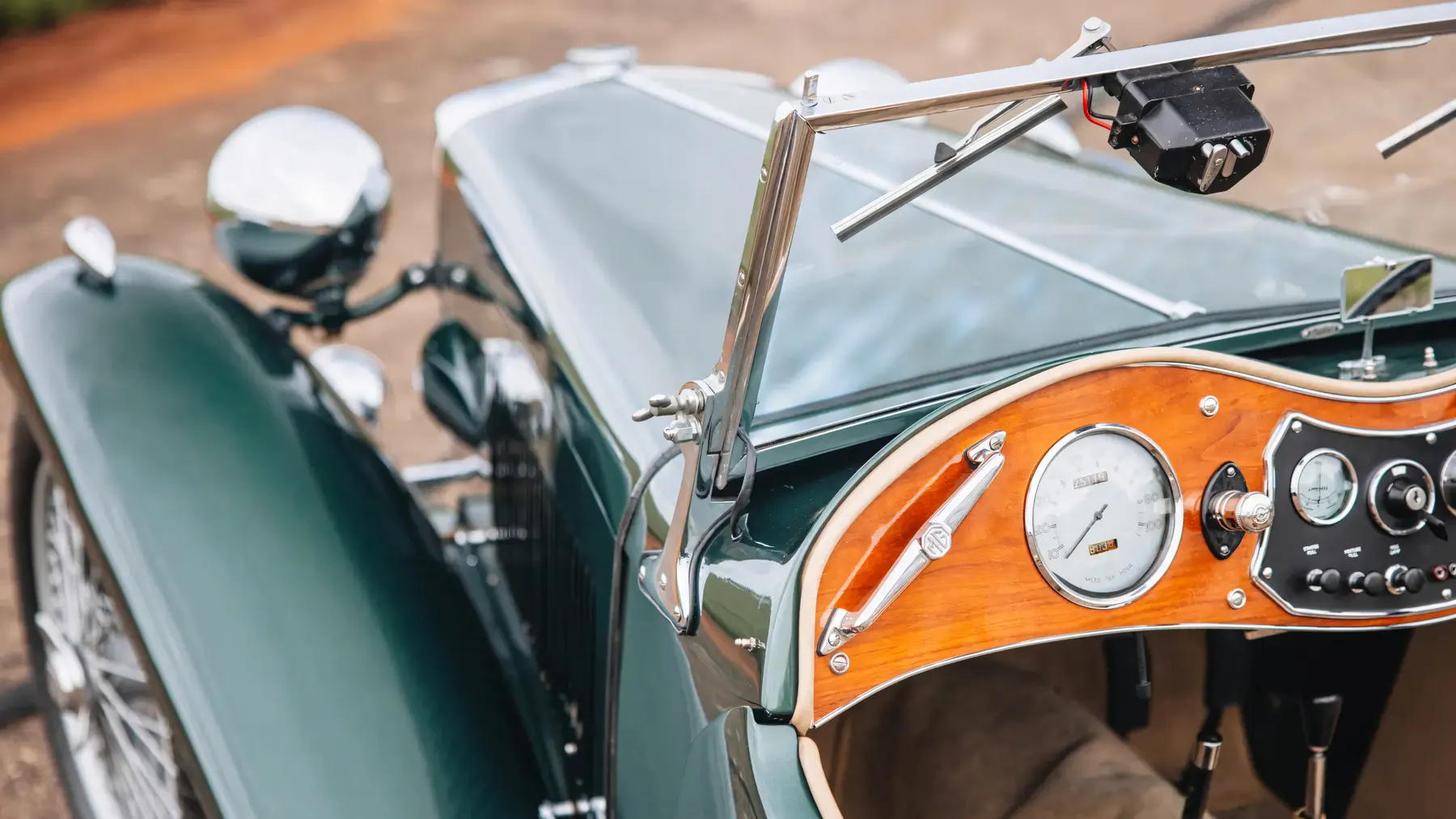
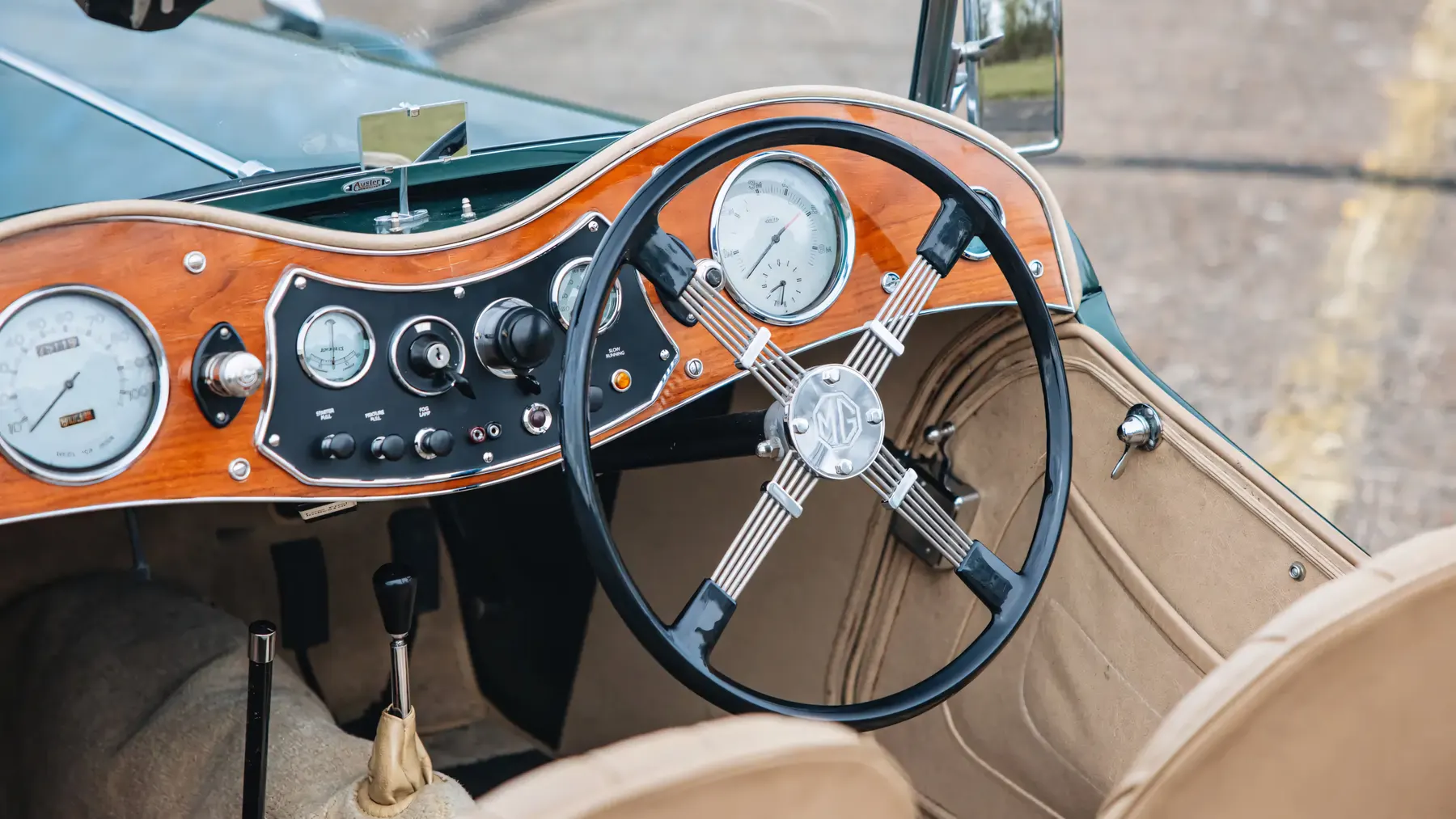
Inside, the TA is all about the essentials. The dashboard is a delight for anyone who loves vintage instrumentation: a central cluster with a speedometer, oil pressure, ammeter, and water temperature gauges, all set in a simple, elegant layout. Leather seats provide just enough comfort for spirited driving, and there’s a surprising amount of storage space behind the bench seat - perfect for a weekend getaway or a picnic hamper.
Under the bonnet, the TA marked a significant departure from its predecessor. Gone was the advanced overhead-cam engine of the PB, replaced by a 1,292 cc overhead-valve inline-four sourced from the Wolseley Ten, but thoroughly reworked by MG engineers. Twin SU carburettors, a modified camshaft, and special manifolds helped the engine produce 50 horsepower at 4,500 rpm - a respectable figure for its day. The four-speed manual gearbox, now with synchromesh on the top two gears, made the TA much more user-friendly, especially in traffic or during enthusiastic driving.
The chassis was widened by 76 mm and lengthened by 180 mm compared to the PB, giving the TA a more planted stance and improved handling. Suspension was classic British fare: a front beam axle and rear leaf springs, but with hydraulic shock absorbers for a more refined ride. Hydraulic brakes with 230 mm drums were a first for MG, providing much-needed stopping power and confidence.
Weighing in at just over 800 kg, the TA is delightfully light on its feet. With 50 horsepower on tap, it could reach nearly 130 km/h - a thrilling prospect in the late 1930s. The 0–60 mph sprint took just over 23 seconds, but numbers only tell part of the story. The real joy of the TA comes from the way it drives: direct steering, lively responses, and a sense of connection that modern cars can only dream of. The open cockpit, fold-down windscreen, and even optional aero screens all contribute to an immersive, visceral driving experience that’s pure vintage sports car magic.
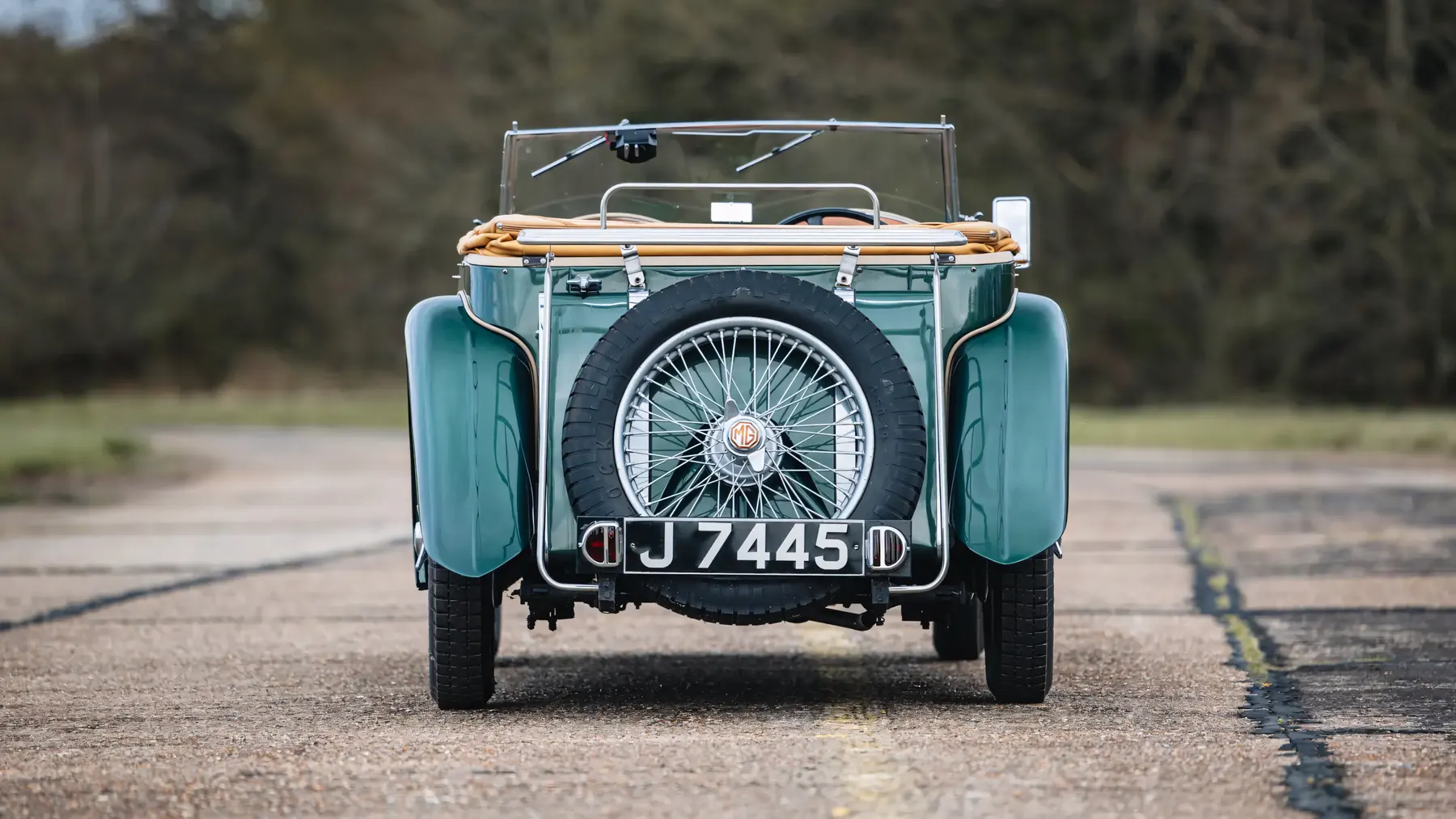
Several features make the TA stand out, even among its T-Type siblings. The introduction of hydraulic brakes and synchromesh gears were significant advancements, making the car safer and more accessible to a broader range of drivers. The combination of a steel body over an ash frame, wire wheels, and that unmistakable MG grille gives the TA a visual presence that’s impossible to ignore. Many cars were fitted with thoughtful period details: trafficators (early turn signals), fold-down luggage racks, and even a factory trouble light that plugs into the dash - a charming touch that speaks to the car’s era.
When the TA launched, it was met with a mix of excitement and skepticism. Some purists lamented the loss of the overhead-cam engine, but most were won over by the car’s improved comfort, reliability, and ease of use. The TA quickly found favor with both enthusiasts and casual drivers, outselling its predecessor and setting the stage for the models that followed. Its success helped establish MG as the go-to brand for affordable British sports cars, and it played a pivotal role in popularizing the genre, especially in the United States after the war.
Today, the MG TA is cherished by collectors and classic car fans alike. Its mechanical simplicity, timeless design, and undeniable charm make it a favorite at vintage rallies and car shows. Many examples have survived thanks to passionate owners who appreciate the car’s historical significance and the sheer joy it brings on the open road.
The MG TA Roadster is more than just a car - it’s a symbol of a golden age in motoring, when driving was an adventure and every journey felt like a special occasion. Its blend of classic design, innovative features, and engaging performance continues to inspire a new generation of enthusiasts. For anyone who loves automotive design, the TA is a reminder of why we fell in love with cars in the first place: the promise of freedom, excitement, and the pure, unfiltered joy of the drive.