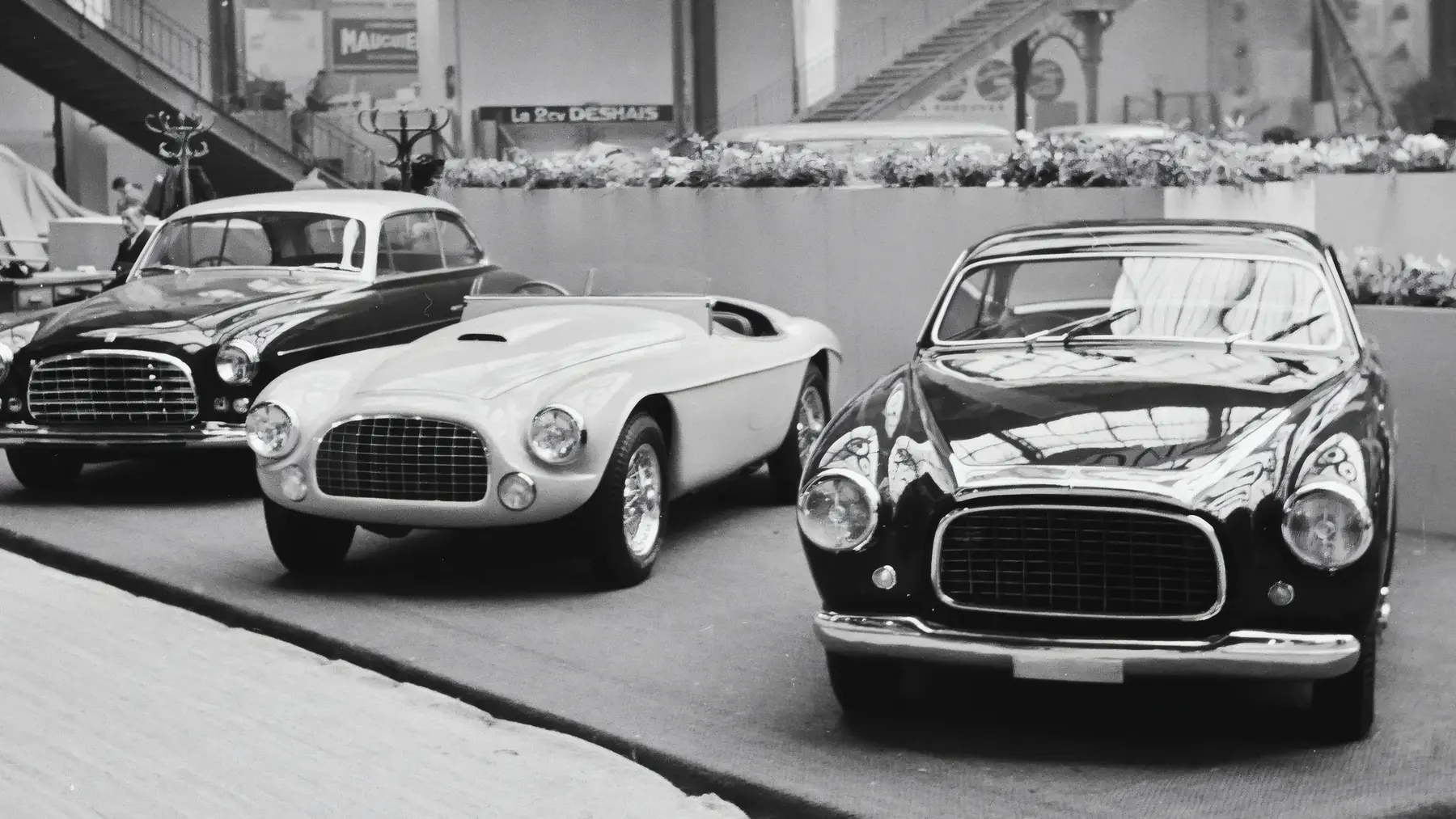
Ferrari 212 Inter Coupé by Vignale: The Art of Dressing a Race Car
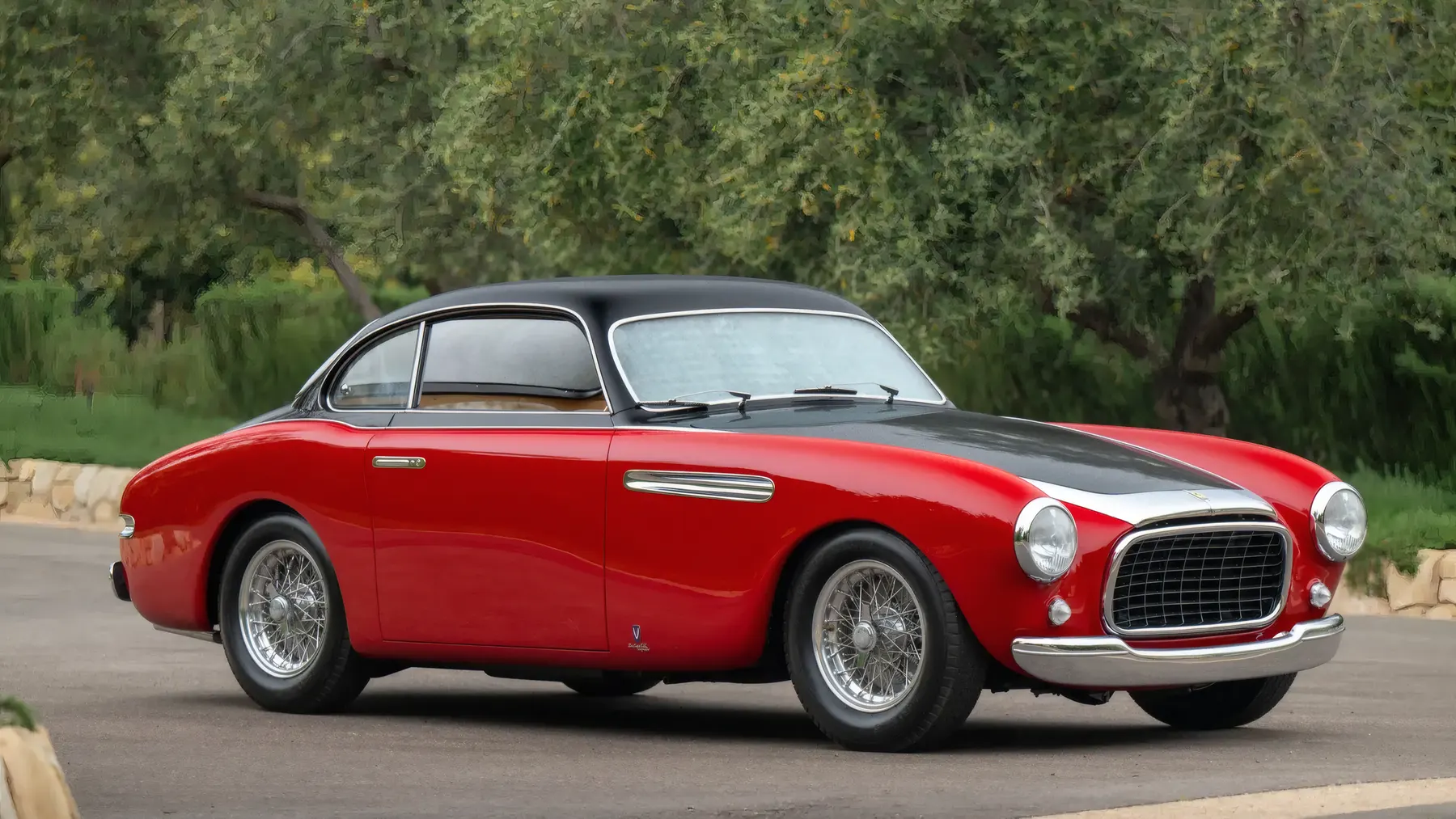
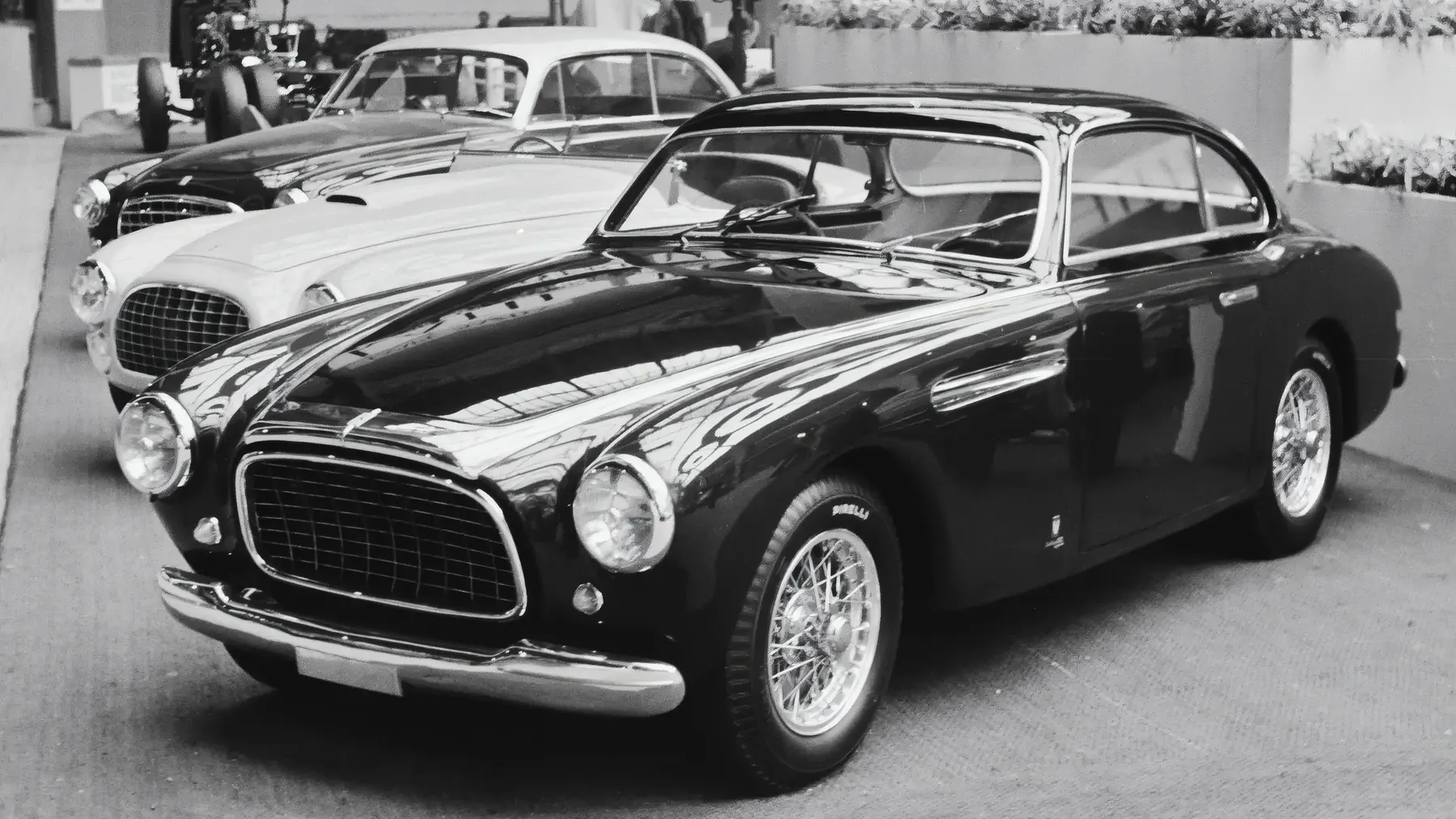
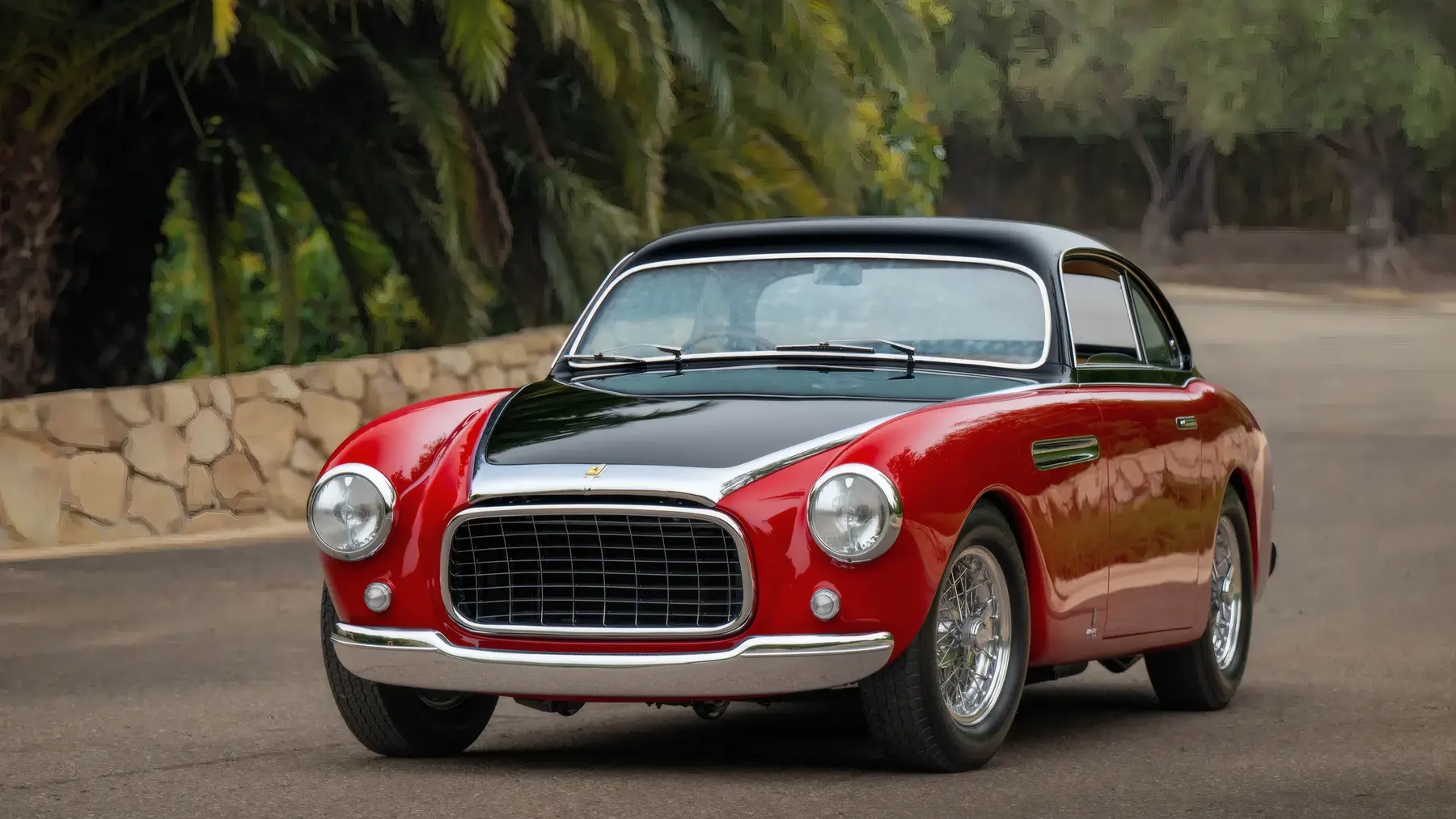
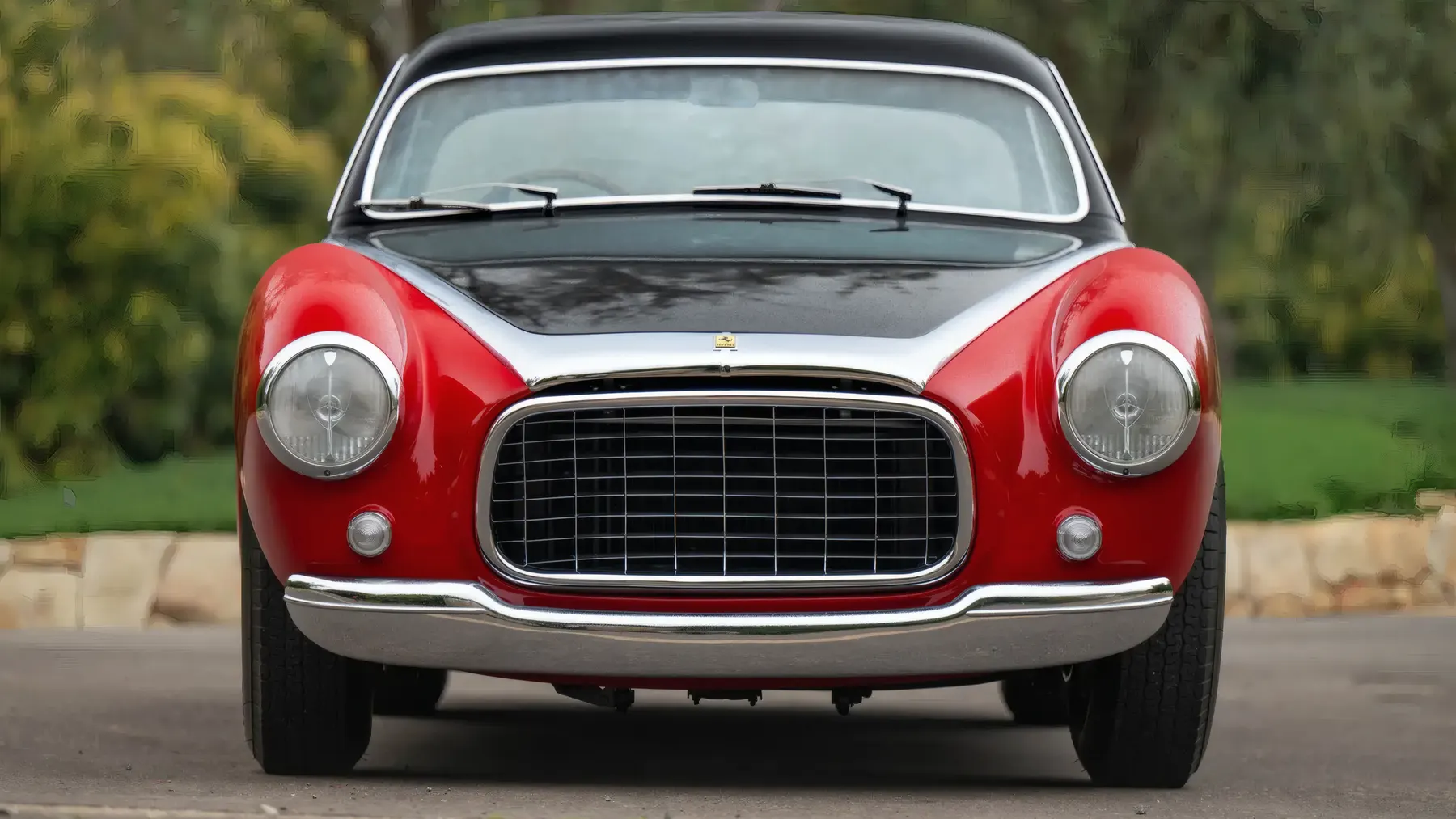
1951 Ferrari 212 Inter Coupe by Vignale
Images: Robin Adams / RM Sotheby's
In the early 1950s, Ferrari was still fundamentally a racing team that happened to build road cars, not the other way around. Enzo Ferrari needed wealthy clients to fund the Scuderia’s campaigns - that much was commercial reality - but his heart was never in the showroom. Road cars were a means to an end, and if they were magnificent, it was largely because Italy’s coachbuilding houses made them so. Nowhere is that tension more elegantly resolved than in the Ferrari 212 Inter Coupé as clothed by Vignale: a machine with the internals of a thoroughbred racing car and a body shaped by some of the finest hands the peninsula had ever produced.
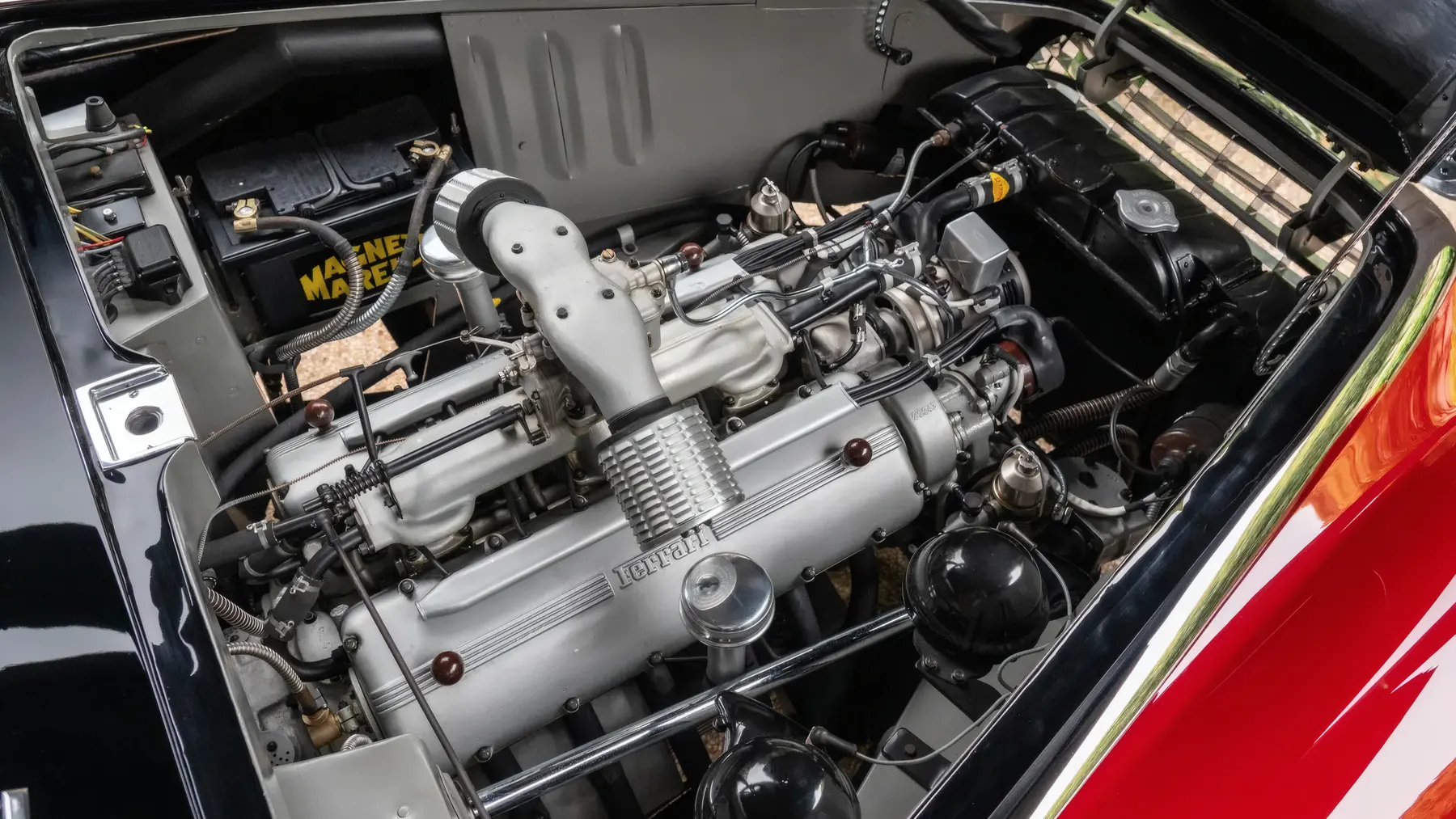
The 212 Inter sits at a precise moment in Ferrari’s early history, occupying the space between the small-displacement 166 that established the marque and the longer-lived 250 series that would define it. The “212” designation, like most early Ferraris, carries specific engineering logic: each of the twelve cylinders displaces 212 cubic centimetres, yielding a total capacity of 2,562cc. This was the Colombo V12 - designed by Gioacchino Colombo, evolved by Aurelio Lampredi’s team, and refined across successive generations - and in Inter specification it was oriented toward road use without abandoning its competitive character. The narrow 60-degree angle between the cylinder banks, the twin overhead camshafts, the short-stroke geometry: these are the signatures of a unit conceived for the circuit and adapted, rather than redesigned, for the road.
The “Inter” suffix deserves explanation, because it draws a clear line in Ferrari’s product thinking. The 212 Export was the outright competition model - lighter, less forgiving, with a shorter wheelbase suited to the faster response demanded by circuit and rally work. The Inter, with its longer wheelbase of around 2,600mm, was built for grand touring: longer journeys, greater stability at sustained speeds, and a degree of refinement that distinguished it from its more spartan sibling. This was still a road car by 1950s terms, which meant by modern standards it was austere in almost every respect, but the architectural distinction between the two models was meaningful and deliberate. The Inter was a concession to comfort - not a generous concession, but a genuine one.
In standard Inter tune, the Colombo V12 produced something in the region of 150 to 170 bhp depending on how the engine was configured, with single versus triple Weber carburettors being the primary variable. Different clients and different coachbuilders specified different states of tune, which means the 212 Inter was never quite a standardised product even at the mechanical level. Channelled through a five-speed gearbox into what was genuinely a lightweight structure, the power was serious by any early-1950s standard. The V12 has a character unlike anything a modern road car can approximate: a narrow-angle unit revving with a precision and urgency that reflects its racing origins directly, with an exhaust note that seems disproportionate to its displacement and entirely proportionate to its ambitions.
Vignale’s involvement in Ferrari history during this period was substantial, and the 212 Inter represents some of the coachbuilder’s finest work. The Grugliasco-based carrozzeria, operating under the creative influence of Giovanni Michelotti, produced bodies that are in some respects more sculpturally adventurous than the more celebrated Pininfarina Ferraris of the same era. Where Pinin Farina tended toward purity and studied restraint - qualities that served Ferrari’s international reputation well as the decade matured - Vignale embraced ornament, surface drama, and a certain theatrical vitality. The 212 Inter Vignale Coupé bodies are characterised by carefully sculpted flanks, prominent chrome embellishment around the grille and headlight surrounds, a muscularity in the front wings that reads almost American in its confidence, and a sense of compression and tension in the bodywork that reflects Michelotti’s instinct for making metal appear kinetic even at rest.
No two Vignale 212 Inters are identical, and this is not a casual observation. The coachbuilding process was inherently individual: Ferrari would supply a rolling chassis to the coachbuilder or directly to a client, and the body would be constructed around that person’s preferences and the house designer’s current thinking. Grille treatments vary between examples. The handling of the rear haunches differs. Some cars wear more elaborate chrome brightwork, others are relatively restrained. This is genuinely part of what makes them interesting as objects, but it also complicates any attempt to describe “the” Vignale 212 Inter Coupé as though it were a singular, fixed thing. Each is an individual conversation between a chassis, a craftsman, and a client - and reading across the surviving examples reveals how wide and creative that conversation was.
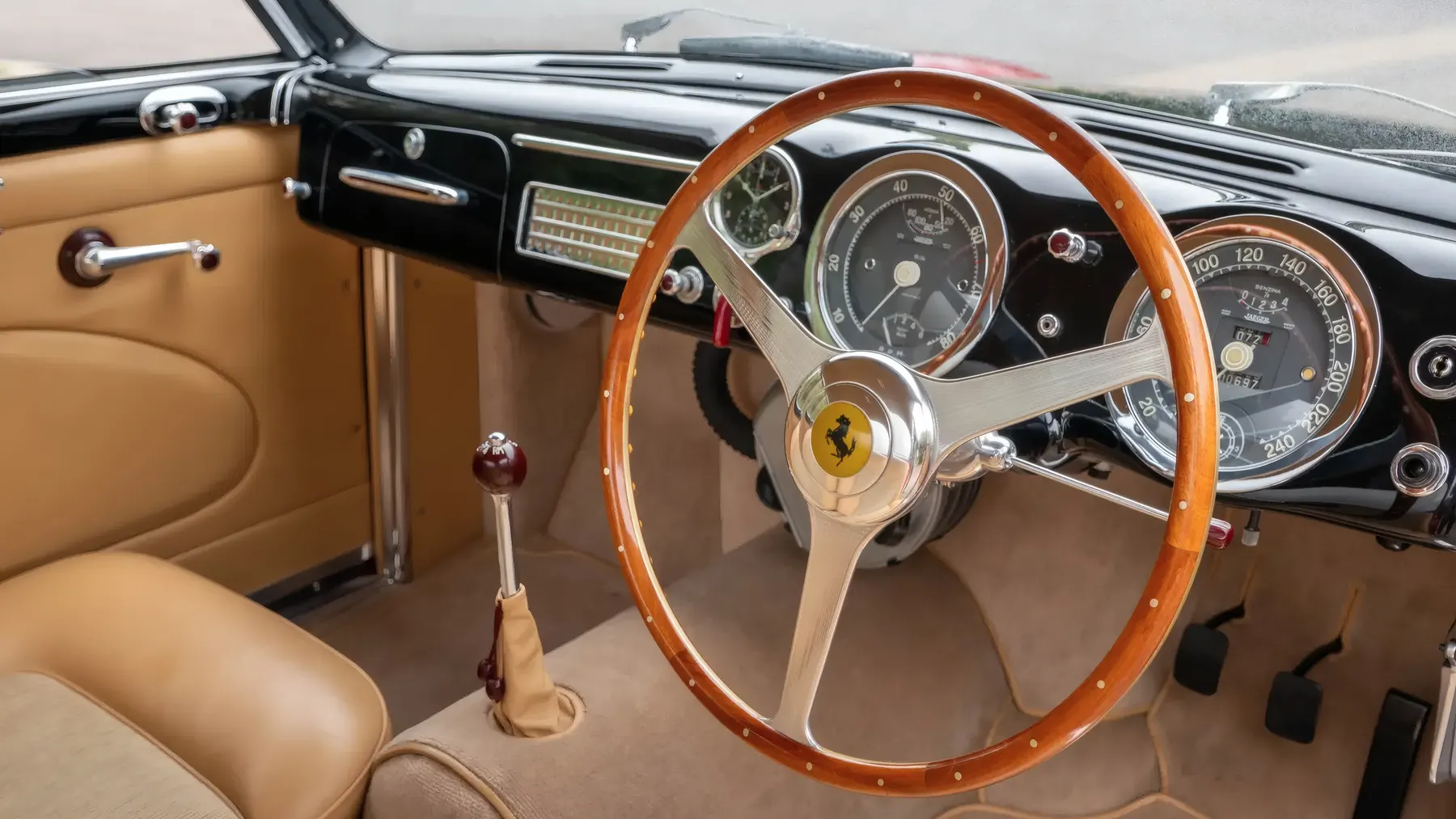
Inside, the coupé bodies from Vignale follow the logic of their era: leather upholstery, typically in cream or tan, over seats that prioritise form as much as long-distance comfort. Instrumentation is arranged directly ahead of the driver, with large round gauges including a tachometer calibrated to the V12’s working range dominating the view. The cabin is intimate in the way that Italian coachwork of the period tends to be - not cramped precisely, but designed around the driver as the primary protagonist rather than around the comfortable accommodation of passengers and their luggage. The gear lever is positioned exactly where the hand falls naturally, and the close relationship between the driver and the car’s mechanical processes is enforced rather than softened.
Driving the 212 Inter - and accounts from those who have done so make this clear - requires a recalibration of expectations and a willingness to meet the car on its own terms. The steering is heavy and direct, without power assistance, with a recirculating ball mechanism that demands physical commitment rather than casual fingertip inputs. Braking is by drums at all four corners, as was universal for the period, and while adequate for the speeds and road conditions of the early 1950s, they require early planning and a graduated approach that later disc-equipped Ferraris entirely removed from the equation. The clutch is assertive, the throttle sensitive to the point where inexperienced hands can easily create mechanical embarrassment. This is not an especially demanding car in the context of a serious post-war competition Ferrari, but it is emphatically not a relaxed or self-effacing machine.
The 212 Inter’s weaknesses are partly those of its era and partly those of its production method, and honest assessment demands that both be acknowledged clearly. As a practical grand touring proposition - even in period - the Inter Coupé gave up considerable ground to larger, more industrially refined European competitors on the quality and consistency of its interior finishing. The bespoke coachbuilding process, for all its romantic appeal, introduced variability between cars that a properly factory-built vehicle simply did not carry. Panel gaps, the precision of fittings, the longevity of trim items: these varied in ways that reflected individual hand craftsmanship and occasionally exposed its limitations. The Colombo V12, meanwhile, is a sophisticated unit that rewards meticulous maintenance but is genuinely punishing of neglect, inattentive running-in, or the use of period-incorrect lubricants; in 1951 or 1952, access to a Ferrari-trained mechanic outside Maranello or a small number of appointed agents was a real operational constraint for owners venturing far afield.
The ride quality in a coupé body, on a chassis developed around consistent contact with varying road surfaces at racing speeds, is firm to a degree that makes sustained high-mileage touring genuinely tiring rather than the sybaritic experience the coachwork might suggest. The Inter’s longer wheelbase was an improvement over the Export, but this is not a car that belongs in the same conversation as a contemporary Bentley or even a large-displacement Alfa Romeo when measured against sheer long-distance refinement. The promise of the coachwork and the reality of the mechanical experience sit in productive tension - and whether that tension constitutes a feature or a flaw depends entirely on what the driver came looking for.
Ferrari produced the 212 Inter across a brief window from 1951 to 1953, with perhaps eighty or so examples built in total across all body styles and coachbuilders - Pininfarina, Ghia, Touring, and Vignale all contributed. Vignale accounted for a meaningful portion of that total, making their interpretation particularly significant in tracing the visual development of early Ferrari road cars. These were not high-volume machines even by the standards of specialist manufacturers; they were effectively bespoke commissions, built in very small numbers for clients who were buying something closer to a personal order than a catalogue purchase.
The legacy of the 212 Inter Vignale Coupé sits at the intersection of Ferrari’s competitive culture and Italy’s postwar coachbuilding renaissance, and that intersection turns out to have been remarkably fertile. These cars appeared at a moment when Italian artisans were demonstrating to the world that the engineering of motorised transport and the making of beautiful objects were not necessarily separate disciplines. The Vignale bodies, with their chrome and their sculpted flanks and their individual character, argue that case with genuine conviction. And beneath them, the Colombo V12 - tuned, urgent, bred on circuits - argues a different but equally compelling one: that the most honest foundation for a beautiful road car is something that genuinely needs to go fast, and that no amount of leather and brightwork changes what lies beneath.