1949 Alfa Romeo 6C 2500 Super Sport Coupé by Touring




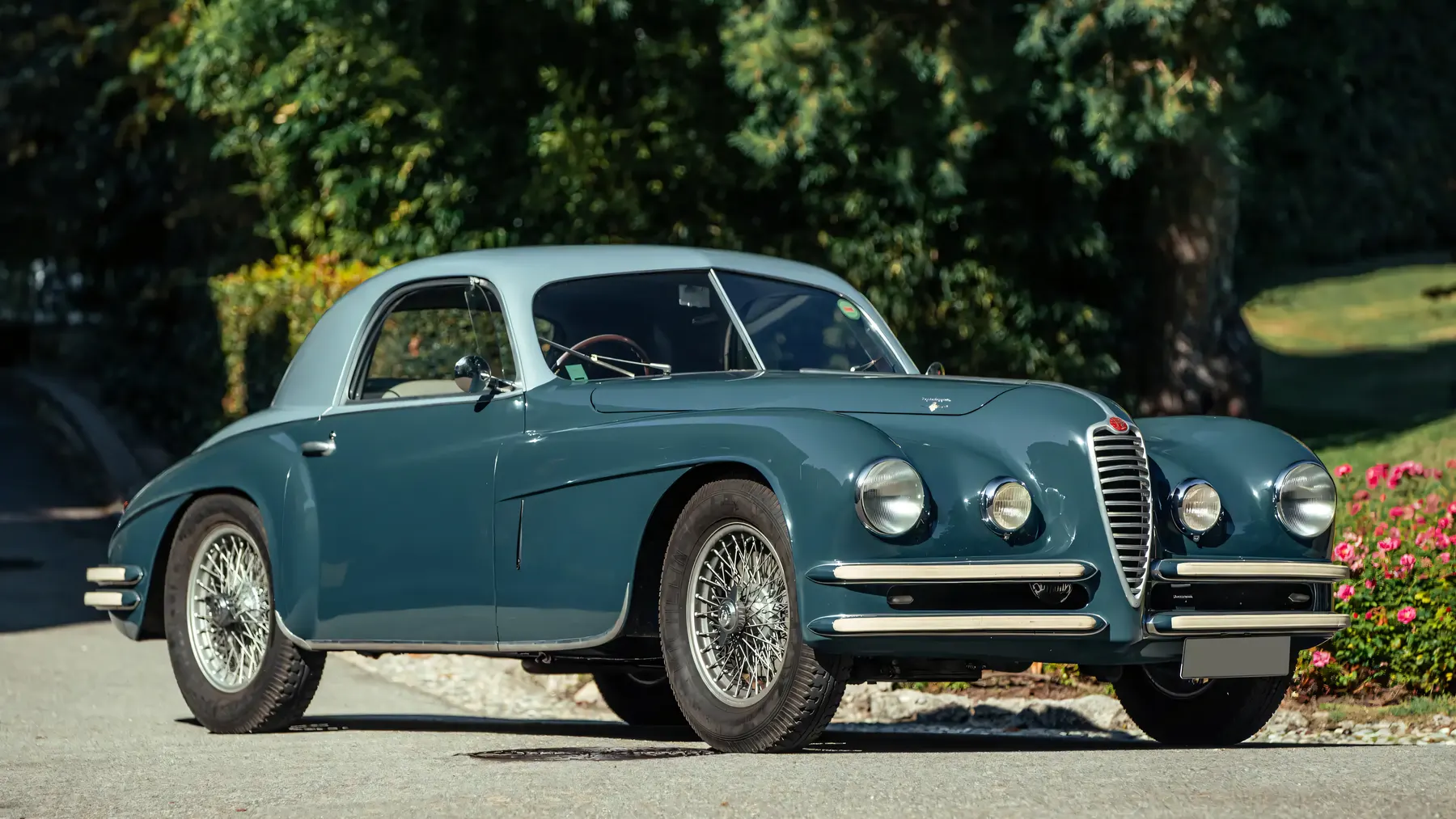
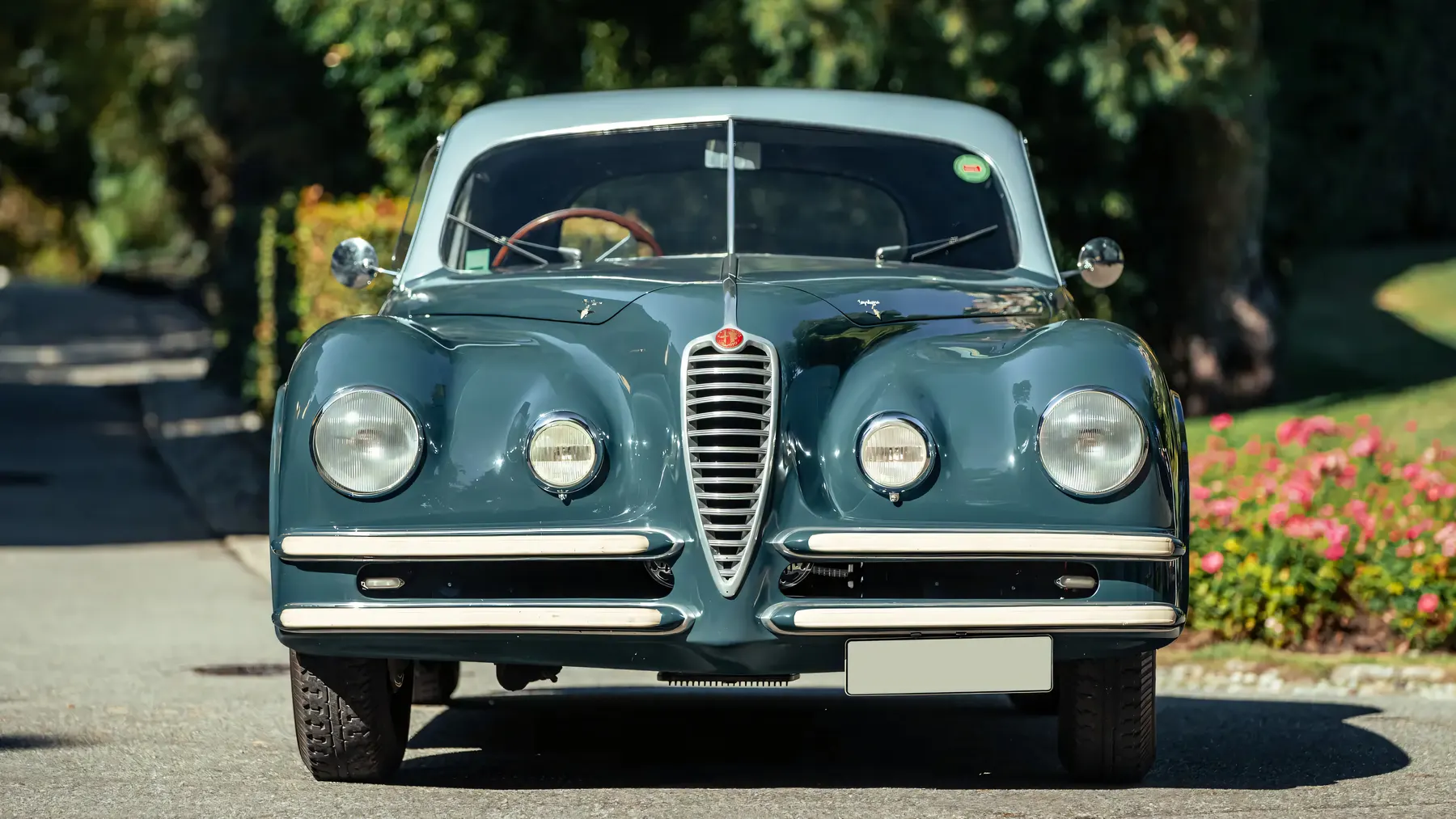
When Carrozzeria Touring’s craftsmen laid out the first slender steel tubes in their workshop on Via Ludovico di Breme, bending and welding them into the skeleton of what would become the 6C 2500 Super Sport Coupé, they were applying a construction technique patented in 1936 that owed more to the aviation industry than to any coachbuilding tradition that preceded it. The Superleggera system - super lightweight in literal translation - consisted of a lattice of small-diameter tubes to which thin aluminium panels were attached and riveted, producing a body that was simultaneously stiff and startlingly light. It was how aircraft fuselages were built, and Touring’s founders understood that. What emerged from that philosophy, draped over Alfa Romeo’s short 2,700-millimetre Super Sport chassis, was one of the most resolved automotive shapes of the postwar era.
The 6C 2500 itself had arrived in 1938 as a more technologically ambitious successor to the 6C 2300B and the legendary 8C - a car conceived when Alfa Romeo still held a genuine claim to being the finest manufacturer in Europe. Engineer Bruno Treviso enlarged Vittorio Jano’s celebrated twin-cam straight-six to 2,443cc, boring the cylinders out from 70mm to 72mm, and then offered the chassis in three wheelbases to serve radically different purposes. The Turismo sat on a capacious 3,250mm wheelbase for formal coachwork; the Sport split the difference at 3,000mm; and the Super Sport used the tightest 2,700mm platform available. That shortest wheelbase wasn’t simply performance theatre - it gave the SS its particular balance and agility, making the most of suspension engineering that was genuinely advanced for the period: fully independent at both ends, with front double wishbones and longitudinal torsion bars, and a rear arrangement of swing axles with longitudinal torsion bars and hydraulic dampers. In 1939, you simply didn’t find four-wheel independent suspension on any car priced for general consumption.
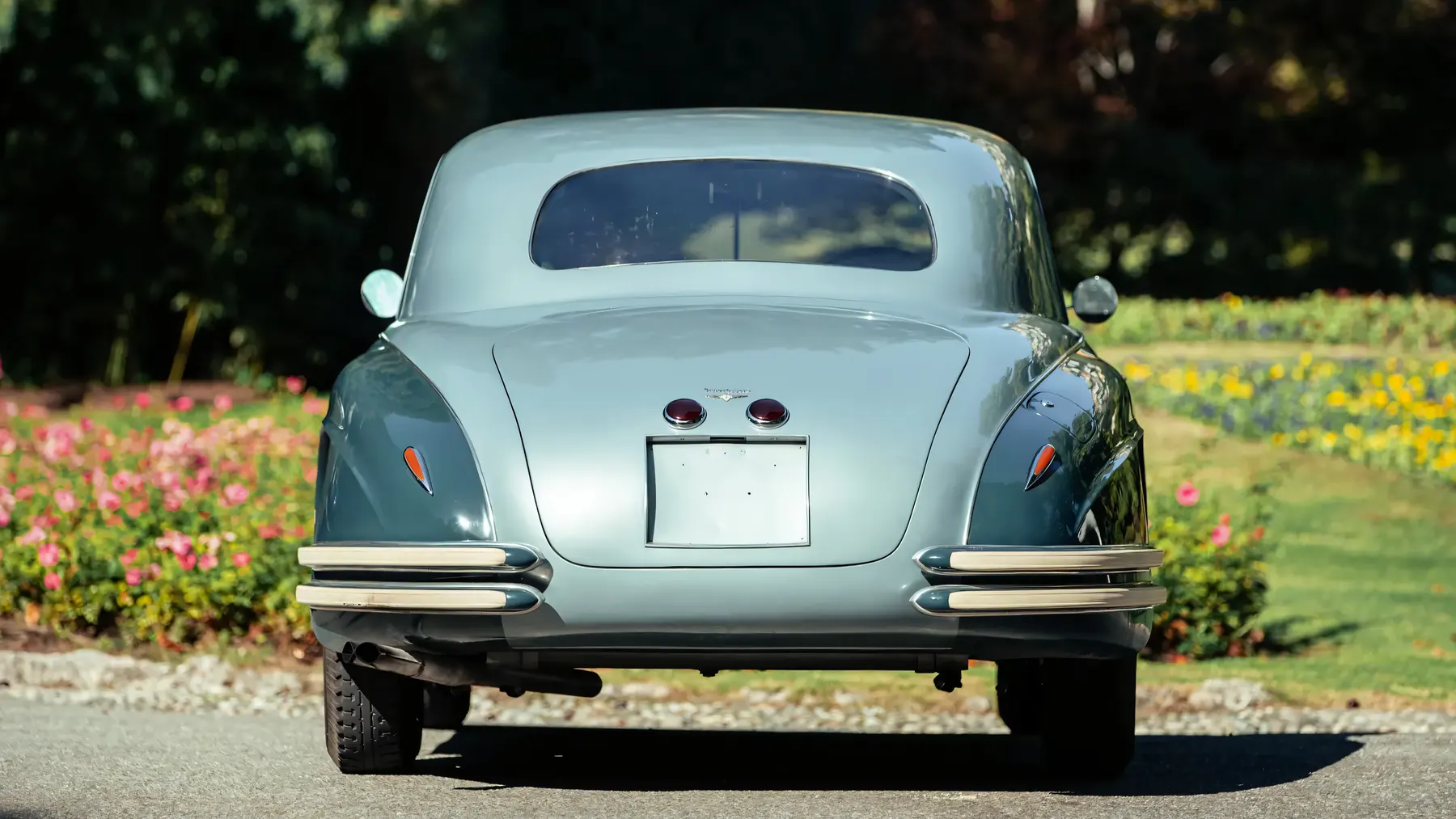
The top-specification Super Sport engine, fed by three dual Weber carburettors, produced 110 bhp at 4,800 rpm, delivered through a four-speed gearbox. Those figures enabled a genuine top speed in the region of 165–170 km/h, making it a legitimate 100mph grand tourer at a time when that figure still carried enormous cultural weight. The engine itself had a cast-iron block with an aluminium twin-cam head featuring hemispherical combustion chambers and a seven main-bearing crankshaft - robust, smooth, and capable of extended high-speed running without the fragility that afflicted some period competition engines. In full triple-Weber tune, the induction noise alone was a statement of intent.
Then came the war. Production of civilian 6C 2500s was interrupted, reduced eventually to single-carburettor military specification versions for the Ministry of Defence, and finally ceased altogether. When postwar production restarted, the 6C 2500 came back largely unchanged mechanically - though a decision was made that still raises eyebrows among purists: the gearshift was moved from the floor to the steering column. This was the contemporary fashion - column-change was considered modern and sophisticated, particularly on a car aimed at the upper reaches of the market - but it stripped away a measure of the tactile directness that the floorchange had provided, and today it reads as the one concession to transient taste that simply didn’t age well.
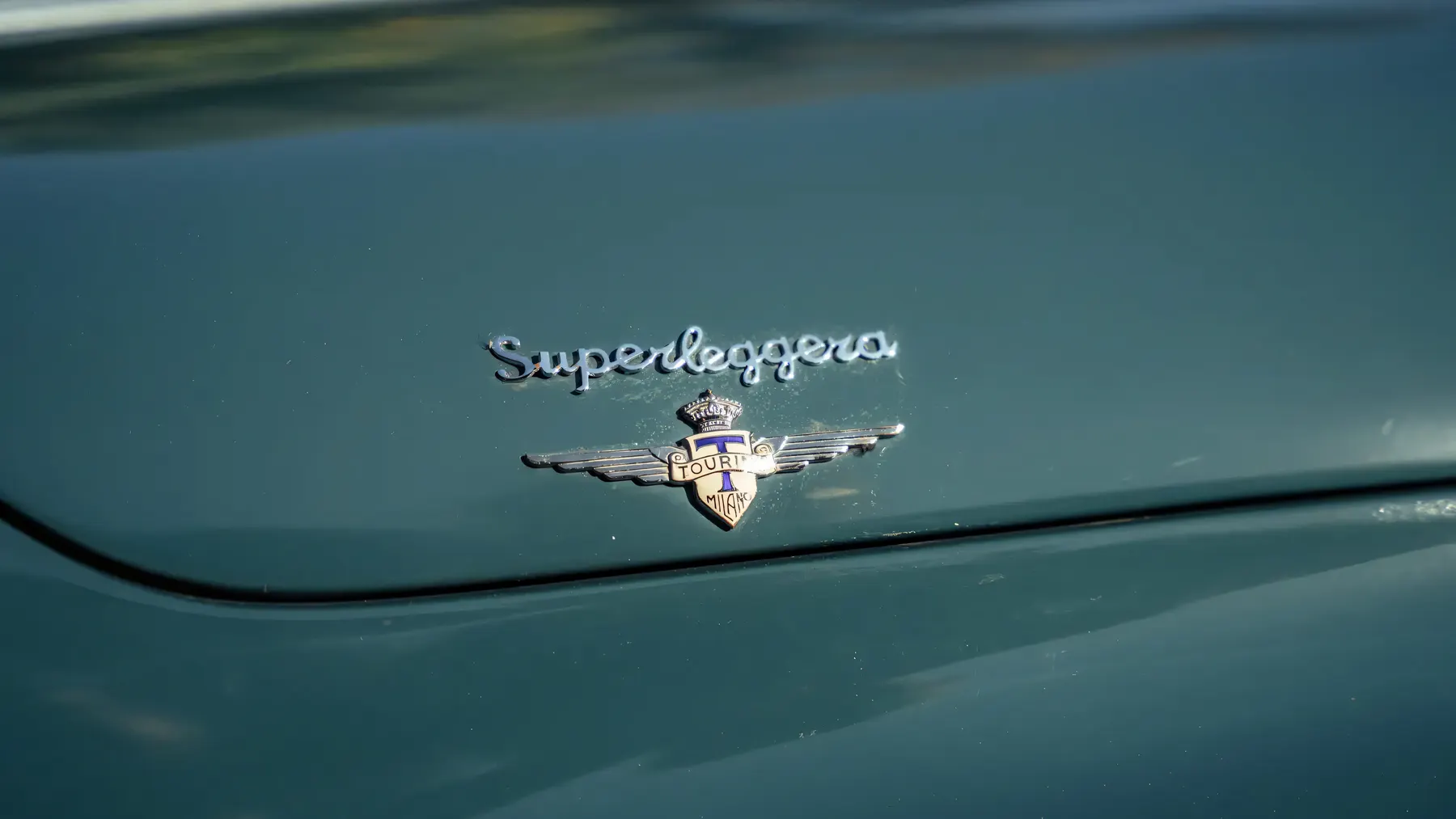
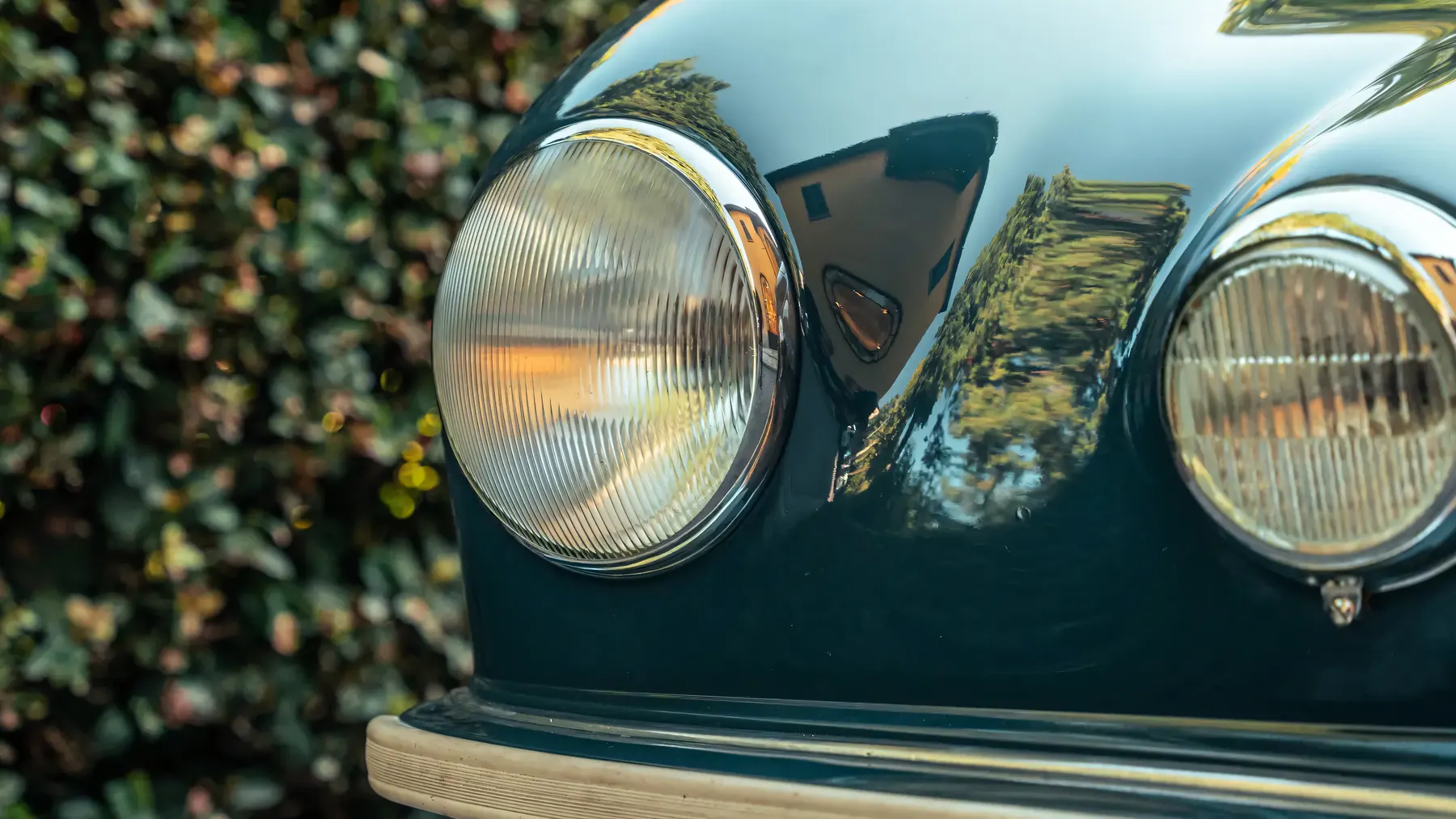
The more consequential postwar development was what Touring did with the body. The second series of Super Sport Coupés, produced from around 1947–1948 onward, introduced more pronounced flared wheel arches and a visual robustness that gave the car a presence the earlier, more delicate first-series shapes had lacked. Approximately 120 examples of this second-series configuration were built, making them among the rarest expressions of the model. Touring’s Superleggera process meant that each body was hand-fabricated - the aluminium panels shaped by skilled craftsmen over the tubular armature, resulting in subtle variations between individual cars that add to the model’s character rather than detracting from it. The bodies were also notably lighter than anything a conventional pressed-steel manufacturer could offer, and that weight advantage was meaningful on a car that, in full coupé trim with interior fittings, weighed around 1,400 kg.
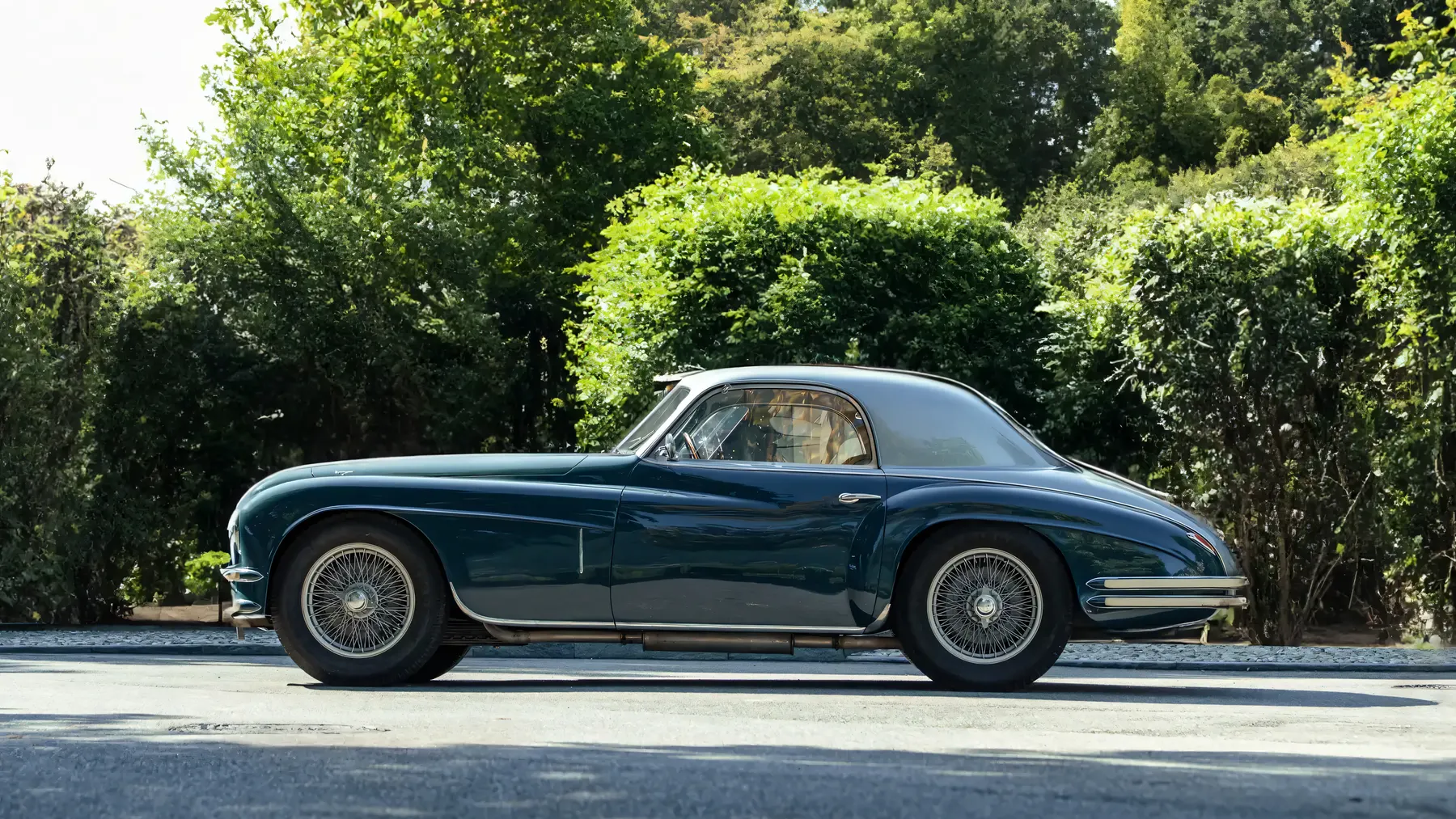
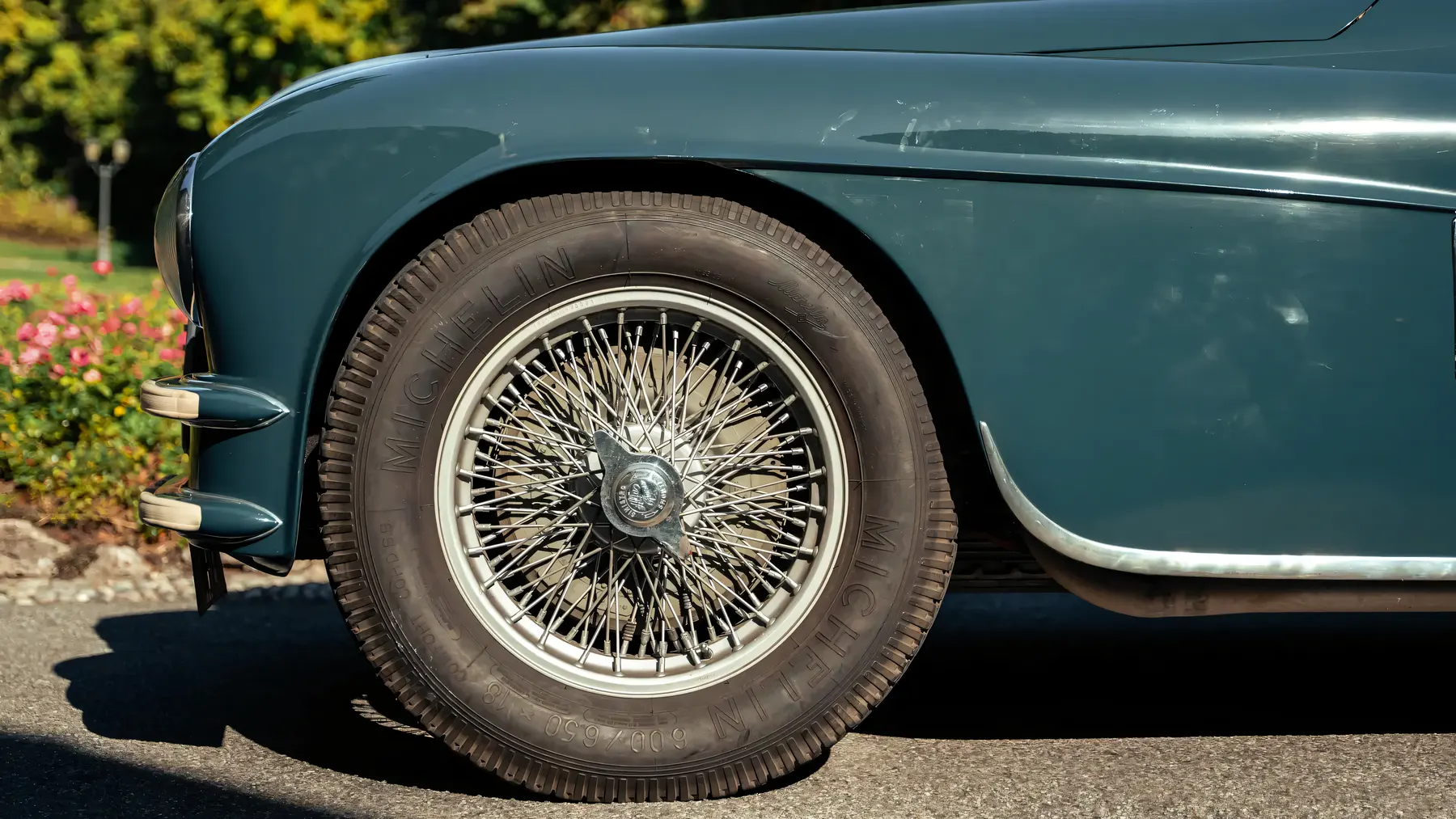
Other coachbuilders bodied the 6C 2500 SS: Pinin Farina contributed elegant cabriolet designs, Ghia produced their own interpretation, and Alfa Romeo’s own factory built formal coachwork for the Turismo variants. None of them resolved the sporting short-wheelbase Super Sport quite so convincingly as Touring did with this coupé. The long bonnet, the fastback roofline, the wire wheels - these were established visual conventions. But the integration of the rear haunches in the second series, the way those flared arches gave the body a muscular quality without becoming heavy, and the proportional relationship between greenhouse and flanks - that was Touring’s specific achievement.
On the road, the 6C 2500 SS Touring Coupé asks its driver for a particular kind of engagement. The steering, unassisted and relatively slow by modern standards, communicates road texture with a directness that’s initially demanding. The short wheelbase that looks so purposeful in photographs translates, at the speeds this car can achieve, into a liveliness that rewards attentive driving rather than casual operation. The independent rear suspension is sophisticated for the period, but the swing-axle geometry does introduce camber changes under cornering load - a characteristic common to the era that requires a measured approach rather than aggression. The hydraulic drum brakes perform adequately when properly maintained, but they are drums, and the car’s genuine performance capability means that braking distances need to be factored in with more consideration than a modern driver might instinctively allow.
What you get in return for that attentiveness is an experience no car built for mass consumption in the period could provide. The triple-Weber straight-six builds revs with a linearity that is inherently addictive - it doesn’t surge dramatically from low rpm, but it pulls cleanly and with increasing enthusiasm as the engine finds its stride. The chassis balance on a good road encourages a flowing, committed driving style rather than the point-and-squirt approach that compensates for less sophisticated suspensions. This is a car that rewards genuine driving skill, and that rewards it with a sound, a feel, and a sense of occasion that no amount of horsepower alone could manufacture.
The 6C 2500 SS was genuinely one of the most expensive automobiles available at its introduction, and its clientele reflected that. King Farouk of Egypt owned one. Prince Rainier of Monaco drove one. Rita Hayworth arrived at her wedding in Cannes in May 1949 driving a 6C 2500 she had just received as a wedding gift - the grey body and deep blue bonnet reportedly matched her outfit. Tyrone Power, Count Trossi, Prince Aly Khan - the car’s ownership list reads less like a sales ledger and more like an invitation list to a particularly well-attended postwar European gathering of the famous and the wealthy. This wasn’t accidental; it was precisely what the car was built for, positioned for, and priced for.
The 6C 2500 also carries the distinction of being the last Alfa Romeo offered with a separate chassis to customers. What followed - the 1900 of 1950 - was a unibody design aimed at a broader market and a different kind of manufacturing logic. The 1900 was, in many respects, the more modern car, and it secured Alfa Romeo’s commercial future. But it was the 6C 2500, in its Super Sport Touring Coupé form, that marked the end of a particular tradition: the idea that an Alfa Romeo could be offered as a rolling chassis for individual coachbuilders to interpret according to their own vision. That tradition stretched back to the earliest days of the marque, and the 6C 2500 was its final, most technically sophisticated expression.
At the Villa d’Este concours in 1949, a 6C 2500 SS Touring Coupé won the best-in-show award - perhaps the most discerning aesthetic validation available to any European motorcar of the era. The car even made a memorable cameo in The Godfather in 1972, silently confirming its cultural staying power. In subsequent decades, the second-series Touring coupé has consolidated a reputation that time has only enhanced: eligible for events like the Mille Miglia Storica, welcome at the world’s leading concours, and among the most sought-after Alfa Romeos in existence.
The column-change remains a genuine ergonomic eccentricity, the drums require careful management, and the swing-axle rear needs to be respected rather than challenged. These are not fatal flaws - they are the character traits of a machine designed for a specific era and a specific clientele, and they make the car more interesting, not less. What the 6C 2500 Super Sport Coupé by Touring ultimately represents is something the automotive industry has attempted many times and achieved very rarely: the convergence of genuine engineering ambition, world-class coachbuilding, and a cultural moment that transformed a motor car into a lasting icon. Not every important car manages all three simultaneously. This one did.
Join the discussion
Comments
Loading comments…
Leave a comment
Share a detail, memory, or perspective. Every comment is reviewed before publication.