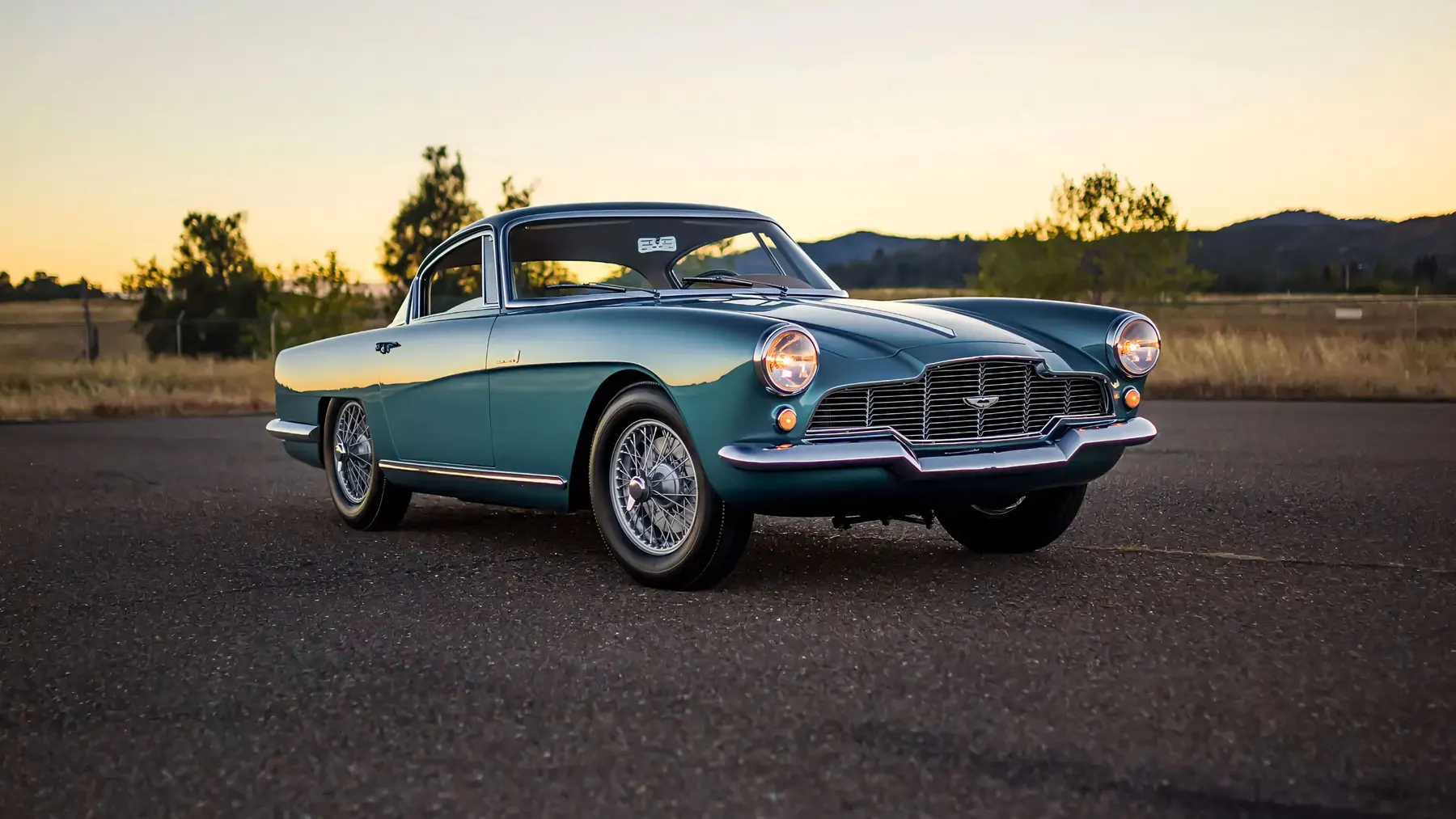
1954 Aston Martin DB2-4 Coupe by Bertone
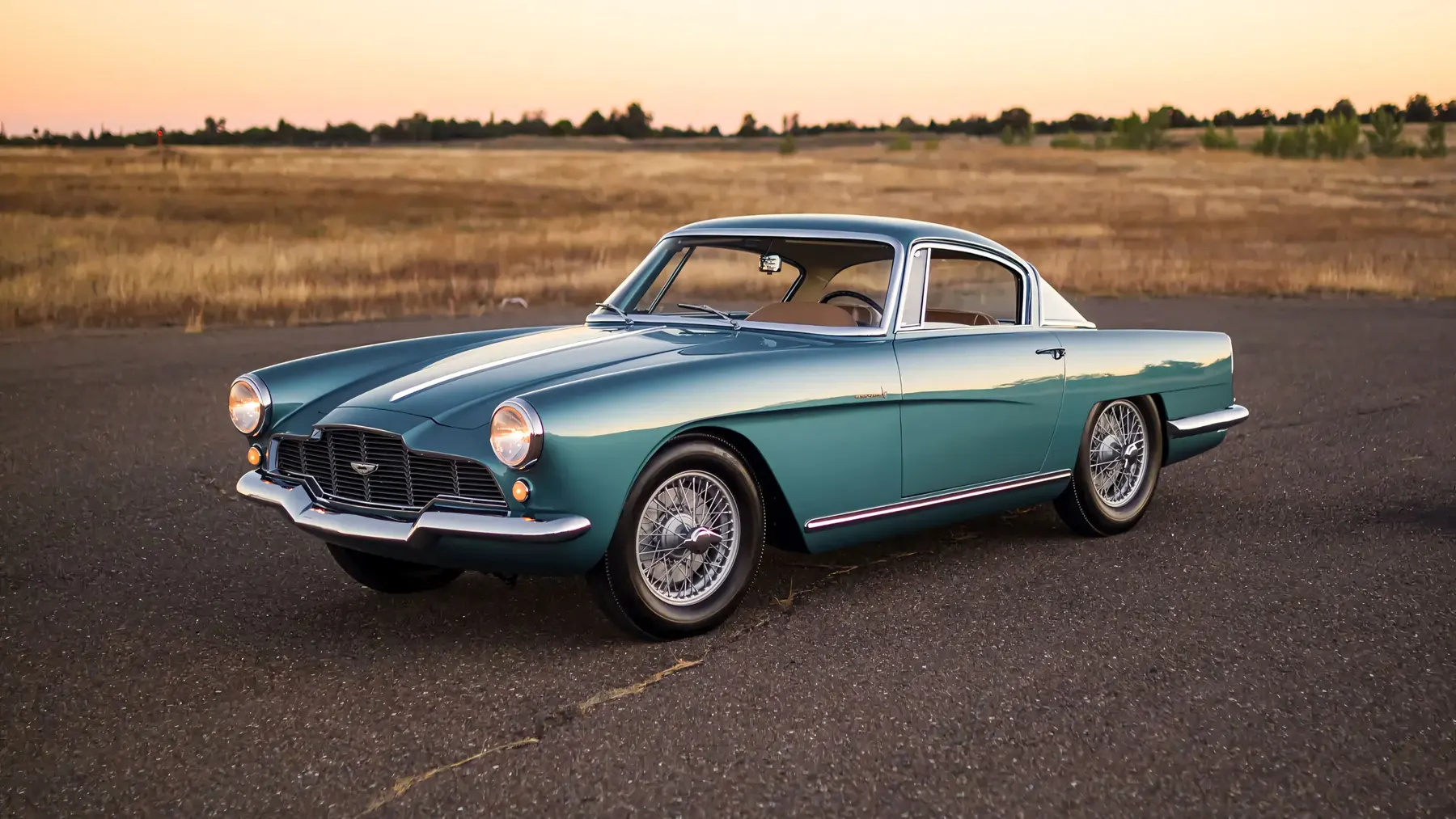
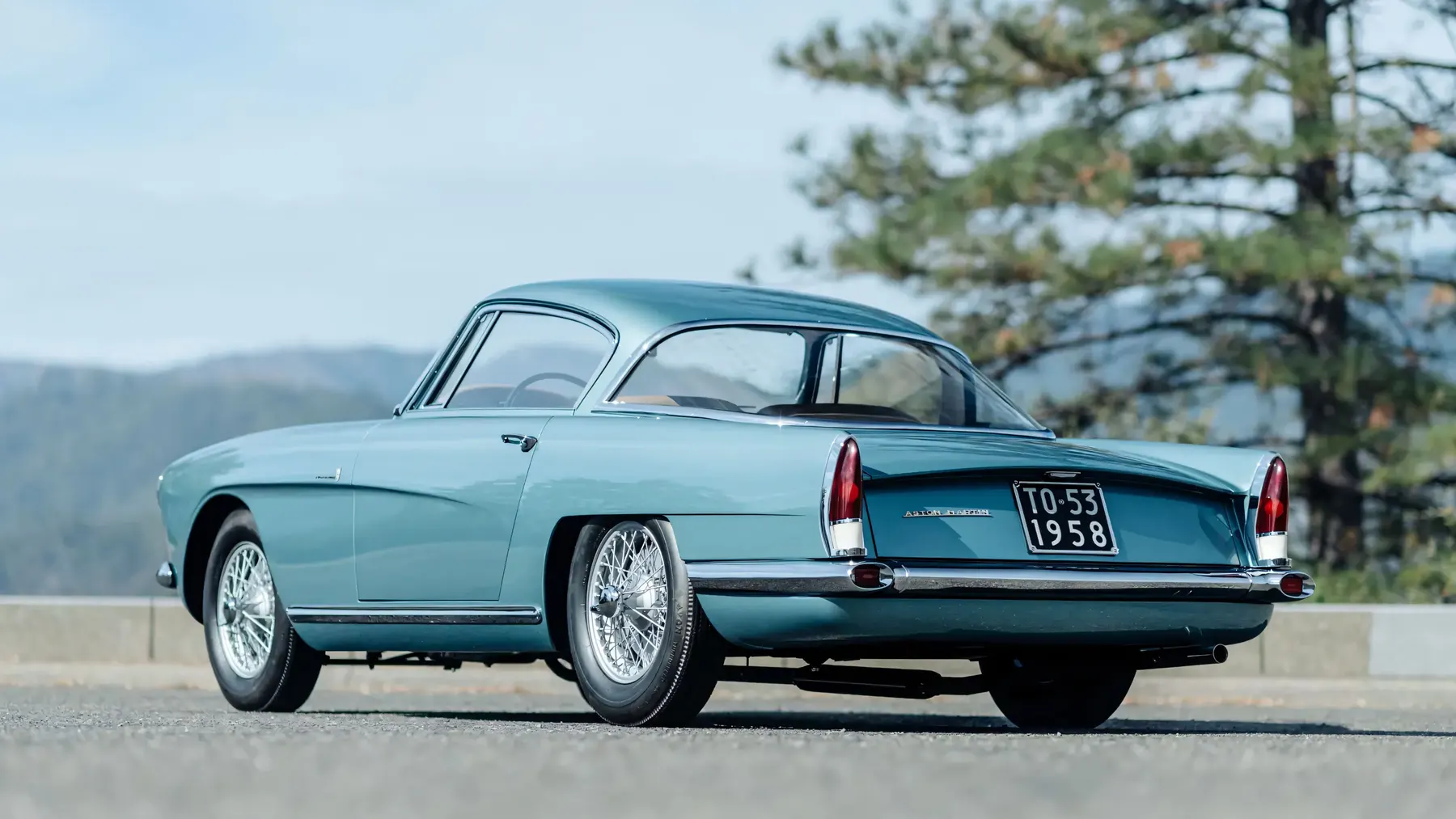
In the realm of grand touring cars, the Aston Martin DB2/4 Coupe by Bertone stands as a distinguished symbol of mid-20th century automotive sophistication. Produced from 1953 to 1957, the DB2/4 was a significant evolution of the DB2, showcasing advancements in design and performance. Among its variants, the Bertone-bodied Coupe represents a rare and highly coveted version, reflecting the unique collaboration between Aston Martin and the renowned Italian coachbuilder.
The DB2/4 was introduced as a replacement for the DB2, embodying both aesthetic and functional improvements. The design was overseen by draughtsman John Turner, who was only 17 at the time. His work included a single-piece windscreen and updated bumper and headlight placements, enhancing the car’s streamlined appearance. While the standard DB2/4 was offered in several body styles, including a 2+2 hatchback saloon and a Drophead Coupé, the Bertone Spider versions are particularly rare and sought after.
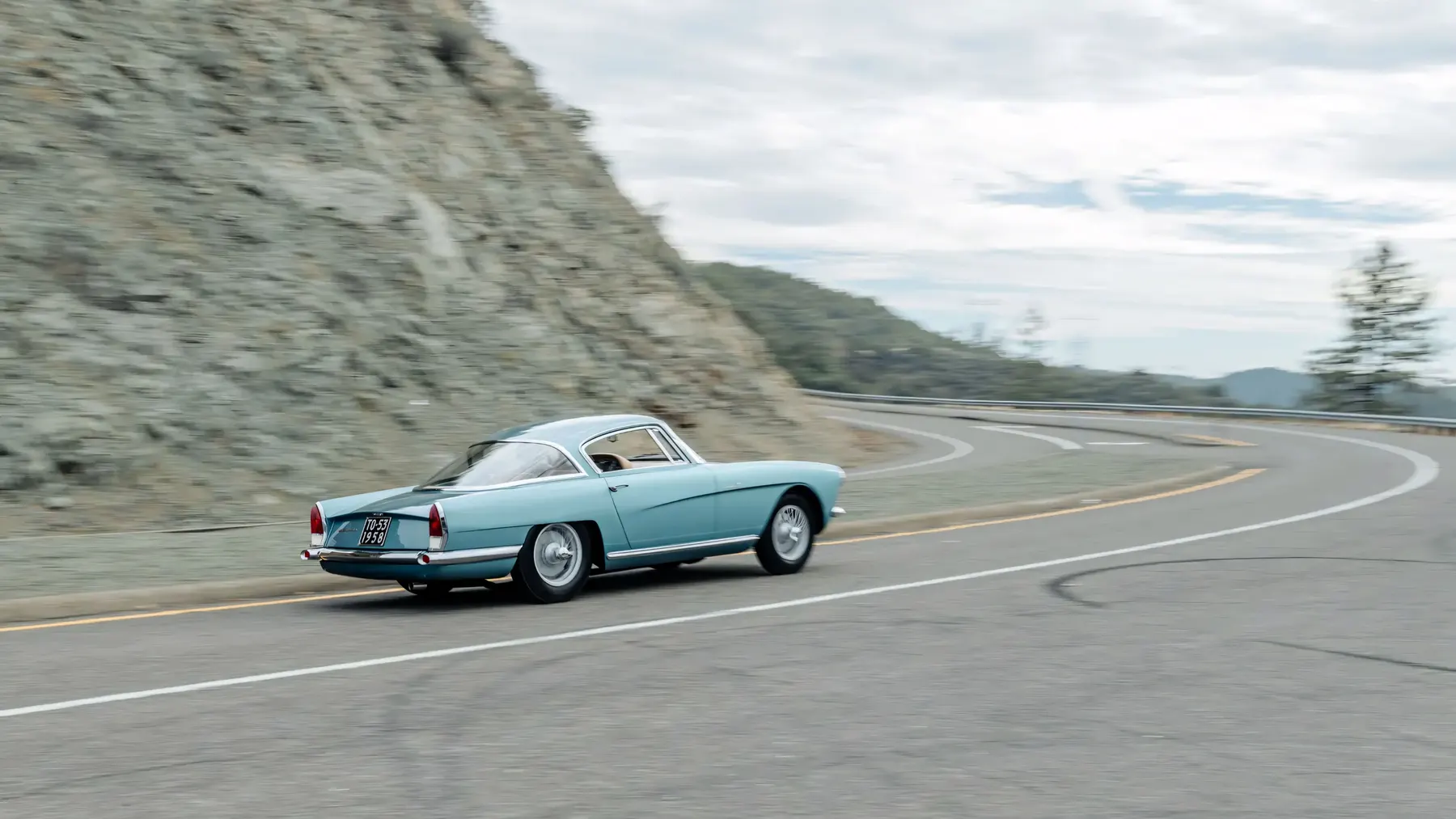
The collaboration with Bertone resulted in a handful of bespoke spiders, showcasing a unique blend of British engineering and Italian design flair. These custom-bodied cars were commissioned by private buyers and stand out for their striking, elegant lines and bespoke craftsmanship.
Underpinning the DB2/4 was the Lagonda straight-six engine, which was initially a 2.6-liter dual overhead cam unit, producing 125 horsepower. By September 1953, the engine was upgraded to the 2.9-liter VB6J variant, offering 140 horsepower and a top speed of around 120 mph (193 km/h). This improvement significantly enhanced the car’s performance, with the 2.9-liter variant achieving 0-60 mph (0-97 km/h) in just 10.5 seconds and a top speed of 118.5 mph (190.7 km/h), as tested by The Motor magazine.
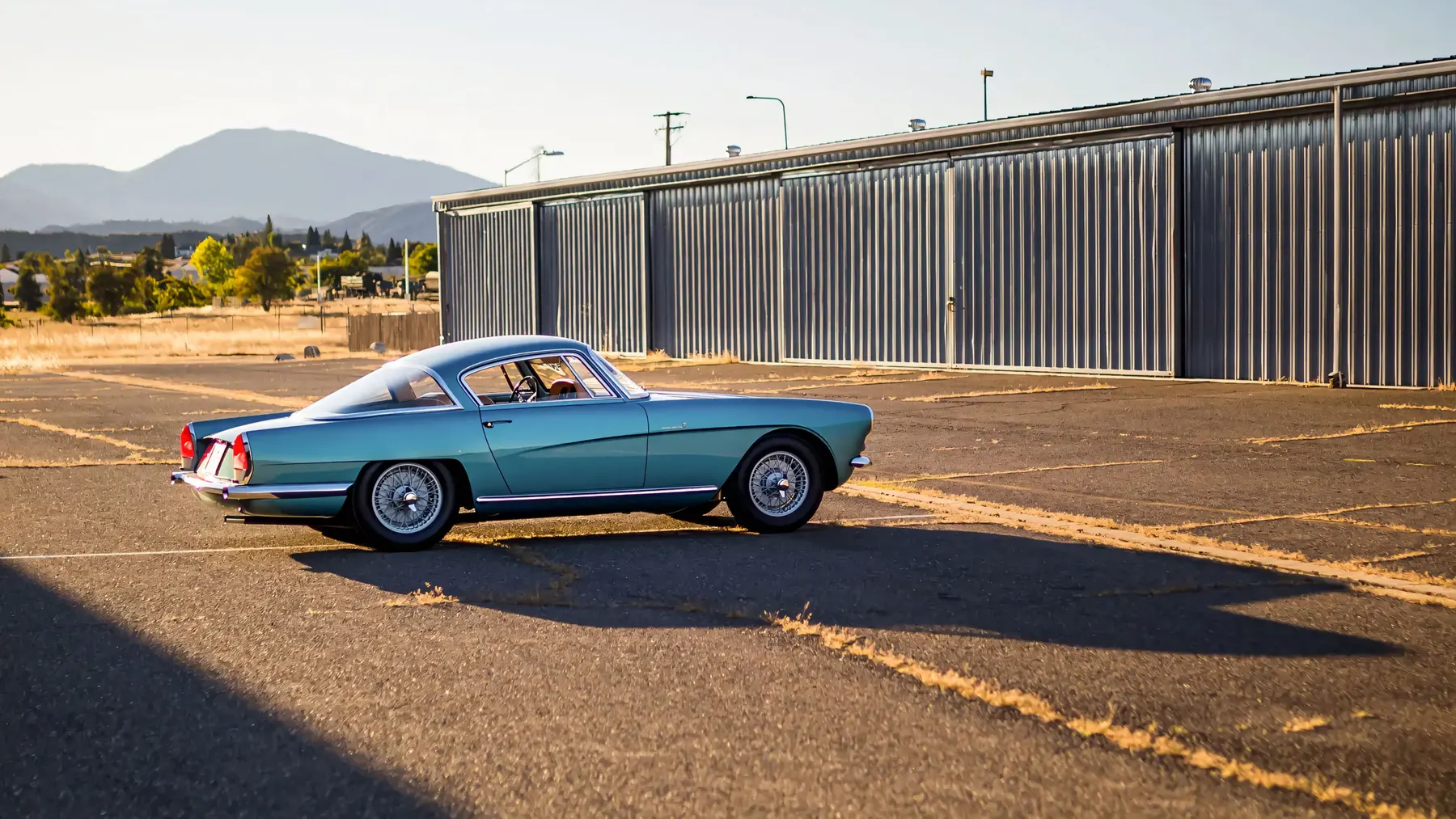
The DB2/4 also demonstrated respectable fuel efficiency for its time, with a consumption rate of 23.0 miles per imperial gallon (12.3 L/100 km). These specifications made it a formidable competitor in the grand touring category.
Aston Martin’s commitment to motorsport was evident in the DB2/4’s racing adaptations. The factory prepared three works cars for the 1955 Monte Carlo Rally and two for the Mille Miglia. These efforts highlighted the DB2/4’s versatility and competitive edge, although Aston Martin’s more dedicated racing focus shifted to the DB3, designed specifically for sports-car racing.
The DB2/4 Mk I Drophead Coupé gained a slice of cinematic fame when it appeared in Alfred Hitchcock’s 1963 classic, The Birds. This exposure further cemented its status as an icon of its era.
With only 565 units of the DB2/4 produced and just 102 of those being Drophead Coupés, the Bertone-bodied spiders, numbering around 4 or 5,are exceptionally rare. Their scarcity and distinctive design make them highly sought after by collectors and enthusiasts.
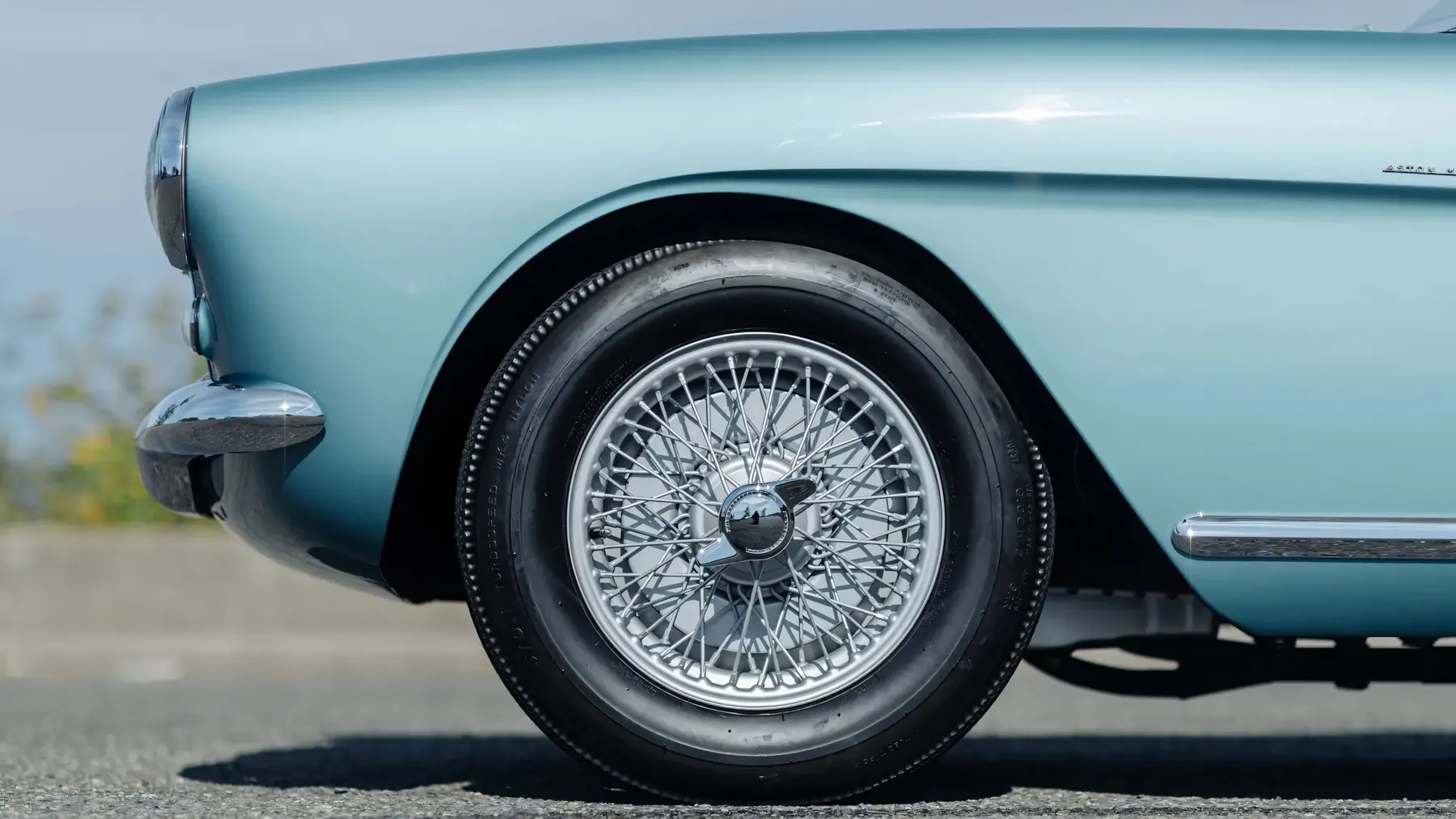
The Aston Martin DB2/4 Coupe by Bertone is a testament to the brand’s commitment to blending performance with luxury and style. Its rarity, historical significance, and unique design ensure its place as a coveted gem among classic car aficionados. Whether as a showcase of 1950s engineering prowess or a stunning piece of automotive art, the DB2/4 remains a symbol of elegance and performance that continues to captivate car enthusiasts around the world.
Related Notes
1953 Aston Martin DB2-4 Drophead Coupe by Bertone