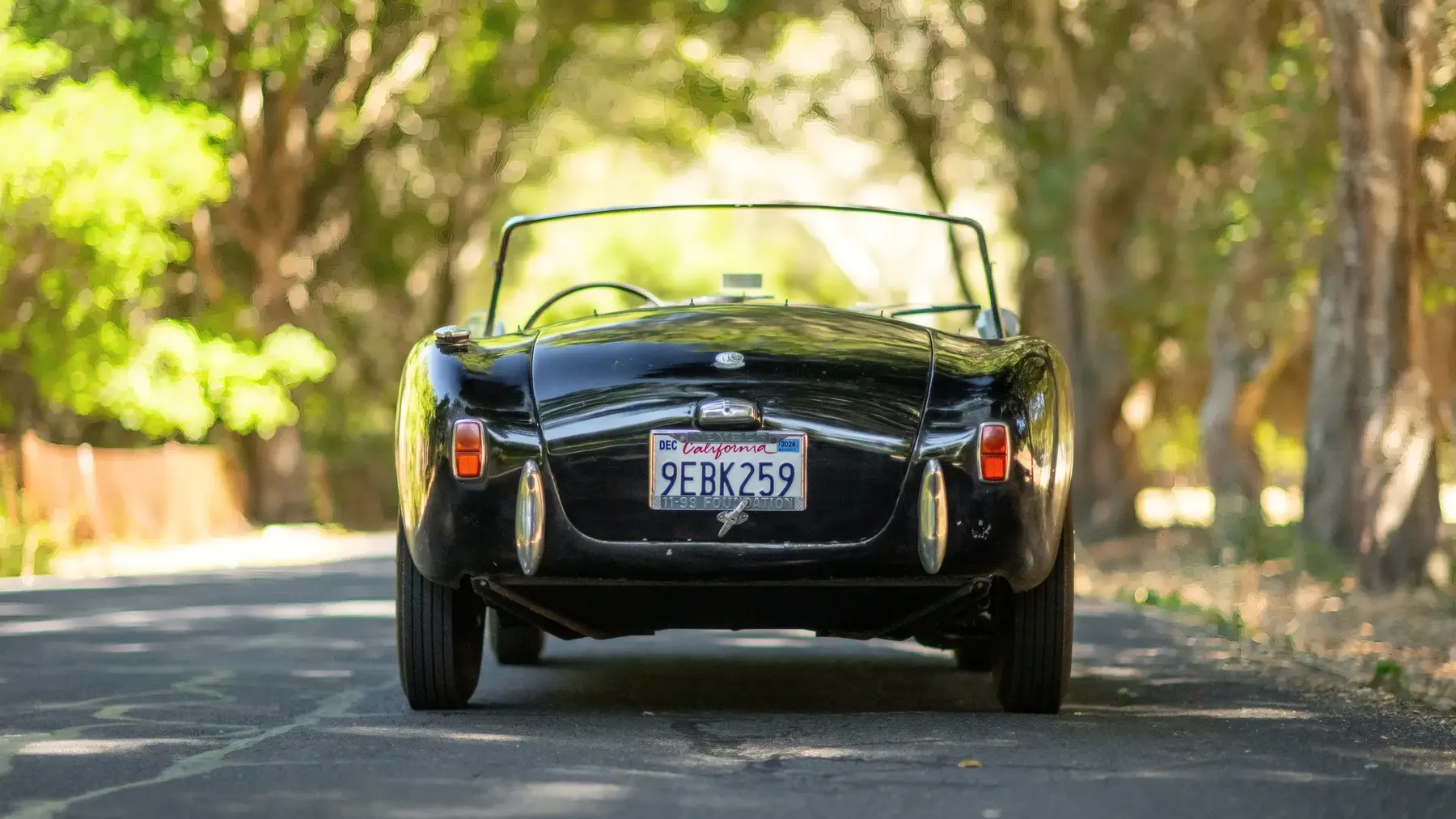
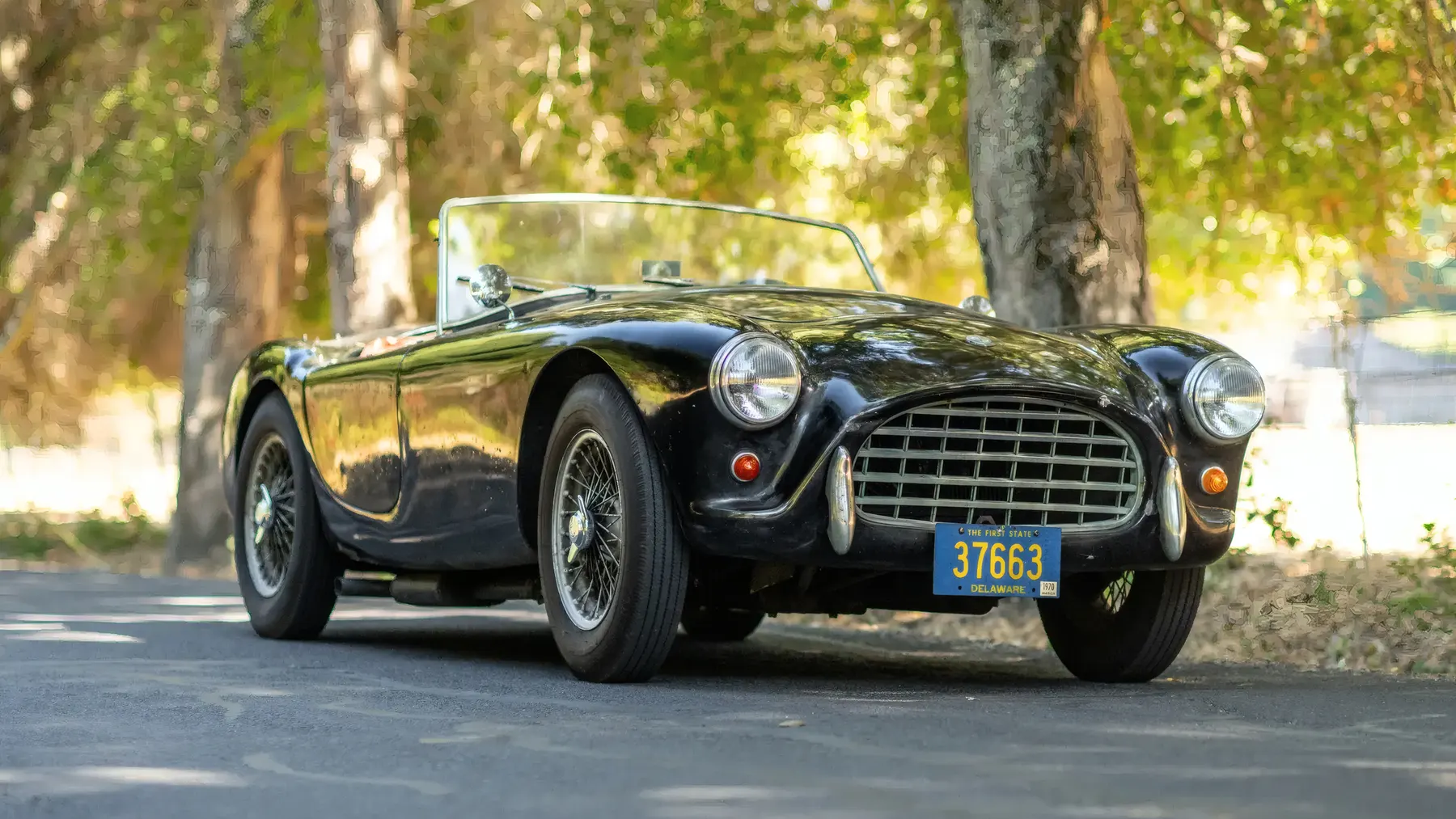
1958 AC Ace-Bristol
The moment Clifton Scott, AC Cars’ chief engineer, pulled the Bristol engine from its mounting in a test Ace and tightened the first bolts around its replacement, he was participating in a decision that would quietly define a decade of British sports car philosophy. Not by making the AC faster - though it did that - but by demonstiting that a small manufacturer with the right collaborator and a sound chassis could produce something that genuinely troubled cars costing three times as much.
The AC Ace had been running since 1953, clothed in a beautiful hand-beaten aluminium body and carrying an engine that belonged, architecturally, to the 1930s - a cast-iron overhead-cam six that AC had derived from its prewar designs. The chassis, engineered with transverse leaf springs and upper wishbones at both ends, was legitimately sophisticated for the period. What the car lacked was an engine worthy of its manners, and by 1956, the Bristol unit had arrived to remedy that.
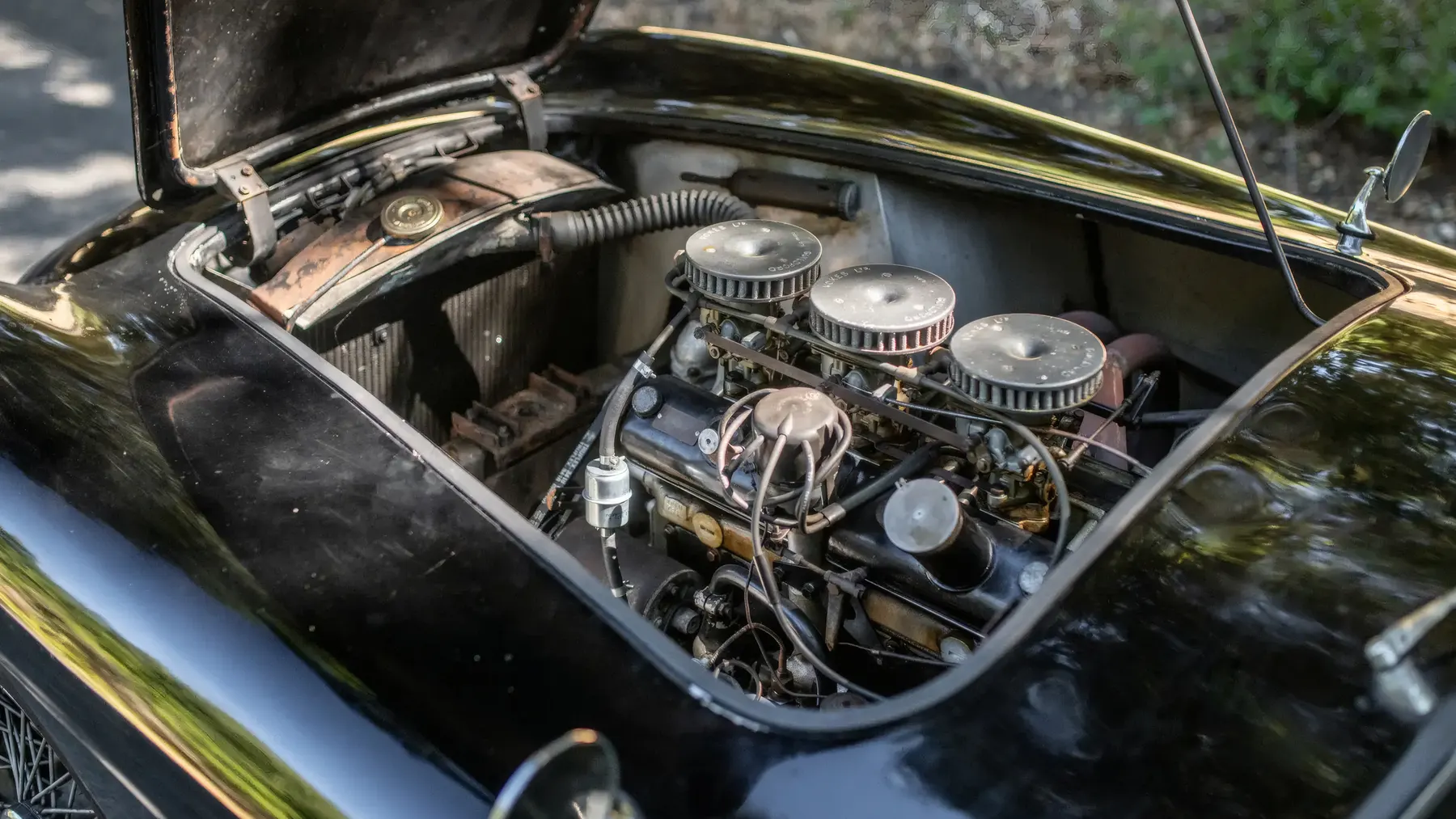
Bristol’s 328-derived six-cylinder was an intriguing piece of machinery in its own right. The 1,971cc unit had its origins in the prewar BMW 328, whose cross-pushrod valve actuation system - a single camshaft with rockers operating both inlet and exhaust valves through a hemispherical combustion chamber - was among the more elegant low-cost solutions to efficient breathing that the 1930s produced. Bristol had licensed the design and steadily refined it after the war, and by the mid-1950s, the unit was producing 105 bhp at 5,200 rpm in its most developed three-carburettor form. The torque figure of 128 lb-ft came in at 4,750 rpm, which gave the engine a purposeful but not aggressive character - a unit that rewarded smooth, committed driving rather than savage exploitation.
Fitted into the Ace, those figures transformed the car’s character entirely. The combination produced a kerb weight of approximately 825 kg, which meant the Ace-Bristol carried a power-to-weight ratio that embarrassed many rivals of the period. The chassis - designed by John Tojeiro and developed by AC - responded to the extra power with composure rather than drama, though the transverse leaf suspension’s handling limits were real and required respect. Understeer built gently with speed, the unassisted steering grew weighty, and the front tyres - Michelin X radials on most cars, a 165 x 15 size that seems narrow by modern measure - worked hard at the limit. A driver who understood the car’s language could exploit it; one who tried to bully it would be disappointed.
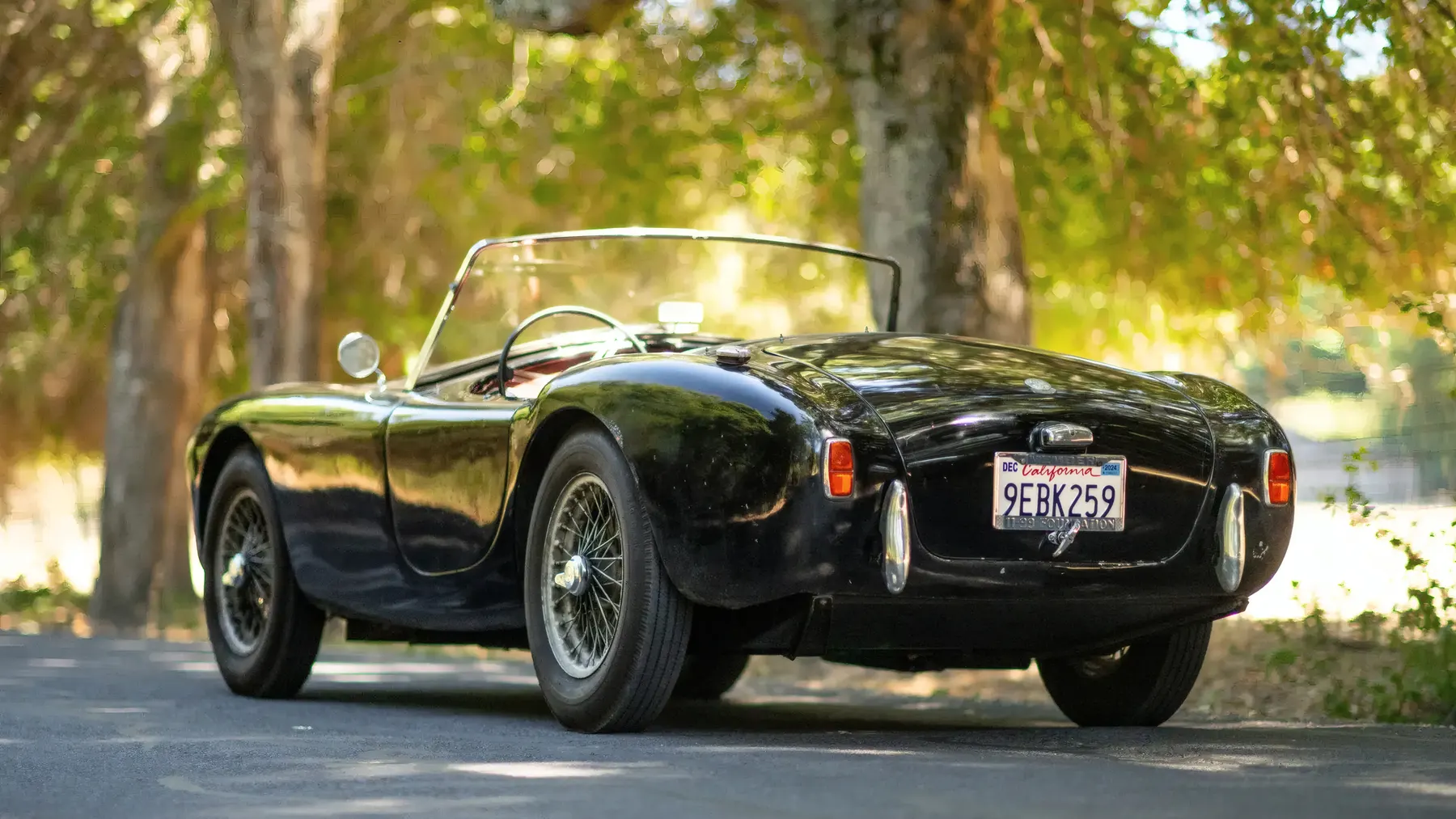
The Ace-Bristol was produced from 1956 until 1961, with approximately 466 examples built - a production run small enough to ensure each car received genuine craftsmanship. The bodies were fabricated by AC’s panel-beaters at Thames Ditton, hammer-formed over formers rather than pressed in steel, which meant subtle variations between individual cars and a weight discipline that factory processes rarely matched. The cockpit was tight by any standard but thoughtfully appointed: a wooden-rimmed wheel, clear instrumentation, and a simplicity of presentation that acknowledged the car’s dual life as a road machine and a competition tool.
And competition it was. From 1956 onwards, privateers entering Ace-Bristols in SCCA events, the Le Mans 24 Hours, and the Nürburgring found a car that could outmanoeuvre larger machinery through corners and sustain its pace with the reliability that Bristol’s engine - robust, well-understood, properly serviced - consistently delivered. At Le Mans in 1957, three Ace-Bristols finished, the best in seventh place overall, an extraordinary result for a small British manufacturer with no factory racing programme behind it. The car’s aerodynamics were not its strongest point - the open body with its cycle wings and exposed cockpit generated substantial drag at higher speeds - but this was a car that understood the difference between an ideal shape and a real road, and made the trade-off with some grace.
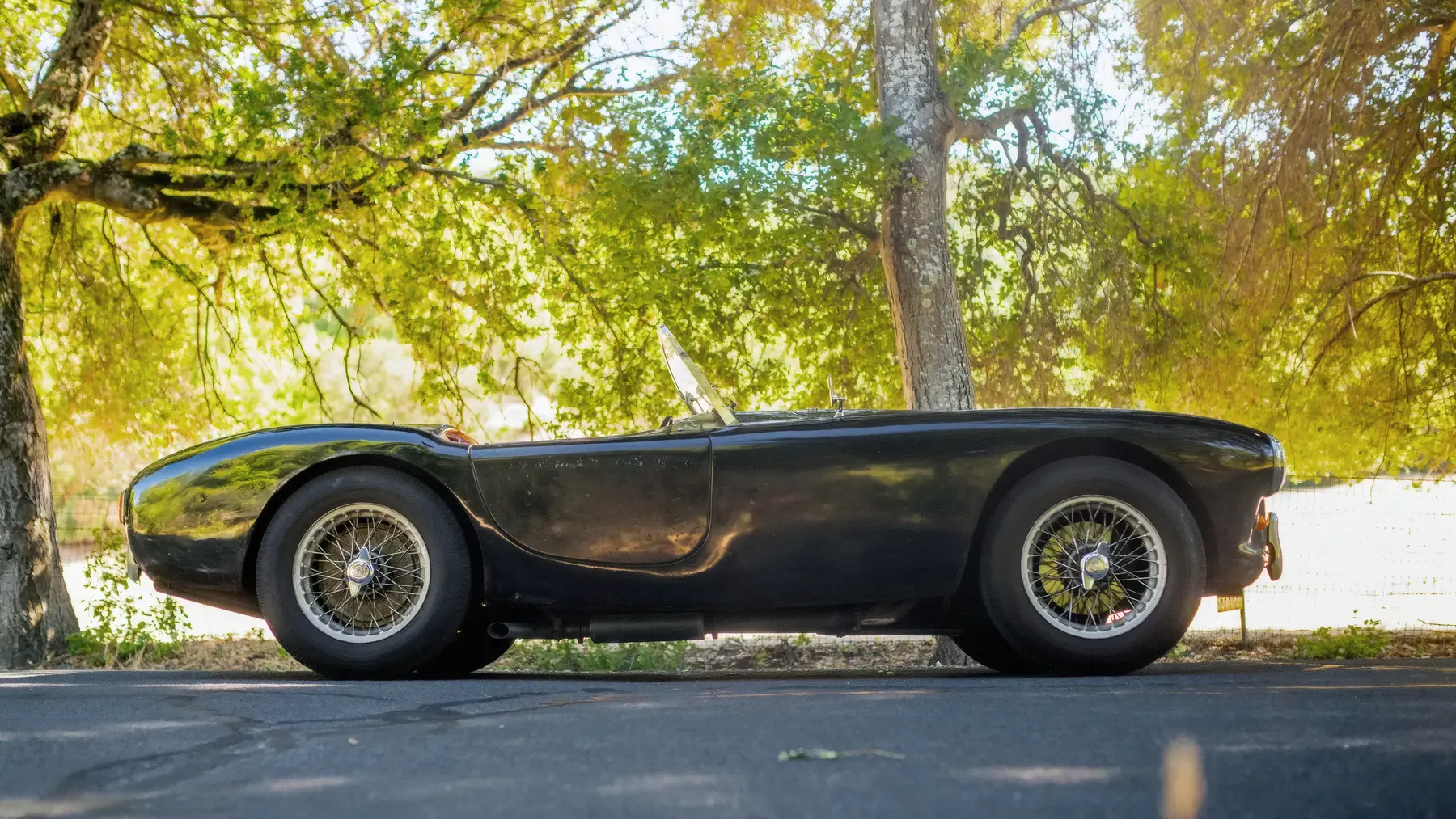
The engineering relationship between AC and Bristol was entirely pragmatic. Bristol supplied the engines as a commercial transaction rather than a technical partnership, and as Bristol wound down its automotive ambitions in the early 1960s, the supply began to dry. AC responded by briefly offering the car with alternative engines - the Ace-Ford, using a pushrod unit from Coventry, and eventually the arrangement with Carroll Shelby that would replace the Ace’s sophisticated soul with a Ford V8 and create something altogether more violent. The Ace-Bristol occupies the period before that transformation, when the car existed as a complete thing rather than a stepping stone.
The qualities that made it genuinely special were not always those that journalists praised most effusively in period. The ride was firm, the hood leaked in heavy rain, and the luggage accommodation was limited to what could be squeezed behind two close-fitting seats. Fuel consumption of around 28 mpg in relaxed touring use and perhaps 22 mpg when pressed hard was acceptable but not exceptional for the engine’s modest displacement. The gear change - a close-ratio four-speed unit - was precise but heavy, requiring deliberate action rather than casual flicks. None of these were reasons to avoid the car. They were reasons to understand it correctly, as something that rewarded engagement and punished passivity.
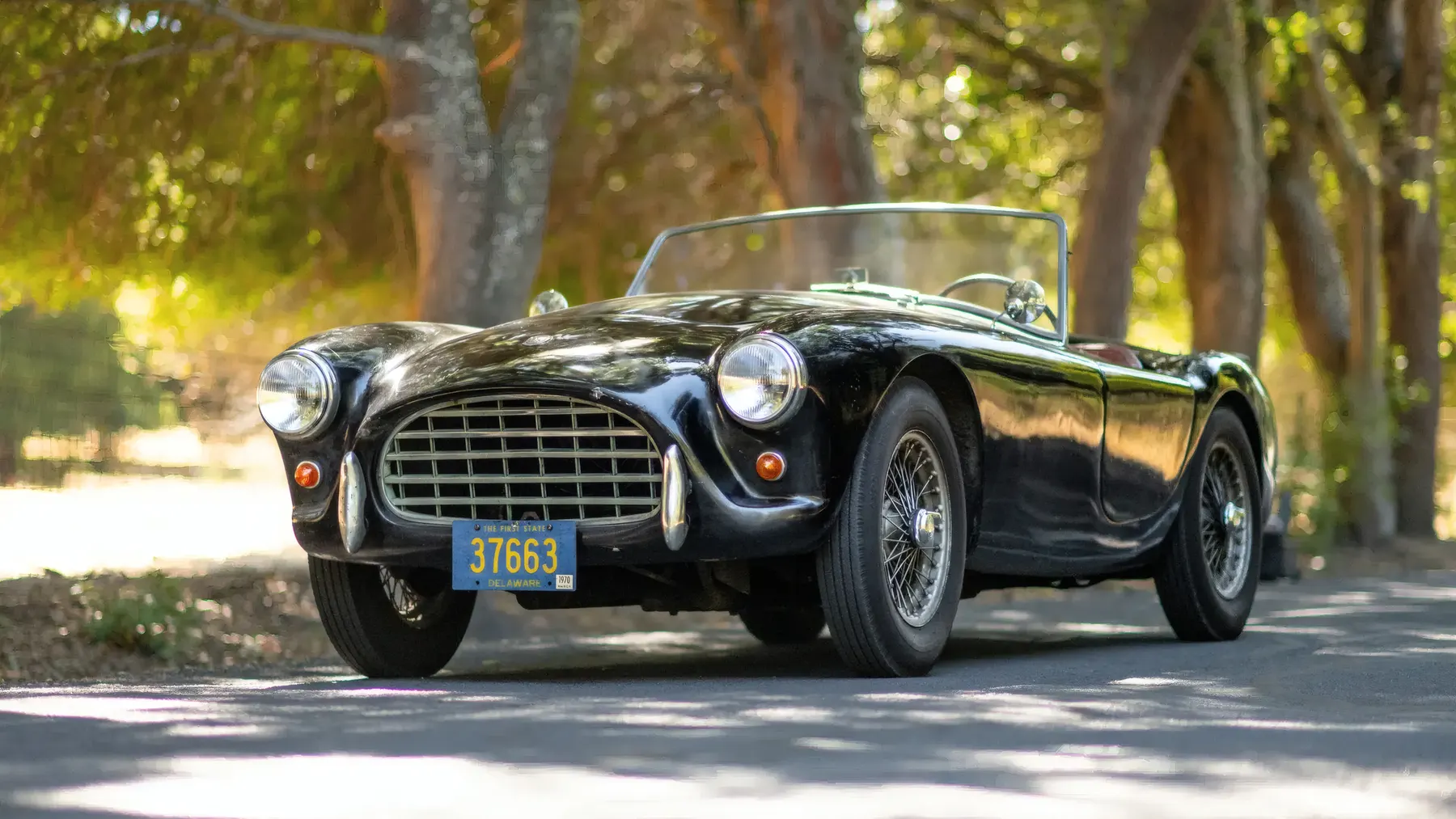
The critical reception in period was consistently warm without ever becoming euphoric. Autocar and Motor both praised the Ace-Bristol’s composure and the Bristol engine’s refinement, noting that the combination felt more resolved than the individual elements suggested. The car was regularly compared favourably with the Triumph TR3 and Austin-Healey 100 - cheaper, less sophisticated mechanically, but wider in their appeal. The Ace-Bristol commanded significantly more money, which positioned it closer to the Jaguar XK140 in buyers’ minds, even if the two were quite different objects. Buyers who chose it were generally those who had driven both and preferred intimacy over muscle.
What the Ace-Bristol represents now, in retrospect, is a window into a brief period when British sports car engineering was genuinely experimental, when a small manufacturer could produce something technically interesting rather than simply commercially conventional. The Bristol engine was always a temporary arrangement - too expensive to build, from a supplier already drifting toward other preoccupations - and the chassis that carried it was destined, as it turned out, to carry something else entirely. But for five years, the combination was right. The Ace-Bristol was never the most powerful car on its road or the fastest in a straight line to 100 mph, but it was one of the most accurately made, most sensitively balanced, and most genuinely resolved British sports cars of the 1950s - a machine that understood what it was for and pursued that purpose with consistent intelligence