1962 Hotchkiss M201 Jeep
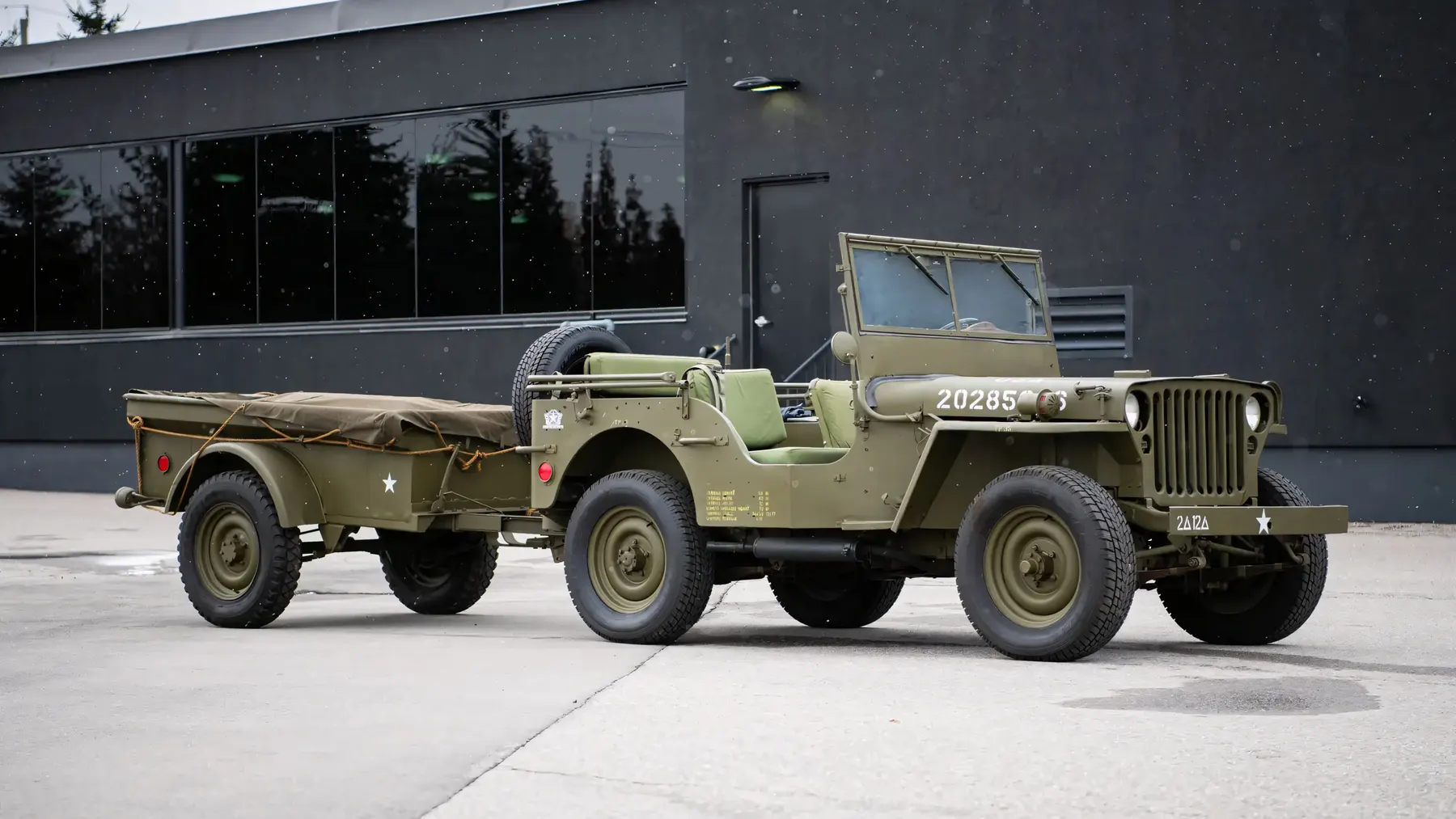
The Hotchkiss M201 represents one of automotive history’s most fascinating examples of international military cooperation and technological adaptation. This French-built interpretation of the legendary American Willys MB would serve as the backbone of French military operations for nearly half a century, earning the simple but reverent nickname “La Jeep” among its operators.
The story of the M201 begins with the aftermath of World War II, when the United States Army presented the French government with 22,000 Willys Jeeps and Ford GPWs to rapidly re-equip the French military. Only about half of these vehicles remained in usable condition, leading to the establishment of the E.R.G.M. (Etablissement de Réserve Générale du Matériel Automobile) facility at Maltournée, near Paris, in 1946. This operation would continue until 1978, creating unique vehicles that blended Willys, Ford, and eventually Hotchkiss components.
The transition to French production emerged from both necessity and national pride. The French military initially planned to replace their Jeep fleet with the indigenous Delahaye VLR, a technically sophisticated but complex vehicle. However, financial difficulties at Delahaye led to the company’s collapse in 1955, with only 9,623 units produced before Hotchkiss acquired the assets.
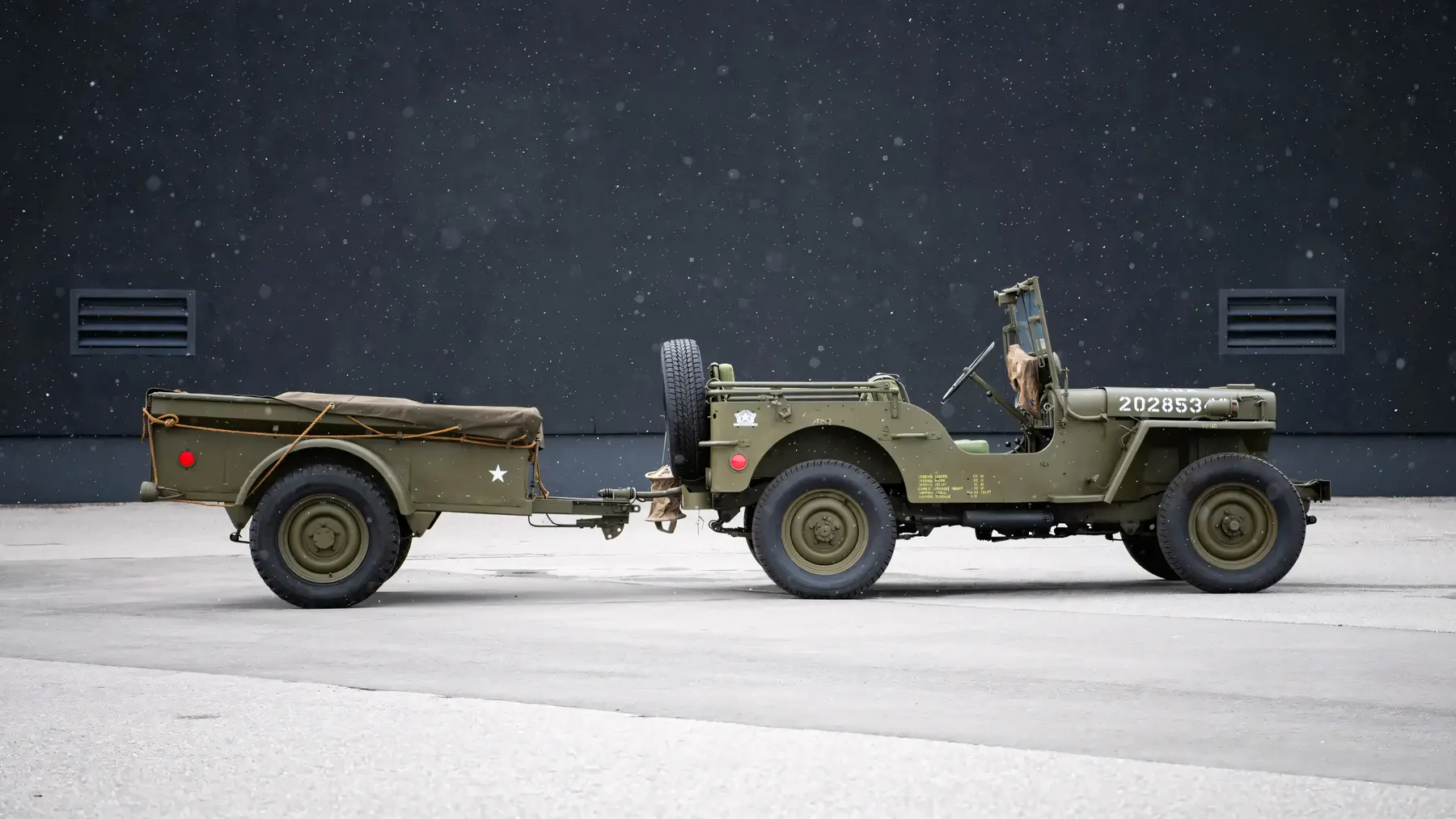
The licensing agreement that made French Jeep production possible stemmed from an unlikely friendship between Henry J. Ainsworth, who managed Hotchkiss’s automobile department, and Marcel Müller, who became head of Willys-Overland after the war. Their personal relationship, strengthened when Müller married Ainsworth’s secretary, led to the 1946 agreement granting Hotchkiss exclusive rights to build and sell Jeep models in France and French territories.
Hotchkiss began its Jeep production journey cautiously, building 70 CJ-3Bs under license for civilian users in 1954. The following year marked the official start of military production with 465 vehicles designated as “Hotchkiss License MBs”. From 1956 onward, the vehicle adopted its final designation as the Hotchkiss M201.
Production accelerated dramatically through the late 1950s, with the military accepting 2,696 vehicles in 1959 alone. The peak year came in 1962, when French forces took delivery of 4,370 M201s. By the end of production in 1966, Hotchkiss had manufactured 27,628 M201s, primarily at their Stains facility north of Paris.
The M201’s engineering represented a refined evolution of the original Willys MB design. Hotchkiss engineers methodically addressed the known weaknesses of the American design, improving the gearbox, windshield wipers, suspension system, and chassis construction. The result was a vehicle that maintained the MB’s proven capabilities while offering enhanced reliability and durability.
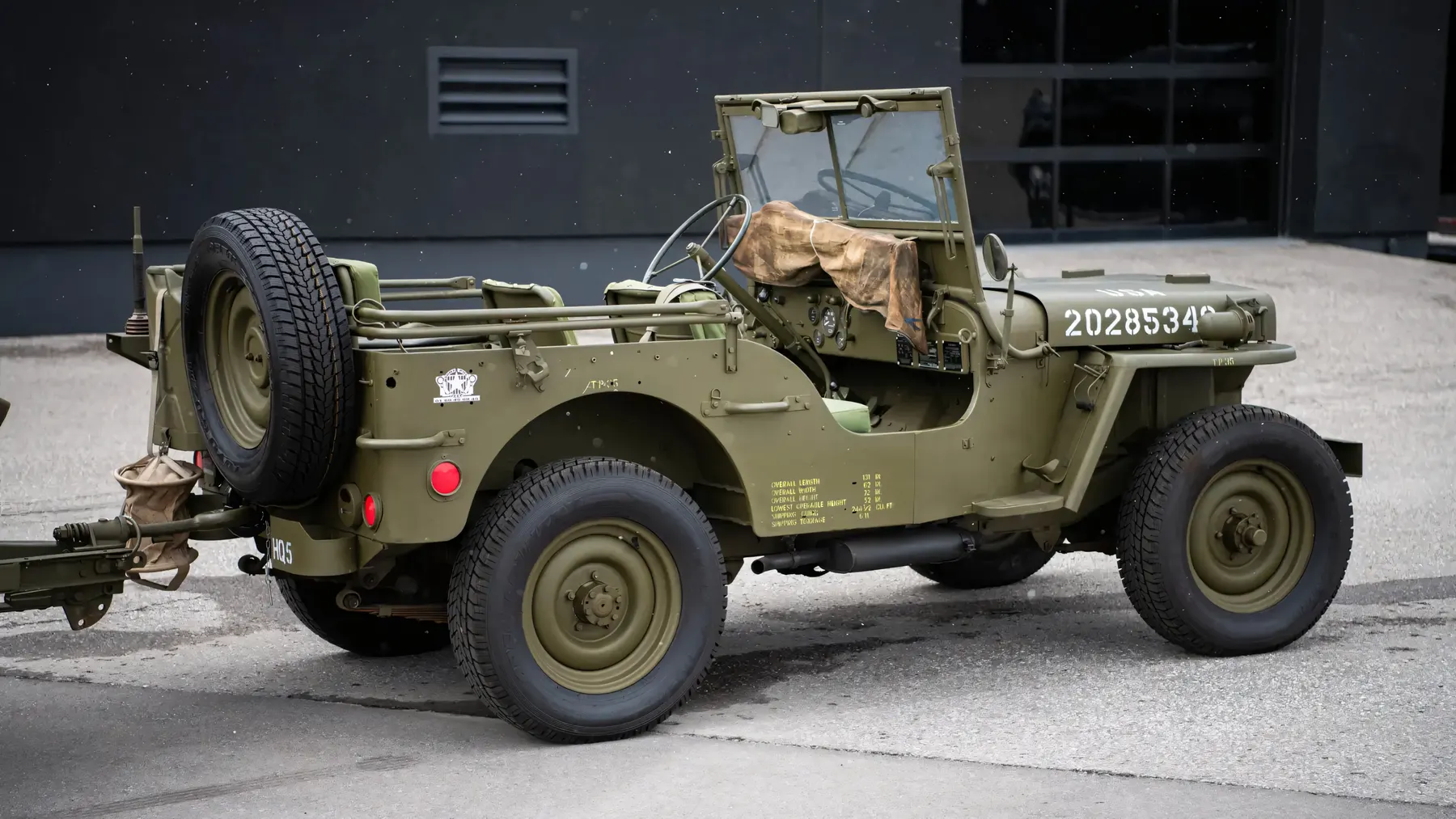
At the heart of the M201 lay a modified version of the legendary Willys “Go Devil” engine, a 2199cc inline four-cylinder powerplant producing 60 horsepower. This engine, paired with a three-speed manual transmission and two-speed transfer case, provided the vehicle with exceptional versatility. The drivetrain offered rear-wheel drive for road use, with selectable four-wheel drive and a lower “crawler” ratio for challenging terrain.
The vehicle’s dimensions reflected its utilitarian purpose: a 2,030mm wheelbase supporting an overall length of 3,370mm, width of 1,480mm, and height of 1,300mm. At just 1,050 kilograms dry weight, the M201 achieved remarkable off-road capability despite lacking a limited-slip differential. The combination of light weight, appropriate gearing, and robust construction made it formidable in virtually any terrain.
Several design elements distinguished the M201 from its American predecessors. Most notably, French engineers implemented yellow headlight bulbs to comply with European regulations. The grab handles featured a more angular design compared to the curved American versions, though maintaining the same 12.5-inch overall length. The windshield mounting system incorporated steel hoops around the wipers, allowing the screen to be stopped in any position without fouling the hood-mounted blocks used on American Jeeps.
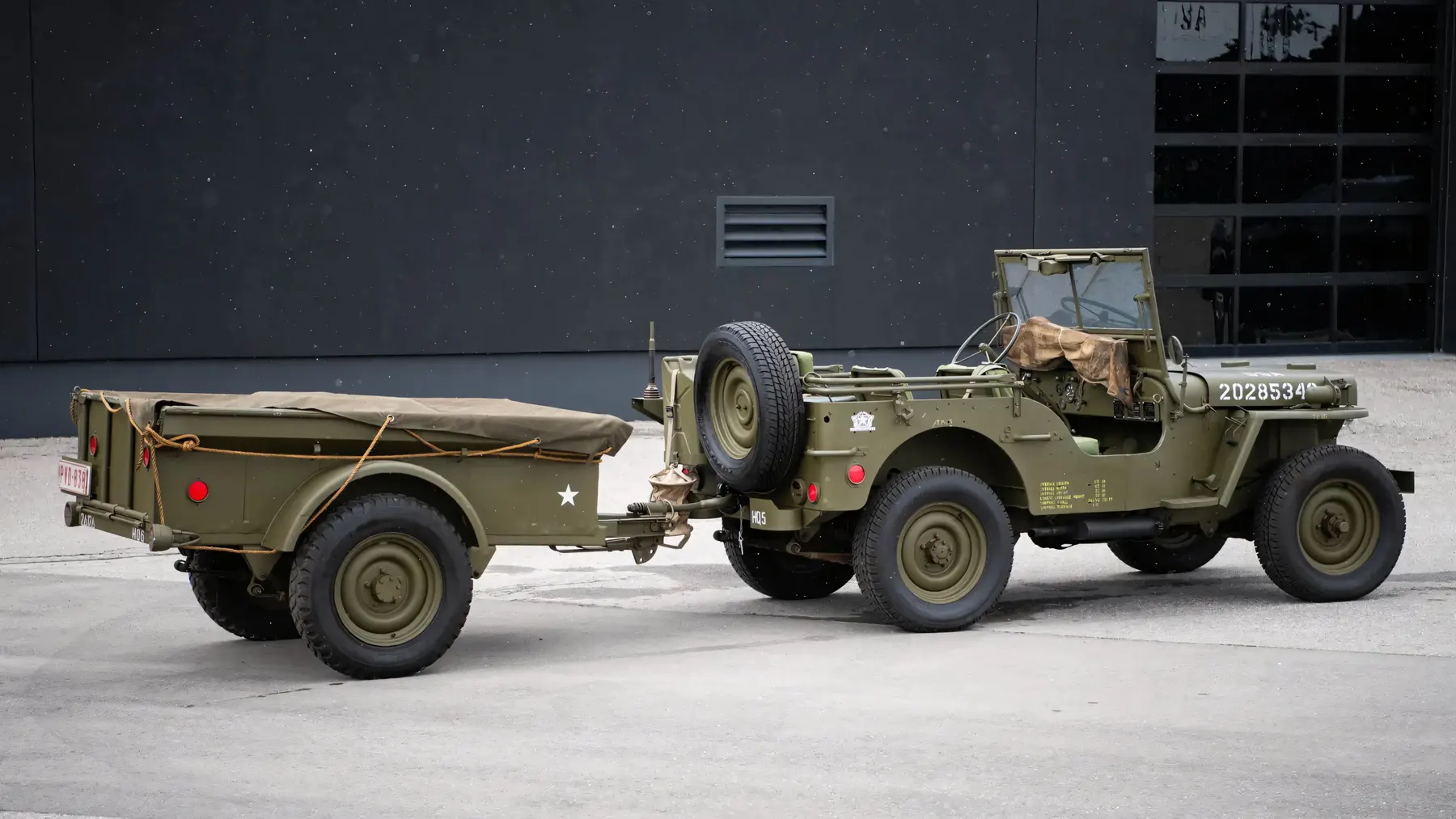
A significant technical advancement came in 1960 with the adoption of a 24-volt electrical system, replacing the original 6-volt setup. This modification enabled integration with NATO radio equipment and included armored ignition systems for enhanced electronic protection during water fording operations. While advantageous for military applications, this system creates challenges for civilian restoration today, with armored spark plug wires costing approximately €300 compared to €50 for standard versions.
Recognizing the demands of North African operations, Hotchkiss developed a specialized “Sahara” version featuring comprehensive modifications for desert warfare. These vehicles received strengthened chassis construction, 13-leaf rear springs for increased durability, and a second fuel tank mounted beneath the passenger seat with an electrical selector switch. Perhaps most ingeniously, Hotchkiss engineers developed a cyclonic air pre-filter mounted on the fender, which removed sand from intake air and expelled it through the exhaust system.
The French military classified the M201 as a VLTT (Véhicule Léger Tout Terrain), or “Light all-terrain vehicle,” primarily employing them as staff cars and radio vehicles. The vehicle’s adaptability proved remarkable, with configurations including anti-tank gun launch platforms and radar-equipped surveillance variants. During the Algerian conflict, M201s served alongside the specialized JH-101 civilian variants in support of French operations.
Despite its military success, the M201 struggled in civilian markets. Hotchkiss produced civilian variants designated JH-101 (1955-1960) and later JH-102 (from 1961), but sales remained modest. In 1962, the company introduced a Peugeot Indenor diesel engine option, yet civilian uptake peaked at just 366 units in 1959, declining from 987 the previous year. Where civilian M201s found application, they primarily served agricultural and forestry operations.
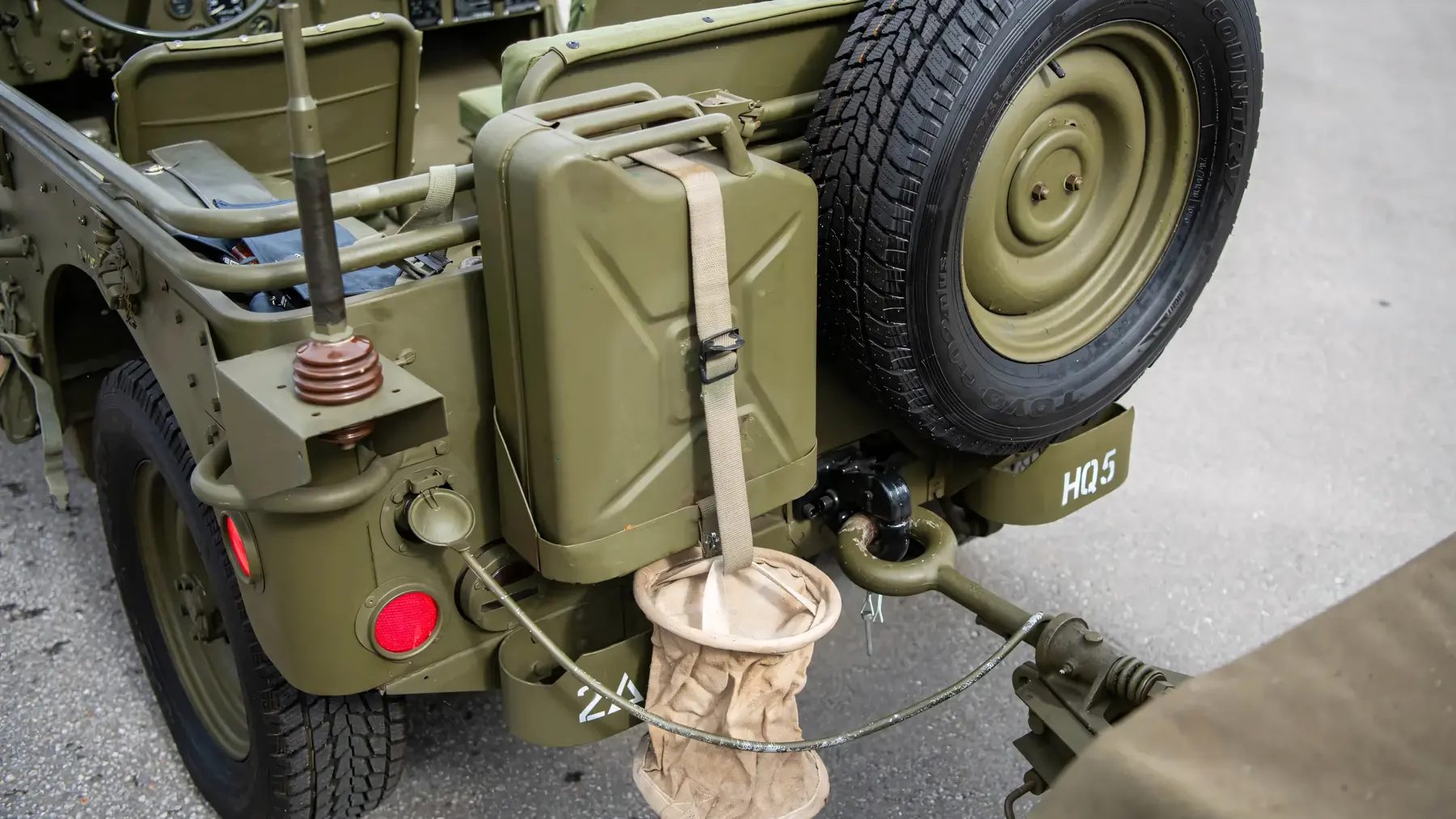
The M201’s military service continued far longer than originally anticipated. While replacement began in 1981 with the Mercedes-designed Peugeot P4, the final M201 remained in French service until 2000. This extraordinary 45-year service life testifies to the vehicle’s fundamental soundness and adaptability.
Today, the M201 enjoys recognition among military vehicle enthusiasts as a refined interpretation of the classic Jeep formula. Examples have appeared in major Hollywood productions, including “Saving Private Ryan,” where their authentic appearance provided period accuracy. Modern collectors appreciate the superior build quality that resulted from peacetime manufacturing conditions, with many considering French-built components superior to wartime American production.
The Hotchkiss M201 stands as a testament to successful international technology transfer and continuous improvement. Through careful engineering refinement and adaptation to local requirements, Hotchkiss created a vehicle that not only matched but in many ways exceeded the capabilities of its American inspiration, serving French forces with distinction for nearly half a century while maintaining the essential character that made the original Jeep legendary.