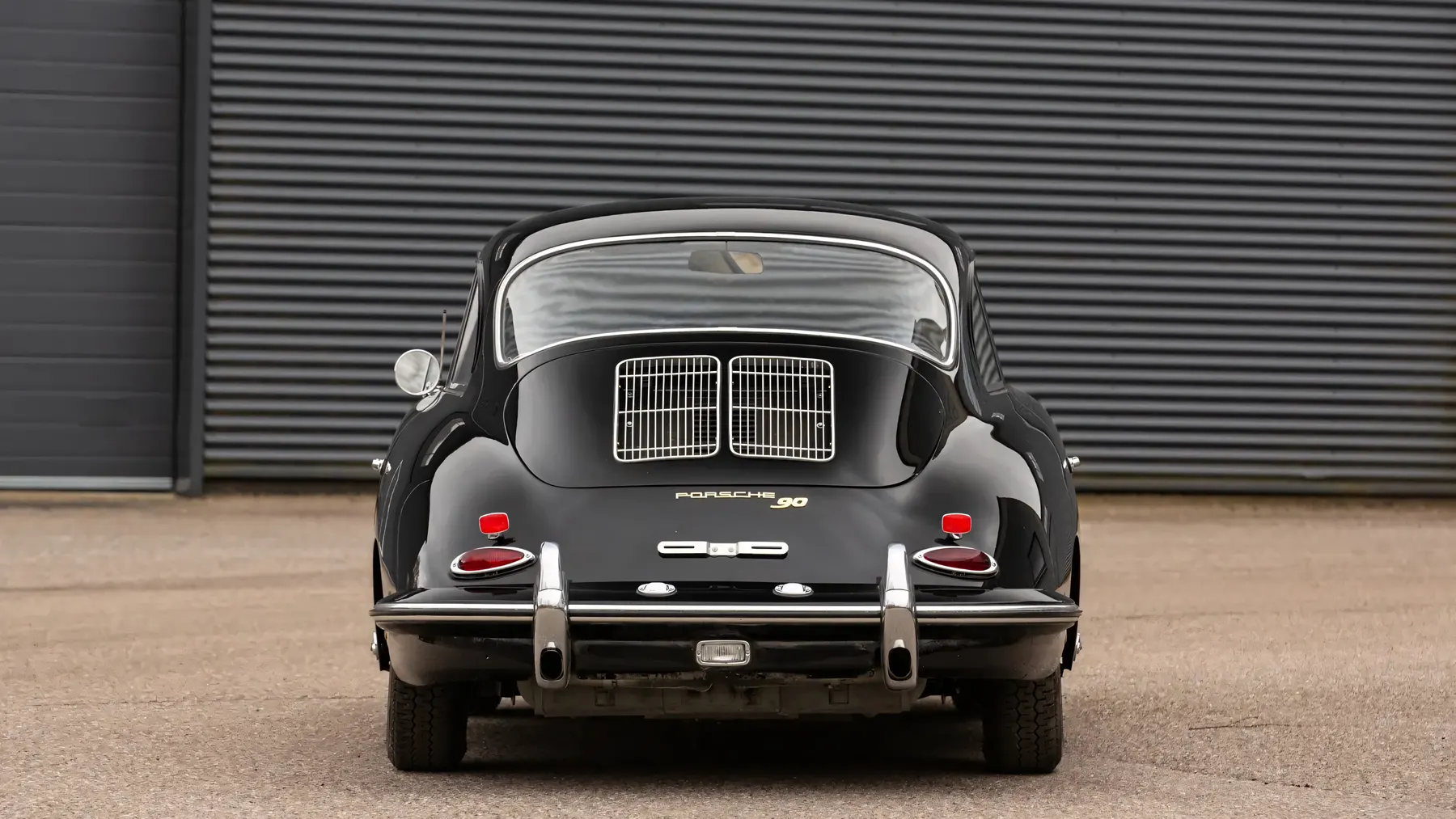
1963 Porsche 356 B Super 90 Coupé by Reutter
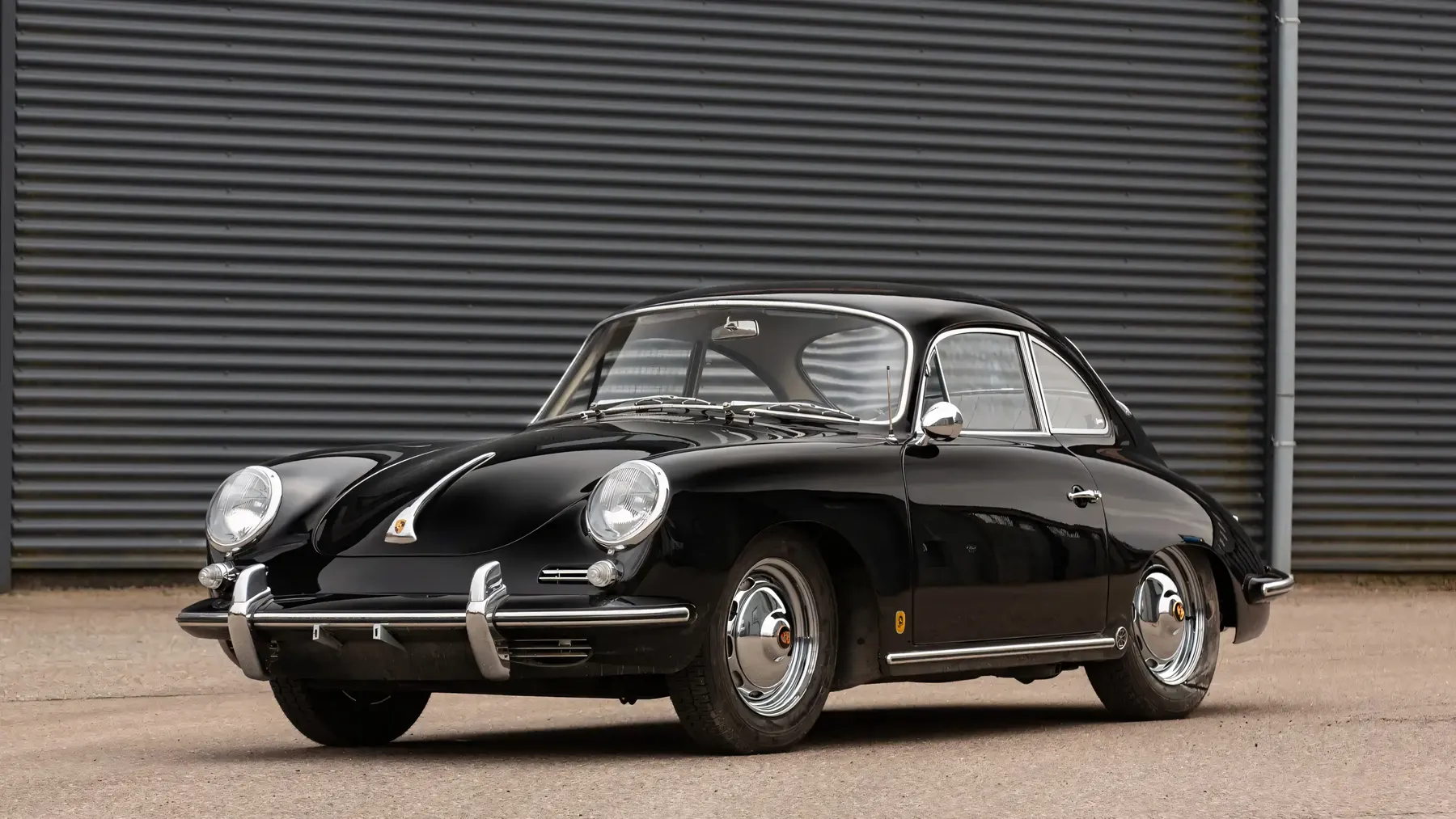
Emerging in 1963 as the apex of Porsche’s inaugural production model, the 356 B Super 90 Coupé by Reutter represents the culmination of 15 years of evolutionary engineering. Built during the final years of the 356’s storied run, this variant distilled lessons from racing success and customer feedback into a road car that balanced performance with newfound sophistication.
By the early 1960s, the 356 had already cemented Porsche’s reputation through class wins at Le Mans and Targa Florio. The 356 B, introduced in late 1959 with its T5 body, brought critical refinements: raised headlamps for improved visibility, a larger rear window enhancing cockpit airiness, and a revised suspension geometry sharpening cornering precision. The Super 90 variant, introduced in 1961, pushed boundaries further. Its 1.6-liter flat-four engine,a development of Volkswagen’s air-cooled architecture,received twin Solex carburetors, a higher 9.0:1 compression ratio, and a counterweighted crankshaft. These tweaks liberated 90 horsepower, a 30% increase over base models, while retaining the mechanical simplicity that made earlier 356s beloved.
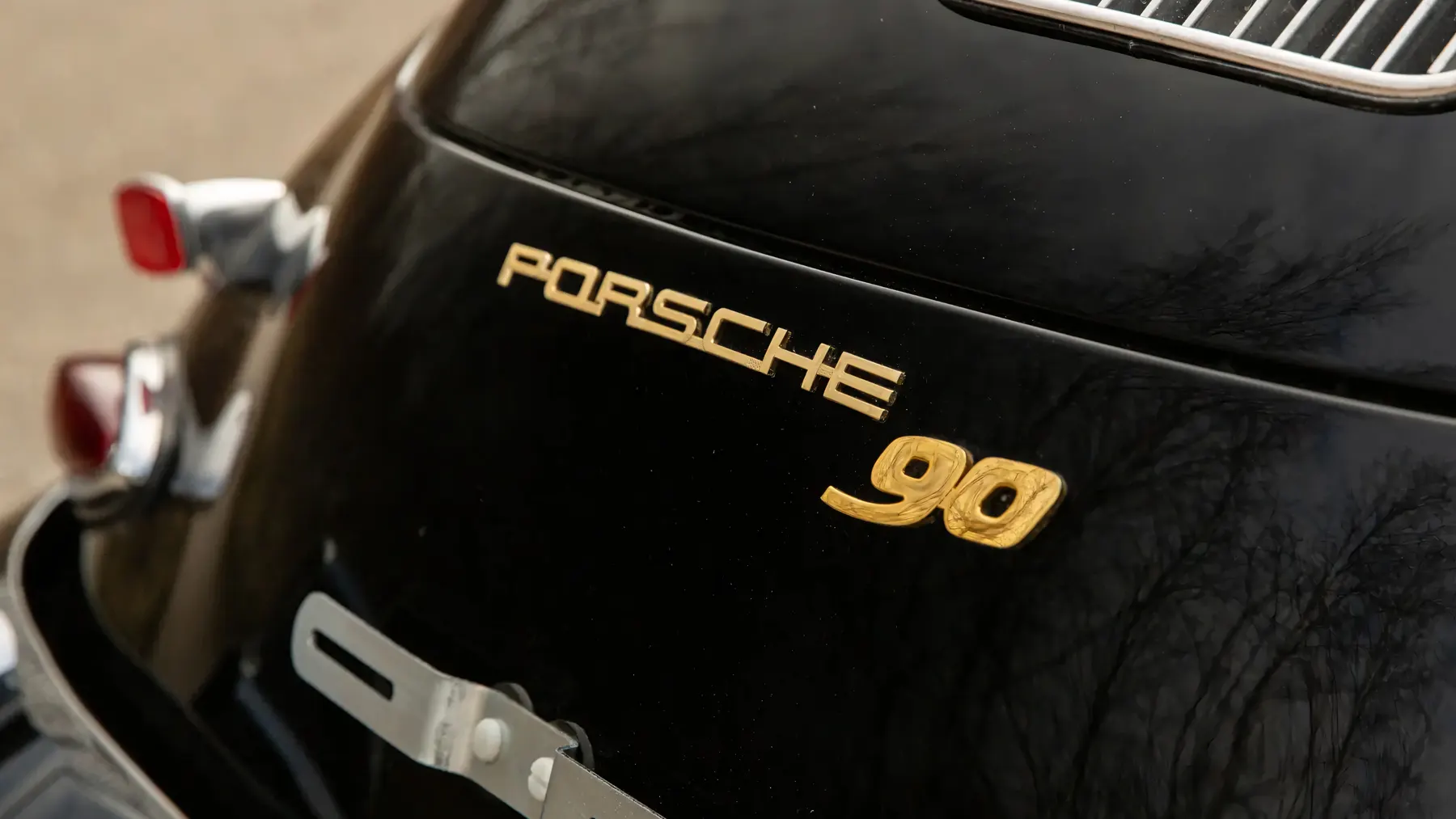
Clothed in Reutter’s steel bodywork,the coachbuilder Porsche acquired outright in 1963,the Super 90 Coupé epitomized minimalist elegance. The T6 body revision (from mid-1962) introduced dual engine lid grilles and an external fuel filler, marrying aesthetics with airflow management. Weight distribution, critical in the rear-engine layout, approached 40:60 front-to-rear, fostering predictable handling. Inside, leatherette-trimmed bucket seats and a body-color dashboard prioritized driver engagement over luxury, though options like a Blaupunkt radio and folding rear seats hinted at growing consumer expectations.
The Super 90’s 1,582cc engine transformed the 356’s character. Torque peaked at 124 Nm, enabling 0-60 mph in 11.5 seconds,spritely for a 850 kg car,with a top speed exceeding 110 mph. The synchronized four-speed transmission, coupled with finned drum brakes (later upgraded to discs in the 356 C), delivered tactile feedback. Journalists of the era praised its “telepathic” steering and progressive breakaway, traits that made it a favorite for both weekend road rallies and daily commutes.
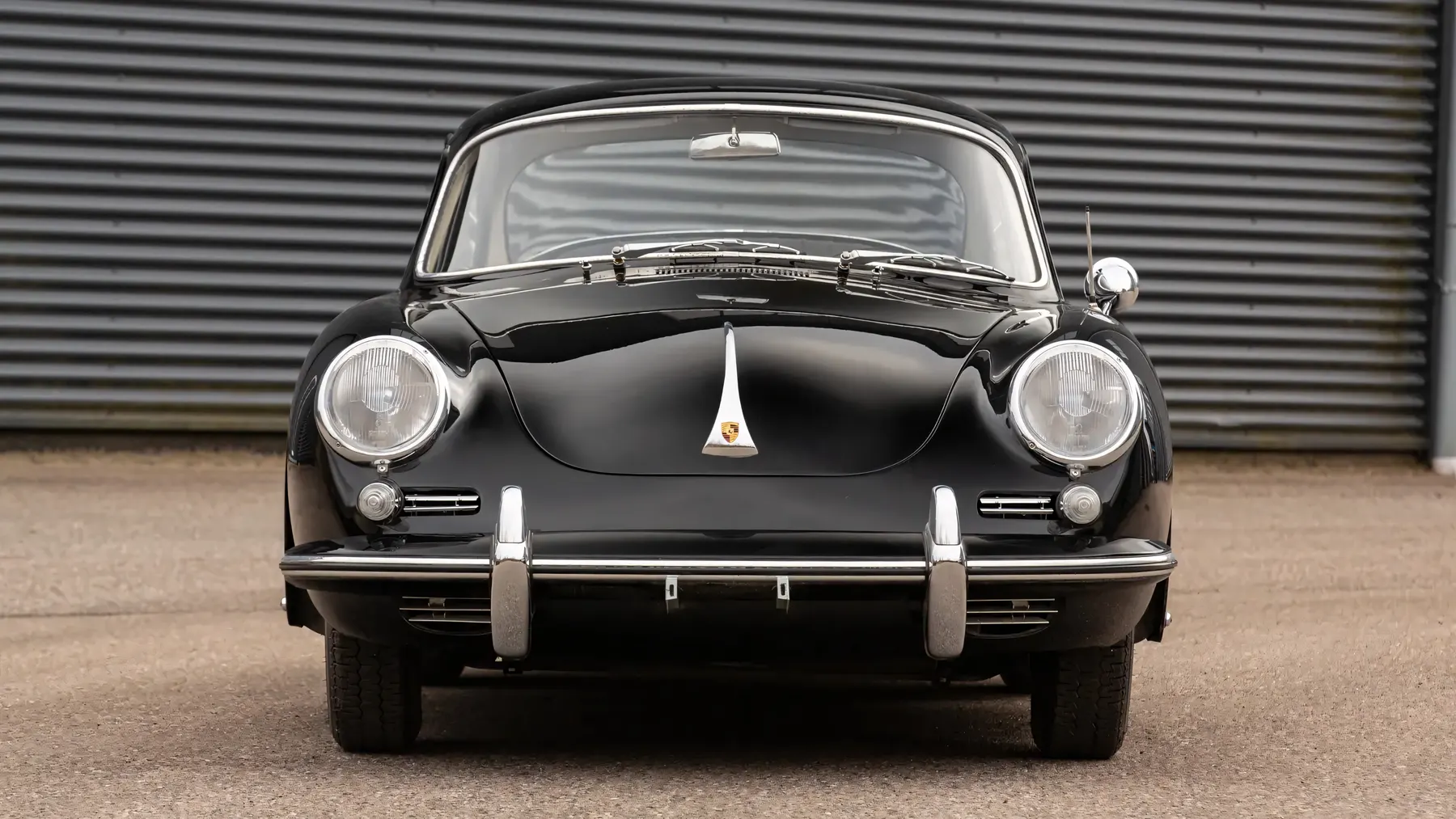
Beyond its powertrain, the Super 90 boasted Porsche’s first adoption of a full synchromesh gearbox, reducing shift effort. The optional “Coconut” floor mats,woven from natural fibers to reduce cabin noise,exemplified Porsche’s attention to detail. Reutter’s craftsmanship shone in panel gaps tighter than contemporary rivals, while chrome-spoked wheels wrapped in narrow-profile tires maintained the 356’s signature agility.
The Super 90 arrived as Porsche transitioned to the 911, making it both a swan song and a bridge between eras. Celebrities like Steve McQueen favored its blend of usability and verve, while racing privateers appreciated its robustness in amateur events. Today, survivors command six-figure sums, prized for their purity and historical significance. The model’s enduring appeal lies in its distillation of Porsche’s founding principles: lightweight construction, driver-centric dynamics, and engineering integrity.
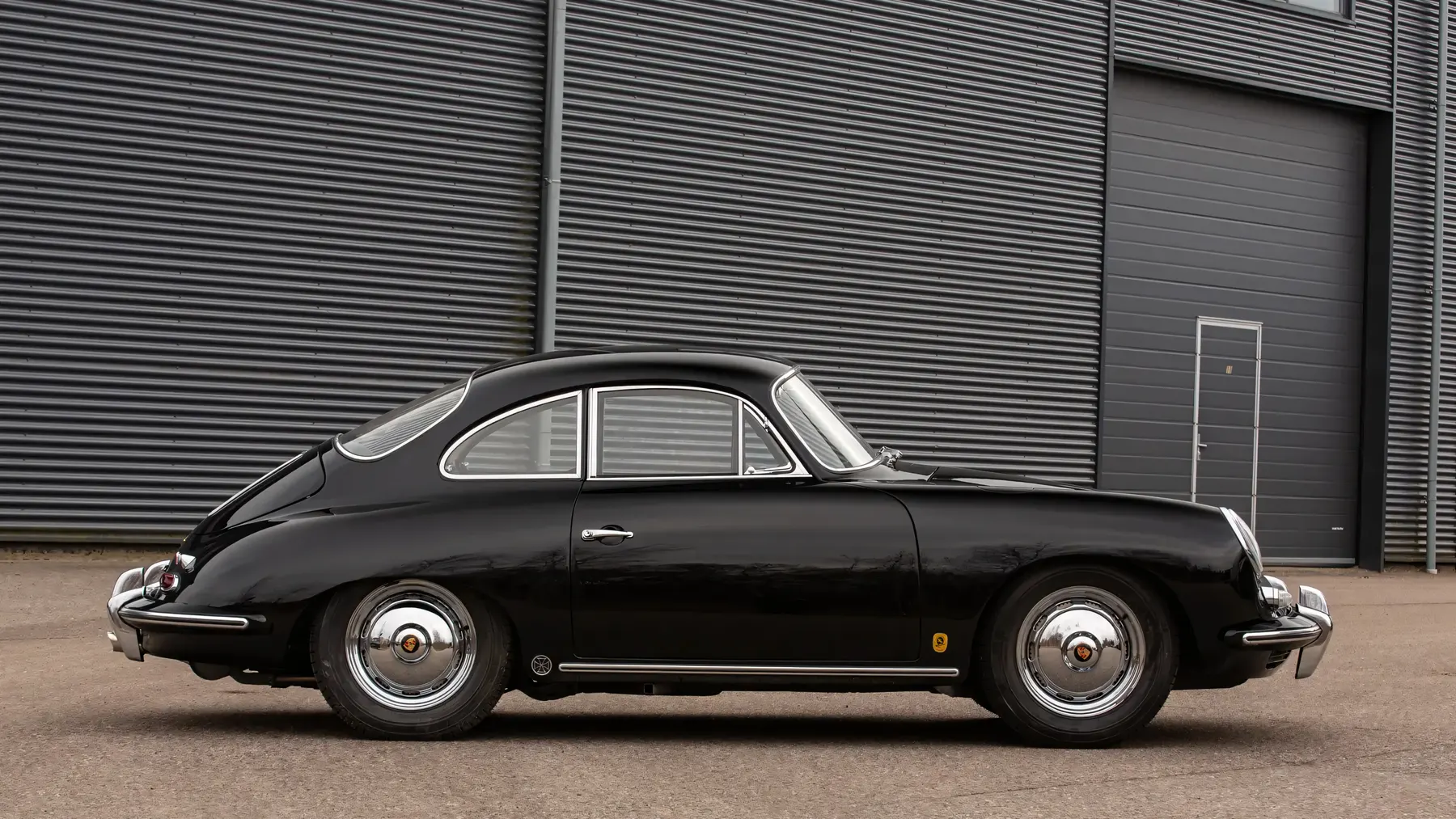
In retrospect, the 356 B Super 90 by Reutter stands not just as Porsche’s first perfected production car, but as a testament to iterative excellence,a machine that proved greatness could emerge from refinement rather than revolution.
Related Notes
1962 Porsche 356 B 1600 Super ‘Twin Grille’ Roadster by D’Ieteren