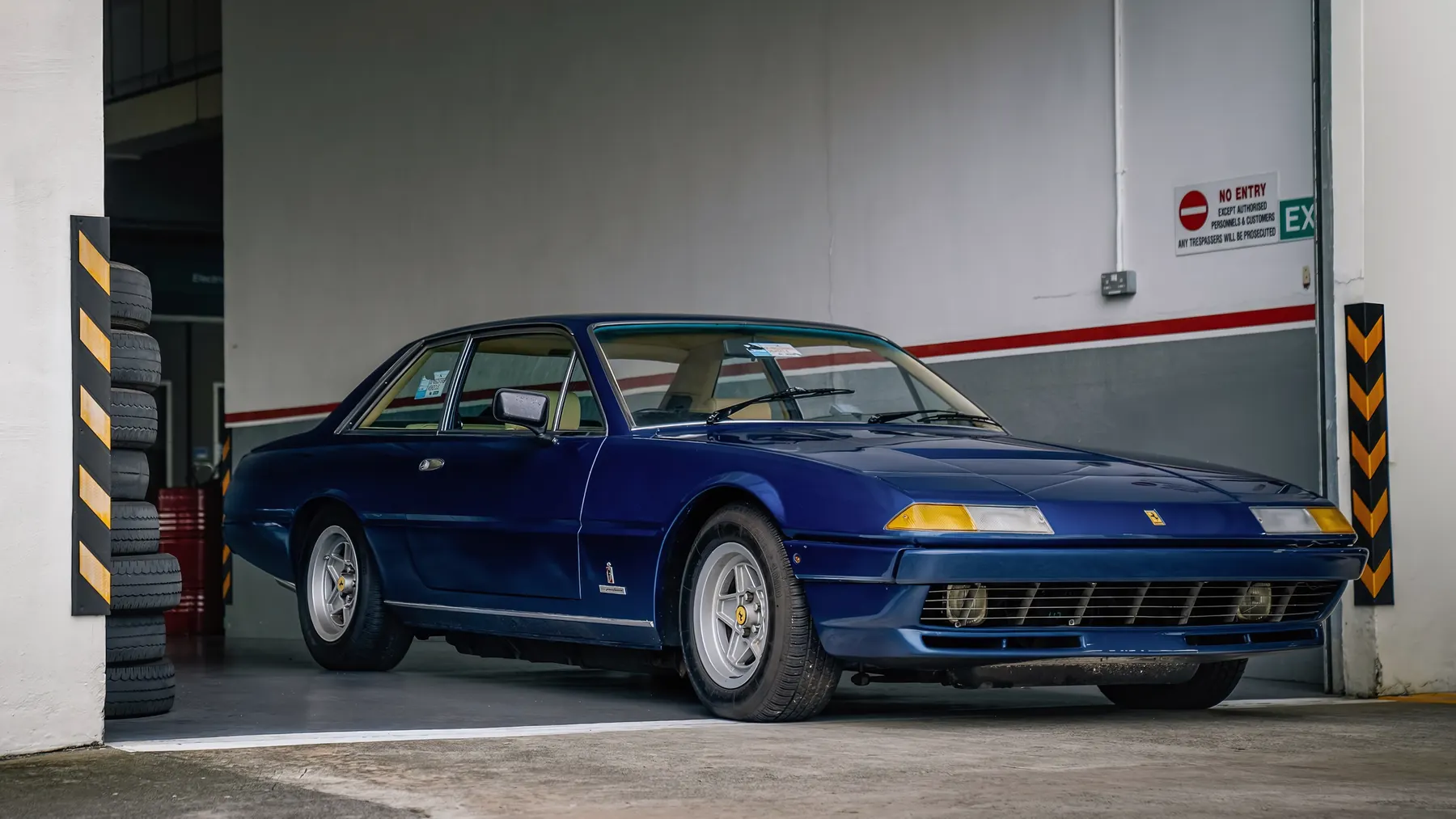
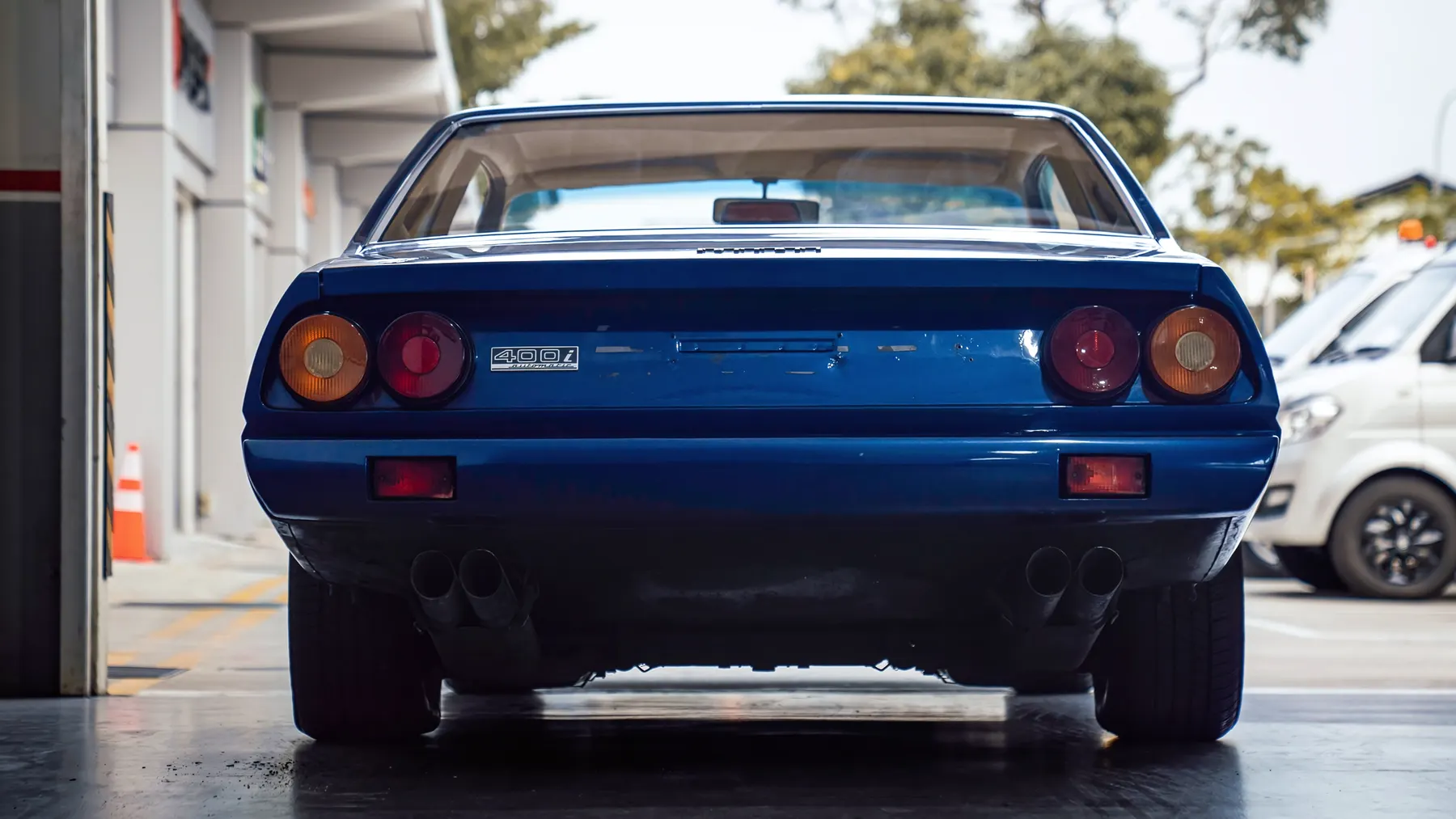
1979 Ferrari 400i
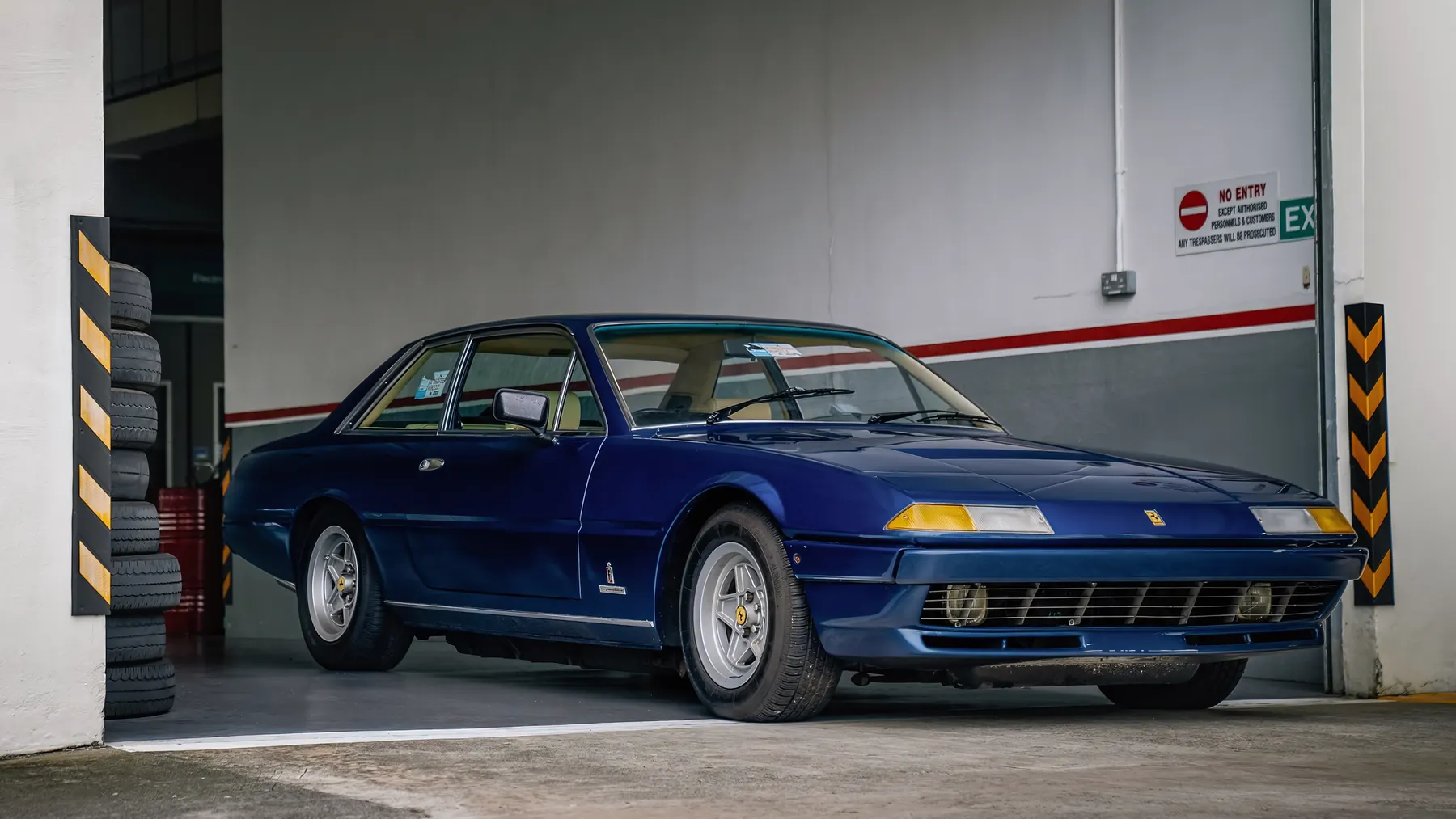
In the realm of exotic and classic cars, certain names evoke powerful emotions, a rush of excitement, and a deep appreciation for the artistry of engineering. Ferrari is one such name, a marque synonymous with the pursuit of performance, luxury, and unadulterated passion. While Ferrari is often celebrated for its thoroughbred sports cars, there’s a hidden gem in the family,a car that might not share the spotlight with the likes of the Testarossa or the F40 but possesses a unique charm of its own. Meet the 1979 Ferrari 400i, a four-seater grand tourer that redefined the essence of luxury and performance.
As the 1960s and 1970s rolled on, Ferrari was known for its spectacular line-up of thoroughbred sports cars. The likes of the Daytona Berlinetta and the Dino ruled the roads, thrilling enthusiasts with their athletic prowess and sleek profiles. But the Prancing Horse had other tricks up its sleeve, one of which was the 2+2 grand tourer platform.
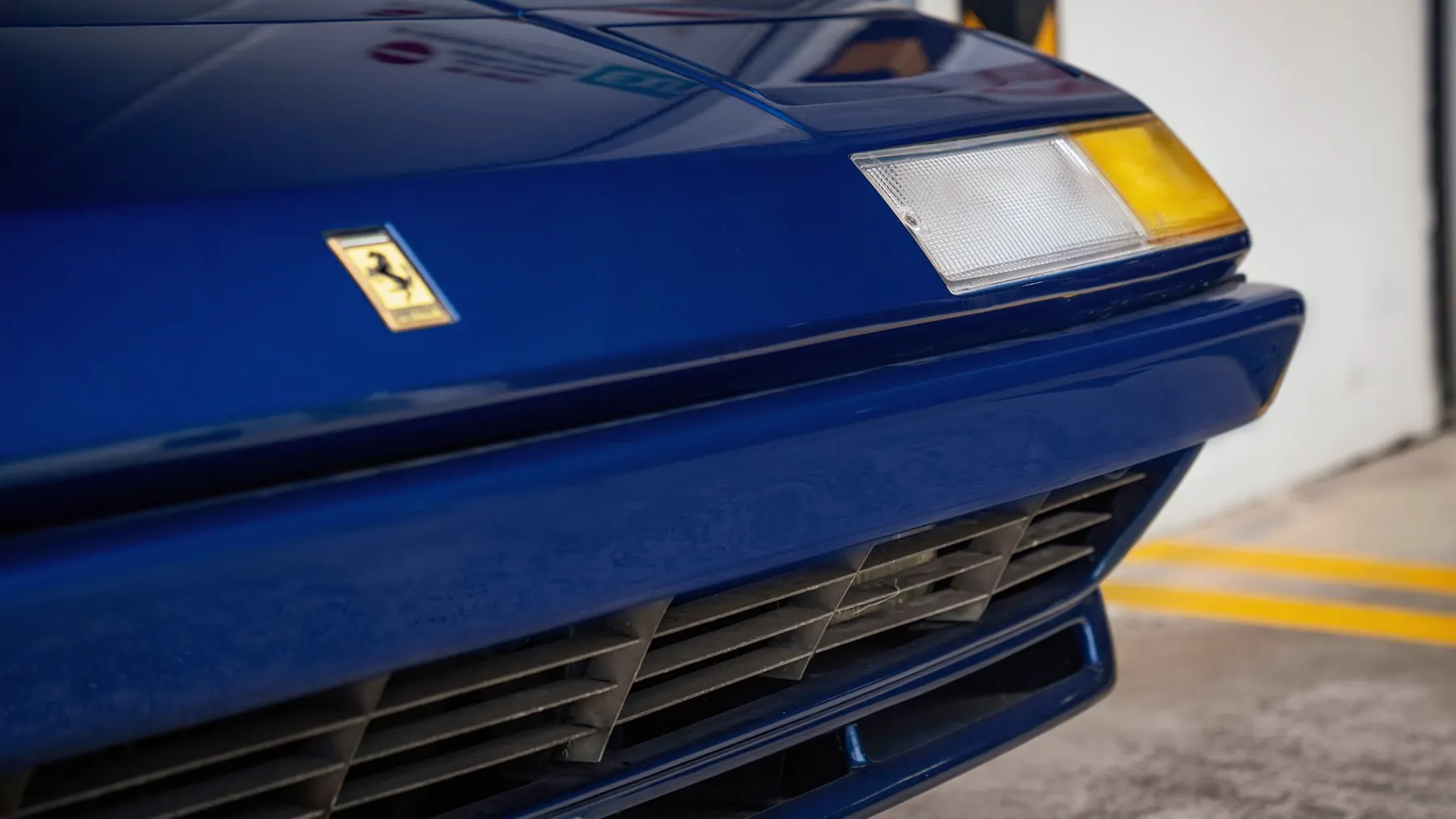
The concept of a 2+2 grand tourer might have seemed unusual in the world of Ferrari’s sports cars. However, this departure from tradition was significant. It offered Ferrari the opportunity to create a different niche, one that veered away from their existing out-and-out grand tourers like the 365 GTB/4 Daytona Berlinetta.
The 1979 Ferrari 400i, a key player in this grand tourer segment, was not an accident but rather a well-thought-out creation. Its story begins with the legendary designer, Leonardo Fioravanti. Fioravanti played a pivotal role in shaping the Ferrari 365 GT 2+2, introducing a unique design language that included strong angular shape lines,a stark departure from its predecessor, the 365 GTC/4.
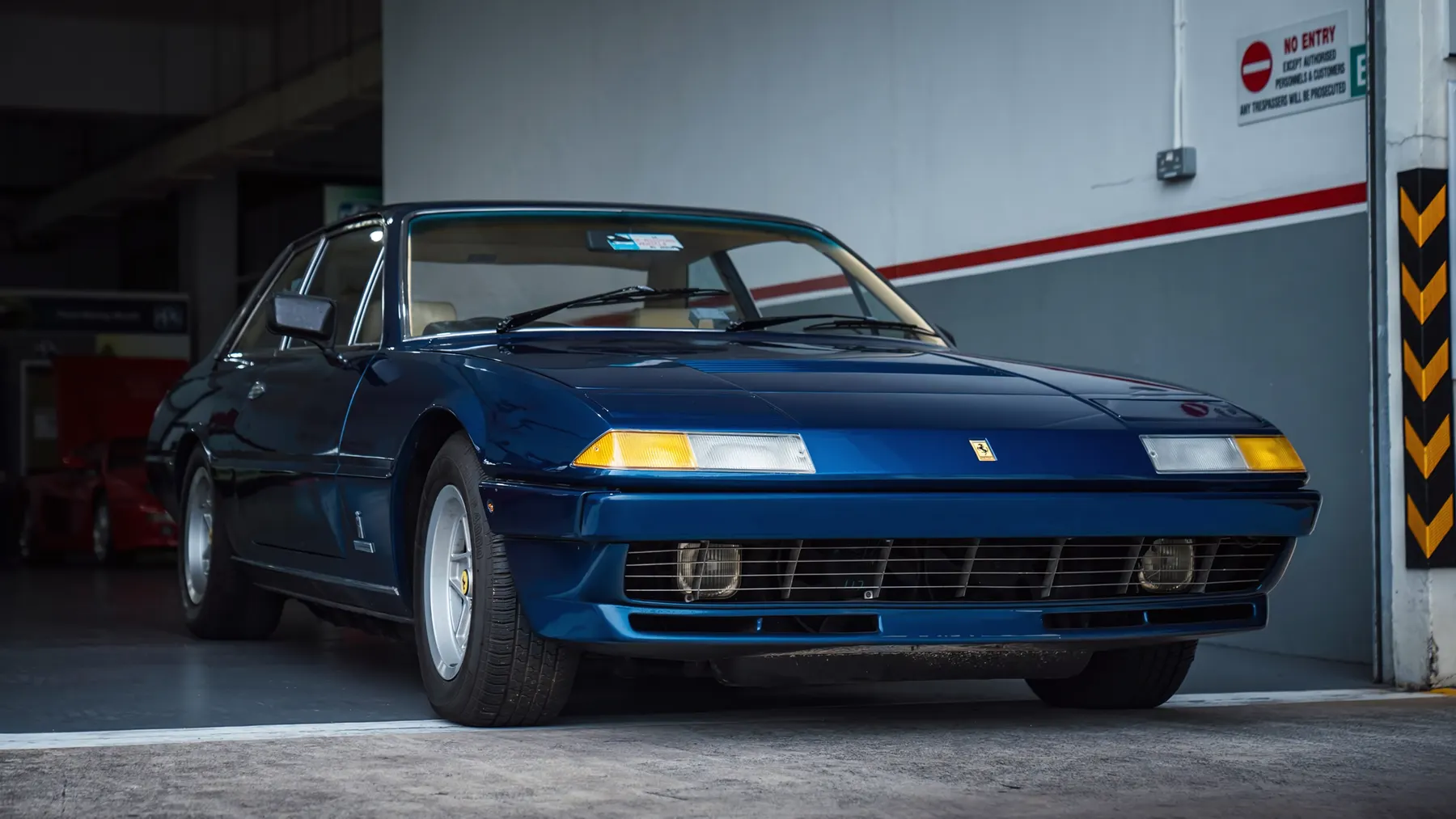
These angular lines contributed to the 365 GT 2+2’s distinctive character. In many ways, this car was the prototype of the 400i, shaping the future of Ferrari’s grand tourers. It blended elegance with power, and it’s easy to see how this elegant aggressiveness found its way into the 400i.
The Ferrari 400i was not just a continuation of the 365 GT 2+2; it represented the natural progression of this grand tourer. The car enjoyed several redesigns over the years, with the most significant transformation taking place in 1989 with the launch of the Mondial t. This new designation hinted at a critical transformation,the improved transverse gearbox and longitudinal engine layout.
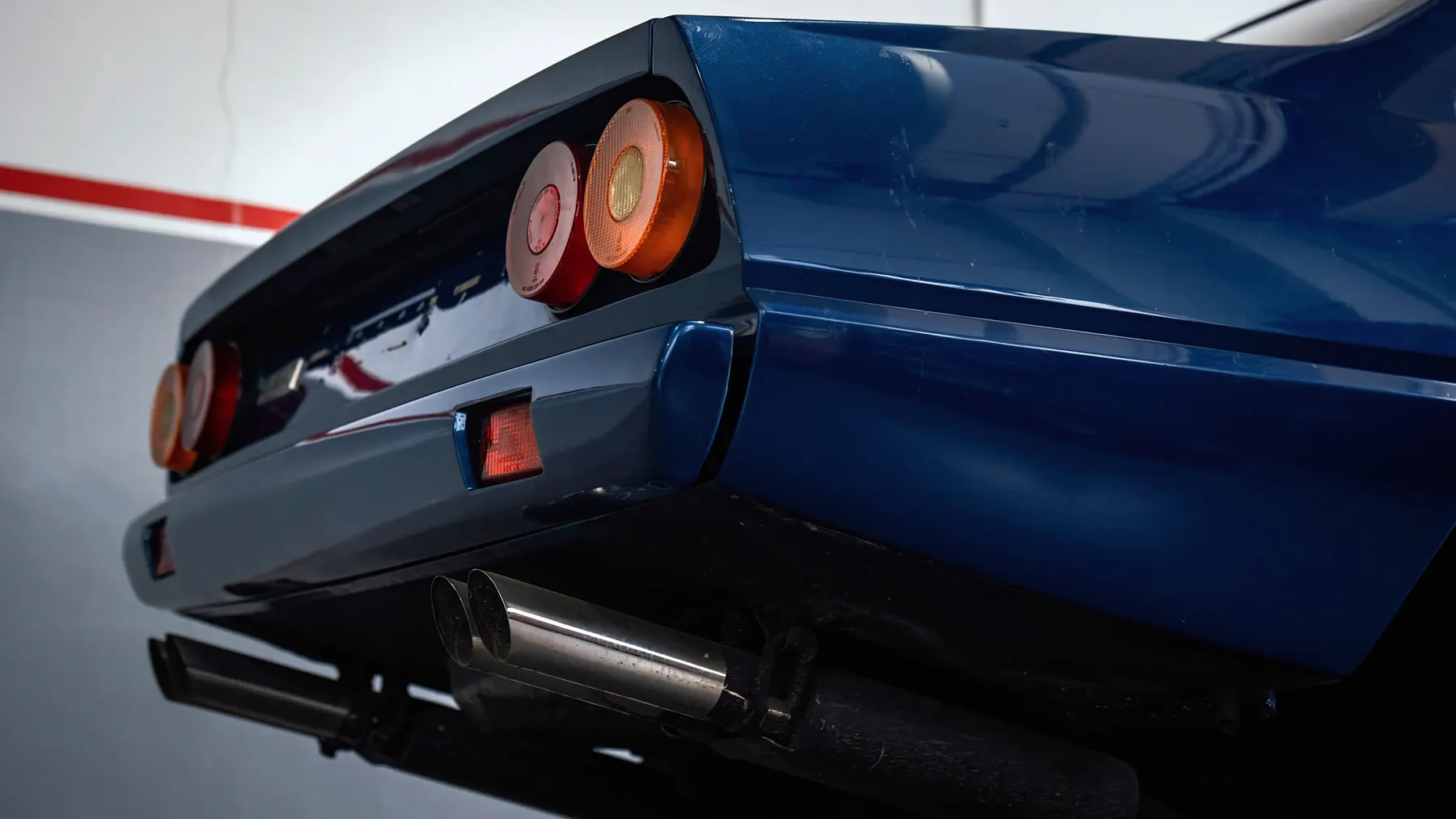
This revolutionary change allowed for a lower mounting of the drivetrain,13 centimetres lower, to be precise. This adjustment resulted in significantly improved road holding and handling, a testament to the commitment Ferrari had to making this grand tourer an exceptional driving experience. The engine was upgraded to a 3.4-liter powerhouse, increasing the total output to a robust 300 horsepower.
The Ferrari 400i entered the scene with a mission, a mission that every automobile manufacturer of the time had to tackle,compliance with stringent global emissions standards. It was a time when many iconic cars had to adapt to survive in a rapidly changing automotive landscape.
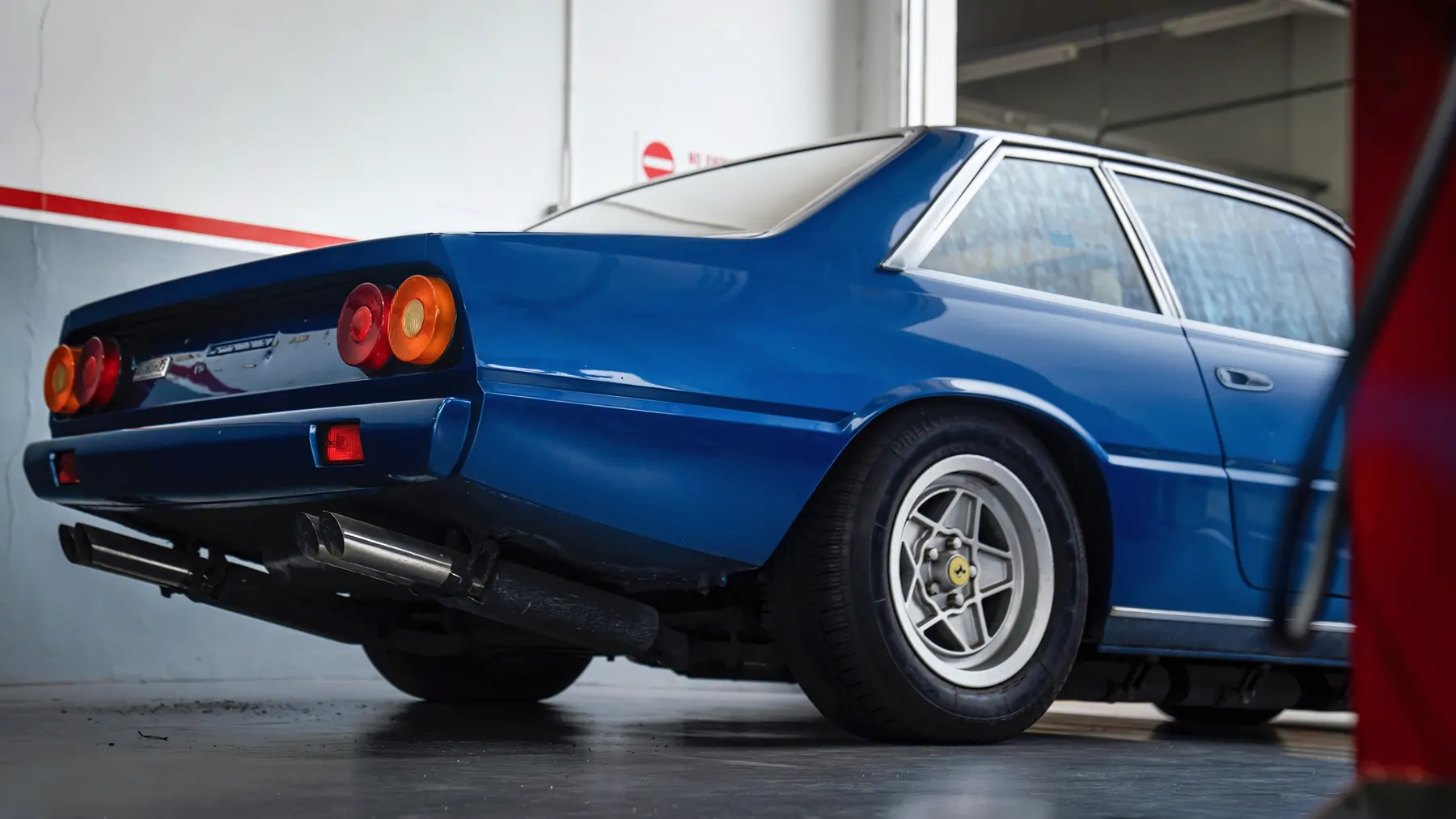
The solution was fuel injection. The earlier 400 employed a six-fold Weber carburetor setup, but the shift to fuel injection was inevitable. Ferrari replaced the carburetors with a Bosch K-Jetronic system, a technological marvel of its time. The result was a reduction in horsepower, a loss of about 30 horses compared to its predecessor. However, the heart of the 400i, a thundering V-12 engine, still roared with 310 horsepower under the hood.
The Ferrari 400i was a grand tourer through and through. While the loss of 30 horsepower might seem like a compromise, the 400i was not about sprinting from 0 to 60 mph in seconds. It was about something more profound,a seamless journey in comfort and style.
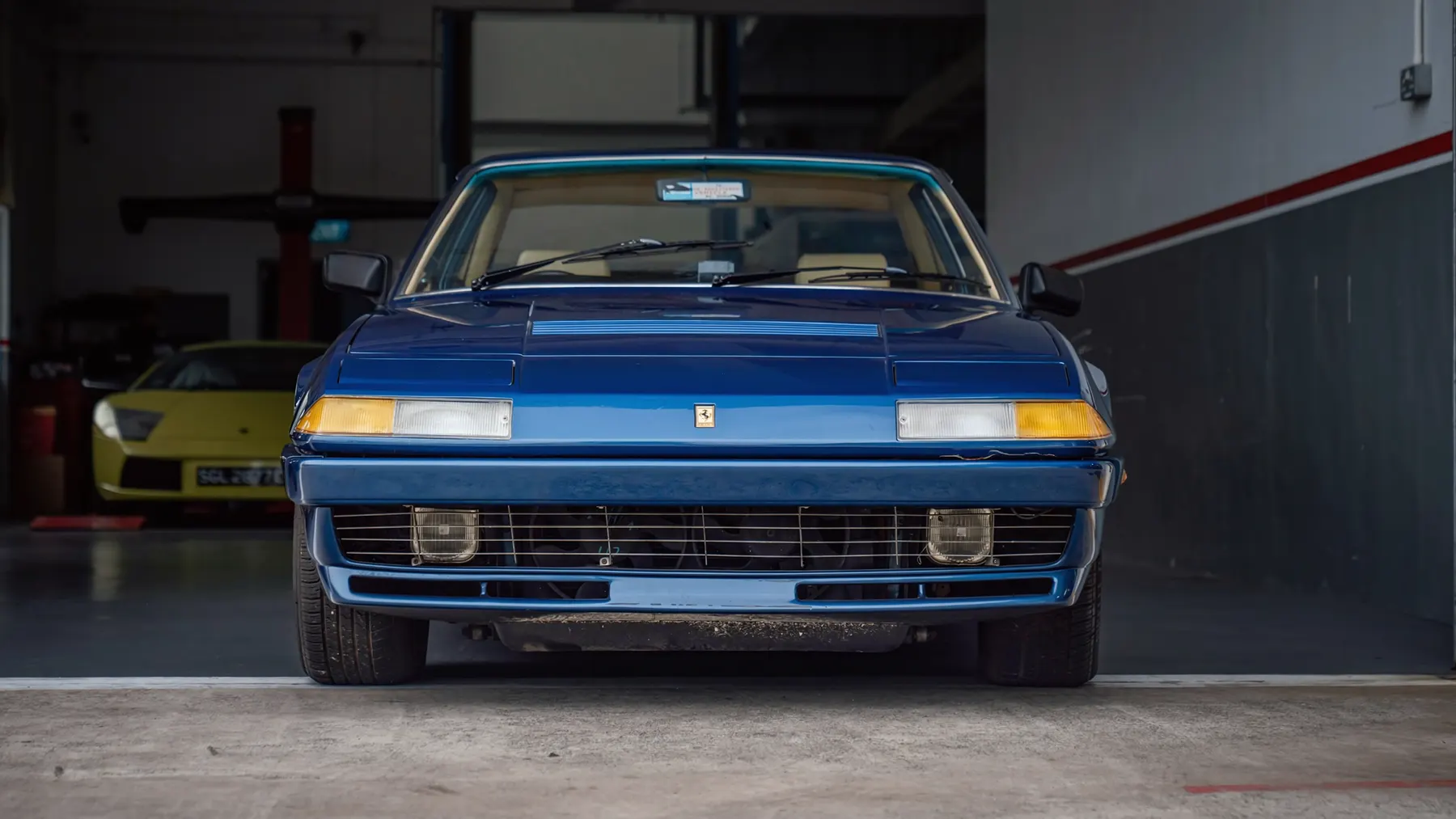
The 4.8-liter Tipo F101 V-12 engine might have had fewer horses, but it could still cruise effortlessly on the highway, maintaining high speeds for hours. In a time when many of its peers had large, gas-guzzling engines, the 400i made a statement about efficiency and modernity. The V-12 engine, combined with the new fuel injection system, offered the ideal blend of power and elegance.
An interesting aspect of the 400i was the choice it offered in terms of transmission. The automatic version was the more popular choice among customers. The silky smooth automatic transmission complemented the car’s grand tourer character, allowing for leisurely drives over long distances. Of the 1,305 units produced, 883 featured automatic transmissions.
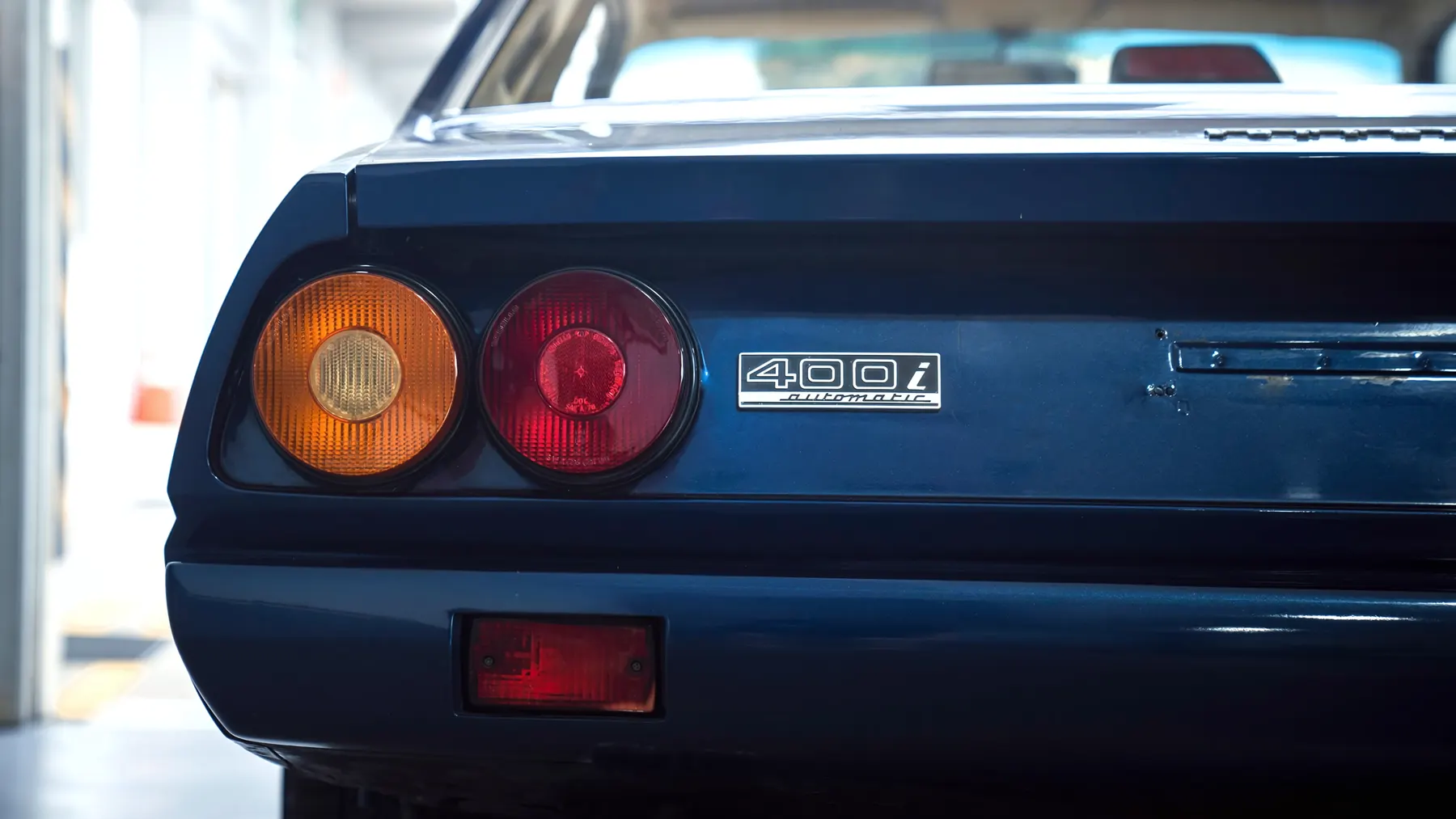
On the other hand, for those who enjoyed more engagement, the 400i also came with the option of a five-speed manual gearbox. The manual was a favourite among purists, and only 422 of these units were ever made.
The 1979 Ferrari 400i might not have been as flamboyant as some of its siblings. Still, it found its own niche,a place where luxury, performance, and elegance coexisted. Its design cues from the 365 GT 2+2, under the visionary guidance of Leonardo Fioravanti, paved the way for an evolution that would meet the challenges of a changing automotive landscape.
The arrival of fuel injection and the option for automatic or manual transmissions showcased Ferrari’s commitment to adapt while maintaining their core values. The 400i was not just an exquisite car; it was a statement about the ability to evolve and excel in a world where emissions standards and driving preferences were shifting.
Today, the 400i remains a testament to Ferrari’s enduring legacy. It captures the essence of a grand tourer, one that can devour highways and winding roads with equal grace. And while it might not be the first name that comes to mind when you think of Ferrari, it stands tall in the enchanting realm of classic cars, where luxury and performance converge in timeless fashion.