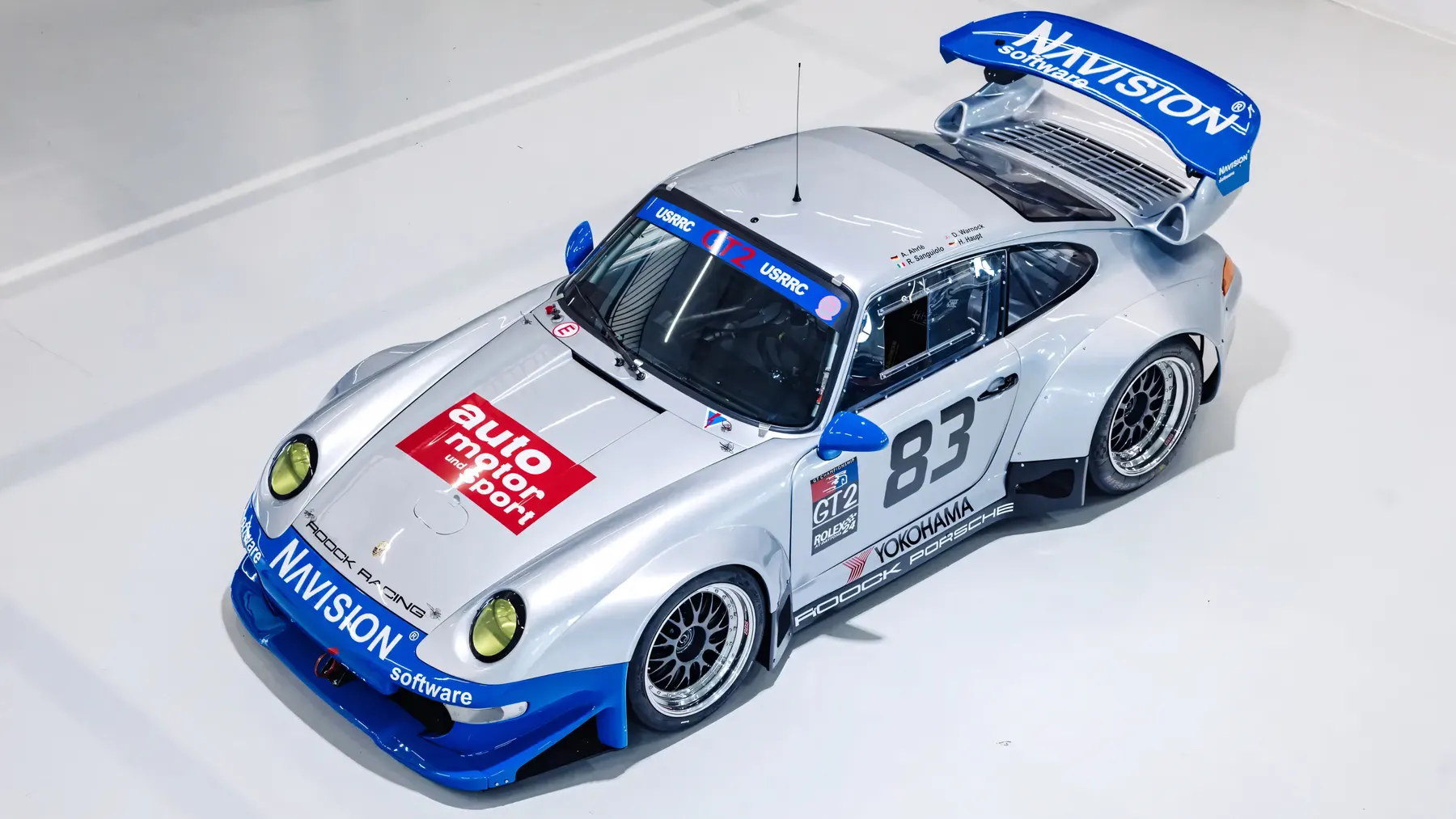
1998 Porsche 911 GT2 by Roock Racing
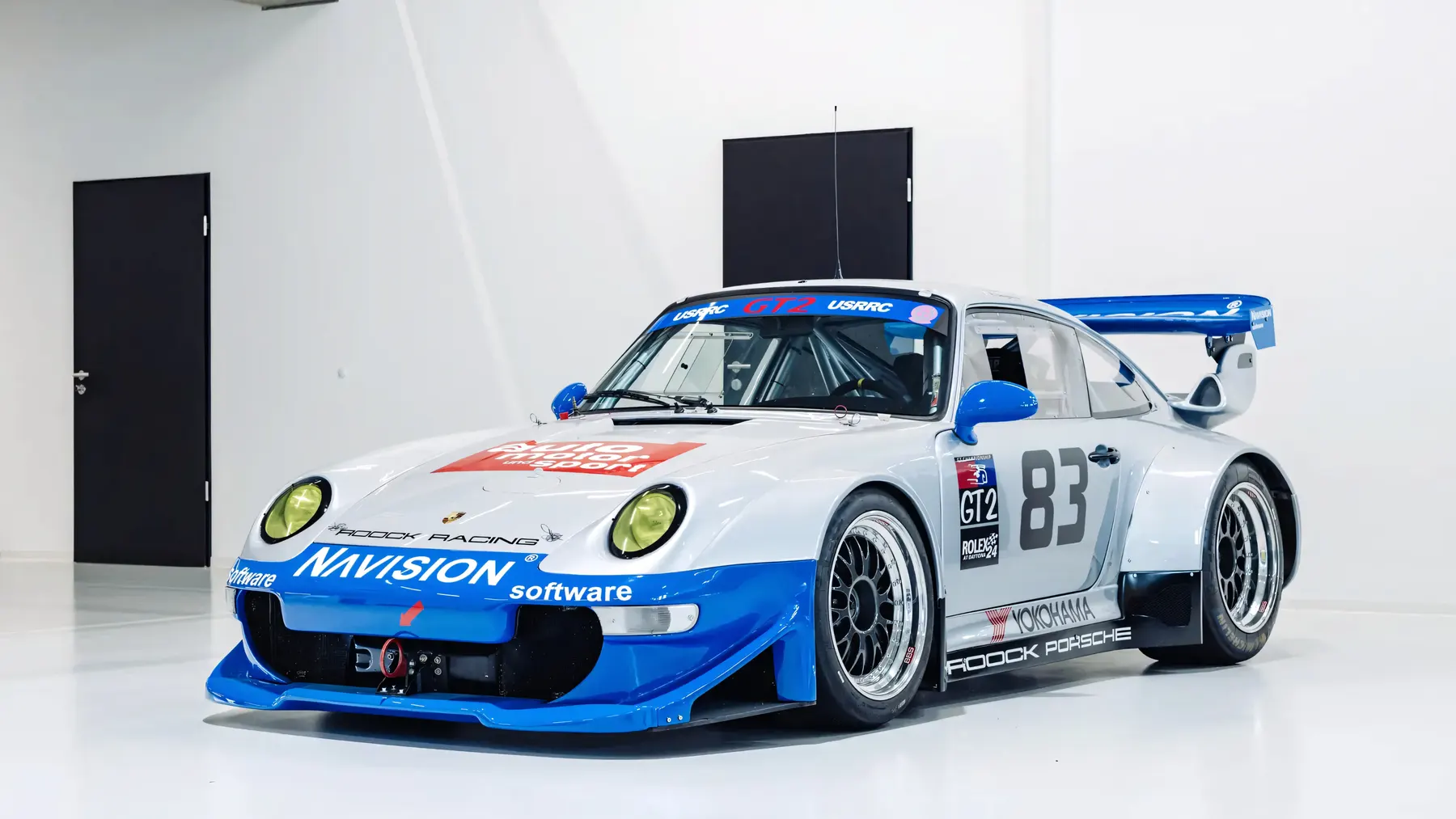
In the pantheon of Porsche’s racing legends, the 911 GT2 developed by Roock Racing occupies a singular position,a bridge between the raw, air-cooled era and the dawn of modern GT competition. Born from the homologation requirements of 1990s motorsport, this rear-wheel-drive terror emerged as a testament to Porsche’s engineering adaptability and Roock Racing’s ingenuity, carving its name into history through relentless performance and innovative design.
The story begins with Porsche’s 993-generation 911, the final air-cooled model, and its need to compete in FIA GT2-class racing. As all-wheel-drive systems faced bans in many series, Porsche stripped its Turbo model of its front differential, creating the rear-drive GT2. Roock Racing, a German team founded by brothers Fabian and Michael Roock, transformed this foundation into a championship contender. Their crowning achievement came at the 1996 24 Hours of Le Mans, where their GT2 claimed class victory,a triumph of endurance against factory-backed rivals.
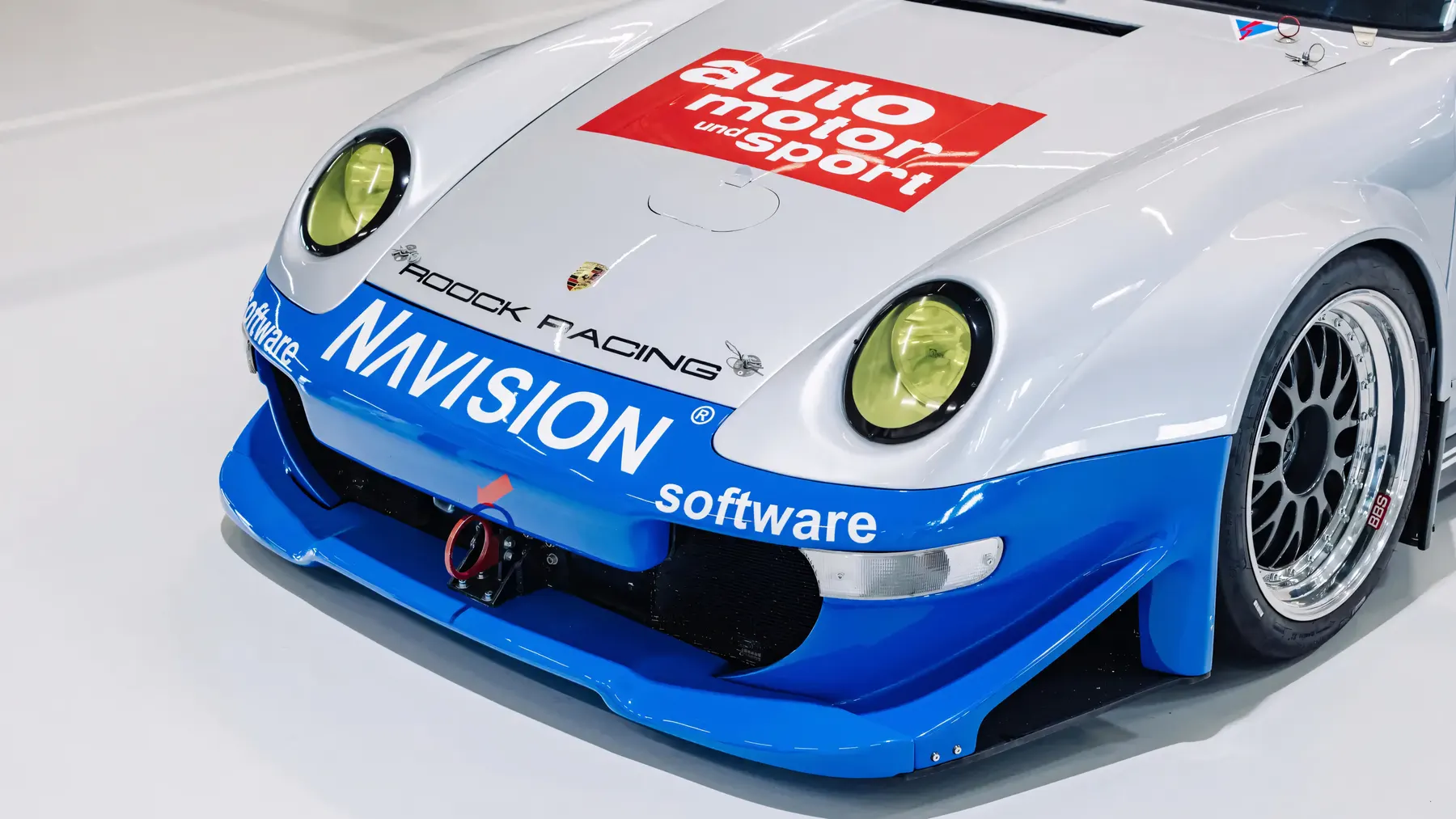
Roock’s engineers, led by Mike Gramke, reimagined the GT2 as a lightweight weapon. Starting with Porsche’s 3.6-liter twin-turbo flat-six, they extracted up to 600 horsepower through reinforced internals, larger KKK turbochargers, and advanced engine management. The chassis underwent radical surgery: a seven-centimeter track widening improved stability, while a sequential Gemini gearbox replaced the stock unit for lightning-fast shifts. Carbon fiber body panels and a stripped interior slashed weight to just 1,060 kg,lighter than even Porsche’s own GT1 prototypes.
Aerodynamic revisions included widened wheel arches to accommodate racing slicks and redesigned ducting to cool the rear-mounted engine. The rear wing, mounted on aluminum supports, balanced downforce with the 911’s inherent rearward weight bias. Inside, a Matter-built roll cage integrated with the fuel cell created a semi-monocoque structure, enhancing rigidity while protecting drivers during marathon events.
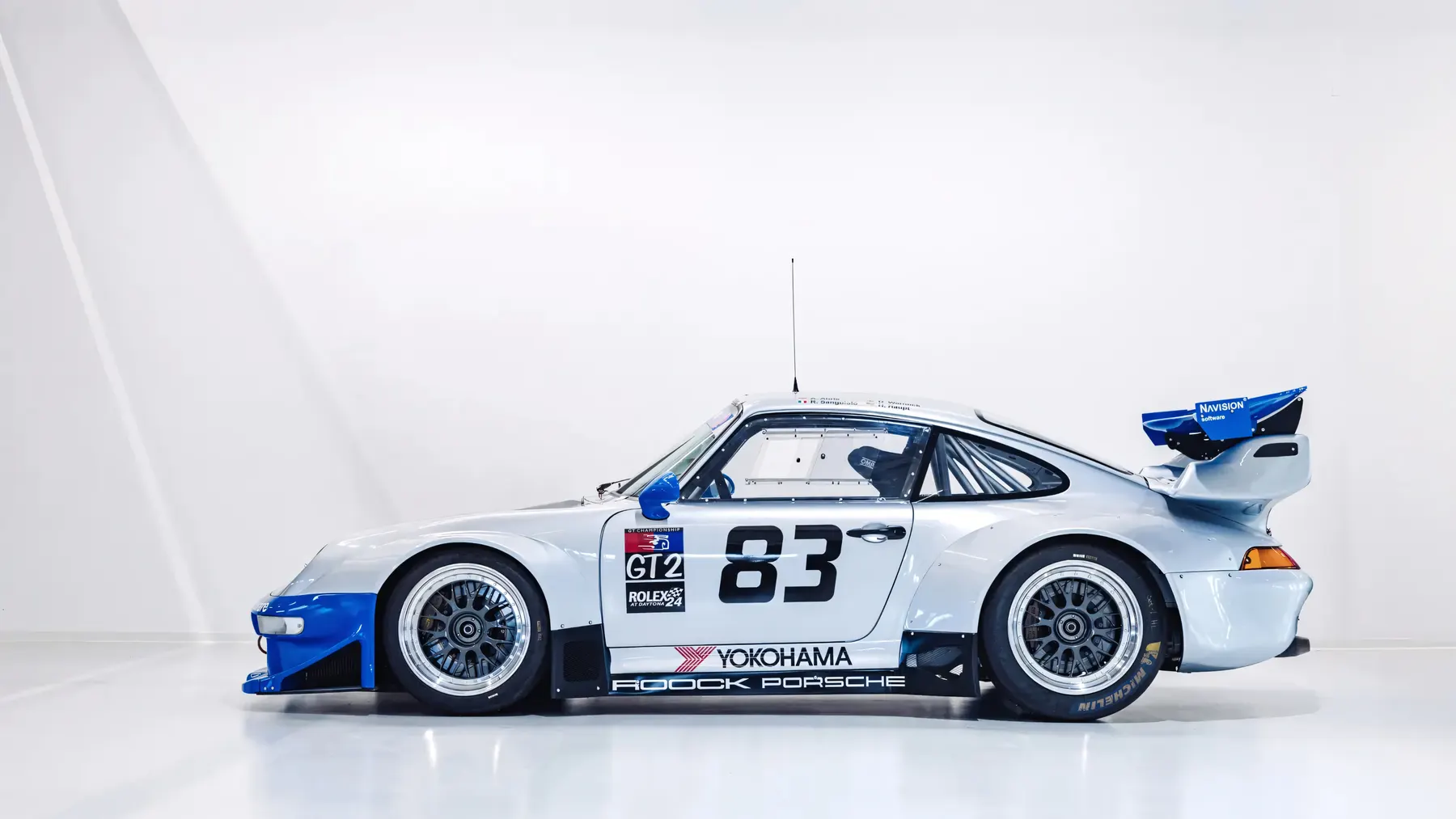
On track, the Roock GT2 Evolution was a study in controlled aggression. The turbocharged flat-six delivered explosive acceleration, with peak torque of 670 N⋅m overwhelming rear tires exiting corners. Moton dampers and revised suspension geometry tamed the 911’s traditional lift-off oversteer, allowing drivers like Claudia Hürtgen and Andy Pilgrim to exploit its 2G cornering capabilities. Despite competing against V12-powered rivals, the car’s air-cooled reliability made it a fixture in endurance racing, securing podium finishes at Le Mans, Daytona, and Sebring.
Beyond raw power, Roock’s GT2 stood apart through meticulous detail. Thielert engine management systems optimized boost across varying conditions, while repositioned radiators improved cooling during prolonged stints. The fuel tank’s central placement enhanced weight distribution, critical for managing the rear-engine layout. Even the brake ducts were recontoured to channel airflow more efficiently,a nod to Roock’s obsession with marginal gains.
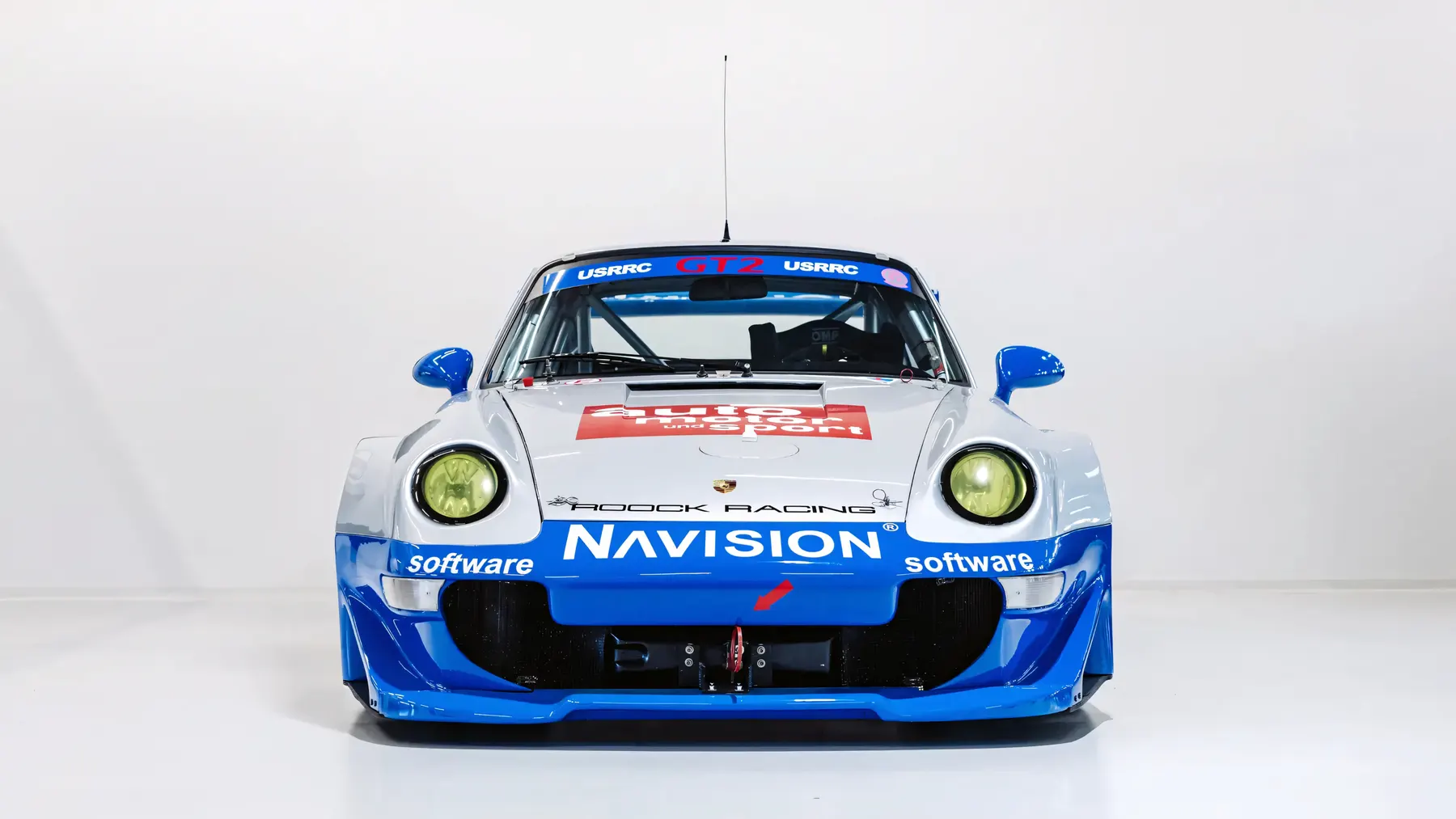
Only six Evolution-spec cars were built, each tailored to specific circuits or regulations. These machines dominated the FIA GT Championship, often outpacing more powerful GT1 entries through superior reliability. Their success against Chrysler’s Viper GTS-R in the late 1990s cemented Porsche’s reputation for punching above its weight.
Today, these GT2s are crown jewels for collectors. Survivors like chassis 993-GT2-011, campaigned at Le Mans in 1998, preserve period-correct details,from faded Martini liveries to hand-welded exhausts. Their value lies not just in rarity (fewer than 60 road-legal GT2s exist worldwide), but in their role as the last air-cooled racers,a mechanical symphony of wastegate chatter and howling flat-six crescendos.
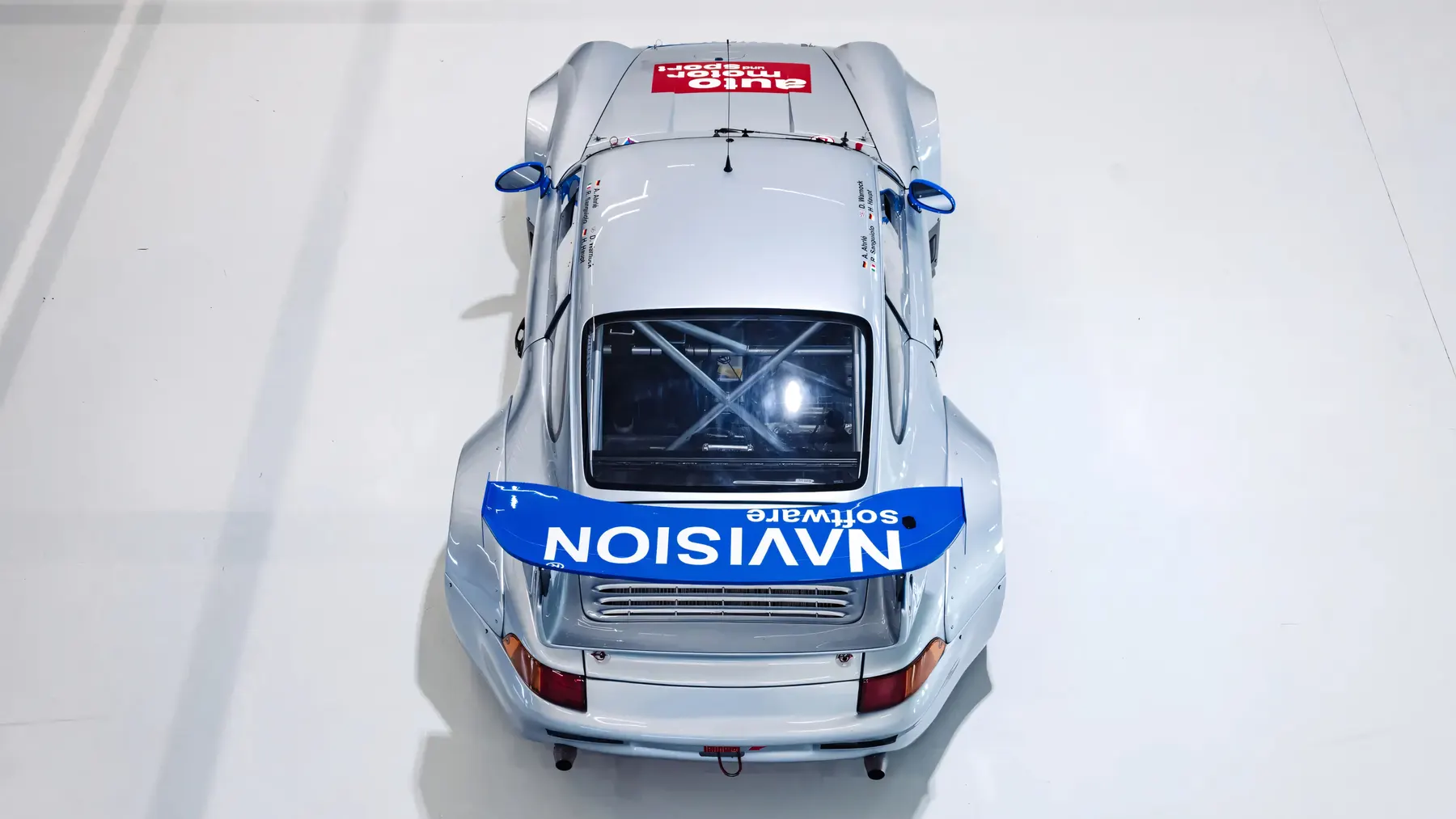
In historic racing series, Roock’s GT2s remain formidable. Their analog driving experience,demanding throttle modulation to tame turbo lag and precise heel-toe shifts,contrasts sharply with modern driver aids. For enthusiasts, they embody an era when privateer teams could outthink factory squads, leveraging the 911’s timeless architecture to create a car greater than the sum of its parts.
The Porsche 911 GT2 by Roock Racing stands as a monument to racing’s golden age,a machine where ingenuity triumphed over budget, and passion over convention. It remains not just a chapter in Porsche’s storied history, but a living lesson in the art of motorsport alchemy.