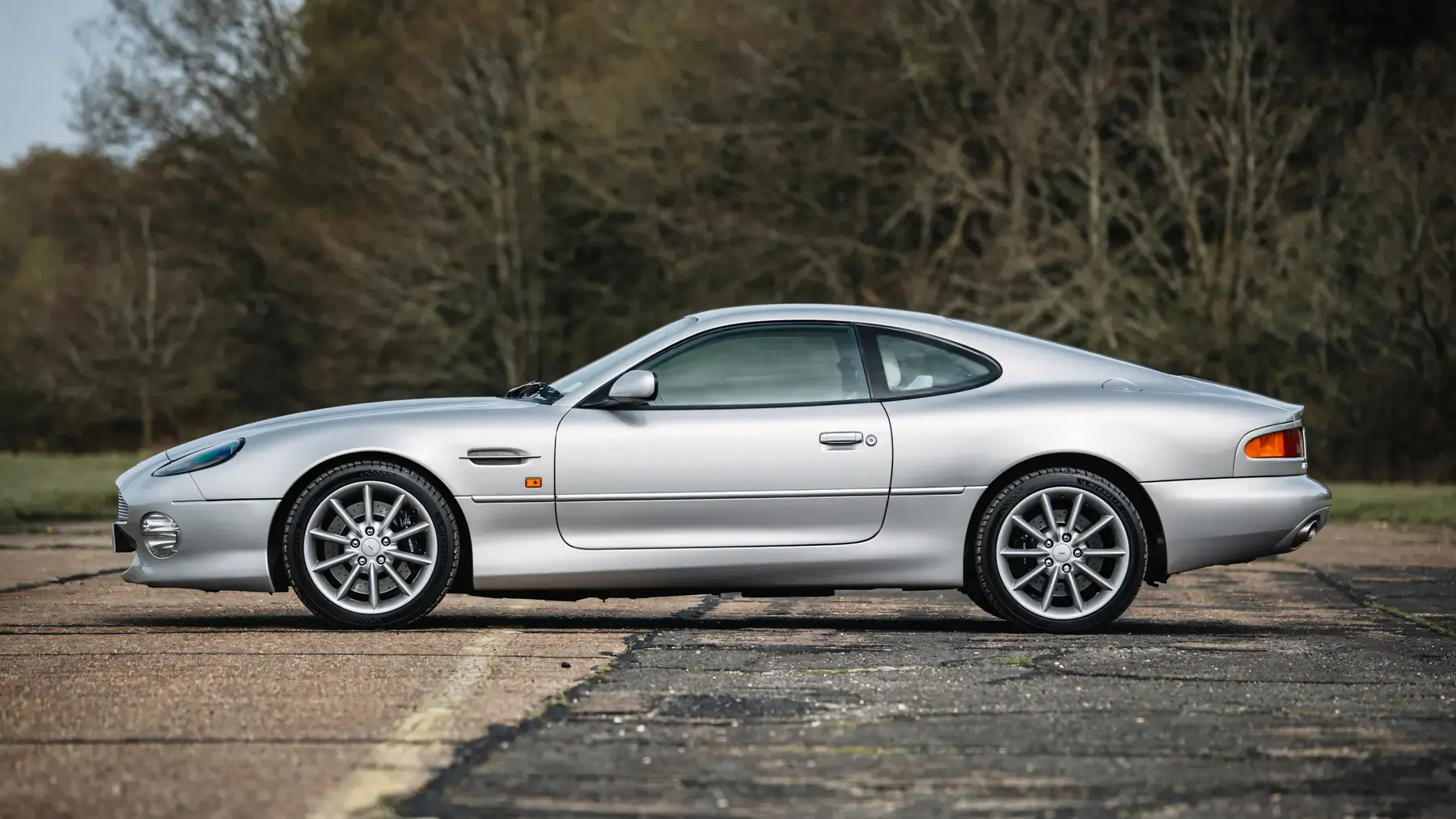
2001 Aston Martin DB7 Vantage
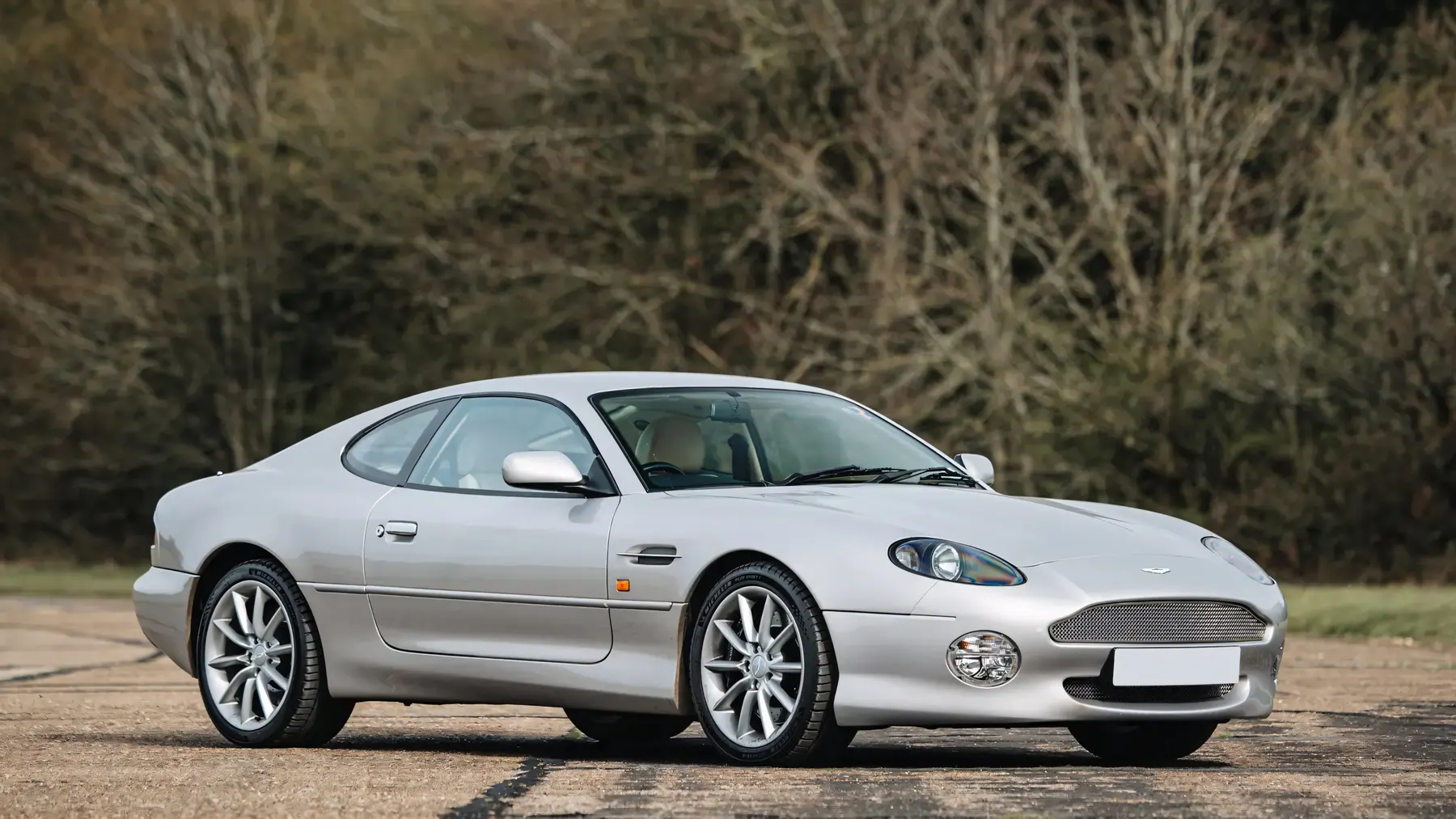
Aston Martin’s DB7 Vantage stands as a defining moment in the brand’s modern history - a car that not only saved the marque from financial uncertainty but also set the tone for every Aston Martin that followed. For anyone with a passion for automotive design, the DB7 Vantage is a car that simply demands admiration, blending British elegance with a newfound muscularity and performance that reshaped the grand tourer landscape.
The DB7’s story begins with a fascinating blend of necessity and creativity. In the early 1990s, Aston Martin was a small-volume manufacturer, struggling to keep pace with modern competitors. The DB7 project, initially conceived as a Jaguar replacement for the aging XJS, was rescued from corporate limbo by Tom Walkinshaw and the design genius of Ian Callum. The platform was rooted in Jaguar’s XJS, but Callum’s vision transformed it into something unmistakably Aston Martin - sleek, purposeful, and utterly beautiful. The DB7’s debut at the 1993 Geneva Motor Show was met with overwhelming enthusiasm, and production soon followed, marking a new era for the brand.
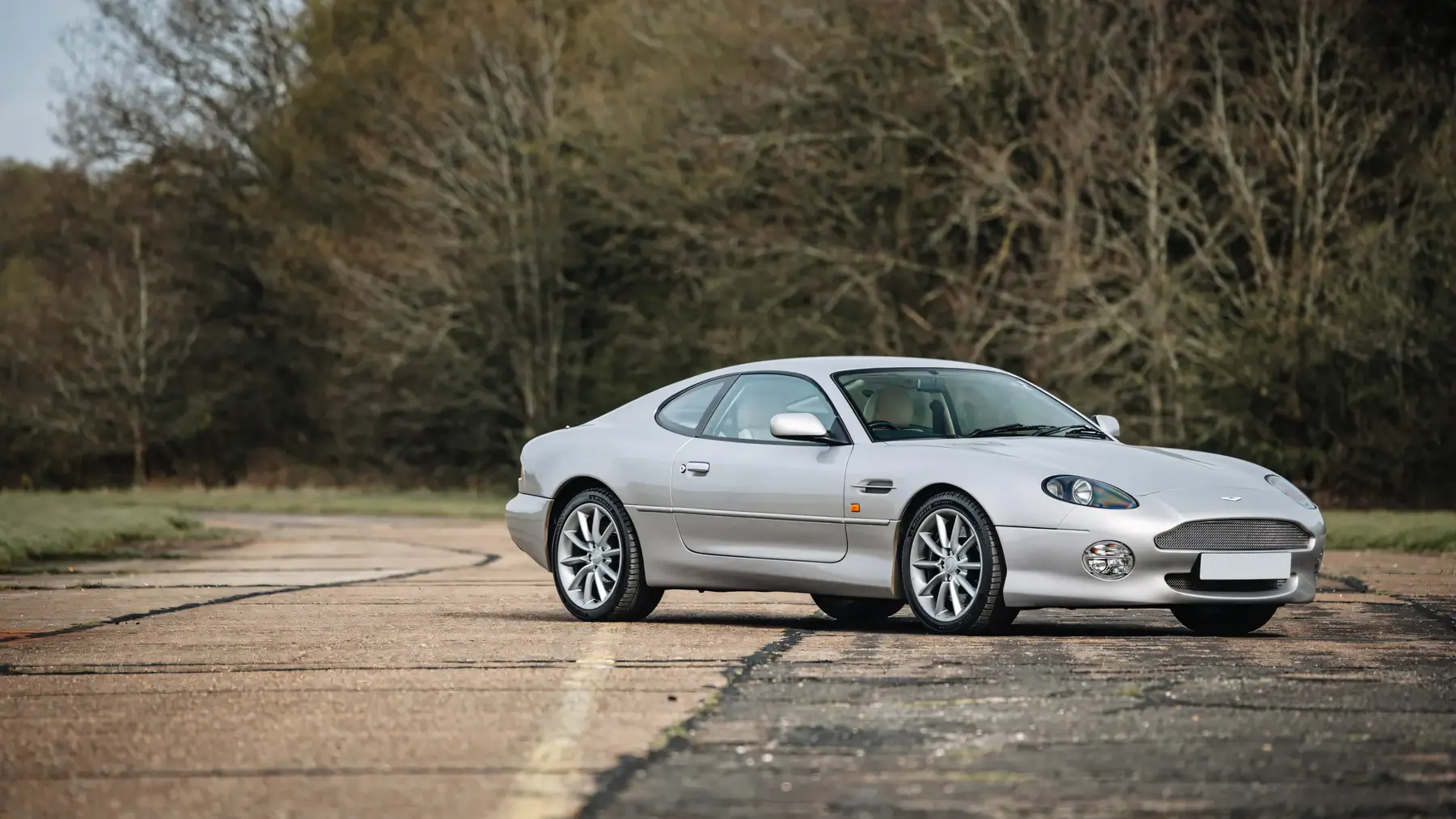
The original DB7, launched with a supercharged inline-six, was a revelation - a more accessible Aston Martin that retained the hand-built feel and exclusivity the brand was known for. But by 1999, the world was ready for something even more exciting, and Aston Martin delivered with the DB7 Vantage. This wasn’t just an engine swap; it was a comprehensive reimagining of the car’s character and capabilities.
At the heart of the DB7 Vantage lies a 5.9-litre, 48-valve V12 engine, developed by Ford’s Research and Vehicle Technology Group in conjunction with Cosworth Technology. This powerhouse produces 420 horsepower (309 kW) and 542 Nm of torque, catapulting the coupe from 0 to 100 km/h in just 5 seconds and on to a top speed of nearly 300 km/h. For those who crave engagement, the six-speed manual gearbox delivers crisp, satisfying shifts, while a five-speed automatic was available for those who preferred a more relaxed grand touring experience. The V12’s smooth, sonorous delivery is nothing short of intoxicating, and it transformed the DB7 from a stylish cruiser into a true high-performance GT.
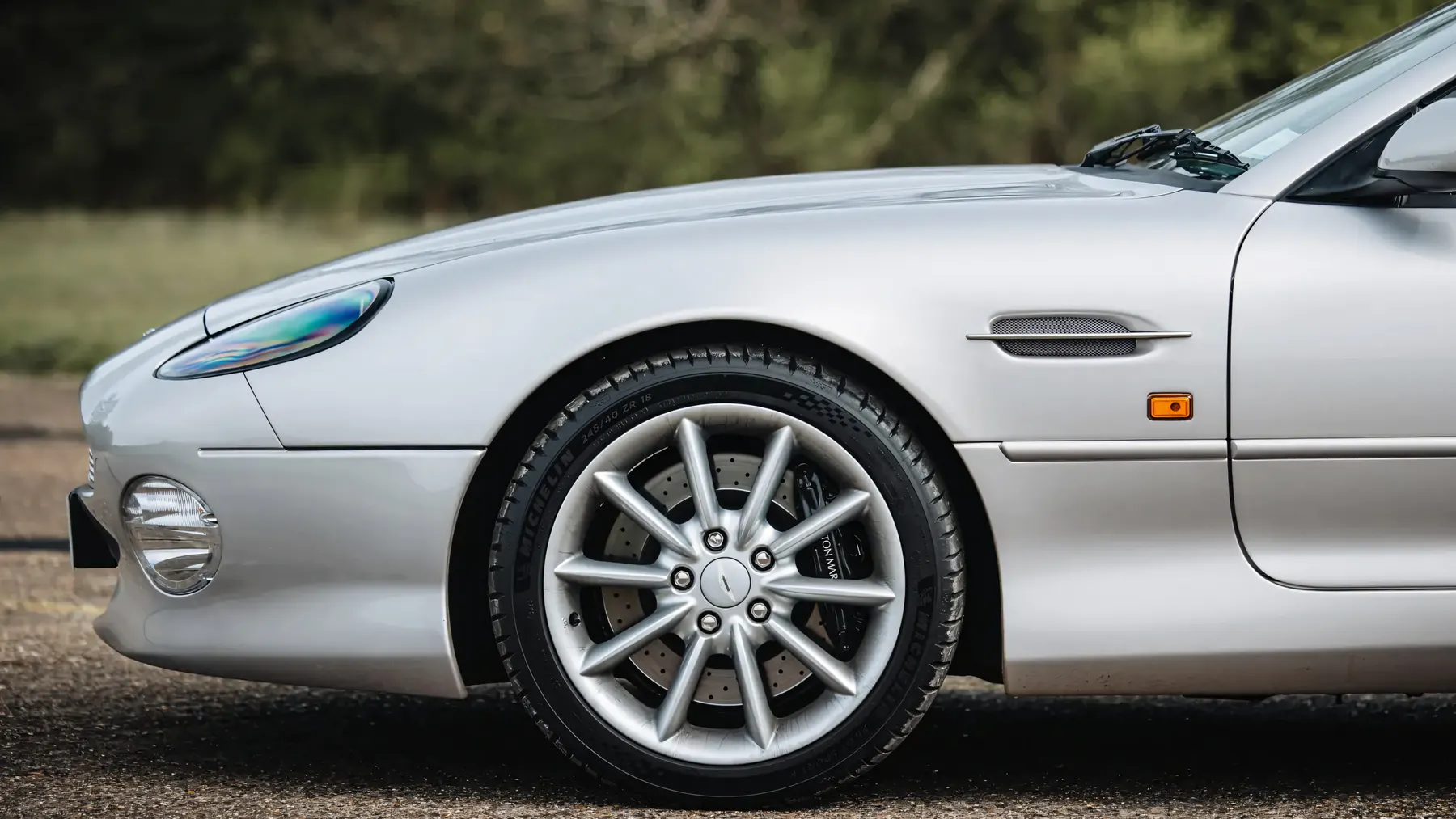
But the Vantage was more than just a straight-line missile. Aston Martin’s engineers reworked the suspension, brakes, and steering to harness the V12’s power, resulting in a car that felt composed and agile, yet retained the supple ride expected of a grand tourer. Massive ventilated, cross-drilled disc brakes with four-piston calipers provided immense stopping power, backed by a sophisticated ABS and traction control system, ensuring the car remained poised even when driven with enthusiasm. The chassis, while rooted in Jaguar’s heritage, was extensively modified, and the car’s steel unit construction was unique among Astons of its era, lending it a solid, planted feel on the road.
Visually, the DB7 Vantage subtly announced its intent. A larger front grille, distinctive fog lamps, and “DB7 Vantage” badging set it apart from its six-cylinder predecessor. The 18-inch alloy wheels, shod with wide Bridgestone S02 tyres, filled the arches with purpose, while the car’s classic proportions - long bonnet, short rear deck, and muscular haunches - remained timeless. The interior was every bit as special as the exterior, with hand-stitched Connolly leather, Wilton carpets, and a choice of burr walnut or carbon fibre trim, all crafted with the kind of attention to detail that defines true luxury.
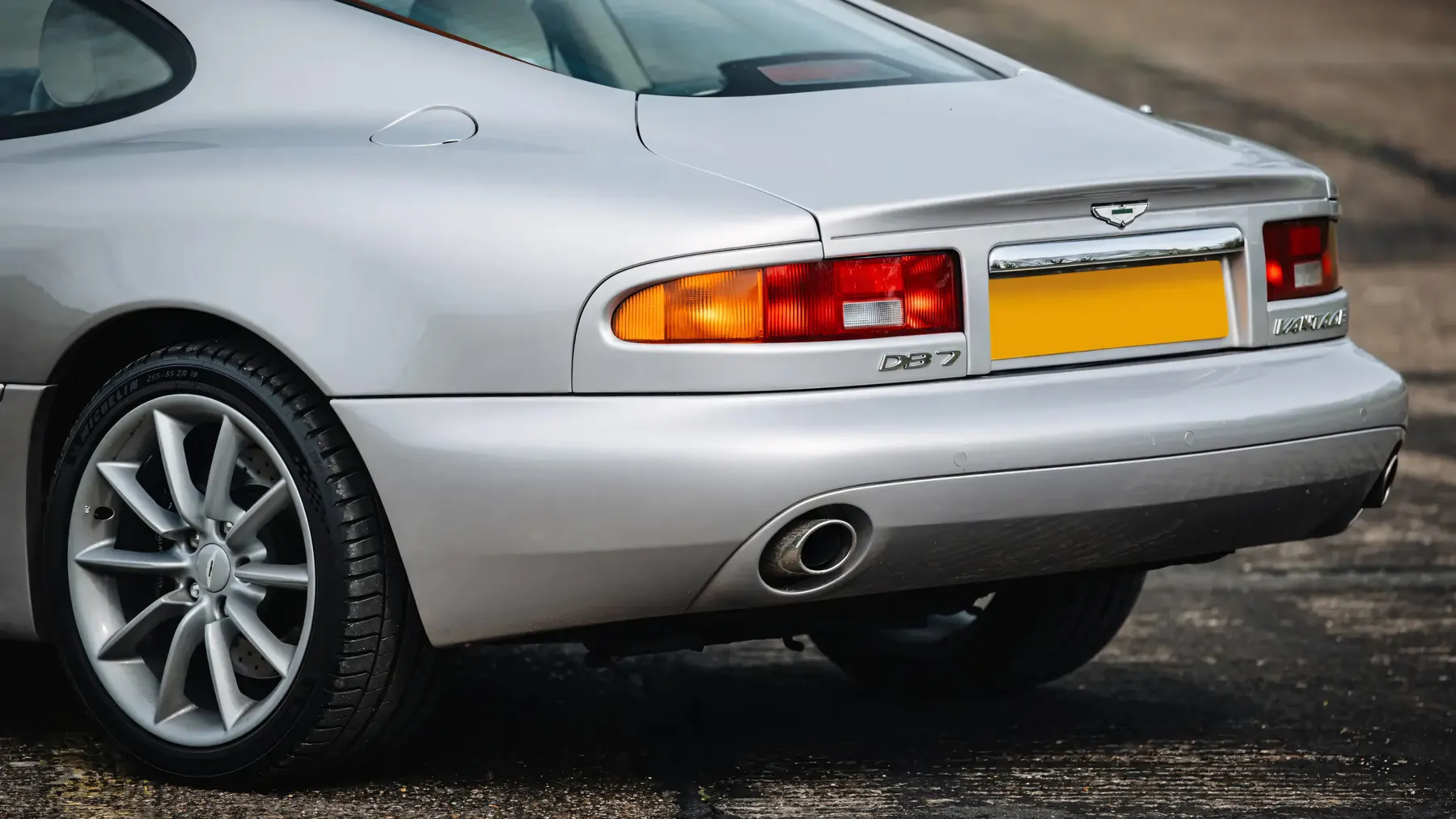
Aston Martin didn’t stop at the coupe. The Volante convertible offered open-air motoring without sacrificing performance or refinement, while special editions like the Jubilee and the rare GT and GTA models added further exclusivity and performance tweaks. Even the so-called “parts-bin” elements - Mazda-sourced rear lights, Ford switches - couldn’t detract from the sense of occasion every time you stepped inside or fired up the V12.
Public reception of the DB7 Vantage was overwhelmingly positive. It was the best-selling Aston Martin of its time, with over 7,000 DB7s produced in total, and more than 4,000 V12-powered Vantages finding homes around the world. Critics and enthusiasts alike praised its blend of performance, beauty, and luxury, and it quickly became a symbol of British automotive resurgence. The DB7 Vantage’s success paved the way for future icons like the DB9 and V8 Vantage, and its design language continues to influence Aston Martins today.
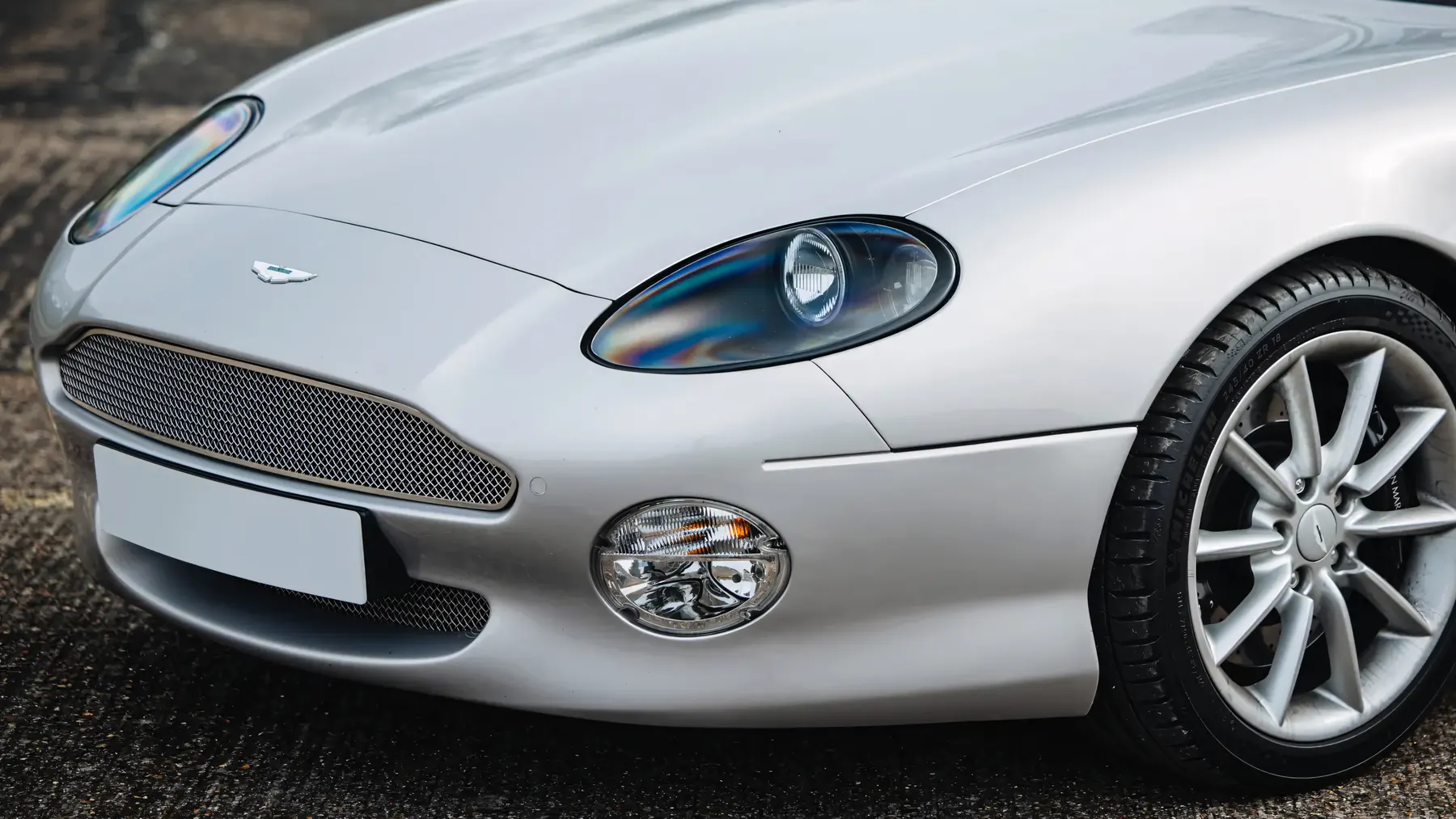
What truly sets the DB7 Vantage apart, though, is its honesty. It’s a car born from collaboration, ingenuity, and a relentless pursuit of excellence. It may have borrowed from Jaguar and Ford, but it did so with style and purpose, elevating those components into something far greater than the sum of their parts. The V12 engine, the hand-crafted interior, the elegant yet aggressive lines - all come together in a package that feels both special and approachable.
For anyone who loves automotive design, the DB7 Vantage is a car to be celebrated. It’s a testament to what can be achieved when passion, creativity, and necessity collide. It’s not just a beautiful car - it’s a pivotal chapter in the Aston Martin story, and one that will always inspire excitement and admiration from those who truly appreciate the art of the automobile.