1927 Rolls-Royce Phantom I Newmarket Convertible Sedan by Brewster
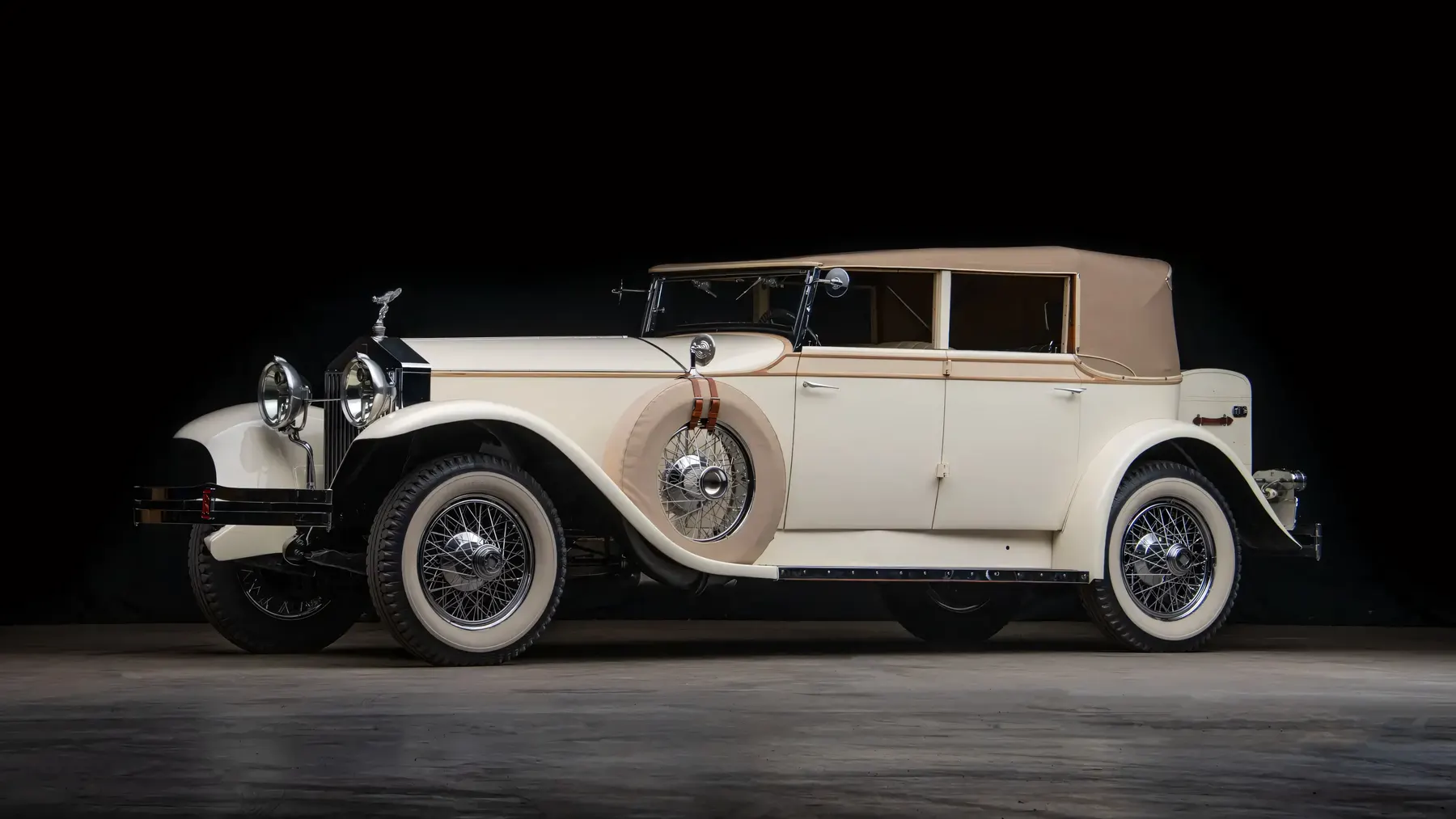
The Rolls-Royce Phantom I Newmarket Convertible Sedan by Brewster stands as a symbol of 1920s luxury, combining sophisticated design, masterful craftsmanship, and reliable engineering. Built on the Springfield, Massachusetts-produced Phantom I chassis, this rare vehicle epitomized exclusivity, with only 67 examples produced.
The Phantom I, introduced in 1925 as the “New Phantom,” replaced the famed Silver Ghost. Rolls-Royce designed the Phantom I with a pushrod overhead-valve inline-6 engine, offering a refined and quiet ride,qualities the brand emphasized by naming the model after “phantoms” to suggest an ethereal and silent presence. While Rolls-Royce manufactured the chassis and drivetrain in both the UK and the US, it was up to coachbuilders to design and fit the bodies, resulting in a highly bespoke experience for each buyer.
In the US, Rolls-Royce-owned Brewster & Co. offered several body styles, including the Newmarket Convertible Sedan. Brewster, one of the era’s most renowned coachbuilders, took inspiration from California-based Murphy for the Newmarket’s sleek design. The Springfield Phantom I chassis, slightly shorter and equipped with a center-change 3-speed transmission, made this American version distinct from its British counterpart.
The Newmarket Convertible Sedan by Brewster boasted an elegant and lightweight appearance uncommon for large convertibles of its time. Key design elements included slim window pillars, large window glass, and a delicate beltline molding. These features gave the car a rakish yet dignified aesthetic that balanced modernity with traditional Rolls-Royce sophistication.
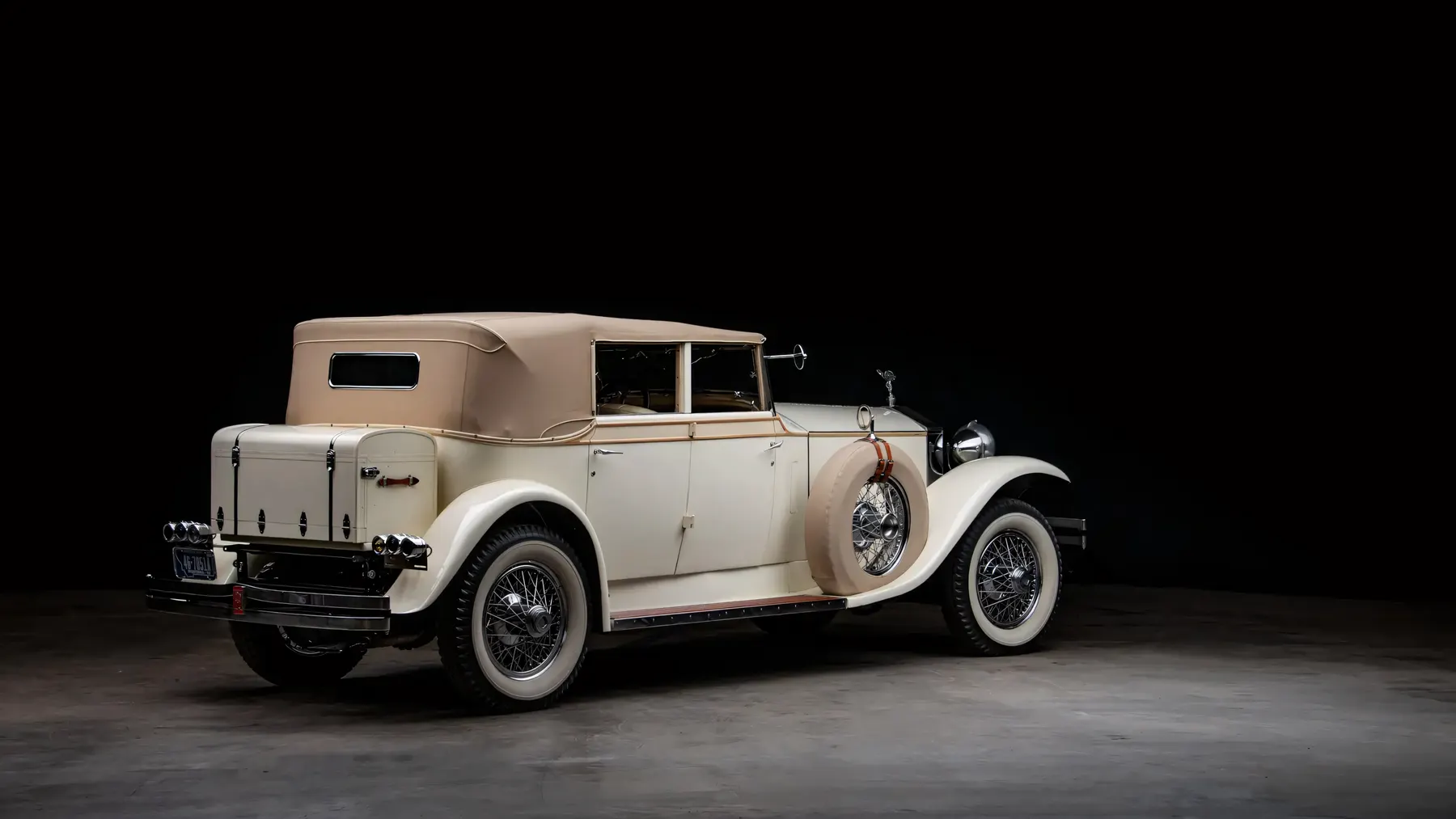
The interior featured luxurious materials like premium leather upholstery, wool carpeting, and finely crafted wood accents. Spacious and comfortable, the cabin catered to the affluent clientele who demanded both style and practicality. Accessories such as chrome wire wheels, dual side-mounted spare tires, and Marchal headlamps added a layer of functionality and glamour.
The Phantom I was equipped with a 7.7-liter inline-6 engine producing “sufficient” power,a term Rolls-Royce deliberately used to emphasize refinement over raw horsepower. The chassis featured semi-elliptical front springs and cantilever rear springs for a smooth ride, while four-wheel servo-assisted brakes, licensed from Hispano-Suiza, provided excellent stopping power for the era.
The Springfield-built models featured slight mechanical differences from their Derby counterparts. For example, the American version employed a centralized Bijur lubrication system for convenience, whereas the British cars required manual oiling of over 50 points. These distinctions underscored the brand’s adaptability to regional preferences.
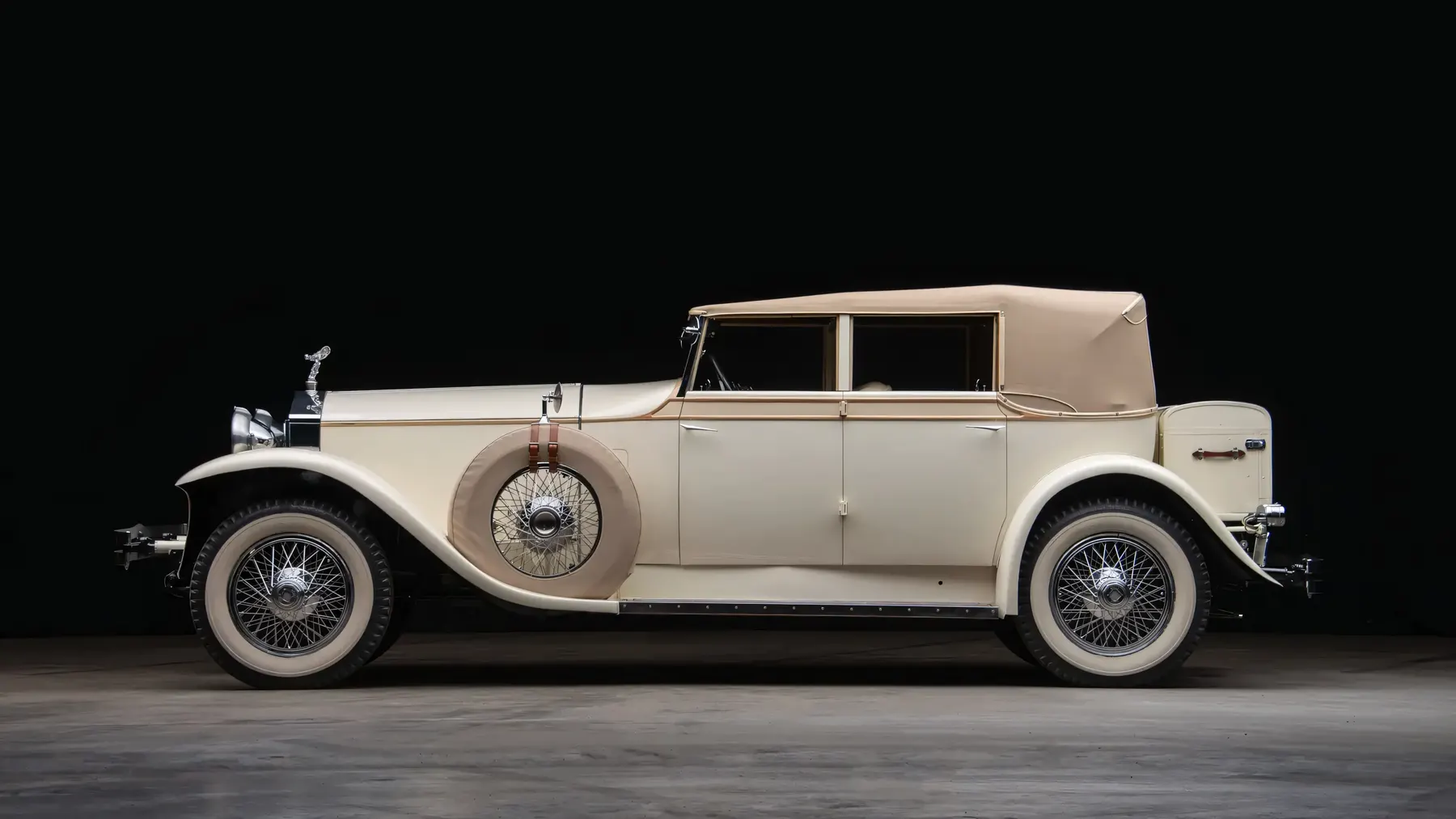
What sets the Newmarket Convertible Sedan apart is its meticulous attention to detail and exclusivity. With just 67 units built, it is a rare example of Brewster’s ability to interpret Rolls-Royce’s ethos through contemporary American design. The thin pillars and expansive windows were innovative for the time, offering an open, airy feeling in the cabin,a departure from the heavy, enclosed designs typical of 1920s luxury cars.
Its ability to combine style with practicality also made the Newmarket unique. The convertible sedan configuration allowed passengers to enjoy open-top motoring while retaining the ability to shelter from inclement weather, making it versatile for various occasions.
The Newmarket Convertible Sedan was celebrated by its affluent buyers and continues to captivate collectors. Its rarity, combined with its elegant design and durable Springfield Phantom I platform, ensures its place as a centerpiece in prominent collections. Restored examples frequently achieve acclaim at prestigious concours events, where they are recognized for their beauty and historical significance.
In the 1920s, the Newmarket Convertible Sedan symbolized a blend of modern innovation and old-world craftsmanship. Today, it stands as a testament to Rolls-Royce’s enduring commitment to luxury and exclusivity, a car that seamlessly merged practicality with timeless elegance. Whether admired on the concours lawn or preserved in a private collection, the Newmarket Convertible Sedan remains a shining example of automotive excellence.