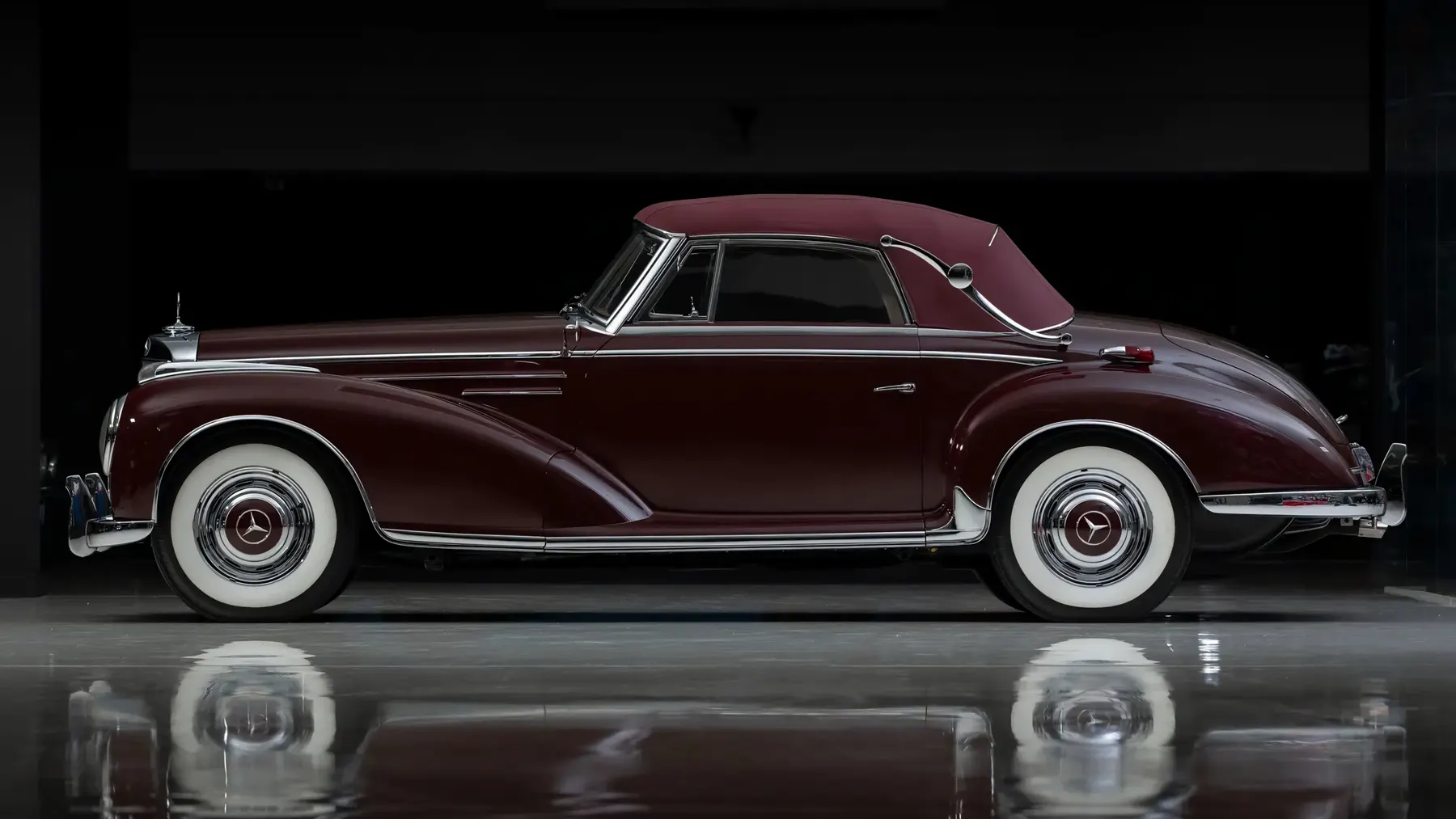
1957 Mercedes-Benz 300 Sc Cabriolet A
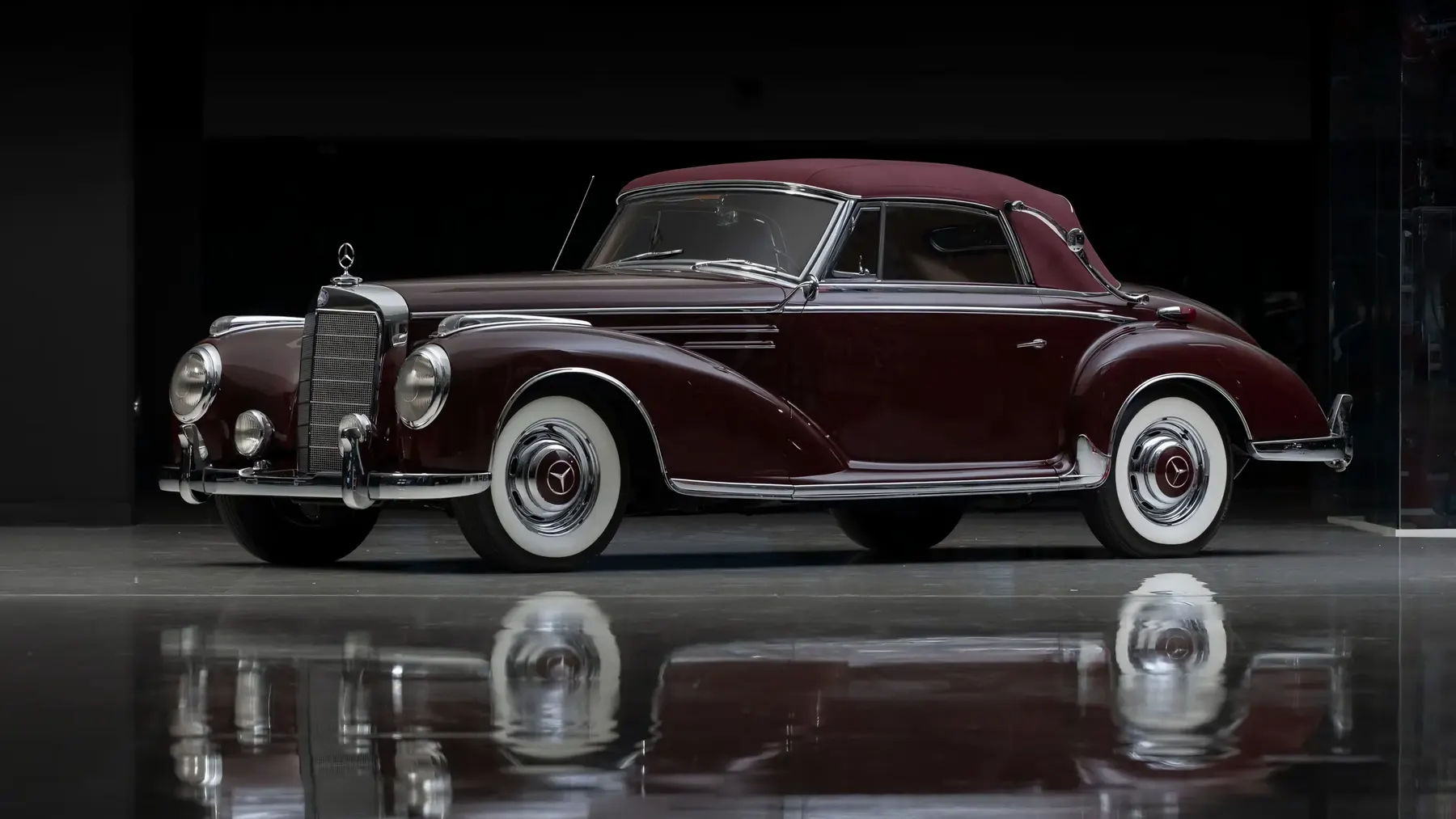
When Mercedes-Benz unveiled the 300 Sc Cabriolet A in 1955, they weren’t just introducing a new luxury convertible, they were creating automotive royalty. This magnificent machine represented the absolute pinnacle of post-war German engineering and craftsmanship, combining breathtaking performance with unparalleled luxury in a way that few automobiles before or since have managed to achieve.
The story of the 300 Sc begins with its predecessor, the 300 S, which debuted at the Paris Motor Show in October 1951. This initial offering established Mercedes-Benz’s return to the ultra-luxury market after World War II, positioned as a particularly representative car with sporting characteristics that met the highest demands regarding roadability and speed. The international motor press immediately recognized its significance, hailing it as the “car of the world elites” and a “model for what can be achieved today in automobile construction”.
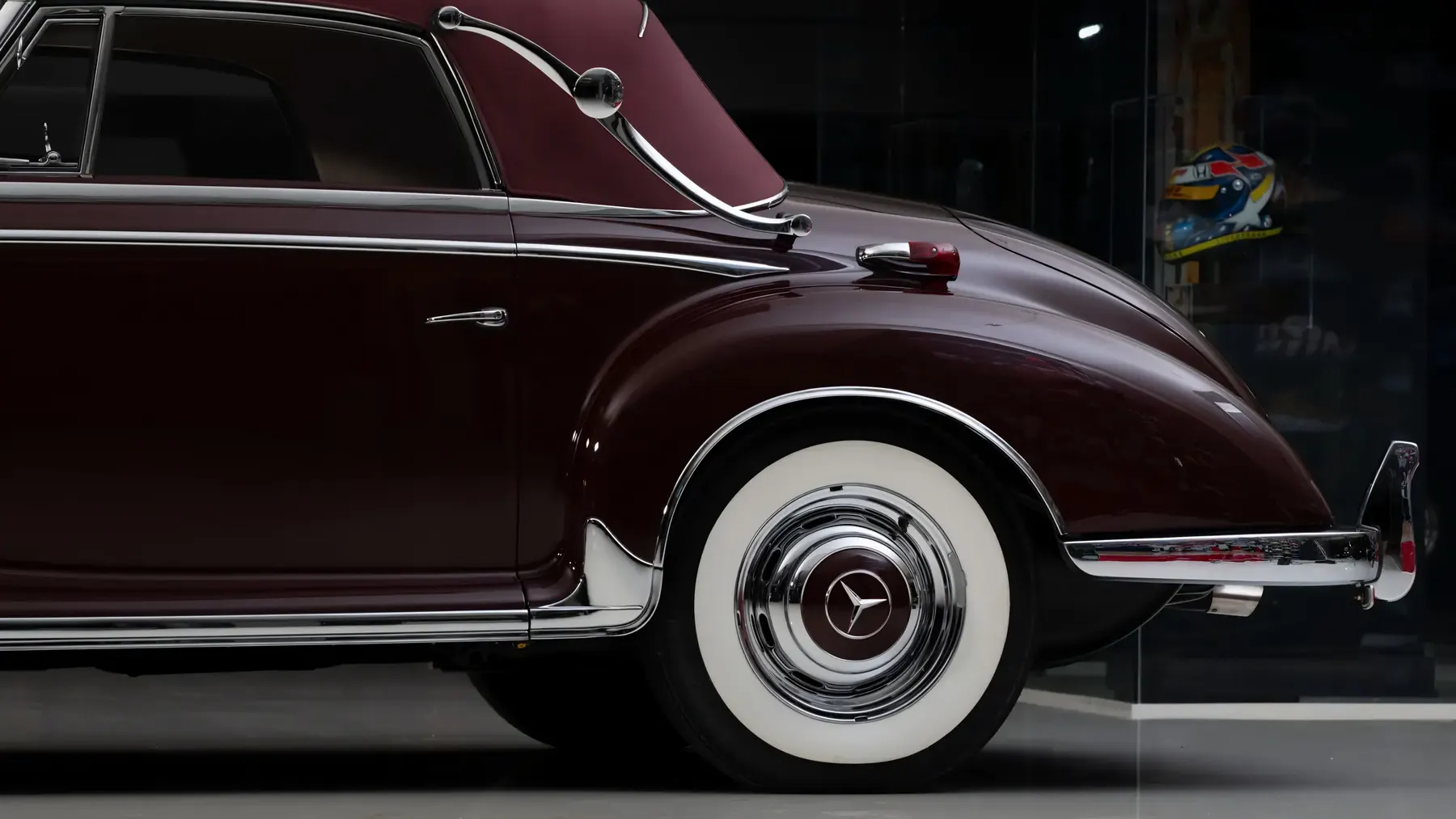
However, Mercedes-Benz was never a company to rest on its laurels. In September 1955, they introduced the significantly improved 300 Sc at the Frankfurt International Motor Show. This ultimate evolution of the W188 platform incorporated crucial technical advancements that transformed an already exceptional automobile into something truly extraordinary.
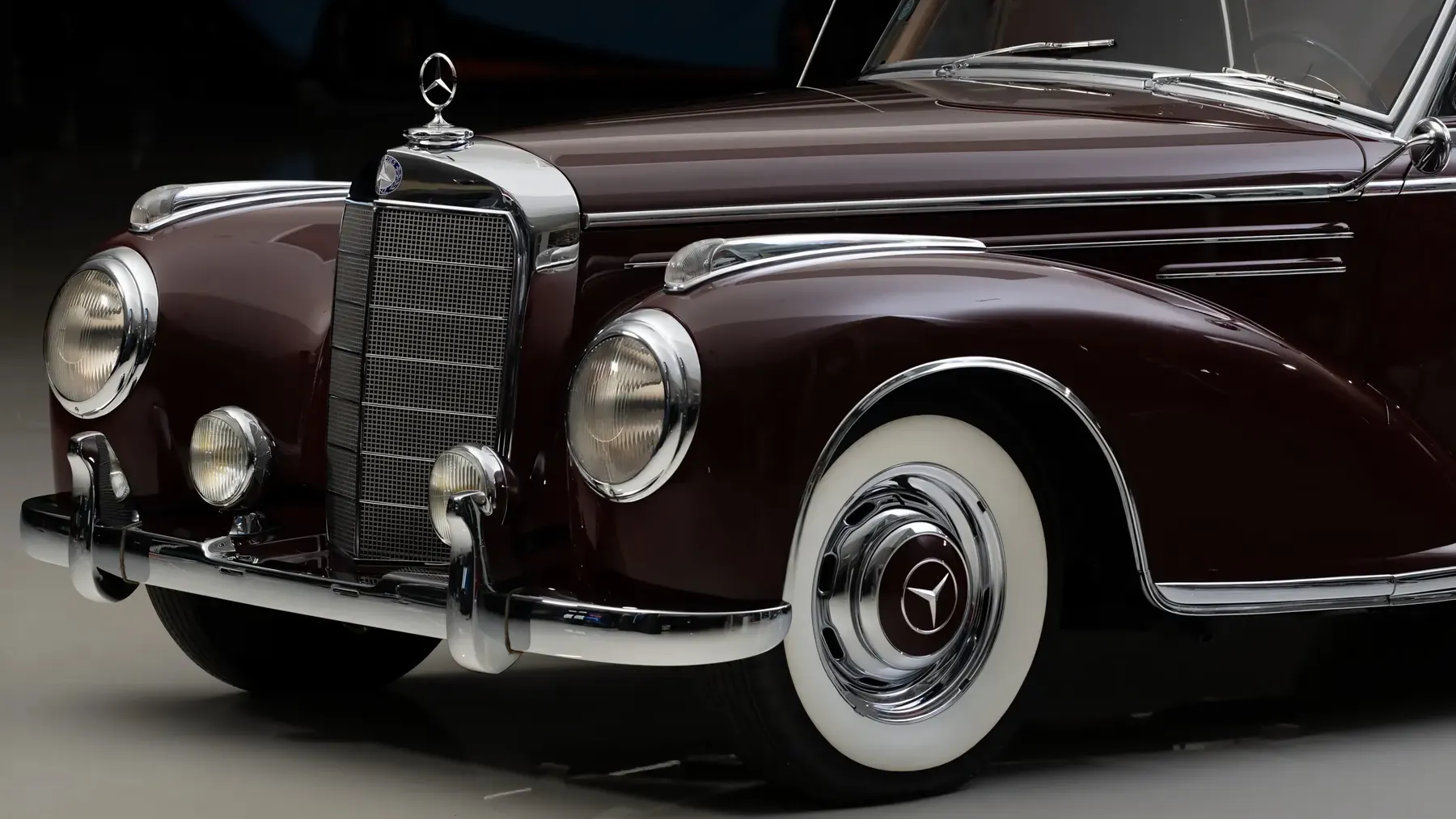
What made the 300 Sc Cabriolet A so special was its remarkable mechanical sophistication. While outwardly maintaining the elegant, conservative styling of its predecessor, beneath its hand-formed body panels lurked technology derived directly from Mercedes’ racing program.
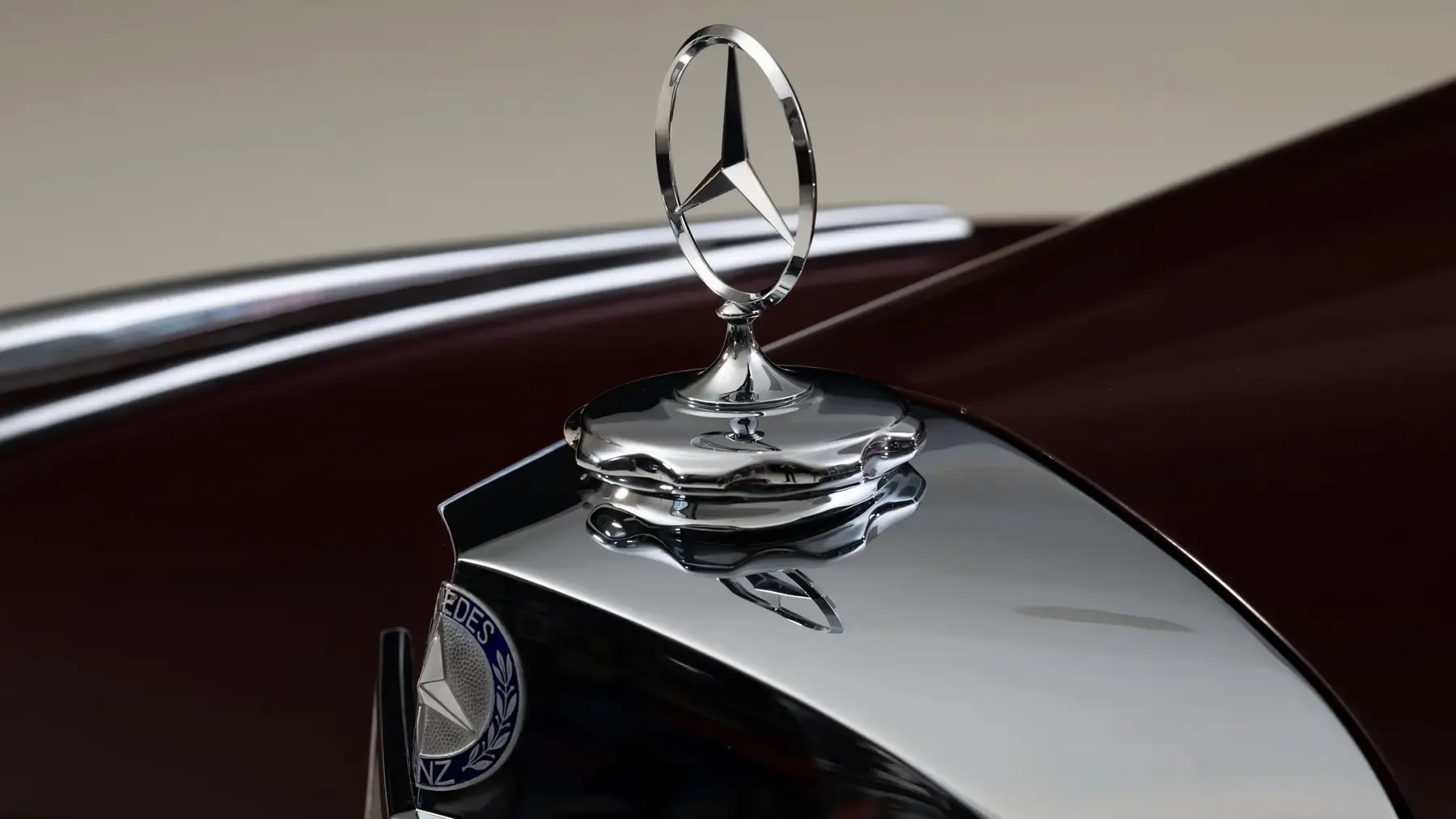
The most significant upgrade was the adoption of Bosch mechanical fuel injection, replacing the triple carburetors of the earlier 300 S. This innovation, shared with the legendary 300 SL “Gullwing”, boosted the 3.0-liter inline-six engine’s output to an impressive 175 horsepower. The dry-sump oiling system further enhanced performance reliability, allowing the engine to maintain proper lubrication even during sustained high-speed driving or cornering.
Engineers also refined the chassis with the implementation of a single-joint “low-pivot” swing axle rear suspension similar to that used in the 300 SL Roadster. This significant improvement enhanced both handling precision and ride comfort, making the 300 Sc as rewarding to drive as it was to behold.
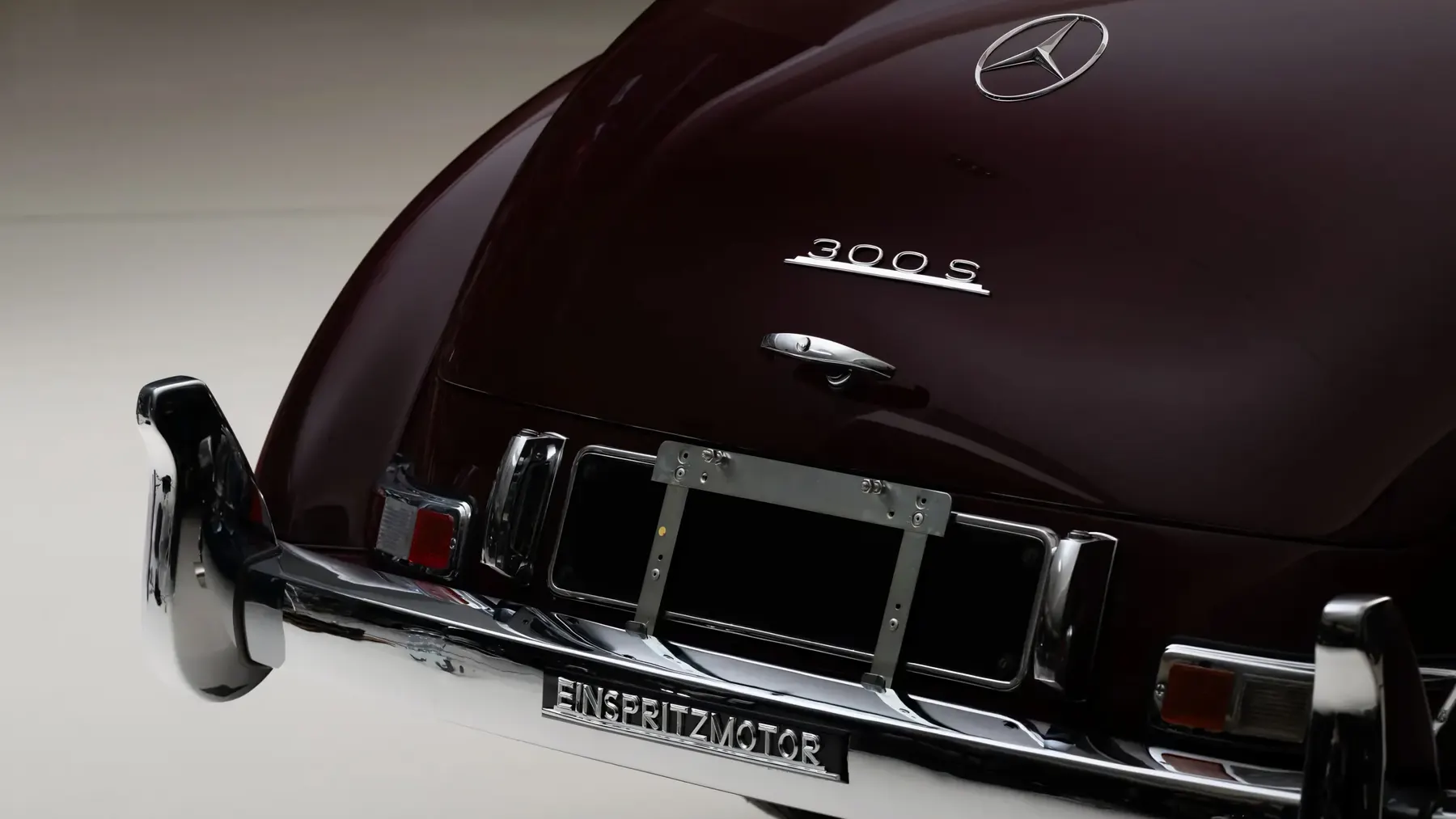
The result was performance that would have been impressive for a dedicated sports car, let alone a luxurious convertible. The 300 Sc could reach a top speed of approximately 180 km/h (112 mph) and accelerate from 0-100 km/h in around 13 seconds. These figures become even more remarkable considering the car’s substantial 1,670 kg curb weight.
What truly set the 300 Sc apart, however, was its uncompromising quality and attention to detail. Each car was painstakingly hand-built by master craftsmen at Mercedes’ Sindelfingen works. Unlike contemporary mass-produced automobiles, these were genuine coachbuilt creations where every component was finished to the highest possible standard.
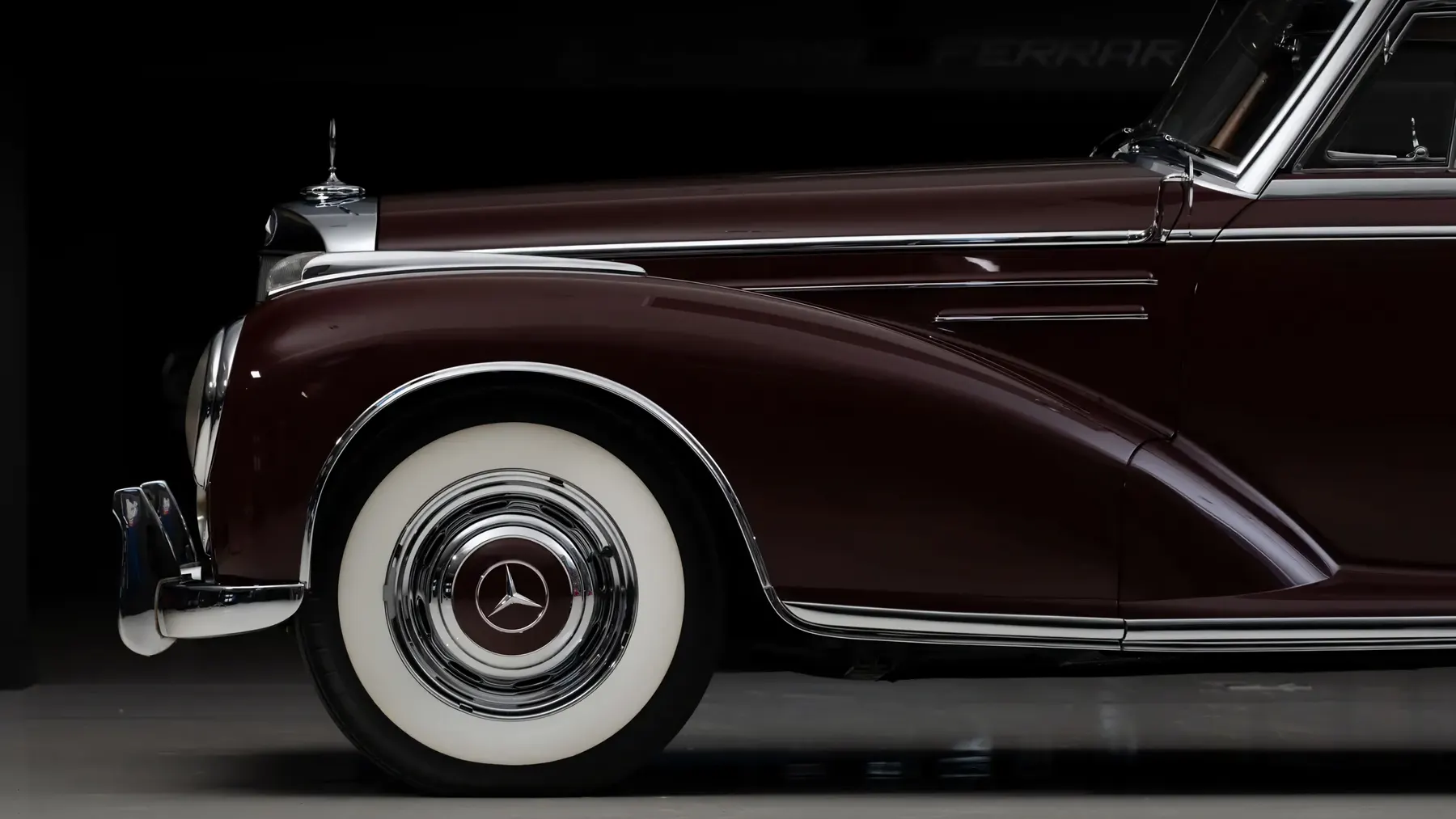
The interior showcased this dedication to excellence. The dashboard featured magnificent polished Carpathian burr elm wood veneers, complemented by instrumentation crafted with jewel-like precision. The sumptuous leather upholstery was of exceptional thickness and quality, stretched over seats of armchair-like depth and comfort. Plush Wilton wool carpeting covered the floors, while a multi-layered convertible top provided superior insulation and refinement.
Even the trunk reflected this commitment to luxury, often housing a full set of fitted personal luggage trimmed in matching leather. Optional equipment included an electric antenna, Becker Le Mans radio with Reims short-wave adapter, and electric windshield washers, all extraordinary features for the mid-1950s.
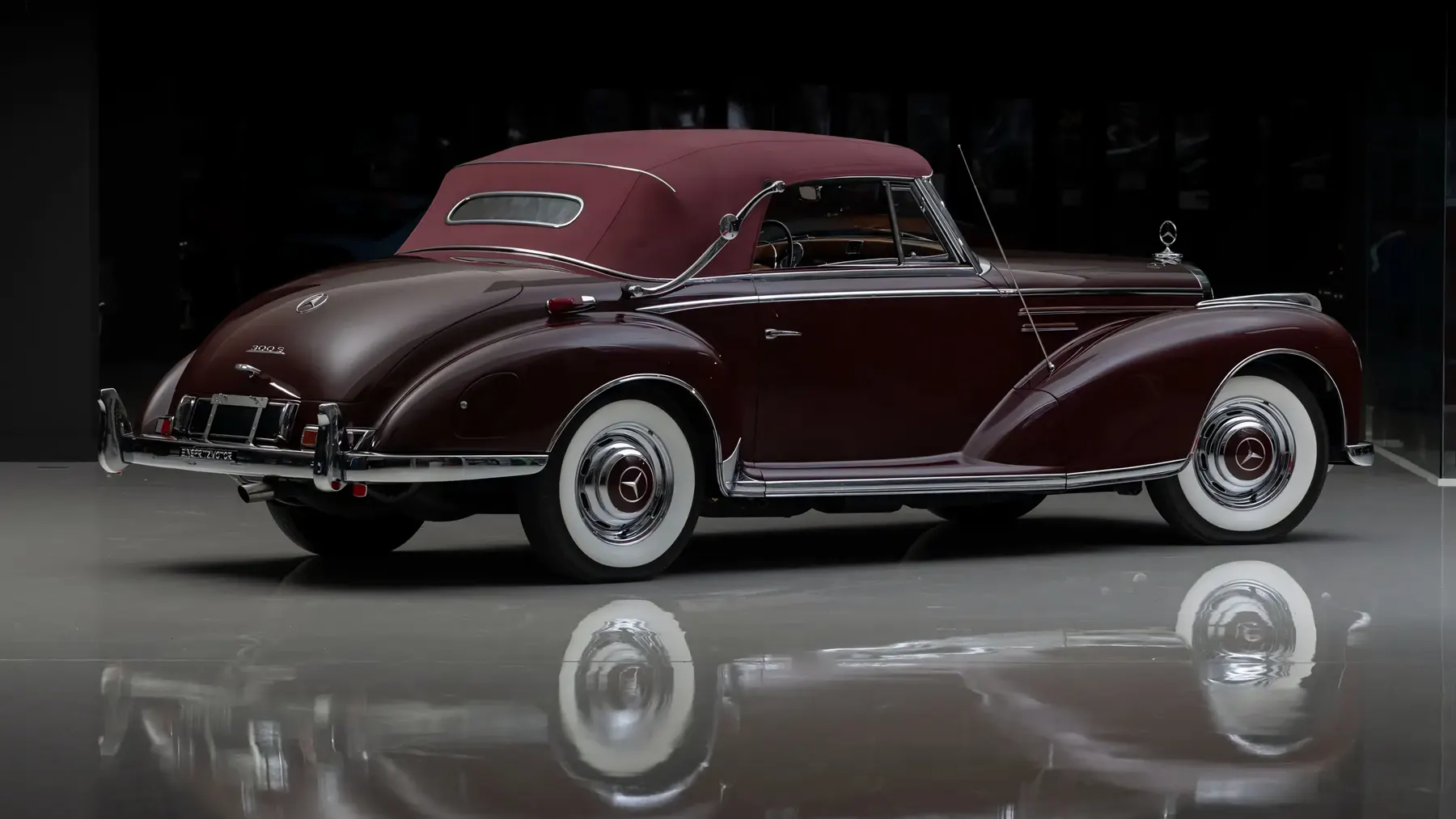
Perhaps what makes the 300 Sc Cabriolet A most special is its extreme rarity. At DM 36,500, it was one of the most expensive automobiles in the world, more costly than even the legendary 300 SL “Gullwing”. This extraordinary price tag limited its appeal to the wealthiest and most discerning clients, including royalty and industrial titans.
Between 1955 and 1958, Mercedes-Benz constructed just 49 examples of the 300 Sc Cabriolet A, making it the rarest of the three available body styles. Production concluded in April 1958, partly due to declining public interest as the more modern and less expensive 300 SL Roadster gained popularity.
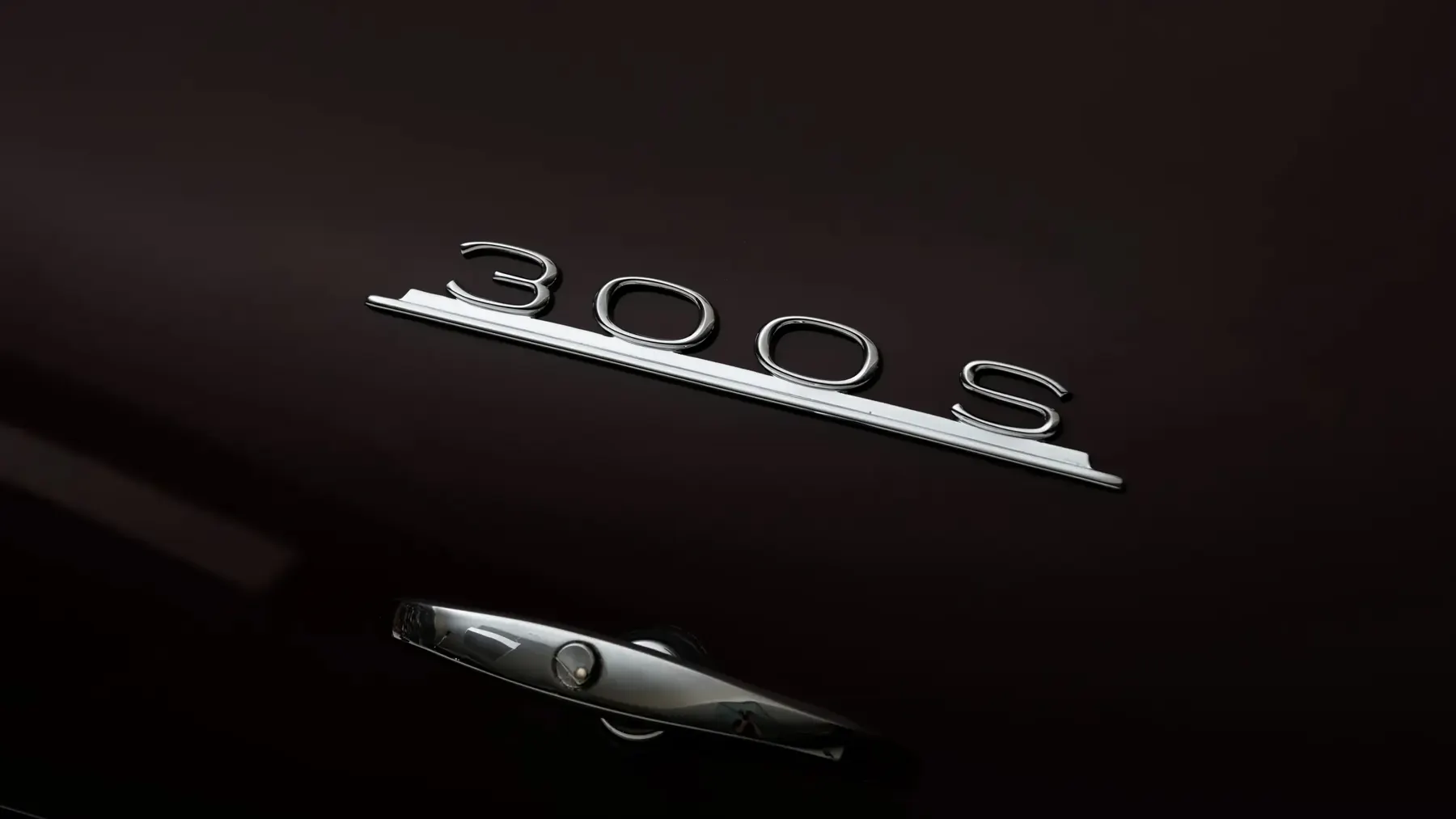
Today, the 300 Sc Cabriolet A stands as one of the most significant and desirable post-war Mercedes-Benz models. It represents the final and finest expression of the company’s traditional coachbuilding expertise before the era of unit-body construction fully took hold.
These extraordinary automobiles are now coveted centerpieces in the world’s most prestigious collections. When they occasionally appear at auction, they command extraordinary sums, a reflection of both their inherent excellence and their historical importance.
Restorations are notoriously expensive and complex, requiring specialized knowledge and access to rare parts. The most respected examples have been restored by renowned Mercedes specialists like Chuck Brahms and Rudi Koniczek, who understand the unique challenges these automobiles present.
The Mercedes-Benz 300 Sc Cabriolet A remains a rolling testament to an era when automotive excellence was defined not by computer-designed efficiency but by human craftsmanship and mechanical artistry. It stands as perhaps the ultimate expression of Mercedes-Benz’s post-war renaissance, a glorious reminder of what can be achieved when engineering brilliance meets unbridled luxury without compromise.