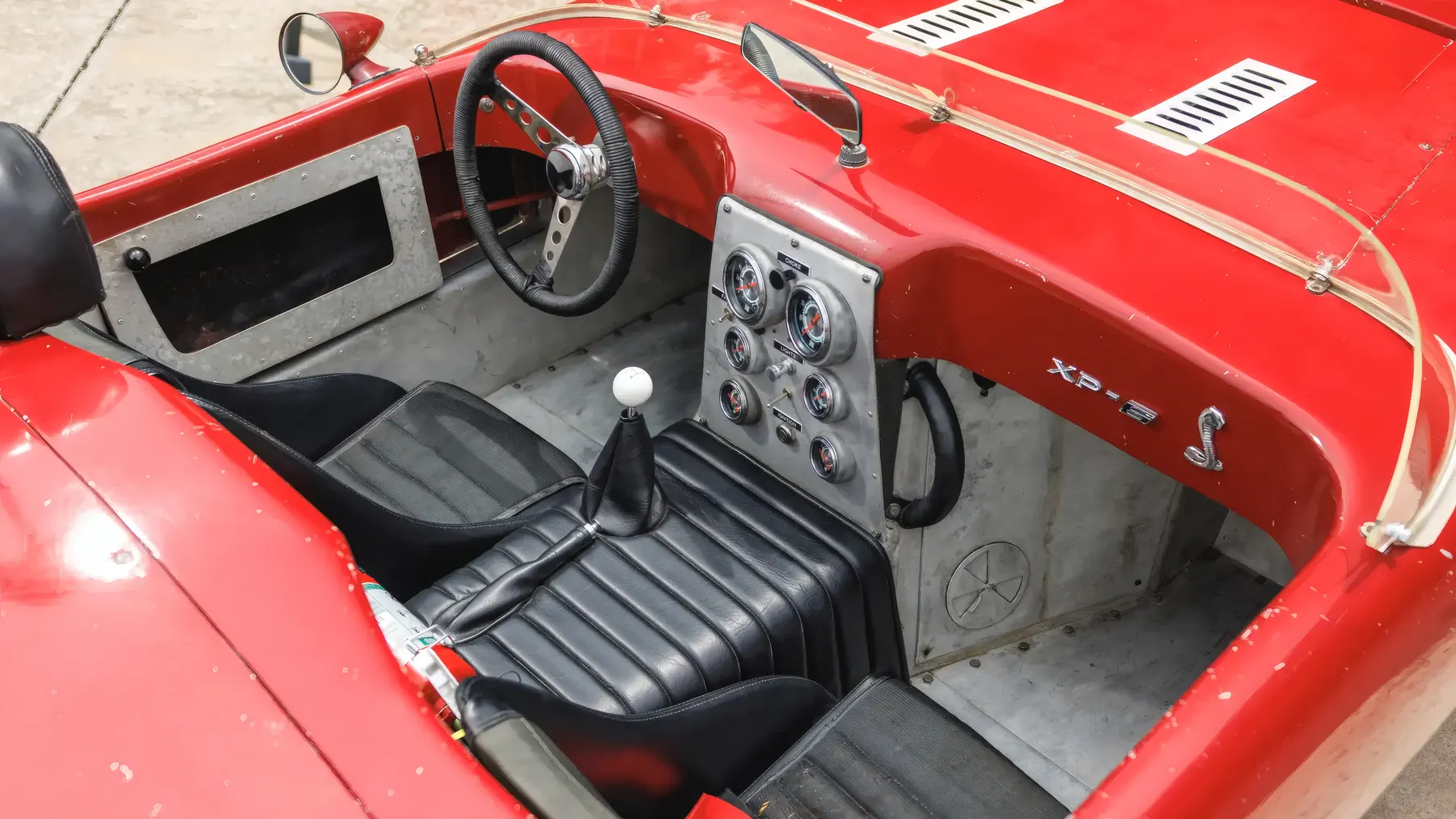
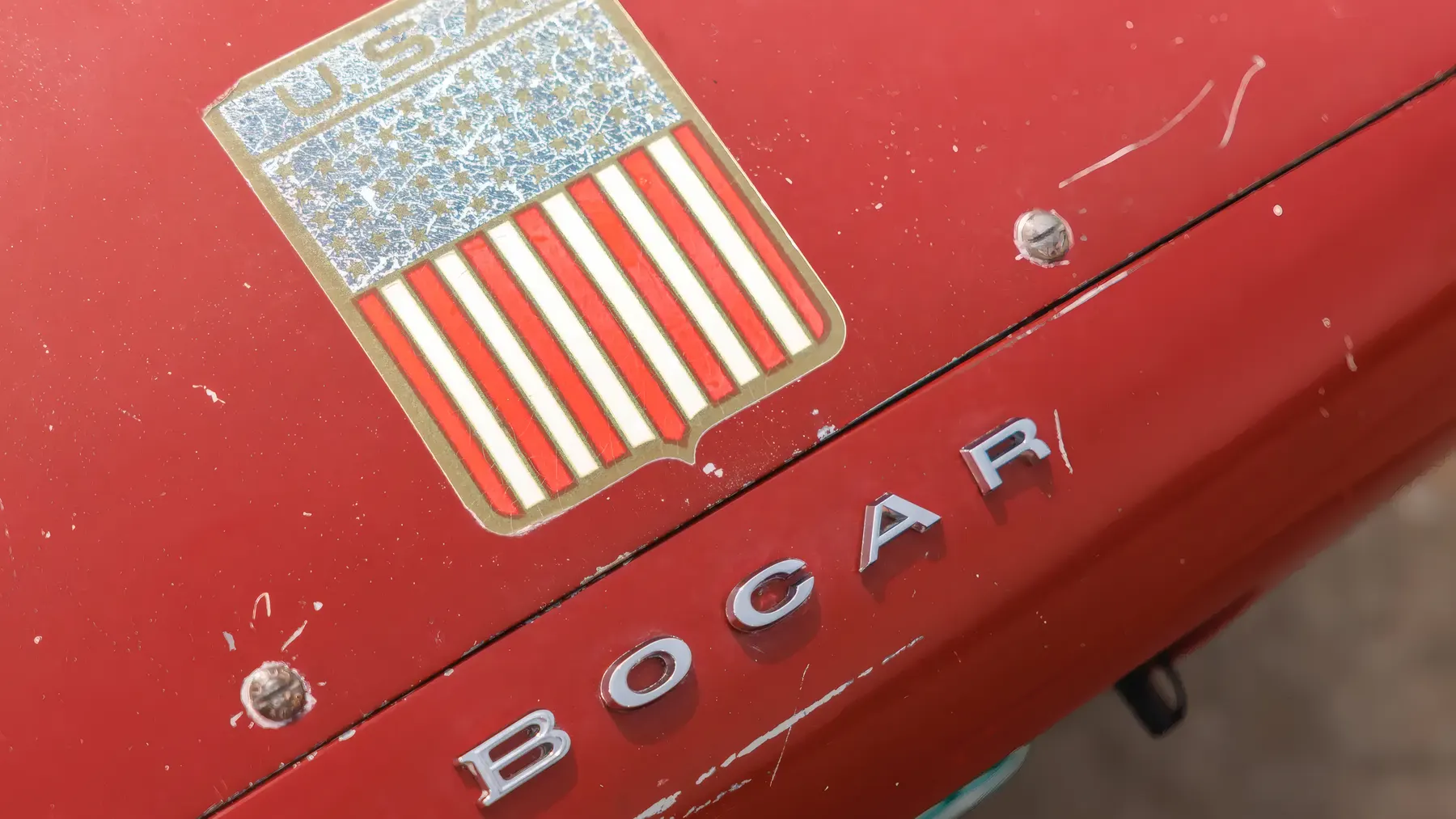
1959 Bocar XP-6
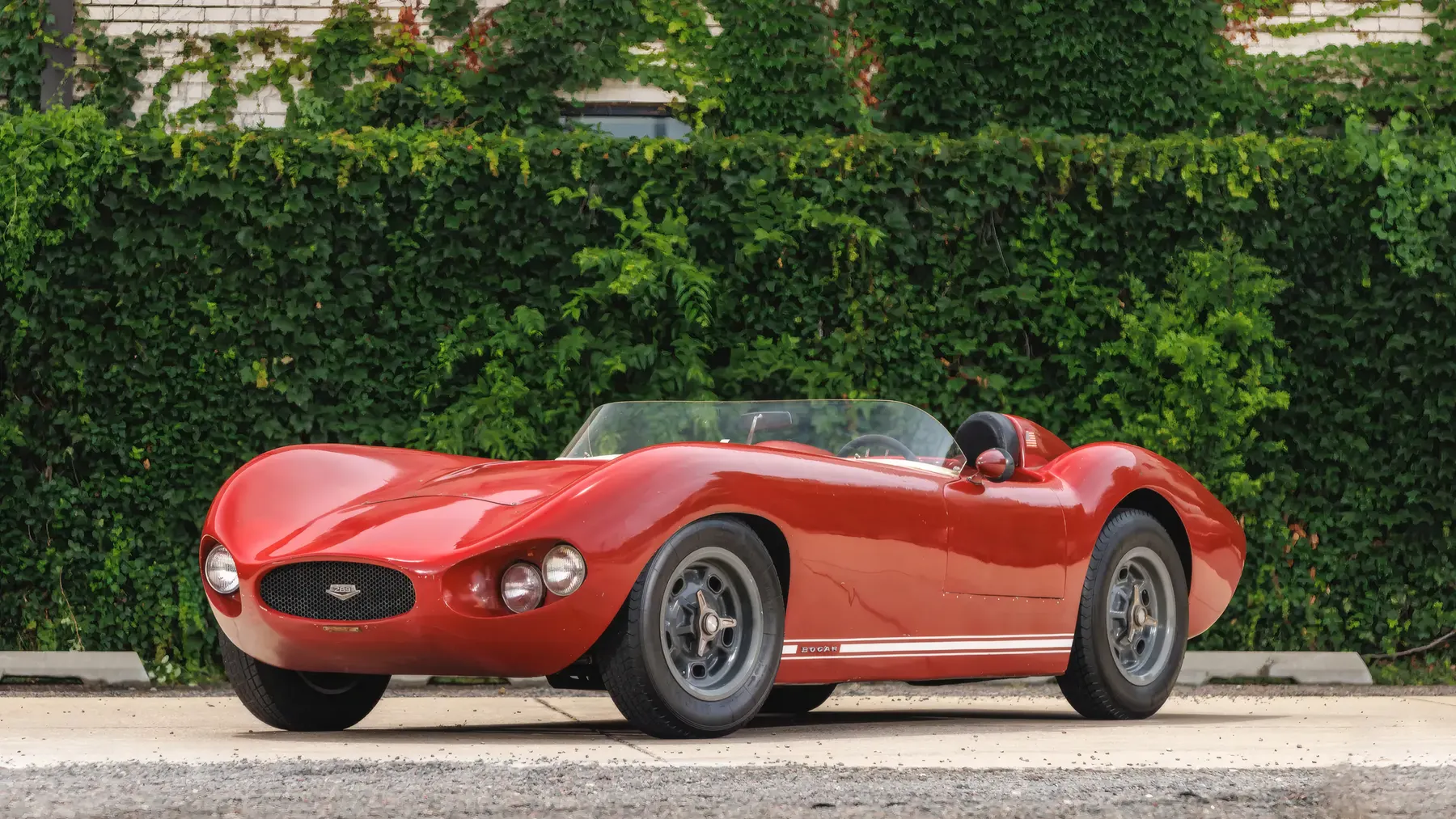
The GMC 4-71 blower sitting naked above the bonnet line, refusing to hide behind any bodywork, tells you everything you need to know about what Bob Carnes was building in a Lakewood, Colorado workshop at the tail end of the 1950s. The Bocar XP-6 was not a car that apologised for its ambitions.
Carnes was a racer-engineer in the truest sense - a man who assembled his company’s name from the first two letters of his own - and the XP-6 represented the most aggressive distillation of everything he had learned building the X-1, XP-4, and XP-5 before it. The Bocar Manufacturing Company, based out of Lakewood, Colorado, produced hand-built roadsters between 1958 and 1961, available in both kit and fully assembled forms, with the majority intended for competition use while remaining nominally road-legal. By the time the XP-6 emerged, Carnes had spent years refining a formula that was fundamentally about lightness, low-slung geometry, and the maximum power a small-block Chevrolet could be made to produce. The XP-6 was where that formula became something genuinely extreme.
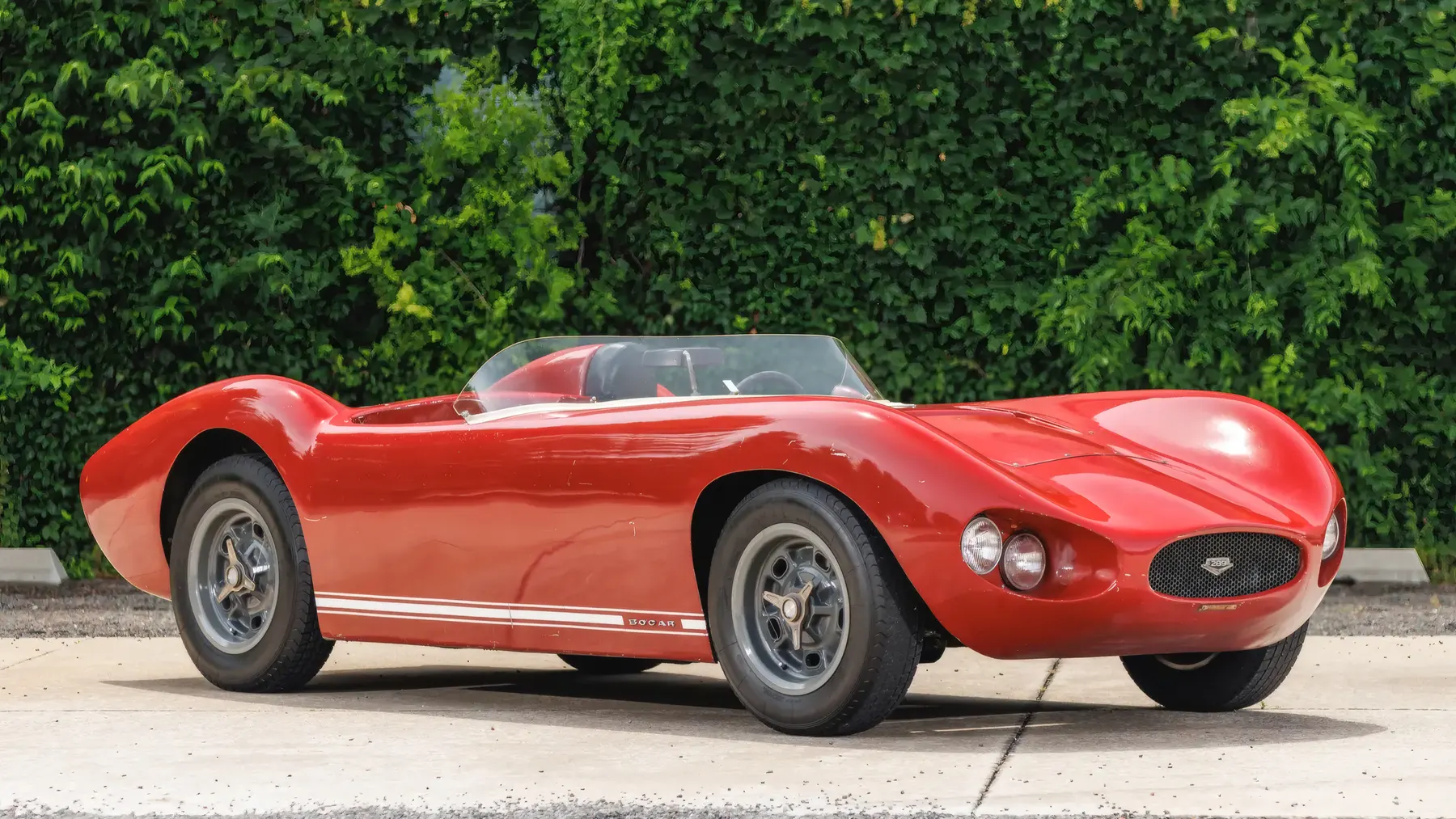
The model sits at a precise and fascinating point in the Bocar lineage. The XP-5 before it had already moved the engine rearward in the frame and offset it 35mm to the right - a deliberate measure to achieve near-perfect lateral balance with a solo driver aboard for racing. The XP-6 kept that asymmetric engine mounting philosophy but expanded the wheelbase to 2,642mm, a 355mm stretch over its predecessor, to physically accommodate the most consequential addition: a crank-driven GMC 4-71 roots-type blower mated to a Corvette fuel injection system, the whole package boosting the small-block Chevrolet V8 to approximately 400 bhp. That combination of Corvette injection and a roots blower was unconventional even by the standards of American hot-rod engineering at the time, and it required a complete rethink of the suspension. The beefed-up setup featured a solid front axle with torsion bars and a live rear axle with torsion bars - muscular, straightforward, and properly engineered to transmit power to the road rather than tie itself in knots.
The body, like all Bocars, was formed from lightweight fiberglass and draped low over a tubular space frame chassis - a construction philosophy that was very much in step with the contemporary European sports-racing idiom, if executed with distinctly American ingredients. The roadster proportions were, by most contemporary accounts, genuinely well-resolved: compact without being cramped, purposeful without the awkward bulk that afflicted many American specials of the era. The engine placement, pushed so far back that the Chevy block nestled close to the occupants’ knees, gave the car an unusually low polar moment of inertia and contributed to the front-biassed weight distribution that Carnes had been chasing since the XP-4.
Driving the XP-6 was, by all accounts, an experience that demanded and rewarded commitment. Karl Ludvigsen, then editor of Sports Cars Illustrated, road-tested the car in early 1960 and described it with a line that has stuck to the model ever since: “This Bocar hurls itself forward with an effortless violence at any speed and in any gear. It just doesn’t care.” He was given time on street, drag strip, and road course, and came away calling it quick, stable, and - in a phrase almost more remarkable than any performance figure - over-engineered for a car produced in such vanishingly small numbers. Ludvigsen also noted the less glamorous reality of driving something with its engine in your lap: the cockpit walls heated up significantly once the engine reached operating temperature, partly mitigated by aluminium heat-reflective panels along the engine flanks, but never fully solved. It was the kind of compromise you accepted because the performance on offer made it feel like a reasonable trade.
The XP-6’s genuine innovation lay in that supercharged drivetrain and the deliberate weight-distribution engineering that underpinned it. At a time when most American sports-car specials were simply Chevrolet engines dropped into whatever chassis was handy, Carnes was thinking carefully about polar moments, lateral balance, and the relationship between power delivery and chassis dynamics. The offset engine mount - 35mm right of centre - is the kind of detail that a factory engineer might obsess over and a backyard builder would never bother with. That Carnes bothered speaks to both his competence and his seriousness as a constructor.
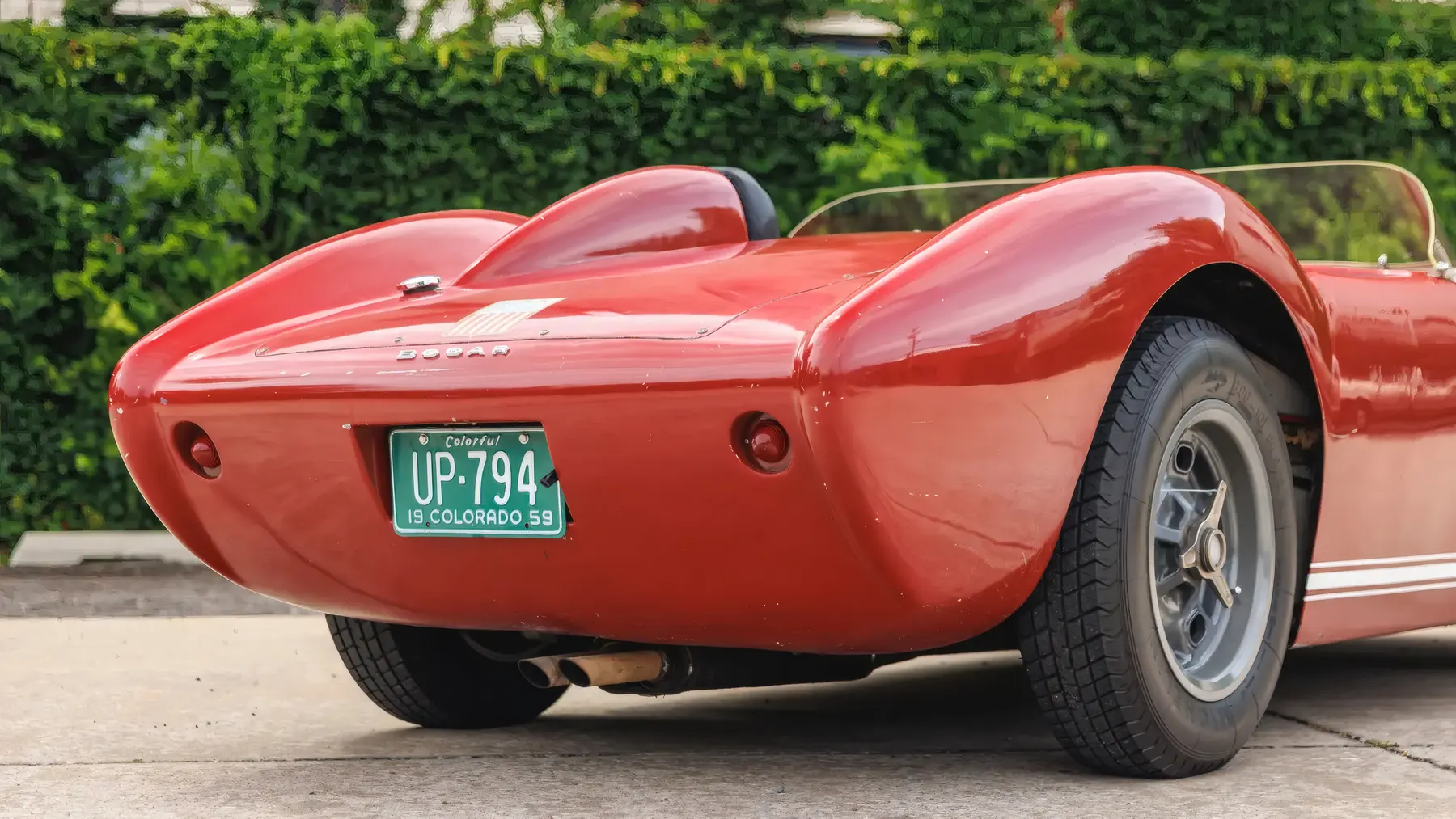
The drawbacks were real, though. Production of the XP-6 was extraordinarily limited - sources suggest possibly a single example was built, making it less a model in the conventional sense and more a singular statement of intent by Carnes himself. At a price point that would reach nearly the equivalent of $9,000 for the subsequent XP-7, the Bocar lineup was never going to challenge Chevrolet’s own Corvette for volume, and the XP-6’s supercharged complexity would have made even that boutique price feel optimistic for most buyers. The heating issue in the cockpit was never engineered out properly, and the car’s national profile remained stubbornly low despite Ludvigsen’s enthusiastic coverage - partly because Bocar simply lacked the marketing machinery to convert press goodwill into orders.
Carnes had raced his earlier models at the Pikes Peak Hill Climb with genuine competitiveness, and the Bocar name carried real credibility in the Colorado sports-car scene. But the XP-6’s impact on the wider American sports-car story was limited not by its ability but by its obscurity. The January 1960 issue of Sports Cars Illustrated that featured Ludvigsen’s test is today one of the primary documents through which enthusiasts encounter the model at all - a magazine article as the principal record of a car that deserved more attention than it ever received.
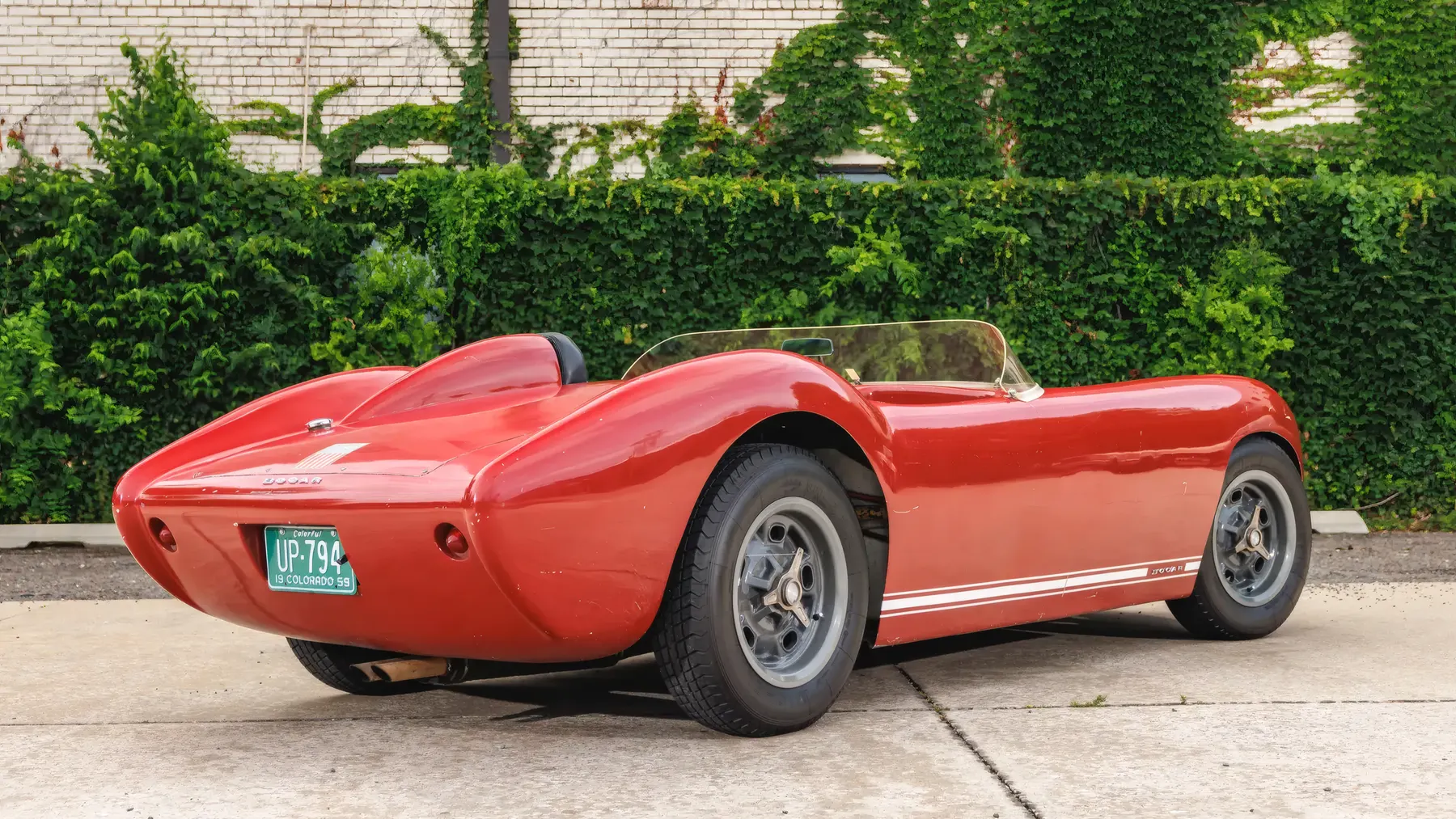
The XP-7 that followed was virtually identical to the XP-6 mechanically but dropped the supercharger for a naturally aspirated configuration - a concession, perhaps, to either build complexity or the realities of customer preference. The supercharged XP-7R variant brought the blower back, completing a loop that made the XP-6 feel in retrospect less like a dead end and more like a proof-of-concept that Carnes himself couldn’t quite leave behind.
What the XP-6 ultimately represents is a specific strain of American automotive ambition that existed briefly in the gap between the hot-rod era and the arrival of factory muscle cars - a moment when a single intelligent, driven individual could build something genuinely fast and genuinely engineered from a Colorado workshop, and have a respected national journalist call it “the fastest, safest sports car in the world” with a straight face. Carnes never got rich from it. Bocar never became a household name. But the XP-6 made its point with 400 bhp, a naked blower, and an engine offset 35mm from centre - and the point still lands.