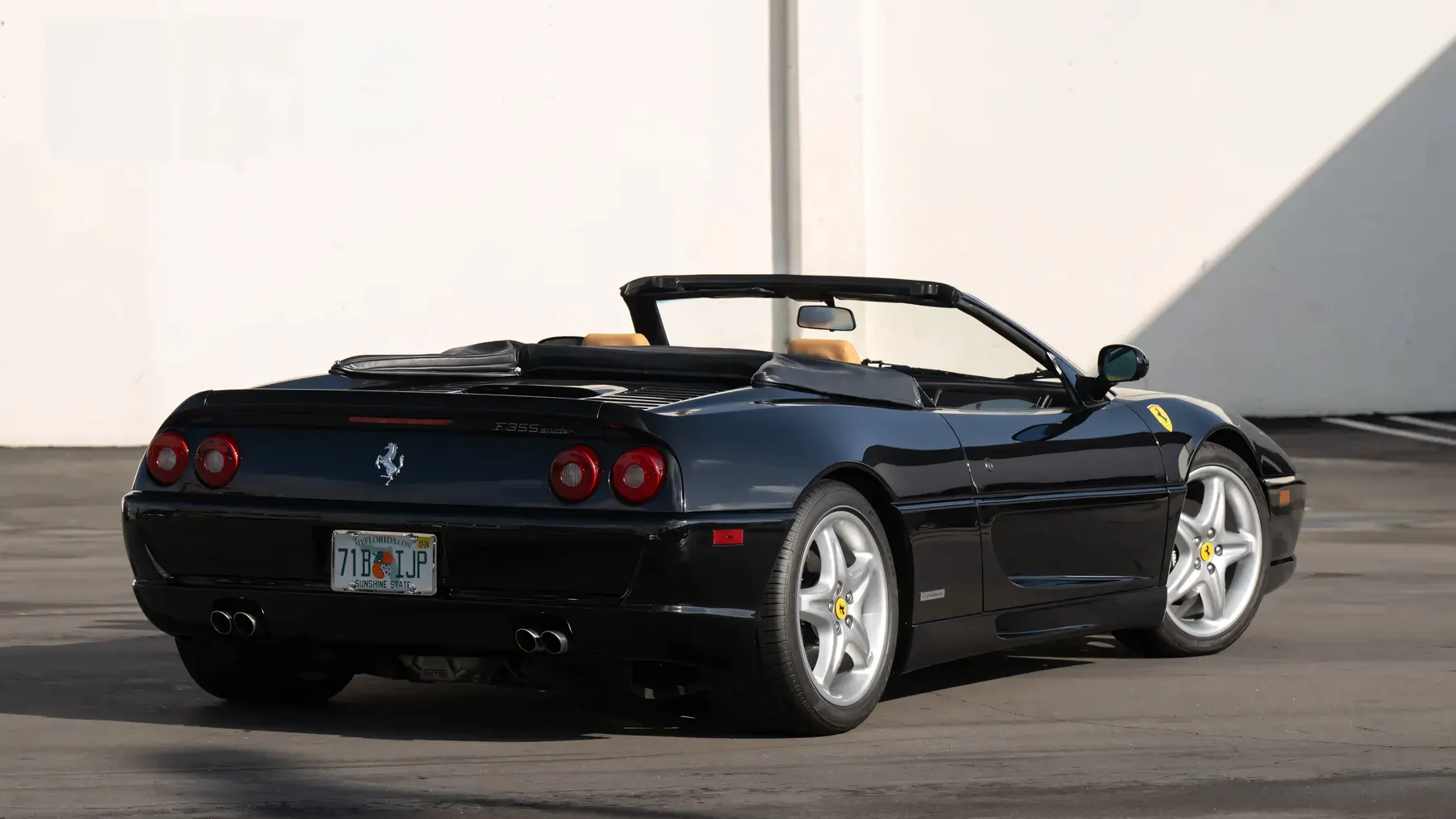
1995 Ferrari F355 Spider
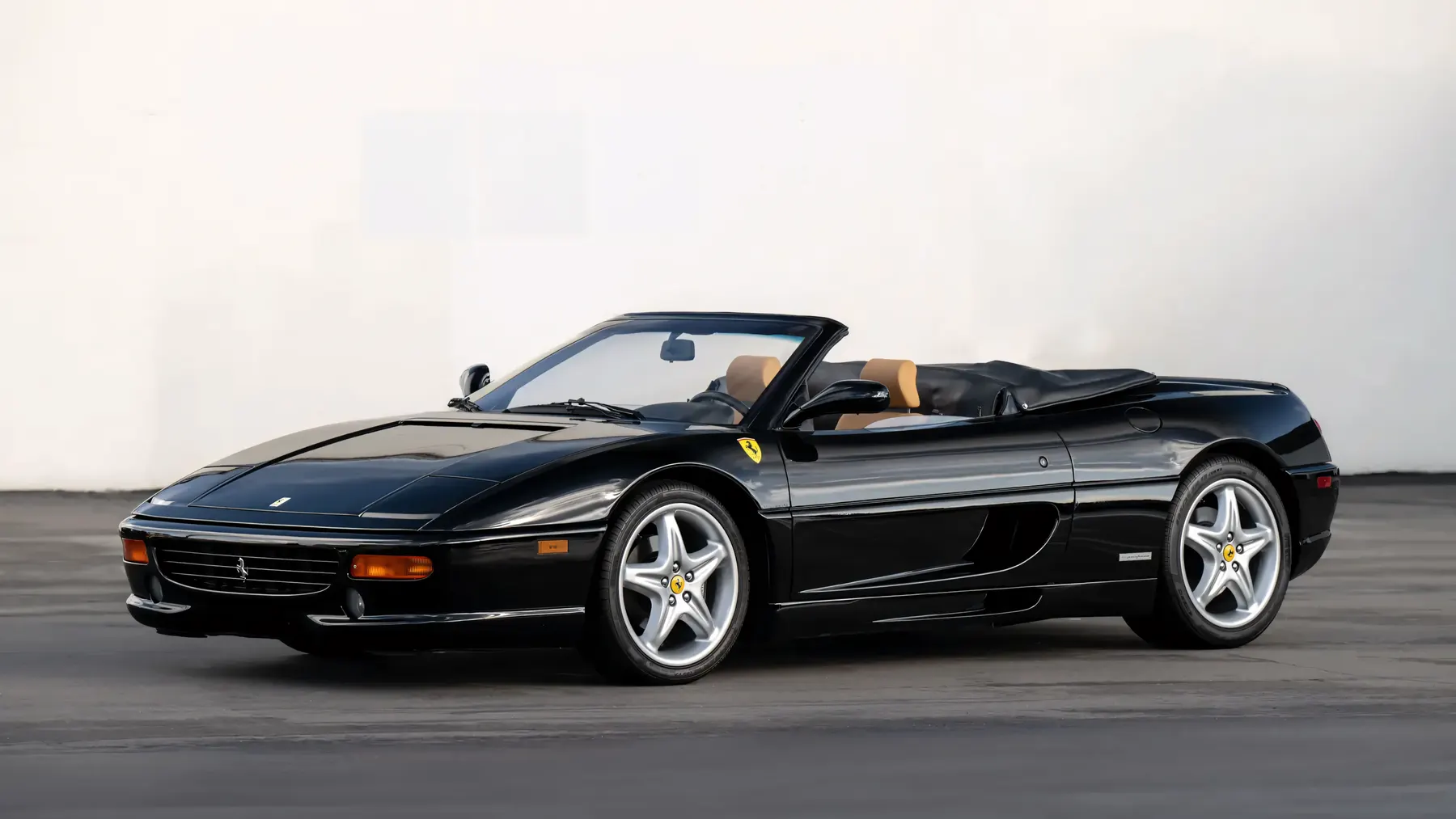
The Ferrari F355 Spider stands as a hallmark of automotive excellence, embodying the spirit of Ferrari’s dedication to crafting both beauty and performance. Introduced in 1995, a year after the F355 Berlinetta debuted, the Spider brought open-air driving into the realm of supercar performance, elevating Ferrari’s legacy in convertible design.
Penned by the famed Pininfarina, the F355 Spider’s design is the result of 1,800 hours of meticulous wind tunnel testing. Its sleek, flowing lines combined elegance with aerodynamic efficiency, achieving a balance that was both striking and functional. A notable feature was the Spider’s electronically operated soft-top,the first time such innovation graced a Ferrari convertible. With the press of a button, drivers could effortlessly transition between closed-cabin refinement and open-sky exhilaration, cementing the Spider’s status as a true grand tourer.
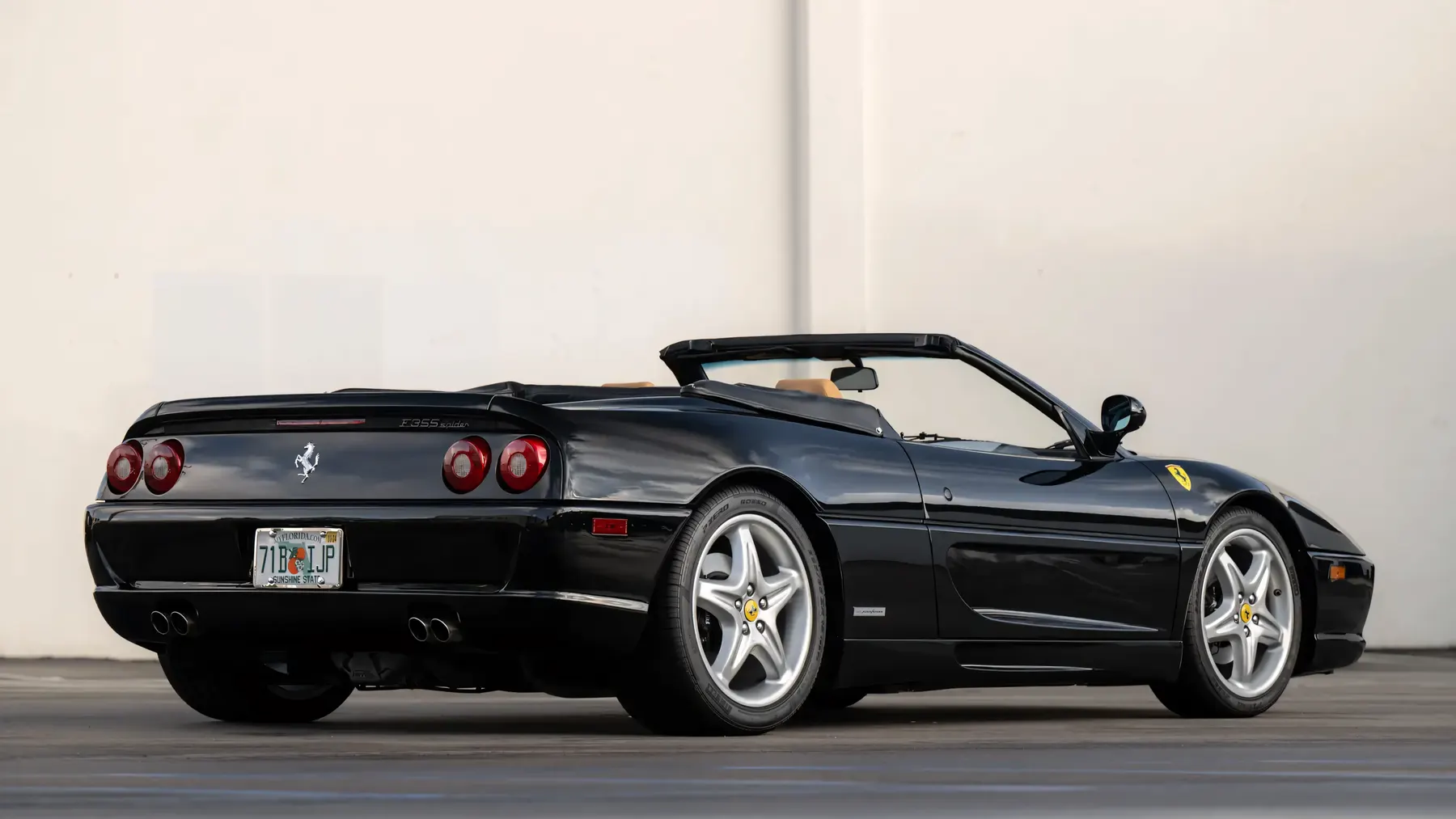
The interior upheld Ferrari’s tradition of bespoke craftsmanship, with Connolly leather upholstery adorning the asymmetrically positioned seats. This subtle detail ensured the driver sat closer to the car’s centerline, prioritizing driving ergonomics. The gated six-speed shifter, a hallmark of Ferrari’s manual transmission models, added to the car’s tactile driving experience.
At the heart of the F355 Spider lay a 3.5-liter, 90-degree V8 engine, derived from Ferrari’s Formula One expertise. This powerplant featured an advanced 5-valve-per-cylinder configuration, a first for the marque, which maximized airflow and efficiency. Generating 375 horsepower at a screaming 8,250 rpm and 363 Nm of torque, the Spider offered a thrilling mix of high-revving excitement and robust mid-range pull.
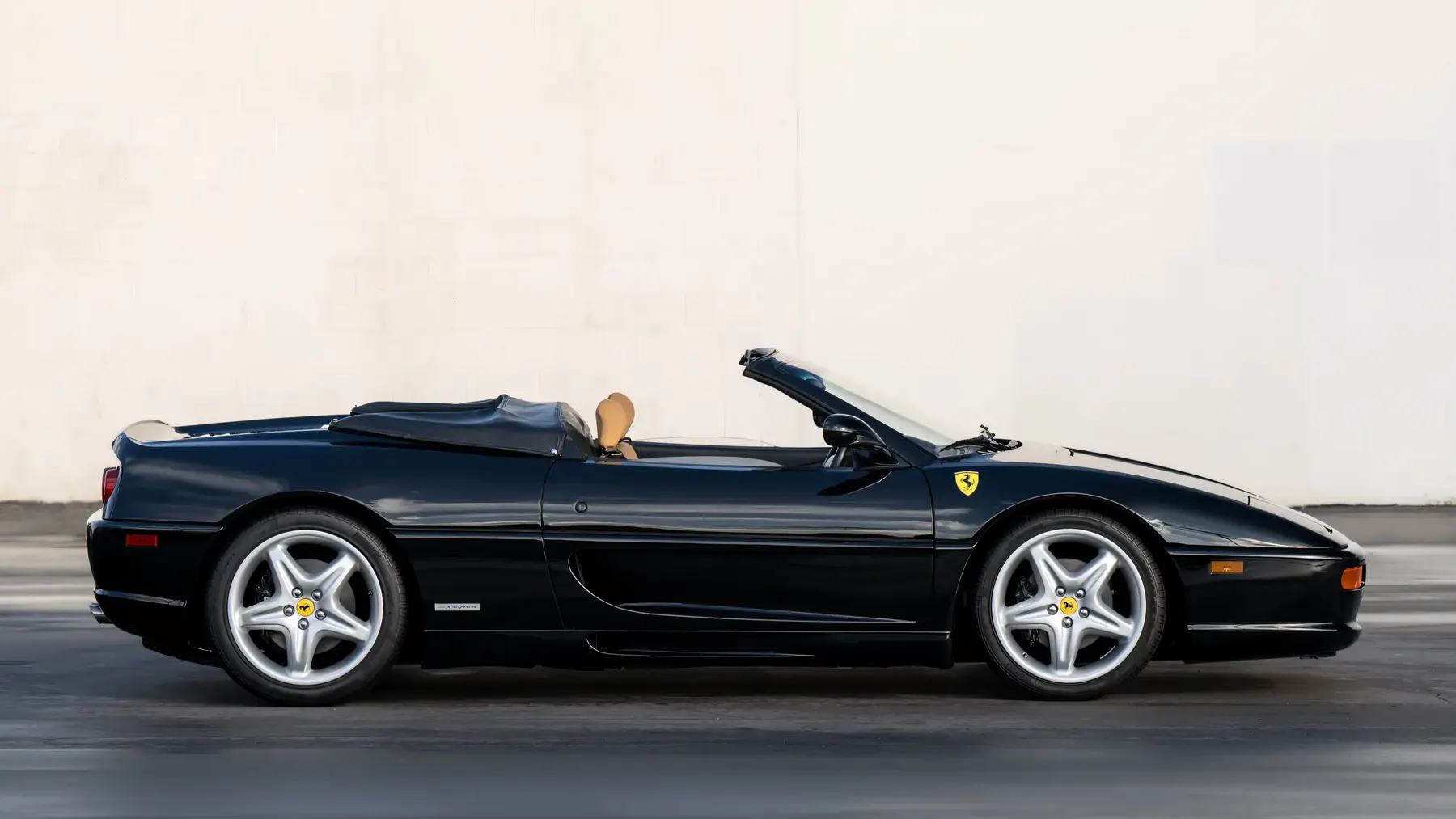
The Spider could accelerate from 0 to 60 mph in a brisk 4.7 seconds and reach a top speed of 183 mph. These figures, combined with Ferrari’s precise power-assisted steering and electronically adjustable dampers, ensured the Spider performed as brilliantly on winding roads as it did on straightaways.
Buyers could choose between the traditional six-speed manual transmission with its iconic gated shifter or the optional F1-style paddle-shift transmission, introduced in 1997. This marked the debut of Ferrari’s automated manual gearbox, a system that would evolve into a signature feature of the brand.
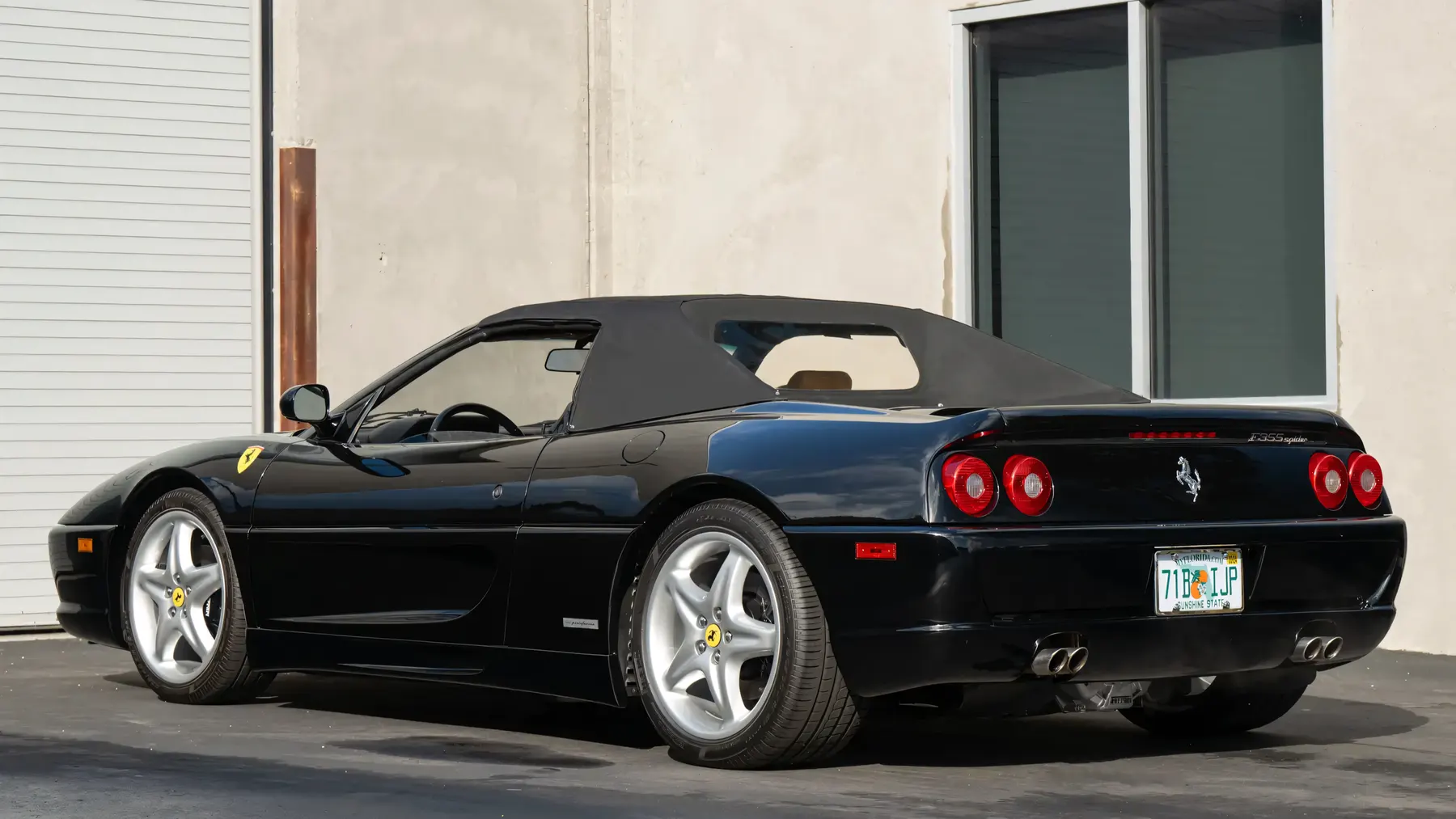
The F355 Spider’s semi-monocoque steel chassis, reinforced with tubular subframes, ensured rigidity without compromising its convertible design. Suspension upgrades allowed drivers to toggle between “Comfort” and “Sport” modes, adapting the car’s handling to varying road conditions. Aerodynamically, the car featured a subtle nolder profile on the tail and an underbody fairing, generating downforce that enhanced stability at high speeds.
The staggered 18-inch Pirelli tires, paired with this sophisticated chassis and suspension system, provided exceptional grip and responsiveness.
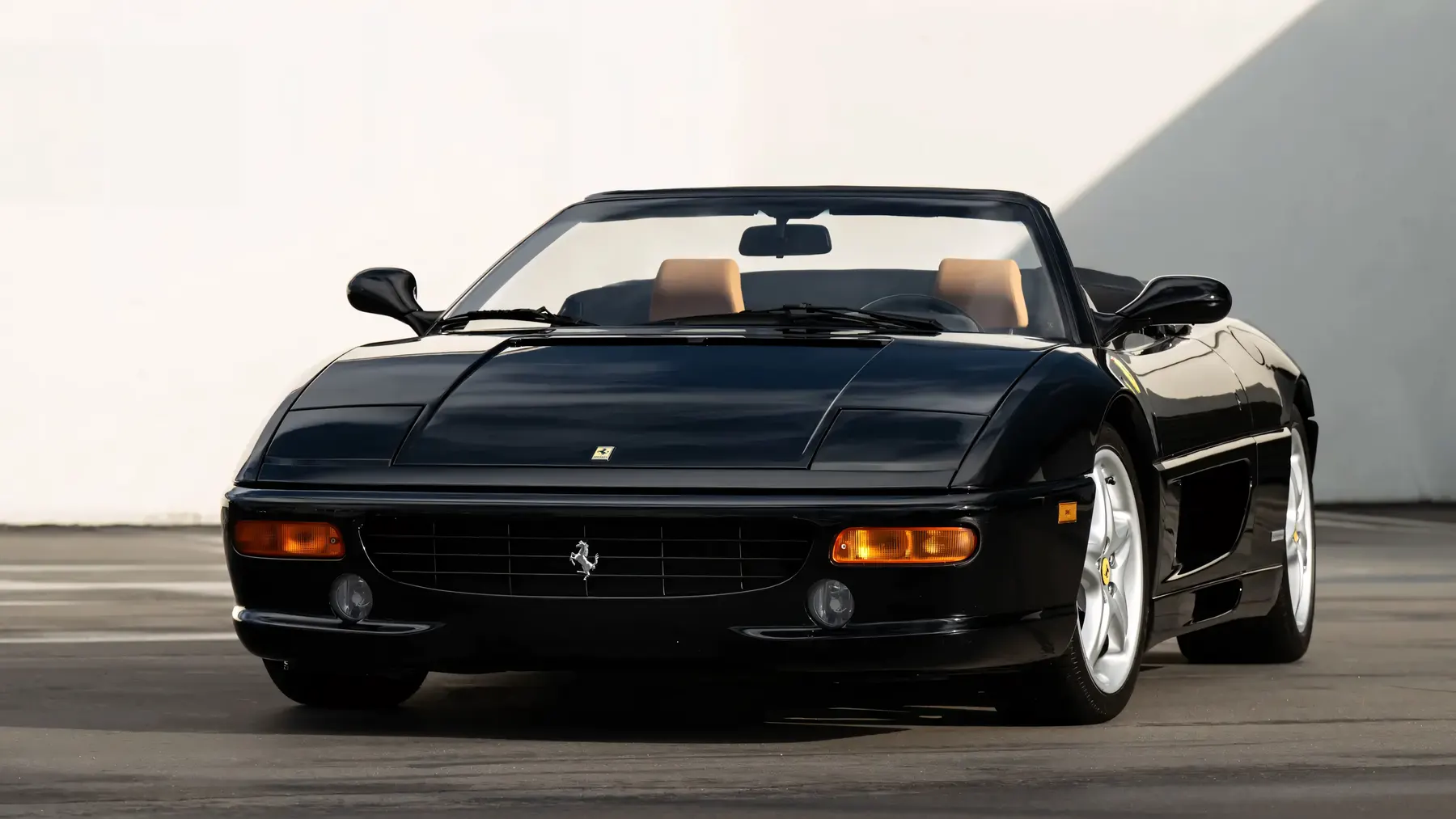
The F355 Spider was introduced as part of Ferrari’s highly acclaimed F355 lineup, which succeeded the Ferrari 348. Designed to improve upon its predecessor in both performance and everyday drivability, the F355 became a commercial success, with over 11,000 units produced across all variants. Of these, 3,717 were Spiders, making it the second-most popular model in the range.
While the F355 represented a leap forward in performance and technology, it was also the last Ferrari to feature the Flying Buttress rear window design, a lineage dating back to the 1965 Dino 206 GT.
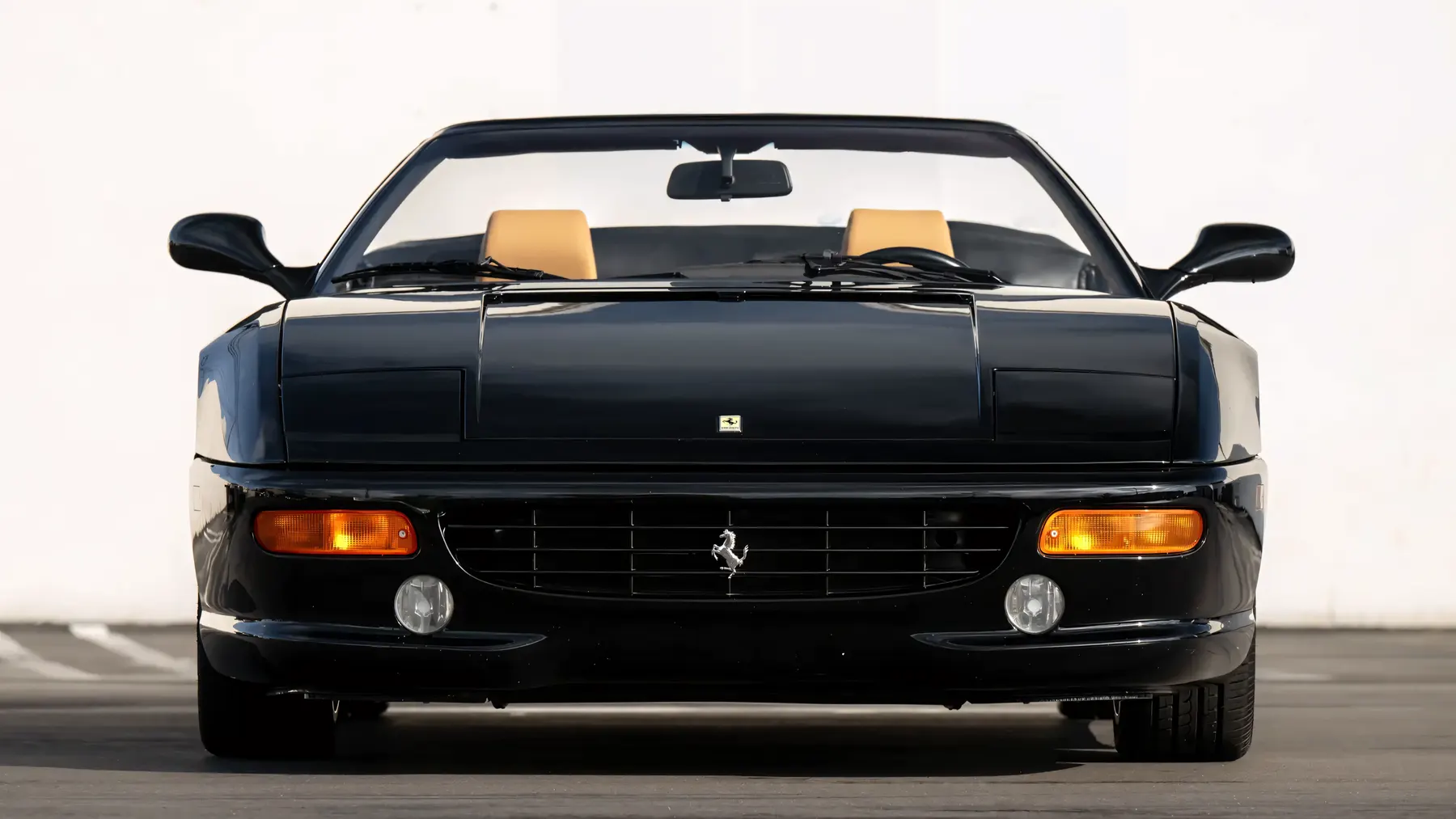
In 1999, production of the F355 ended, paving the way for its successor, the Ferrari 360. However, the F355 Spider remains cherished by enthusiasts for its perfect balance of analog driving feel and cutting-edge innovation.
The Ferrari F355 Spider represents a rare blend of artistry and engineering, offering the thrills of a high-performance sports car with the elegance and versatility of a convertible. Its timeless design, advanced technology, and visceral driving experience have solidified its place as one of Ferrari’s most beloved models. Even decades after its debut, the Spider continues to captivate both collectors and drivers, embodying the essence of open-top Ferrari motoring.