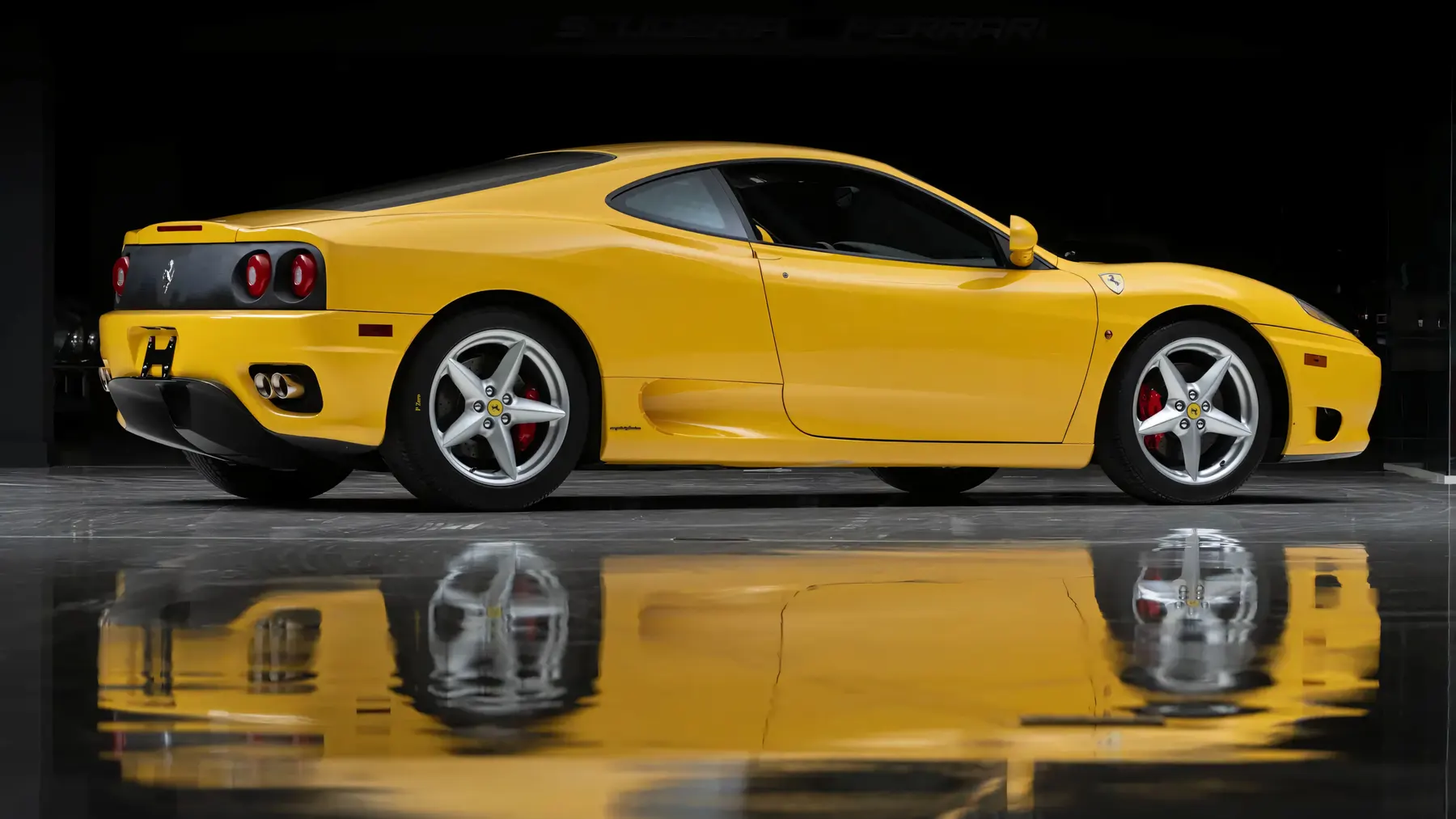
2000 Ferrari 360 Modena
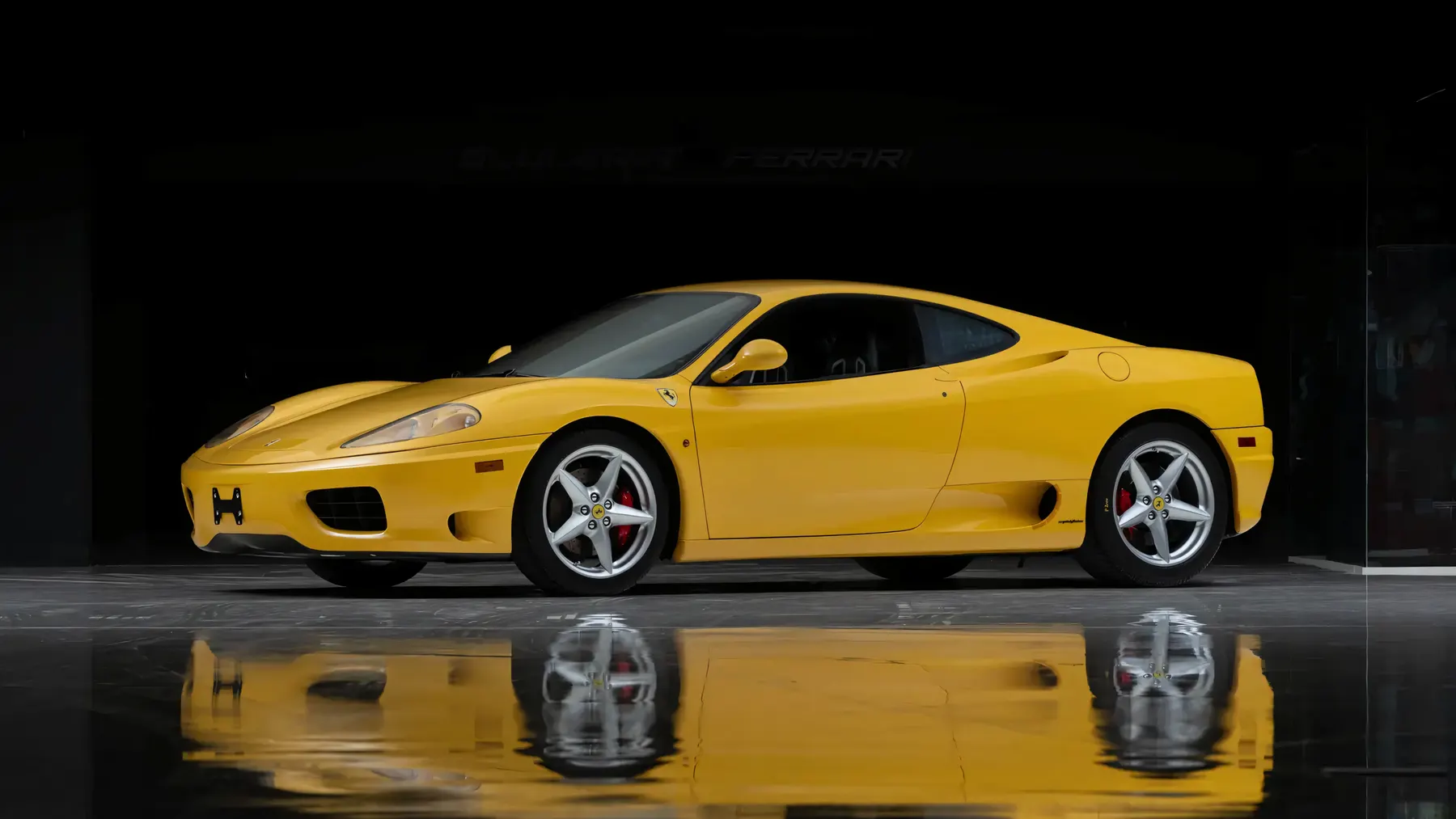
The Ferrari 360 Modena represents a transformative chapter in Maranello’s storied history, marking the moment when Ferrari boldly stepped into the new millennium with a revolutionary approach to supercar engineering. When this stunning machine debuted at the 1999 Geneva Motor Show, it didn’t just replace the beloved F355 - it fundamentally redefined what a modern Ferrari could be.
The genius behind the 360 Modena lies in its groundbreaking construction methodology. Ferrari partnered with aerospace giant Alcoa to develop the first-ever all-aluminum space-frame chassis in a production Ferrari. This wasn’t merely an incremental improvement - it was a complete paradigm shift. The aluminum monocoque delivered a staggering 40% increase in rigidity while simultaneously reducing weight by 28% compared to the steel-framed F355. Even more remarkable, this weight reduction came despite the 360 being 10% larger in overall dimensions than its predecessor.
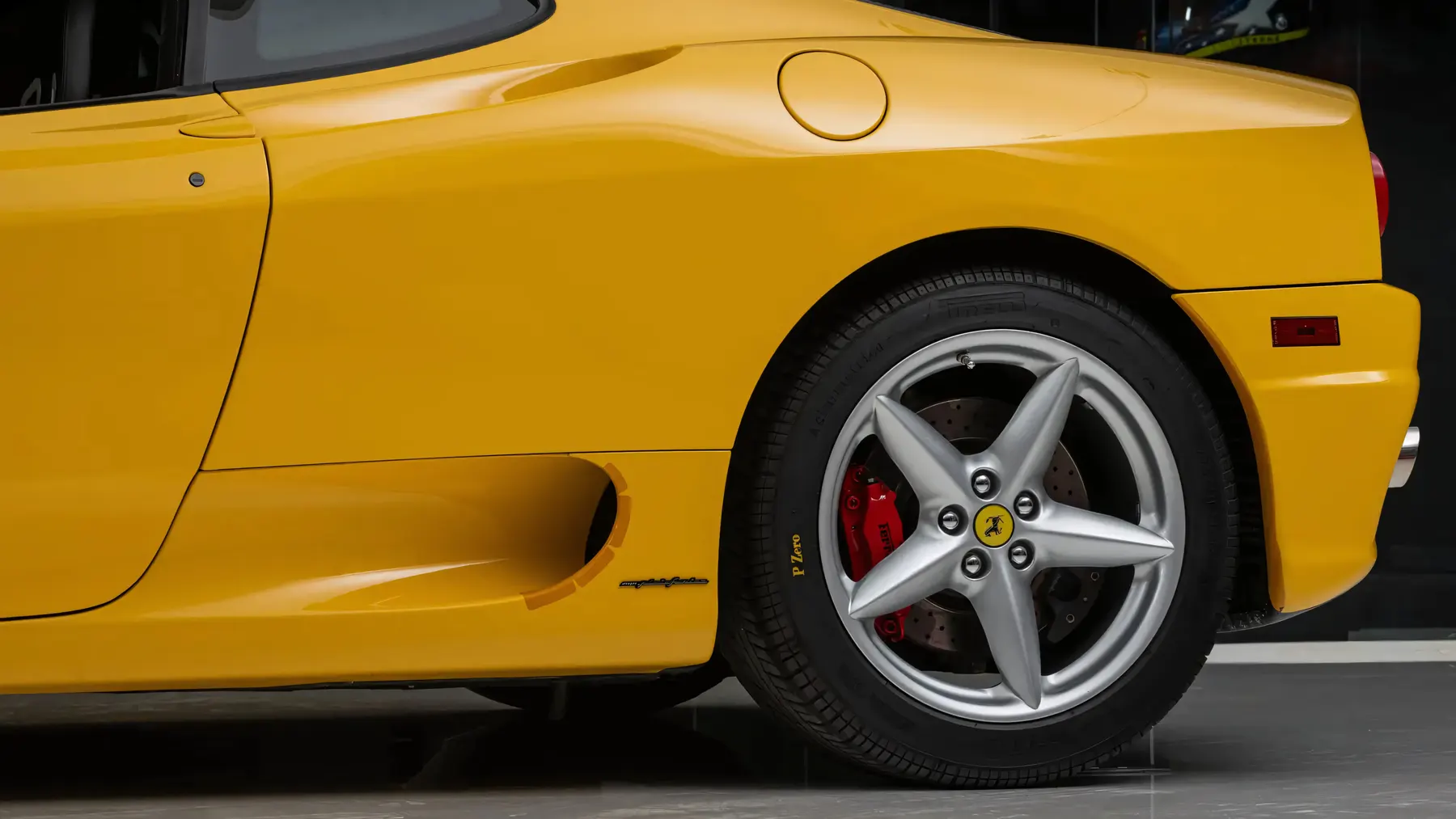
The chassis construction utilized varying aluminum extrusions welded together through twelve specialized aluminum nodes, creating a structure that was both incredibly strong and remarkably light. This engineering marvel weighed in at just 1,390 kg, a full 60 kg lighter than the F355. The resulting power-to-weight ratio transformation would prove crucial to the car’s exceptional performance characteristics.
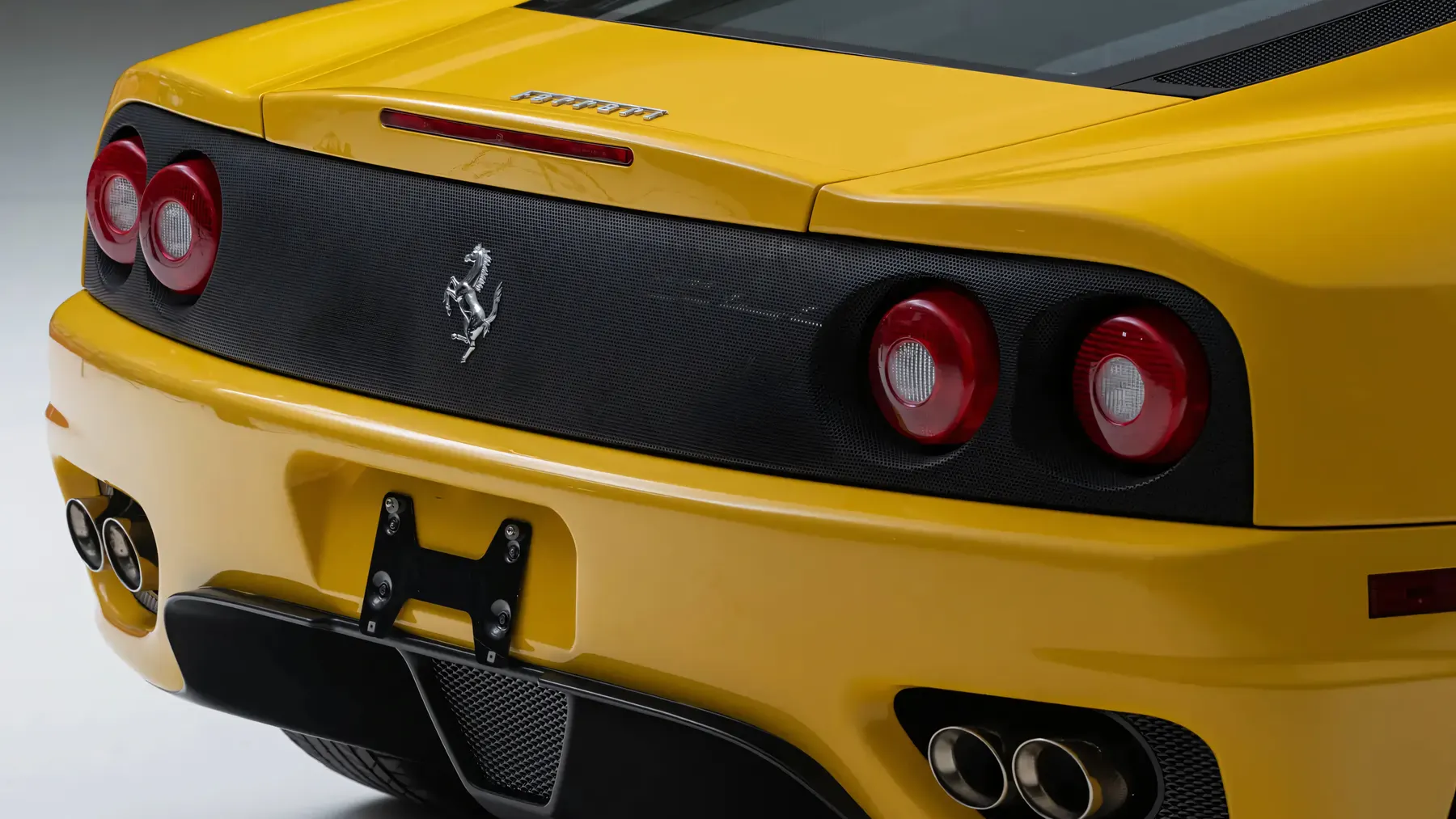
At the core of every 360 Modena beats Ferrari’s magnificent 3.6-liter V8 engine, designated F131. This naturally aspirated masterpiece features a flat-plane crankshaft and titanium connecting rods, producing 400 PS (395 horsepower) at a spine-tingling 8,500 rpm. The engine develops 275 lb-ft of torque at 4,750 rpm, but the real magic happens in how it delivers this power.
The five-valves-per-cylinder configuration and variable-geometry intake manifold ensure that power delivery remains smooth throughout the rev range. What truly sets this engine apart, however, is its extraordinary soundtrack. The 360’s exhaust note has been described as one of the greatest ever produced by Ferrari, creating a symphony that builds from a civilized rumble at idle to an absolutely glorious wail at the 8,500 rpm redline.
Performance figures speak volumes about the 360’s capabilities. The sprint from 0-100 km/h takes just 4.3 seconds, while top speed reaches an impressive 296 km/h. These numbers represented a significant improvement over the F355, with Ferrari claiming acceleration times dropped from 4.7 to 4.5 seconds despite the increased displacement and refinement.
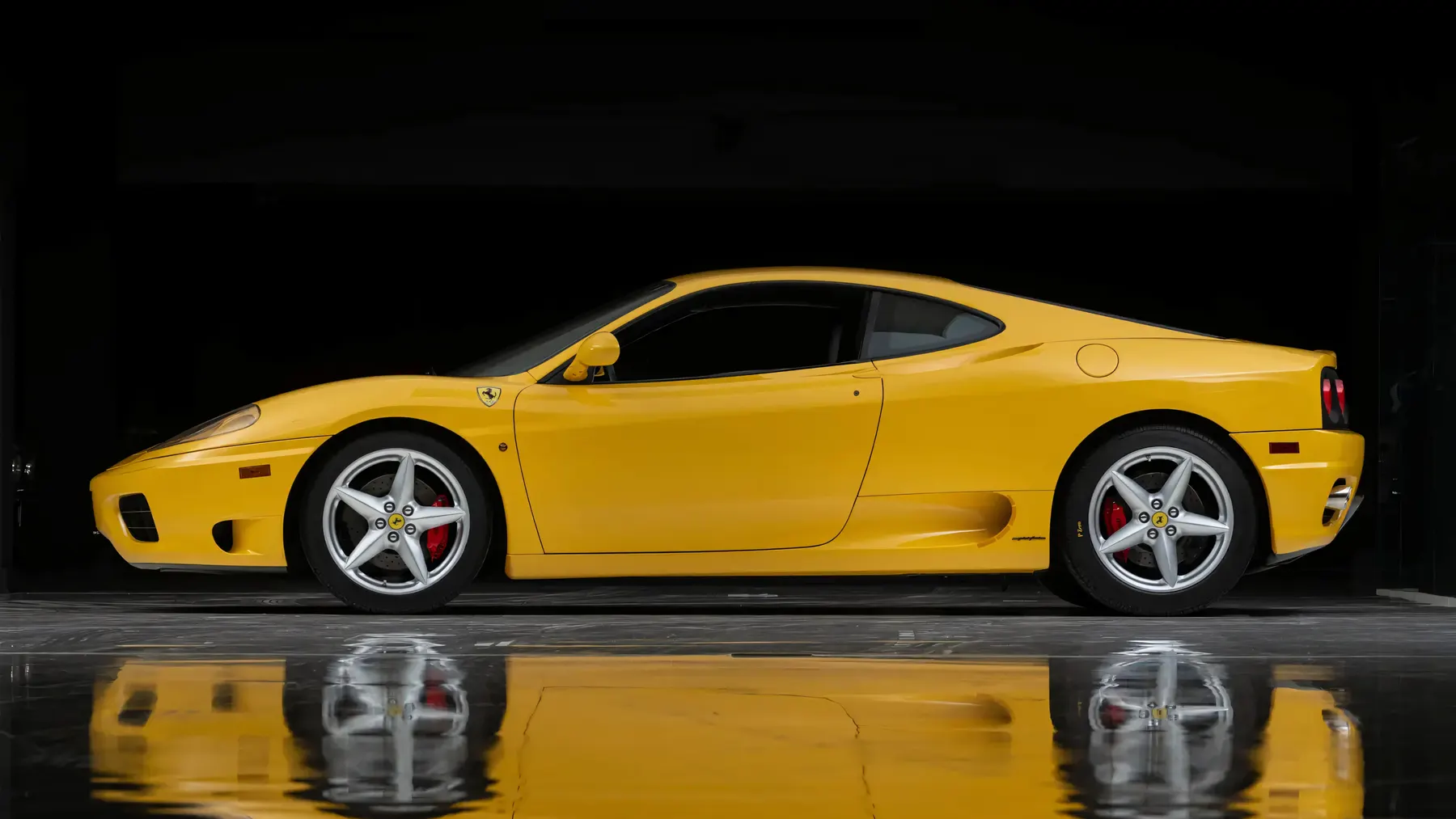
Pininfarina’s design for the 360 Modena marked a dramatic departure from Ferrari’s traditional aesthetic vocabulary. Gone were the sharp angles and pop-up headlights that had defined the previous decade’s supercars. In their place emerged flowing, curvaceous lines that would influence Ferrari design for generations to come.
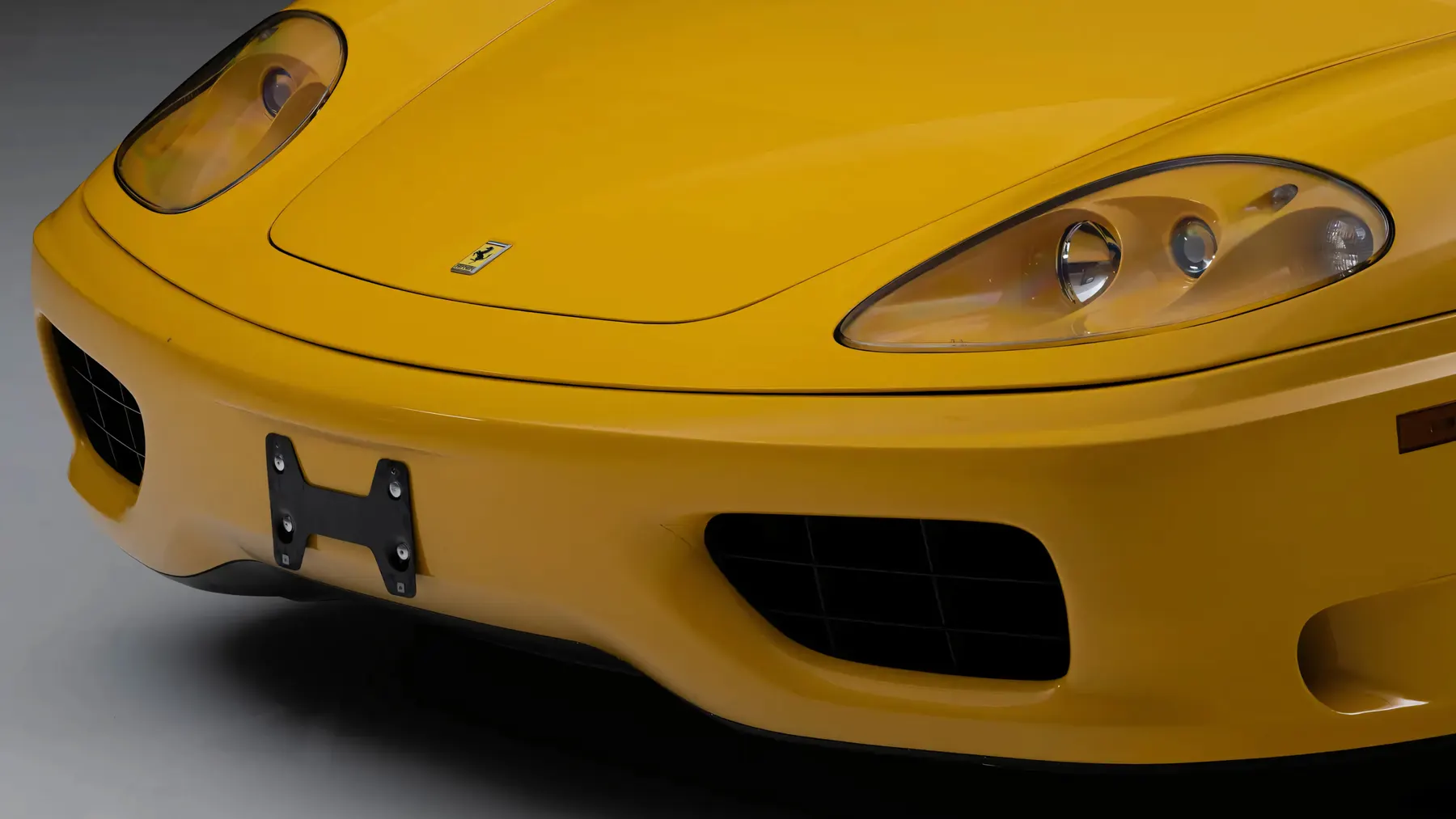
The front end abandons the classic central grille in favor of twin air intakes positioned on either side, allowing airflow to pass under the raised center section and feed through the flat underbody to the rear diffuser. This aerodynamic innovation generates up to four times more downforce than the F355, with the car producing significant downforce even at modest speeds.
The interior represents an equally revolutionary approach to Ferrari cabin design. Clean, uncluttered surfaces replace the switch-heavy layouts of previous models, while aluminum trim and exposed fasteners create an industrial aesthetic that perfectly complements the car’s technological advancement. The sacred six-speed gated manual transmission remains the cabin’s centerpiece, offering drivers that unmistakable metallic click as gears engage.
The 360 family expanded strategically throughout its production run. The original Modena coupe launched in 1999, followed by the 360 Spider convertible in 2000. The Spider proved so popular that it eventually outsold the hardtop, demonstrating Ferrari’s success in creating a more accessible supercar.
The pinnacle of the 360 range arrived in 2003 with the Challenge Stradale, a track-focused variant that elevated the platform to new heights. Weighing 110 kg less than the standard Modena and producing 425 horsepower, the Challenge Stradale delivered devastating track performance while maintaining road legality.
Production totals tell the story of the 360’s commercial success: 8,800 Modenas, 7,565 Spiders, and 1,288 Challenge Stradales found homes worldwide. Remarkably, only 469 US-market Modenas received the coveted six-speed manual transmission, making these cars increasingly precious among collectors.
Initial reception of the 360 Modena was notably mixed, with some critics questioning whether Ferrari had sacrificed soul for sophistication. Jeremy Clarkson famously criticized the car’s F1 transmission and compared it unfavorably to the F355’s raw character. However, time has proven these early criticisms largely unfounded.
The 360 Modena introduced a new word into Ferrari reviews: reliability. Unlike previous mid-engine Ferraris that required patience and deep pockets, the 360 proved genuinely usable as daily transportation while retaining all the theater expected from a proper supercar.
Today, the 360 Modena stands as one of Ferrari’s most significant achievements. It successfully bridged the gap between the analog supercars of the 1990s and the sophisticated machines that would follow, establishing design and engineering principles that continue to influence Ferrari development today. More than two decades after its debut, the 360 Modena remains a compelling entry point into Ferrari ownership, offering genuine supercar performance wrapped in timelessly beautiful bodywork and supported by proven reliability that was revolutionary for its era.