2004 Ferrari Challenge Stradale
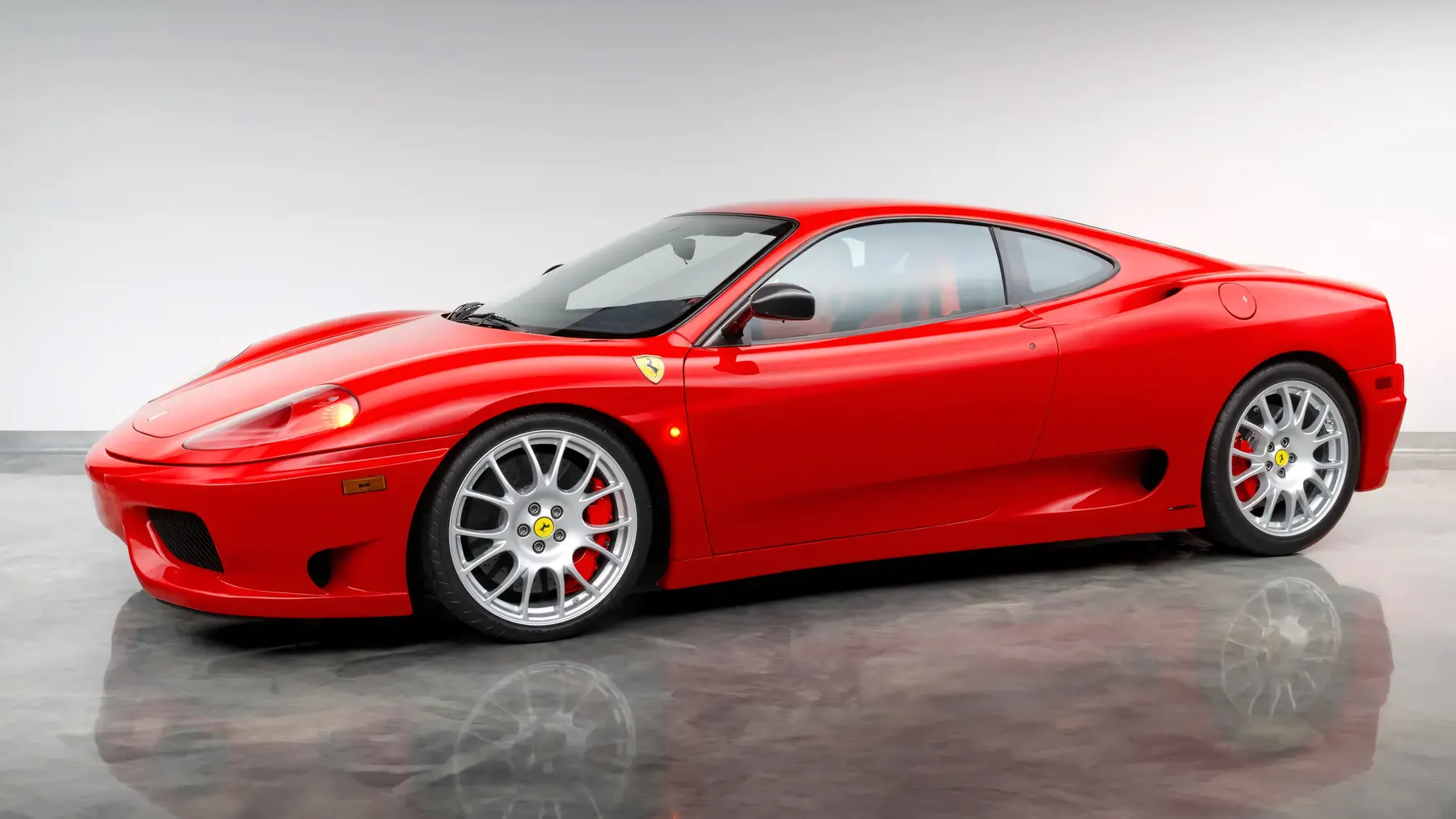
The Ferrari Challenge Stradale, introduced in 2003, represents Ferrari’s track-focused iteration of the 360 Modena. Built with an emphasis on lightweight design, improved handling, and raw performance, the Challenge Stradale embodies Ferrari’s racing pedigree while remaining road-legal. It’s a car revered for its precision, thrilling performance, and distinct aesthetic.
The Challenge Stradale’s design reflects Ferrari’s commitment to both function and form. Pininfarina’s styling for the 360 platform introduced smoother, aerodynamic lines compared to the sharper angles of earlier Ferraris. For the Challenge Stradale, weight reduction was a key priority. Engineers shaved 110 kg off the standard 360 Modena, bringing the dry weight down to 1,180 kg. This was achieved by extensive use of carbon fiber, thinner glass, and lightweight materials like Resin Transfer Moulding for bumpers. Options like Lexan windows and Alcantara interiors further reduced weight.
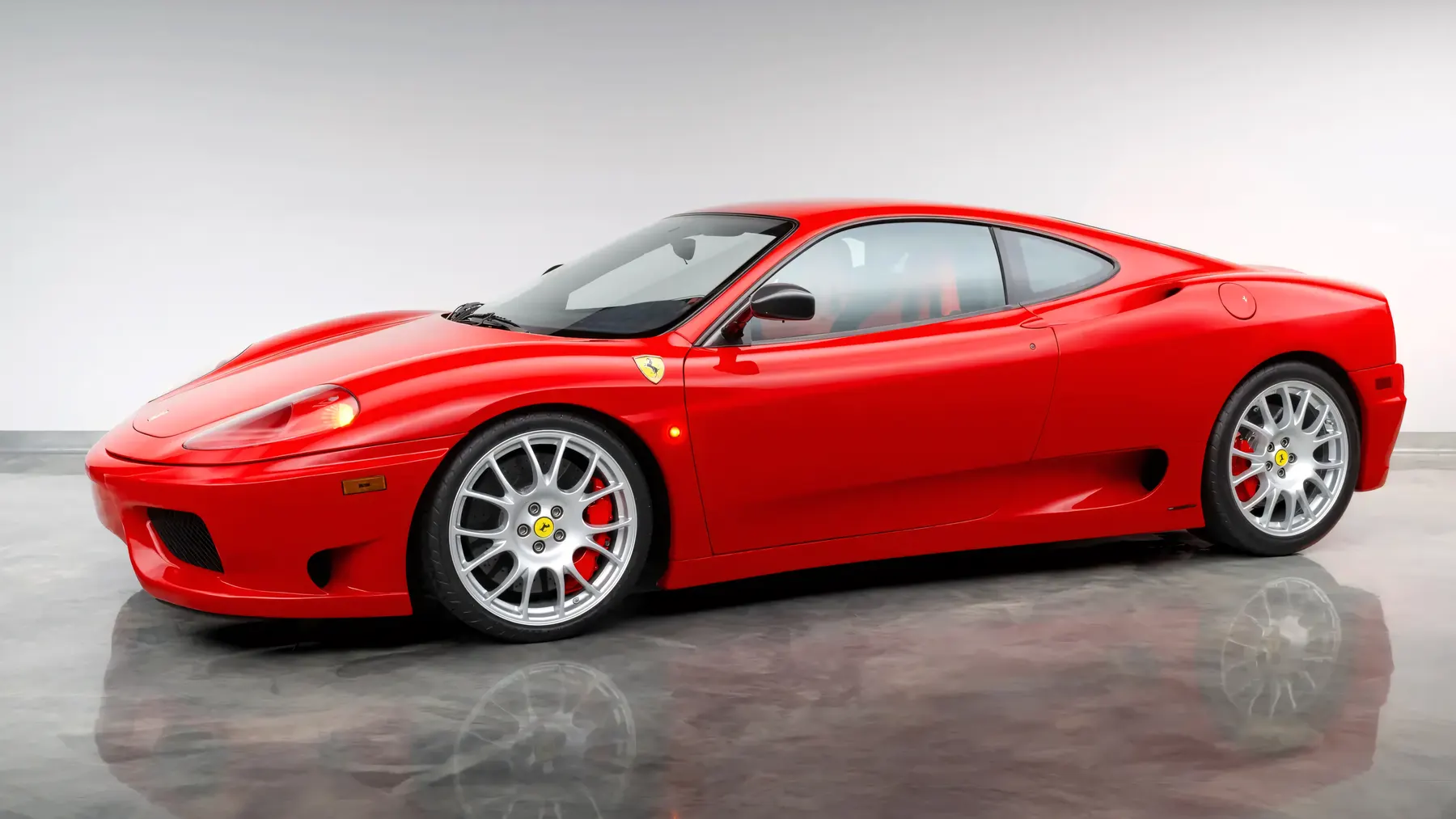
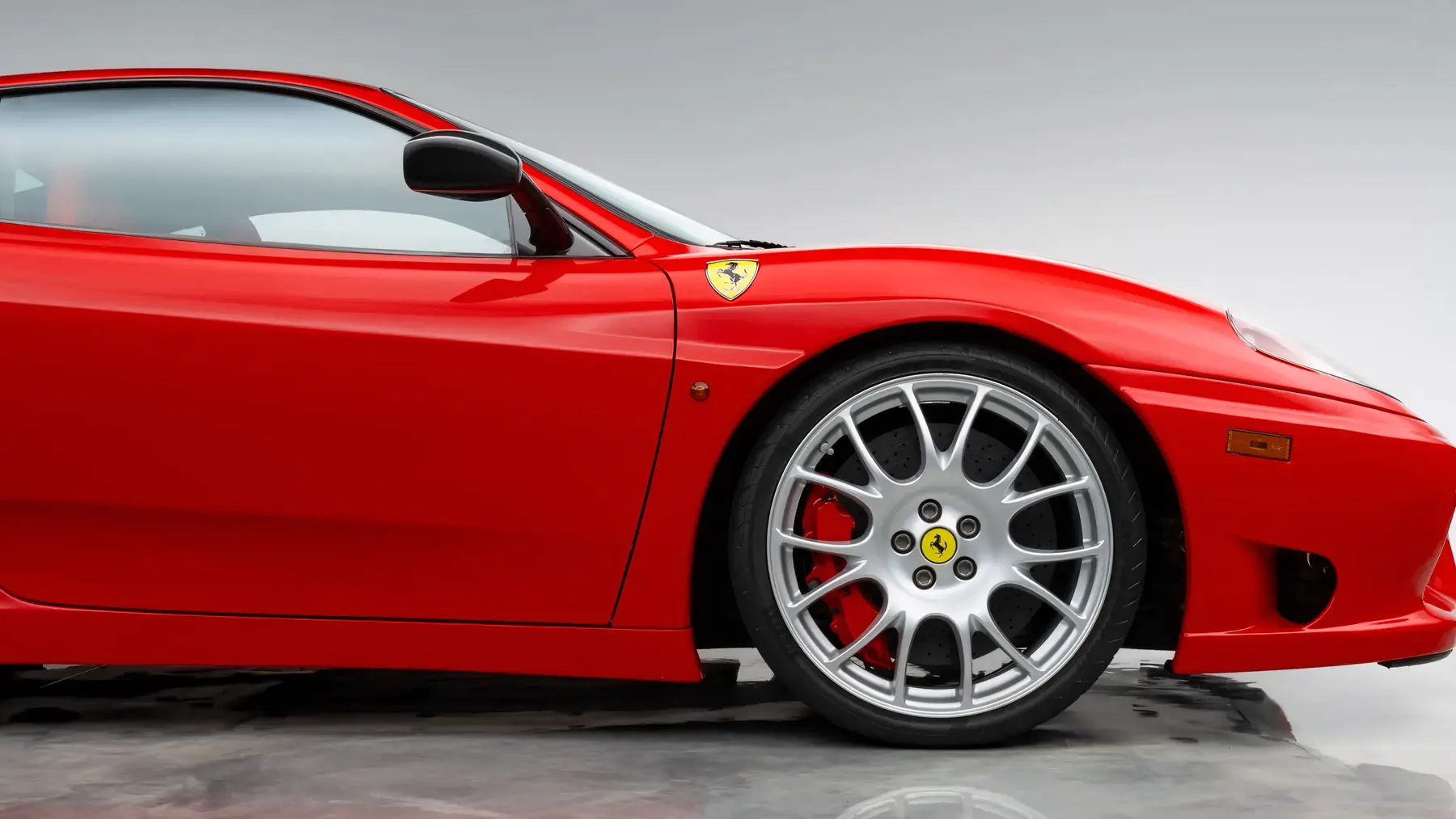
Distinct visual touches, such as carbon fiber side mirrors, optional racing stripes, and lightweight BBS wheels, emphasize the car’s motorsport roots. The interior is stripped back, with minimal sound insulation and a focus on functionality, echoing its racing inspiration.
Under the hood, the Challenge Stradale retains the naturally aspirated 3.6-liter V8 from the 360 Modena, but with refinements to deliver 425 PS at 8,500 rpm. The additional 25 horsepower, combined with its reduced weight, improves the power-to-weight ratio significantly. The result is a 0-100 km/h time of 4.1 seconds and a top speed of 283 km/h.
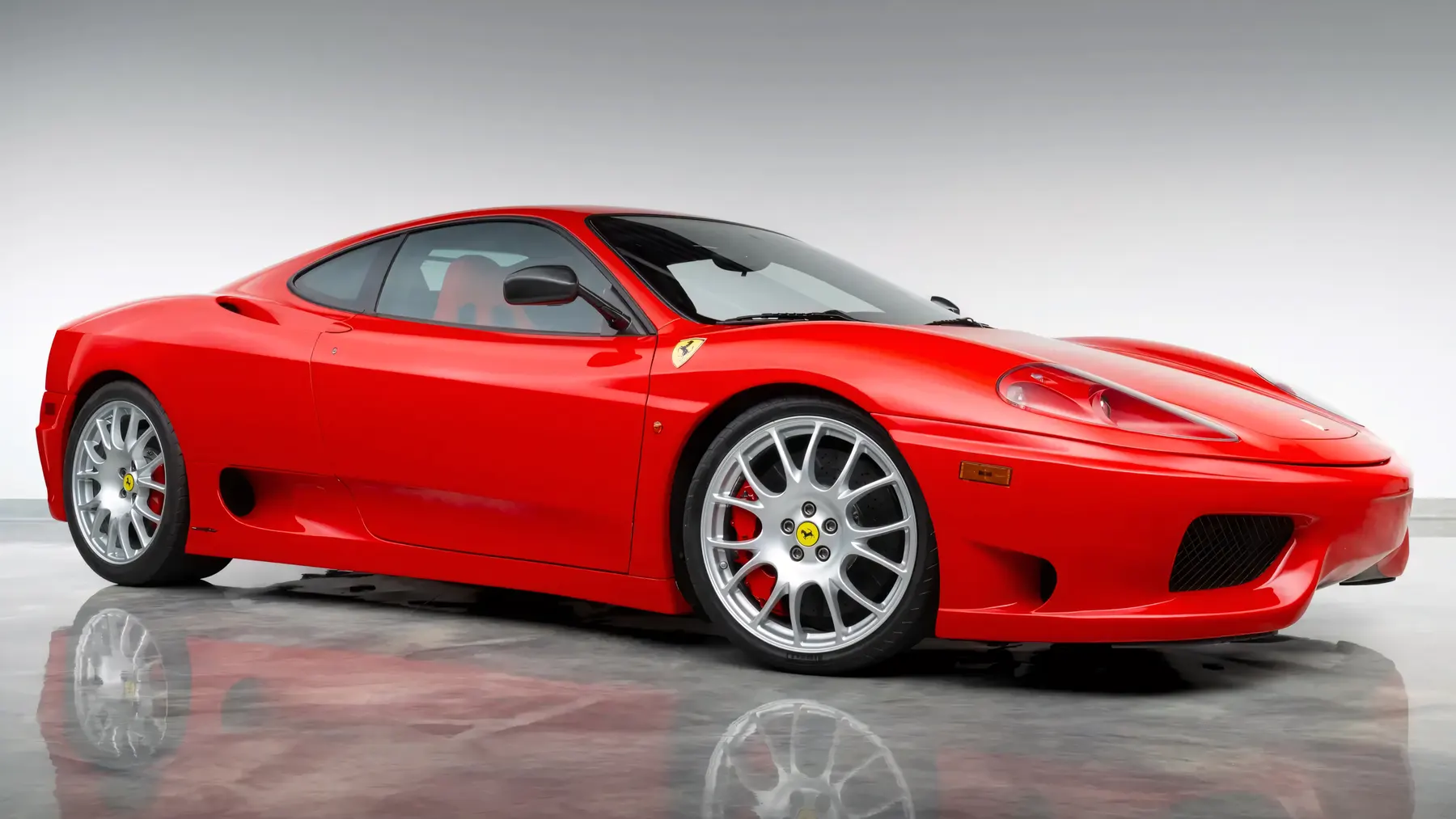
Ferrari borrowed heavily from its racing division for the Stradale’s braking and handling. Carbon ceramic brakes, adapted from the Ferrari Enzo, ensure fade-free stopping power while reducing unsprung weight. A retuned suspension and sharper throttle response enhance its agility and feedback. These refinements translate into a Fiorano lap time 3.5 seconds quicker than the 360 Modena.
The Challenge Stradale offers a single-clutch F1 automated manual transmission, optimized for quicker shifts and maximum engagement on the track. Aerodynamic tweaks, including a rear diffuser and underbody airflow improvements, increase downforce without compromising drag.
Inside, the focus on track performance is evident. Carbon-backed racing seats, Alcantara trim, and the absence of luxury features such as a stereo or soundproofing underscore its purpose. Optional features like a basic stereo system reintroduce some comfort but at the cost of added weight.
The Challenge Stradale’s lineage traces back to the Ferrari Challenge series, a one-make racing championship. Inspired by the 360 Modena Challenge race car, Ferrari designed the Stradale for enthusiasts who wanted a road car with race car DNA. It followed the tradition set by the F355 “Fiorano” Handling Pack, refining the track-focused concept.
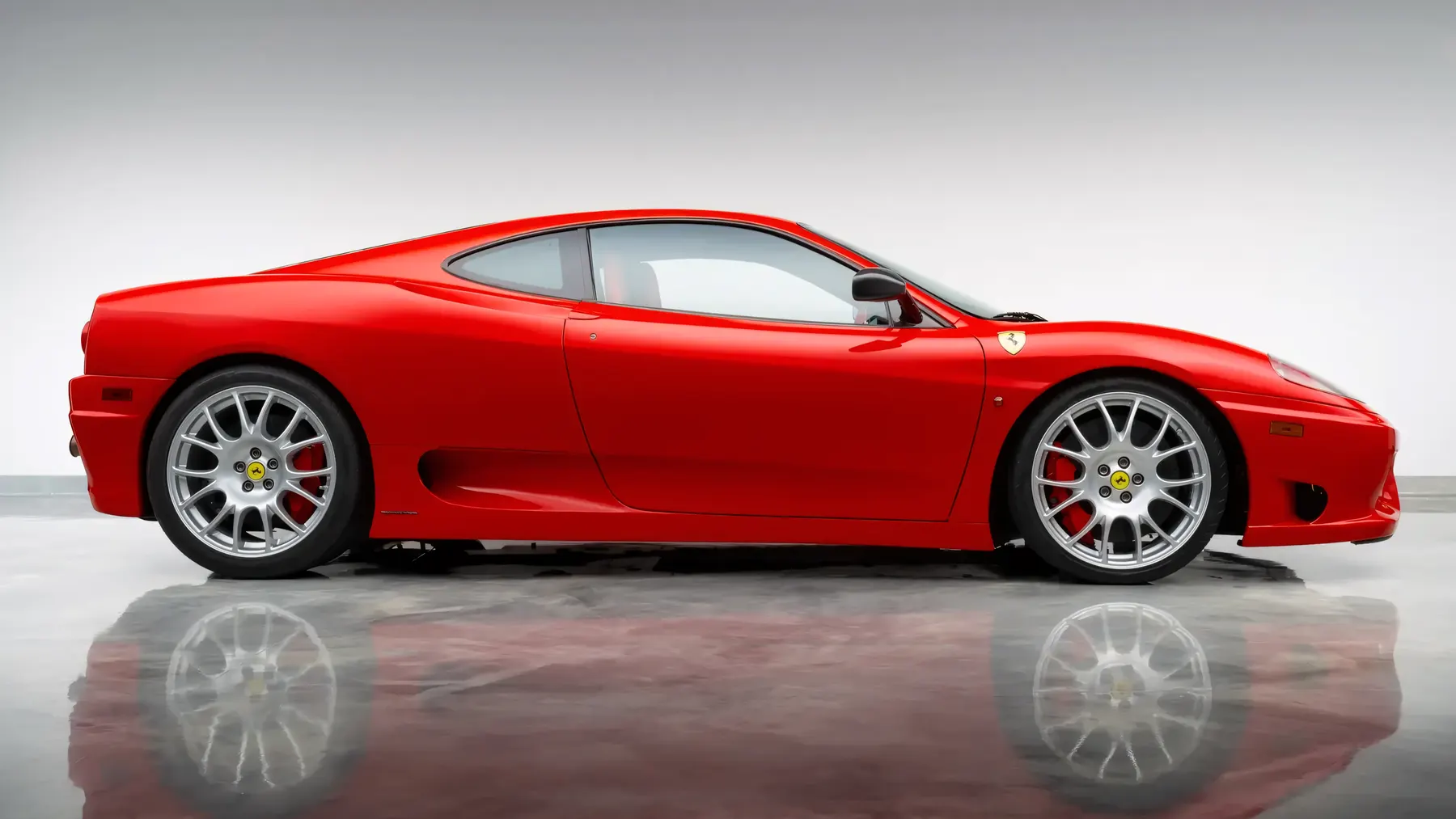
Ferrari produced fewer than 1,300 units worldwide, with only 378 reaching North America. Its low production numbers and focused design have made it highly sought after by collectors and racing enthusiasts alike.
Upon release, the Challenge Stradale received widespread acclaim for its uncompromising approach to performance. Critics praised its engaging handling, visceral driving experience, and sharp responsiveness. Owners appreciated its balance of track capability with road usability, albeit with fewer creature comforts than a standard 360 Modena.
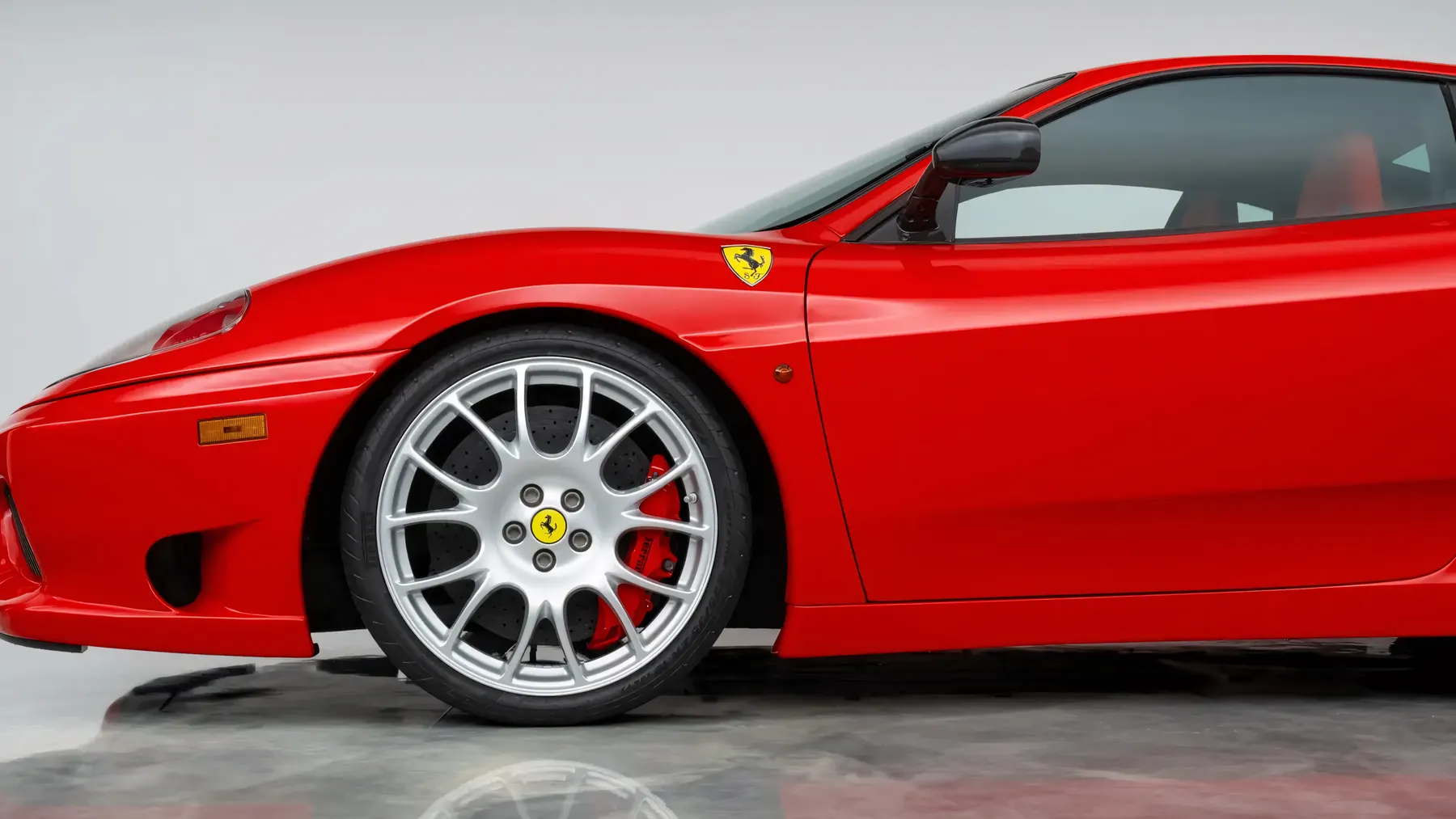
Over time, the Challenge Stradale has cemented its place as a modern classic. Its rawness and purity in an era of increasing digitalization make it a standout in Ferrari’s lineup. Enthusiasts often consider it one of Ferrari’s finest driver-focused cars.
The Challenge Stradale’s unique appeal lies in its laser focus on delivering a track experience in a road car. Its Brembo carbon ceramic brakes, lightweight construction, and race-inspired design set it apart. The optional racing stripe running across the car is not just a design cue but a symbol of its racing intent.
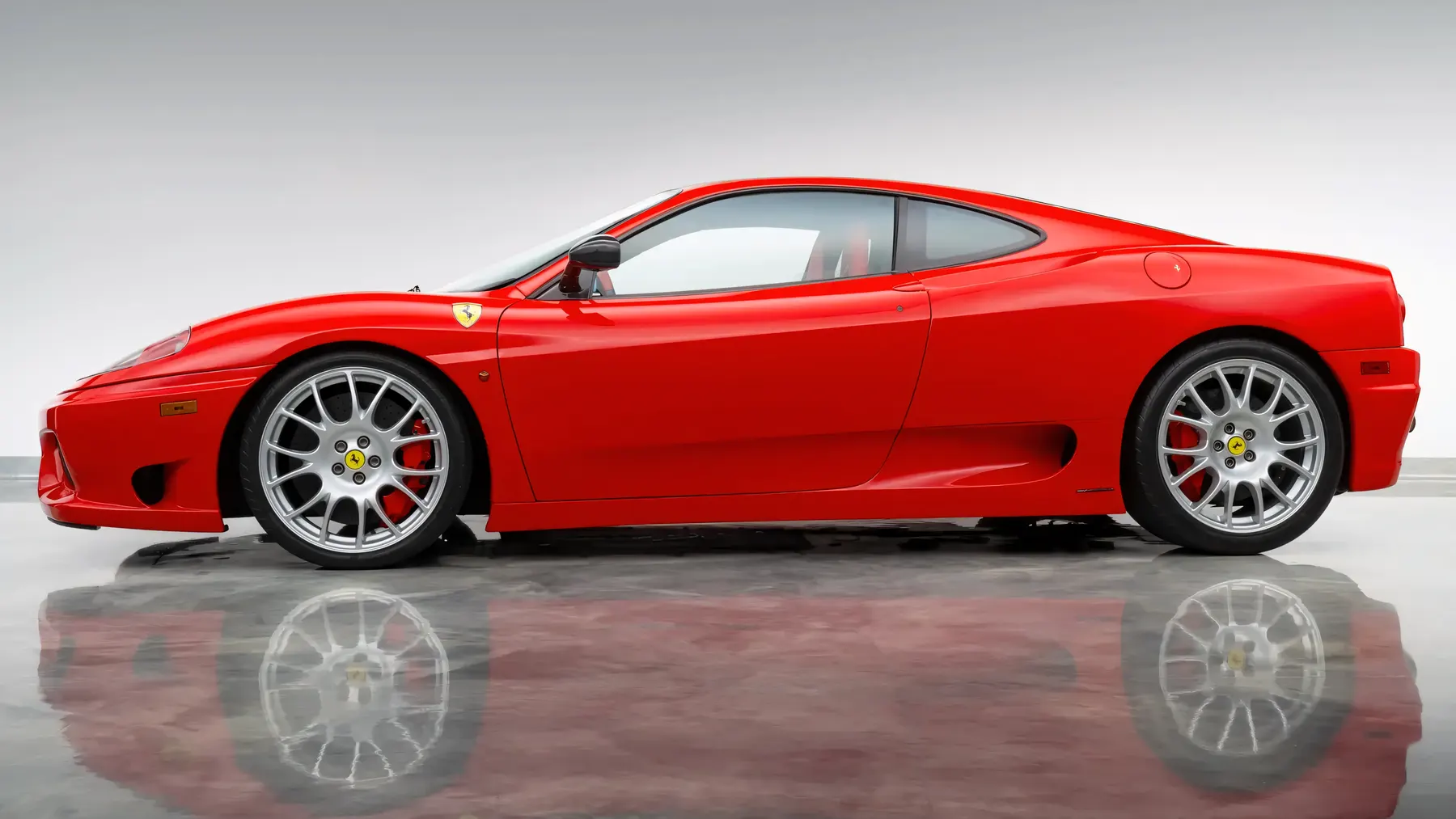
The Challenge Stradale isn’t just a faster 360 Modena; it’s a car that demands to be driven hard, rewarding its driver with a level of precision and connection that few cars can match. For Ferrari enthusiasts, it remains a benchmark for what a track-oriented road car should be.