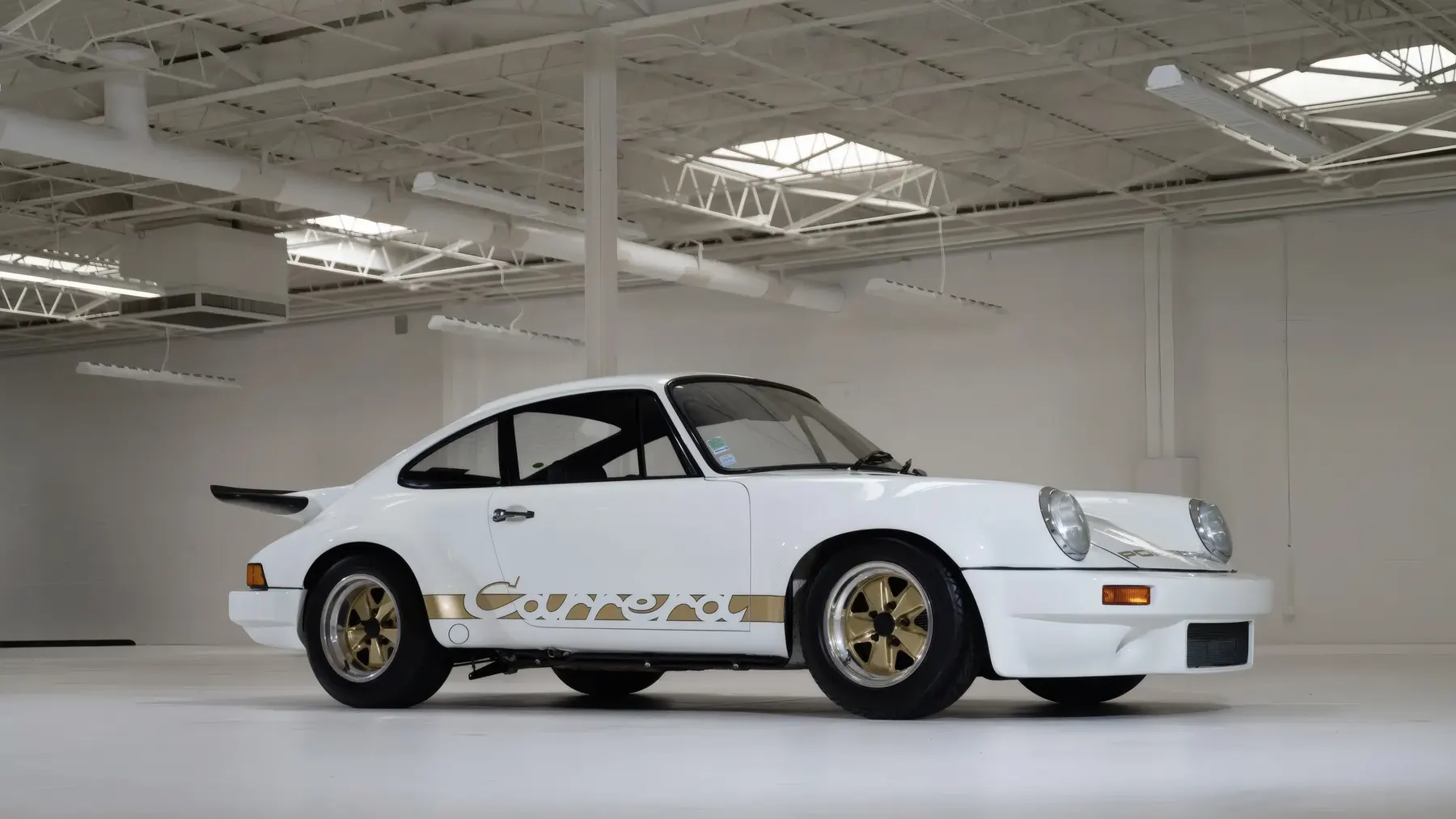
1974 Porsche 911 Carrera RS 3.0
When the oil crisis sent fuel queues snaking around city blocks in the winter of 1973, Porsche's response was to build an even thirstier, lighter, and more single-minded version of a car that was already too ex...
Curated collection
Road cars built primarily to satisfy competition regulations, existing because a racing version needed to be made legal.
Collection note
Some of the most celebrated performance cars were never conceived in response to ordinary customer demand. They existed because motorsport regulations required manufacturers to build a minimum number of road-going examples before a more extreme competition version could race. This collection gathers those homologation specials: cars whose production quantities, mechanical specifications and sometimes entire reason for being were dictated by eligibility requirements rather than conventional product planning. Many received lighter bodywork, enlarged engines, revised suspension, aerodynamic additions or stripped interiors because those components needed to appear on the homologated road car before they could be used in competition. Others were deliberately built in the smallest numbers the regulations would permit, creating road machines unusually close in character to their racing relatives. Their significance lies in the unusual reversal of normal automotive development: instead of a competition car evolving from a road model, the road model often existed chiefly to unlock the racer. These are cars created because the rulebook demanded that something extraordinary first be sold to the public.
When the oil crisis sent fuel queues snaking around city blocks in the winter of 1973, Porsche's response was to build an even thirstier, lighter, and more single-minded version of a car that was already too ex...
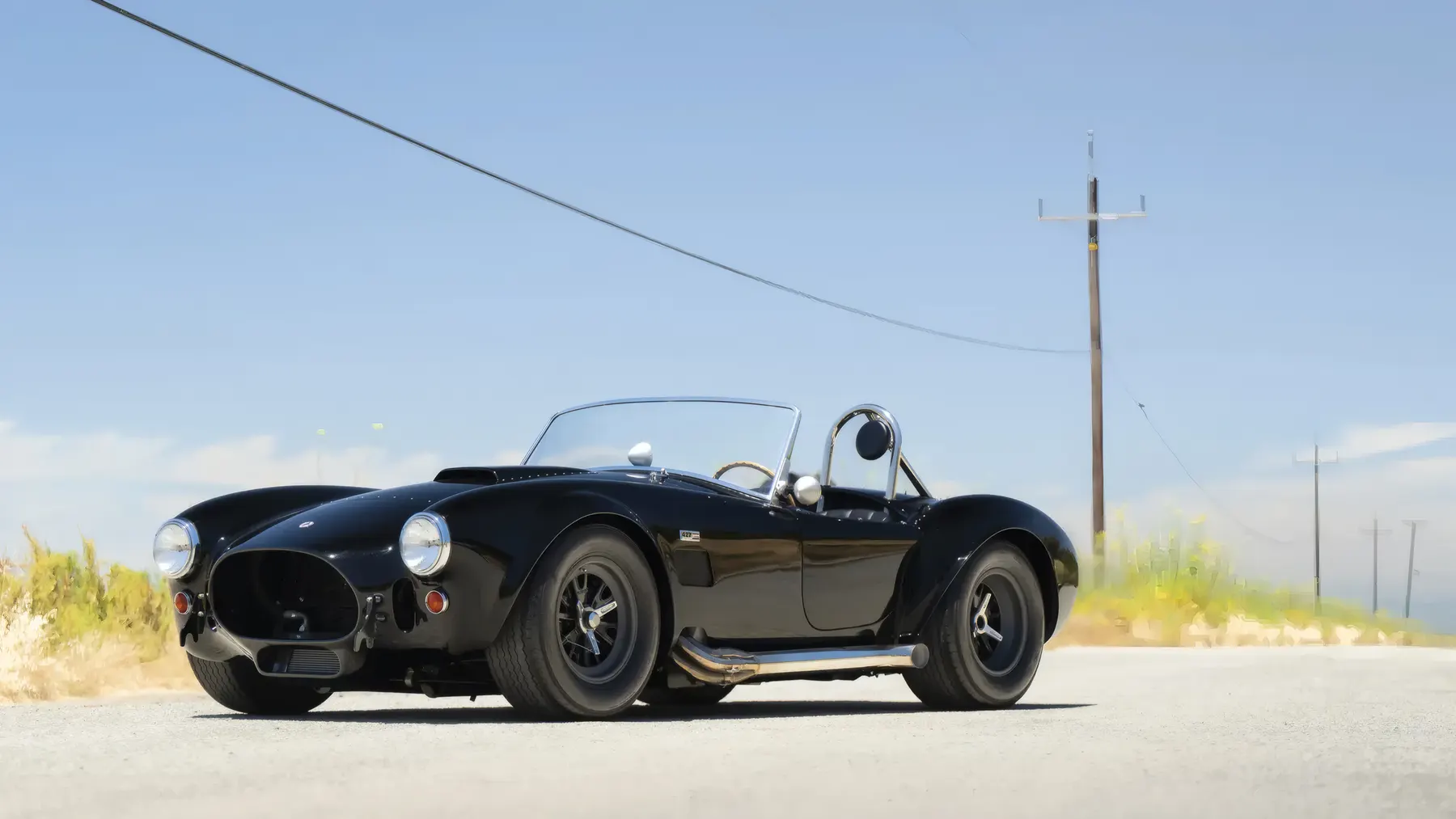
Carroll Shelby's plan for the 427 Cobra never included selling it to the public. The whole point was homologation: build a hundred cars, satisfy the FIA's production requirement, and go racing against the Ferra...
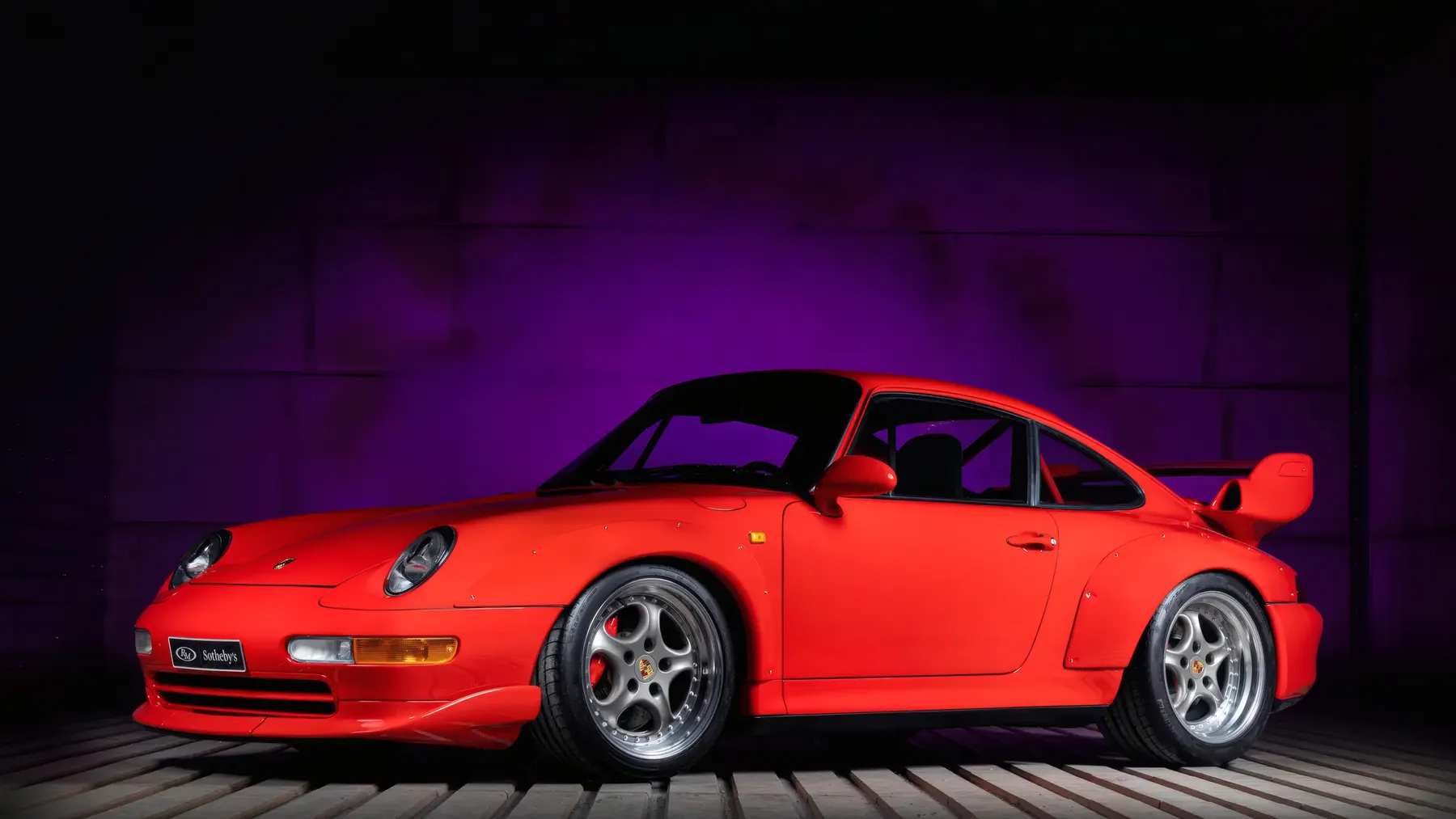
When the World Sportscar Championship folded amid collapsing budgets in the early 1990s, the racing that rushed in to fill the void wasn't built around six-figure prototypes - it was built around production car...
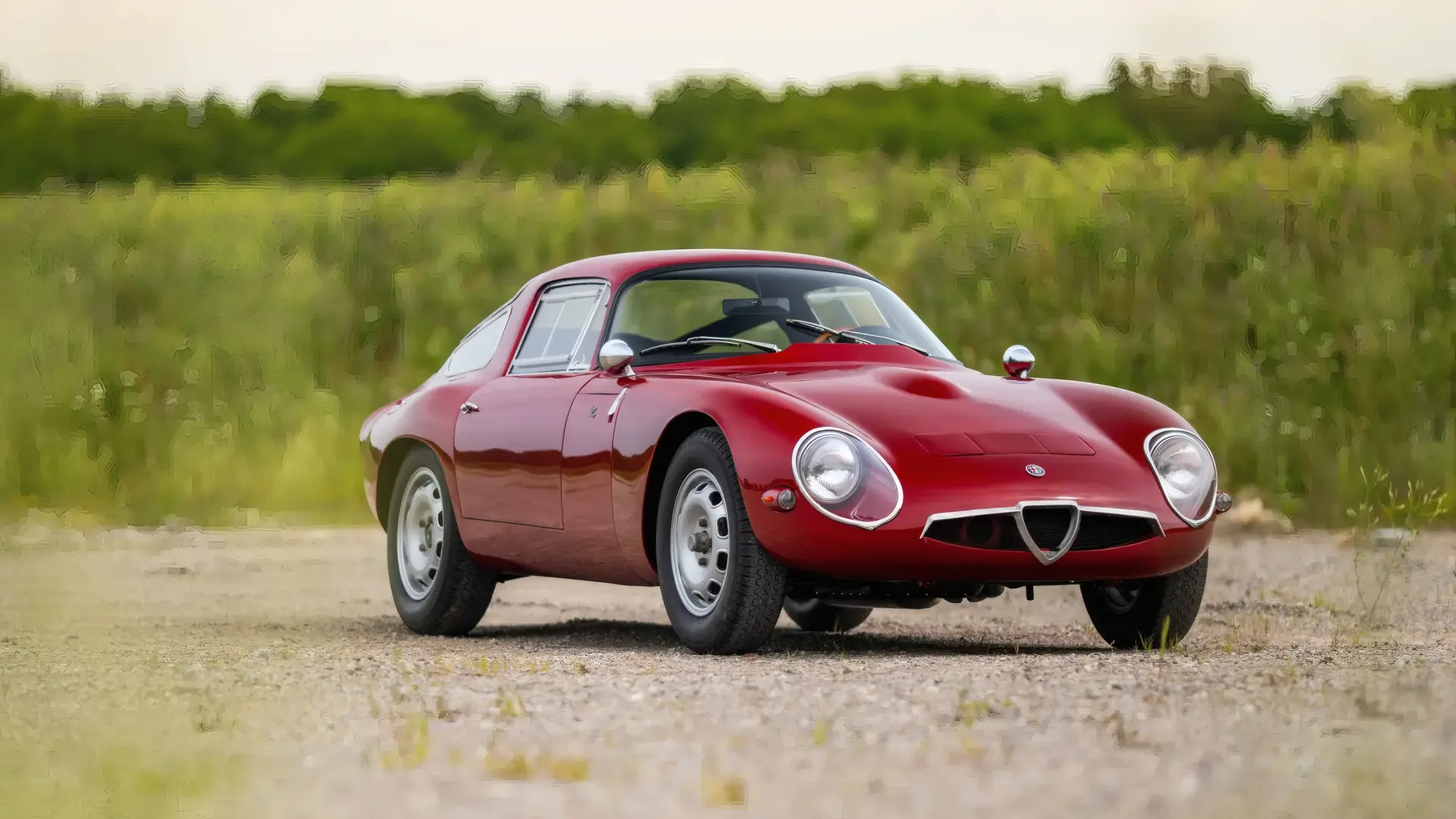
By the time the Alfa Romeo Giulia TZ1 finally reached a starting grid, the argument it had been built to win was already changing underneath it. Alfa Romeo spent the better part of four years developing a front...
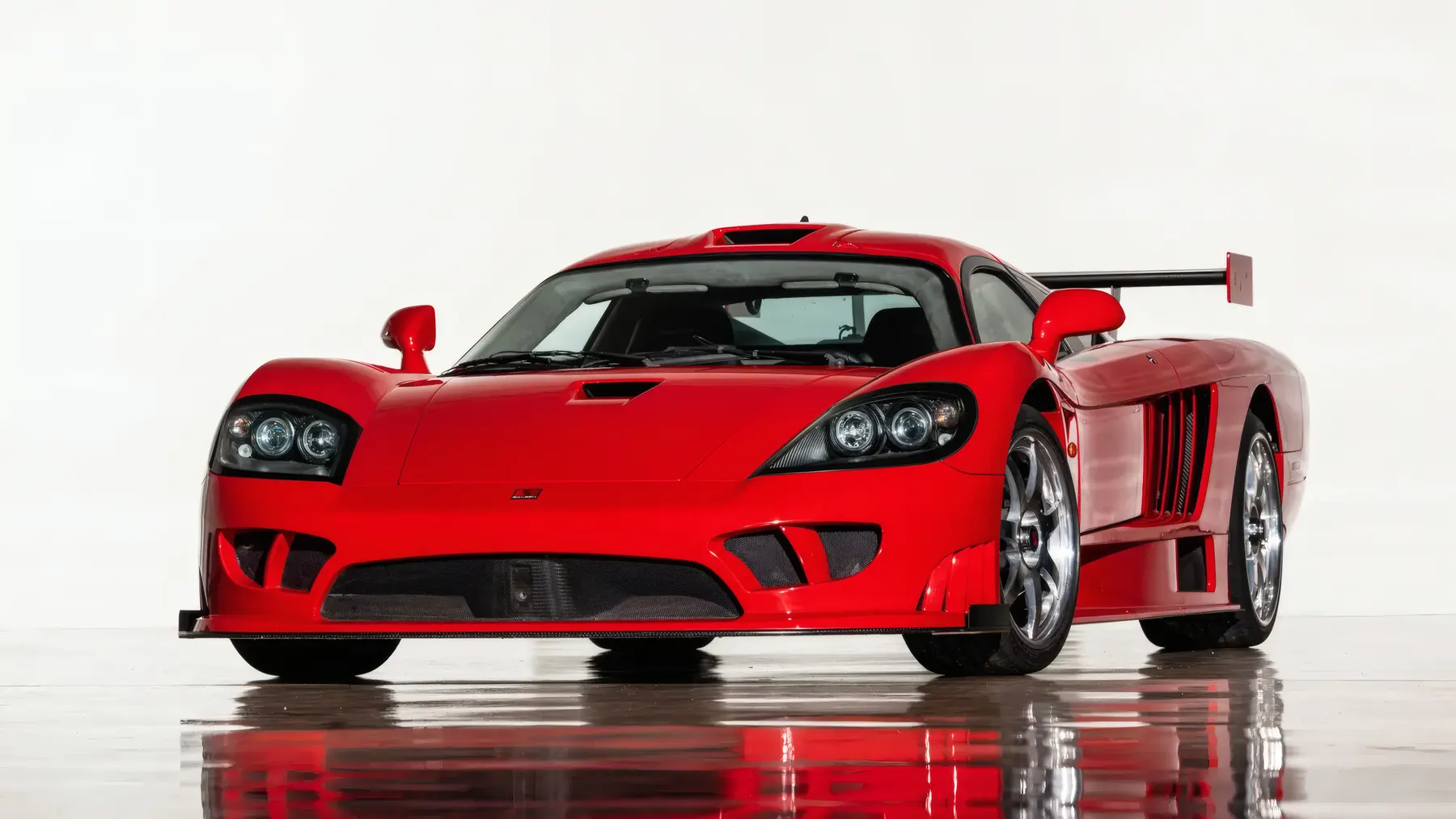
Most supercar options lists sell comfort, colour, or badges nobody strictly needs. Saleen's order form for the S7 offered something closer to a genuine engineering escalation: a single checkbox that took the co...
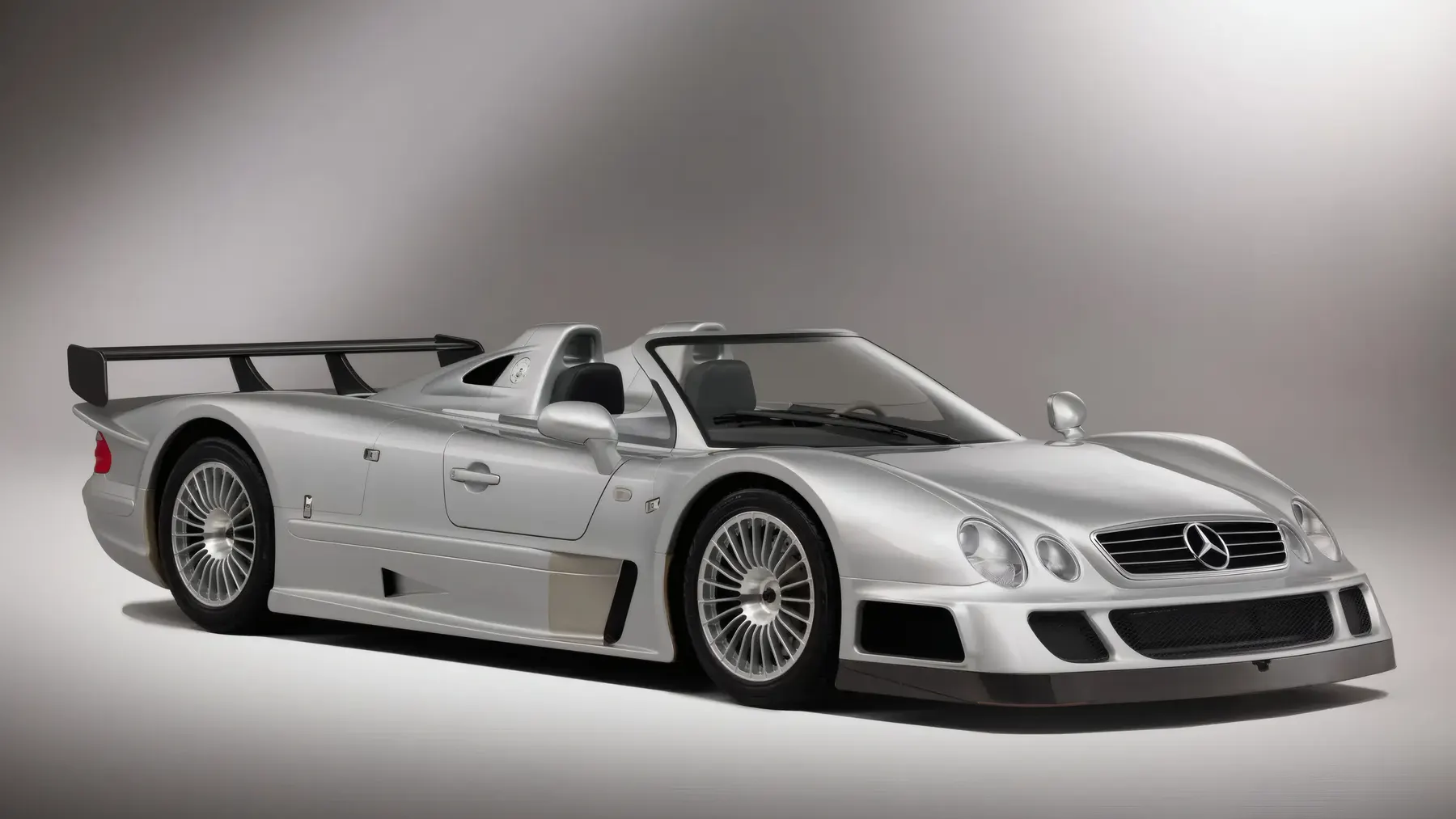
Cutting the roof off a car is normally the easy part of building a roadster; putting the lost stiffness back some other way is the hard part. Mercedes-Benz and AMG had already solved a much stranger version of...