Porsche 911 Carrera RS 3.0: The Rarest, Rawest 911 America Never Got
1974 Porsche 911 Carrera RS 3.0




Images: Kevin McCauley / RM Sotheby's
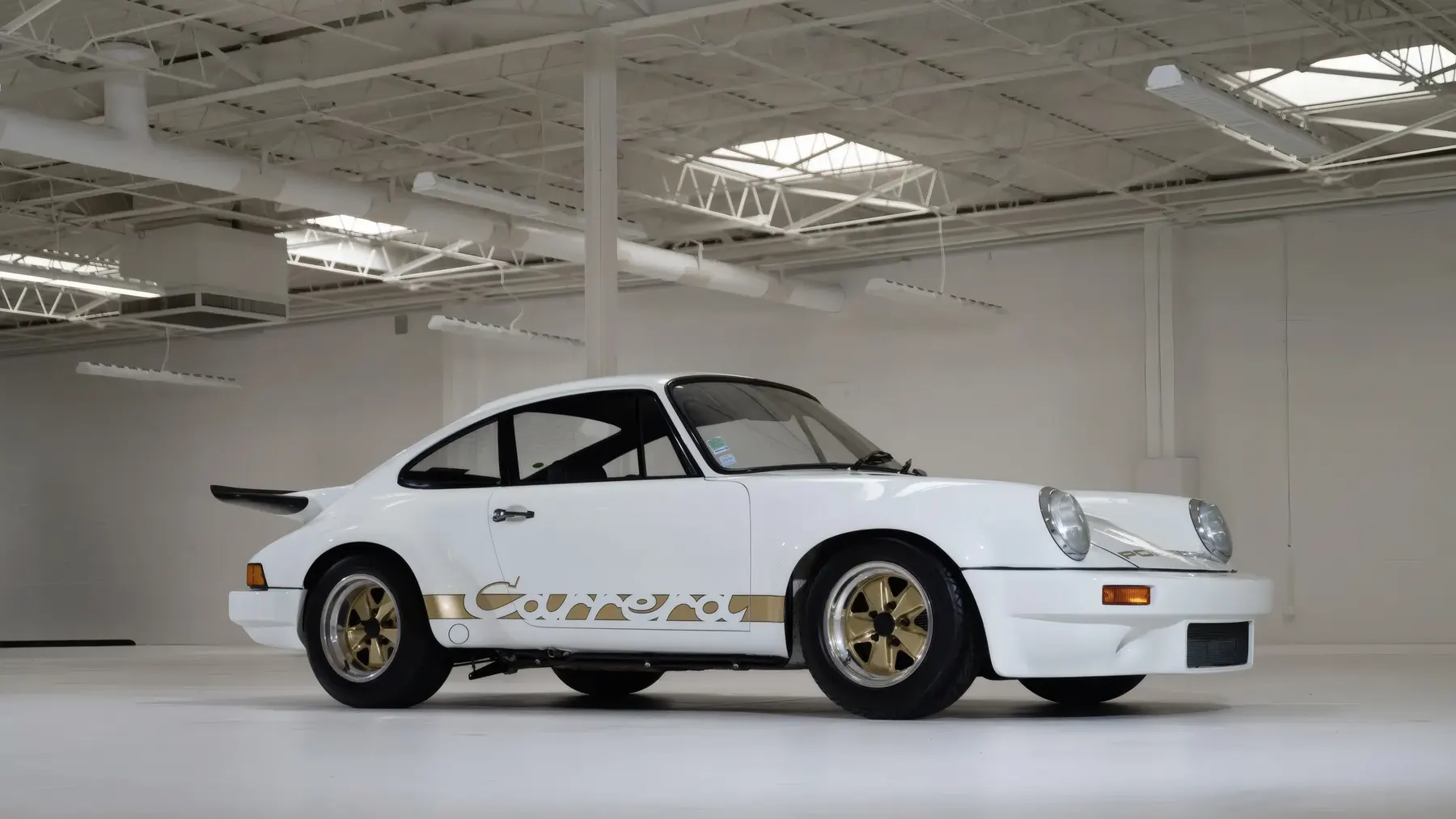
When the oil crisis sent fuel queues snaking around city blocks in the winter of 1973, Porsche’s response was to build an even thirstier, lighter, and more single-minded version of a car that was already too extreme for most buyers’ tastes. That car was the 911 Carrera RS 3.0, and its existence had almost nothing to do with what customers wanted and everything to do with what a rulebook demanded.
The story begins with the 917. When the FIA capped Group 5 World Championship sports prototypes at three litres for 1972, Porsche’s dominant, howling 4.5-litre 917 lost its reason for being in international sports car racing, though the factory kept campaigning 917-based cars in North American Can-Am competition for a while longer. Rather than build an entirely new prototype from scratch, incoming Porsche chief Ernst Fuhrmann, working with engineer Norbert Singer, turned the company’s competition ambitions toward the production-based Group 4 GT class, for which the existing 911 was already eligible. The result, in 1972, was the 911 Carrera RS 2.7: a lightened, widened, more powerful 911 built in the numbers required to homologate it for racing, and the first road-going Porsche since the 1966 Type 906 Carrera 6 racer to carry the Carrera name. Porsche’s own sales department worried they would struggle to sell the required 500 cars. They sold out within days, then kept selling, eventually building around 1,580 Carrera RS 2.7s and RSRs, a runaway commercial hit nobody at the factory had quite expected.
That success created a problem. The 2.7 RS’s racing derivative, the RSR, had dominated GT racing through 1973, but rivals were closing in, and the regulations of the day allowed a manufacturer to evolve an already-homologated car into a new variant on a far smaller production run than starting from scratch, provided it built a minimum batch of the road-going evolution model, a figure cited in period sources as around 50 cars. Porsche took the option. The result was the Carrera RS 3.0, built specifically to legalise a 3.0-litre Carrera RSR for the 1974 racing season, and never conceived as a volume product in the way the 2.7 RS had accidentally become.
Under the engine cover sat a reworked version of the familiar air-cooled flat six, internally designated 911/77. Porsche bored the cylinders out from 90mm to 95mm while retaining the 70.4mm stroke, lifting displacement from 2,687cc to 2,993cc. A stronger die-cast aluminium crankcase replaced the lighter unit used in the lower-powered engines, because the enlarged bores would not have left enough material to safely support the loads a full racing tune could generate, and the Nikasil-plated aluminium cylinders and four-bearing camshafts were shared with the new RSR. Compression rose from 8.5:1 to 9.8:1, and Bosch’s mechanical fuel injection, carried over from the 2.7 RS, fed single-plug road-tune cylinder heads (the competition RSR ran twin-plug ignition). The factory quoted 230bhp at 6,200rpm and 203lb-ft of torque at 5,000rpm, up from the 2.7 RS’s roughly 210bhp and 188lb-ft. Drive went through a five-speed 915 gearbox and a limited-slip differential with an 80 per cent locking factor, backed by its own oil cooler to cope with sustained hard use.
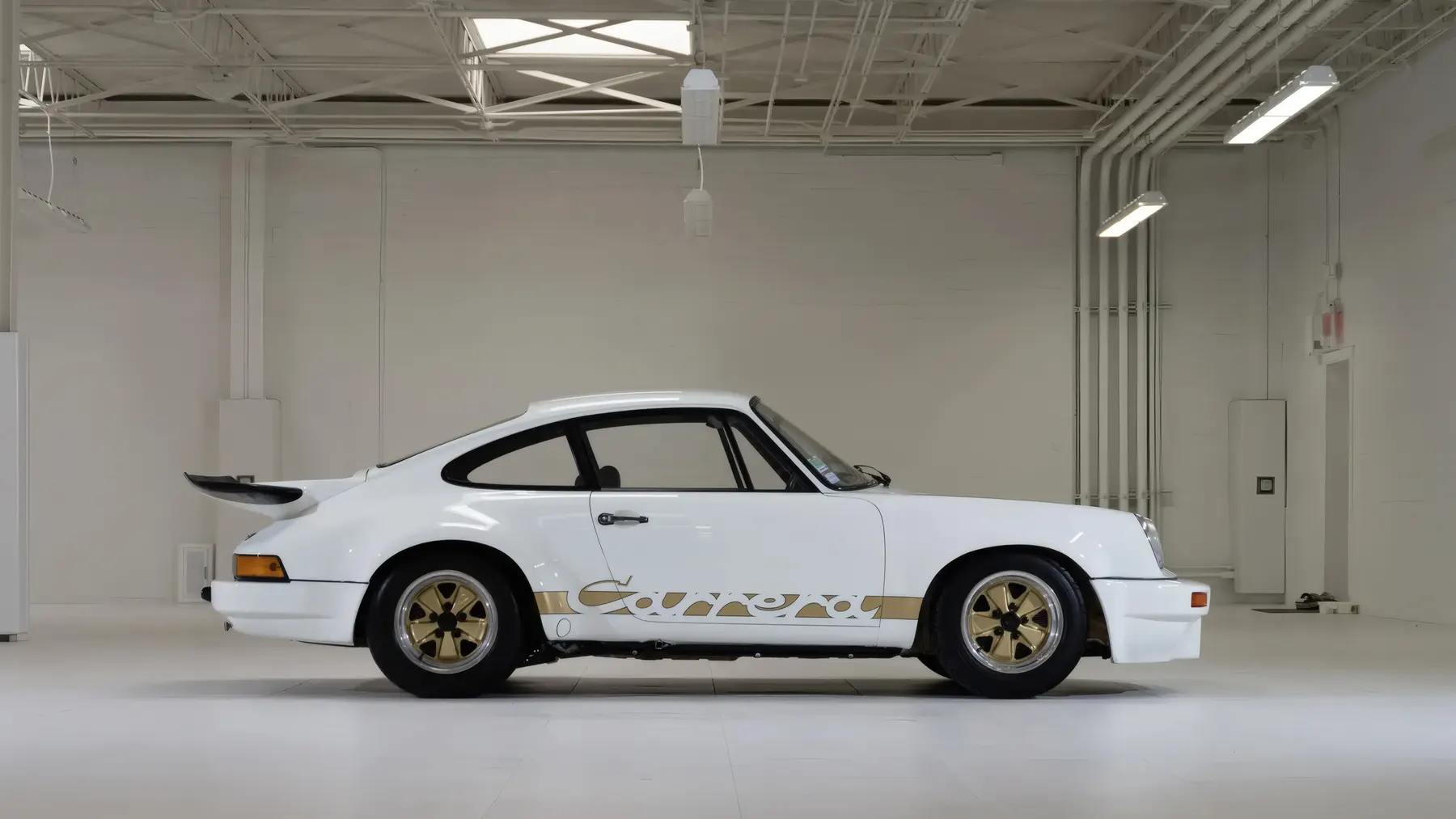
The chassis followed an equally track-honed brief. Porsche fitted cross-drilled, ventilated 300mm discs and finned four-piston callipers derived from the 917, complete with an adjustable front-to-rear brake balance bar, along with RSR-style rear suspension pick-up points for greater camber adjustment, solid-bushed reinforced trailing arms, and thicker anti-roll bars, 19mm at the front and 26mm at the rear, atop stiffer, gas-filled Bilstein dampers. Forged 15-inch Fuchs alloy wheels, eight inches wide at the front and nine at the rear and wrapped in Pirelli CN36 tyres, sat within bodywork whose track grew by 65mm at the front and 58mm at the rear compared with the 2.7 RS, all fed by an 80-litre fuel tank tucked beneath the front lid.
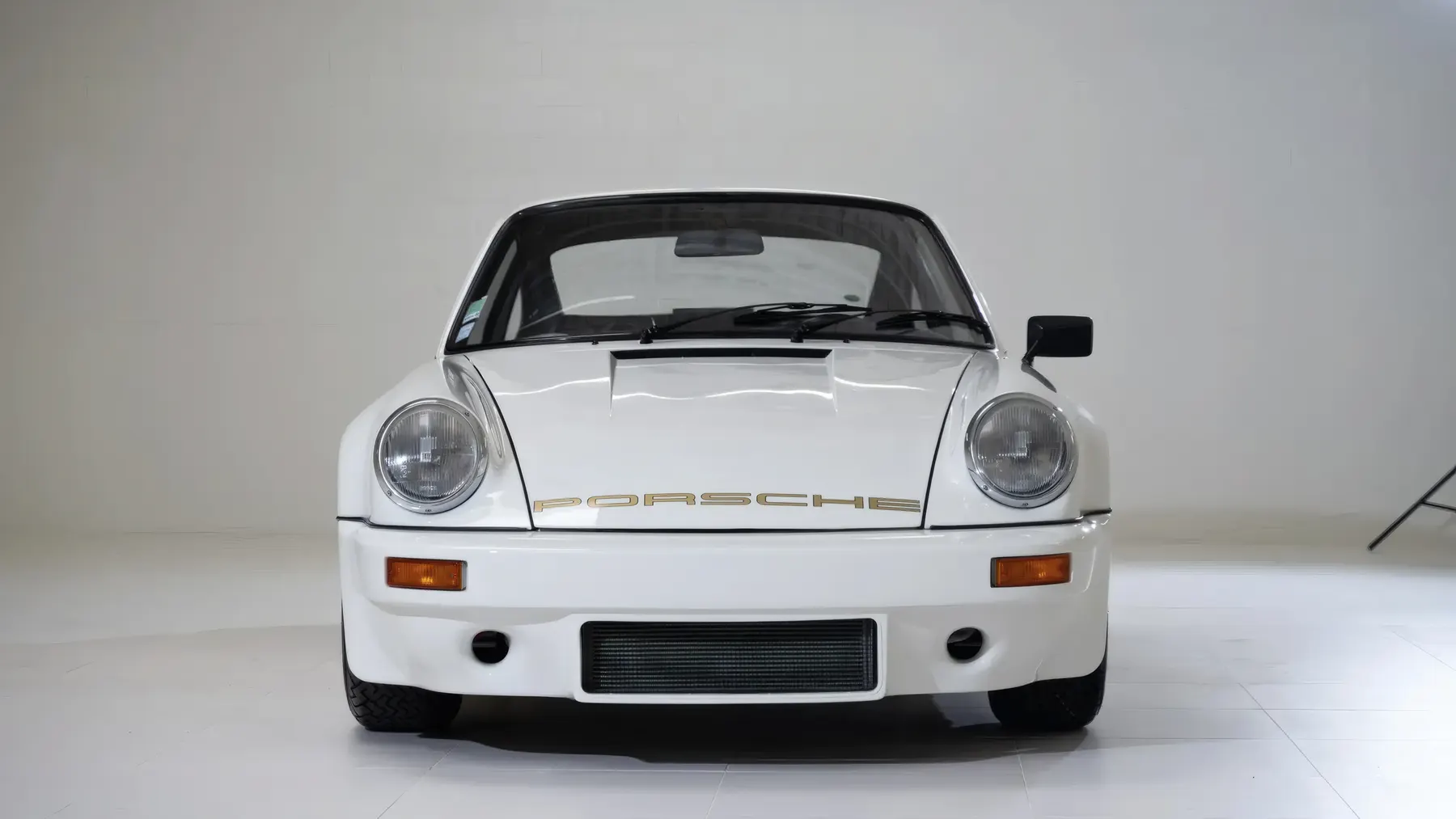
Weight-saving was systematic rather than cosmetic. Each RS 3.0 began life as a standard steel G-series bodyshell with no rustproofing and no sound deadening, onto which Porsche fitted thinner-gauge door skins, deleted the sill trim, and specified ultra-thin Glaverbel safety glass. Because the model was never intended for the American market, Porsche skipped the heavier, federally mandated impact bumpers fitted to other 1974-model-year 911s and used a Lightweight one-piece fibreglass front bumper instead, its wide rectangular intake feeding an underslung engine-oil cooler and flanking ducts feeding the front brakes. The front lid and engine cover were also fibreglass, the latter topped by the now-famous “tea tray” spoiler with its integral cooling grille, and buyers received a second, larger racing wing that overhung the rear bumper and was not legal for road use in Germany. Chrome trim gave way to satin black around the windows, door handles, mirrors and wipers, and the finished car typically weighed around 900kg, well beneath most performance coupés of its era, though the small number of cars specified with fuller interior trim were noticeably heavier.
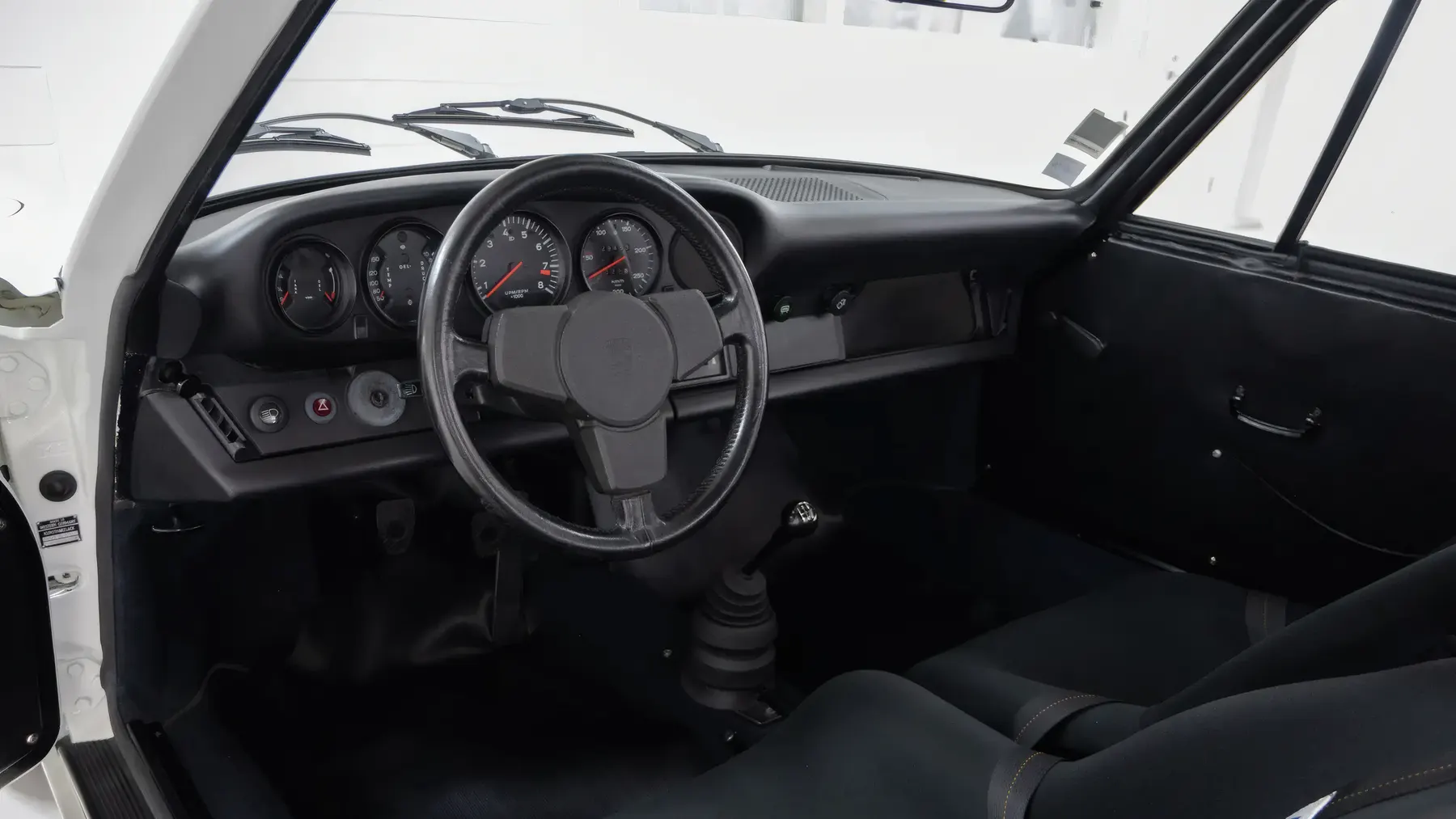
Inside, the RS 3.0 dispensed with almost everything that did not contribute to lap time. Fabric-covered Recaro buckets, thin carpet, rubber mats and a plain black headliner replaced the standard car’s upholstery; the rear seats, the clock, the glovebox lid and even the passenger’s sun visor were left off the specification sheet entirely, and no radio was fitted as standard. Behind the new-for-1974 three-spoke steering wheel sat simple road- and engine-speed dials flanked by combined fuel/oil-level and oil-temperature/oil-pressure gauges, with the space where a clock would normally sit simply blanked off. Unlike the 2.7 RS, which was offered in significant numbers as both a stripped-out Lightweight and a comparatively plush Touring model with the full 911S-spec cabin, the RS 3.0 was built to essentially one uncompromising specification; only a handful of cars left the factory with extras like electric windows, a sunroof or a two-speaker stereo, and at least one is known to have received a complete Touring-style interior. That near-total absence of a comfort option reflected how narrowly the car had been conceived: not as a road-going flagship in its own right, but as the minimum viable platform on which to build a racer.
Porsche built the RS 3.0 between October 1973 and June 1974, completing 55 road cars by most accounts (a small number of sources put the figure at 56), six of them right-hand drive, including a converted prototype built for the Australian market. A further 54 examples were finished to full RSR 3.0 racing specification, giving a combined production run of around 109 cars split between the road-legal homologation model and Porsche’s purpose-built racer. The RSR 3.0 carried a magnesium-cased, twin-plug version of the same basic engine tuned to roughly 330bhp, centre-lock magnesium wheels borrowed from the 917, firmer Delrin bushings in place of the road car’s rubber suspension pivots, and even wider bodywork than the road car, and it went on to become the dominant naturally aspirated GT racer of the mid-1970s. Privateer-run RSR 3.0s took wins at Monza, Spa, the Nürburgring and Kyalami through the 1974 and 1975 seasons, claimed the IMSA Camel GT and European Hillclimb Championships, and picked up national titles in Switzerland, Sweden, Holland and France, remaining competitive even after Porsche’s turbocharged 934 arrived in 1976. The road-going RS 3.0 saw its own share of period competition use in rallying, hillclimbing and GT racing, riding on the coat-tails of the 2.7 RS’s earlier production run, which had already satisfied the separate, larger-volume Group 3 homologation requirement.
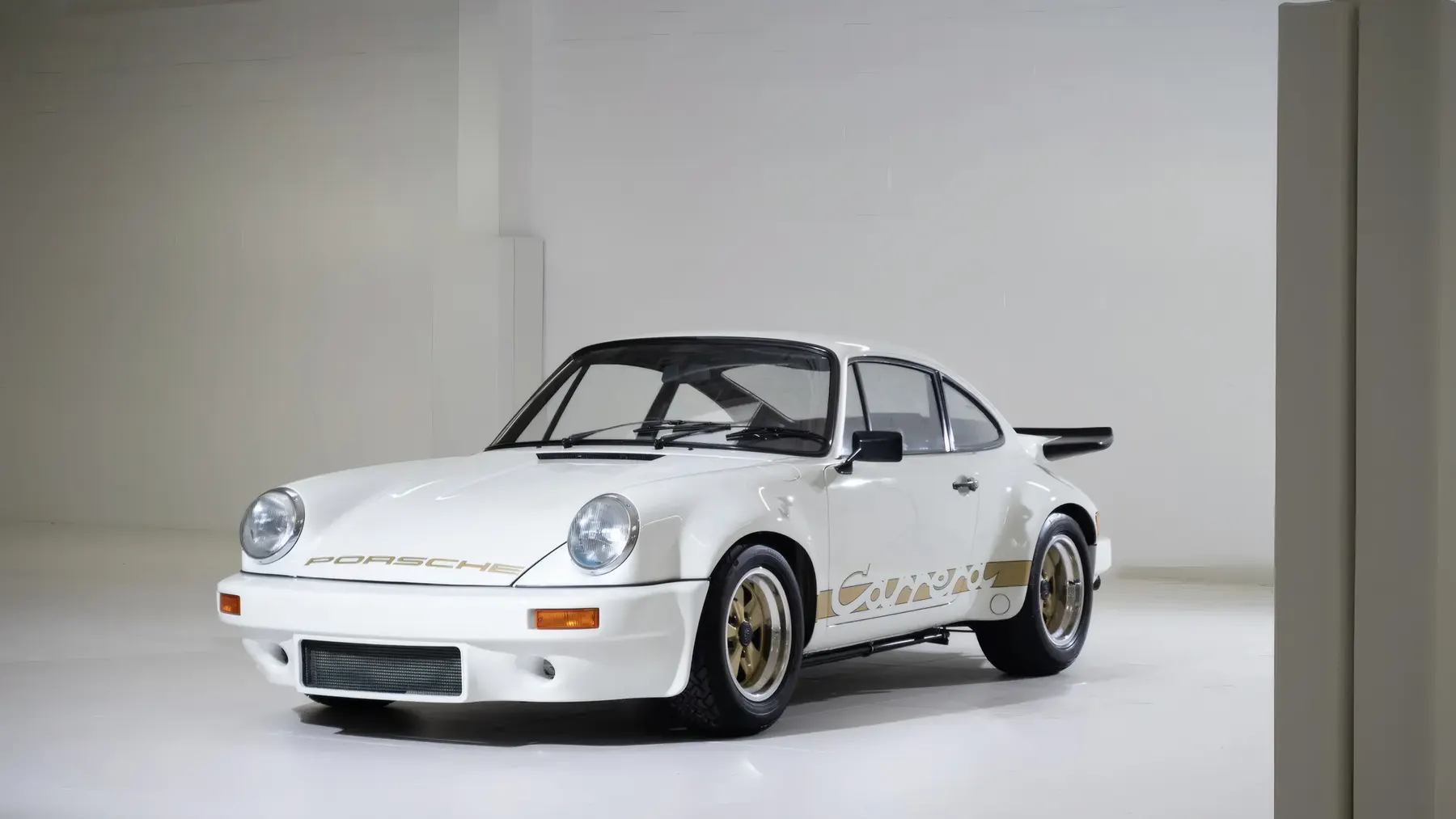
Because so few RS 3.0s were built, and fewer still have been driven hard by road testers over the decades, its reputation rests as much on its specification sheet as on first-hand accounts. What that sheet suggests, and what owners and specialists have long described, is a 911 that sharpens everything the 2.7 RS was already known for: quicker steering responses from the wider front track and stickier tyres, flatter cornering attitudes from the thicker anti-roll bars, and a noticeably keener front end under trail-braking, all riding on a car around 150 to 200kg lighter than a contemporary 911S. The 917-derived brakes give huge, fade-resistant stopping power that few road cars of 1974 could match, and the extra displacement fills in the low-to-mid-range torque that made the smaller 2.7-litre engine feel comparatively breathless below 4,000rpm. Even in single-plug, road-legal tune, the flat six revs cleanly well past 6,500rpm with the mechanical injection’s characteristically crisp, immediate throttle response, a trait that owners of the closely related 2.7 RS have long praised for letting a driver adjust the car’s line mid-corner on the throttle alone.
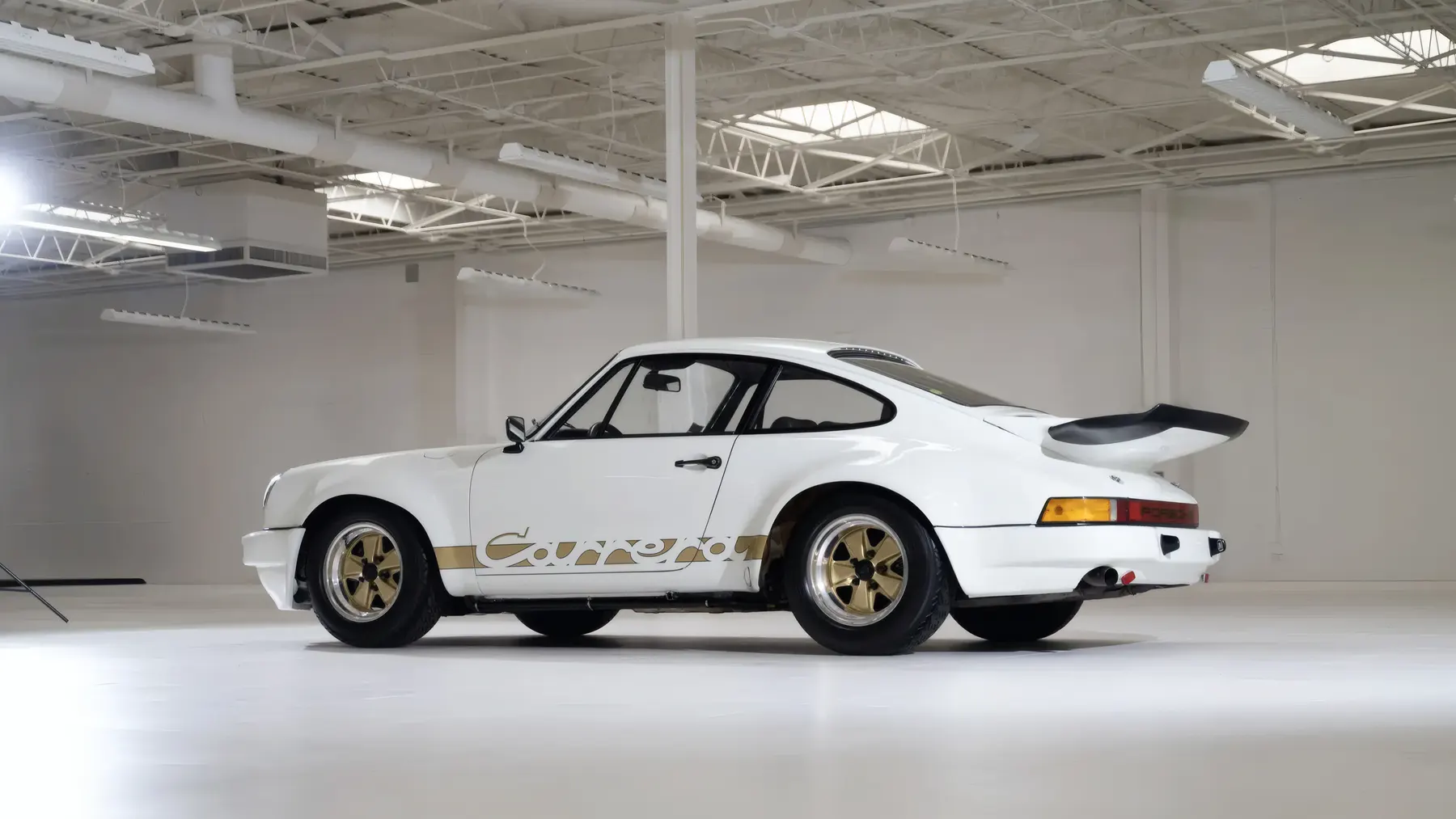
None of that came without real cost, and it is worth being honest about where the RS 3.0 falls down as a car to actually live with. The cabin is genuinely unpleasant for anything beyond a short, purposeful drive: with no sound insulation, thin glass and a largely trim-free interior, road and mechanical noise intrude constantly, and the firmer springing and thicker anti-roll bars that sharpen the handling also transmit far more of the road surface into the cabin than a contemporary 911S, or even a Touring-spec 2.7 RS. Buyers paid nearly double what the outgoing 2.7 RS had cost for a car that, in road trim, offered a comparatively modest gain of around 20bhp and a few tenths to 60mph, meaning much of that premium bought hardware, bigger brakes, a wider track, revised suspension geometry, whose full value is only really unlocked on a racetrack rather than the public road most owners actually used it on. Porsche never federalised the car for the United States at all, shutting the model out of what was already becoming its largest and most lucrative market, and a run of just 55 or 56 cars meant the RS 3.0 was always destined to be a footnote in Porsche’s sales figures rather than a genuine commercial model, however good it was to drive. Today, that same rarity has priced real ownership, and more importantly real driving, out of reach for all but a handful of collectors; surviving cars now routinely change hands for seven-figure sums, and most that remain are kept far too valuable to be used the way Porsche originally intended.
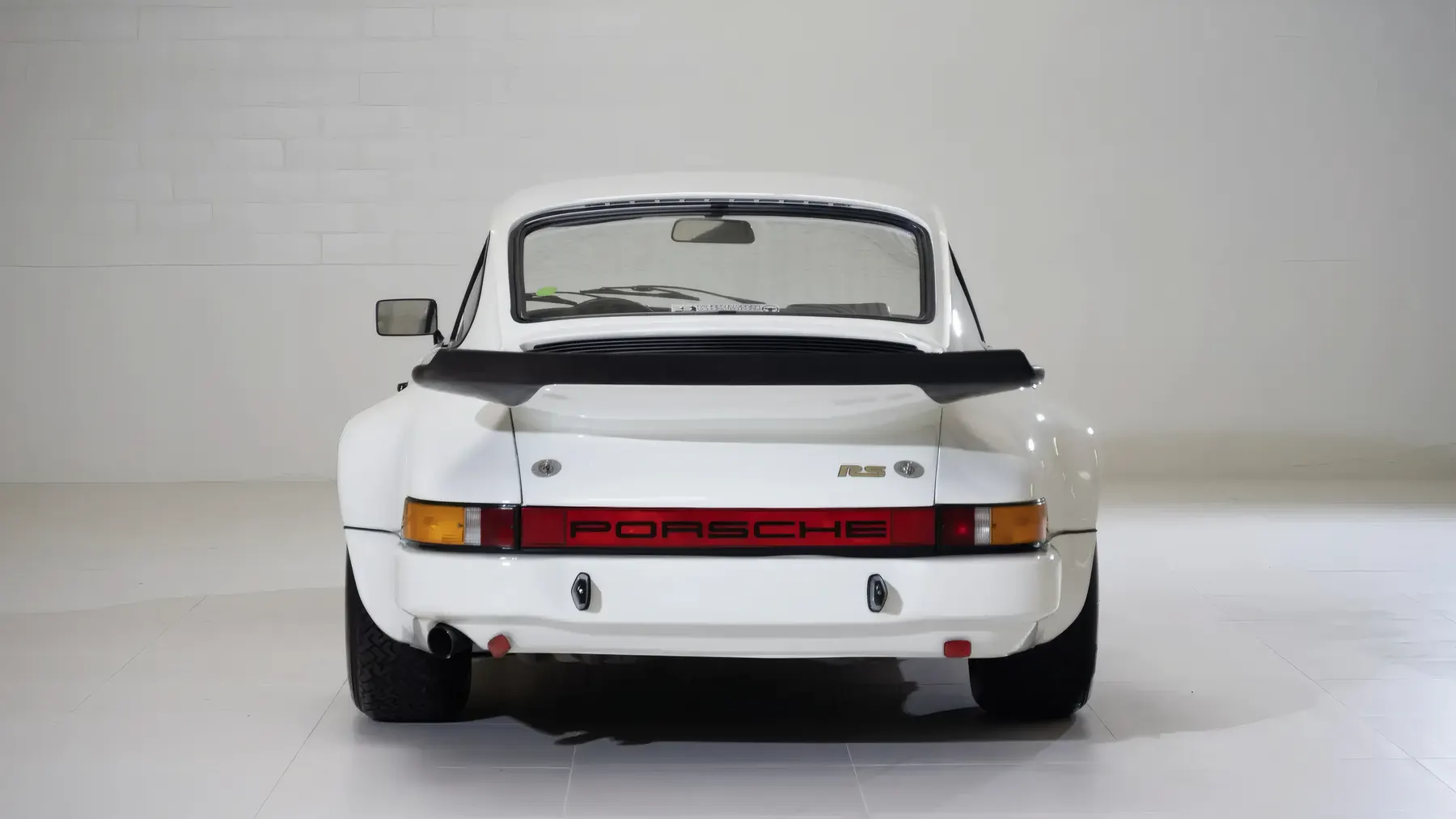
None of that diminishes what the RS 3.0 achieved on its own narrow terms. It was never meant to be judged as a product in the way the 2.7 RS eventually was; it was a means to an end, built purely to put a faster racing 911 on grids for one more season, and Porsche’s engineers used that narrow brief as licence to build the least compromised, most focused air-cooled 911 the factory had yet produced. The Carrera name would not appear on another road-going Rennsport model until the 964-generation Carrera RS of 1991, and every 911 GT3 RS built since traces its basic idea, take the standard car, strip it, stiffen it, and build only as many as the rulebook demands, back to this small, white-and-gold 1974 homologation special. Few cars illustrate so clearly how a regulation written purely for racing can, almost as an afterthought, produce one of a manufacturer’s most coveted road cars.
Technical data
Specifications
| Specification | 1974 Porsche 911 Carrera RS 3.0 (road specification) |
|---|---|
| Engine | Type 911/77, rear-mounted, air-cooled flat six, SOHC per bank, single-plug ignition |
| Displacement | 2,993cc (95mm bore x 70.4mm stroke) |
| Fuel system | Bosch mechanical fuel injection |
| Compression ratio | 9.8:1 |
| Power | 230bhp @ 6,200rpm |
| Torque | 203lb-ft @ 5,000rpm |
| Transmission | Five-speed manual (Type 915), limited-slip differential (80% locking) |
| Suspension, front | MacPherson struts, torsion bars, thicker anti-roll bar (19mm), gas-filled Bilstein dampers |
| Suspension, rear | Semi-trailing arms, torsion bars, revised RSR-style pick-up points, thicker anti-roll bar (26mm), gas-filled Bilstein dampers |
| Brakes | 917-derived cross-drilled, ventilated 300mm discs; finned four-piston callipers; adjustable front/rear balance bar |
| Wheels | Forged 15-inch Fuchs alloys, 8.0in front / 9.0in rear |
| Tyres | Pirelli CN36, 215/60VR15 front / 235/60VR15 rear |
| Fuel tank | 80 litres |
| Kerb weight | Approximately 900kg (sport specification; fuller-trim cars heavier)* |
| 0-60mph | Approximately 5.2-5.3 seconds |
| Top speed | Approximately 150-152mph (sources vary by a few mph) |
| Production | October 1973 - June 1974; 55 road cars (some sources cite 56), plus 54 RSR 3.0 competition cars |
| Price when new | Approximately double the outgoing 911 Carrera RS 2.7 |
Sources
- Supercar Nostalgia: Porsche 911 3.0 Carrera RS Guide
- Stuttcars: Porsche 911 Carrera RS 3.0 (1974)
- Stuttcars: Porsche 911 Carrera RSR 3.0 (1974-1975)
- Secret Classics: Porsche 911 Carrera RS 3.0
- RM Sotheby’s: 1974 Porsche 911 Carrera RS 3.0, Monterey 2024
- RM Sotheby’s: 1974 Porsche 911 Carrera RS 3.0, Milan 2025
- RM Sotheby’s: 1974 Porsche 911 Carrera RS 3.0, The White Collection
- Premier Financial Services: Model Masterpiece - 1974 Porsche 911 Carrera RS 3.0
- Bonhams: 1974 Porsche 911 Carrera RS 3.0-Litre Coupe (model background and Motor Sport magazine context)
- Gooding & Company: 1974 Porsche 911 Carrera 3.0 RSR
- Classic Motorsports: In 1973, Porsche Built Something Very Special - the 911 Carrera RS
- Octane Magazine: Porsche 911 Carrera RS 2.7 - Full History and Review
- Conceptcarz: 1974 Porsche Carrera RSR 3.0 (motorsport results, used as corroboration)
Join the discussion
Comments
Loading comments…
Leave a comment
Share a detail, memory, or perspective. Every comment is reviewed before publication.