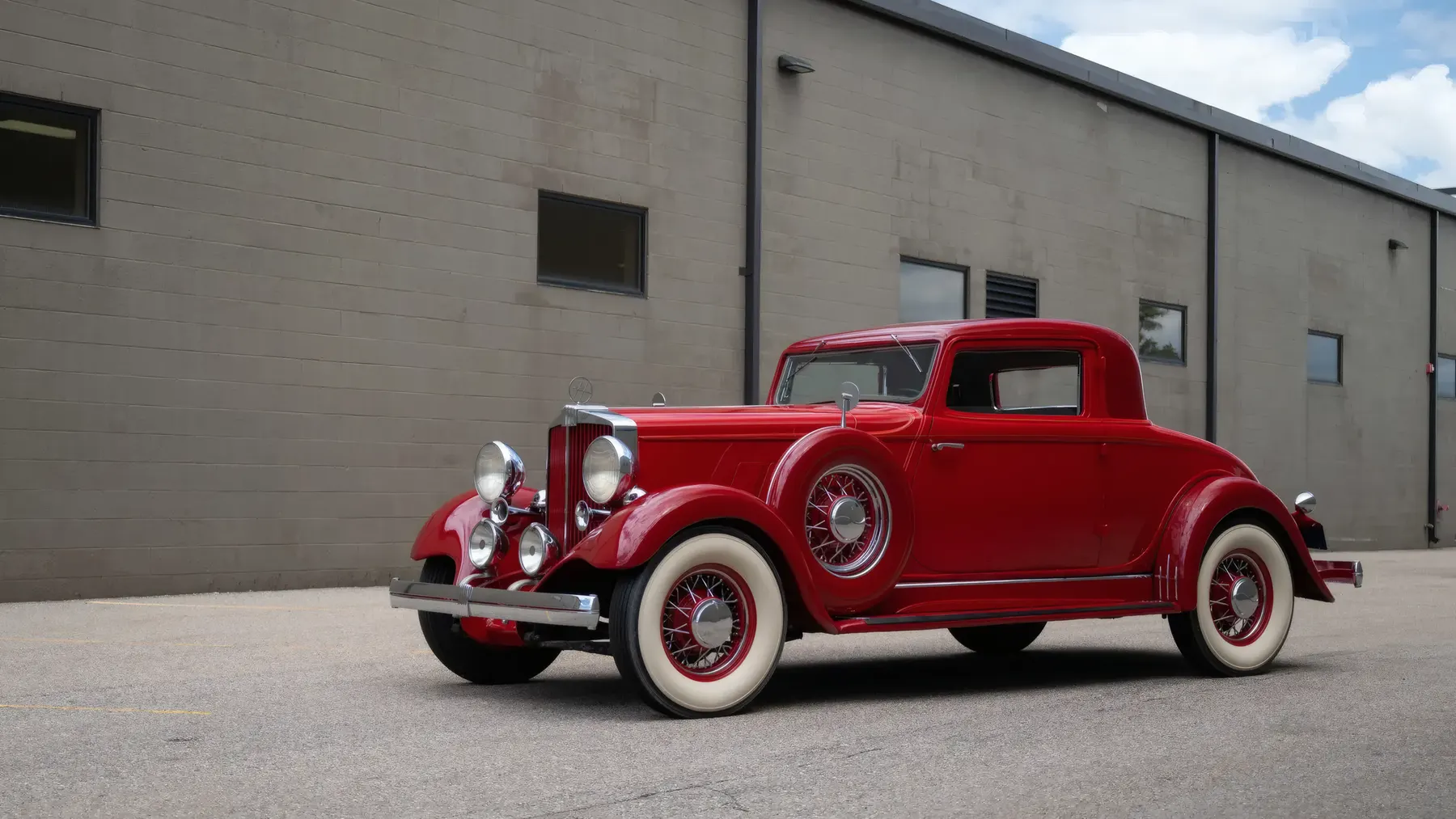
Ambitious Commercial Failures
Cars born from bold ideas and serious ambition that ultimately collided with financial reality, weak demand or an unsustainable business model.
Stories across the archive
Cars brought together by a shared idea, engineering approach, or place in history.
Cars born from bold ideas and serious ambition that ultimately collided with financial reality, weak demand or an unsustainable business model.
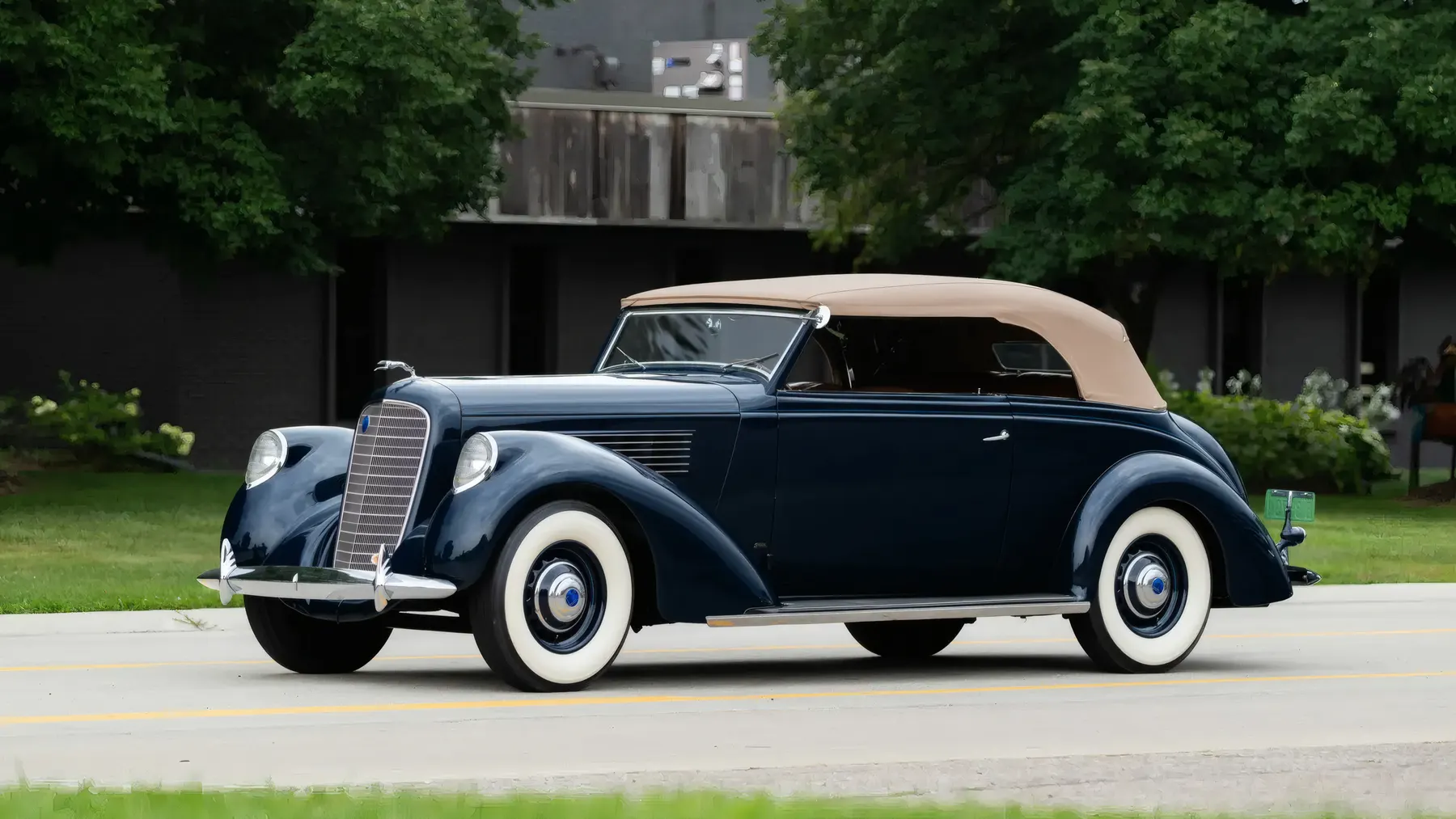
Final flourishes from celebrated coachbuilders, created as bespoke bodywork gave way to modern factories, standardisation and changing tastes around them.
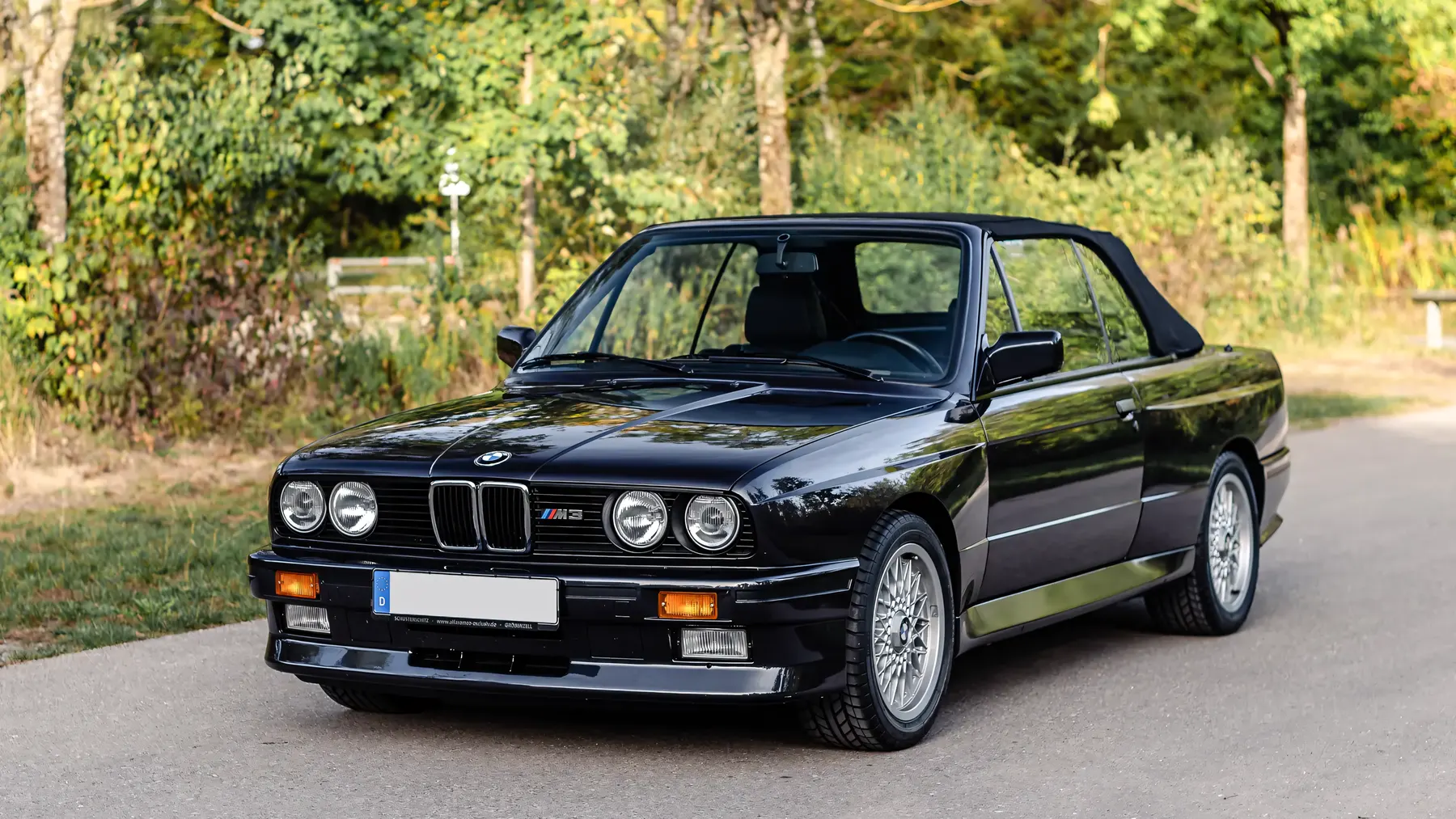
Convertibles derived from competition-focused models, carrying motorsport engineering into open-air road cars with different priorities, compromises and character.
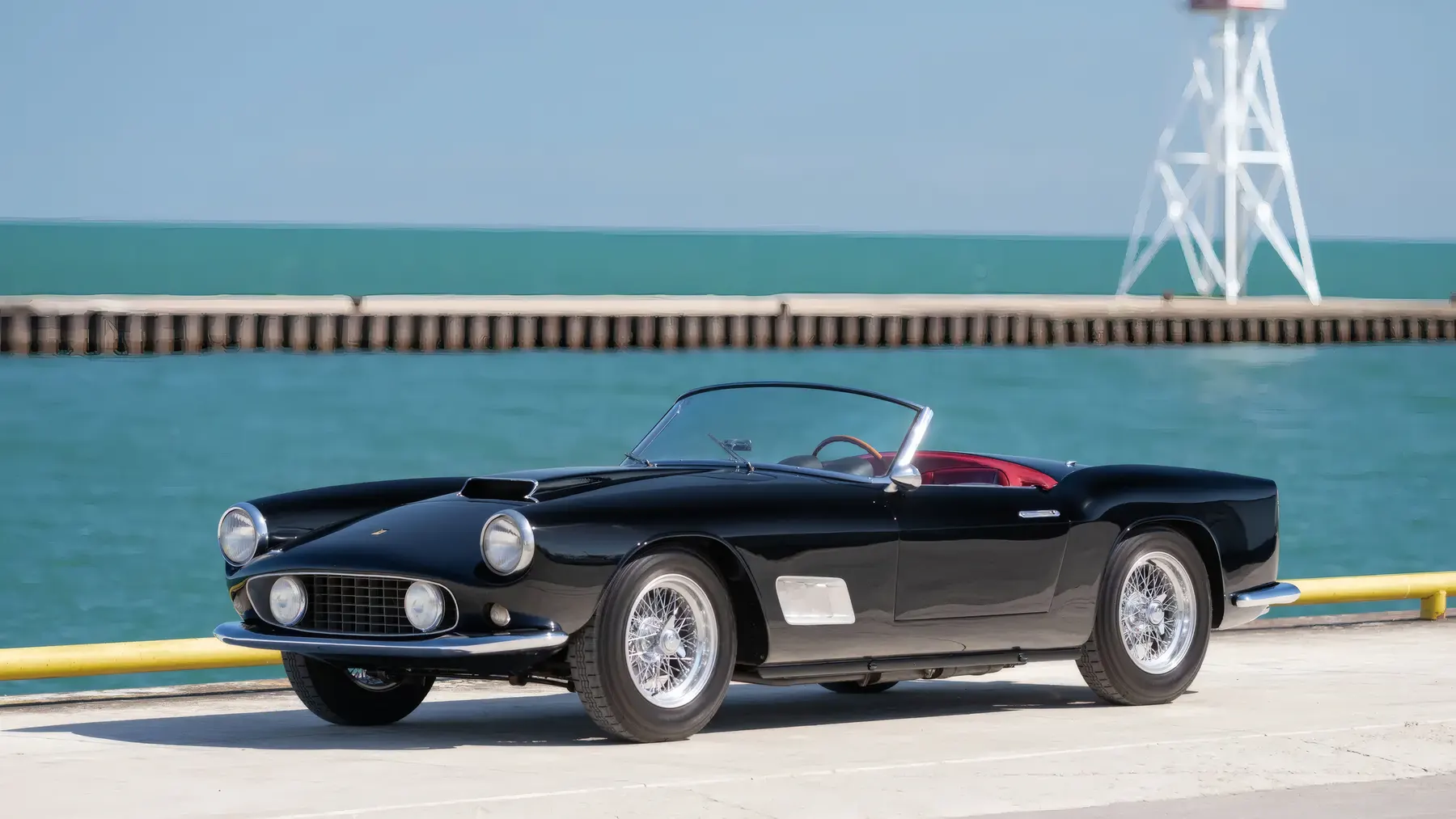
Grand tourers engineered to serve two worlds at once, combining genuine long-distance road usability with the speed, durability and dynamic ability to compete seriously in motorsport.
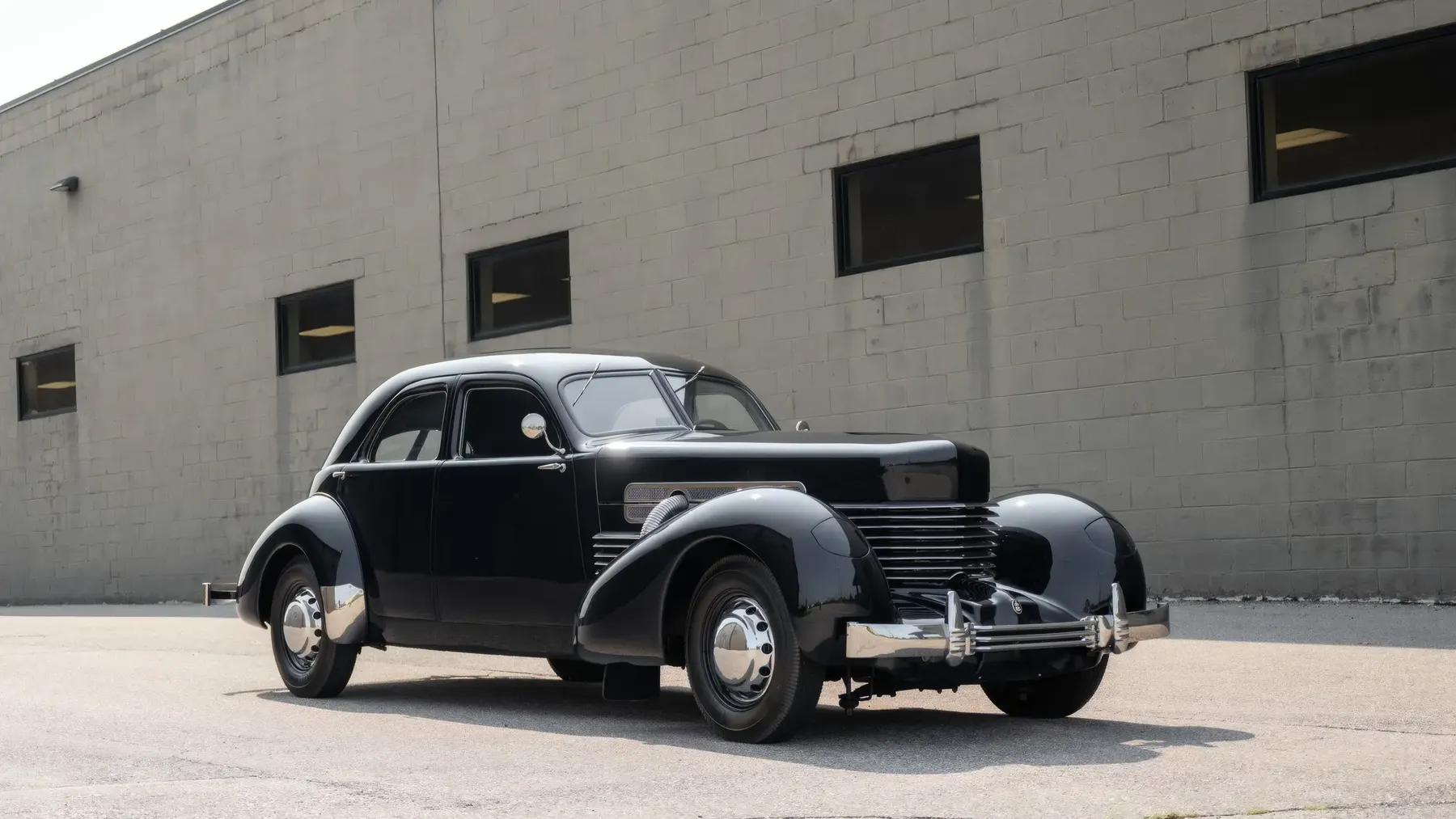
Cars that represented the final significant expression of a long-established engineering philosophy before their manufacturers moved decisively toward a different architecture, technology or way of building automobiles.
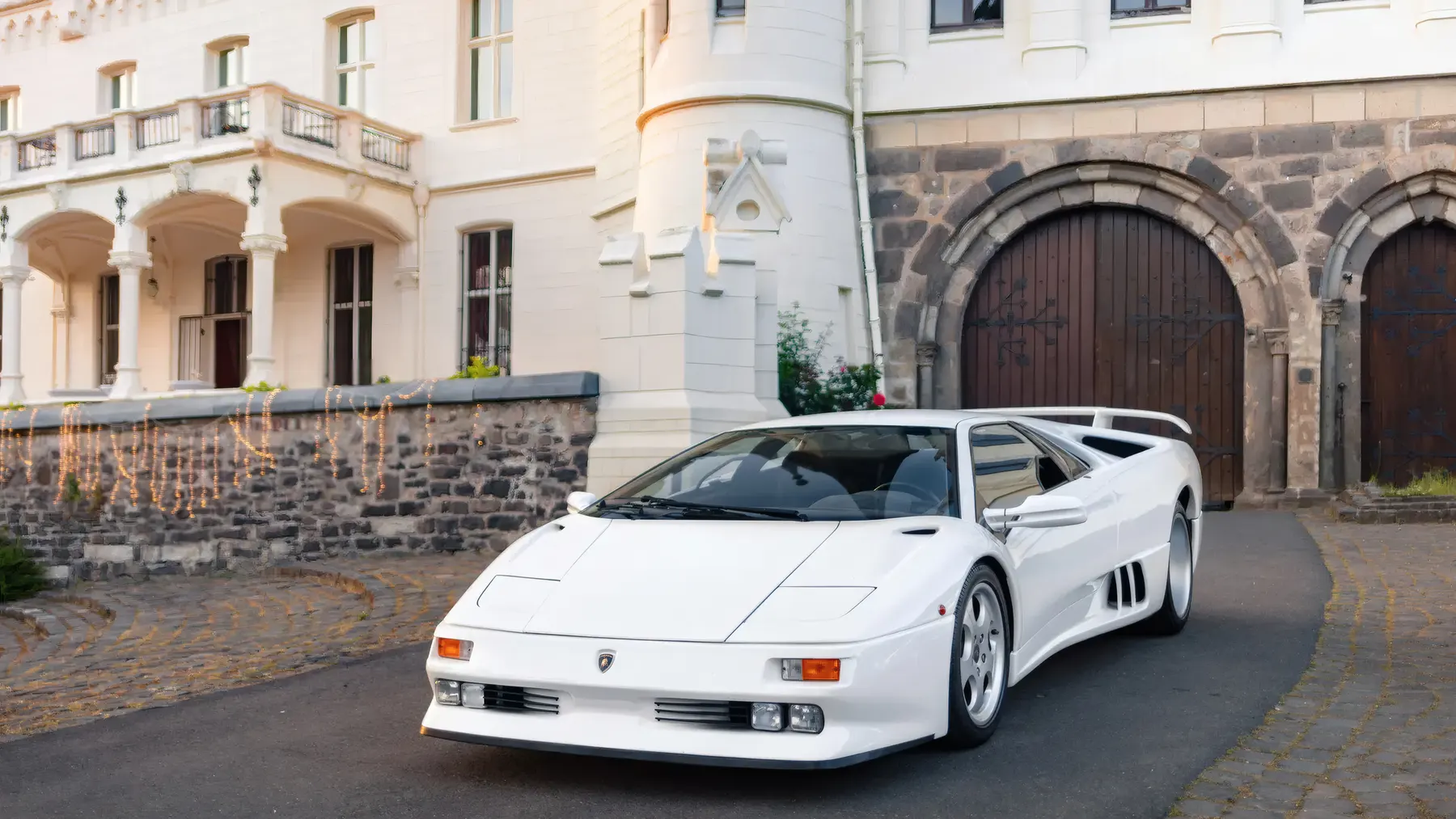
Cars shaped by a singular technical objective, where performance, capability or engineering purity took precedence over comfort, cost and conventional practicality.
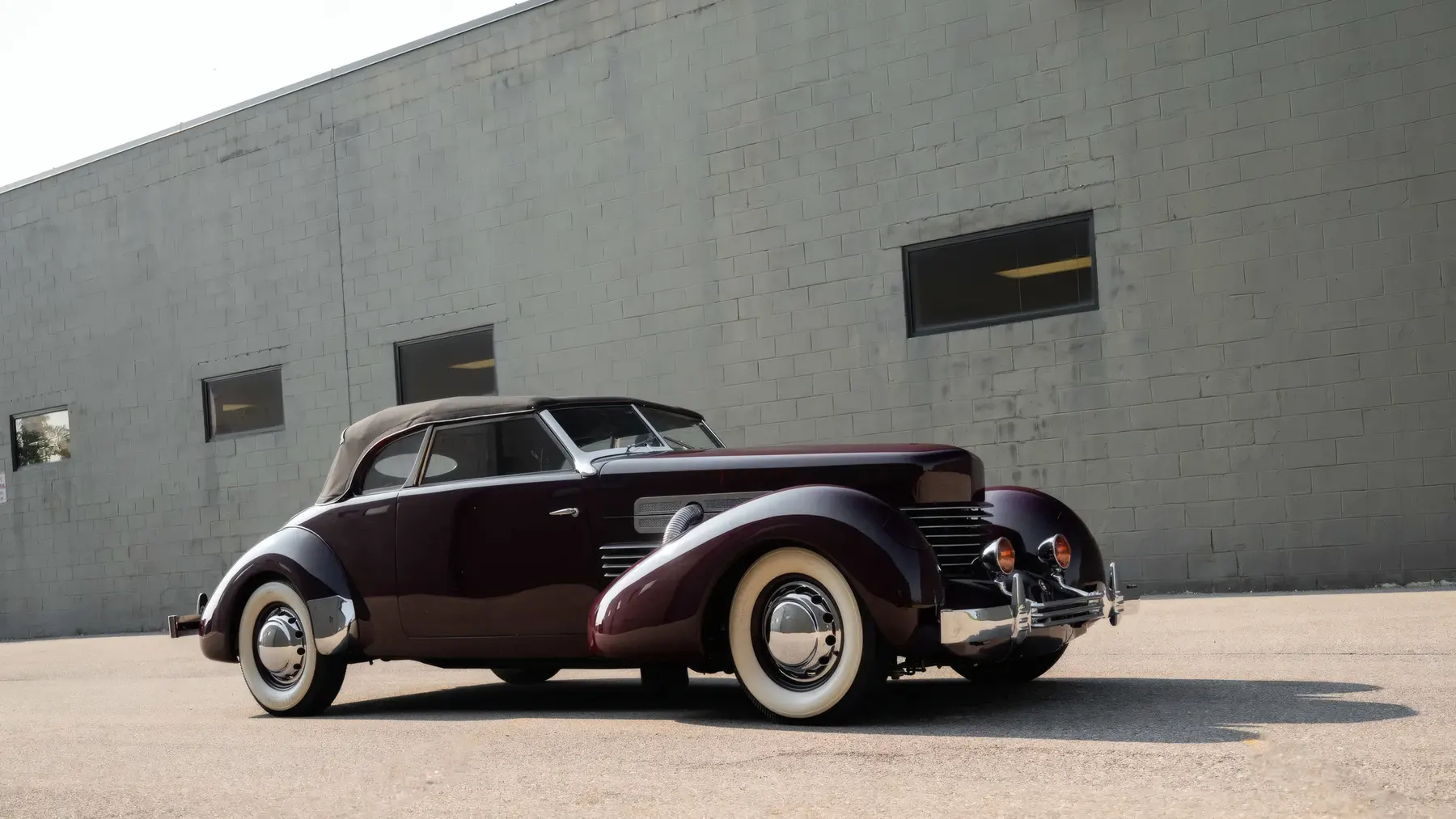
Cars offered with optional factory engine upgrades or performance packages, allowing buyers to choose greater capability within a familiar model.
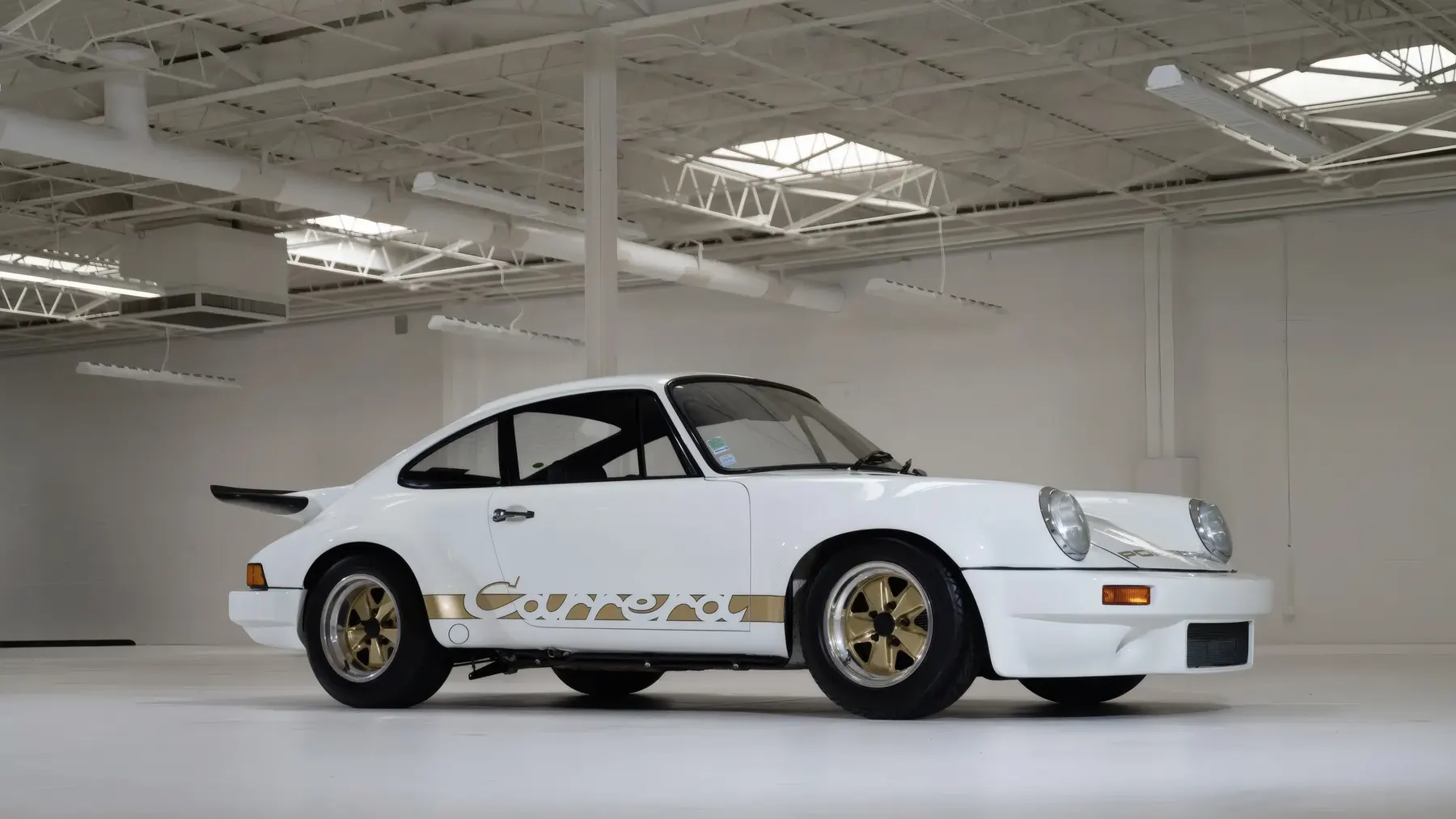
Road cars built primarily to satisfy competition regulations, existing because a racing version needed to be made legal.
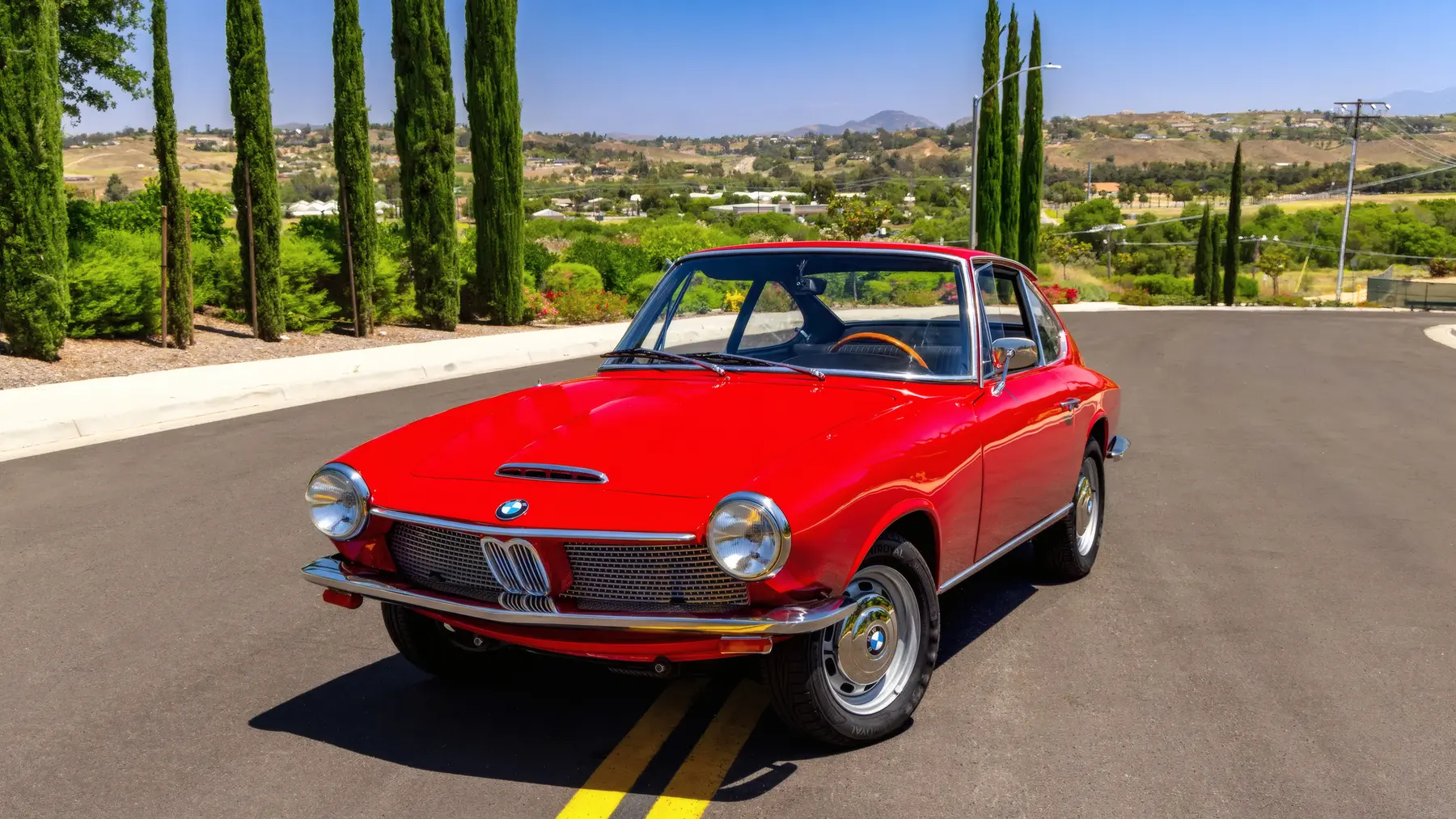
Cars that marked decisive changes in how their manufacturers operated, introducing new levels of production scale, manufacturing discipline or industrial ambition that reshaped the companies behind them.
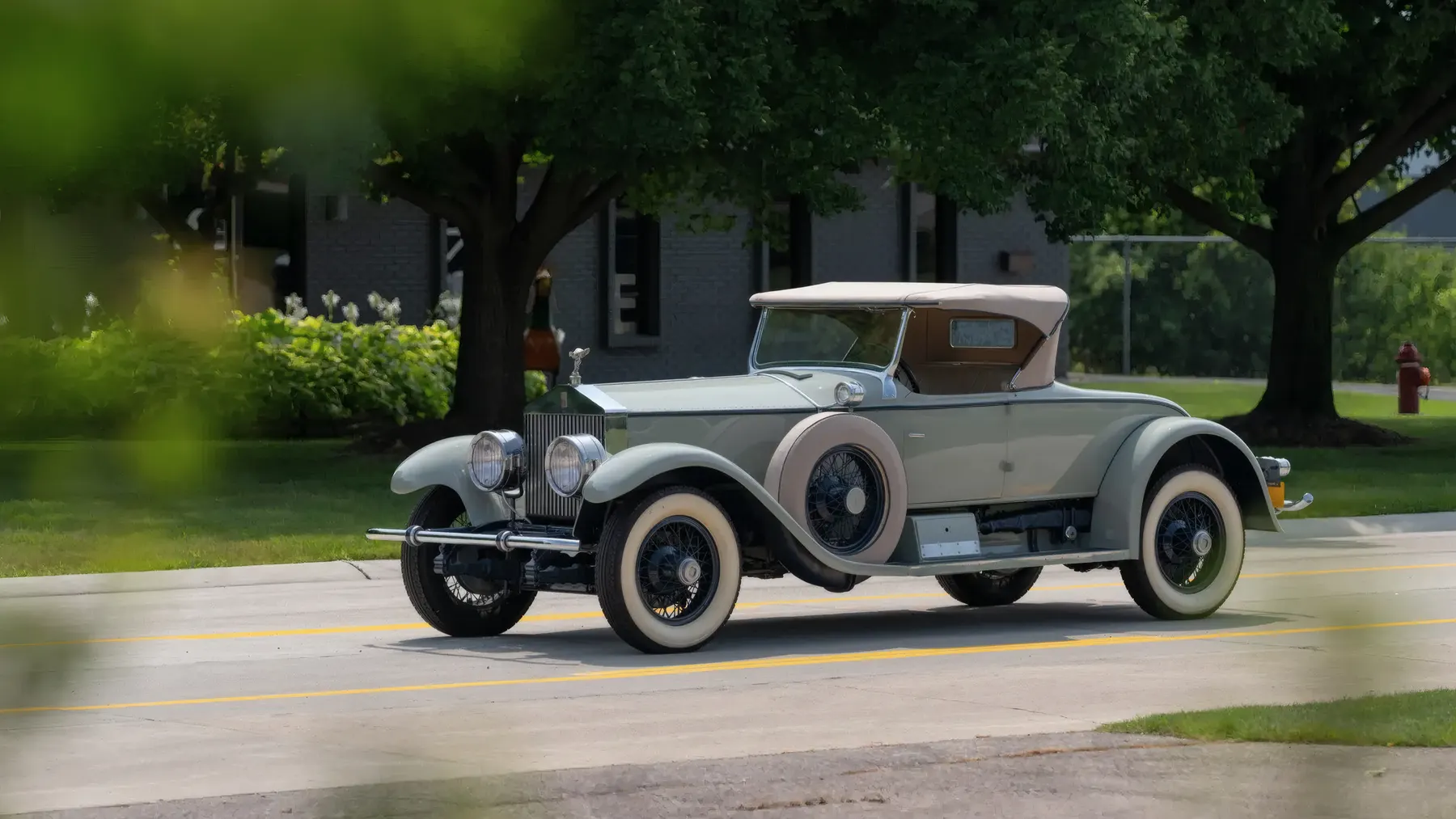
Cars created specifically for particular countries or regions, combining existing engineering with unique specifications, identities or marketing designed around the tastes and expectations of a local market.
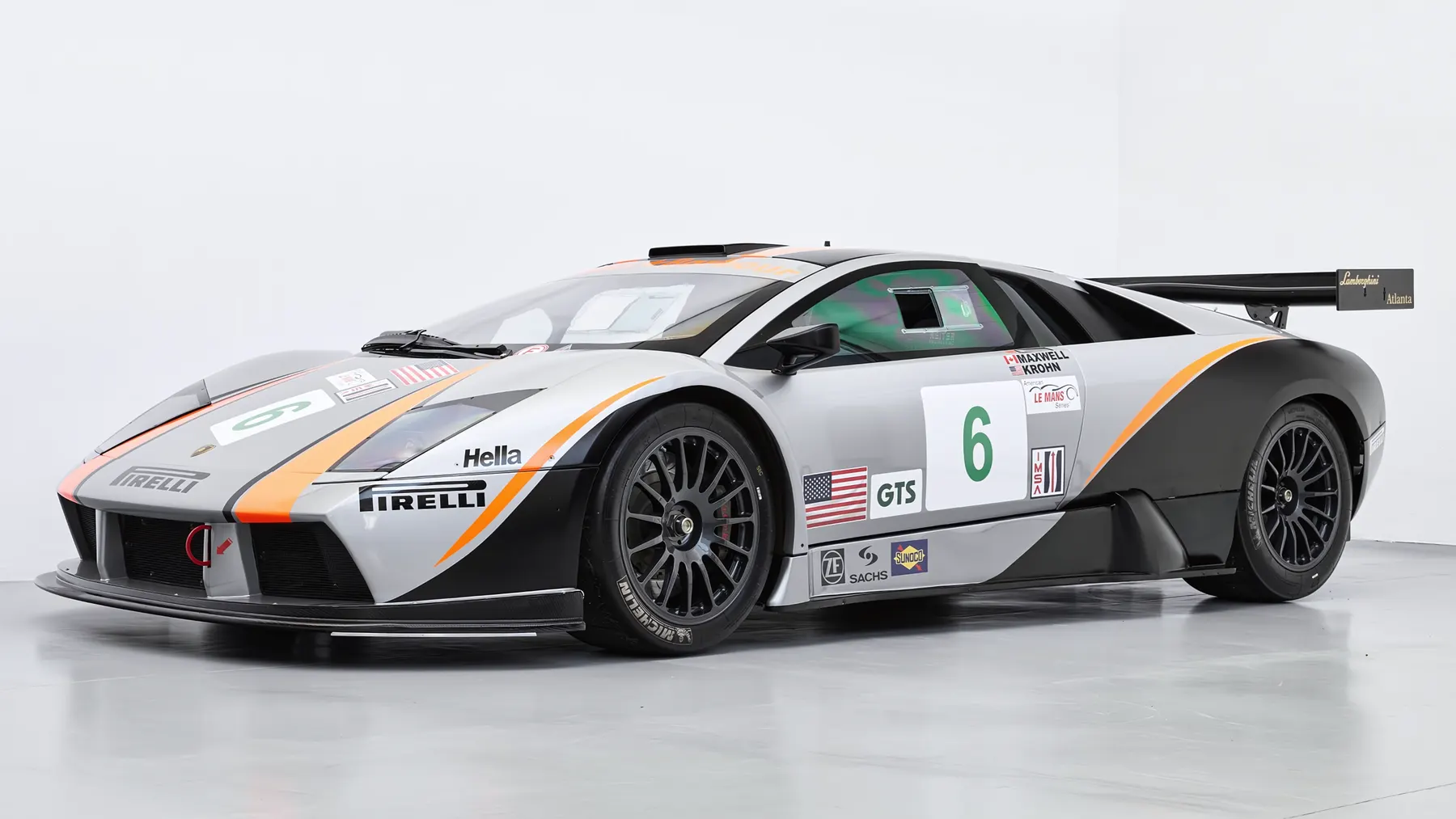
Purpose-built racing cars designed not as ultimate competition machines, but as accessible platforms for teaching racecraft, developing drivers and preparing them for higher levels of motorsport.
Rare coachbuilt derivatives that lived in the shadow of more celebrated siblings, despite their distinctive design, craftsmanship or historical significance.
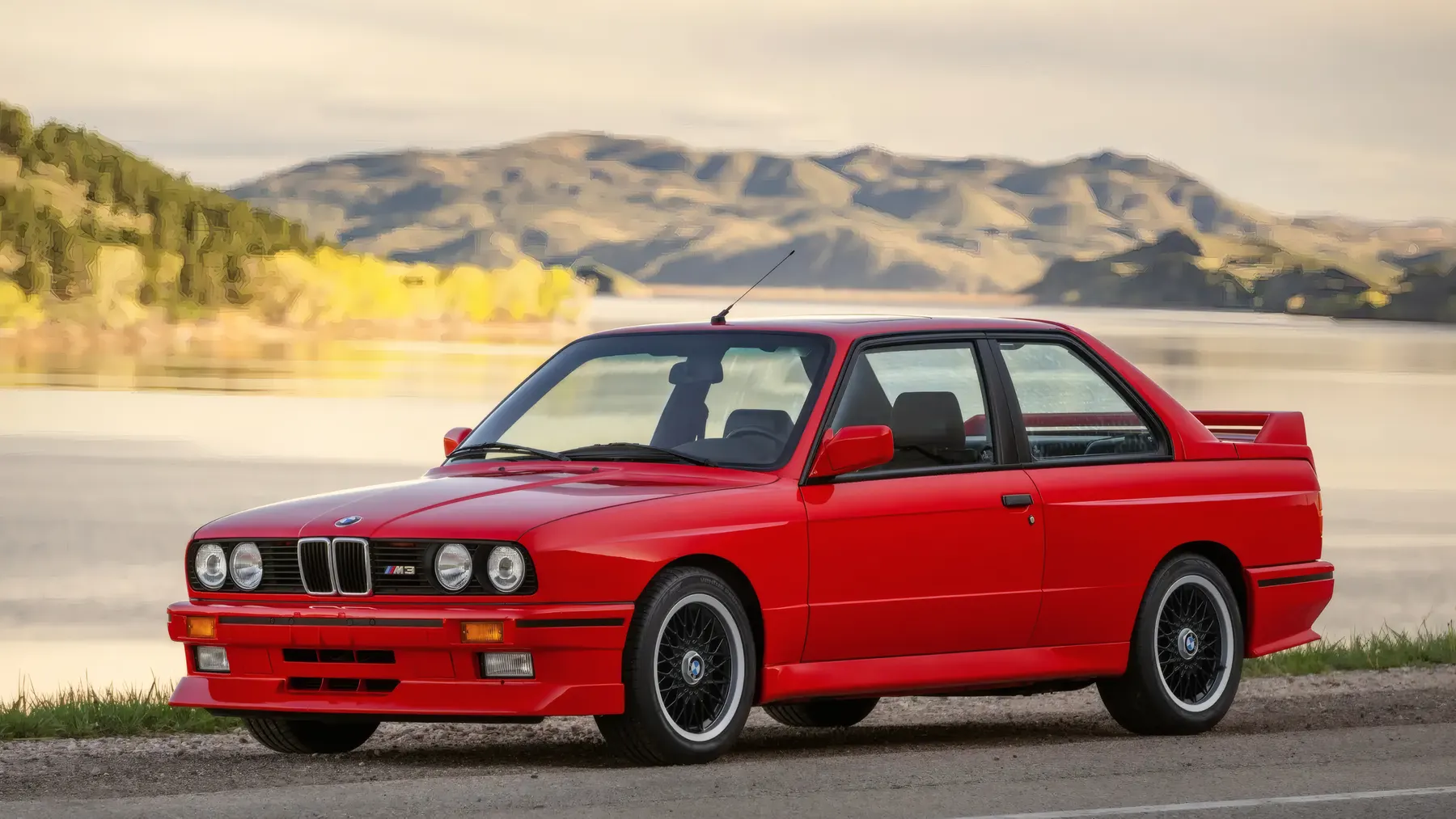
Exceptional cars whose abilities, significance or character were obscured by more dramatic, famous or commercially dominant contemporaries.
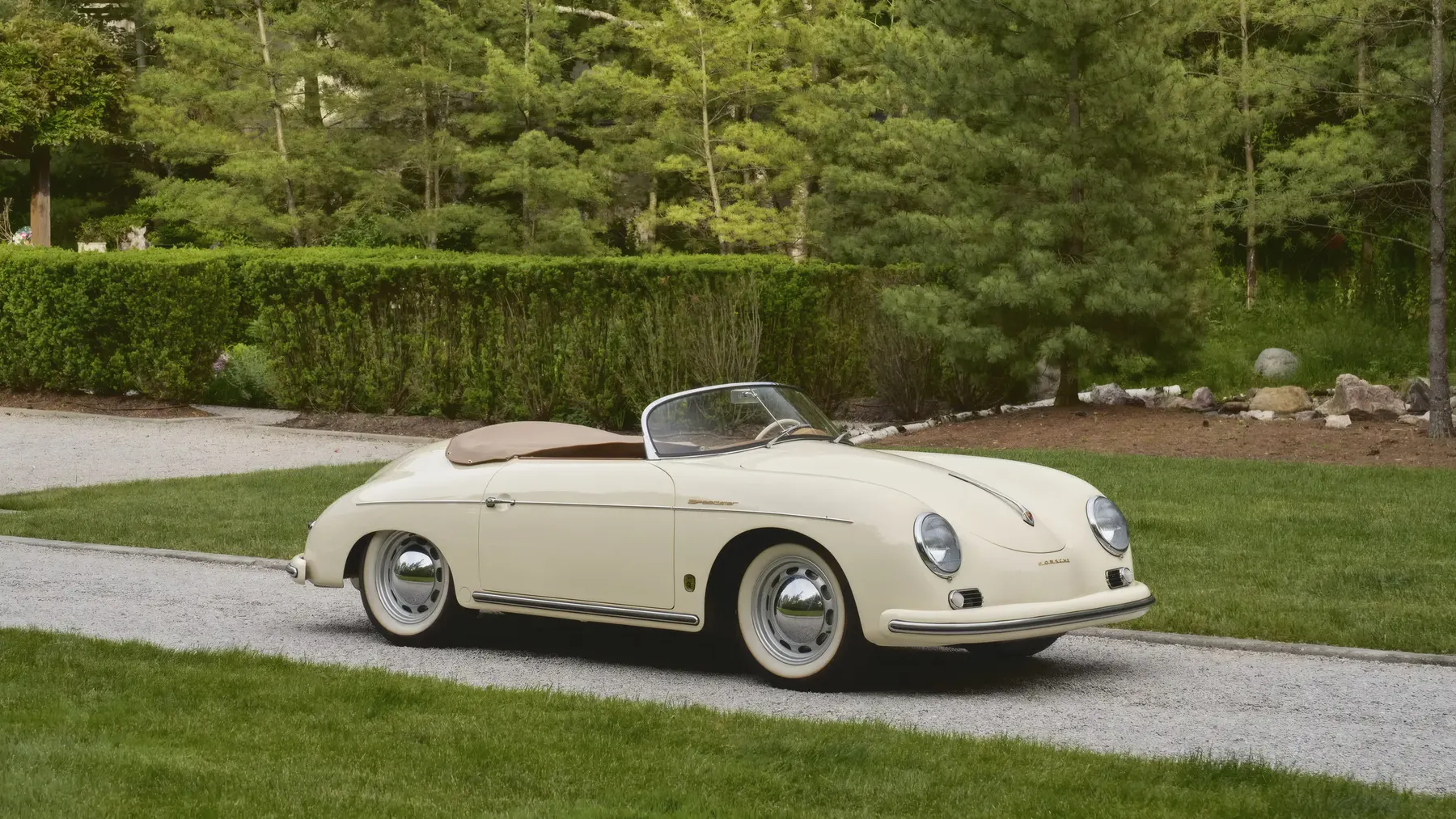
Cars that made genuine performance more accessible, using clever engineering, reduced weight, simplified specifications or aggressive pricing to bring serious driving enjoyment within reach of a broader audience.
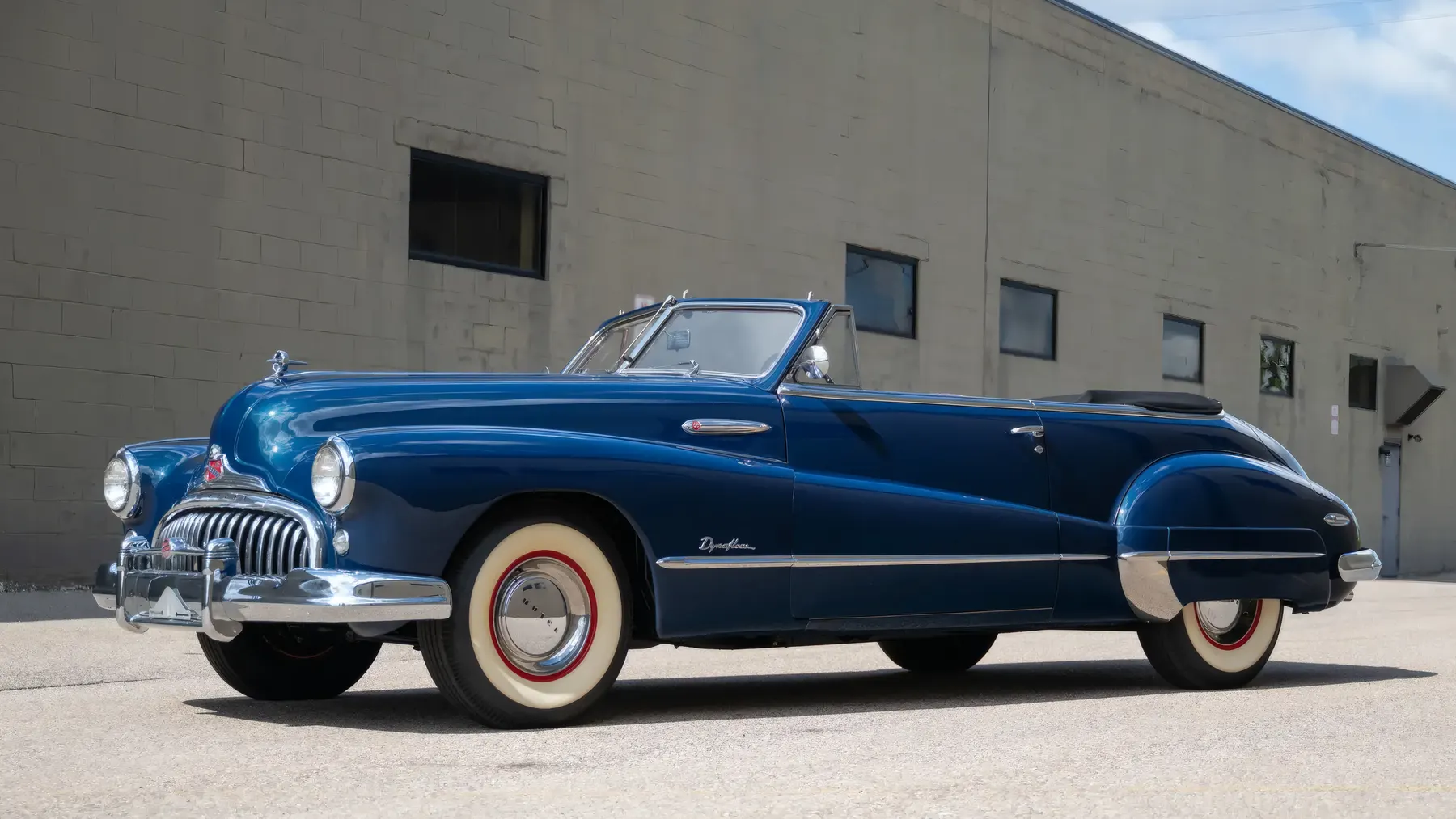
Cars that helped manufacturers, industries and ordinary motorists return to civilian life after war, rebuilding production as well as mobility.
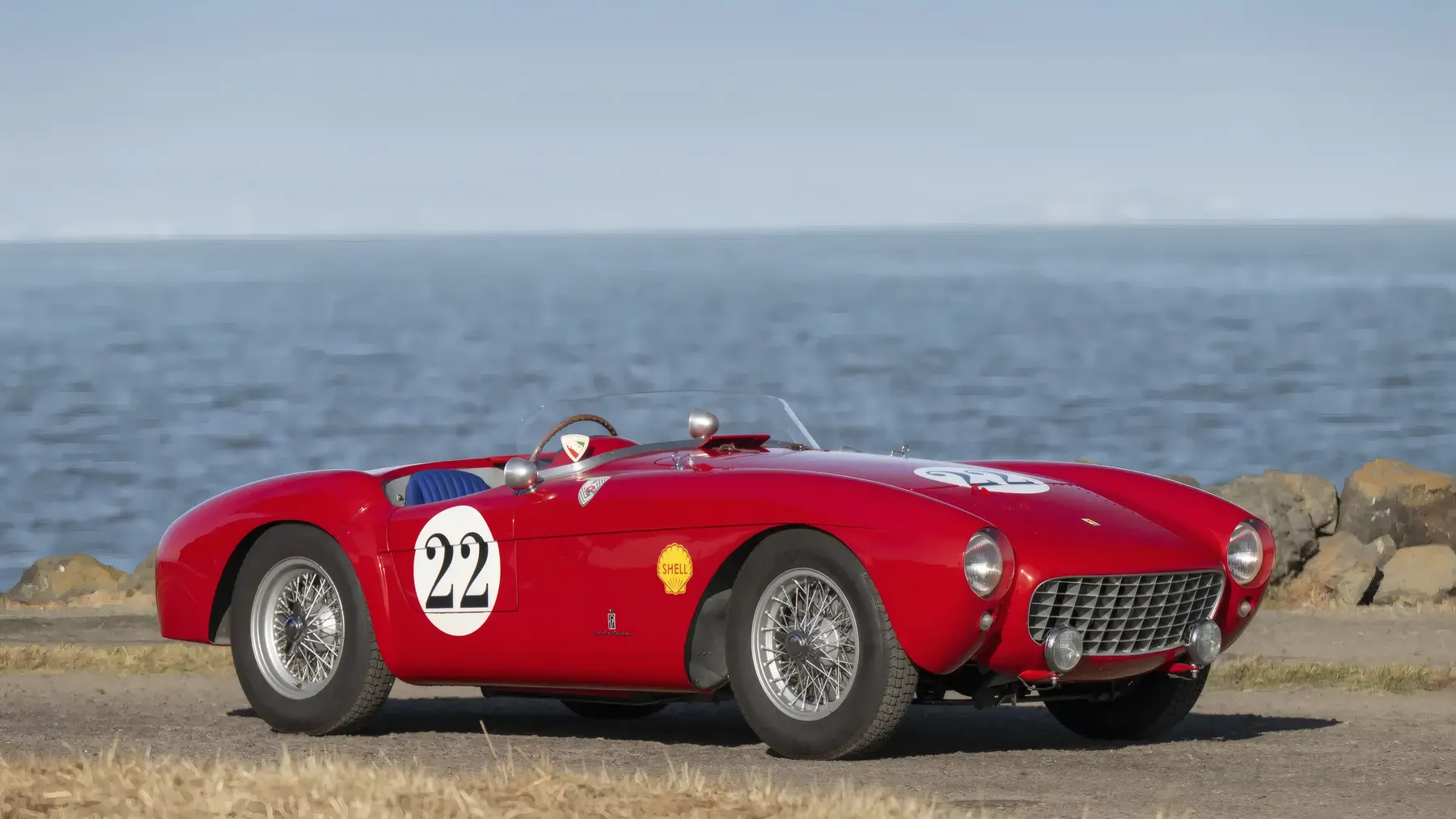
Cars whose affordability, simplicity and competitive ability made them natural weapons for independent racers competing without the resources or direct support of a factory team.
Cars created to honour racing drivers, translating their achievements, personalities and associations with a manufacturer into distinctive roadgoing or competition models.
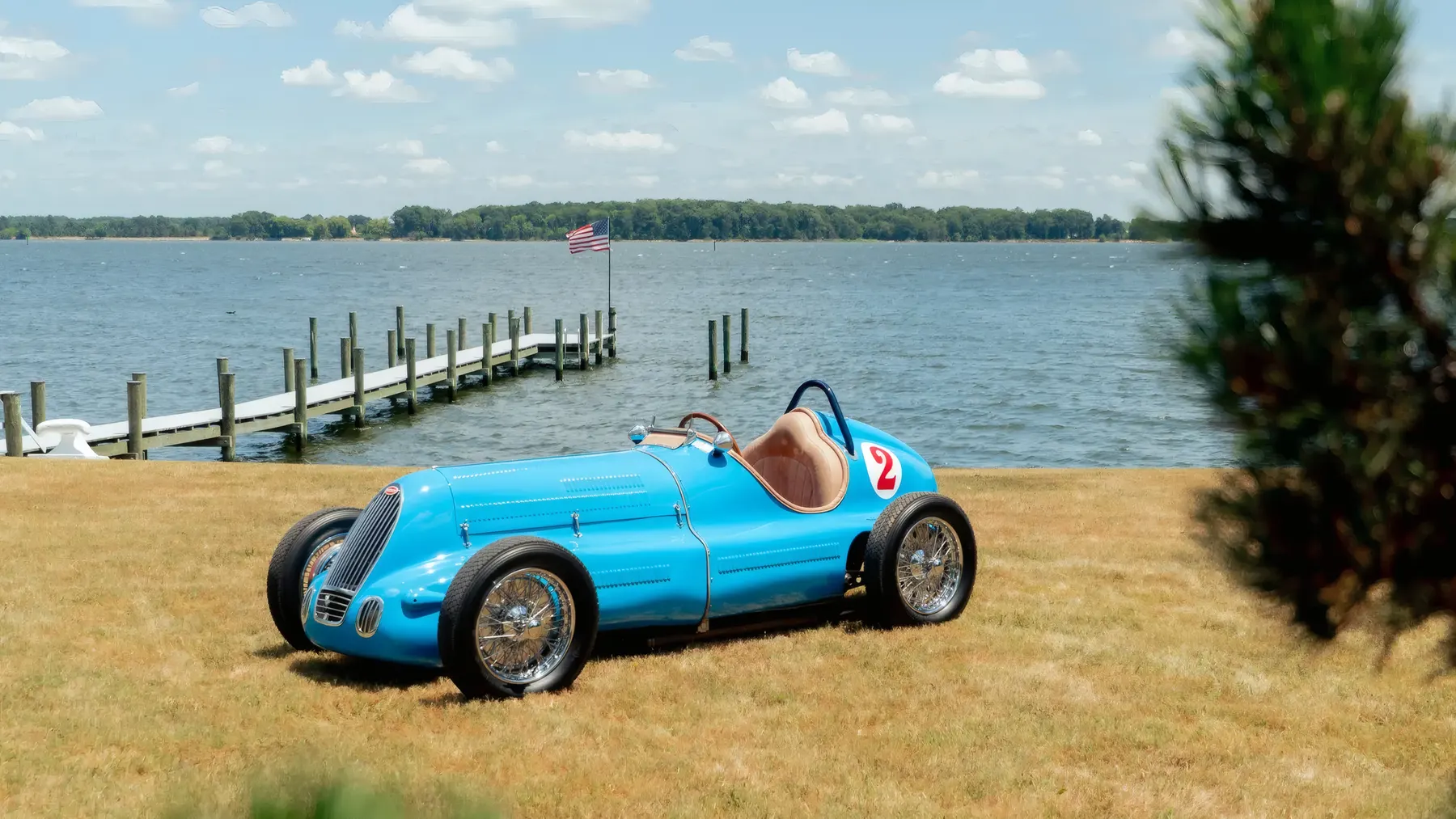
Established and recognisable cars transformed through substantial mechanical, structural or functional change while deliberately preserving the identity that made the original iconic.
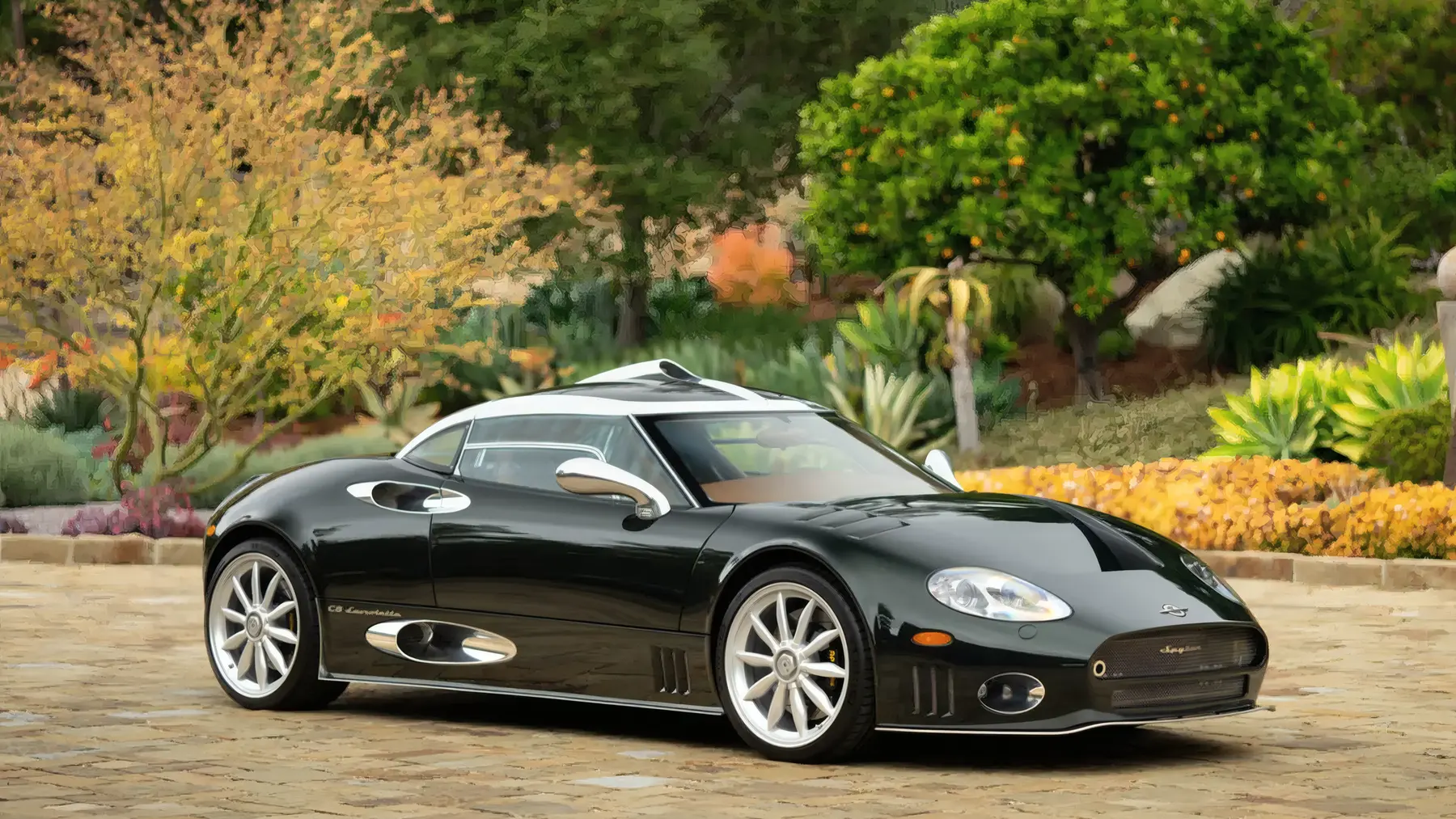
Cars that carried historic automotive names back into production after years or decades of dormancy, attempting to give old marques a new identity and future.
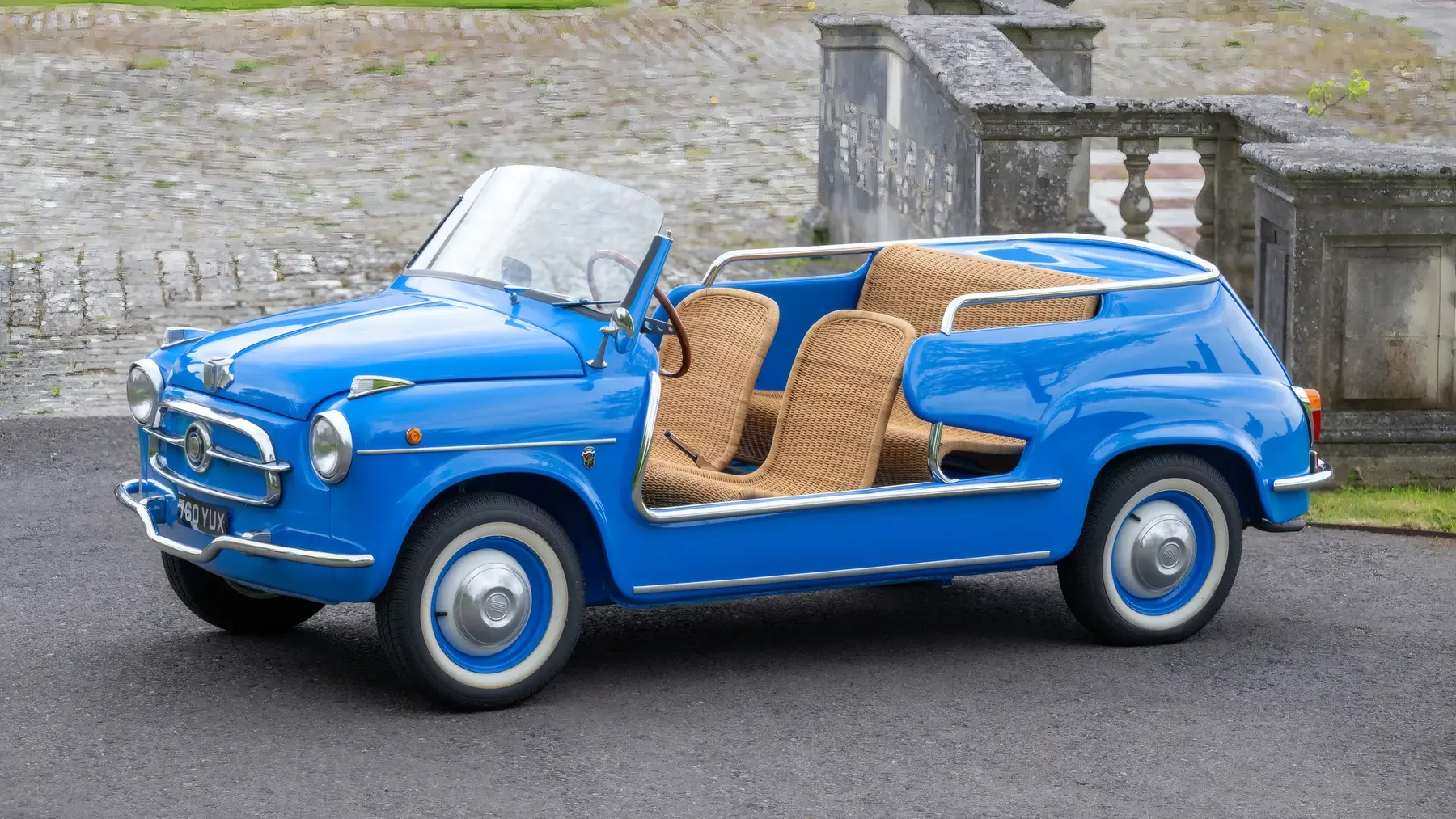
Informal open cars created for warm-weather leisure, favouring simplicity, sociability and effortless charm over outright performance, weather protection or long-distance practicality.
Competition cars whose greatest advantage came not from following convention, but from exploiting the rulebook more cleverly than their rivals.
Cars whose sporting appearance promised more than their performance delivered, exploring the appeal, purpose and compromises of putting visual drama ahead of outright speed.
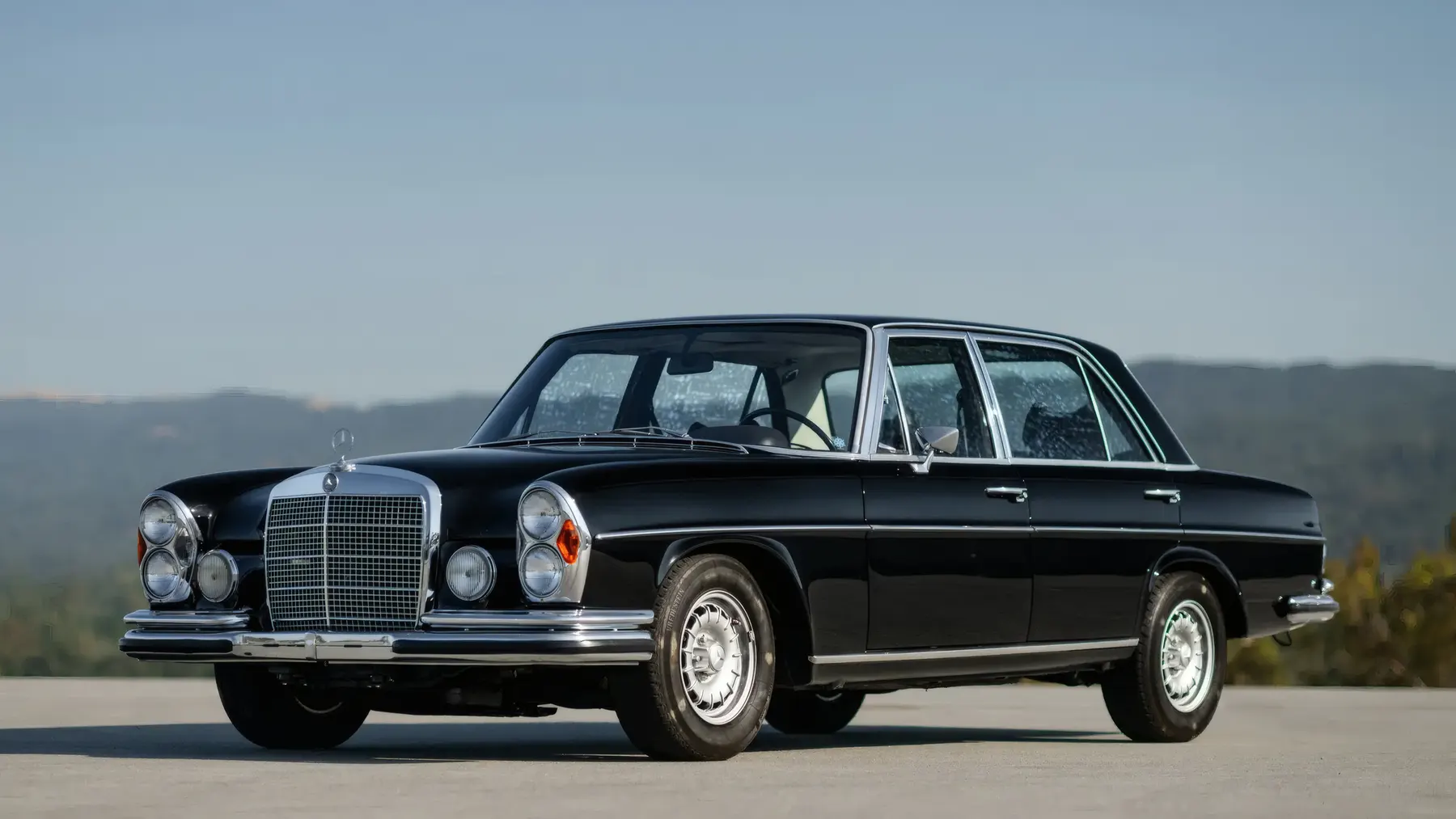
Cars that helped establish the super saloon, combining exceptional performance with four-door practicality, executive refinement and an often understated appearance.
Cars that introduced, combined or brought into production important technologies that changed how their manufacturers approached performance, handling, construction or the fundamental architecture of the automobile.
Cars shaped by unlikely partnerships between manufacturers, designers, engineers, coachbuilders or outside specialists whose combined influence created something neither side would have produced alone.